
Most people who recycle are doing it with the best intentions. They rinse containers, flatten boxes, and feel a small sense of relief watching the truck haul everything away. The problem is that good intentions don’t always translate into good outcomes – and a growing body of evidence suggests that common recycling errors are not just ineffective, but actively counterproductive.
The frustrating reality is that many of these mistakes are invisible to the people making them. You follow what you think are the rules, only to discover later that much of what you put in the bin ended up in a landfill anyway. That cycle of effort, confusion, and guilt is a known driver of eco-anxiety. Understanding exactly where things go wrong is the first step to breaking it.
1. Wishcycling: Tossing It in the Bin and Hoping for the Best
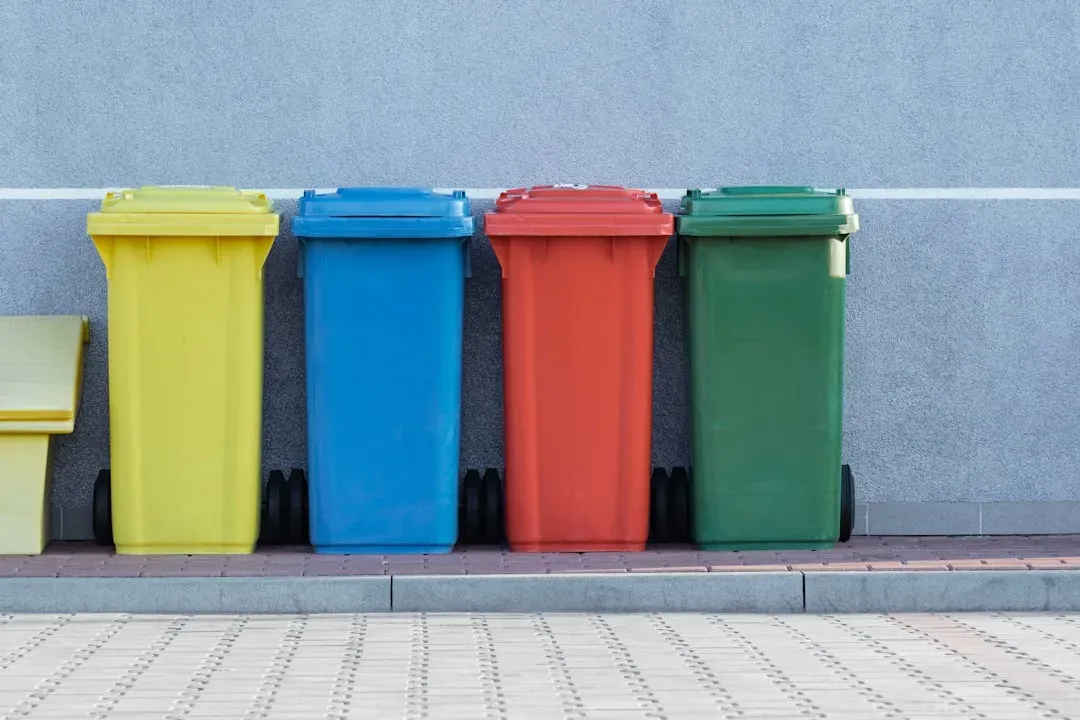
Wishcycling happens when a well-meaning resident tosses something into the recycling bin not because they know it’s recyclable, but because they wish it was. It’s one of the most common and damaging habits in residential recycling. Many wishcyclers hold the mistaken belief that it’s better to put what might be trash into the recycling bin than to miss an opportunity to recycle.
Wishcycling means putting an unrecyclable object into the recycling bin hoping for it to be recycled – and this leads to contamination, creating more waste as whole batches of contaminated items are rendered unrecyclable and re-routed to landfills. A study by the Pew Research Center found that roughly three in five Americans believe most types of items can be recycled and that mixed recycling is easily sorted – even though this isn’t the case.
2. Putting Food-Contaminated Containers in the Bin
Remnants of food and liquids prevent containers from being recycled and contaminate other items in the bin – and this is considered the worst recycling mistake because it causes the entire recycling bag to end up in a landfill. The good news is that containers don’t need to be spotless. Jars, cans, and other containers need to be reasonably clean – you don’t need to wash them as thoroughly as your dishes, but you do need to rinse them to make sure no food residue gets all over anything else.
Food residue doesn’t harm glass, plastic, or metal in the recycling, but it can destroy the value of paper or cardboard. So the real danger isn’t just the container you failed to rinse – it’s every sheet of cardboard and paper your neighbors recycled correctly that gets ruined in the process. Food residue is the leading reason why otherwise recyclable material gets sent to the landfill.
3. Bagging Your Recyclables in Plastic Bags
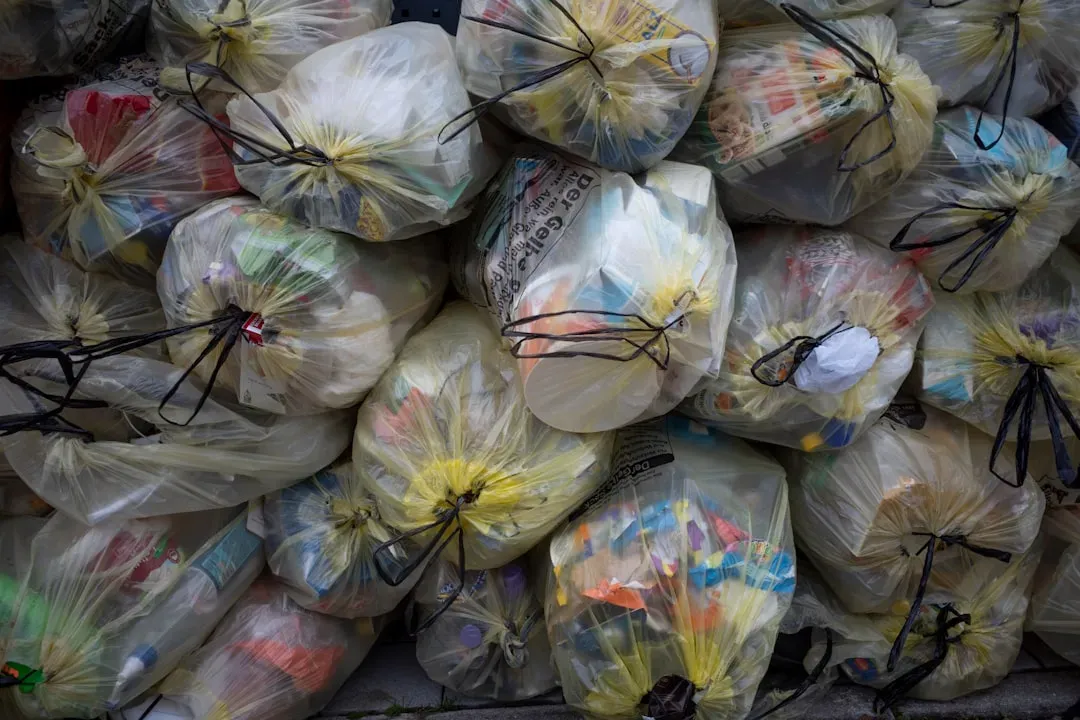
Plastic bags get tangled in sorting equipment – and that’s true whether they’re empty shopping bags or trash bags full of recyclables. Workers at facilities are not there to open and inspect mystery bags. Bagging recyclables guarantees that they will end up in a landfill.
Plastic bags cause hazards in recycling facilities by getting stuck in recycling equipment, causing workers to have to crawl into the system and cut them out. Beyond the equipment damage, plastic bags cause equipment damage costing facilities millions annually. When bags go into curbside recycling, they create “tanglers” that wrap around sorting machines, causing costly breakdowns, halts in production, and safety risks for workers.
4. Trusting the Recycling Symbol on Plastics
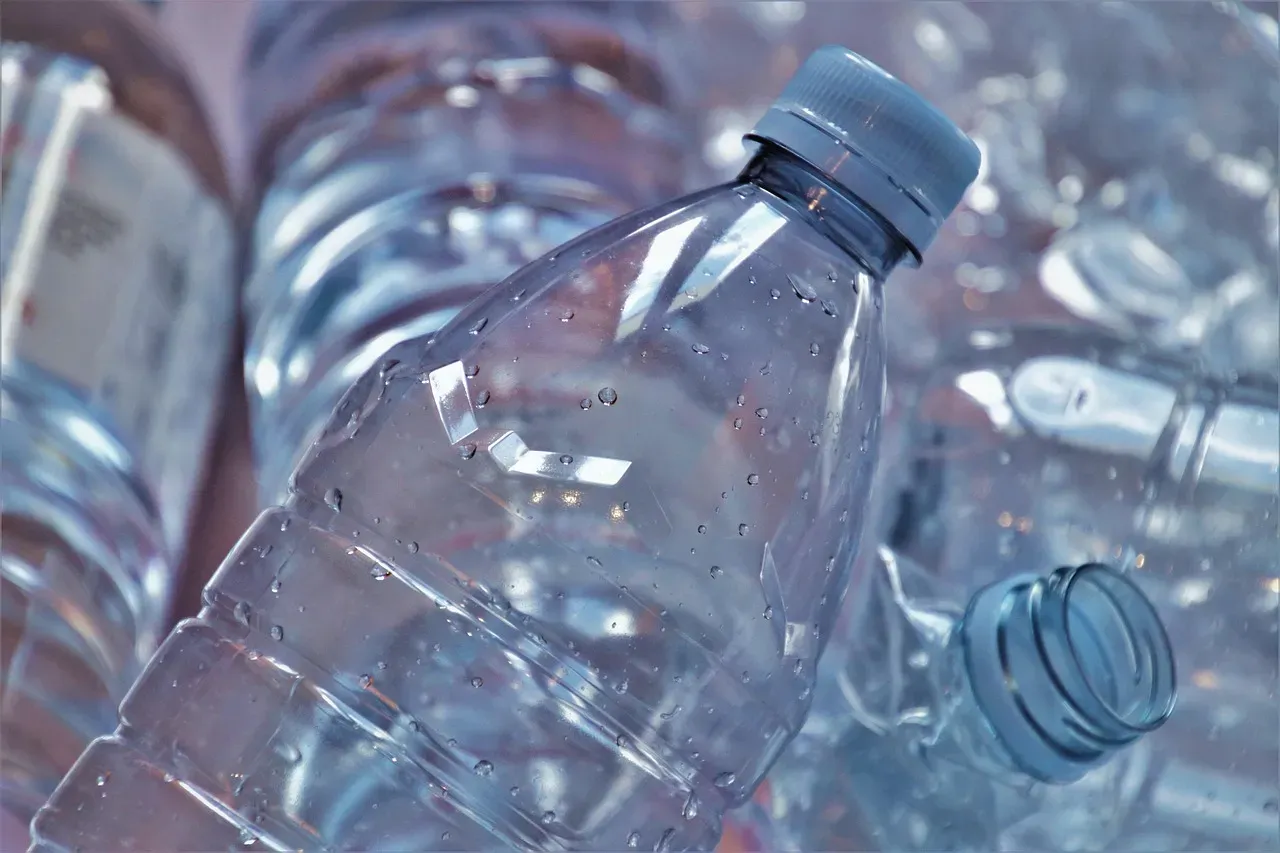
The three-arrow symbol is not a guarantee of recyclability. Some reports suggest that the plastics industry originally pushed the placement of recycling symbols on plastic products to make consumers think that plastics were widely recycled – even though the infrastructure to recycle most plastics didn’t exist. That’s a gap between marketing and reality that still misleads people today.
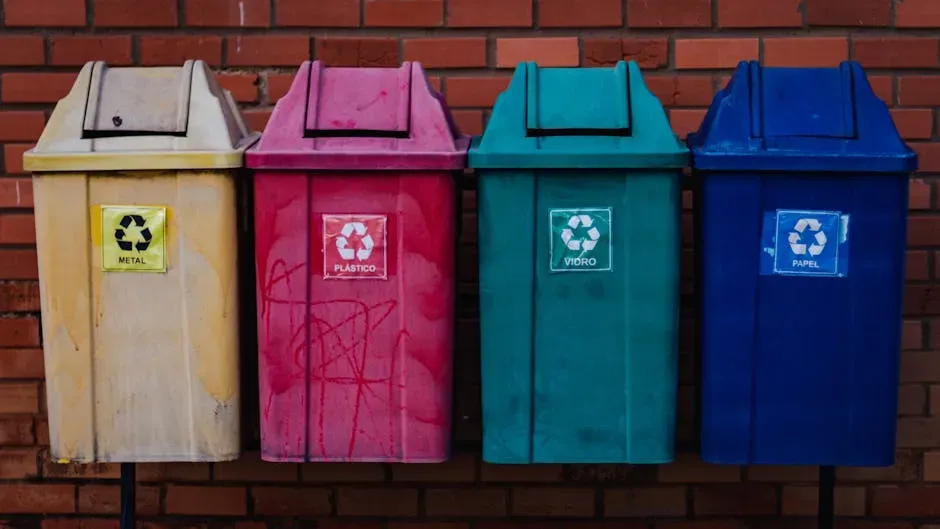
The resin identification codes – numbers 1 through 7 inside the triangular recycling symbol – help identify the type of plastic, but these symbols don’t necessarily mean an item can be recycled in your community. Plastics labeled 3 through 7 are typically only recycled in limited areas. Checking with your local program before assuming something is recyclable is genuinely worth the two minutes it takes.
5. Throwing Lithium-Ion Batteries in the Curbside Bin
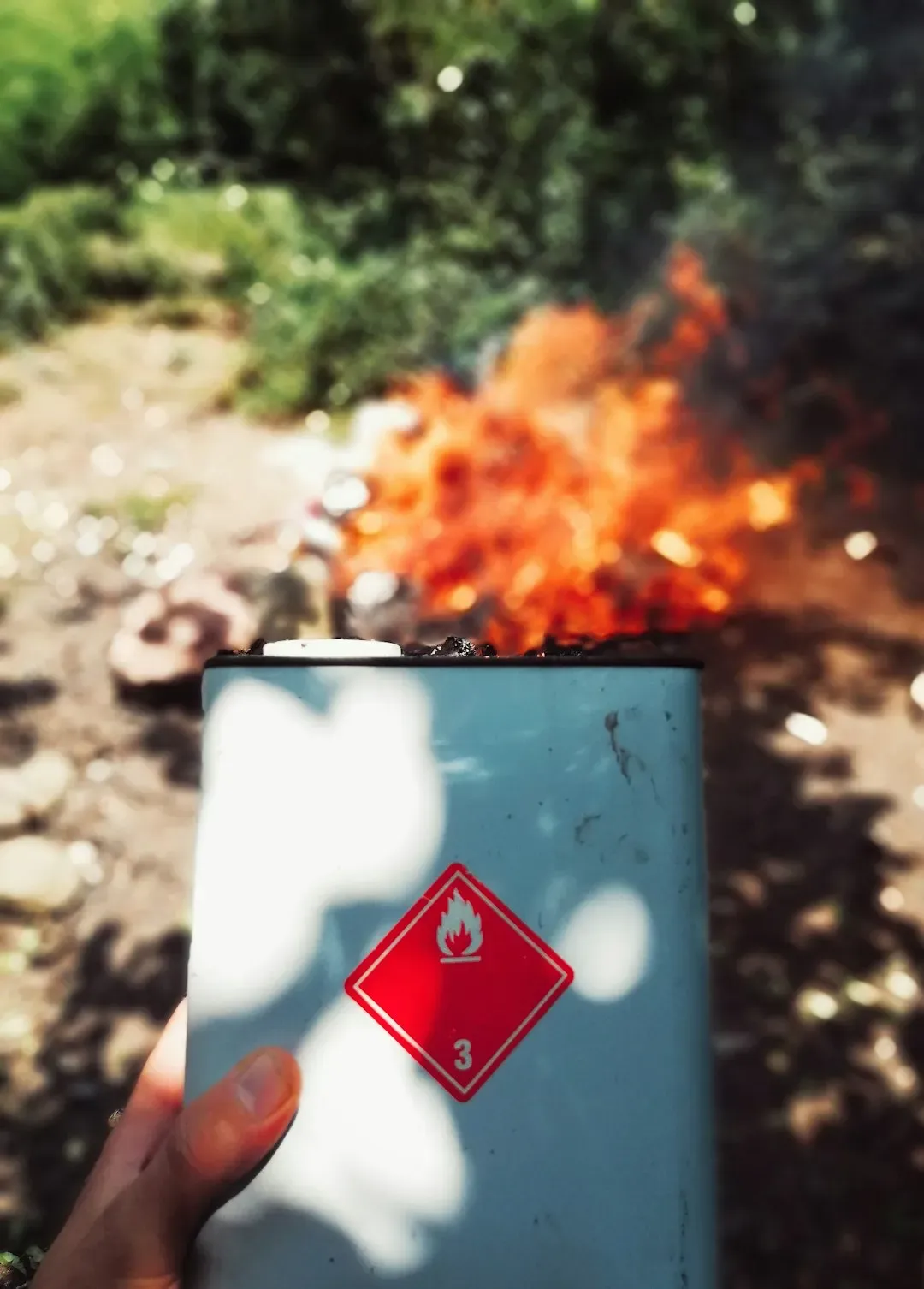
Lithium-ion batteries and devices containing these batteries should not go in household garbage or recycling bins – they can cause fires during transport or at landfills and recyclers, and should instead be taken to separate recycling or household hazardous waste collection points. This is not a minor technicality. Publicly reported fires at materials recovery facilities and transfer stations increased by 20% in 2024 over the prior year – the highest yearly figure since tracking began.
Lithium-ion batteries are often improperly dropped in curbside recycling carts, and during transportation to the facility or on the tip floor itself, they can get jostled or punctured to the point that they go into “thermal runaway” – the industry term for residual energy inside the batteries causing heat and potential fire. The National Waste and Recycling Association estimates that more than 5,000 fires occur annually at recycling facilities, and has warned that many are likely linked to lithium-ion batteries.
6. Ignoring the Low U.S. Recycling Capture Rate
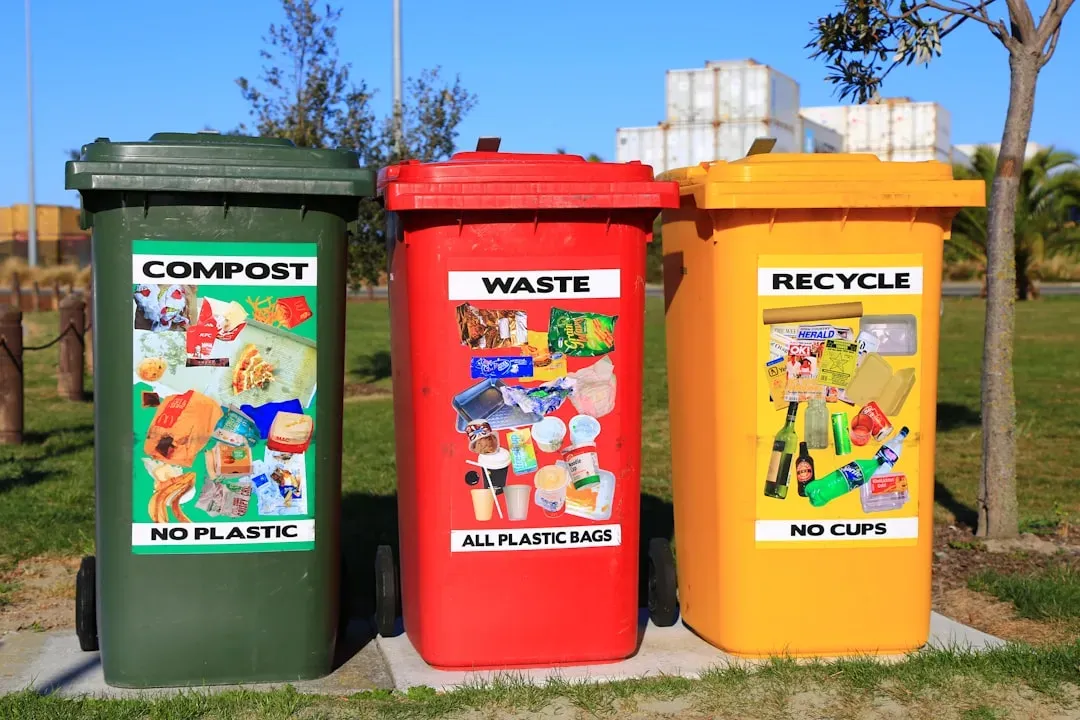
A 2024 report from The Recycling Partnership found that only 21% of residential recyclables are actually being recycled in the U.S. That figure is striking when you consider how many households participate. The gap isn’t just about contamination – it’s also about materials being thrown in the trash that should have gone in the bin.
Every material type is under-recycled: seven out of ten cardboard boxes, three out of four milk jugs, four out of five steel cans, and seven out of ten glass containers and aluminum cans are lost to trash in homes. The financial impact is substantial, with contamination costing an estimated several billion dollars annually in the U.S. alone. Not recycling what you actually can is just as much a problem as recycling what you shouldn’t.
7. Putting Shredded Paper Loose in the Bin
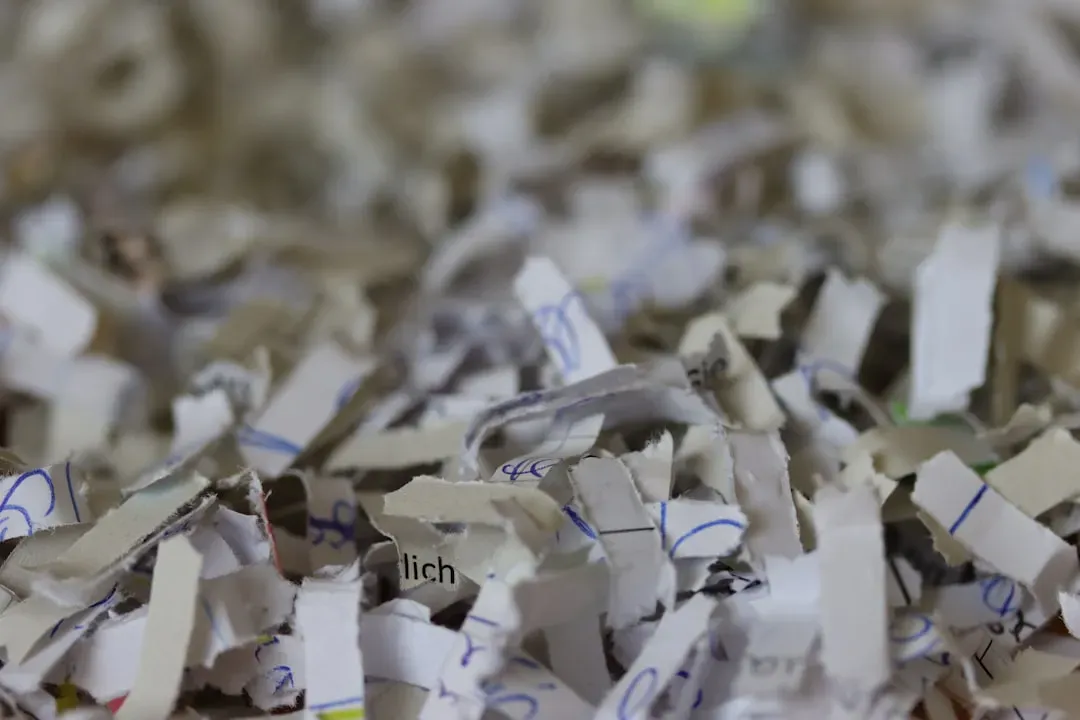
Including shredded paper with the recycling is a common mistake – shredded paper is hard to recycle and is best used for composting, art projects, or animal bedding. The issue is purely mechanical: the tiny pieces are too light and too small for the sorting systems designed to handle full sheets and cardboard. Shredded paper may not be accepted in all programs because it is too small and light to be properly sorted, and it can cling to other recyclables or equipment.
This is one of those cases where doing what feels right – shredding sensitive documents before recycling them – actually creates a new problem downstream. The paper isn’t wasted forever, it just needs a different destination. Many communities accept shredded paper at composting drop-off sites, where the small pieces are actually an advantage rather than a liability.
8. Recycling Wet or Rain-Soaked Paper and Cardboard
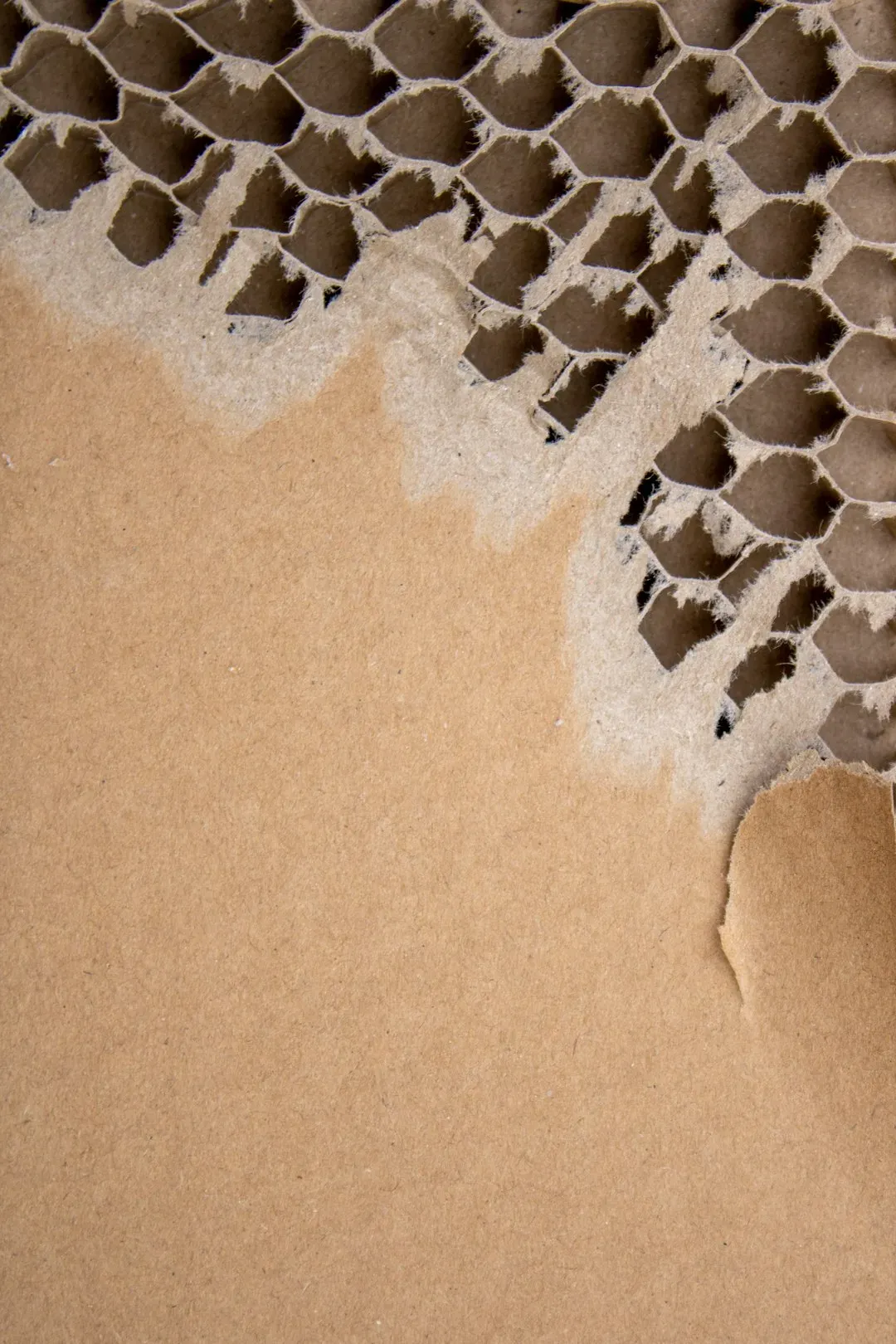
Water weakens the fibers of paper and cardboard and renders them useless for recycling – so don’t leave them out in the rain, and don’t try to recycle any paper from a flooded basement. Paper recycling depends entirely on intact fiber length, and once water degrades those fibers, even advanced processing equipment can’t recover them. Paper recycling depends on fiber length, contamination level, and coatings.
Various kinds of paper can be the most valuable part of the recycling stream, but they are also the most vulnerable to damage. A stack of soggy cardboard flattened and placed dutifully at the curb actually contaminates the paper stream rather than contributing to it. If you’re in doubt, the safer move is to compost it or discard it rather than risk bringing down the quality of an entire batch.
9. Not Knowing Your Local Rules – and Not Checking
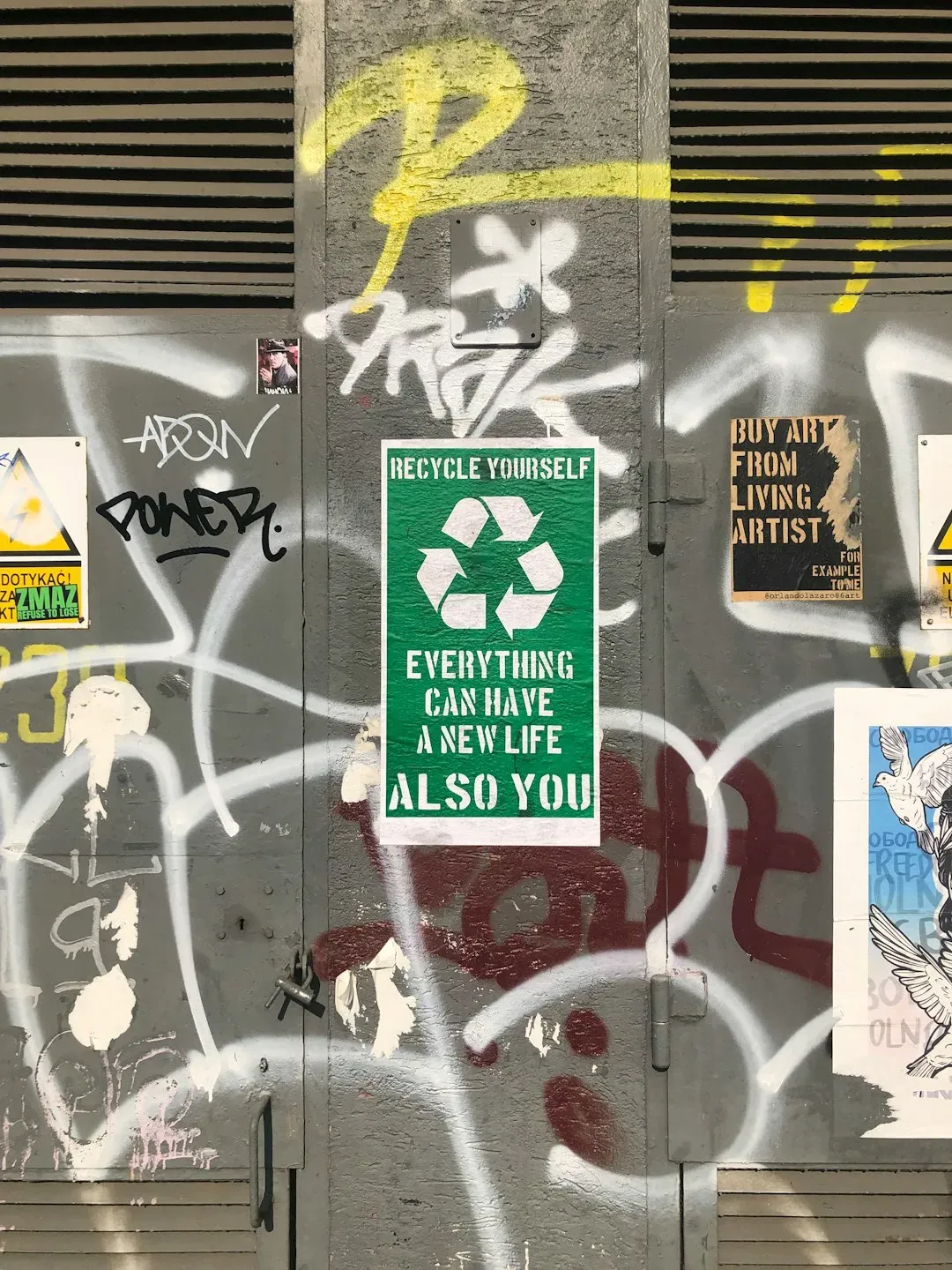
Confusion about what you can add to your recycling bin is all too common because consumers are confronted with an ever-evolving variety of packaging types, and what is acceptable in one community’s recycling program may not be acceptable in another. This isn’t a minor regional variation – it can be the difference between a material being recycled or heading straight to landfill. Every community has slightly different rules: some accept cartons and pizza boxes, while others don’t.
Just because something isn’t on your town’s list of what it accepts in recycling doesn’t mean you can’t recycle it – for example, you can’t put plastic bags out at the curb, but you can take them back to a store that provides recycling services. A two-minute check of your city’s recycling website eliminates years of confusion and prevents wish-cycling. That small habit, done once, pays dividends for years.
10. Assuming Recycling Alone Is Enough
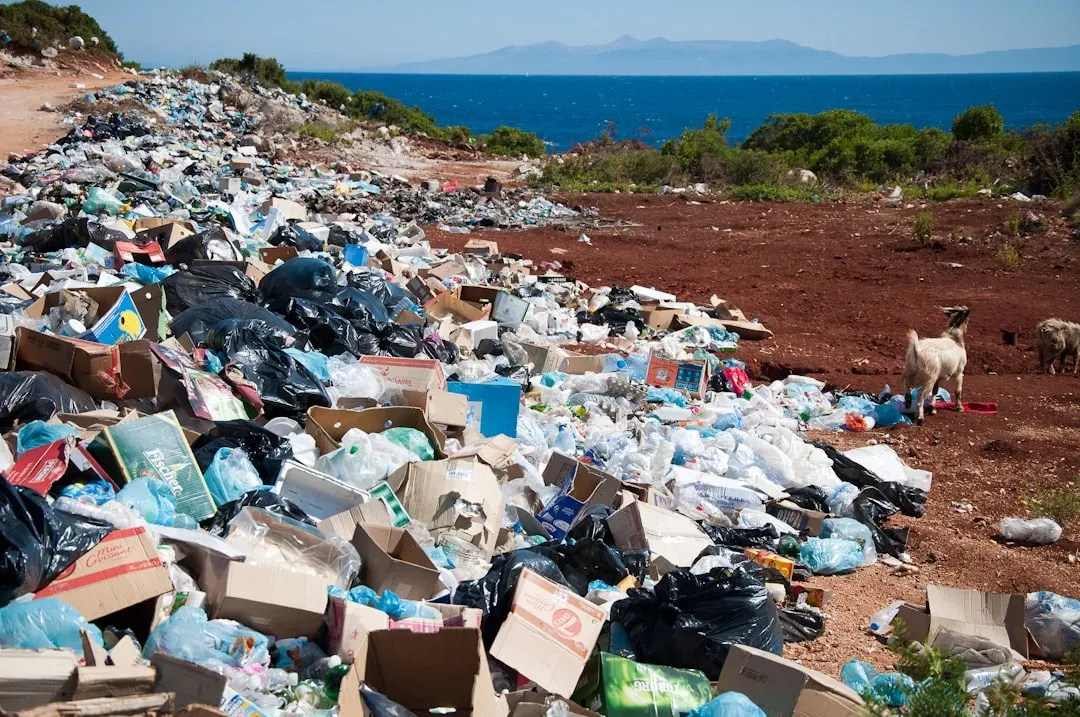
Less than 10% of the plastic ever created has been recycled. That’s a number worth sitting with. The cultural narrative around recycling has long suggested that sorting your waste is a meaningful act of environmental stewardship – and it is – but it has also let the harder conversation about consumption quietly slide. The best way to reduce plastic waste is by reducing consumption of plastic in the first place, and reusing what you can.
Global plastic recycling rates have yet to reach double digits in 2024. Meanwhile, global plastic consumption has quadrupled over the past 30 years. Recycling is a necessary part of the system, but treating it as the final answer – rather than one layer of a broader strategy – leaves a gap that no amount of bin-sorting can close. The recycling bin was never designed to carry that much weight on its own.
The eco-anxiety that many people feel around recycling is real, and it often stems from a mismatch between effort and outcome. You’re doing the work, following what you think are the rules, and yet the system still seems to fail. In most cases, though, the failure is correctable – with better information, a quick rule-check for your local program, and a slightly more skeptical eye toward the recycling symbol on that plastic lid. Small adjustments, consistently applied, do add up. The contamination that quietly undermines the whole system is largely the result of habits that can be changed, one rinsed jar at a time.