
Ever wondered what really happens behind the counter at your favorite fast food joint? Taco Bell has been serving up affordable Mexican-inspired food for decades, but there’s a lot more to those tacos and burritos than meets the eye. Some things never make it into the marketing campaigns or onto those glossy menu boards.
From how the food is actually prepared to what employees know about your order, the inner workings of the chain might leave you with more questions than answers. Let’s dive into what workers have revealed about life behind those drive-thru windows.
The Beef Isn’t Exactly What You Think It Is
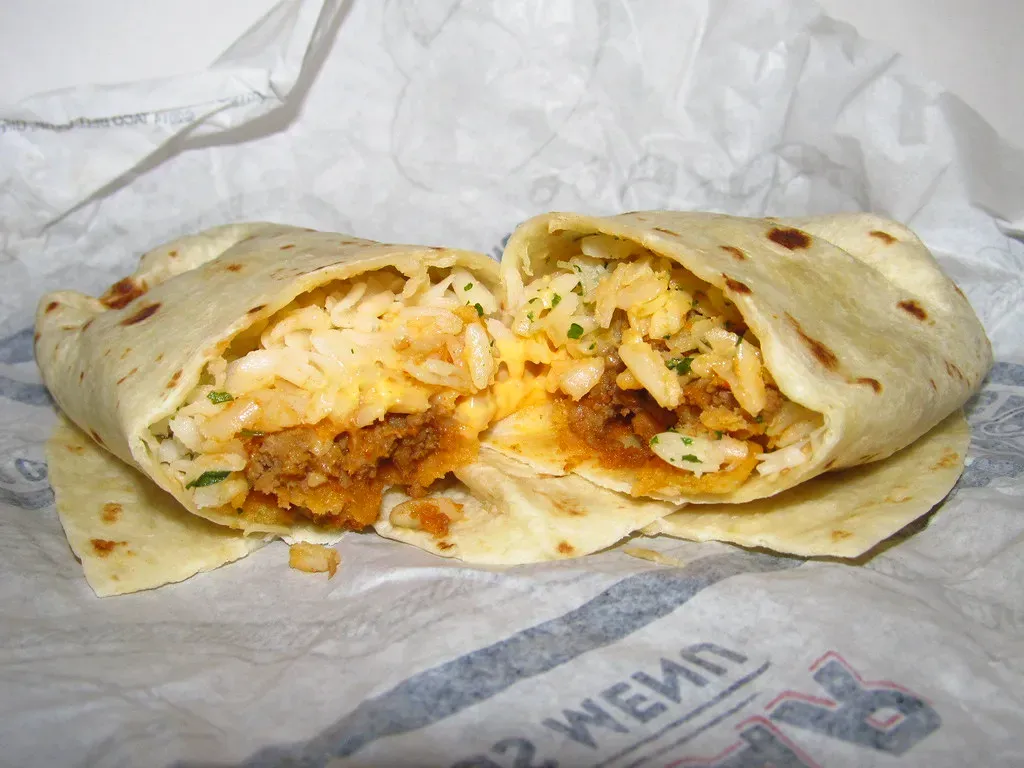
Here’s the thing nobody wants to talk about at Taco Bell: that seasoned beef filling has sparked more controversy than just about any other fast food ingredient. The meat mixture is actually 88 percent beef and 12 percent other ingredients, which became public knowledge after a 2011 lawsuit made headlines. The lawsuit initially claimed the beef contained only 35 percent actual meat, though those allegations were later dropped.
Taco Bell introduced an explainer on its website in 2011 describing what the other 12 percent contains, noting the ingredients have unusual names but are FDA-approved and commonly found in grocery store foods. That remaining portion includes water for moisture, plus seasonings and binders like oats, maltodextrin, and soy lecithin. Cocoa powder and caramel color are added to give the meat color richness, not flavor. Let’s be real, nobody goes to Taco Bell expecting steakhouse quality, yet the revelation still catches people off guard.
Employees Actually Guess How Much Nacho Cheese to Give You

Workers use two pumps of nacho cheese for portions, but the pumps Taco Bell provides don’t work well, so employees often guess how much two full pumps should be, especially during high-stress situations. Think about that next time your cheese cup looks half empty. The equipment simply doesn’t deliver consistent results, leaving staff to eyeball it while juggling a dozen other orders.
One customer complained about getting only a half-full cup of nacho cheese despite what nachos cost, and honestly, that frustration makes sense. You’re not imagining things when your cheese portion seems skimpy. The reality is that underfilled cups aren’t usually about employees being stingy – it’s about faulty equipment forcing workers to make split-second judgments when things get busy.
Your Customized Order Might Actually Annoy Them
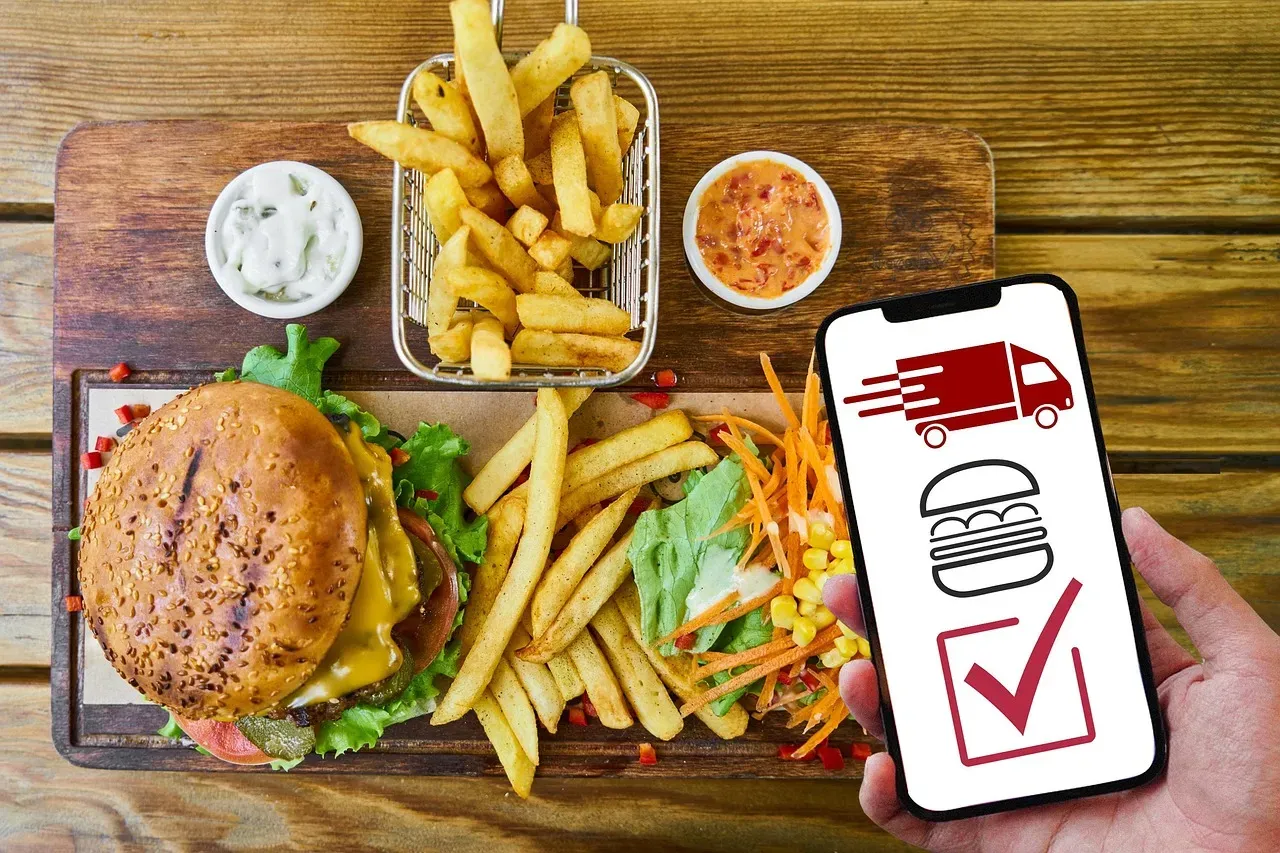
The worst type of order for employees includes items with many cantina items or heavy customizations, and changing an item almost completely gets frustrating or confusing. Workers don’t mind taking things off or adding extras, yet when you basically rebuild a menu item from scratch, it slows down the entire line. One regular customer’s heavily customized order rated a six out of ten on the annoyance scale because grilling items takes an extra step – it takes 17 seconds to grill something, which adds up with many orders.
Ordering modifications isn’t inherently bad, though the way you phrase them matters. Employees say to always mention ingredients you want removed first before asking for anything else, because if they hear about additions first, they might have already started preparing the item. It’s just about making their jobs easier during the rush.
The Refried Beans Come Dehydrated and Get Mixed With Water
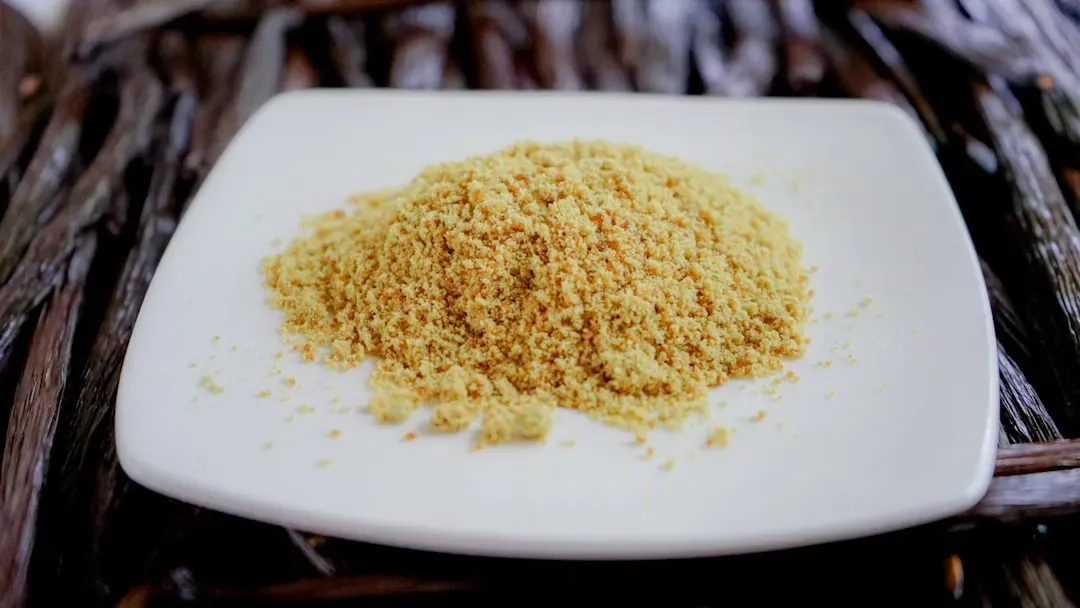
One TikTok user revealed that the beans come in dry storage and are rehydrated with water, which isn’t necessarily scandalous but definitely shifts your mental image of how Taco Bell food gets made. The beans arrive dehydrated and employees add water to prepare them. A Taco Bell employee mentioned this was the closest thing to something they wouldn’t eat anymore, though they admitted still eating the beans because they taste good.
Some TikTok users who previously worked at Taco Bell or other fast-food chains noted that many restaurants use similar dried ingredients and weren’t surprised, while others disregarded the revelation entirely because they enjoyed Taco Bell’s beans regardless of preparation method. Most packaged refried beans you buy at the grocery store work similarly, so maybe this secret isn’t as shocking as it first appears.
They Use Way More Produce Than You’d Expect
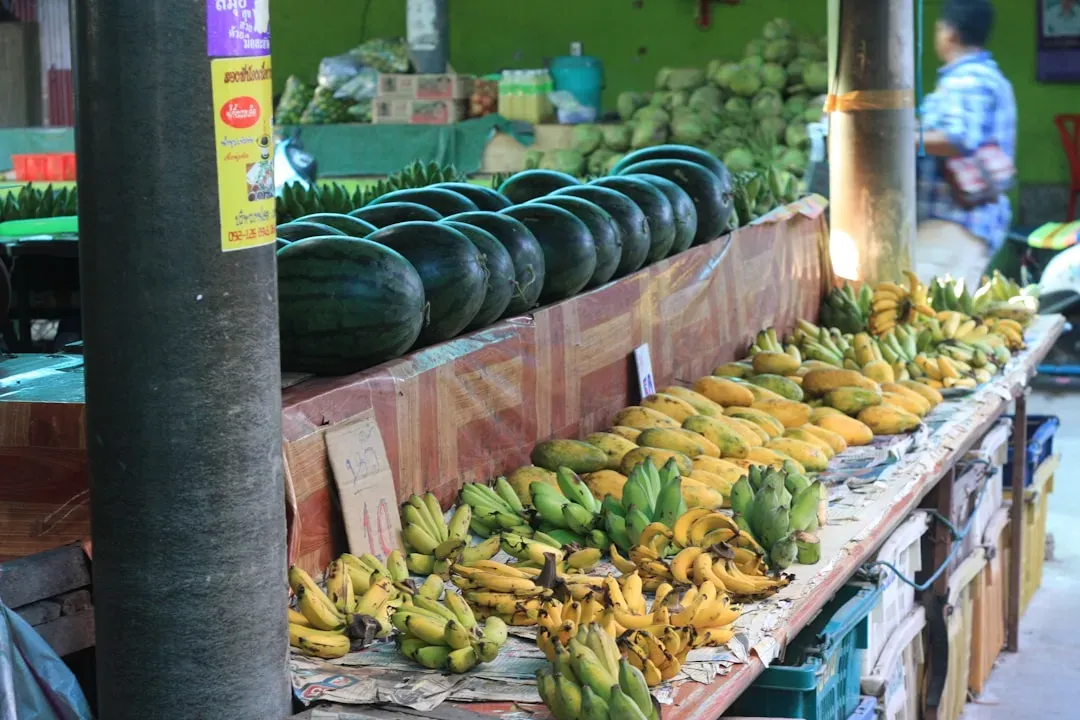
Taco Bell doesn’t exactly scream “fresh vegetables,” yet the numbers tell a different story. Through the introduction of the Cantina Chicken Menu, Taco Bell projected using more than 2.5 million additional pounds of produce in 2024. Premium ingredients on the Cantina Chicken Menu include shredded purple cabbage, white corn tortilla shells freshly fried daily, and pico de gallo freshly prepared daily.
The chain has genuinely invested in higher-quality ingredients over recent years, moving beyond just lettuce and tomatoes. The menu features chicken that’s been slow-roasted with Mexican spices including garlic, onions and various chilies, along with a new Avocado Verde Salsa featuring tomatillos, green chili peppers and real avocado pulp. Still, the perception that everything comes pre-packaged and processed remains stubbornly persistent.
Stores Can Stay Open Past Closing Time If They’re Making Money

If a Taco Bell makes just 75 dollars in the hour before planned closing time, workers have to keep the restaurant open for another half hour beyond their planned shift end. A store manager shared this practice on Reddit, revealing how profit targets directly impact employee schedules. Imagine planning to clock out at midnight only to discover you’re stuck there until 12:30 because the register hit a certain threshold.
This policy puts workers in an awkward position – they obviously want the business to succeed, though they also have lives outside work. It’s one of those bizarre rules that makes total sense from a business perspective while being deeply annoying for the people actually manning the registers and cooking stations late at night.
Sauce Packets Are Rationed But Free If You Ask
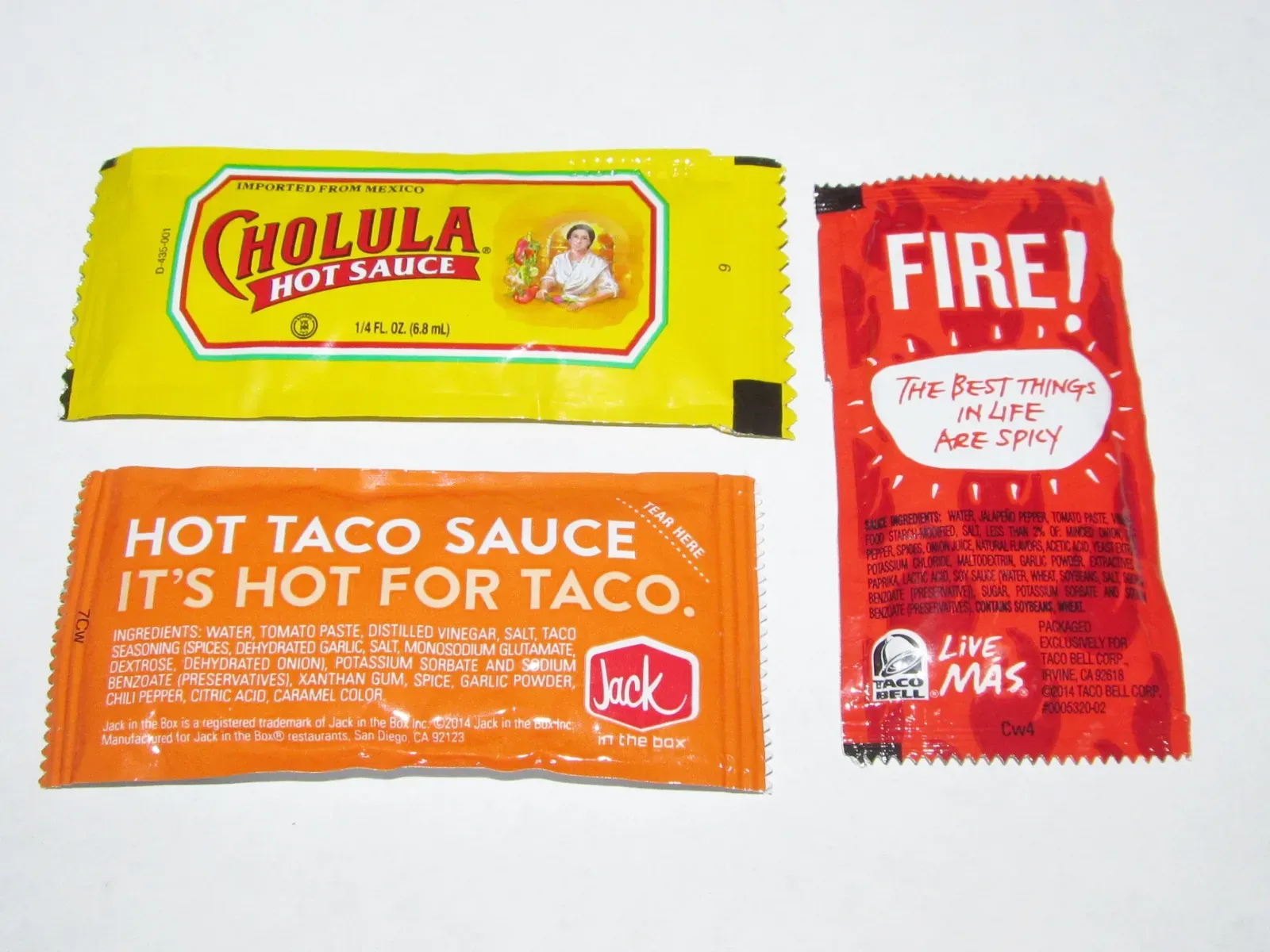
The rule for sauce packets varies by franchise, but generally it’s one sauce packet and one napkin per menu item a customer orders. That explains why your bag sometimes feels stingy on Fire sauce when you’ve got four burritos to demolish. The good news? Taco Bell employees are limited in initial sauce dispensing but allowed to hand over more for free if a customer asks.
Customers can order jalapeño sauce as a side through the app for around three dollars for 30 sides, though employees will hate you for it, according to one insider. The chain technically allows bulk sauce orders, yet workers bear the burden of filling all those tiny containers while other orders pile up. Don’t abuse this knowledge.
Employee Retention Has Actually Improved Significantly

In 2025 within company-owned restaurants, team member retention improved year-over-year by 17 percent, and restaurant general manager vacancy reduced by 27 percent. These numbers matter because they signal Taco Bell is doing something right behind the scenes. Roughly two-thirds of restaurant leadership roles at company-owned restaurants in 2025 were filled through internal promotion, and nearly 25 percent of general managers have been with the brand for over 15 years.
Locations with access to tuition benefits have 73 percent retention on the front line, according to company data. The chain has expanded education benefits to franchise locations for the first time, showing genuine investment in worker development. Fast food jobs get dismissed as dead-end positions, but Taco Bell appears to be challenging that stereotype with measurable results.
Everything Gets Weighed on a Digital Scale Before Serving

Everything from the menu gets put on a digital scale before being passed to a customer, revealed one employee in an interview. This ensures portion consistency across thousands of locations, though it also means there’s less room for generous employees to hook you up with extra meat or cheese. The scale doesn’t lie, and managers track these metrics closely.
This practice protects both customers and the company – you get what you paid for, and Taco Bell controls food costs. Still, it removes that human element where a sympathetic worker might toss in a little extra because you look hungry or they’re just feeling generous that day. Every gram is accounted for.
There Have Been Serious Food Safety Issues Over the Years
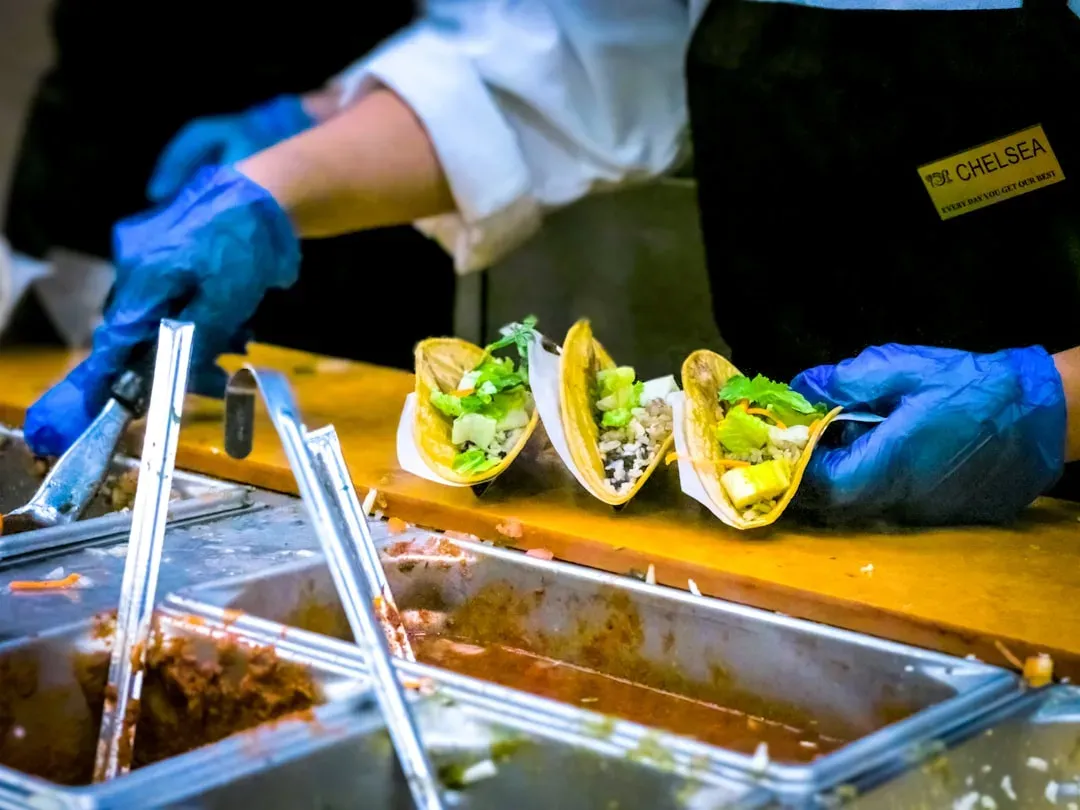
In 2019, Taco Bell recalled around 2.3 million pounds of seasoned beef after a customer found a piece of metal in their food. Federal regulators were alerted after three consumers complained about metal pieces, and the beef produced between September 20 and October 4 was shipped to Taco Bells nationwide. While the recall was voluntary and no adverse reactions were reported, it highlighted vulnerabilities in the supply chain.
More recently, workers at an El Dorado Hills, California location filed a Cal/OSHA complaint alleging rodents and roaches in the kitchen and lobby areas, plus claims that undercooked or spoiled food was served to customers. In 2010, two multistate Salmonella outbreaks involving Salmonella Baildon and Hartford were linked to Taco Bell restaurants, and in 2024 the chain pulled onions from menus as a precaution during a wider E. coli outbreak primarily affecting McDonald’s. These incidents don’t happen constantly, though they’re worth knowing about when you’re deciding where to grab dinner.