
There’s a quiet assumption baked into high-rise living: that being above the street means being above the pollution. Get high enough, the thinking goes, and the exhaust fumes, dust, and urban grime simply fall away beneath you. It’s a reasonable assumption. It’s also largely wrong.
The air inside a high-rise apartment or office can carry pollutants that standard filters are poorly equipped to handle, ranging from gases that seep silently from furniture to ultrafine particles born from chemical reactions happening in your own kitchen. Understanding what’s actually circulating through your home, and why conventional filtration often misses it, is the first step toward breathing air that’s genuinely cleaner.
The Indoor-Outdoor Paradox: Your Apartment May Be More Polluted Than the Street Below

Indoor air can be up to five times more polluted than outdoor air, according to the EPA. That figure surprises most people, especially those who paid a premium specifically to live above the noise and smog of street level. Even in normal conditions, experts confirm that air quality indoors can be up to five times worse than outdoors.
The indoor PM2.5 level in an office building could be three times higher than the value recommended by the National Ambient Air Quality Standard. Sealed windows, energy-efficient insulation, and centralized HVAC systems all contribute to pollutants accumulating rather than dispersing. The building envelope that keeps you warm in winter can just as easily trap harmful compounds inside year-round.
Volatile Organic Compounds: The Invisible Off-Gas From Everything You Own
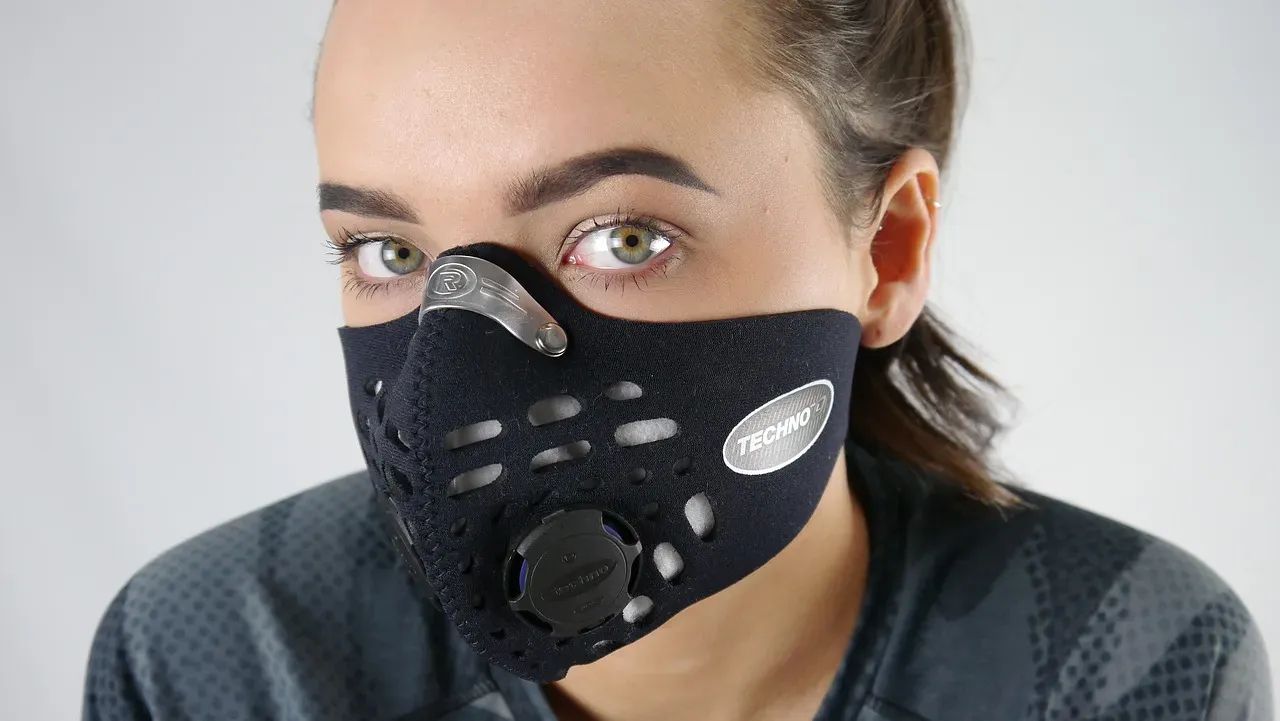
Concentrations of many VOCs are consistently higher indoors, up to ten times higher, than outdoors. These compounds come from an unexpectedly wide range of sources. VOCs are emitted by a wide array of products numbering in the thousands, including paints, varnishes, and wax, as well as many cleaning, disinfecting, cosmetic, degreasing, and hobby products.
Building materials and furnishings create long-term VOC sources. Carpets, especially those with synthetic backing or padding, emit formaldehyde and other compounds for extended periods, and pressed wood products release formaldehyde as binding resins break down over time. New furniture made with composite materials or foam cushioning can emit various organic compounds for weeks or months after purchase. In a sealed high-rise unit, those emissions have nowhere to go.
Formaldehyde: The Slow-Release Threat in Your Walls and Floors

Formaldehyde, one of the best-known VOCs, is one of the few indoor air pollutants that can be readily measured. It’s also one of the most persistent. Long-term exposure to formaldehyde can cause respiratory irritation and, in severe cases, even nasopharyngeal cancer. The catch is that the source is often the building itself.
Pressed wood products like MDF release formaldehyde, while vinyl flooring and wallcoverings emit phthalates, and paints and sealants contain VOCs. These materials can continue to affect indoor air quality long after move-in. In high-performance homes where airtightness is prioritized, the consequences are amplified. Standard HEPA filters, which are excellent at trapping particles, do nothing to remove formaldehyde gas.
What HEPA Filters Actually Miss
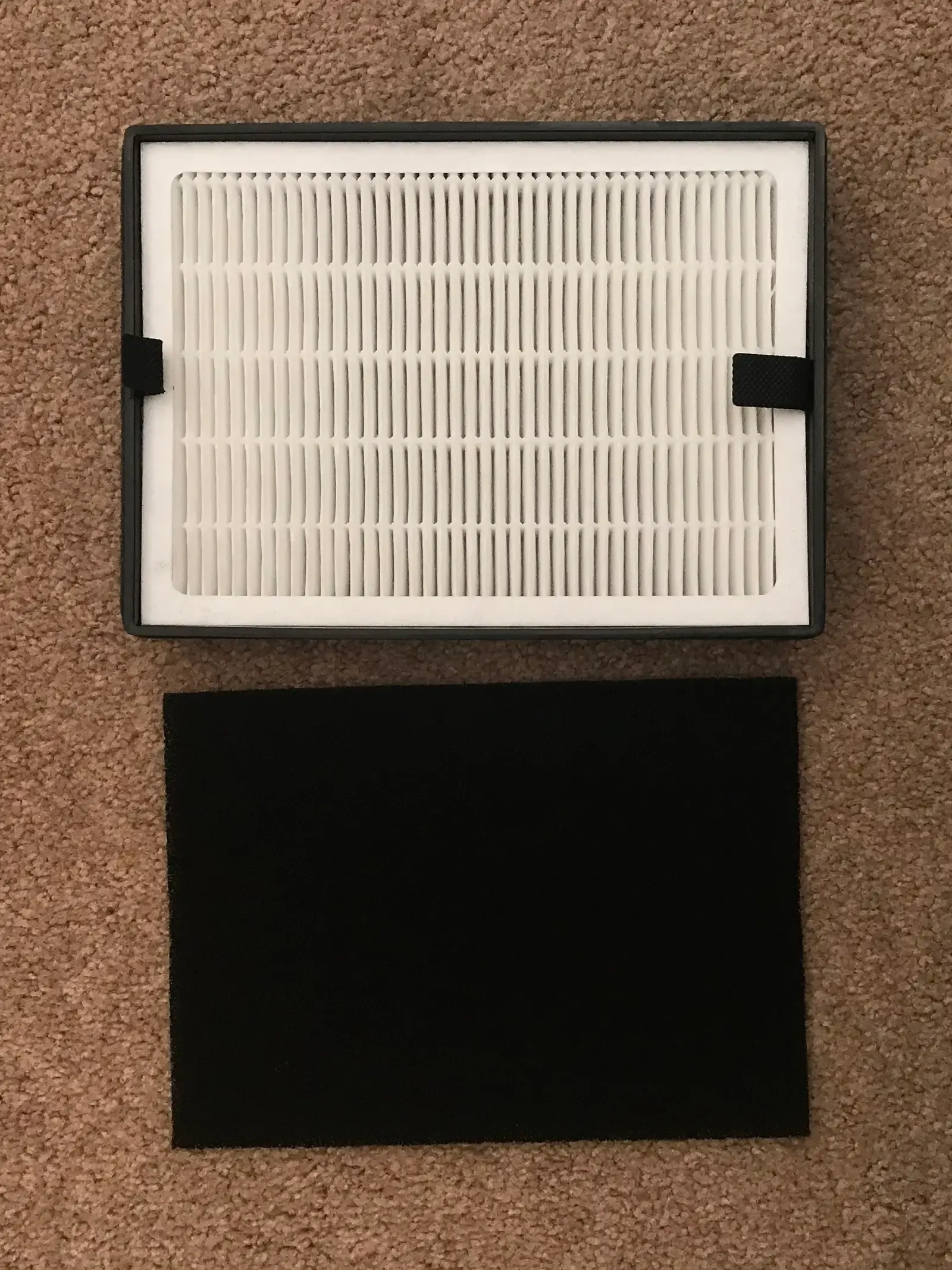
Portable air cleaners and HVAC filters can reduce indoor air pollution; however, they cannot remove all pollutants from the air. HEPA technology is designed around particles, and it does that job well. HEPA filters are well-known for their excellent efficacy in removing 99.97% of particles, such as bacteria, dust, pollen, and pet dander. The gap is with gases and ultrafine particles at the nano scale.
High-efficiency particulate air HEPA filters effectively capture particles but are less effective against gaseous VOCs, making carbon filtration essential for comprehensive VOC control. Most standard residential HVAC systems in high-rise buildings are not equipped with activated carbon stages. Considering units with activated carbon filters to neutralize odors and chemical vapors is worth doing alongside any HEPA setup, not instead of it.
The Stack Effect: How Your Building Pumps Pollutants Upward

High-rise buildings create their own internal air currents, a phenomenon known as the stack effect. Stack ventilation facilitates cooler air entering at lower levels, warming up as it rises, and venting out at higher levels. In winter, when the temperature difference between inside and outside is greatest, this effect becomes especially pronounced. Pollutants generated in lower floors, basements, parking garages, or even neighboring units can be drawn upward through the building.
Results from research show that the impact of outdoor air pollutants on indoor air quality was highest in winter, followed by spring, autumn, and summer. The relatively high wind speed at elevation can also impact air infiltration in high-rise buildings. Combined with seasonal heating cycles that reduce natural ventilation, residents on upper floors can face higher pollutant loads than they’d expect during the coldest months.
Ultrafine Particles: Too Small for Most Filters, Too Dangerous to Ignore

Ultrafine particles less than 100 nanometers in diameter have a very large surface area and a very high alveolar deposition fraction, and their potential to cause health problems cannot be ignored. These particles aren’t just filtered particles that slipped through. Many of them are created indoors through chemical reactions. Frying produces predominantly ultrafine particles, which are highly efficient at depositing in the respiratory tract.
Ultrafine particles are small enough to be inhaled deep into the lungs, where they can cross into the bloodstream, and they have been linked to a range of respiratory and cardiovascular problems through oxidative stress. Concentrations of terpenes and terpene alcohols tend to be much higher indoors than outside, and ozone reacting with these compounds generates products that condense on existing particles or nucleate, producing secondary organic aerosol, typically ultrafine particles under 100 nanometers in diameter.
Ozone and Indoor Chemistry: When Your Air Freshener Becomes a Pollutant Factory

Ozone is not just an outdoor pollutant. Ground-level ozone may rise and settle at greater heights depending on weather conditions, and it can pose respiratory irritants to people living on upper floors. Once ozone enters a sealed apartment, it doesn’t just sit there quietly. It reacts. The ozone produced by ozone generators can also drive chemical reactions that result in increased concentrations of formaldehyde, ultrafine particles, and other pollutants that pose risks to health.
One major focus of indoor chemistry research has been the reaction of terpene-based fragrances in indoor air emitted from many wood-based materials and consumer products. While terpenes themselves are not generally considered a health concern, their reactions with ozone and the hydroxyl radical produce formaldehyde and ultrafine particles formed by condensation and nucleation processes. The plug-in air freshener you use to make your apartment smell like citrus may, in the presence of ozone, be generating pollutants your filter will never catch.
Shared Ventilation Systems: Your Neighbors’ Air Is Your Air
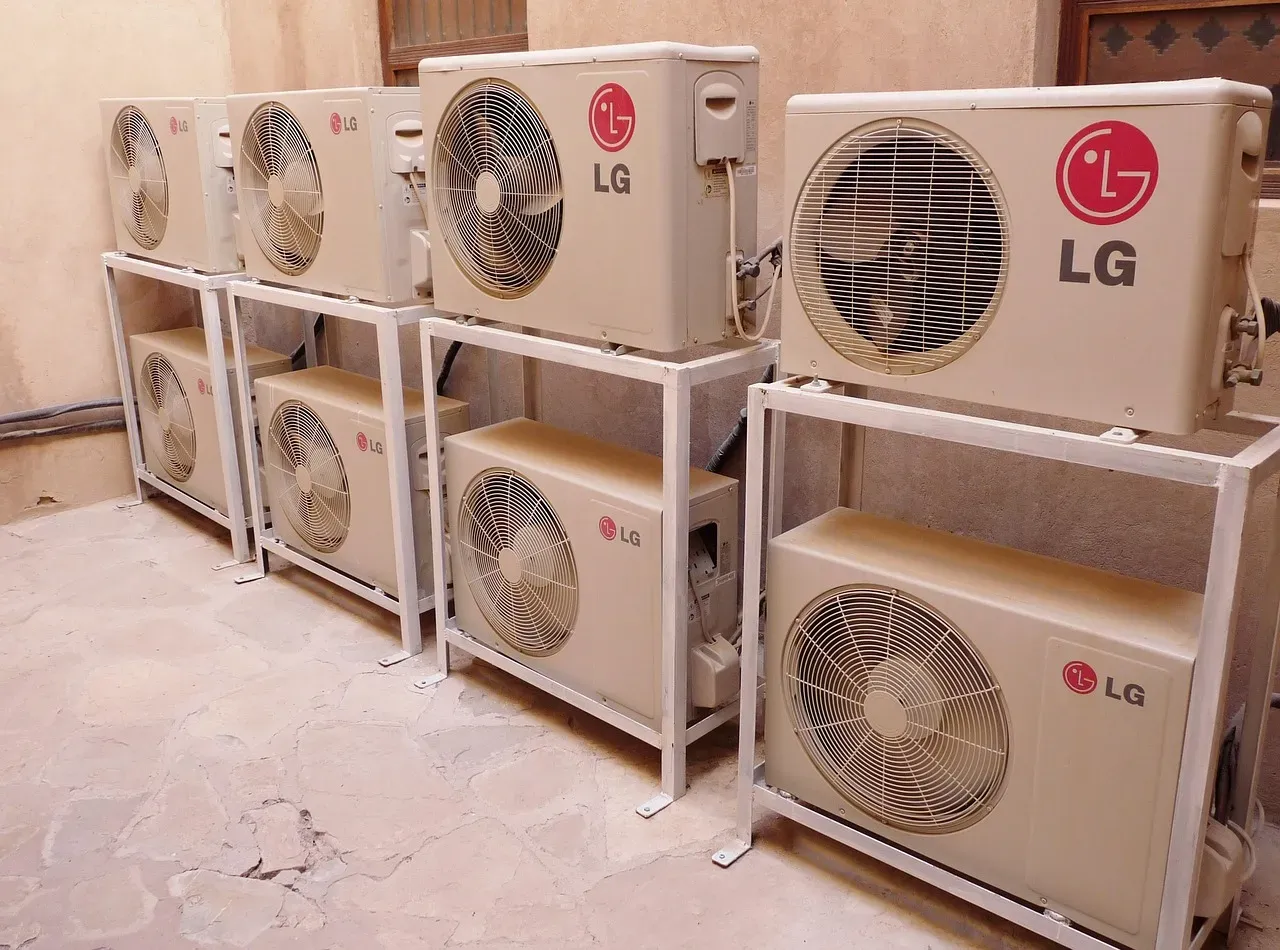
In a high-rise, you don’t just share walls. You share air. According to the EPA, apartments or multifamily buildings pose unique indoor air quality challenges because pollutants may move from unit to unit. Oftentimes residents can’t control the quality or quantity of air circulating through their building, and many buildings have ventilation systems that share air between every unit in the complex.
Apartment buildings multiply the sources of indoor air pollution you’re being exposed to. If your building features gas stoves, for example, you’re potentially being exposed to the fine particulate matter produced by every stove in your building, not just your own. Contaminants such as dust, pollen, allergens, pet dander, mold spores, and pollutants from neighboring units can all compromise indoor air quality in a high-rise residential atmosphere.
Wildfire Smoke and Long-Range Pollution: The Threat That Arrives Uninvited

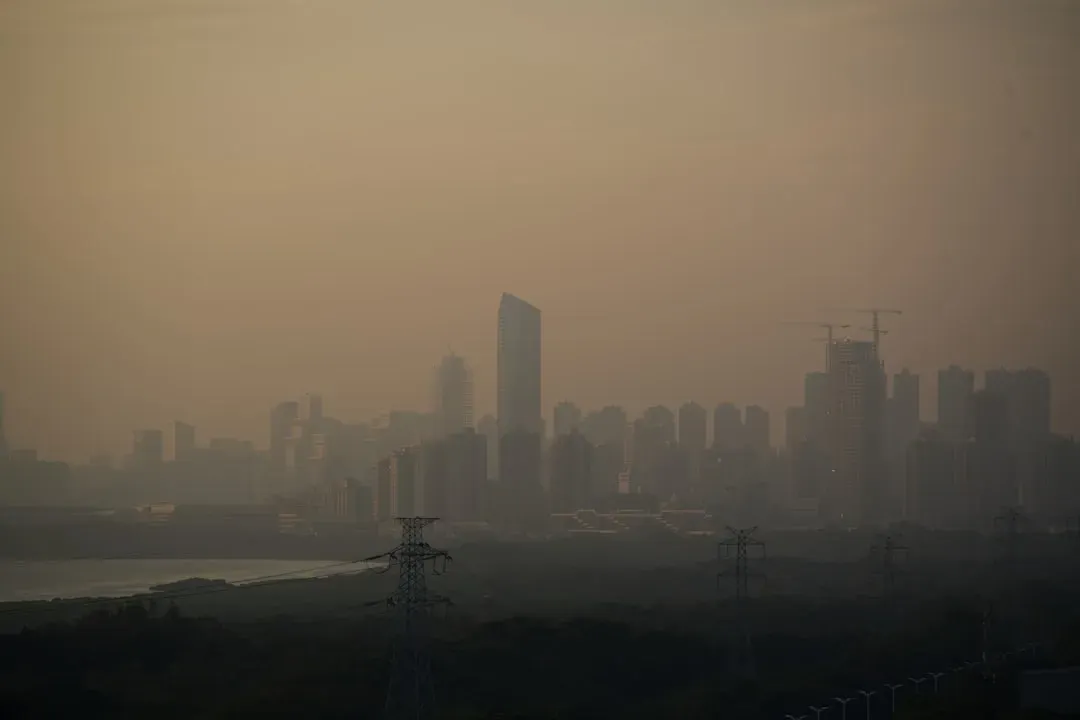
Wildfire events have made it increasingly clear that no floor is truly insulated from outdoor air events. In the days following some of the worst outdoor air events in New York City, indoor air quality readings were fifteen times higher than what’s considered safe. Wildfire smoke carries fine particles and toxic compounds that penetrate building envelopes with ease, especially through poorly sealed windows and aging ductwork.
Long-range pollutants such as fine particulate matter PM2.5 reach even higher floors from long distances. The pollutant PM2.5 is associated with serious health conditions such as respiratory problems, cardiovascular diseases, and cancer, and it can be found throughout the air mass, even at higher elevations. Central air conditioning systems often installed in high-rise buildings, while helpful during hot seasons, may not always filter out harmful pollutants, especially if circulation of air is poor and filtration systems are not the most current.
Radon and Building Materials: The Radioactive Risk Few Residents Consider

The inhalation of radon decay products is one of the most important causes of lung cancer after smoking, and stony building materials are an important source of indoor radon. Radon is odorless, colorless, and not captured by standard particulate filters. It’s easy to overlook entirely. The National Cancer Institute estimates that up to 22,000 people die due to lung cancer caused by radon exposure each year.
Many residents assume radon is a ground-floor concern confined to basement spaces, but building materials throughout a structure can act as ongoing sources. Excessive VOC levels, including those from radon-related compounds, reduce productivity, degrade sleep, and cause acute and long-term health problems, making active management essential for keeping occupants healthy. Testing remains the only reliable way to know your actual exposure level, and it’s something very few high-rise residents ever do.
What Actually Works: Smarter Approaches to High-Rise Air Quality
The most effective ways to improve indoor air are to reduce or remove the sources of pollutants and to ventilate with clean outdoor air. Research shows that filtration can be an effective supplement to source control and ventilation. For high-rise residents, that means layering strategies rather than relying on a single device. A high-efficiency filter is recommended to maintain healthy indoor air quality, and a double-filter system may be required if a building is exposed to heavily polluted outdoor air, considering the most substantial impact in winter.
Maintaining optimal humidity levels between 30% and 50% can reduce the presence of mold and dust mites. Beyond that, choosing furniture and flooring with lower VOC emissions, using activated carbon filters alongside HEPA units, and maintaining HVAC systems consistently all contribute meaningfully. Modern high-rises are increasingly incorporating smart technologies that can monitor air quality and adjust ventilation accordingly, and investing in such technologies can significantly enhance overall air quality management.
There’s no single product that solves the full picture. The pollutants inside a high-rise are too varied, too reactive, and too tied to the building’s own chemistry and construction for that. What residents can do is stop assuming altitude equals safety, and start treating the air inside their home with the same scrutiny they’d apply to what they eat or drink. The invisible is not automatically harmless.