
Open a kitchen drawer at your grandmother’s house and there’s a decent chance you’ll find something that looks completely unidentifiable to modern eyes. Not broken, not forgotten – just a relic of a time when every single cooking task had its own dedicated tool, made from solid metal, built to last decades, and shaped in ways that modern cooks have no frame of reference for.
These kitchen gadgets, though iconic to the memory of some, have often faded from popularity in the current day. Though they may still be found in the back of some cluttered kitchen junk drawers, many have been replaced or enhanced by modern technology. Here are ten of the best examples – things that were once perfectly ordinary and are now utterly baffling to anyone who grew up with a food processor and a smartphone.
1. The Rotary Egg Beater
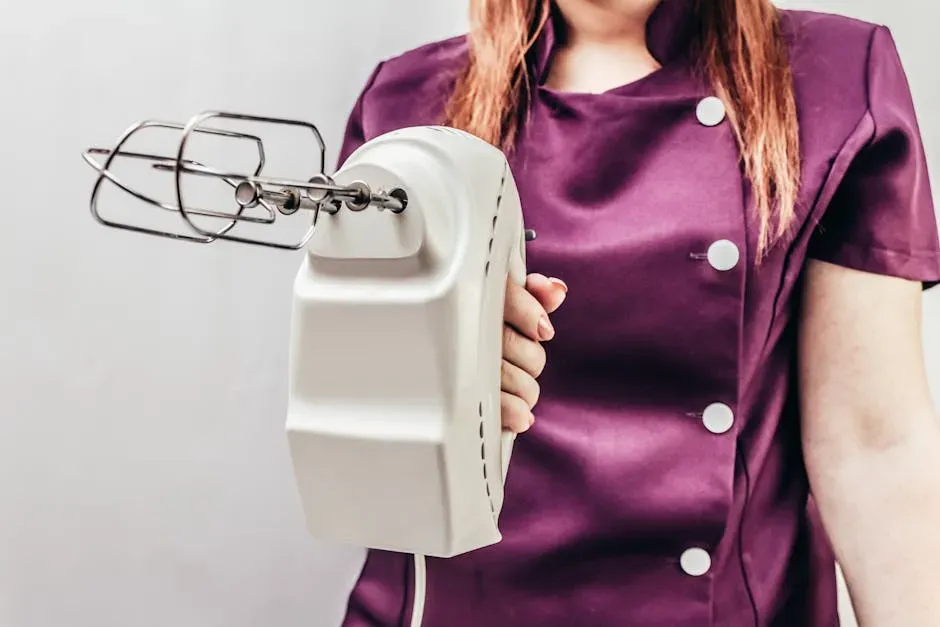
This hand-cranked device, also known as a hand mixer or rotary egg beater, was initially designed for mixing together a variety of wet and dry ingredients. A typical egg beater consists of a handle attached to a gear mechanism that rotates one or more beaters or whisk attachments. Inventor Willis Johnson of Cincinnati, Ohio patented the first ever variation of egg beater in the early part of 1884. His device even contained two different chambers for mixing – when one side was dirty, you had another side you could use.
In the present day, manual egg beaters have fallen out of popularity. Households now likely head to the utensil drawer for a fork when they need to whisk foods. If an individual needs to mix thick mixtures such as cookie dough, an electric mixer is a more common go-to for a less labor-intensive process. Even those who do own a manual egg beater often hang it up as an ornamental decoration rather than a kitchen gadget. Hand one to a twenty-five-year-old today and watch the gears literally confuse them.
2. The Hand-Cranked Meat Grinder
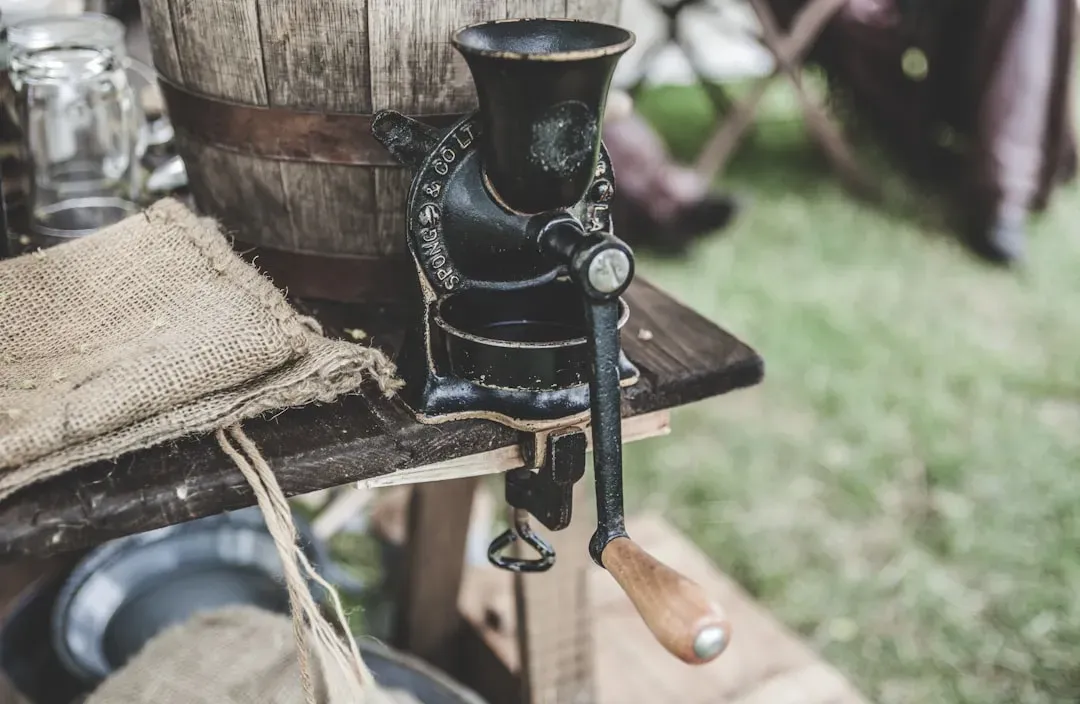
First invented in the mid-19th century, the meat grinder was a cast-iron solution to the laborious task of chopping and preparing minced meat by hand. The meat grinder drastically sped up this preparatory chopping through the use of a hand-powered crank that pushed meat through a metal plate dotted with small holes. Before the convenience of electric appliances, hand-cranked meat grinders were used to prepare ground meats. These sturdy devices, often made of cast iron, are now popular among collectors.
Their durability and functionality make them fascinating relics of culinary history. Meat grinders allowed homemakers to control the quality of their ingredients, reflecting a time when home cooking was the norm. Today, most households simply buy pre-ground meat from the supermarket, which makes the entire concept of bolting a heavy iron device to your countertop and feeding raw meat through it feel almost theatrical.
3. The Cast-Iron Cherry Pitter
We’re talking about massive, cast-iron cherry pitters that attach to your table, and the vintage cherry pitters were no joke. They typically worked by puncturing the cherry with sharp iron spikes, then pushing the pits out of the holes. There’s a pretty wide range of designs for these cherry stoners, with many dating back from the turn of the century to around World War I. Some used a plunger mechanism to push out the pits, while others had a rotary hand crank. Some were even so big that they stood on the floor, and these heavy-duty machines were clearly for people who were serious about their cherries.
The cherry pitter did exactly what it sounds like: it was used to remove the pits from cherries so you didn’t have to eat around them. This gadget made the most sense if you were baking cherry pies using real cherries. As efficient as they were, cherry pitters started to vanish once more accurate devices came out. Show a photo of a floor-standing cast-iron cherry pitter to someone under 40 and there’s a reasonable chance they’ll guess it’s a medieval torture device.
4. The Hand-Cranked Flour Sifter

Amongst the oldest and most vital tools is the hand-cranked flour sifter, something that’s evolved past the point of recognition from where it started in the 1800s. In 1819, Jacob Bromwell invented the first hand-cranked flour sifter. These Victorian Era tools were fairly straightforward, consisting of a large metal can, a metal sieve at the bottom, and a hand-cranked fan of blades that brushed flour over the sieve to aerate it.
Many chefs today opt for different tools when they want to aerate their flour. Specialized plastic scoops or even a simple mesh strainer get the job done well, so while sifting is still a vital step for baked goods, the old-school, hand-cranked sifters of yesteryear have fallen out of vogue. The older versions of these tools were built to last. Often nostalgic with an aesthetically worn patina or retro print, vintage hand-crank flour sifters will likely outlast flimsy modern versions by a long shot. The irony is that they still work perfectly – most people just have no idea what they are anymore.
5. The Food Mill
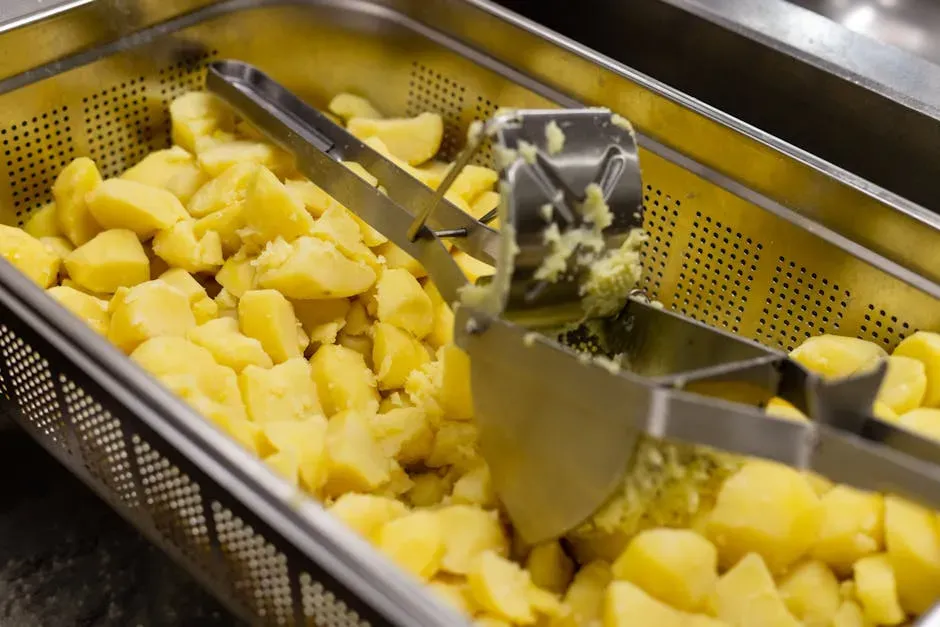
The food mill is another quaint relic from the days before every kitchen had an arsenal of electric gadgets. You might still find this in some kitchens, but not many. This hand-cranked contraption was the secret to the smoothest sauces in the late 19th and early 20th centuries. When Foley introduced the food mill in 1934, it was immediately popular. The device sat over a bowl and, as you turned the handle, forced cooked food through a perforated plate while leaving behind skins and seeds.
The Foley Food Mill is a device which predates the electric blender by many decades, yet is still useful today. They’re no longer needed, thanks to food processors. That’s largely true, though some cooks still argue a food mill makes smoother tomato sauce than any blender can. Younger cooks who encounter one at a garage sale often mistake it for some kind of straining colander with an unnecessarily complicated lid.
6. The Aspic Cutter Set

Aspic – a gelatin made from stock and used to encase meat and vegetables – was once considered the height of excellence in the kitchen. You could use aspic cutters to add little stars, hearts, and other shapes to your creation. It seems like a lot of work for vegetable Jell-O. These small metal cutters looked almost identical to cookie cutters, which is exactly why anyone under 40 encountering a labeled set of them would probably assume they were for baking shortbread.
These little cutters are now a curio from culinary history. They were once key in creating ornate jelly creations. Aspic molds fell out of fashion as tastes changed. It’s safe to say, showing up to a dinner party and being faced with hot dogs encased in gelatin would certainly raise more than a few eyebrows today. The whole genre of savory gelatin food died quietly, and it took the aspic cutter with it.
7. The Soda Siphon Seltzer Bottle

The 1920s soda siphon is a reusable, pressurized bottle that creates and dispenses sparkling water from the source. Today, we just buy club soda. Between 1920 and 1960, however, it was helpful to have one of these fancy gadgets in your liquor cabinet. Long before soda streams graced countertops or cases of bottled seltzer became available, the best way to get a fizzy drink was to have a soda siphon seltzer bottle. These bottles utilize small carbon dioxide cartridges to carbonate the water inside the bottles.
Though really only prevalent in bars these days, soda siphons were must-haves for the homebody who loved a scotch and soda. Though vintage ones are likely more of a style statement, they can still be used to make bubbly beverages if the need arises. The glass and chrome construction looks stunning on a shelf. That said, most people who encounter one now genuinely have no clue what it does until they look it up.
8. The Butter Bell Crock
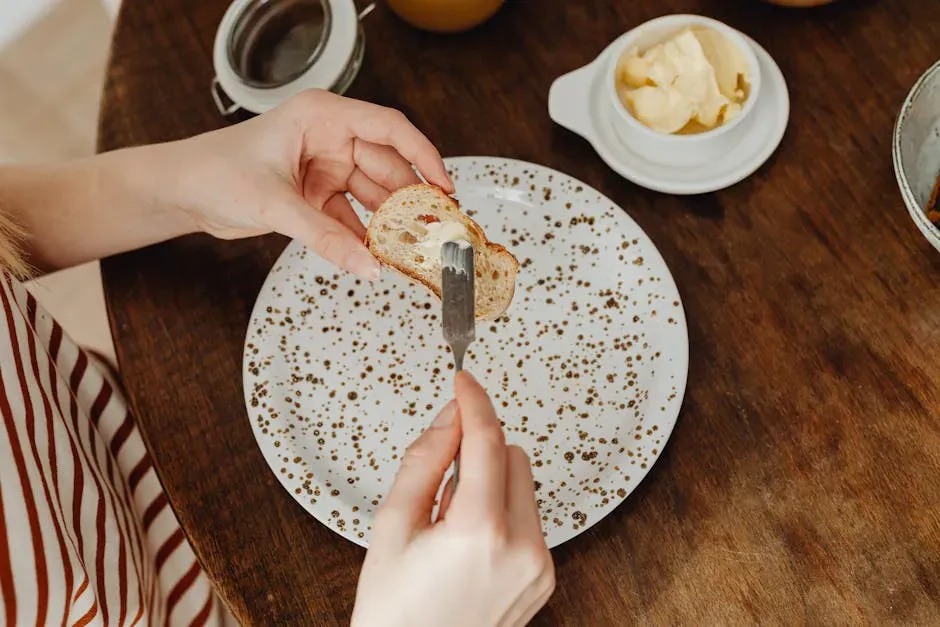
The butter bell was first invented in France in the 1800s and was a genius way to keep butter fresh at room temperature. A butter bell has two parts: the bowl (or bell) shaped lid and the container that the lid fits into. If you wanted to keep your butter at room temperature, you might have used a butter bell, or butter crock. This two-piece tool helps to make butter spreadable at all times. Place your butter in the bowl-like lid, add a little water to the main base, then turn the lid upside down to rest on the base. The water creates an airtight seal around the inverted butter, to keep it fresh for longer.
According to butterbell.com, 16th-century foodies created a “bell-shaped storage crock” which kept butter from spoiling. As refrigeration became more prevalent, many homes replaced the crock method with storing butter in cold temperatures. Naturally, refrigeration eventually won out over the butter bell – but some bakers still swear by the butter bell today. Younger generations who spot one tend to assume it’s a fancy sugar bowl or a decorative ceramic with a loose-fitting lid.
9. The Manual Nut Grinder
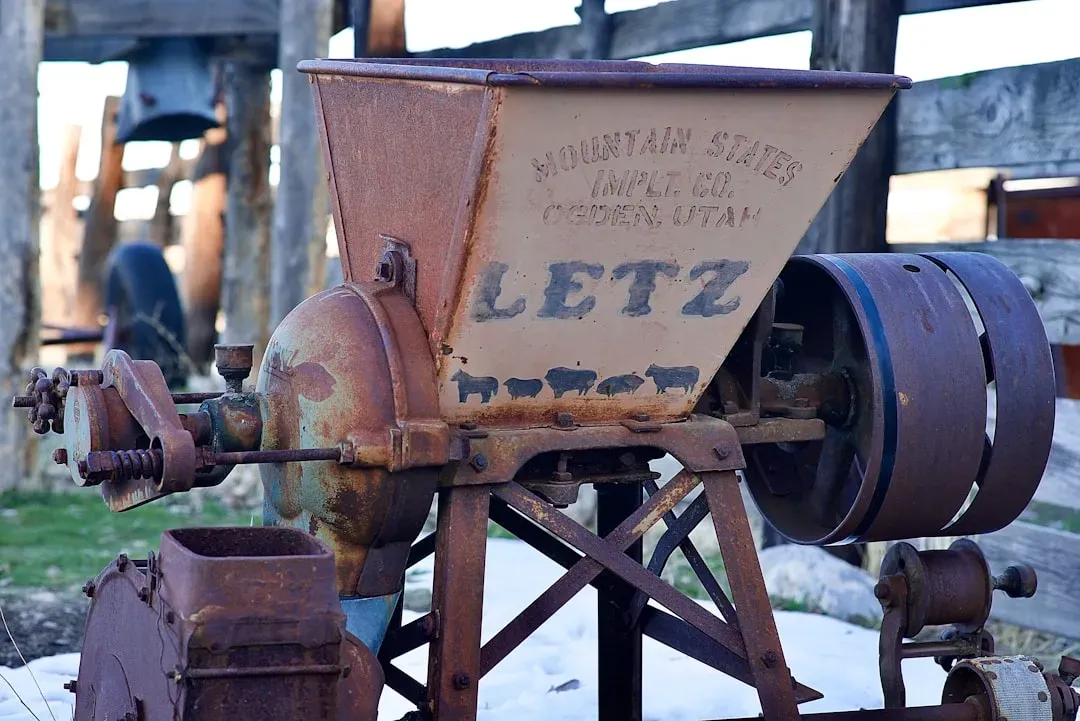
To make chopping nuts quicker and easier, some crafty inventors created what we know as the manual nut grinder or nut mill. These devices first gained widespread popularity in the late 19th and early 20th centuries. They were typically hand-cranked and featured a hopper or compartment on top of a glass jar. Cooks could add the nuts they wanted to chop to the hopper and then turn a tiny handle, which rotated a set of “teeth” at the bottom and crushed the nuts into smaller pieces.
The iconic nut grinder was a 1950s kitchen must-have, perfect for finely chopping nuts to sprinkle over 1950s favorites like banana splits or folded into a retro pistachio and almond cake or a date and nut loaf to add crunchy texture. Over time, food processors and blenders took over the job, making the old hand-crank nut grinder more of a nostalgic relic than an everyday tool. Even easier – you could just buy finely-chopped nuts at the store. Finding one at an estate sale today, most people would turn it over a few times, shrug, and move on.
10. The Cake Breaker
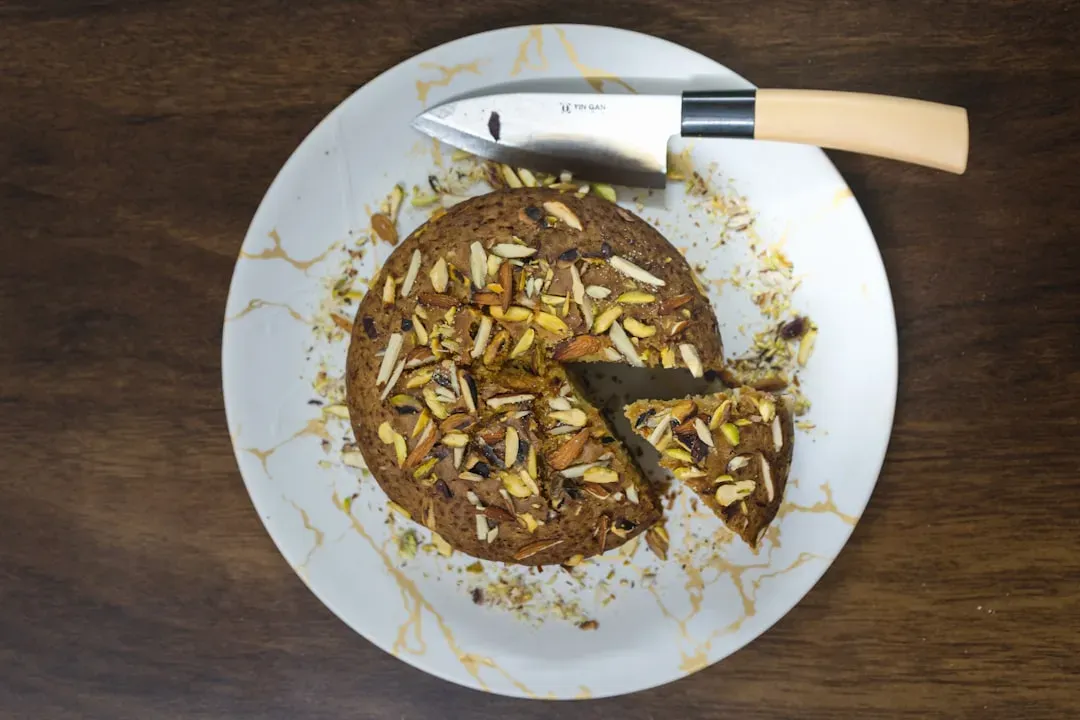
A knife can ruin a delicate cake with just one slice, but a cake breaker can’t. This specialized cake knife could easily be mistaken for a garden tool. It has long, thin pointed prongs that carefully separate delicate cakes without making a crumbly mess or squashing out all the air bubbles. In 1932, Cale Schneider patented the cake breaker to conquer this baking obstacle, and the product was quickly a hit in household kitchens.
If you’ve ever struggled with cutting a soft and airy cake – like angel food cake – then this gadget is for you. A typical knife will awkwardly compress a fluffy cake as it cuts, making it difficult to slice. But a cake breaker isn’t solid; instead, it’s comprised of many thin prongs with a bit of space between each one. Use it as you would a regular knife by pointing the prongs into the cake and cutting out a piece. Angel food cake was a staple of mid-century baking, and the cake breaker was made specifically for it. Without that cultural context, the tool looks like something you’d use to aerate a lawn – not slice dessert.
What’s genuinely interesting about all ten of these objects is that most of them worked extremely well. They weren’t replaced because they failed. Electricity became the preference. Materials got lighter and more durable. Convenience became a greater priority for most people, especially those with a two-income household. The tools didn’t lose – the pace of life simply changed around them. And now they sit in antique markets, quietly waiting for someone curious enough to ask what they are.