There’s a peculiar kind of hesitation that happens at a bar. You scan the menu, your eyes land on something interesting, and then a small voice says, “No, just get the usual.” Most people default to safety. A gin and tonic. A vodka soda. Something they know how to pronounce and something they’re pretty sure the bartender won’t silently judge them for ordering.
A customer’s order – what they choose, how they phrase it, when they pause – is rarely just about flavor. It’s often a micro-expression of identity, social intention, or unspoken vulnerability. Bartenders pick up on this constantly. So we synthesized insights from bar industry professionals, recent surveys, and documented ordering behavior to identify the seven cocktails that keep people hovering nervously at the bar rail, and what those in the trade actually think when someone finally works up the nerve to order one.
The Dirty Martini: Too Intimidating to Even Say Out Loud
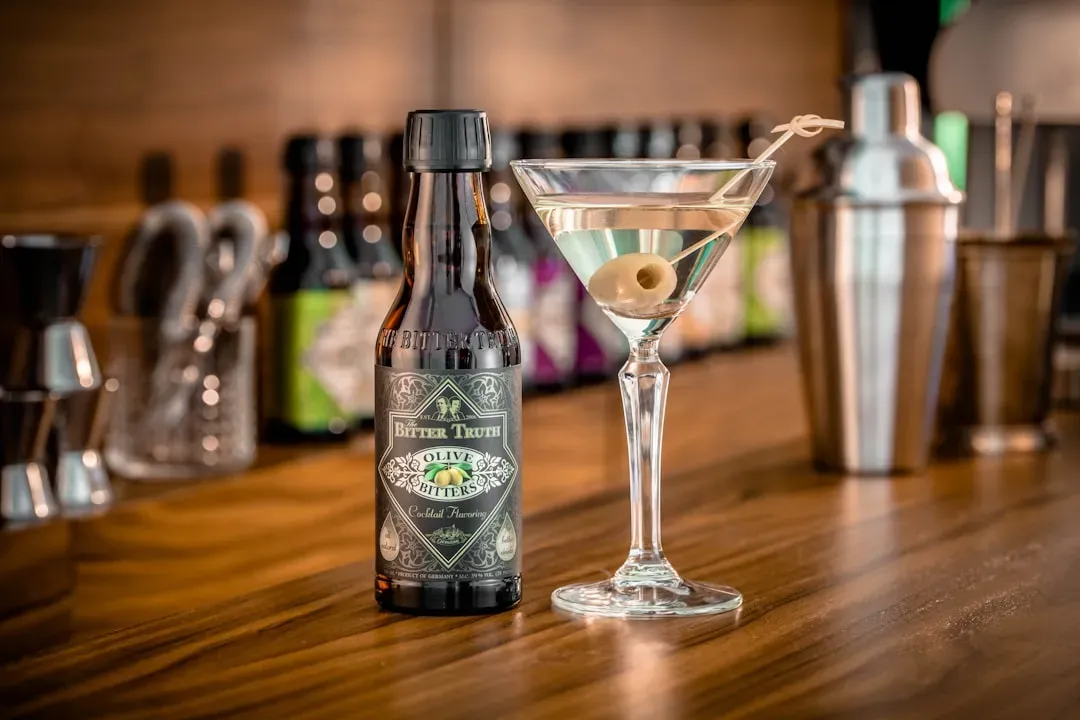
The martini has had a remarkable cultural moment over the past few years. It’s a long-standing classic that’s seen a recent peak in popularity, and the growing trend for drier, umami-flavored drinks has influenced a martini boom in the U.S., with the cocktail enjoying a cultural moment on social media, particularly dirty martinis. Yet many customers still freeze when it comes time to specify the details. Wet or dry? Shaken or stirred? Gin or vodka?
Bartenders hear the stammer all the time. The dirty martini, with its mix of olive brine and spirit, sits in that odd territory between sophisticated and approachable, and plenty of guests seem to fear that ordering one with the wrong specifications will expose some fundamental gap in their drinking knowledge. The martini is making a strong comeback, with bartenders reinterpreting this iconic cocktail for today’s drinkers, and new variations featuring infused spirits, mini martinis, and unexpected garnishes are taking center stage. The good news? There are no wrong answers. Just tell the bartender how you like it, and they’ll handle the rest.
The Negroni: Fear of the Bitter
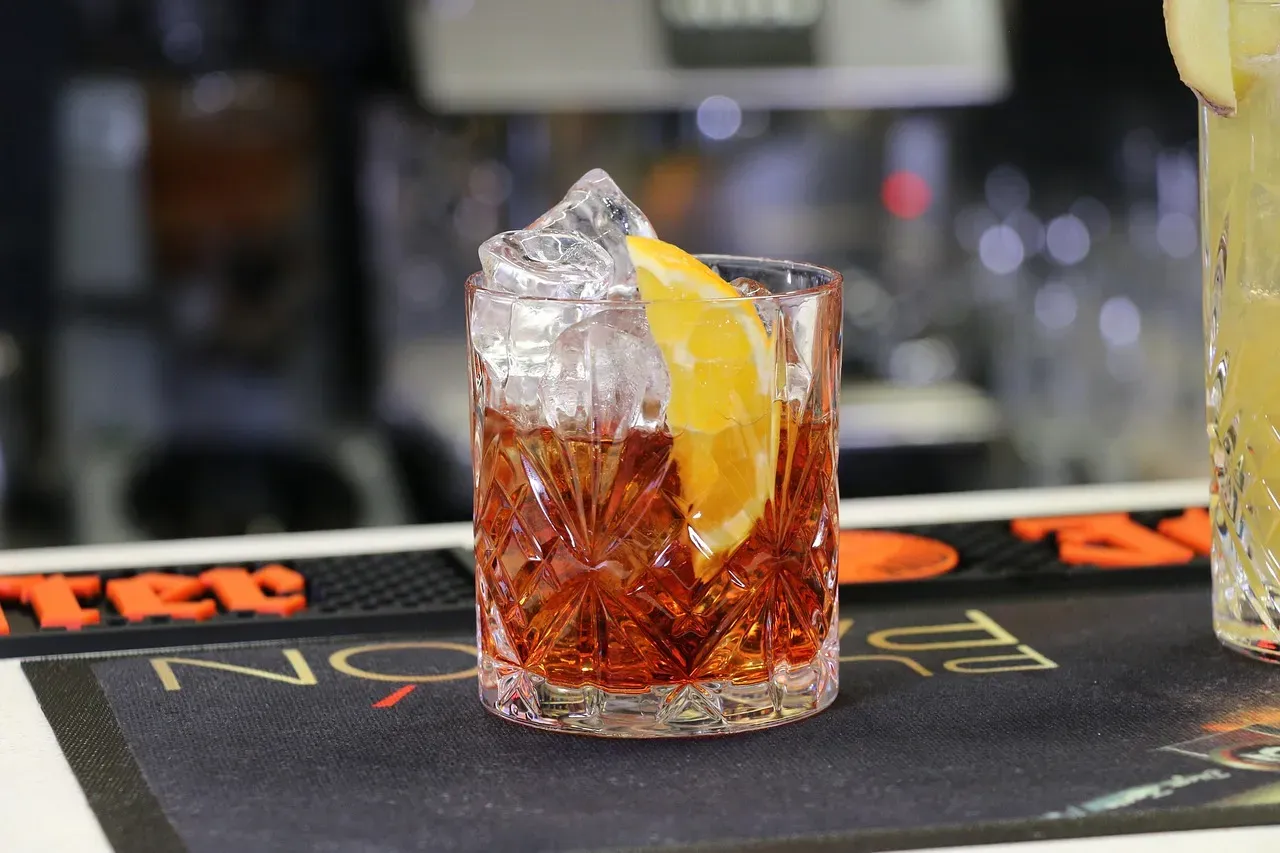
The Negroni, an aperitif that blends gin, vermouth, and Campari, saw a surge in popularity throughout 2024. This 100-year-old classic continues to appeal to those seeking a perfectly balanced and slightly bitter cocktail, and its adaptability – from Negroni Sbagliata to White Negronis – further cemented its status as a modern favorite. Even so, it’s a drink that makes a lot of first-timers nervous.
The hesitation usually comes down to bitterness. People who’ve grown up drinking sweeter cocktails aren’t sure they’ll enjoy the Campari-forward punch, and they’d rather not find out in front of a crowded bar. Bartenders aren’t there to judge customers’ preferences, but are happy to offer alternatives for those afraid to expand beyond a small set of classics, often suggesting delightful variations on cult drinks. If you’ve been curious about Negronis but keep talking yourself out of it, most bartenders will happily ease you in with a lower-bitterness variation before you commit to the full, unapologetic original.
The Aperol Spritz: Too “Basic” to Order
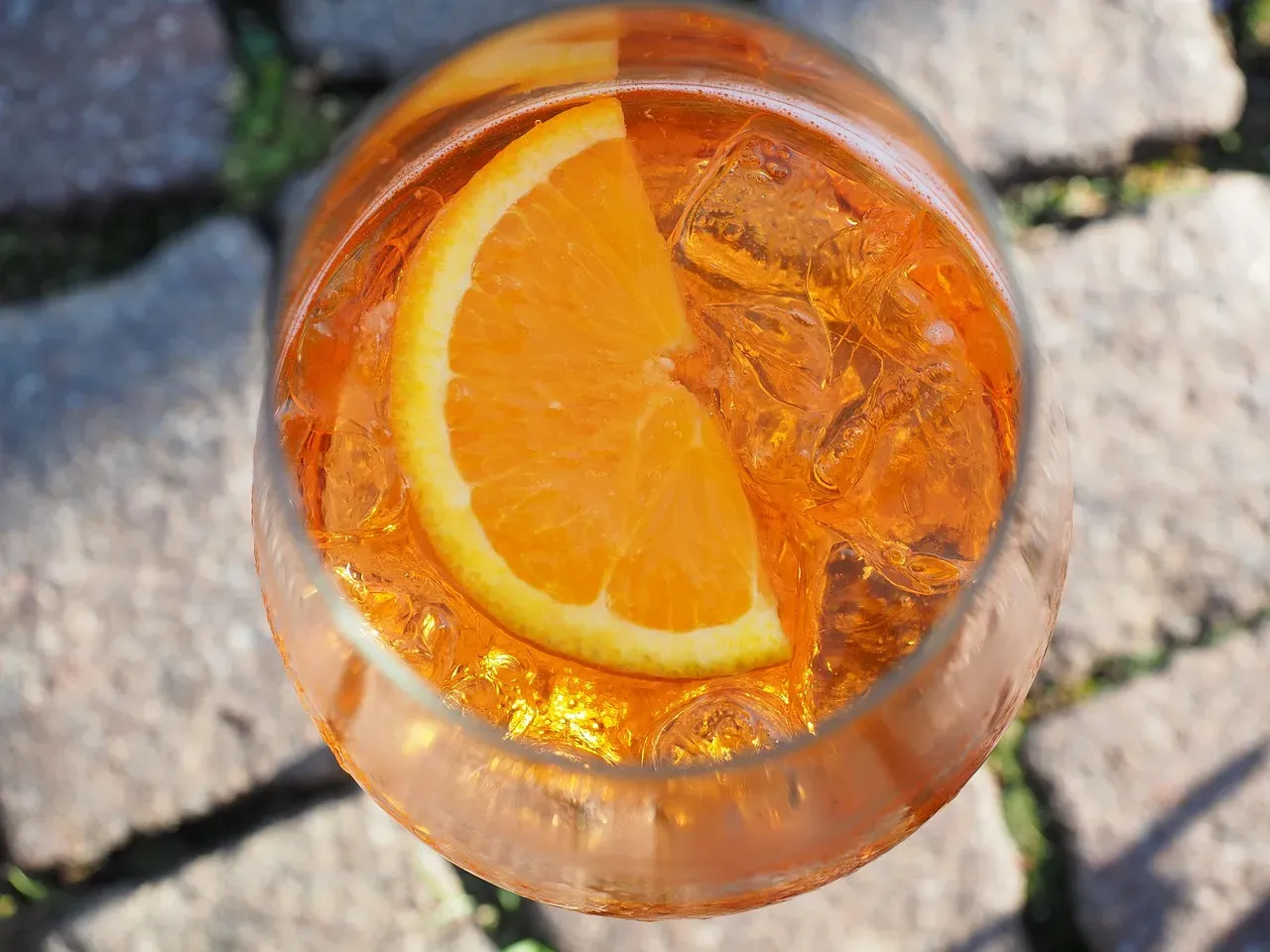
One of the most significant shifts in drinking culture from 2024 through 2026 is the aperitif revival – the rise of low-alcohol, bitter, or herbal drinks meant for sipping and socializing. The Aperol Spritz was the poster child, but as we move into 2026, the spritz is evolving and spawning new trends. The irony is that its own popularity became a social liability. Some bar-goers are embarrassed to order it precisely because it became so mainstream.
The Spritz was one of the ten best-selling cocktails at bars and restaurants in the U.S. in 2024 and is increasing in popularity faster than other top drinks, according to NIQ. Bartenders find the reluctance genuinely amusing. A drink doesn’t become popular by accident. It tastes good, it’s refreshing, and it works. The Aperol Spritz’s enormous popularity opened the door for other Italian aperitivo cocktails, and we’re now seeing the classic Garibaldi positioned to potentially unseat it, a simple low-proof mix of Campari and orange juice with a refreshing citrus-forward flavor. Order what you enjoy, trends be damned.
The Cosmopolitan: The Pop Culture Hangover
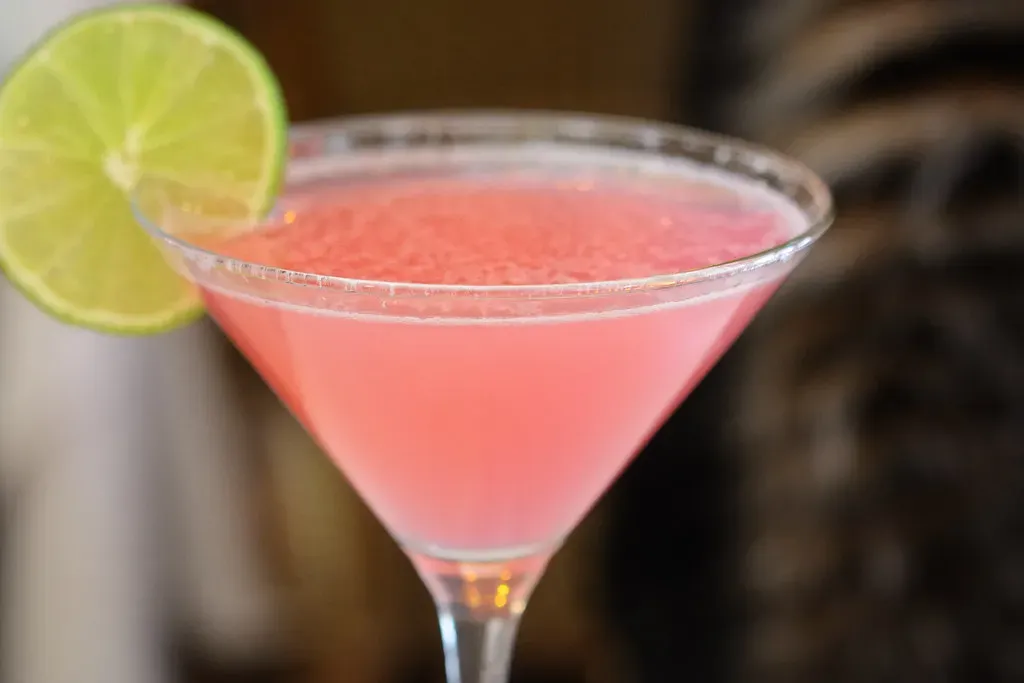
Everything nineties is new again, and the bright pink Cosmopolitan is leading the throwback charge among vodka cocktails. After fading in the post-“Sex and the City” era, the Cosmo is roaring back into fashion, with industry observers noticing a vibrant comeback in 2024, with bars reporting soaring demand from both nostalgic older fans and curious Gen Z newcomers. The problem is that cultural baggage runs deep. Some people feel vaguely ridiculous ordering it, as though asking for one reveals something embarrassing about their taste.
The Cosmopolitan – vodka shaken with cranberry juice, triple sec, and lime – ticks several trend boxes: it’s visually striking, relatively low in alcohol, and carries a comforting nostalgia for the 1990s Y2K aesthetic that’s currently in vogue. Bartenders are largely baffled by the self-consciousness around it. Bartenders are giving the Cosmo minor updates to refine it for modern palates, using 100% cranberry juice, adding a dash of bitters for complexity, or swapping triple sec with higher-quality orange liqueur. It’s a genuinely enjoyable drink that has simply been caught in the crossfire of cultural snobbery.
The Espresso Martini: Embarrassed by Its Own Popularity
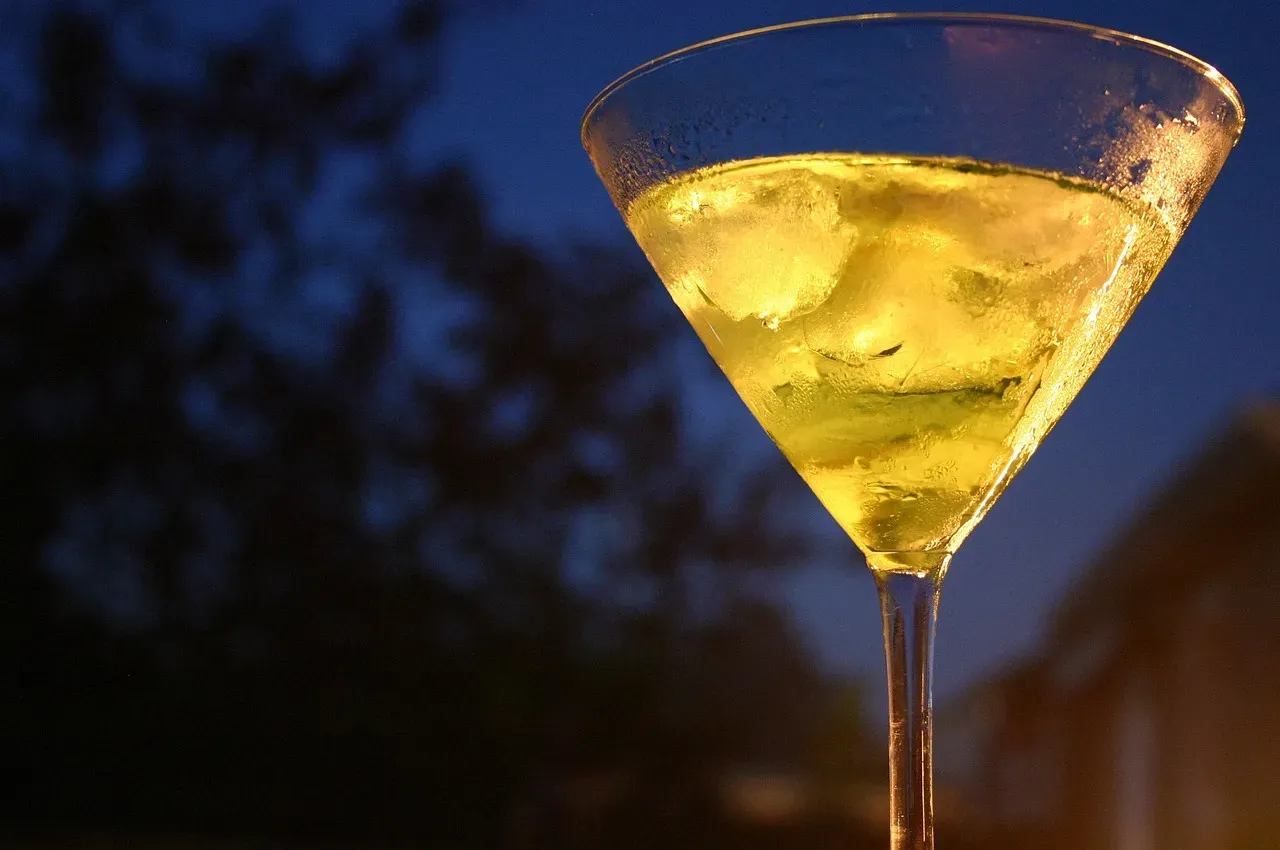
The Espresso Martini has had one of the strangest trajectories in recent cocktail history. By some accounts, it became one of the most Googled cocktail recipes and saw consumption jump dramatically – from roughly two percent to about fifteen percent of cocktails in some surveys – between 2022 and 2024. Its success made it a target. Ordering one at a craft cocktail bar started to feel like showing up in sneakers to a fine dining restaurant.
In 2026, the Espresso Martini is firmly entrenched on bar menus worldwide as the definitive caffeinated cocktail, and what’s trending within the space is a focus on quality ingredients: bartenders are using cold brew concentrates, craft coffee liqueurs, and better espresso shots to elevate the taste. The bartenders we looked at through industry sources are pretty clear on this one: they’d rather make a drink people genuinely love than gatekeep over what’s fashionable. The drink embodies an “upper and downer” appeal that fits the modern lifestyle – a pick-me-up and nightcap in one. That’s not a flaw. That’s just a good cocktail.
The Non-Alcoholic Cocktail: The Biggest Barrier of All
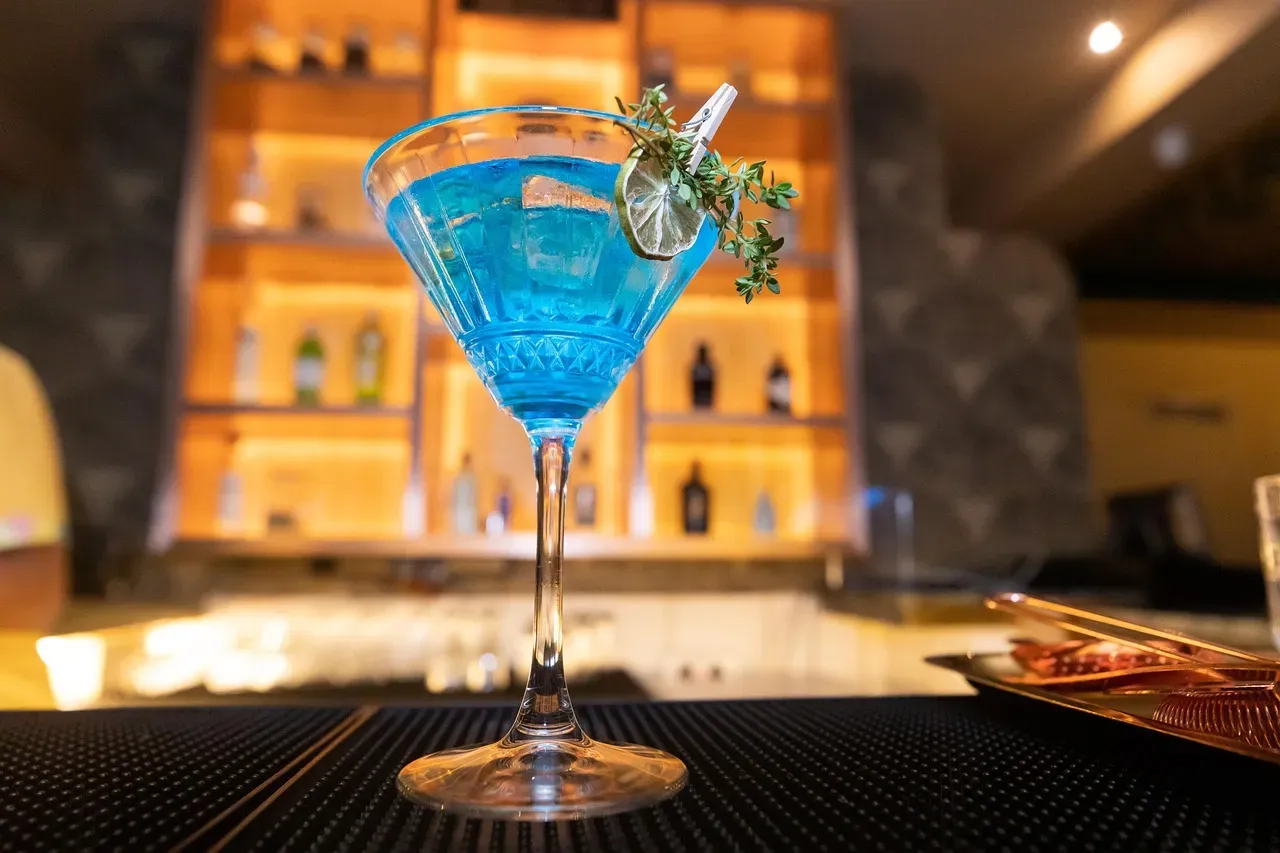
Of all the drinks people hesitate to order, the mocktail or low-ABV option might carry the heaviest social weight. There’s a persistent and largely unfounded worry that ordering something without alcohol signals weakness, inexperience, or that you’re somehow not fully participating in the evening. Bartenders encounter this hesitation constantly, and many find it genuinely frustrating.
Gallup data shows that roughly nearly half of adults now view moderate drinking as bad for health, a record high, and industry surveys echo this shift, with more than a third of consumers actively seeking low-calorie or low-sugar cocktails and nearly three in ten ordering mocktails or non-alcoholic spirits-based alternatives. The craft going into alcohol-free options has risen dramatically. The Bartender Spirits Awards notes that mindful drinking is embedded in modern bartending, and guests want the option to enjoy complex, flavorful beverages without a high dose of alcohol, so bartenders are responding with creations that emphasize nuance and refreshment over potency. Ordering one isn’t a statement. It’s just a drink.
Why Bartenders Wish You’d Just Ask
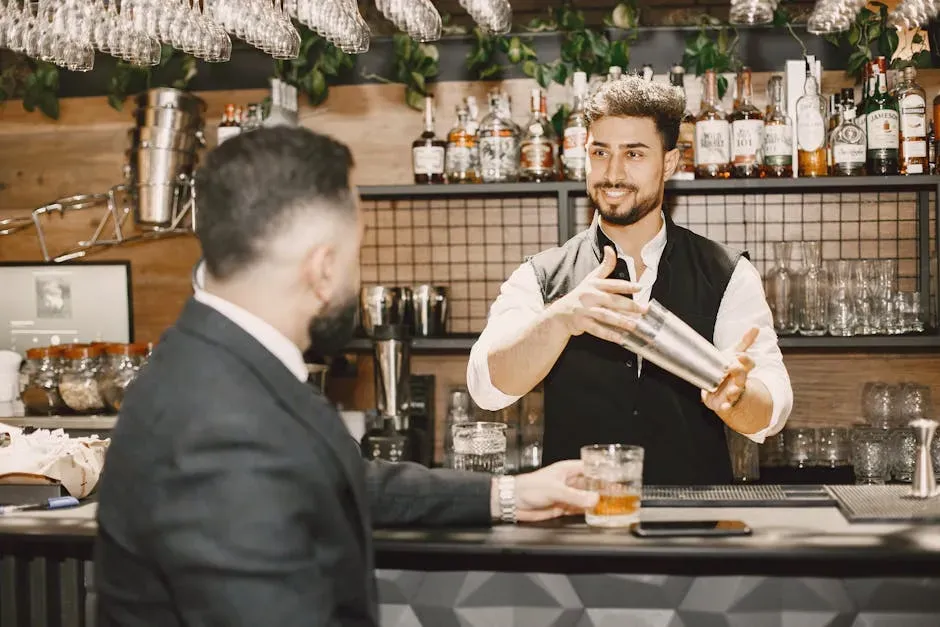
Behind the bar, something quieter but more revealing unfolds than most guests realize. Seasoned bartenders don’t just mix drinks – they read people, not with pseudoscientific intuition, but through years of pattern recognition, contextual awareness, and calibrated empathy. That skill cuts both ways. They notice the hesitation, the menu-scanning loop, the slightly apologetic tone when someone orders something they’ve wanted to try all night but talked themselves out of twice already.
Bartenders recommend giving even minimal direction – a base spirit, a flavor profile, or a style of drink – rather than defaulting to the familiar. Asking for something sweet with vodka is better than nothing, and it gives the bartender a more specific idea of what you like while also narrowing down the recipes they know. The bar is not a test. Personality is the business, and a bartender can turn a mediocre drink into a great night because service is part of the flavor. The cocktail you’ve been eyeing all evening is almost certainly worth ordering. The bartender probably already knows you want it.