
Most people who recycle are doing it with the best of intentions. They toss something in the blue bin and feel good about it. The problem is that good intentions and correct recycling habits don’t always line up. A single contaminated item can send an entire batch of recyclables straight to the landfill. That’s not a hypothetical edge case – it happens every single day across the country.
In the United States, roughly one in four items placed in recycling bins is not actually recyclable. That high contamination rate leads to serious problems, and these contaminated materials often end up in landfills due to sorting challenges and inconsistent recycling standards across regions. The items on this list aren’t obscure industrial materials – they’re things sitting in most households right now. Knowing the difference can genuinely matter.
1. Plastic Bags and Film Plastic
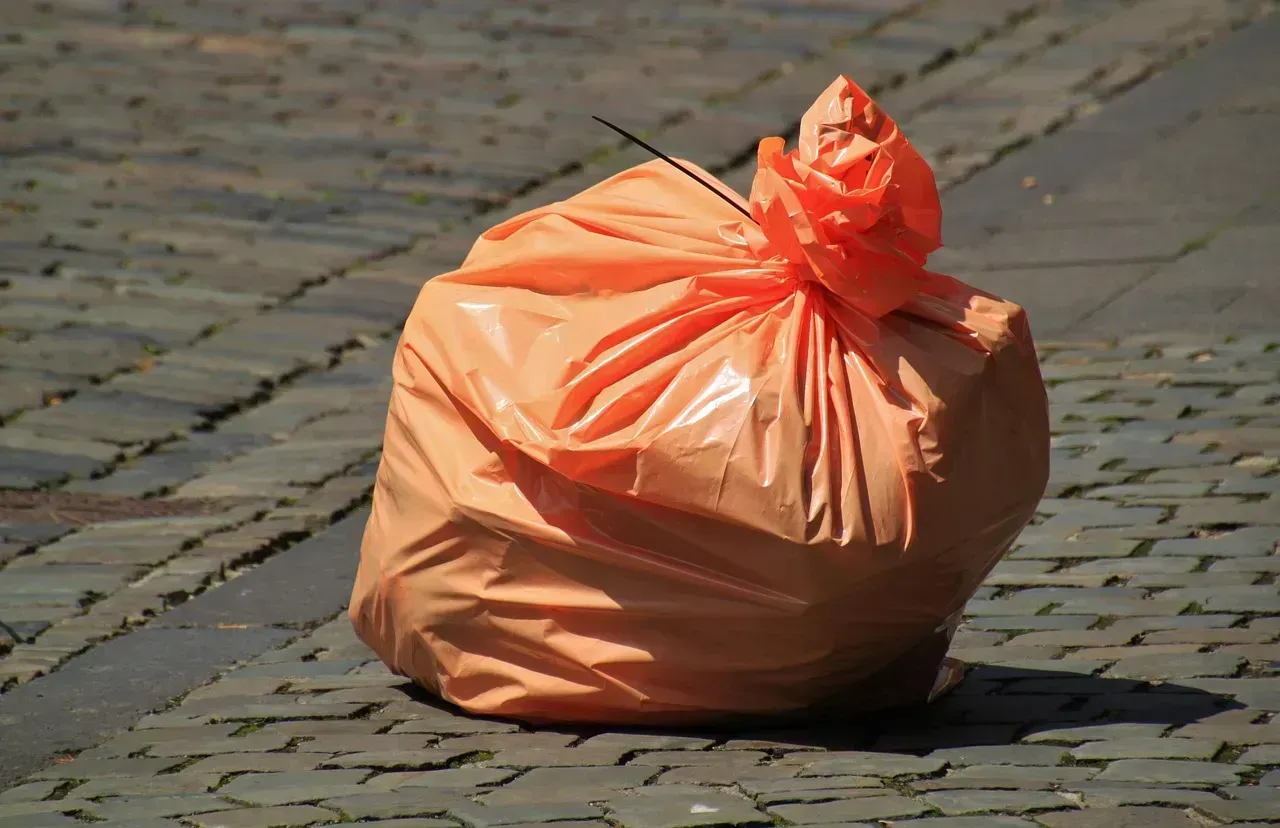
Plastic bags and film top the list of the most problematic items in the recycling stream. These materials tangle in sorting equipment, causing damage and significant operational delays. Workers at materials recovery facilities sometimes have to physically climb into machinery to cut them free, which is both dangerous and costly.
These items are technically recyclable, but they cannot go in your household recycling bin. Many retail and grocery stores accept these materials for recycling at drop-off locations. So there is a path forward – it’s just not the blue bin at the curb. When in doubt, save your bags and drop them off where they’re genuinely accepted.
2. Lithium-Ion Batteries
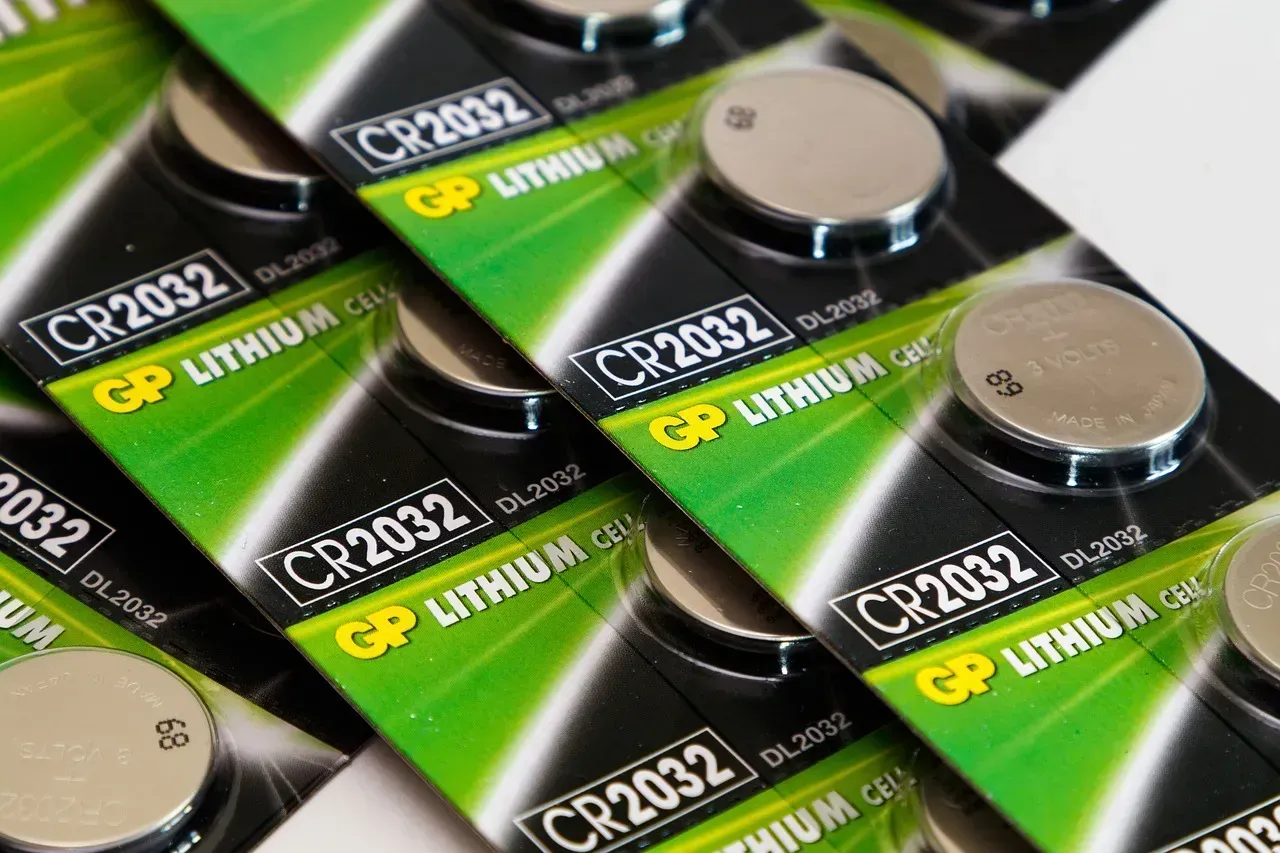
Lithium-ion batteries are often improperly dropped in curbside recycling carts, and during transportation or on the sorting floor, they can get jostled or punctured to the point that they go into “thermal runaway” – an industry term for the residual energy inside the batteries causing heat and potential fire. This is not a minor hazard.
The National Waste and Recycling Association estimated that more than 5,000 fires occur each year at recycling facilities, linking many of them to improperly discarded lithium-ion batteries. In 2025 alone, there were 448 publicly reported waste and recycling facility fires in the US and Canada – more than the previous record and nearly 25% above the annual average. Batteries belong at designated drop-off sites, not in the recycling bin.
3. Greasy Pizza Boxes and Food-Soiled Cardboard
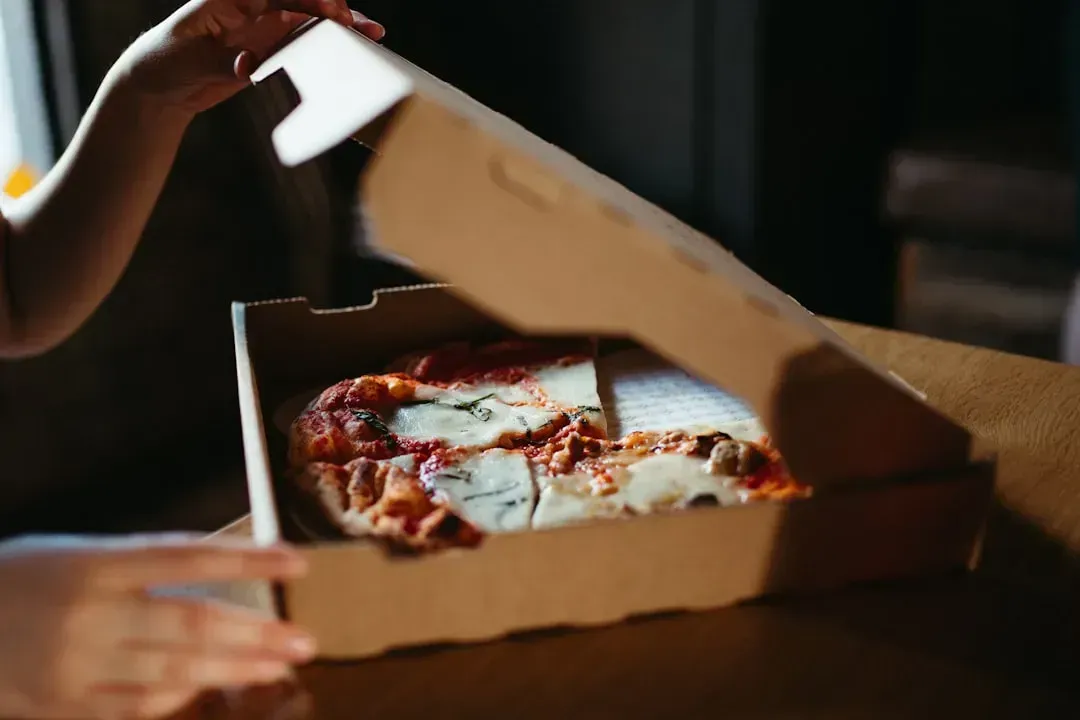
Food and liquids in recycling cause mold, and that mold eats away at the fibers in paper and cardboard so it can’t be turned into new paper. A greasy pizza box looks identical to a clean cardboard box on a sorting conveyor belt, and the machines cannot tell the difference.
Mold can also spread to other accepted items like bottles or cans, lowering their value. It also makes items unsafe for the people who physically work with the material. Some programs allow you to tear off and recycle the clean top portion of a pizza box – but the greasy bottom should go in the trash. It’s a small habit that protects an entire load.
4. Polystyrene Foam (Styrofoam)
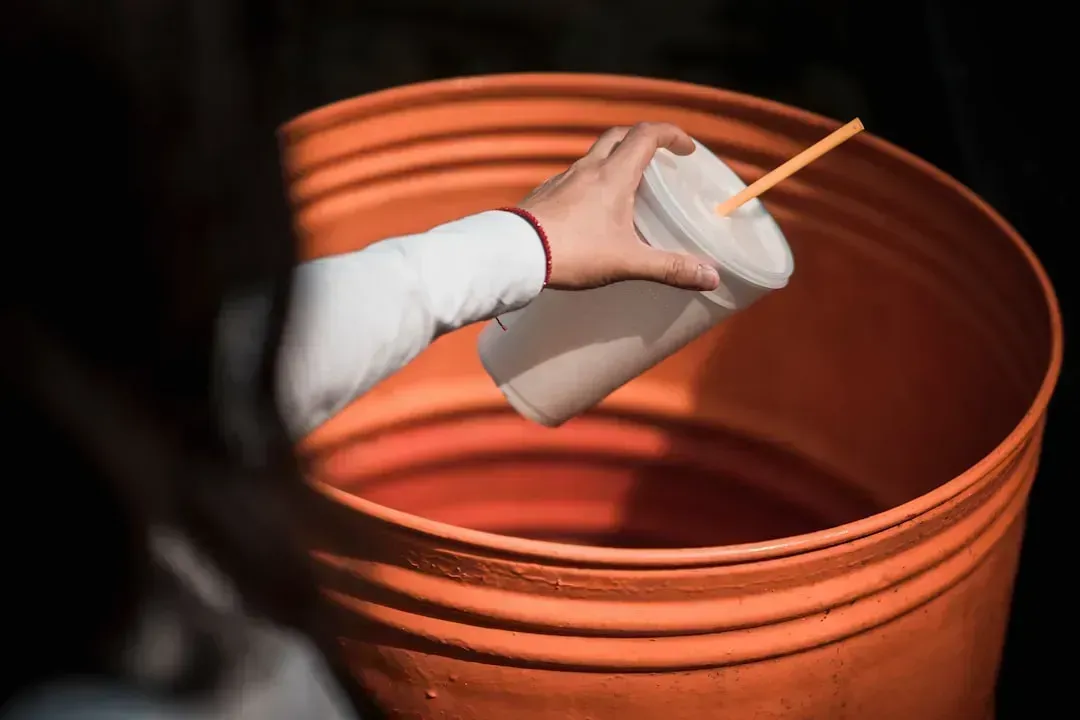
Polystyrene foam is around 90% air and is typically lightweight and bulky. That makes it expensive to collect and nearly impossible to process economically at standard curbside facilities. Very few localities accept styrofoam in curbside recycling.
When Styrofoam breaks apart in recycling trucks, it spreads throughout other materials. Small pieces stick to paper, cardboard, and plastic containers, and this contamination can ruin entire batches of recyclables. Scientists speculate it could take at least 500 years for polystyrene to break down in a landfill, if it ever does at all. Specialized drop-off programs exist in some cities, but placing it in the household bin only creates more waste.
5. Paper Towels, Napkins, and Tissues
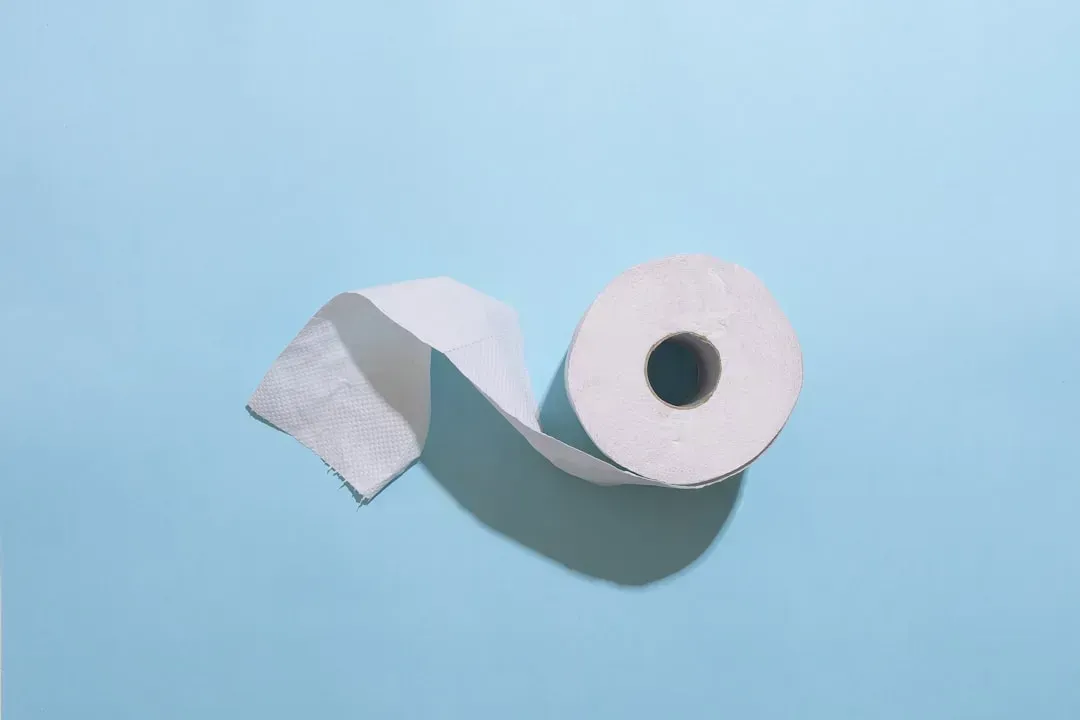
Paper products such as paper towels, tissues, and paper plates cannot be recycled because they are contaminated with food, grease, and other liquids. Furthermore, since most tissue paper is made from recycled paper already, it can’t be recycled again as the paper fibers are too short, resulting in low-quality pulp.
Paper is one of the most recyclable materials, but not all paper products belong in the recycling bin. Paper towels, napkins, tissues, and paper plates are typically not recyclable because they are contaminated with food or grease. The rule here is straightforward: if it was used to wipe something up or hold food, it belongs in the general waste bin.
6. Black Plastic Packaging
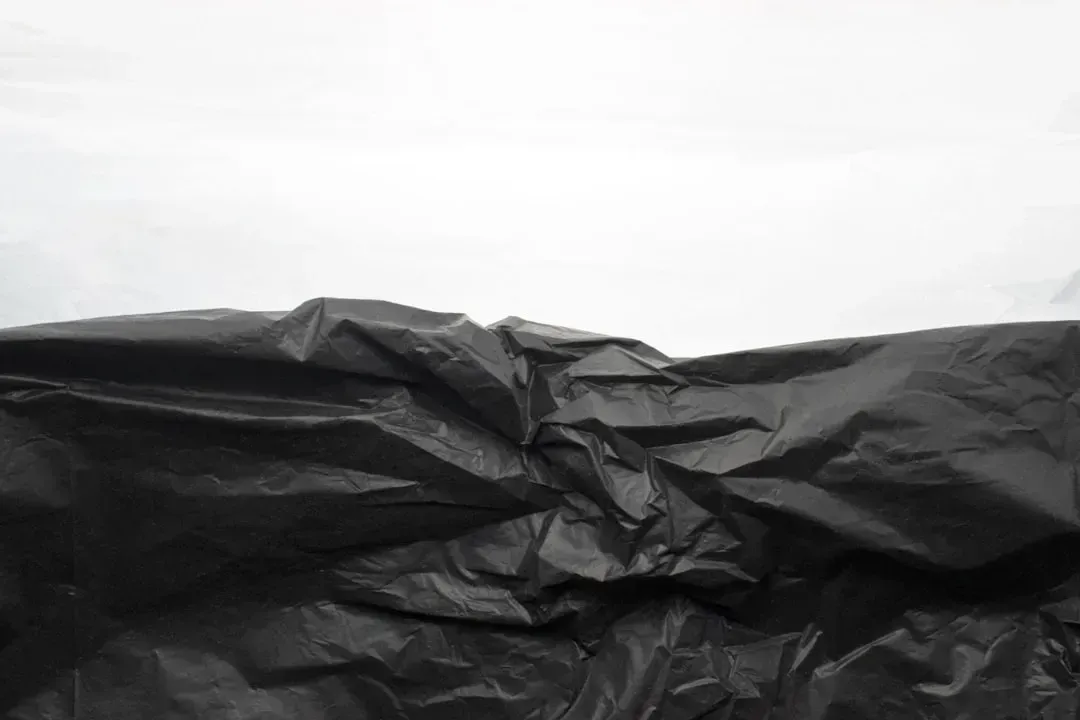
Most black plastic packaging cannot be identified by the optical sorting systems used in plastic recycling plants. This means it is usually sent to landfill or incinerated. The sorting technology relies on light reflection to detect and categorize plastic types, and black pigment absorbs that light rather than reflecting it.
This applies to a surprising range of everyday items – black takeout trays, dark food containers, and even some black plastic utensils. The plastic itself may not differ structurally from a recyclable version, but the color alone renders it invisible to the equipment. Remember also that black bin bags cannot be recycled, so if recyclables are placed inside them, the whole bag is likely to be thrown into non-recyclable waste. Always use the containers or bags provided by your local recycling service instead.
7. Broken Glass

Broken glass should not go into the recycling bin. Glass shards can harm workers and damage equipment. The standard recycling process is designed for intact containers – bottles and jars that can be sorted, cleaned, and remelted. Broken pieces are a different problem entirely.
Items such as broken mirrors, vases, ceramics, glasses, or glass cookware are impractical to recycle, and can injure facility staff. Some items are also treated with chemicals to make them durable or heat-resistant, which can ruin recyclable material during the melting process. Wrap broken glass securely and place it in your household waste, or take it to a dedicated household waste center if one is available nearby.
8. Shredded Paper
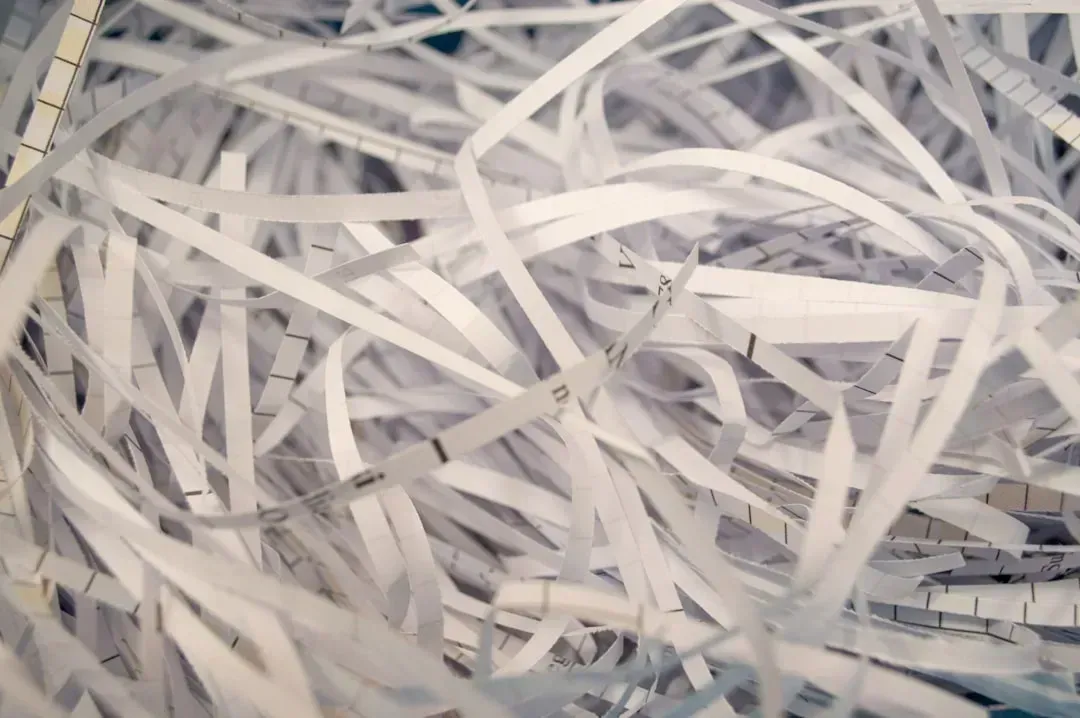
Shredded paper can be problematic because the small pieces are difficult to sort and often fall through screening equipment. The fragments are simply too tiny for the machinery to handle effectively, meaning they pass through sorting systems and end up contaminating other materials rather than being captured for processing.
If your recycling program accepts shredded paper, it usually needs to be placed in a clear bag or a special container. Otherwise, it should be disposed of in the trash or composted if appropriate. Check with your specific local program before assuming it’s fine to add. Many programs that accept regular paper still explicitly reject the shredded variety at curbside.
9. Waxed and Specialty Papers
Waxed paper cannot be recycled because it’s covered with a wax coating that cannot be separated and won’t break down during recycling. This also applies to various specialty papers that have been coated or treated, such as metallic, glittery, or velvet paper used for gift wrap, greeting cards, or gift bags.
This catches a lot of people off guard around the holidays. That shiny, foil-wrapped gift paper looks paper-like, but it’s actually a laminated composite that standard recycling equipment can’t process. Unlike waxed paper, which may harbor food residue and should be placed in the trash, decorative papers can sometimes be reused or saved for future craft projects. It’s worth testing simple gift wrap: if it scrunches up and holds its shape, it’s likely recyclable. If it bounces back, it probably isn’t.
10. Clothing and Textiles
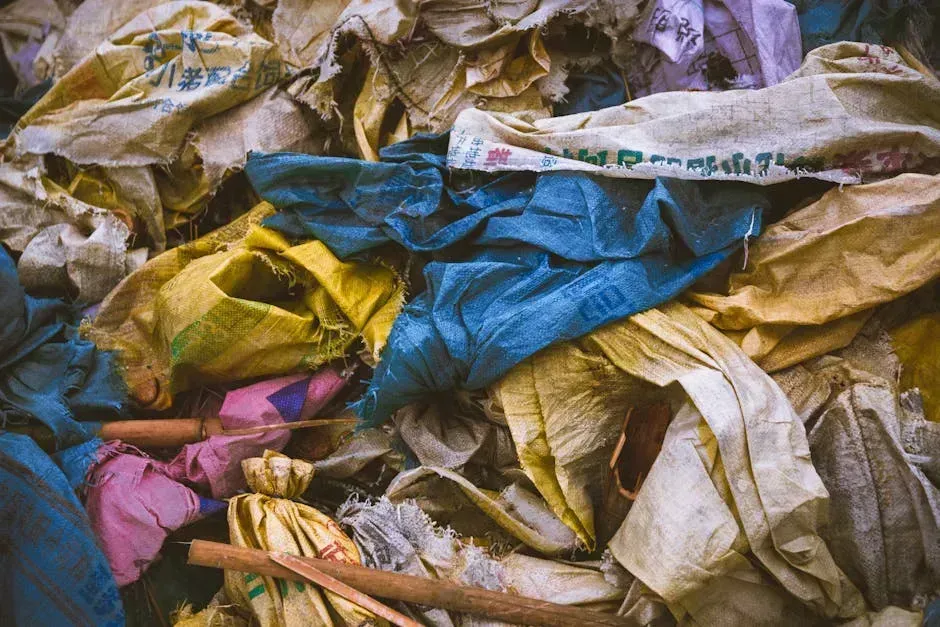
Clothing, wires, and string lights get tangled in the mechanized sorting equipment at recycling facilities. This damages the equipment and stops the entire process until someone can de-tangle the items. They also cannot be recycled at regular recycling facilities.
Textiles are not generally recycled through kerbside collection, but they can be donated for re-sale and re-use via charity shops, or through a textile recycling drop-off bin. Damaged clothes and textile waste can be shredded and made into items like padding for chairs, car seats, cleaning cloths, and industrial blankets. Clothing has real value as a material – it just needs a different route than the recycling bin.
11. Wire Hangers and Metal Tanglers
Resist the temptation to throw hangers in the recycling bin. They can get entangled in recycling machinery – and that means potential danger both to the machines and the workers operating them. Wire hangers, cables, cords, garden hoses, and similar long, flexible items all behave the same way once they hit a sorting conveyor: they wrap around rotating parts and cause shutdowns.
Common items that should never go in a public recycling bin include garden hoses and wire hangers, among others. Many dry cleaners will take wire hangers back for reuse, which is a genuinely better outcome. Scrap metal dealers also often accept metal hangers. The recycling bin feels like a logical destination, but the mechanical reality makes it one of the worst places for them.
The pattern across all eleven items is essentially the same: the recycling process is far more mechanized and material-specific than most people realize. Machines built to sort bottles and cans are not equipped for tanglers, films, or chemically treated materials. One of the most effective rules to remember is “when in doubt, throw it out” – including non-recyclable materials in your bin can result in damage to equipment or contamination that causes entire batches of recycling to be landfilled rather than recycled.
Recycling smarter doesn’t require doing less – it requires being more precise. Keeping even a handful of these items out of the bin regularly can protect thousands of pounds of genuinely recyclable material from ending up in a landfill. That’s a measurable difference, and it starts with knowing what actually belongs.