Growing up in the 1980s came with its own peculiar flavor of dread. On the surface, everything looked bright and loud. Neon colors, Saturday morning cartoons, arcade cabinets blinking in the corner of every mall. But underneath all that noise was a current of genuine unease that many ’80s kids carried with them long past bedtime.
Unlike today’s kids who can instantly look up whether something is real or fake, ’80s children had to navigate their fears with nothing but playground whispers and overactive imaginations. There was no streaming service to skip the scary parts, no way to quickly debunk an urban legend before it burrowed into your brain. These fifteen things were the ones that burrowed deepest.
1. Freddy Krueger
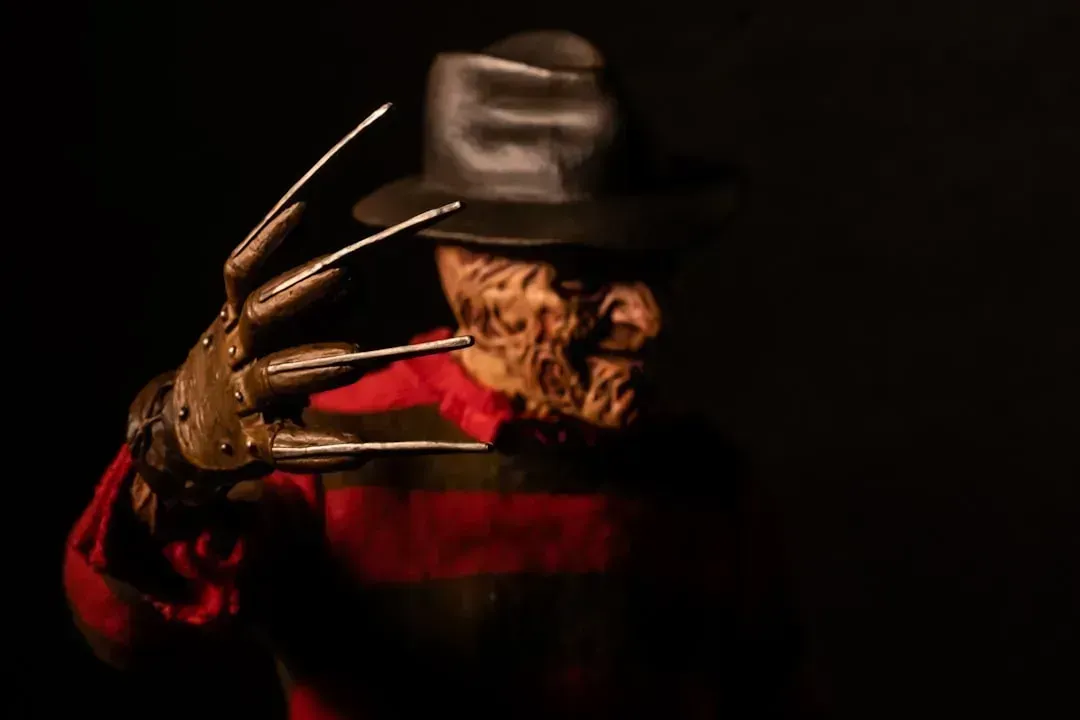
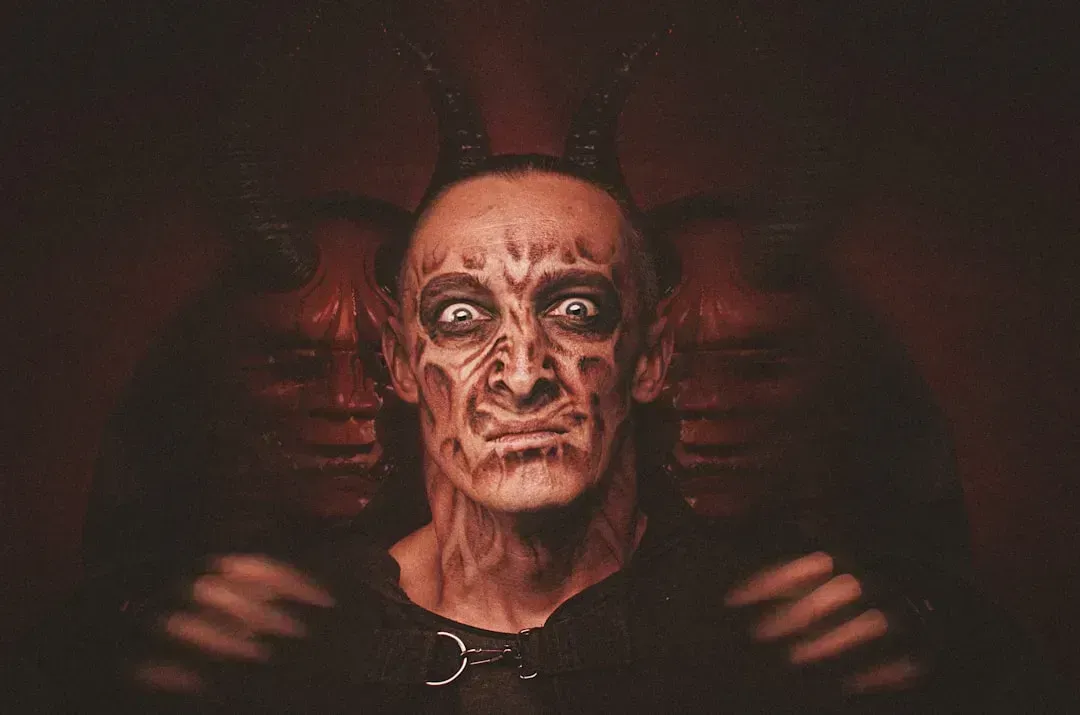
Created by Wes Craven, Freddy Krueger made his debut in 1984 as the malevolent spirit of a child killer who had been burned to death by his victims’ parents after evading prison. He goes on to murder his victims in their dreams, causing their deaths in the real world as well. The concept was simple and completely unnerving: sleep was no longer safe.
A Nightmare on Elm Street showed audiences that nowhere was safe, not even dreams. For kids who stumbled onto the film at a sleepover or caught a glimpse at a friend’s house, that idea lodged itself somewhere deep. Many ’80s kids are still having Freddy Krueger-shaped night terrors. Few movie monsters have ever felt quite so inescapable.
2. The Poltergeist Clown
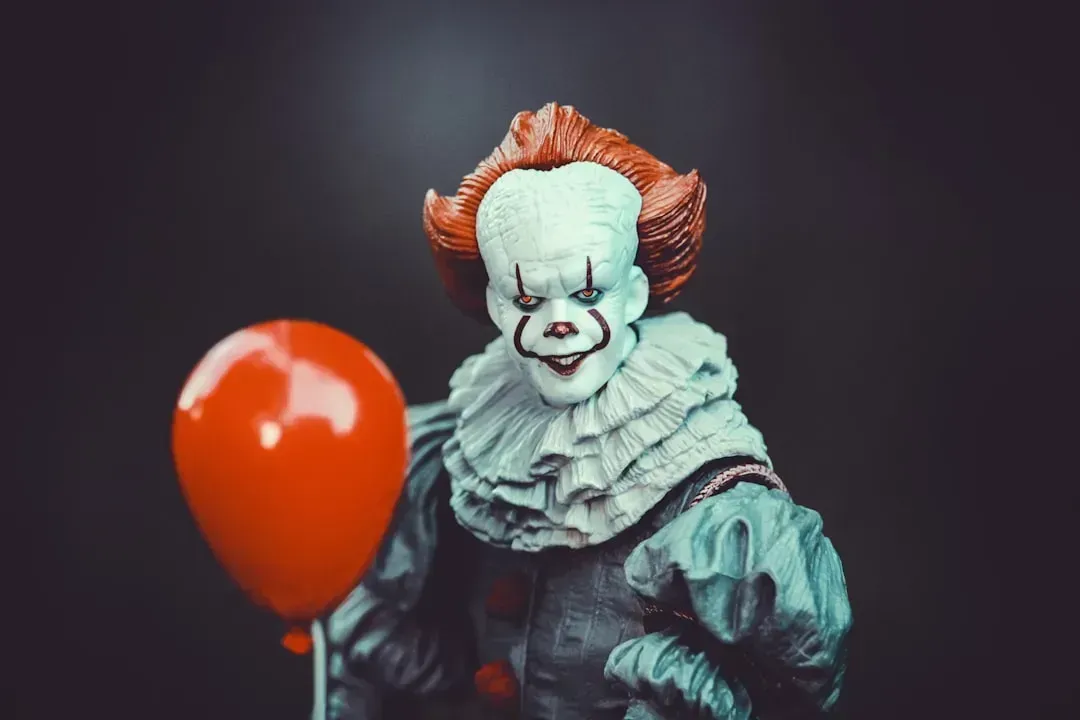
It wasn’t always the monsters or gory scenes from the golden age of slasher films that kept ’80s kids up at night. It was subtler horror elements, like a body transformed into something unrecognizable, or something seemingly mundane secretly harboring a hidden danger. The clown doll in Poltergeist was a perfect example of that mundane-turned-monstrous formula.
A harmless-looking toy sitting on a bedroom chair, right up until it wasn’t. Countless kids who saw the 1982 film couldn’t look at a stuffed clown the same way again. Since the PG-13 rating didn’t start until 1984, some films released as PG were questionable at best, and probably more mature than kids were ready for. Poltergeist was firmly in that category, and the clown scene may be its most legendary scar.
3. The NeverEnding Story’s Swamp Scene

As Bastian lives out the saga of Fantasia through his book counterpart Atreyu, the story includes several “kid-friendly” moments, such as Atreyu’s beloved horse being slowly killed in the Swamps of Sadness, and statues that will cut you in half with laser eyes. The horse dying in that swamp hit differently than most cinematic deaths aimed at children. It was slow, desperate, and utterly heartbreaking.
There was no dramatic villain to blame, no monster to fight. The NeverEnding Story follows a young boy named Bastian who learns that the fantastical world of Fantasia is under threat from The Nothing, an evil force of darkness. An unstoppable force of nothingness coming to erase everything that exists was a concept that sat uneasily in a child’s mind long after the credits rolled.
4. Missing Children on Milk Cartons
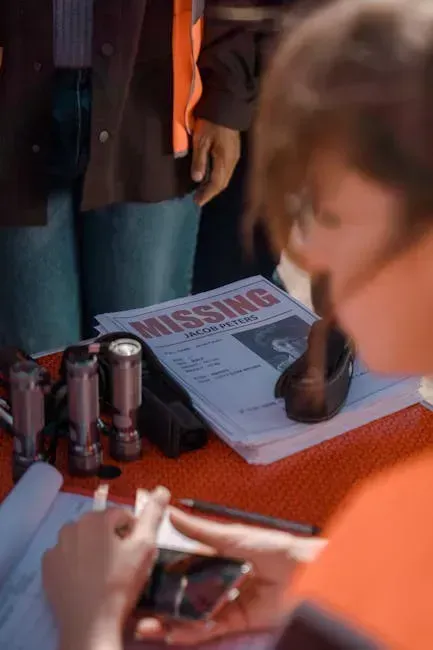
Before Amber Alerts, missing children’s faces appeared on milk cartons during breakfast, turning the morning meal into a daily reminder that kids could simply vanish. The very first milk carton to feature the faces of missing children came out of the Anderson Erickson Dairy in Des Moines, Iowa in 1984. Within a short time, the practice spread nationally and landed on breakfast tables across the country.
Both the 24-hour news cycle and the plaintive faces on milk cartons ushered in the era of “stranger danger,” where parents lived in fear of random kidnappings. “Stranger danger” became a type of moral panic reinforced by educational programs and public service announcements. For children eating cereal every morning while staring at those faces, the fear was immediate and very personal.
5. The Cold War and Nuclear Annihilation
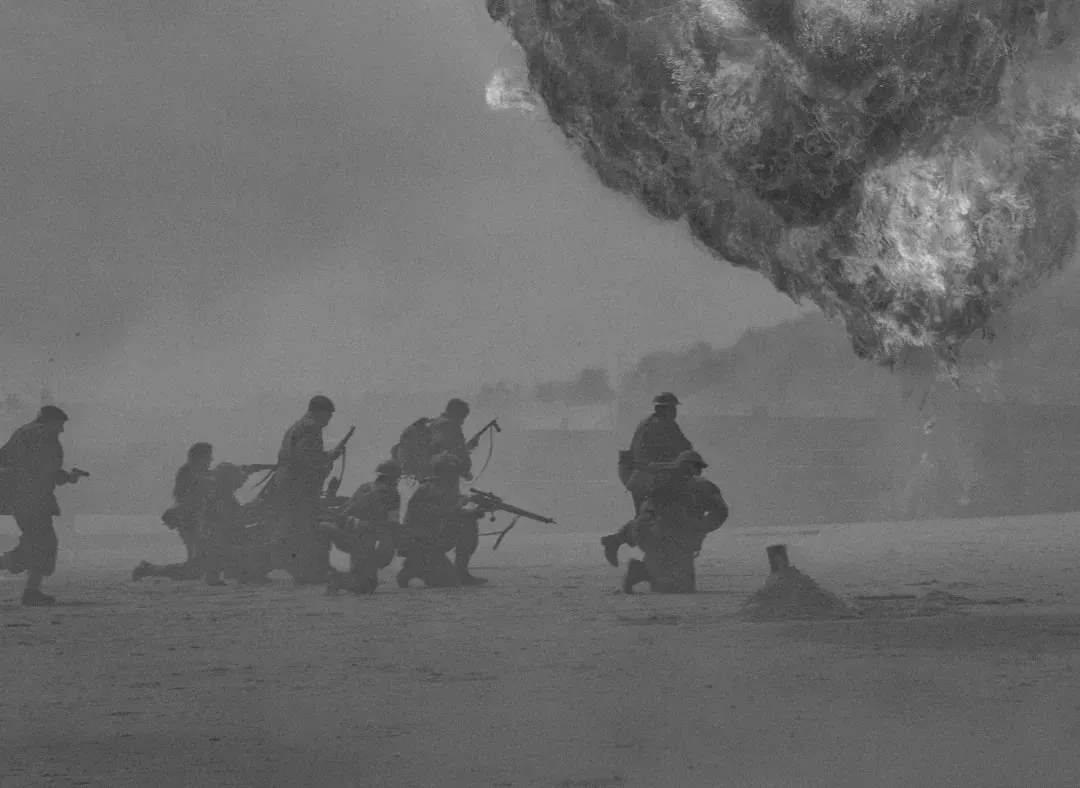
The Cold War’s constant threat of nuclear annihilation permeated ’80s childhood through duck-and-cover drills, TV movies like The Day After, and adult conversations that stopped whenever kids entered the room. An entire generation grew up knowing that global destruction was always just one misunderstanding away. That’s a staggering weight to place on a child’s shoulders.
On the surface, the ’80s was a neon-colored, music-filled decade, but underneath was paranoia. The Cold War, Satanic Panic, UFO hysteria, and distrust of the government permeated everyday life. Kids didn’t fully understand geopolitics, but they absolutely understood the dread in their parents’ eyes whenever someone mentioned the Soviet Union or nuclear weapons on the evening news.
6. Gremlins
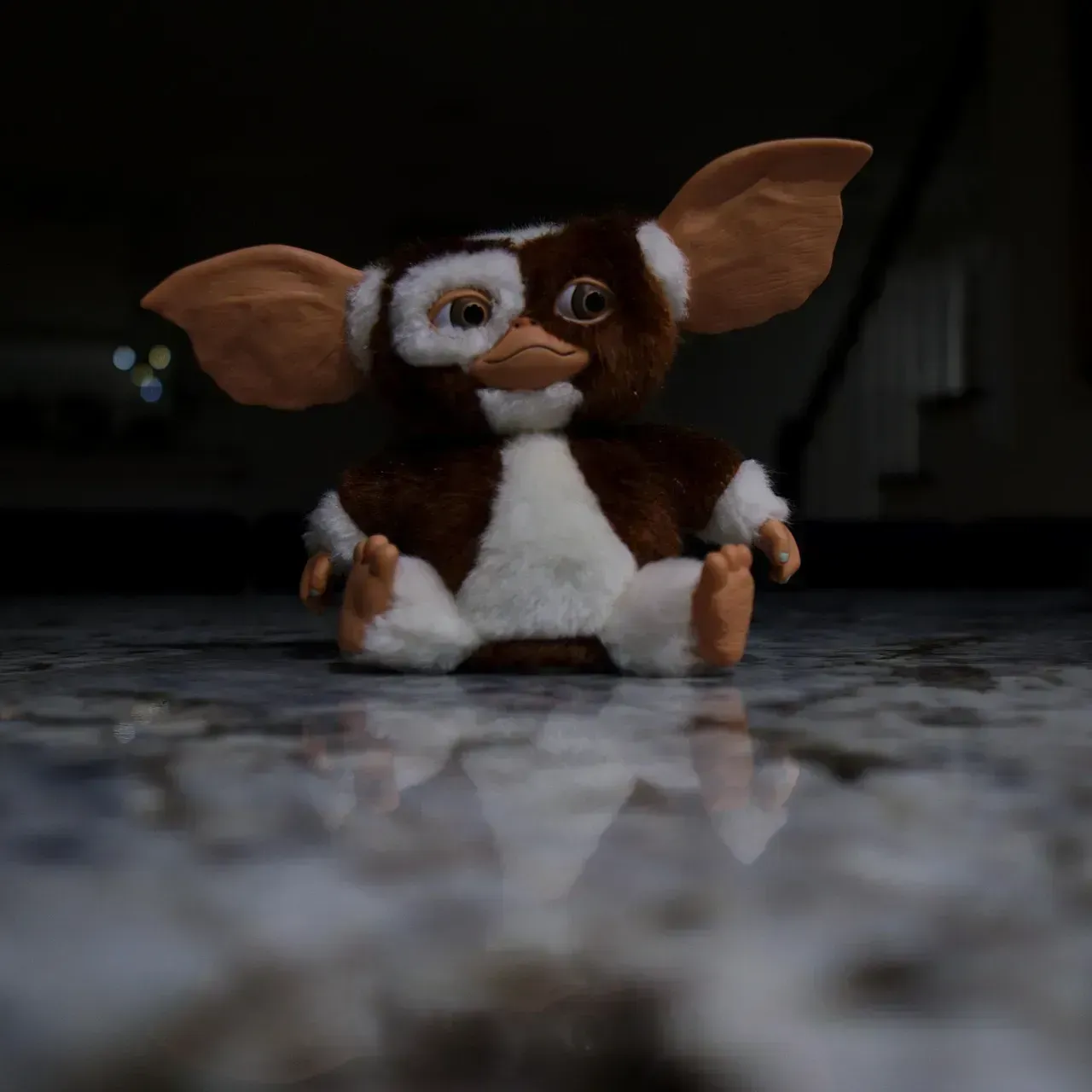
When viewed through an adult lens, Gremlins is objectively silly, which is perfectly reasonable since it was written as a dark comedy-horror movie. With its cute little furry Mogwai, teenage protagonist, and PG rating, it made sense that many 1980s parents let kids as young as four watch, only to realize the movie scared the living beans out of many child viewers.
From those little balls springing from a creature’s back to the nightmarish ways the gremlins would wantonly torture their victims just for giggles, this was pretty scary stuff for the elementary kids watching. For adults prone to letting their kids loose with the cable box, Gremlins served as a reminder that things that aren’t necessarily scary for adults can sometimes be deeply disturbing for kids. The kitchen scene alone was enough to make many children eye their microwave with suspicion for months.
7. The Dark Crystal’s Skeksis
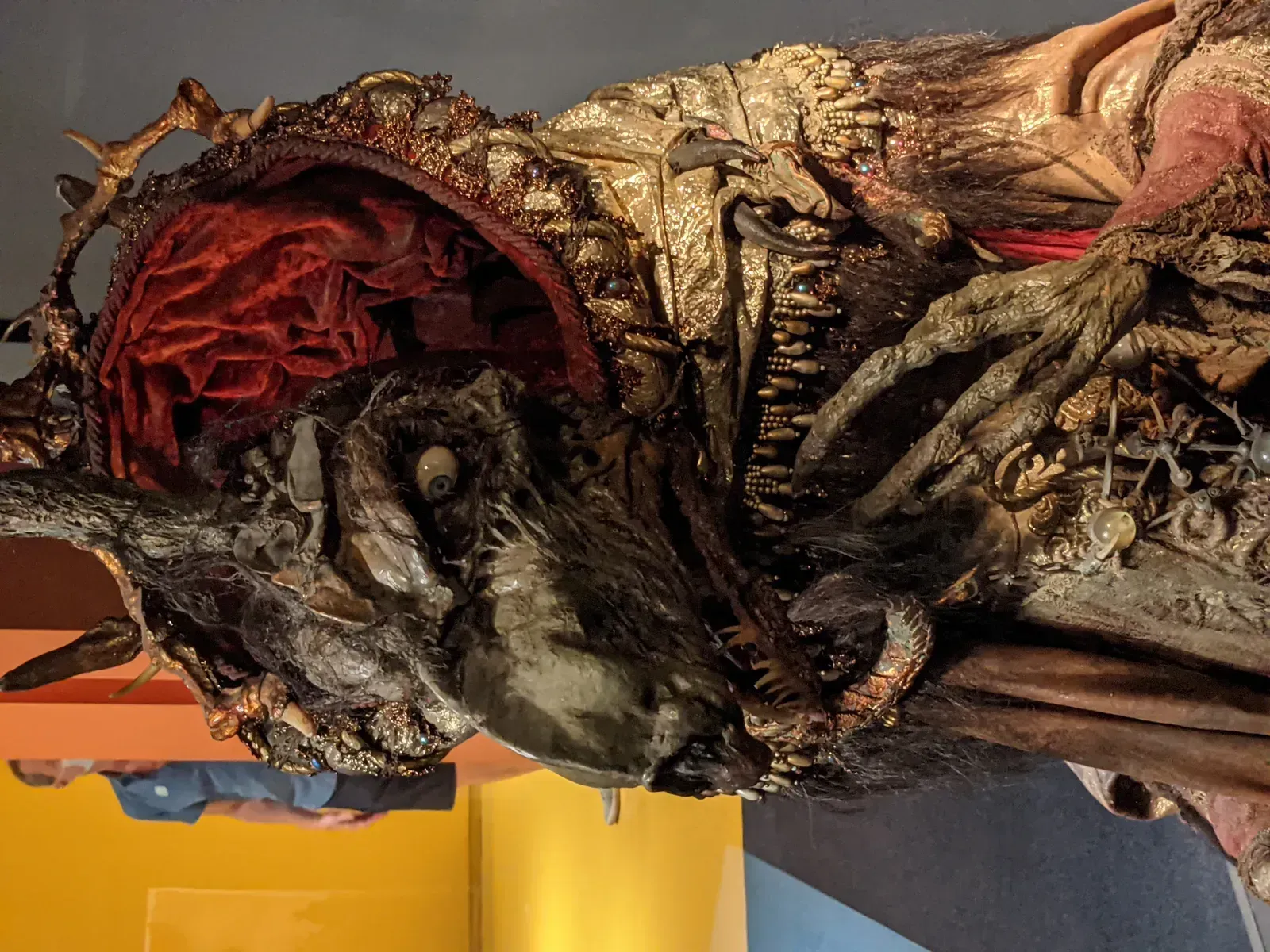
Movies like The Dark Crystal were created by filmmakers who believed kids could handle complex themes including death, loss, and moral ambiguity. Jim Henson’s 1982 puppet fantasy delivered those themes in the most viscerally unsettling way imaginable. The Skeksis, the film’s vulture-like villain creatures, were designed with a level of grotesque detail that felt genuinely alien and wrong.
The old Skeksis emperor’s dying scene features one hell of a jump scare, followed by what every kids’ film needs: an old creature’s head decomposing before your eyes. The puppet technology was advanced enough to make everything look disturbingly real. One of the more surprising trends of the decade was serious horror films made for and marketed to children and families. The Dark Crystal was right at the center of that strange trend.
8. Stranger Danger and White Vans

Books were published for parents to read with their children, the warnings were relentless, and for a long stretch of childhood many kids feared leaving their houses for any period of time. Some children were terrified to walk to their bus stop, attempting to time their arrival with the bus so as to minimize the window in which someone could drive by. That specific, tactical kind of childhood fear says everything about how deeply the panic had seeped in.
The 1980s saw the spread of a nationwide panic about “stranger danger,” a supposed epidemic of child kidnappings and murders. Under the guise of protecting children, the media-driven hysteria had massive cultural consequences. Every unfamiliar car, every adult who seemed too friendly, every slow-moving vehicle in the neighborhood became a potential threat in the minds of ’80s kids.
9. Return to Oz
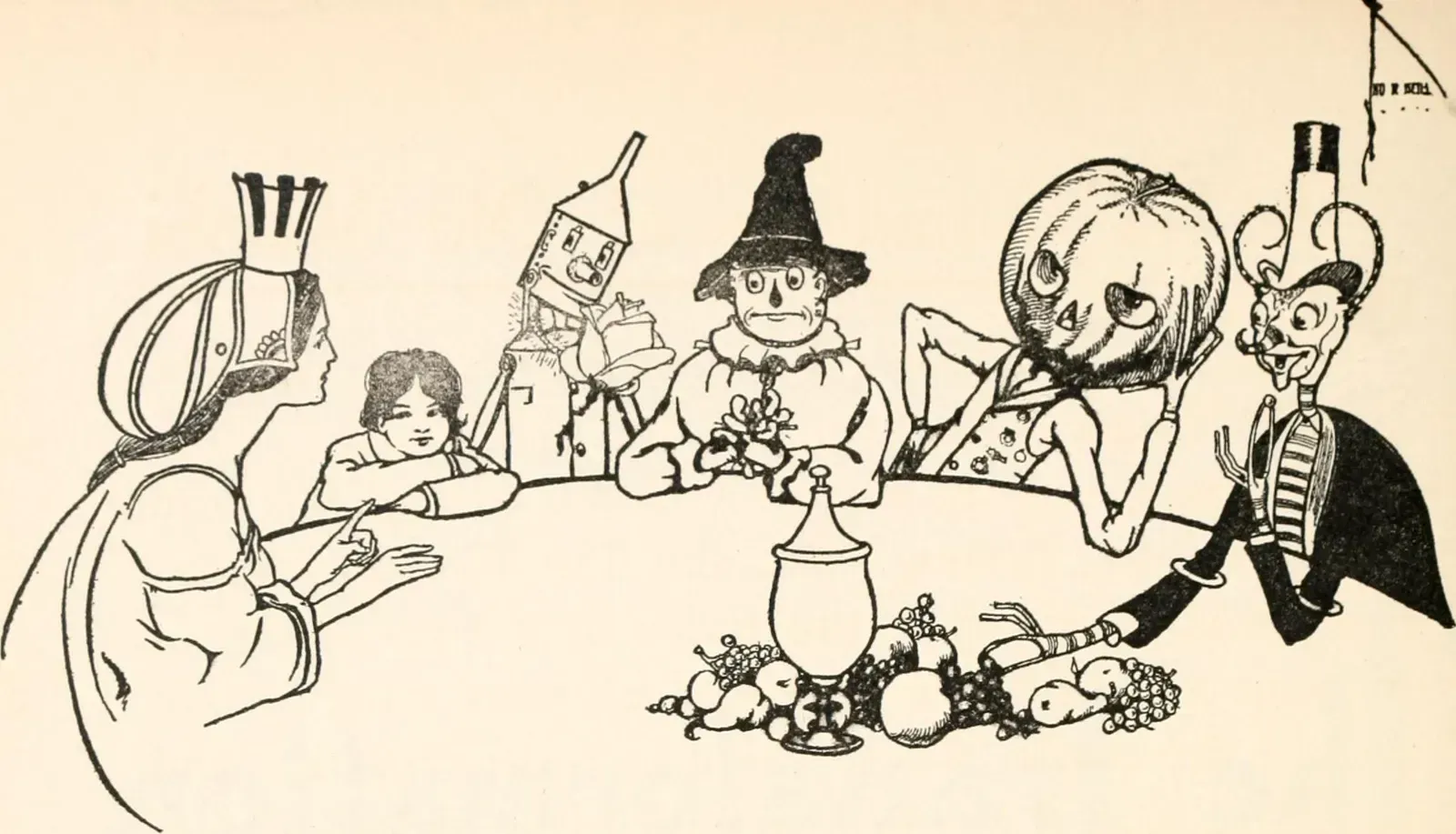
Return to Oz has a really pleasant plot for kiddos, where Dorothy has nearly completely recovered from the “tornado incident,” but can’t seem to shut up about her adventures in Oz. What followed that deceptively familiar setup was something many ’80s children were wholly unprepared for. The headless queen is perhaps the most memorable fright from the film, but it’s really the film in its entirety.
Wheelies, an asylum scene, and a queen who collects screaming heads in a hallway. This was marketed as a family film in 1985. The Black Cauldron was Disney’s first PG-rated animated film, and was even pushed back a few years for edits after a test screening frightened kids too much. Return to Oz somehow bypassed that kind of scrutiny entirely, and generations of children paid the price in nightmares.
10. The Satanic Panic
Satanist stories were everywhere. In 1988, police were still advising local communities about animal sacrifice. Church leaders were railing against rock and roll music that promoted Satanic activity, which included any band that could play a power chord. For kids absorbing all of this through adult conversations and news broadcasts, it painted a world full of invisible, evil conspiracy.
The atmosphere of fear that popped up in the 1980s included the “moral panic” of Satanism and the “stranger danger” panic of parents. There were board games like Strangers and Dangers, PSAs by McGruff the crime dog, school assemblies featuring puppets and robots. Even the entertainment meant to calm children down often fed the very anxiety it claimed to address.
11. Indiana Jones and the Temple of Doom
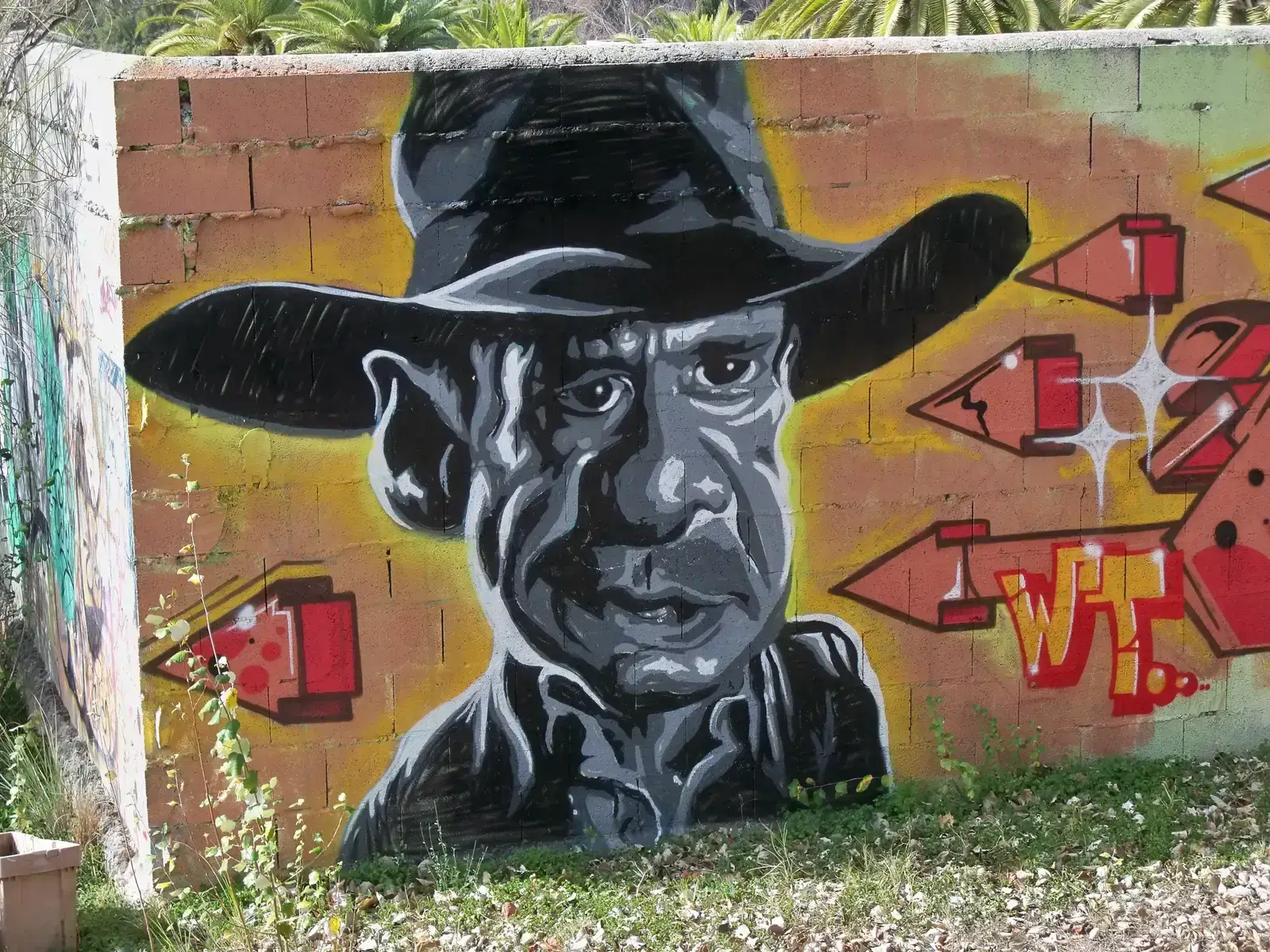
In the most notorious scene in Indiana Jones and the Temple of Doom, Indy and his companions look on in horror as evil cult leader Mola Ram tears the still-beating heart out of the chest of a human sacrifice and presents it to his enraptured followers as a trophy. It was sudden, graphic, and deeply disturbing by any standard, let alone for the kids who expected adventure-hero fun.
This sequence alone would render Temple of Doom deeply unfit for its target demographic of adventure-loving, Harrison Ford-idolizing children even if it wasn’t immediately followed by the poor victim being plunged into a fiery pit. Many ’80s kids who went in expecting another Raiders of the Lost Ark walked out wide-eyed and quiet. It was partly this film that helped push the creation of the PG-13 rating.
12. Transformers: The Movie Killing Off Optimus Prime
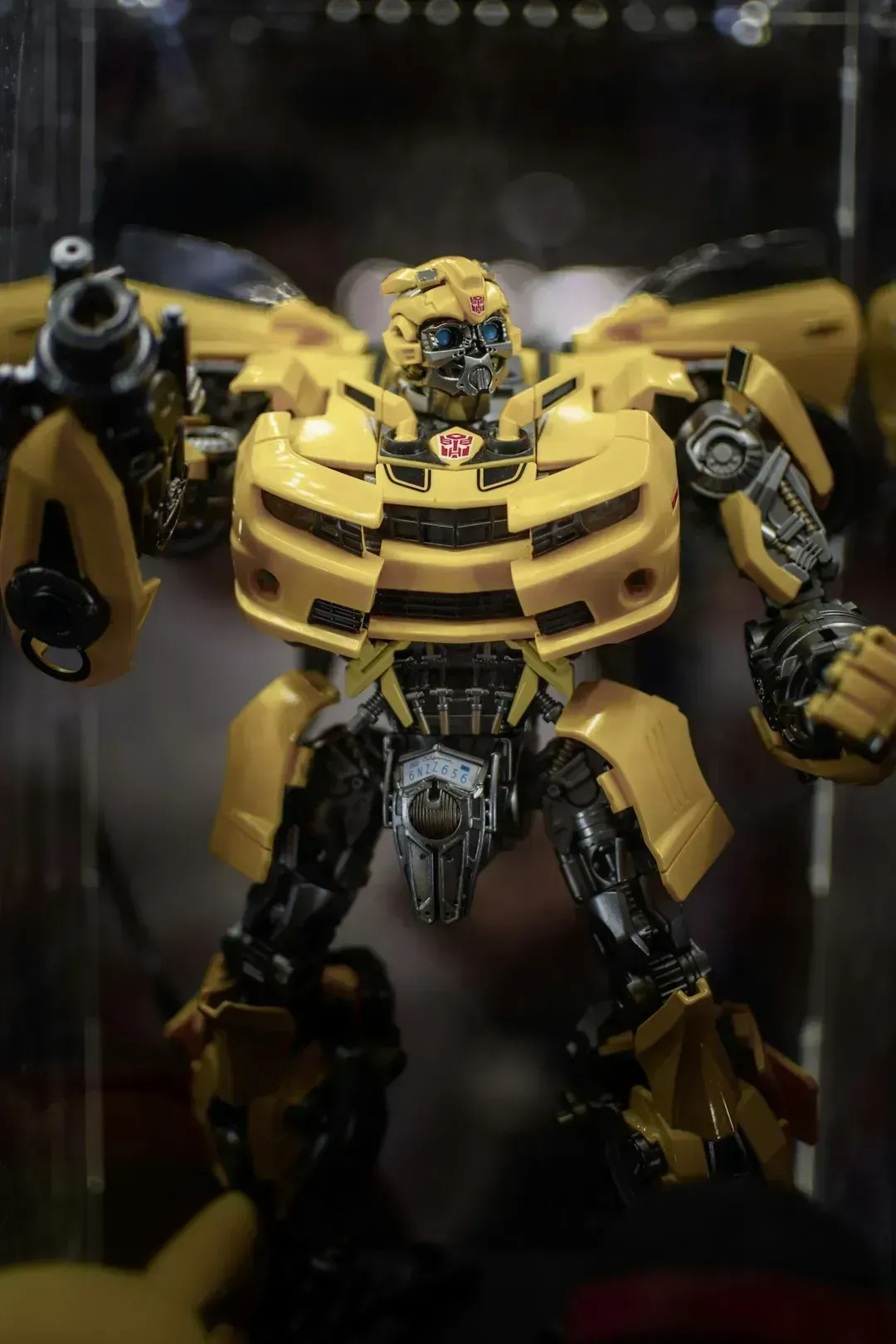
Transformers: The Movie is perhaps most famous for traumatizing an entire generation of kids by killing off a slew of popular heroes from the television show and toy line, including heroic leader Optimus Prime. Young fans would stare in horror as fan favorites like Ratchet, Prowl, and Ironhide were gunned down in rapid succession early in the film. No child was prepared for that.
It was the executives at toy company Hasbro, rather than the filmmakers, who determined which characters would die and which would live, as a cynical means to persuade kids to spend their allowances on all the new heroes introduced in the film. Knowing that now doesn’t make the 1986 film’s emotional gut-punch any softer. Optimus Prime dying onscreen in a film aimed at children remains one of the decade’s most shocking moments.
13. Tales from the Darkside
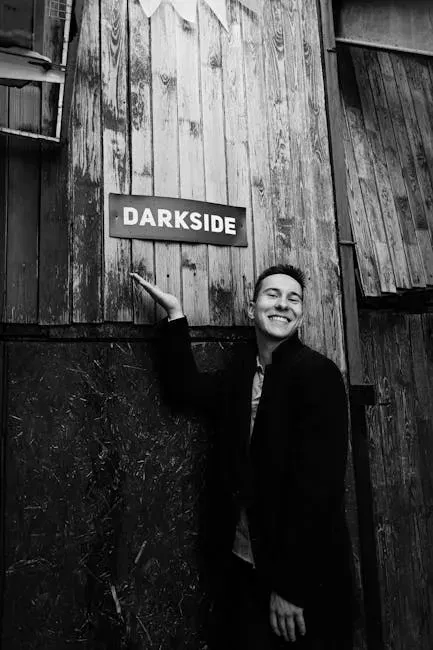
Tales from the Darkside wasn’t aimed at kids, but it somehow became part of the childhood TV lineup for some. It was a darker, no-nonsense version of Eerie, Indiana with no adventure, just pure paranoia and unease. The show ran from 1983 to 1988 and had a way of showing up late at night when parents were distracted and kids were still awake.
Sometimes just one wrong episode before bed was enough to have you spending weeks paranoid about noises in the attic or that creepy doll that seemed to move on its own. What’s wild is that even with low budgets and effects that look laughable today, some of these shows still manage to give a weird sense of unease when you think back or rewatch them. The atmosphere was the real monster.
14. Labyrinth’s Goblins and the Bog of Eternal Stench
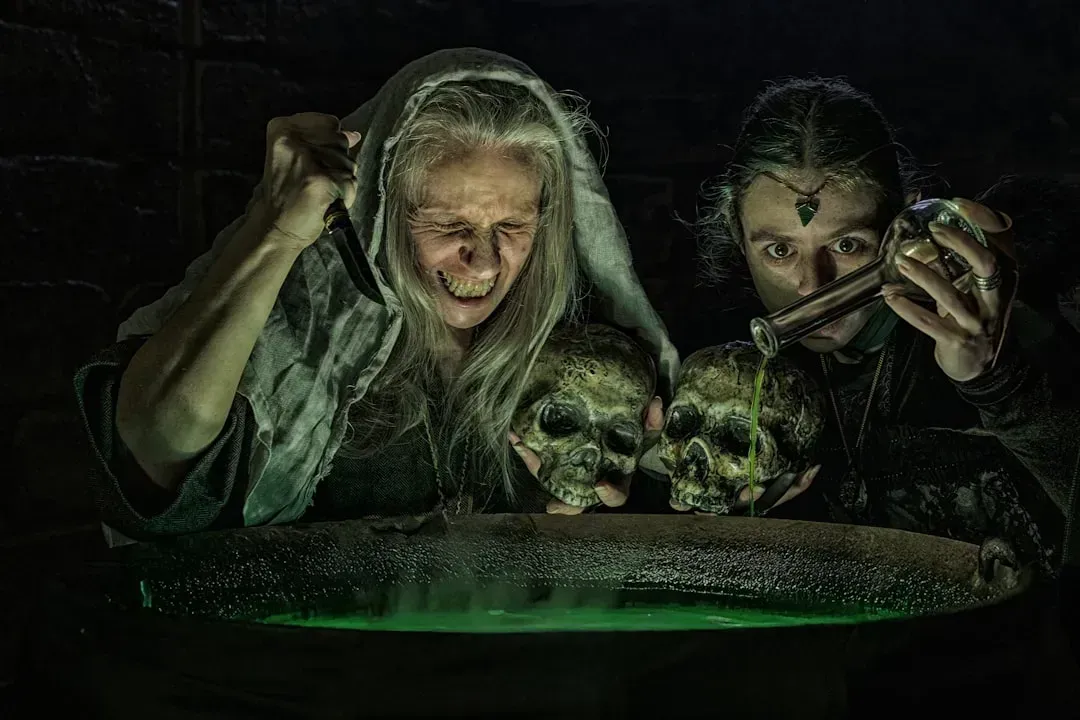
In Labyrinth, young Sarah wishes away her baby brother, enters a bewildering maze populated by all kinds of creatures, and fights against all odds to get him back. The legacy of the film lives on through its crazy costumes, stuck-in-your-head songs, and otherworldly aesthetics, but the sincerely spooky elements within the film, including hulking goblins, horned beasts, and child abduction, shine through as well.
The premise of a Goblin King stealing a baby in the middle of the night somehow seemed like the right thing to market to kids. Like The Dark Crystal, this movie came out at a time when they were getting really good at puppets but not quite good enough at CGI to include it, meaning the effects were horrifically realistic and terrifying. Jim Henson’s creature work was extraordinary. It was also deeply unsettling to a six-year-old.
15. The Secret of NIMH
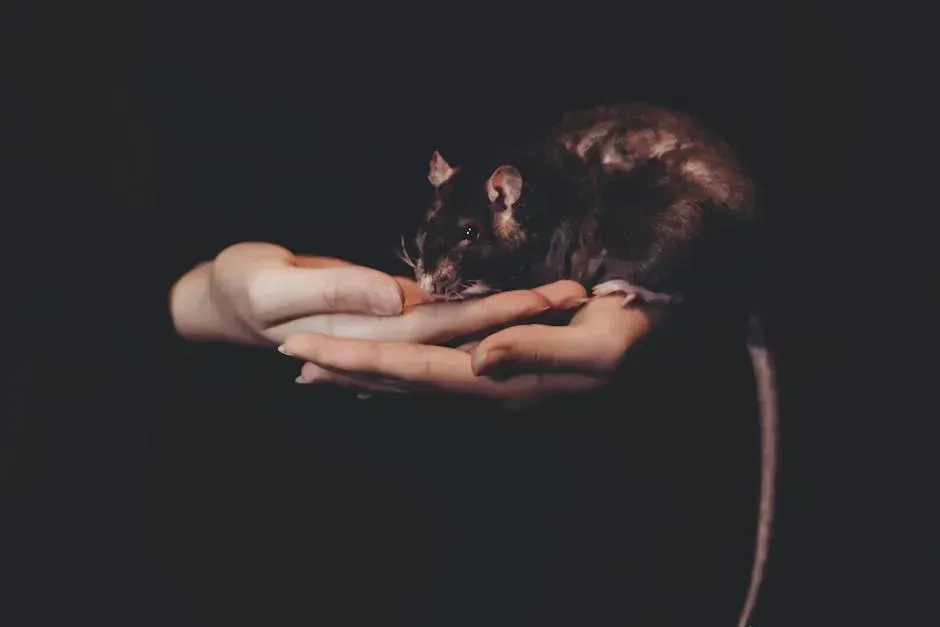
Don Bluth’s beautifully animated feature has Disney tropes but quickly leans into the darker side of humanity, with scary scenes and experiments on animals at the forefront of the plot. Based on the book Mrs. Frisby and the Rats of NIMH, the titular mouse must visit the Great Owl, a character terrifying to younger children complete with a booming voice and murderous intent, killing two animals while they are speaking.
When the film reveals that NIMH stands for the National Institute for Mental Health and that rats have been experimented on and developed intelligence, the story crosses over into the horrors of the real world. For little ones used to more sugar-coated affairs, the experience was genuinely startling. What these films did in reality was show children that even when the world is a very scary place, they have the power to face and overcome their fears. Looking back, that might have been the most valuable thing the ’80s accidentally taught us.
Fear, it turns out, has a strange relationship with memory. The things that scared us most as children tend to stay the sharpest, the most vivid, the most oddly treasured. Decades later, many ’80s kids will still wince at a glove with knives for fingers, or feel a small irrational tug of unease at a milk carton. The decade had a gift for getting under the skin, and those impressions never fully washed off.