
Most people understand physical safety in clear, concrete terms. Emotional safety is harder to name, yet its absence leaves marks that are just as real. For many women, the feeling of being emotionally unsafe doesn’t announce itself dramatically. It accumulates quietly, in the small moments of a relationship where vulnerability meets dismissal, where trust meets unpredictability.
Emotional safety is a feeling of ease and authenticity. It arises when someone feels they can be their true self without fear of rejection. When that feeling is missing, women often don’t shout about it. They go silent, they pull back, they manage their own emotions around someone who was supposed to be a safe harbor. These are fourteen things many women say quietly erode that sense of safety.
1. Having Their Feelings Dismissed or Minimized

A woman feels emotionally unsafe when she cannot be open, honest, and vulnerable without fearing she will be put down, discounted, or made fun of. When only one person in the relationship is consistently open and vulnerable, something has gone wrong. Being told that a feeling is “too much,” “overreacting,” or simply not important enough to address is a form of dismissal that accumulates damage over time.
A top contributor to feeling emotionally unsafe is a lack of empathy. Empathy involves understanding how a person feels through their own language and emotional framing. It is the pathway to compassion and genuine connection. Without it, a woman learns to preemptively hide her feelings rather than risk having them treated as trivial.
2. Unpredictable Anger or Volatile Moods

A partner’s volatile anger can leave a woman feeling like she is walking on eggshells throughout the whole relationship. The anger is often brushed off by the person expressing it, or the woman is told she is “too sensitive” or that her partner “had every right” to react that way. That cycle of justification makes it harder to name what’s actually happening.
The nervous system is designed to respond to threats. When it becomes triggered even by a disagreement with a partner, it can go into fight-or-flight mode, making healthy communication near impossible. Living alongside unpredictable anger essentially keeps a woman’s nervous system in a low-grade state of alarm, even during calm periods.
3. Gaslighting and the Distortion of Reality

Gaslighting is a form of emotional abuse. It involves manipulating someone’s perception of reality and deliberately causing them to doubt their sanity, thoughts, feelings, and memories. This form of abuse can lead to self-loathing, anxiety, and doubting one’s own mental stability. For many women, this begins subtly, with small reframings of events that make them question their own recall.
Emotional abuse and gaslighting generally don’t appear as a singular event. Instead, they establish a pattern of harmful behavior over time. Early incidents may appear innocuous, easily excused or dismissed, yet these actions can gradually escalate, embedding a cycle that leads to low self-esteem, anxiety, and depression. By the time the pattern is fully visible, a woman may already doubt her own perceptions.
4. Stonewalling and Emotional Shutdown
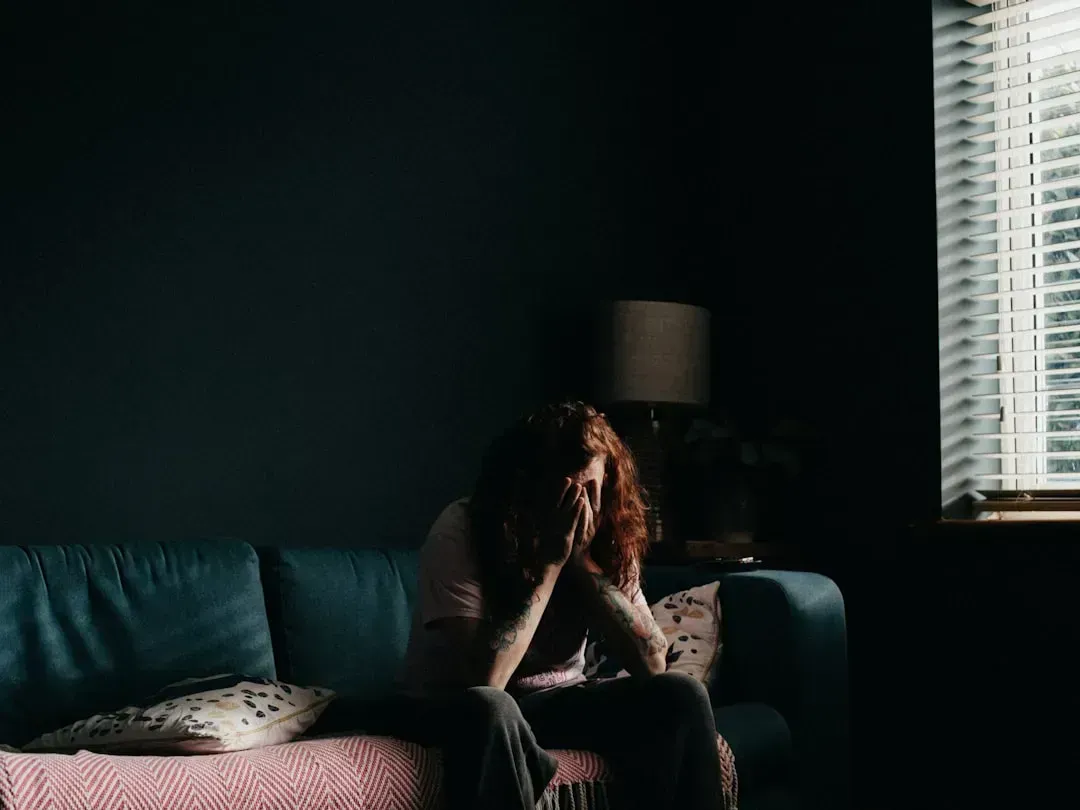
Stonewalling is a behavior characterized by one partner withdrawing from interaction, shutting off emotionally, and discontinuing communication. To others, the person stonewalling often appears indifferent, usually with a blank expression. They can appear callous or uncaring. It is deeply hurtful to look up and see what appears to be an emotionless reaction when you are being emotionally vulnerable.
In the absence of vulnerability, emotional intimacy is impossible. When stonewalling shows up continuously, it disintegrates the very foundation of healthy, intimate relationships: trust. A woman who regularly experiences this begins to internalize the silence as a verdict on her worth, rather than recognizing it as a communication failure.
5. Constant Criticism

A critical nature in a partner is a major source of emotional unsafety. Judgment, mockery, and making fun of someone within the family make those around that person feel unsafe. Nobody likes to be judged. When criticism becomes a recurring pattern rather than an occasional honest conversation, it stops functioning as feedback and starts functioning as control.
According to psychologist John Gottman, defensiveness is one of the four key factors that leads to trouble in relationships. Along with defensiveness, the other key factors are stonewalling, contempt, and criticism. When a person doesn’t feel safe, they will naturally become defensive and guard themselves against potential criticism, rejection, blame, and shame. Intimacy then doesn’t have a way to truly develop and deepen.
6. Being Blamed for Everything That Goes Wrong

A woman in an emotionally unsafe relationship may tell herself that if she were only more patient, kind, or understanding, things would get better. In emotionally unsafe relationships, the partner counts on her believing the problems are her fault. Eventually, she realizes that everything is her fault, at least according to her partner. This dynamic quietly dismantles her confidence and her ability to trust her own perspective.
When a victim confronts the abuser, the abuser often deflects attention by twisting facts in order to place blame or responsibility onto the victim. They then demand an apology to avoid taking responsibility for their own actions. The result is that a woman carries the emotional weight of conflicts that were never actually hers to carry.
7. Emotional Withholding as Punishment

Emotional withholding happens when love and affection are intentionally withheld in order to communicate anger. This creates a great deal of anxiety because it plays into deep fears of rejection, abandonment, and worthiness of love. Many women describe this as one of the most disorienting experiences in a relationship, precisely because it is so hard to point to and name.
While the silent treatment may seem like a temporary coping mechanism during conflicts, it is often used as a tool for manipulation, control, and punishment. Forms of emotional and psychological abuse like this are equally as damaging as more visible forms, and can have lasting effects on a person’s developing sense of self.
8. A Partner Who Shares Private Information Without Permission

Telling people outside the relationship things that are going on in private can make a partner feel like they are being thrown under the bus, or that they are being made to look bad. Trust is the bedrock of emotional safety, and one of its most important dimensions is knowing that what is shared intimately stays contained within the relationship.
A woman needs to be able to trust that telling her partner how she feels won’t be used against her or ignored later. She needs to believe he will understand her intentions and respond lovingly. If the answer to those questions is no, she will build an emotional wall for self-protection. That wall doesn’t go up overnight. It’s built brick by brick, each time a confidence is broken.
9. Contempt and Mockery
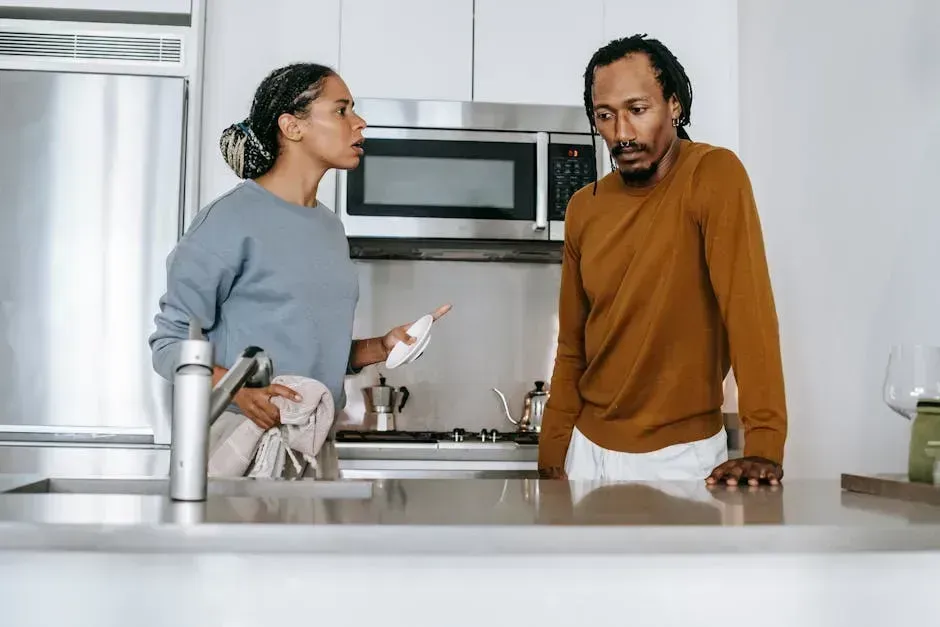
According to the Gottman method, contempt is one of the “four horsemen” of relationship breakdown, alongside criticism, stonewalling, and defensiveness. Contempt goes beyond disagreement. It communicates that a person is seen as fundamentally lesser, unworthy of basic respect. When a woman is mocked, sneered at, or spoken to with condescension, it registers as more than rudeness. It registers as a threat.
When a person doesn’t feel emotionally safe, they feel emotionally threatened, which causes the same bodily reactions as feeling physically threatened. They freeze, hold their breath, tense their body. Alternatively, they may go into attack mode, or they may simply shut down entirely. Contempt is one of the clearest triggers for this response, because it signals fundamental rejection.
10. Unpredictability and Inconsistency

An essential aspect of emotional safety is predictability. To feel secure enough in a relationship to share authentic and complicated feelings, a person needs to be able to anticipate and trust that their partner will meet big, vulnerable feelings with empathy, curiosity, and care. When that predictability is absent, a woman’s guard is never fully down, even in seemingly peaceful moments.
Even people in emotionally secure relationships have disagreements, but the key is that they approach problems in an open and curious way, rather than blaming each other. They act as true partners who communicate with respect, even when they’re in conflict. Without that baseline consistency, every calm day can feel like a reprieve rather than a foundation.
11. Controlling Behavior, Including Financial Control

Financial control is a significant form of emotional unsafety, and almost nobody who is doing it thinks of it that way. A pattern where one person spends freely without accountability while scrutinizing and punishing the other for their spending creates a deeply unequal and threatening dynamic. Money, in these situations, becomes a mechanism for power rather than a shared resource.
This kind of control can make a woman feel inferior and more likely to comply with demands. The control may extend into digital spheres, with constant monitoring of her location and communications, reinforcing the notion that her personal agency is subordinate to another’s will. The cumulative effect strips away autonomy, one small restriction at a time.
12. Not Being Heard During Conflict

Being on the receiving end of stonewalling can feel as if you’re talking to a wall. While a woman tries to address her emotional concerns during a conflict, a partner who shuts down acts as though she is not important or has nothing valuable to say. The message sent, even if unintentional, is that her internal experience simply doesn’t matter enough to warrant engagement.
Speaking up and acknowledging a lack of safety is a critical first step toward changing the dynamic. The only way toward feeling safer is naming the mistrust, which gives both partners a chance to work together to change it. The problem is that in emotionally unsafe relationships, attempting to name the pattern often triggers the very behaviors that created it in the first place.
13. Isolation from Friendships and Support Systems

Women report higher levels of loneliness across age groups, and the benefits of having a network of close, trusting friends and family are particularly significant for women’s physical and mental health. Even in the absence of an immediate stressor, having a strong social network is crucial for supporting psychological health. When a partner systematically undermines, mocks, or limits a woman’s external relationships, they are not just cutting off friendships. They are severing a core support structure.
Isolation, as a tactic, is about dividing a woman from other trusted individuals. Over time, isolation narrows the world down to a single relationship, which then becomes the only measure of reality, worth, and belonging. That concentration of dependence is exactly where emotional control thrives.
14. Having Vulnerability Used Against Them

Couples may hide parts of themselves from each other when they don’t feel they can safely share their authentic feelings. This hiding is a rational response. When a woman has opened up about an insecurity, a fear, or a past wound, and later found that information weaponized during an argument, the lesson absorbed is unambiguous: vulnerability costs too much.
Emotional safety is a basic human need and an essential building block for all healthy human relationships. It is the visceral feeling of being accepted and embraced for who you truly are and what you feel and need. Feeling chronically emotionally unsafe causes intense psychological distress, and often greater isolation and more difficulty reaching out. When the very act of being real with someone reliably leads to pain, the rational response is to stop being real. That silence is not peace. It is a kind of slow disappearing.
Emotional safety rarely collapses in a single dramatic moment. It erodes gradually, through repeated patterns that individually might seem minor but collectively reshape how a woman moves through her own relationship. Recognizing these patterns, whether they’re already present or beginning to form, is the first step toward something better. Couples therapy can help, with a therapist serving as an objective professional invested in establishing emotional safety and teaching the necessary communication and self-regulation skills. Knowing what to name is where that work begins.