
Every year, millions of Americans plan international trips without ever glancing at what the U.S. State Department has to say about their destination. That oversight can carry serious consequences. The State Department maintains a tiered advisory system that assigns every country in the world a risk level, and the ones at the top of that scale are not just inconvenient to visit. They’re genuinely dangerous.
The State Department classifies countries under a four-level system, with Level 4 representing the highest risk. These designations are based on threats such as terrorism, civil unrest, crime, kidnapping, and the limited ability of U.S. authorities to assist citizens abroad. As of 2026, the full Do Not Travel list includes 22 countries and regions, spanning multiple continents and reflecting very different kinds of danger. The eight countries highlighted below represent some of the most extreme cases, each with its own grim story to tell.
Afghanistan: Where No Help Is Coming
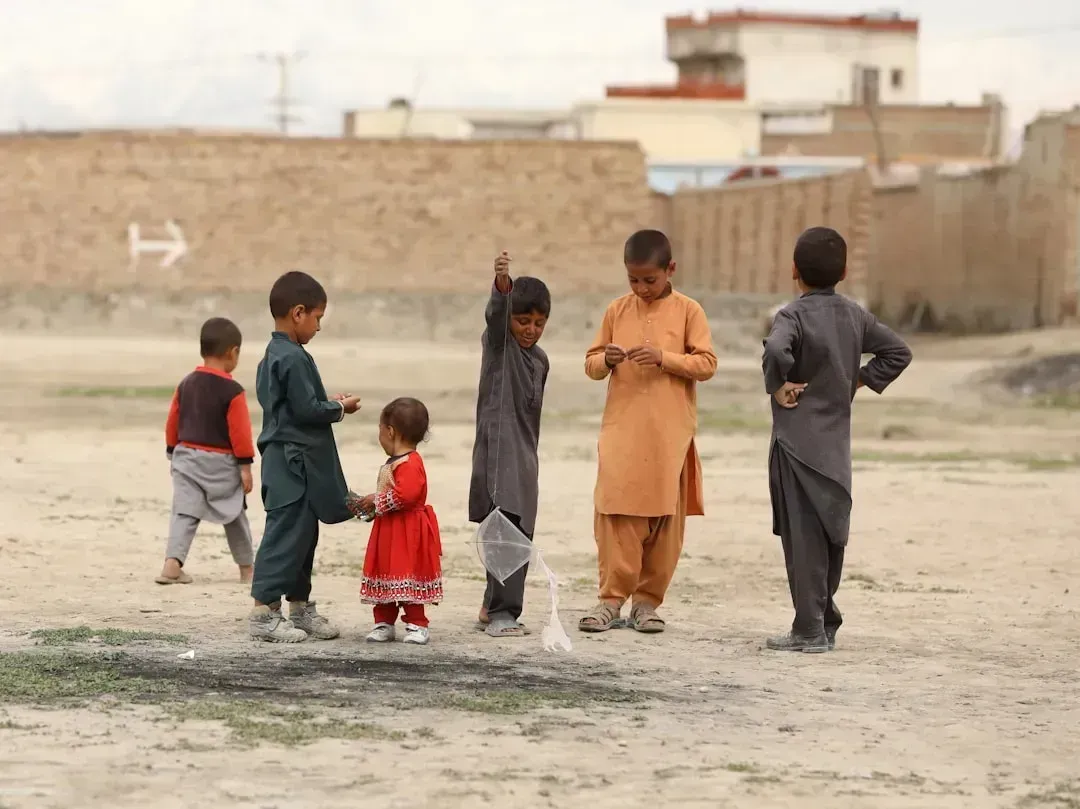
Afghanistan is repeatedly rated among the world’s highest-risk destinations because active security threats combine with very limited emergency support. Foreign ministries maintain “do not travel” guidance, warning about terrorism risks, the possibility of detention, and how difficult evacuation becomes if conditions deteriorate.
Ongoing terrorism, armed conflict, and the risk of kidnapping persist, compounded by the complete absence of U.S. embassy support. Commercial travel insurance often excludes coverage for Afghanistan, which can turn even basic logistics into a major barrier for visitors. Afghanistan is also assessed as the worst destination for medical risk, reflecting the absence of basic infrastructure and limited international support.
Iran: Danger Elevated by Geopolitics

Iran has been branded a Level 4: Do Not Travel destination, with Americans facing risks of wrongful detention, violence, and kidnapping amid the unrest there. Iran has been highlighted specifically for risks including wrongful detention, terrorism, and civil unrest, with officials warning that even possessing a U.S. passport could expose travelers to arrest.
Amid rapidly escalating hostilities between the United States and Iran, the U.S. State Department has issued a wave of new travel alerts and heightened advisories for American citizens across the Middle East and beyond. The warnings come after a dramatic series of military exchanges that have reshaped regional security conditions and disrupted global travel. In such locations, the U.S. government has warned that consular support may be severely restricted or unavailable.
Russia: Wrongful Detention as a Tool
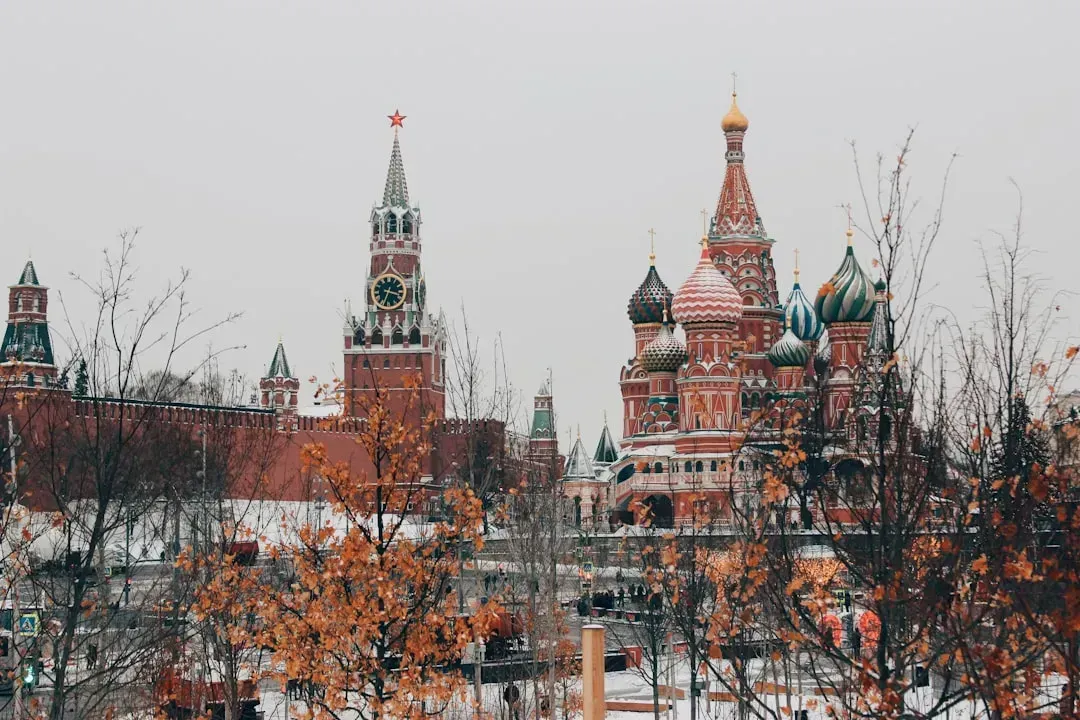
Russia continues to feature under a Level 4 warning due to ongoing war, with parts of the country presenting serious risks for American visitors. Russia, in particular, has been known to wrongfully detain Americans for years. The country’s track record of using foreign nationals as political leverage makes it especially threatening for U.S. passport holders.
Belarus, Russia’s neighbor, carries its own Level 4 designation due to arbitrary detention risks, civil unrest, and spillover threats from Russia’s war in Ukraine. For Americans even considering travel to this part of the world, the message from Washington is unmistakable. This classification also signals that U.S. consular assistance is extremely limited or, in some cases, unavailable. Embassy operations may be reduced, suspended, or unable to reach Americans in crisis situations, leaving travelers largely dependent on local authorities or private resources for help.
Haiti: Gang Control and Nowhere to Turn
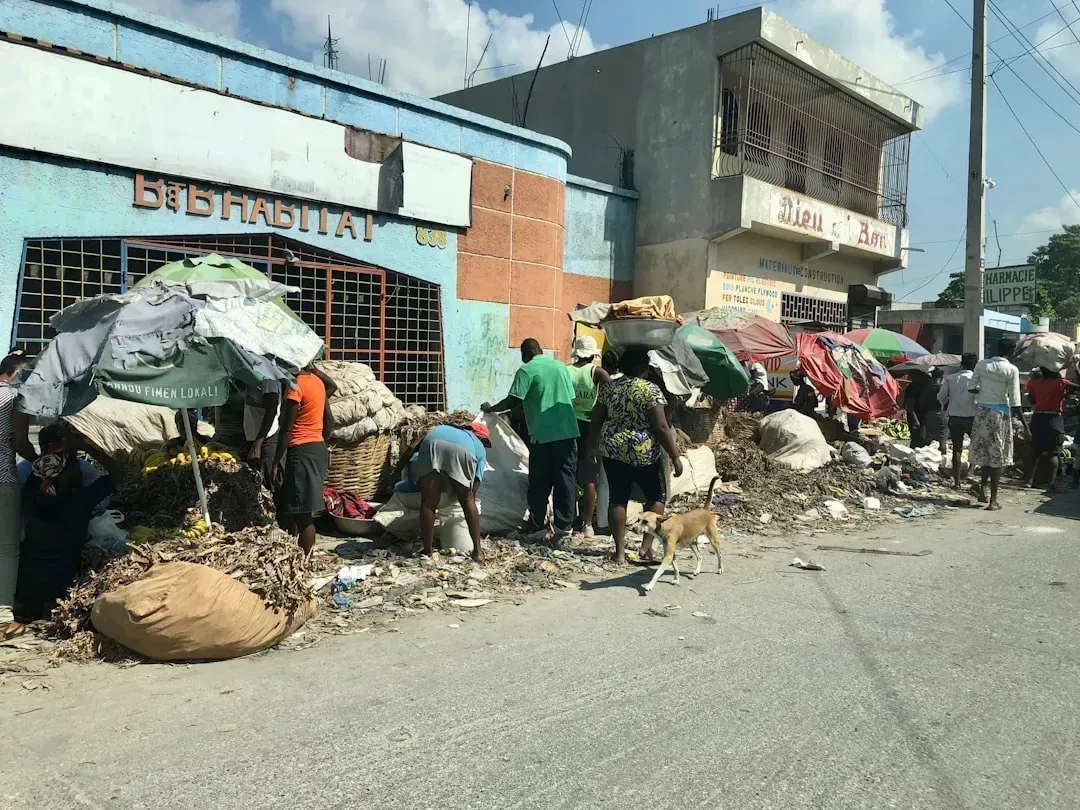
A Level 4 advisory has been reissued for Haiti, and Americans are warned not to travel there “for any reason.” Haiti’s risk profile intensified through 2024 and 2025 as armed gangs expanded influence in and around Port-au-Prince, driving frequent reports of kidnapping, armed robbery, and road blockades. Conditions can shift quickly by neighborhood, which makes normal movement planning difficult even for experienced travelers. During major spikes in violence, commercial travel options have faced disruptions, and diplomatic movement often requires strict security protocols.
Fuel shortages, electricity instability, and supply disruptions compound the risks by affecting transportation, food distribution, and hospital operations. International assistance missions have worked to stabilize key areas, but progress can vary sharply from one zone to the next. New guidance also discourages tourists from traveling through the border of Haiti and the Dominican Republic.
Yemen: Conflict With No Exit
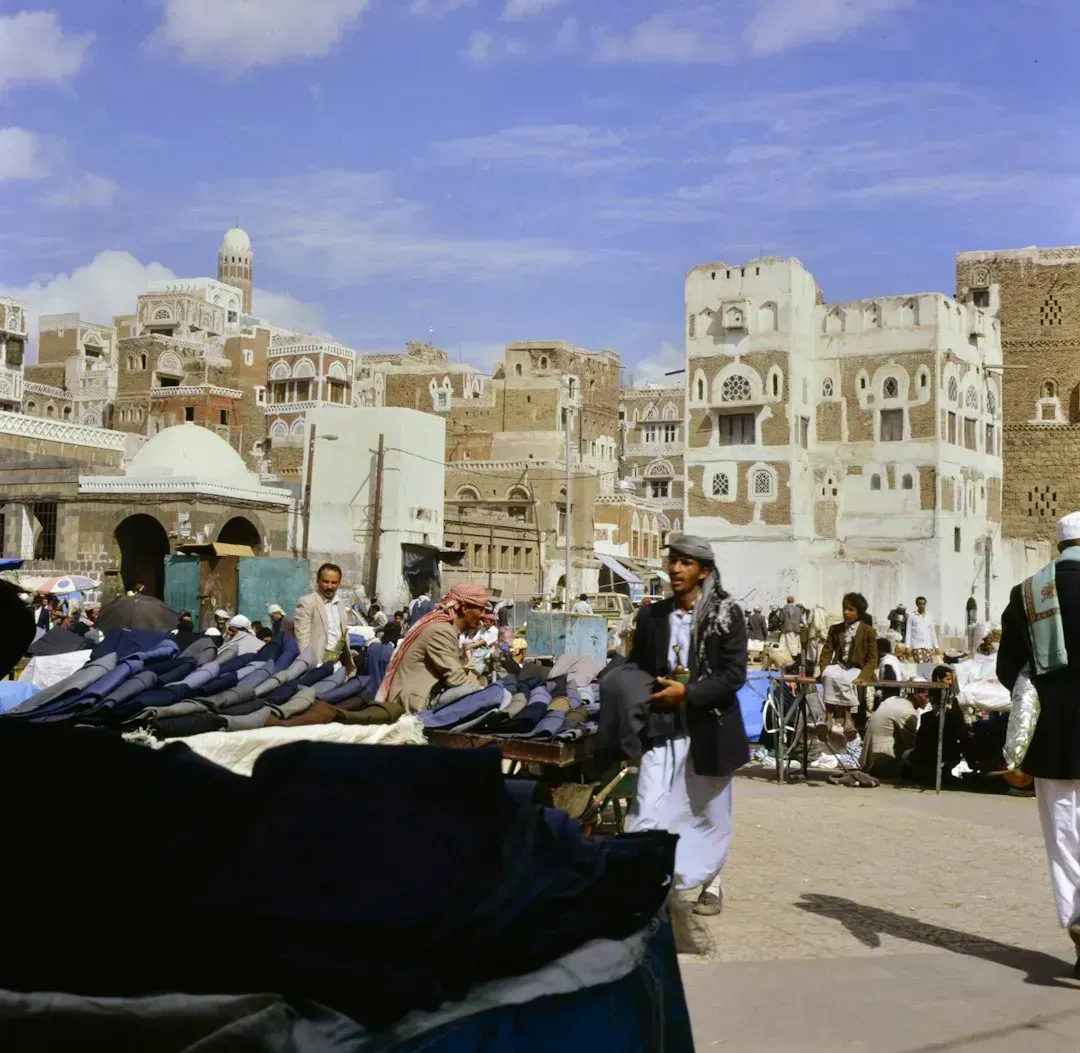
Ongoing conflict keeps Yemen near the top tier of danger lists because violence risks overlap with minimal outside support. Airstrikes, armed clashes, and unexploded ordnance remain concerns in multiple areas. Kidnapping has long been a documented threat, and many diplomatic missions do not operate normally inside the country.
Damage to hospitals and widespread food insecurity raise the danger beyond what incident counts alone capture. Evacuation routes are extremely limited and may depend on coordination through third countries. Telecommunications interruptions can leave travelers without reliable navigation or emergency contact for extended periods. For most visitors, the environment is simply not compatible with independent travel.
Somalia: Terrorism, Kidnapping, and No Embassy

Terrorist activity, kidnapping, and banditry elevate risk in Somalia, where both local and transnational extremist groups remain active. Somalia remains under a Level 4 Do Not Travel advisory, and in many of these destinations, the U.S. has limited or no consular presence, which can make it extremely difficult to assist travelers in emergencies.
A Level 4 advisory is typically issued in response to armed conflict, active terrorism, widespread civil unrest, wrongful detentions, severe crime, or unstable political environments. In many of these countries, local security situations can deteriorate rapidly and without warning. Infrastructure may be damaged or unreliable, emergency services may be overwhelmed or inaccessible, and the rule of law may be inconsistently enforced.
North Korea: The Most Closed Door on Earth

Wrongful detention and political repression are particular concerns in North Korea, where U.S. citizens face an environment unlike nearly anywhere else on the planet. The country operates with virtually no transparency, and any interaction with local authorities carries unpredictable consequences for Americans. Some countries have a known elevated risk for the wrongful and arbitrary detention of U.S. nationals, even when the same action would not be considered a crime in the United States.
Travel insurance policies often exclude coverage for destinations under Level 3 or 4 warnings. Credit card travel protection benefits typically won’t apply in these high-risk locations. More importantly, Americans who choose to travel to these countries despite warnings may face limited or no consular assistance during emergencies, as U.S. embassy services operate with restricted capacity in many of these nations.
Ukraine: A War Without Clear Borders

Ukraine continues to feature under a Level 4 warning due to ongoing war, with significant dangers persisting across large portions of the country. Of the current Level 4 warnings, the longest-running one listed on the State Department’s website was issued for Ukraine in November 2024. The duration of the advisory alone signals how entrenched and unpredictable the situation remains for civilians.
Armed conflict and active fighting are factors in Ukraine, where areas often have indiscriminate violence that can affect civilians as well as military forces. The U.S. government may have very limited or no ability to help, including during an emergency, and advises that U.S. citizens do not travel to the country, or leave as soon as it is safe to do so. With shifting front lines and ongoing aerial attacks, even regions that appear calm on a map can become dangerous with little warning.