
Most sellers spend weeks thinking about price and almost no time thinking about the details that make buyers walk out early. It’s rarely the big stuff that ends a showing. It’s usually something small, something overlooked, something that’s been living in the house so long the owner simply stopped noticing it.
After a decade of watching buyers move through properties, a pattern becomes obvious. Certain features signal neglect, dated taste, or future expense in a way that cuts straight through rational thinking. The buyer doesn’t always articulate it. They just feel it, and then they leave. Here’s what keeps coming up.
1. Popcorn Ceilings
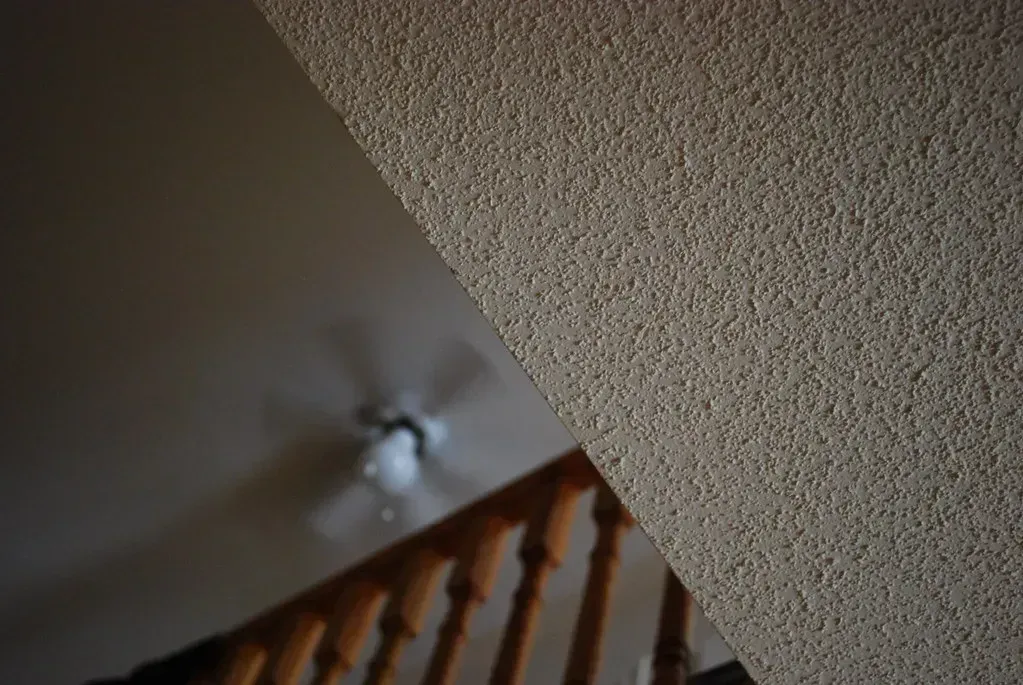
Homeowners can have brand-new floors, fresh paint on every wall, and a beautifully updated kitchen – but the second a buyer looks up and sees that bumpy, textured ceiling, the room can feel like it stopped in time. It’s not just a cosmetic issue. Popcorn ceilings read as “this home hasn’t been improved,” and buyers often worry about what’s underneath, including concerns about asbestos even when those fears aren’t entirely rational.
When homes with popcorn ceilings are listed and agents seek feedback from buyers who toured them, the response is almost always the same: the buyers didn’t like the ceilings, and it affects perceived value. The fix is relatively affordable. Professional popcorn ceiling removal typically runs between three and five dollars per square foot, depending on ceiling height, finish quality, and whether asbestos testing is required.
2. Wall-to-Wall Carpet, Especially in Bedrooms
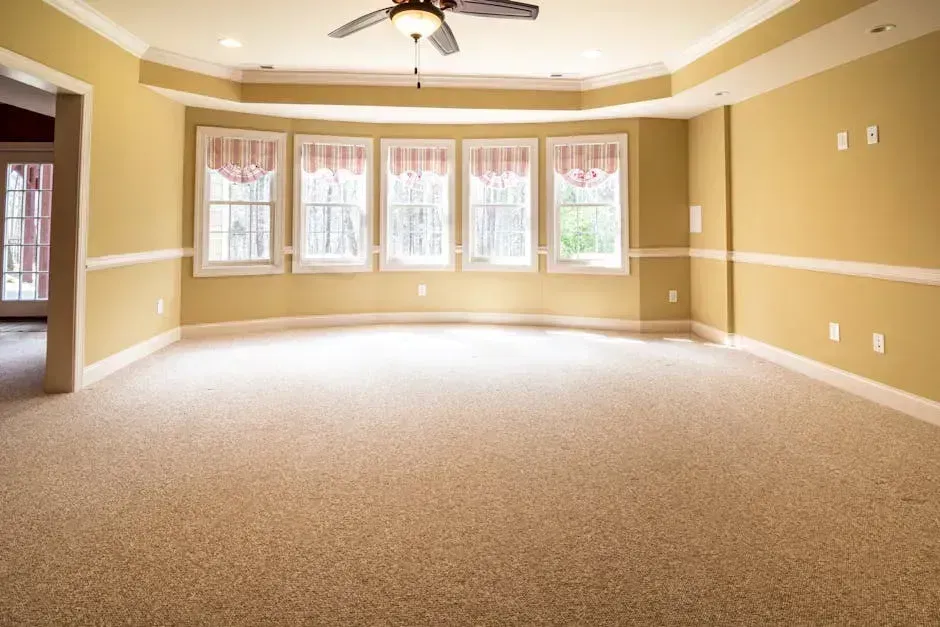
Wall-to-wall carpet is officially considered outdated by most buyers today, who overwhelmingly prefer hardwood, vinyl plank, or tile for easier cleaning and a more modern appearance. Carpeting is closely associated with allergens, stains, and dated design choices. The reaction is almost reflexive at this point.
Even when the carpet is new, many buyers view it as something they’ll need to replace – and that mental calculation begins immediately during the showing. When a house is fully carpeted, buyers often assume they’ll be ripping it all out and adjusting their offer downward to compensate for that projected cost.
3. A Severely Outdated Kitchen
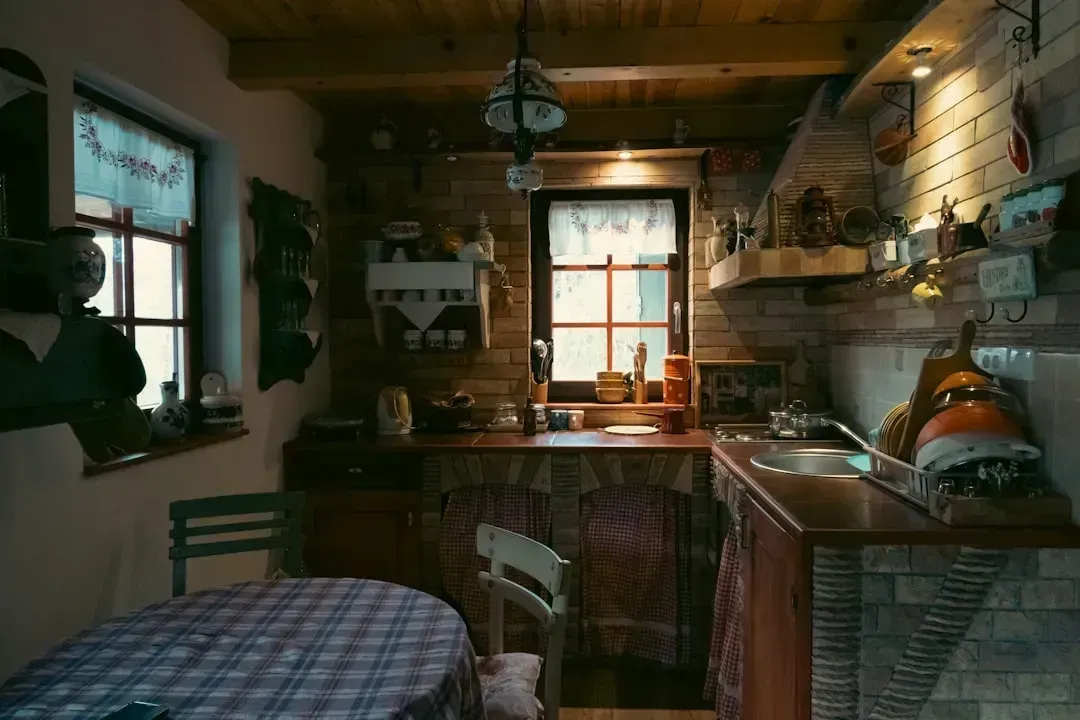
A slightly dated kitchen is one thing, but a kitchen clearly stuck in a previous decade – think outdated cabinets, appliances from thirty years ago, and tile countertops – represents a dealbreaker for the majority of homebuyers. The kitchen is still the room buyers spend the most mental energy on during a tour.
Dark granite, once a mark of an upscale kitchen, has also begun to push buyers away. Today’s buyers want light, bright spaces, and white quartz, butcher block, or softly veined stone is now the preferred look. Dark granite can make a kitchen feel heavy and dated even when the layout underneath it is solid.
4. Unpermitted Renovations

Renovations or additions made without proper permits pose significant problems when selling a home. Buyers are wary of unpermitted work because of legitimate concerns about safety, code compliance, and potential legal issues. When a buyer’s agent spots something that doesn’t look permitted, it triggers a cascade of questions that can unravel a deal.
Poor workmanship stands out quickly – uneven tile, crooked cabinets, or bad paint jobs make a home look cheap and cause buyers to worry about hidden problems lurking beneath the surface. Unpermitted work and visible DIY mistakes often travel together, and together they do real damage to buyer confidence.
5. Converted Garages
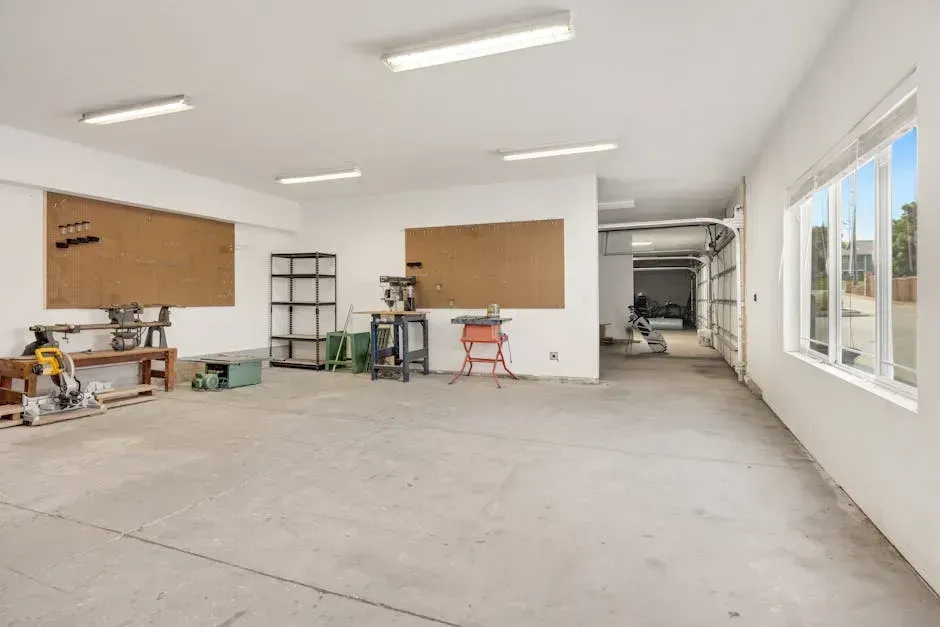
Turning a garage into a gym, office, or extra room might seem like a practical upgrade, but it often backfires at resale. Many buyers specifically want a garage for parking, storage, or hobbies, and losing that feature makes a home measurably less attractive – especially in areas where parking is limited or winters are harsh.
Even when a garage conversion is fully permitted, buyers frequently plan to convert it back – meaning they view the change not as added value but as an added cost they’ll need to absorb after closing. When considering any conversion, it’s worth thinking about how easily the space could be returned to its original use, since garages remain important features for a wide range of buyers.
6. Overly Bold or Highly Personalized Paint and Decor
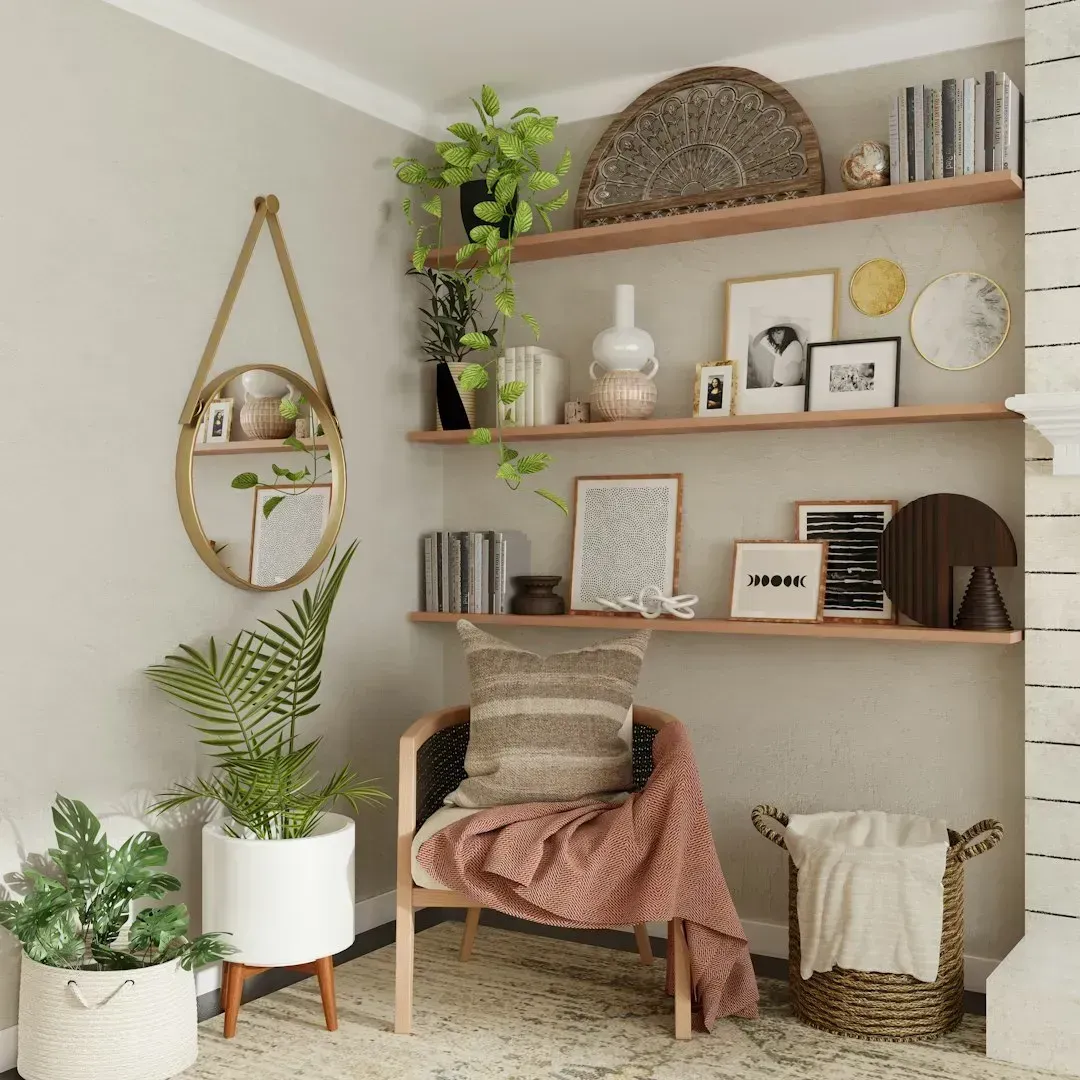
Bold paint colors, unique wallpaper, or custom murals may reflect a homeowner’s personality, but they consistently turn off buyers. Most people want a home they can picture themselves in, and if the style feels too specific, buyers immediately see extra work and extra cost.
When a buyer walks through a home during a tour, they’re forming first impressions rapidly. Overwhelming colors and mismatched decor make rooms feel chaotic, and most buyers want to discover a neutral space – something that feels like a blank canvas they can step into and make their own. Gray dominated home design for a full decade, and even that is now falling out of favor as buyers gravitate toward warmer, more natural tones.
7. Jetted Tubs and Oversized Soaking Tubs
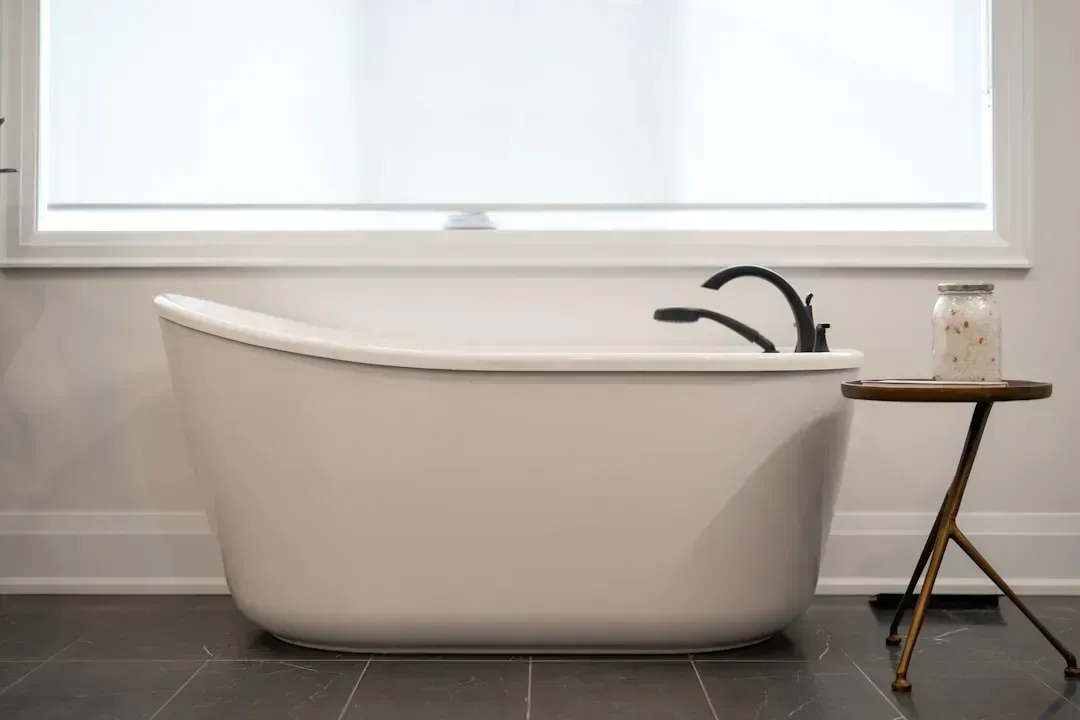
Once seen as the pinnacle of bathroom luxury, jetted tubs are rapidly losing their appeal. Buyers are now wary of the maintenance demands, energy consumption, and floor space they consume, and many say they’d far prefer a well-designed walk-in shower. Concerns about mold buildup in the jets and outdated aesthetics also factor into the hesitation.
The massive garden tub sitting unused in the corner of the primary suite is officially on its way out. Homeowners and buyers alike are realizing these giant tubs take up valuable square footage that could be better used for a larger shower or additional storage. A 2025 report highlighted that bathroom remodels focusing on walk-in showers and water efficiency are generating a return on investment of sixty to seventy percent, outperforming the installation of large soaking tubs.
8. Formal Dining Rooms with No Flex Potential
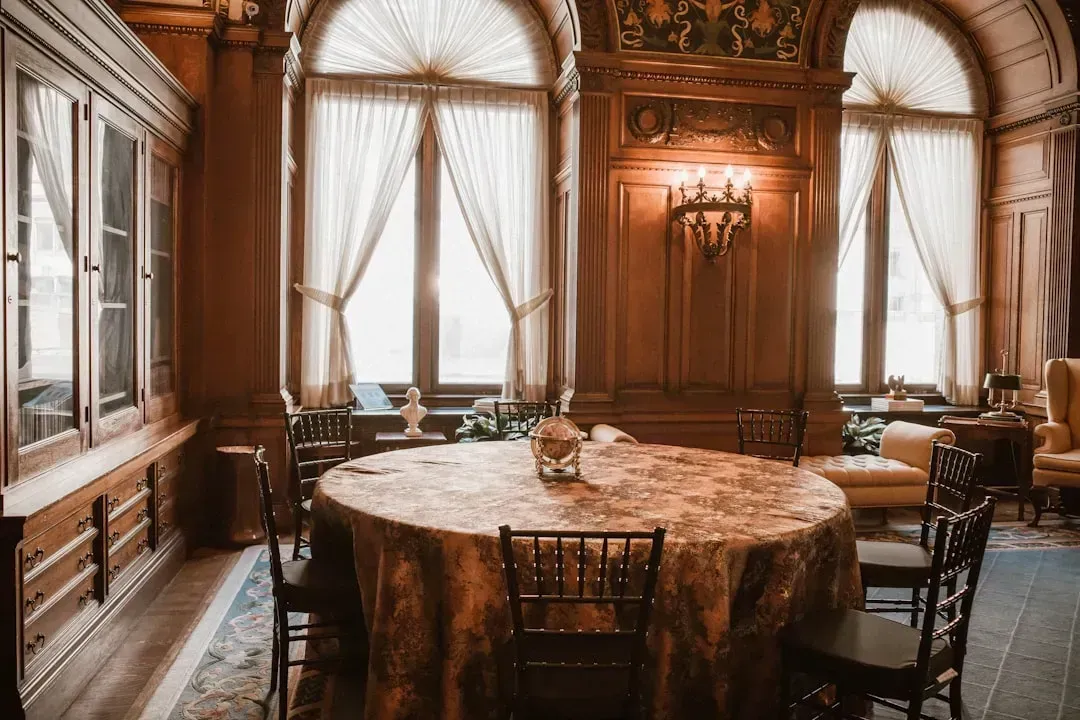
The once-coveted formal dining room is falling out of favor with modern buyers, many of whom see it as wasted square footage. When open-concept kitchens with eat-in islands are more practical, a closed-off dining room feels like a room from a different era. Buyers now strongly prefer multipurpose spaces that can serve as offices, playrooms, or flex rooms.
The dedicated dining room is increasingly becoming a casualty of the work-from-home era and a broader preference for casual entertaining. Buyers look at a room used primarily for holiday dinners and see wasted potential. The modern lifestyle favors open, flexible spaces where eating, working, and relaxing can happen simultaneously without rigid separations.
9. Lack of Natural Light
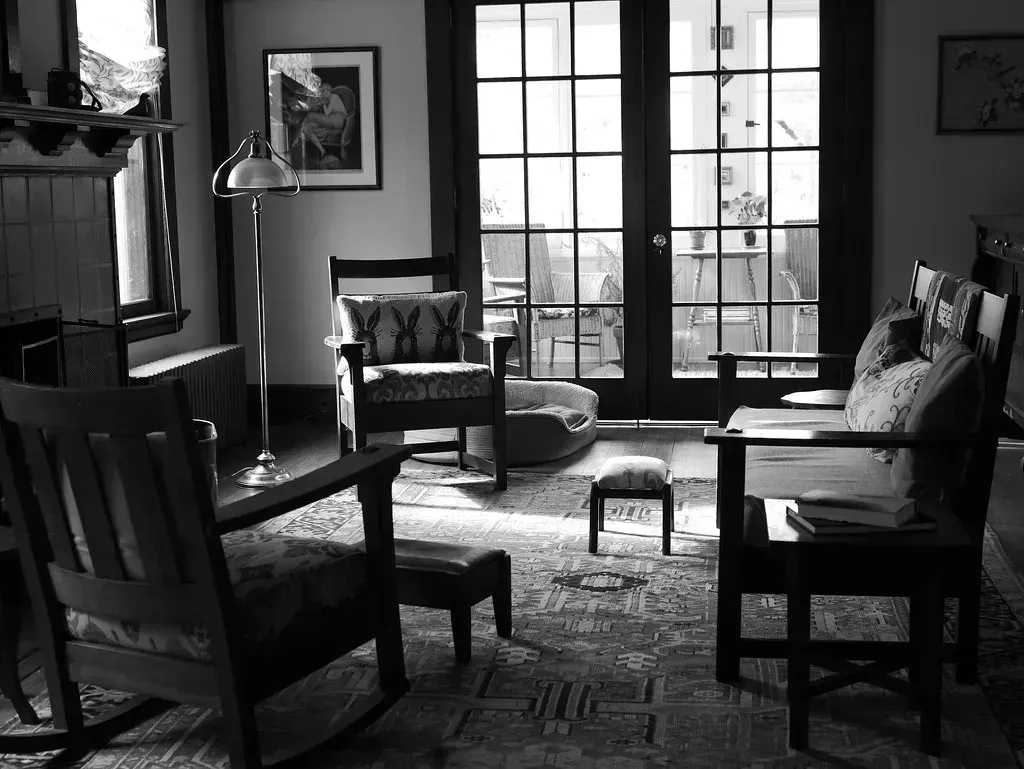
Homes that lack natural light can feel dark and unwelcoming, and dimly lit spaces make rooms appear smaller and less inviting, which directly lowers a buyer’s perception of value. It’s one of those things buyers often can’t fully explain, but they feel it the moment they walk in. Dark homes simply feel less valuable.
Plantation shutters, for example, may be expensive to install, but they block natural light and views – two things buyers consistently rank as major drawbacks. Lighting is a substantial component in shaping the overall vibe of a home, and the ability to adjust and maximize light helps a property appeal to a much wider range of prospective buyers.
10. Mismatched or Heavily Dated Flooring Throughout

Homes with multiple types of flooring or outdated patterns raise red flags quickly. Replacing flooring throughout a house is expensive and disruptive, and when buyers notice mismatched or dated floors, they begin mentally estimating demolition, materials, and installation costs – then adjust their offer downward accordingly.
Dark wood floors, once a staple of high-end home design, are also beginning to lose favor. They can make spaces feel smaller, darker, and more enclosed, which conflicts with the bright, airy atmosphere most current buyers are seeking. Lighter woods and neutral-toned flooring are now the preferred choice because they visually open up a room.
11. Over-Automated or Poorly Integrated Smart Home Systems
While smart home features are in high demand among buyers, outdated or poorly integrated technology can have the opposite effect. Old security systems, clunky thermostats, and unreliable smart devices make a home feel dated and less functional rather than cutting-edge. Buyers want technology that simplifies their life, not tech that requires a tutorial just to turn on the heat.
Smart home features can offer genuine convenience and efficiency, but there’s a point where convenience tips into complexity. Over-automated homes with multiple systems, multiple apps, and confusing interfaces can appear high-maintenance – especially to buyers who simply want to move in without worrying about software updates or system malfunctions. The smarter approach is technology that creates simplicity, not layers of management.
None of these eleven details are invisible to buyers, even when sellers assume they are. The market in 2026 is careful and selective, with buyers carrying more information and fewer illusions than they did a decade ago. They’re doing the math on every room. A home that quietly solves these issues before listing doesn’t just sell faster – it tends to sell closer to asking price, without the negotiating drama that follows a showing where too many mental deductions were made.