
Most people don’t set out to be the eyesore of the street. It usually happens gradually. One gnome leads to two, a string of lights becomes a wall of them, and before you know it, the neighbor across the road is pressing their lips together very tightly every time they pull into their driveway. Garden decor is deeply personal, which is exactly what makes it such a reliable source of neighborhood friction.
The tricky thing is that most of these offending trends don’t feel extreme to the person doing them. They feel cheerful, festive, or simply like a bit of harmless fun. Decorative elements that seem charming to you can be visual pollution to others, and excessive lawn ornaments potentially impact property values. Here are eleven garden decor habits that tend to quietly, steadily grind on the people who live next door.
1. The Garden Gnome Village That Just Keeps Growing
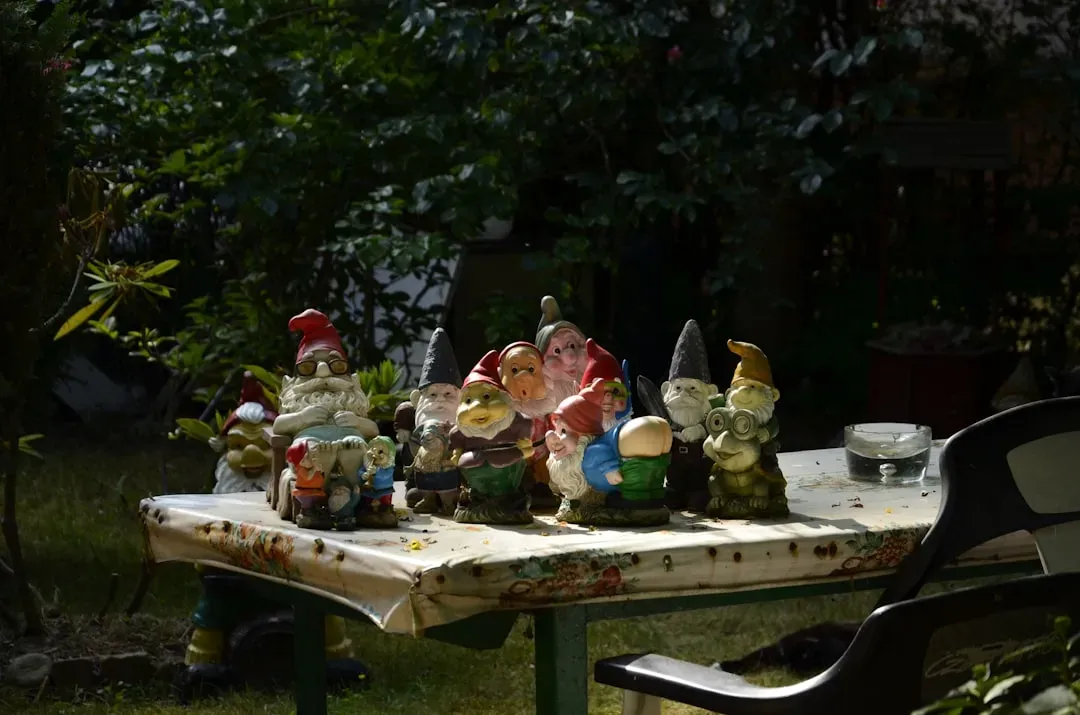
One gnome is a quirk. A dozen gnomes is a commitment most neighbors didn’t sign up for. The cottage garden aesthetic is characterized by kitschy garden decorations like gnomes and fairies, according to landscaping expert Rafi Friedman of Coastal Luxury Outdoors. The problem isn’t the gnome itself. It’s the slow accumulation that turns a front yard into something between a folk art installation and a community concern.
In one documented HOA case, there were gnomes fishing, gnomes gardening, and gnomes gathered around what appeared to be a tiny fire pit. At one point, a neighbor claimed there were seasonal outfit changes involved. And just like that, the emails started rolling in. When your lawn ornaments generate official correspondence, it’s a reasonable sign that things have gone a step too far.
2. Plastic Pink Flamingos in Heavy Rotation
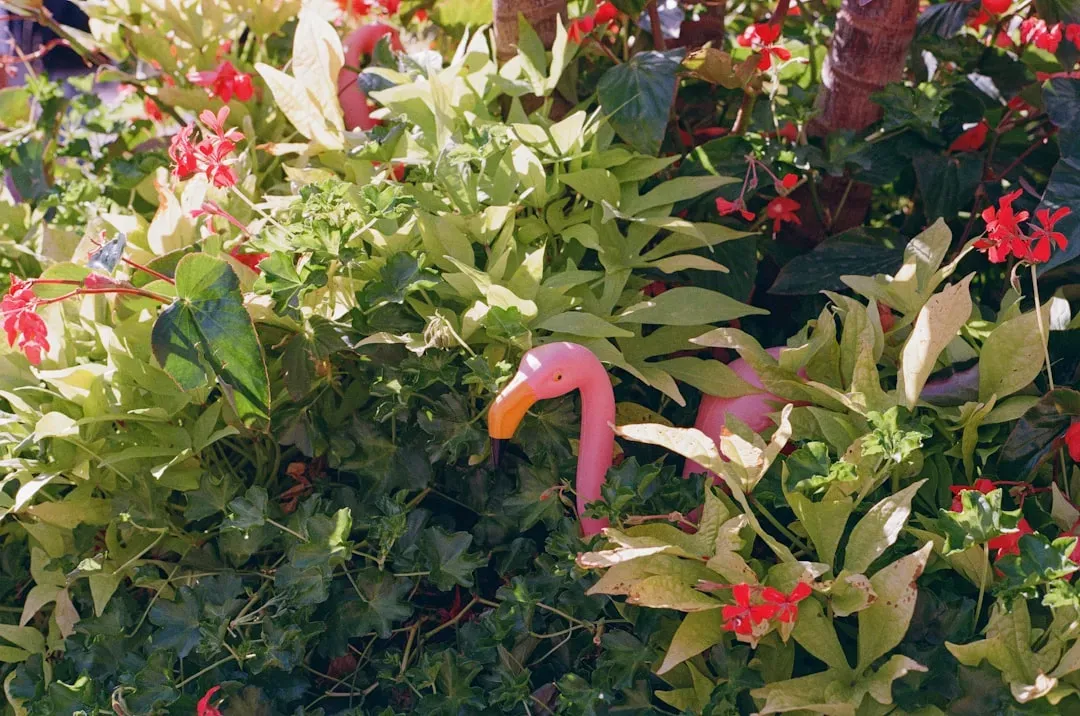
The plastic pink flamingo has been a fixture in American yards since the 1950s, and it still manages to stir up genuine conflict in 2026. One Redditor’s neighbor went knocking at her door, throwing around words like “extremely gauche” and even accused the flamingos of dragging down the property value. The birds themselves aren’t inherently offensive. The issue tends to be quantity and context.
Self-expression sometimes bumps up against community expectations. A thoughtful balance is recommended: yes to showing off your style, but maybe reconsider the 12-foot-tall skeleton – unless it’s Halloween, of course. Using privacy elements like fences or hedges to create visual separation can help, as can a neighborly heads-up when installing anything especially bold. A single flamingo with personality is one thing. A squadron of them facing the street is another.
3. Wind Spinners Multiplying Across the Lawn
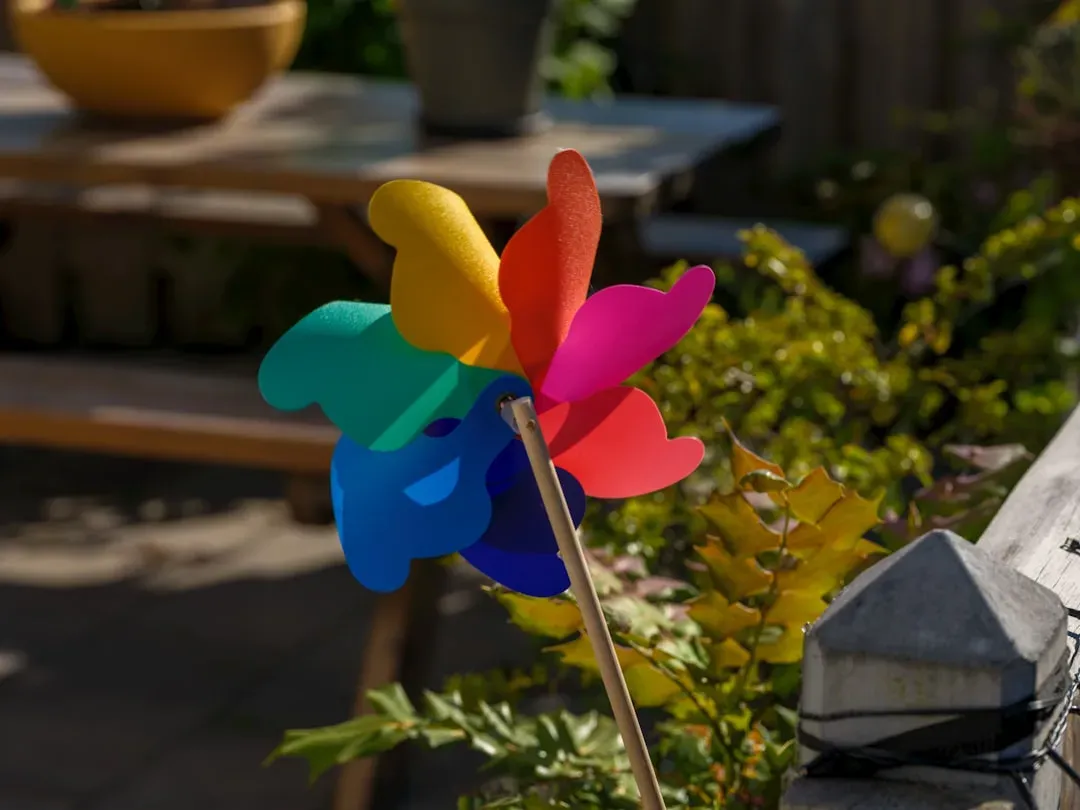
A wind spinner catching the afternoon light can be genuinely pretty. Ten of them clustered together along a garden border starts to feel like an airport tarmac. The motion is constant, the reflections are relentless, and when the breeze picks up, the visual noise becomes impossible to ignore from next door. What reads as cheerful on the product page doesn’t always translate in a shared residential space.
Your collection of garden gnomes, pink flamingos, or concrete statuary might not match your neighbor’s aesthetic vision. Decorative elements that seem charming to you can be visual pollution to others. Wind spinners fall squarely into this category when they’re overdone. One or two placed with some thought can work. A dozen staked into every available inch of garden bed tips the balance from whimsical into overwhelming.
4. Oversized Outdoor Fountains in Small Yards
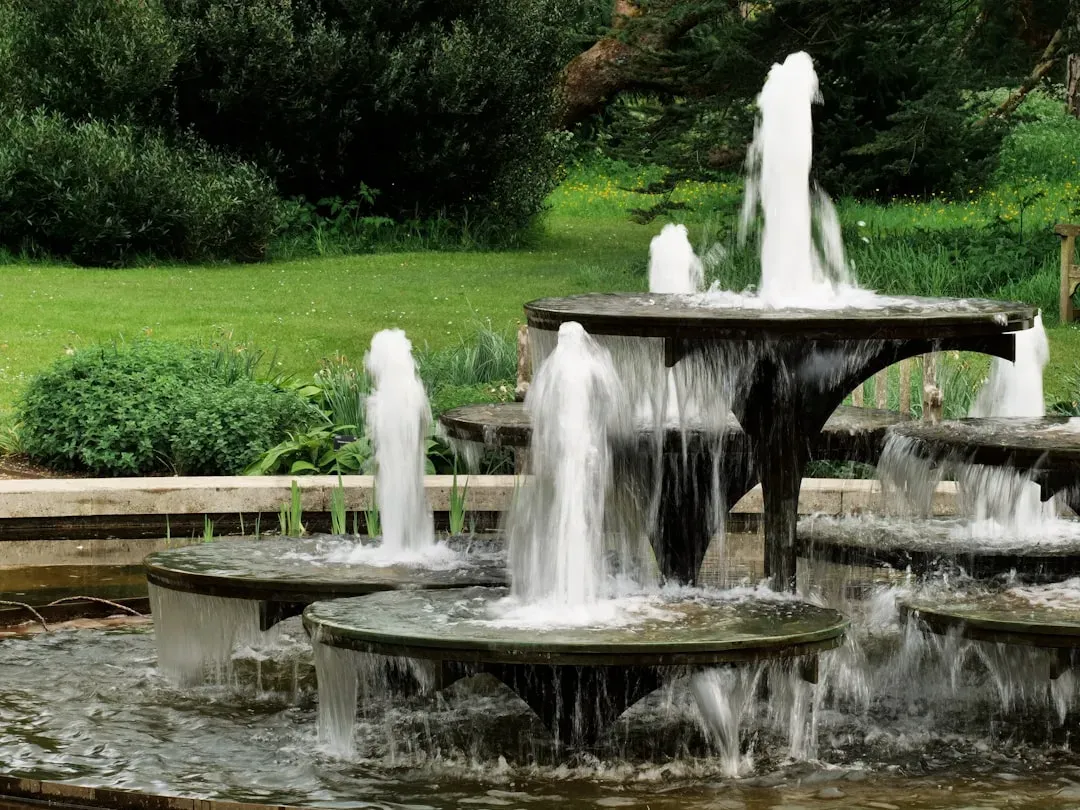
In 2024, oversized fountains, elaborate reflective pools, and dramatic water walls became a trend, creating bold focal points in many gardens. In a large property with the right proportions, a statement fountain can look confident and considered. Crammed into a compact suburban front yard, it just looks like an impulse purchase that nobody had the heart to return.
The sound is a secondary issue. A fountain that runs day and night produces a low, constant rushing noise that travels across property lines more easily than most people expect. Neighbors who work from home or have light sleepers in the house tend to feel the impact most acutely. Scale matters in garden design, and a fountain that overwhelms its own setting rarely improves the view for anyone nearby.
5. Excessive Solar Lighting That Never Switches Off
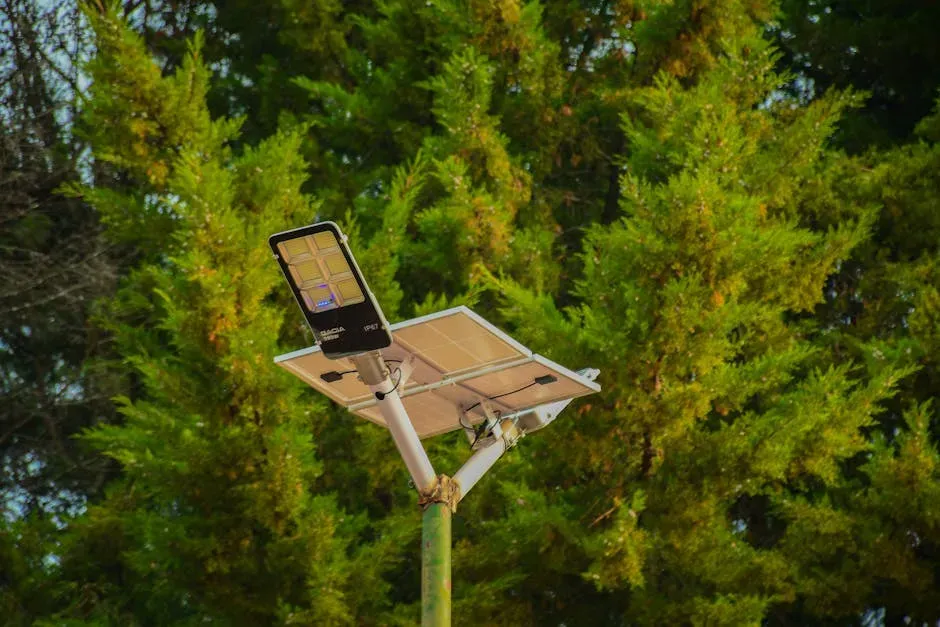
Transforming your backyard into a nighttime showcase creates light pollution that disrupts natural cycles. Decorative lighting often spills beyond property lines, affecting wildlife patterns and human sleep quality. Constant illumination particularly impacts stargazing enthusiasts. The solar light trend made outdoor illumination cheap and accessible, which is wonderful in moderation and genuinely annoying when every garden path, flower bed, post, and stepping stone gets its own glowing stake.
Light pollution, also known as light trespass, is recognized as a nuisance by courts in most parts of the United States. A nuisance is a type of conduct that disturbs a neighbor’s use or enjoyment of property. Most homeowners who overdo it with solar lights are simply enthusiastic, not deliberately inconsiderate. Still, excessive outdoor lighting all the time contributes to light pollution, which disrupts nocturnal wildlife around a property, and it might also make you an enemy in your neighbors’ eyes, as they’d likely be affected by bright light from your property disturbing their peace.
6. Overly Festive Holiday Decorations That Stay Up Too Long

Holiday decorations are a genuine source of joy for most people. The conflict comes when “festive” expands to mean “every surface, every fixture, every fence post” – and then lingers for months after the occasion has passed. Christmas lights still blinking in late February communicate less “celebratory household” and more “we ran out of motivation in early January.”
The sheer brightness of inflatable lawn decorations adds another layer. A six-foot illuminated snowman in a compact front yard floods the neighboring bedroom window with shifting colored light from sundown onward. Light trespass isn’t always obvious to you. It’s about what other people see. Put yourself in their place. That advice applies to seasonal decorating just as directly as it does to permanent lighting setups.
7. Concrete Statuary Collections Without a Clear Theme

A single concrete Buddha or a well-placed stone heron can lend a garden genuine calm. The trouble starts when the statuary has no editorial filter – a Buddha next to a leaping frog next to an angel next to a cartoon tortoise, all within about four square meters. Your collection of garden gnomes, pink flamingos, or concrete statuary might not match your neighbor’s aesthetic vision, and decorative elements that seem charming to you can be visual pollution to others.
Concrete and resin statues also weather badly when they’re not cared for. Over one or two seasons, paint fades, surfaces crack, and moss accumulates in the crevices. What started as decorative intention ends up looking more like neglect. Neighbors see that deterioration every day, and it quietly grates in a way that’s hard to articulate without seeming petty.
8. Decorative Metal Stars and Barn Ornaments on Every Surface
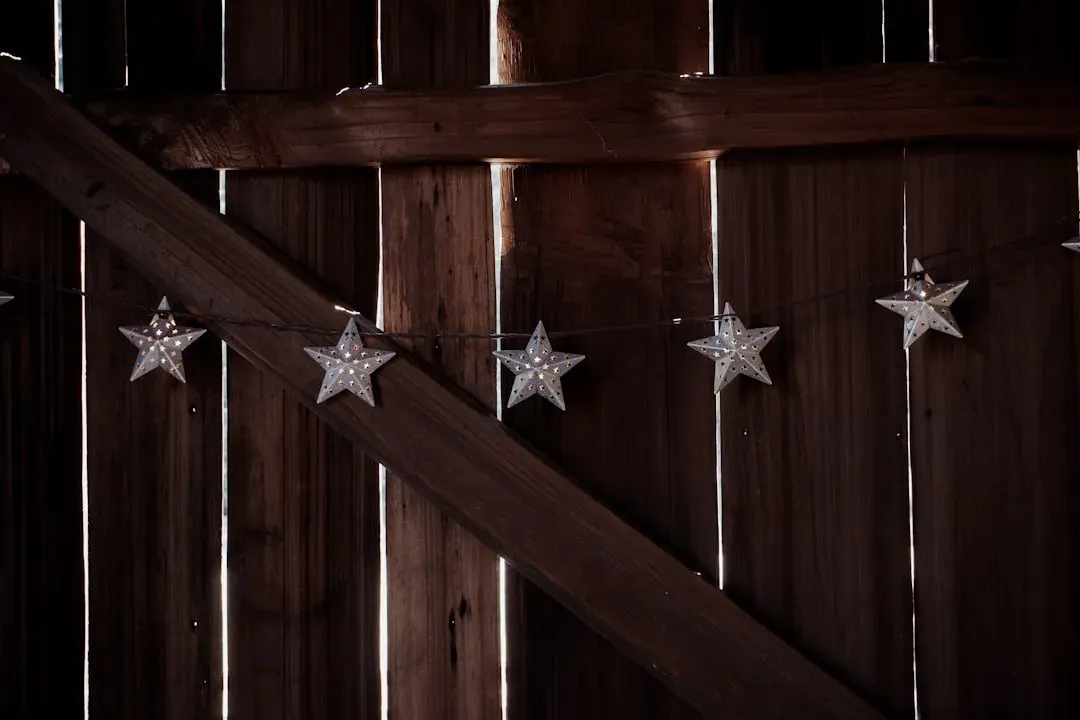
The oversized metal barn star had a long run as a rustic outdoor accent. By 2025 and into 2026, it had become one of those trends that designers were openly describing as worn out. One designer called it “a circa-2010 trend that just won’t seem to go away,” adding that the mix of wood and white and black is a combination that is hitting repeat way too many times. Applied to the exterior of a house, a fence, and the garden gate simultaneously, the effect is less farmhouse-charming and more visual clutter.
The objection from neighbors isn’t necessarily personal. It’s more that certain decor signals an indifference to how the overall street looks, especially when multiple large metal pieces are mounted at eye level along a shared boundary. Restraint is usually the thing that separates a considered decorative choice from a statement nobody asked to hear.
9. Strings of Permanent Outdoor Fairy Lights Along Every Fence
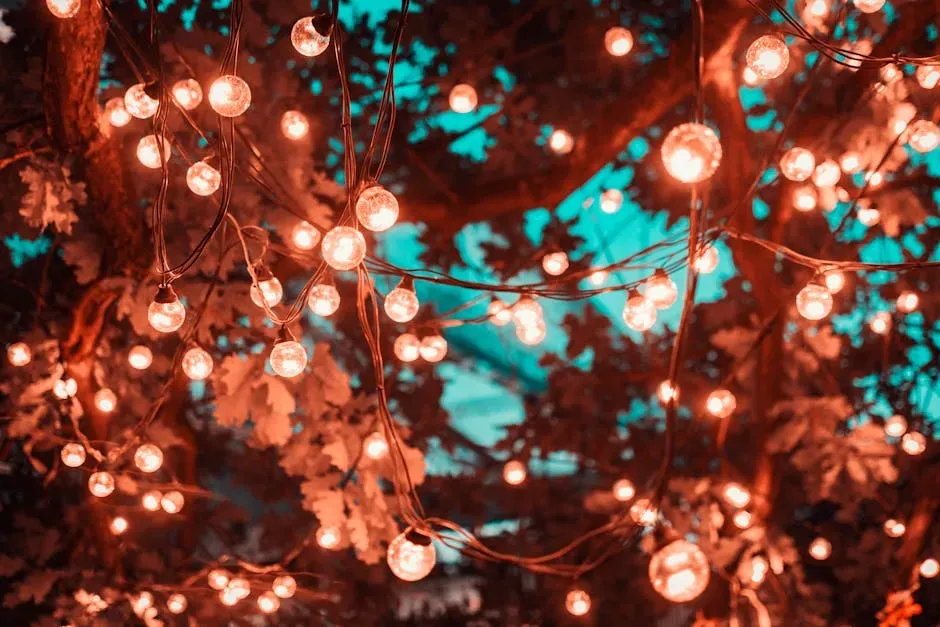
The summer season is the prime time to decorate a backyard with solar lights, but before getting too carried away draping fairy lights across the entirety of a yard, you could be on the wrong side of the law without realizing it. Fairy lights along a shared fence are a particularly common friction point because the neighbor on the other side didn’t choose the decor but lives with it regardless. If you wind fairy lights through a fence screen or add post lights to the top, your neighbor will be able to see it. If you don’t inform your neighbors, putting lights up along the fence could constitute light pollution or light trespass.
Beyond the legal technicality, it’s simply a matter of shared visual space. A well-lit fence that stays on until midnight gives the neighbor’s garden a permanent ambient glow they never requested. Installing timers to turn off non-essential lighting at reasonable hours, using downward-facing fixtures, and choosing warm-toned bulbs at appropriate brightness levels all help to minimize neighborhood impact. These are small adjustments, but they make a real difference.
10. Novelty Mailboxes and Giant Decorative Garden Stakes

There’s a particular category of garden accent that’s designed to be noticed from a distance. Oversized decorative stakes shaped like giant roosters, sunflowers, or cartoon characters planted at the front edge of a property fall into this group, as do novelty mailboxes in the shape of tractors, fish, or oversized animals. The ambition is humor or personality. The result, for neighbors who walk or drive past it daily, can feel like being subjected to someone else’s joke on an infinite loop.
These items tend to weather poorly and often end up faded, leaning, or partially broken within a year or two. Instagram-worthy garden accessories made from trendy materials might look nice, but many of these decorative pieces prioritize looks over practicality. While they may look good in photos, many are poorly designed and don’t consider practical needs. Trendy materials like untreated wood or thin metal are prone to warping, rotting, or rusting after just one season. A listing novelty mailbox that nobody has gotten around to fixing is harder to overlook than an intact one.
11. The “More Is More” Approach to Mixed Seasonal Decor

Some gardens seem to operate on the principle that every season deserves its own layer of decor on top of whatever was already there. Spring tulip stakes get joined by summer pinwheels, which stay up when the Halloween skeletons arrive, which are still present when the Christmas reindeer go in. Nothing is ever fully replaced. The result is a front yard that reads as accumulated rather than curated, and the effect compounds with every passing season.
Sometimes it’s the result of neglect or financial hardship, other times it’s due to hoarding tendencies or simple disregard. Whatever the cause, the outcome is the same: diminished curb appeal and potential property value loss for the surrounding homes. None of these individual items are inherently offensive. The cumulative effect is what wears on the street. Editing is an act of consideration not just for yourself, but for everyone who shares the same view.
The underlying thread across all eleven of these trends is the same: what feels expressive and personal on your own property is also part of a shared visual environment. None of this means your garden needs to be neutral or forgettable. It just means that the most well-received gardens tend to show some awareness of where personal taste ends and the shared street begins.