
Most gardening anxiety comes from the same place: you invest time, money, and actual hope into a plant, and then it dies on you. The cycle repeats enough times that you start to wonder if you’re simply not meant for this. The good news is that the problem usually isn’t you. It’s the plants you’ve been choosing.
Certain perennials are built to handle neglect, poor soil, heat, drought, and beginner mistakes without flinching. Perennial plants are species that live for many years, often dying back in winter but returning in full force each spring, making them ideal for low-maintenance gardeners who want to fill a space semi-permanently with trustworthy, no-stress plants that always bounce back. The nine plants below are in a different league entirely when it comes to resilience.
1. Coneflower (Echinacea)
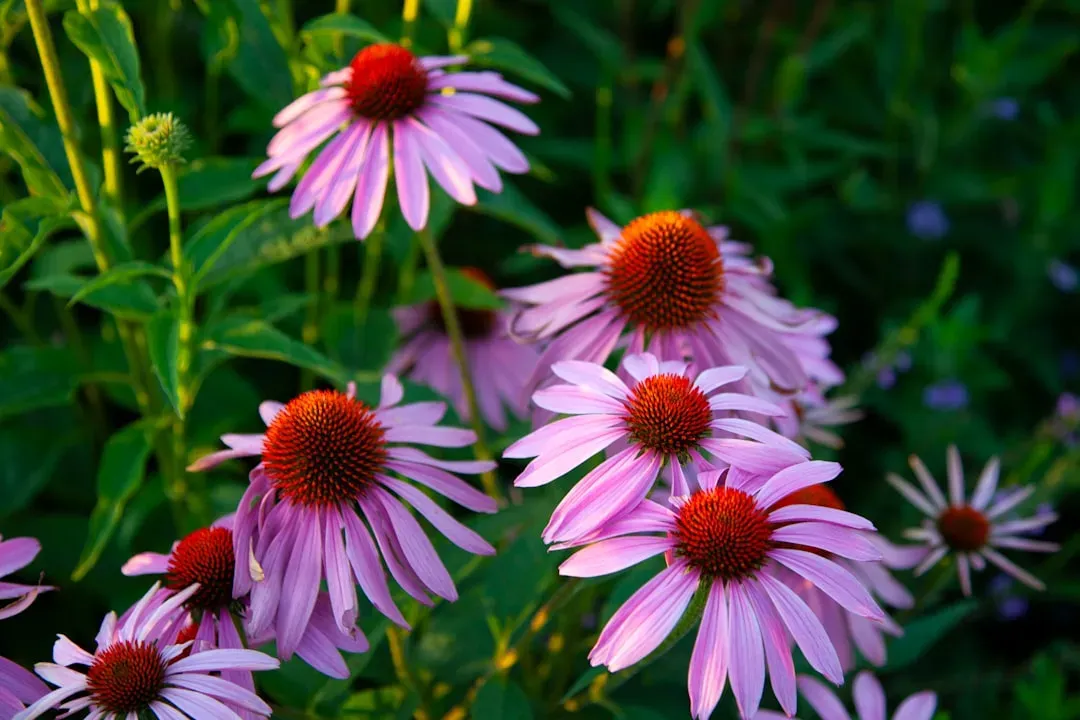
Echinacea, or coneflower, is a classic garden staple. Its vibrant daisy-like flowers bloom from early summer into fall, providing long-lasting color and attracting pollinators like bees and butterflies. Echinacea thrives in full sun and well-drained soil, making it perfect for hot, dry spots in the garden. Also known as Echinacea, its flowers, leaves, and roots are popularly used as herbal medicine to strengthen immune systems.
Coneflowers grow best in bright areas that get at least six hours of sun each day and actually thrive in poor or lean soil. These bountiful bloomers provide long-lasting color from July through October. Once established, they handle hot, dry conditions with ease. They’re also deer resistant and make excellent cut flowers for arrangements. Coneflowers are fantastic pollinator plants, attracting all types of bees and butterflies. Plus, when their seed heads are left to dry on the plant, they provide valuable seeds for the birds well into fall.
2. Daylily (Hemerocallis)
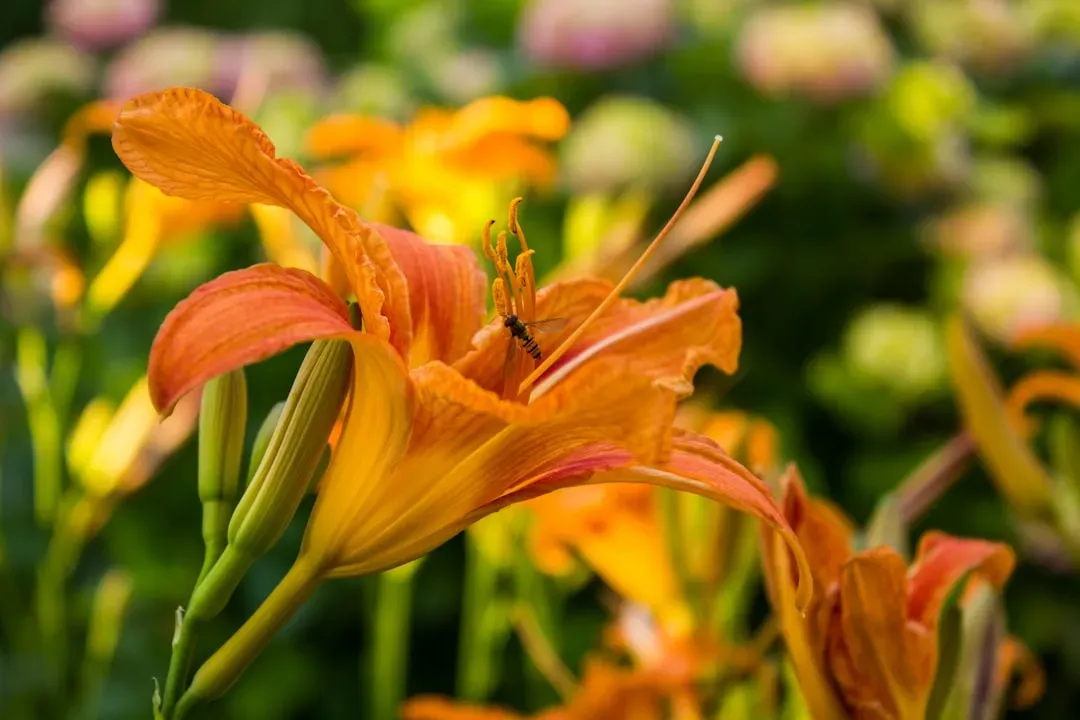
Orange daylilies are perennial bulbs that grow in a variety of conditions, making them pretty bulletproof to harsh weather and poor soil. They can handle full or partial sunlight and poor-quality soil as long as it’s well-draining. They’re so easy to grow that you’ll often find them on the side of the road and growing in ditches with zero care.
One shining example of an easy-care perennial is the daylily. Daylilies are so rugged and forgiving that they’re often called the “perfect perennial.” They don’t mind poor soil, are very drought and heat tolerant, and will bloom reliably for years with almost no effort. Everblooming daylilies have much more to offer than the popular gold variety, with exciting color patterns and flower forms taking the available cultivar numbers into the thousands.
3. Sedum (Stonecrop)
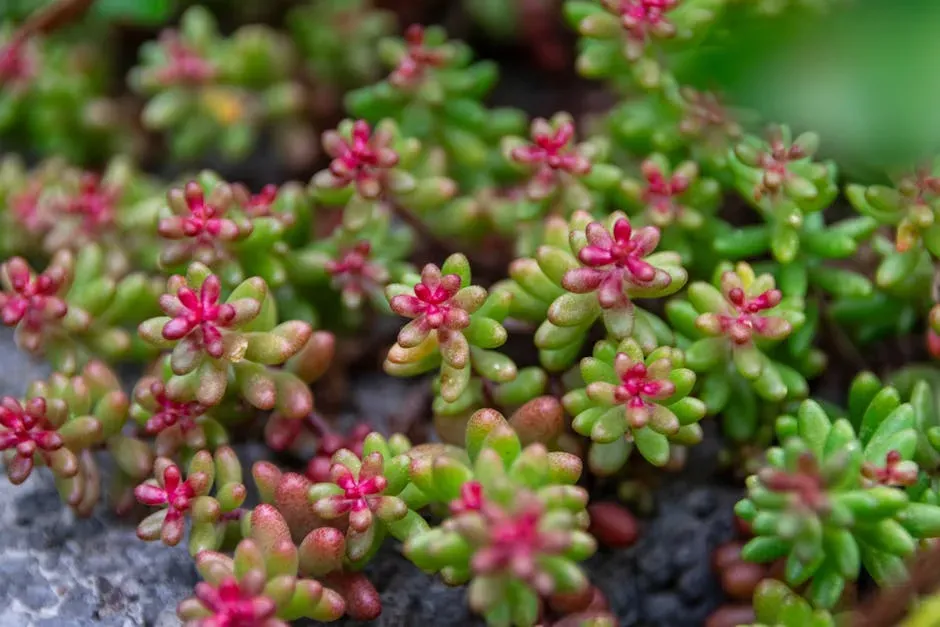
Sometimes tough plants have a reputation for being invasive, but drought-tolerant sedum plants always mind their manners. Also called stonecrop, this plant can survive for years without any watering, dividing, mulching, or deadheading. Sedums are succulent perennials that store water in their fleshy leaves, making them exceptionally drought-tolerant. Varieties like Autumn Joy bloom with large pink flower heads that deepen to bronze in fall, adding seasonal interest. Sedums thrive in sunny spots with minimal care.
Sedums are succulent-like hardy perennials that thrive on neglect. Low varieties of sedum create a carpet of plump leaves and summer blooms. They excel in poor, gravelly soil and are exceptionally drought-tolerant. Once planted, sedum groundcovers need almost no care and will spread gently to fill in sunny dry areas.
4. Catmint (Nepeta)
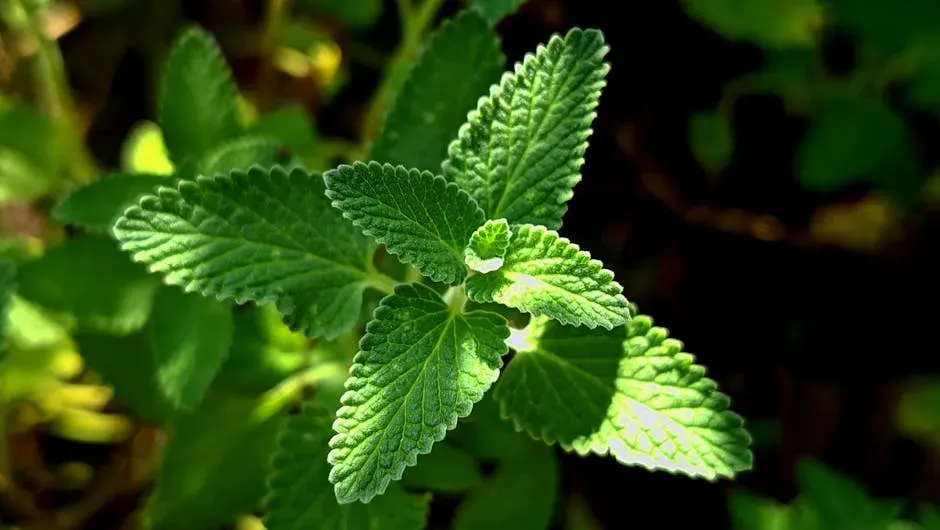
Gardeners in anywhere from zone 3 to 8 can plant catmint and expect it to return each spring. Catmint needs full sun and well-draining soil, but once it gets established, this perennial won’t need your help. It will grow and spread happily, attracting bees, butterflies, and other pollinators. Nepeta also repels aphids and squash bugs, making it an excellent companion plant.
Catmint gained permanent cult status when the ‘Walker’s Low’ variety was named the 2007 Perennial Plant of the Year. Lovely grayish-green foliage complements the nectar-rich violet blooms that appear throughout the summer months. Plants grow to about two feet tall but have a prostrate habit that looks attractive at the edge of a wall or path. Its drought-tolerance and low-maintenance needs make it ideal for gardeners seeking a hassle-free plant.
5. Black-Eyed Susan (Rudbeckia)
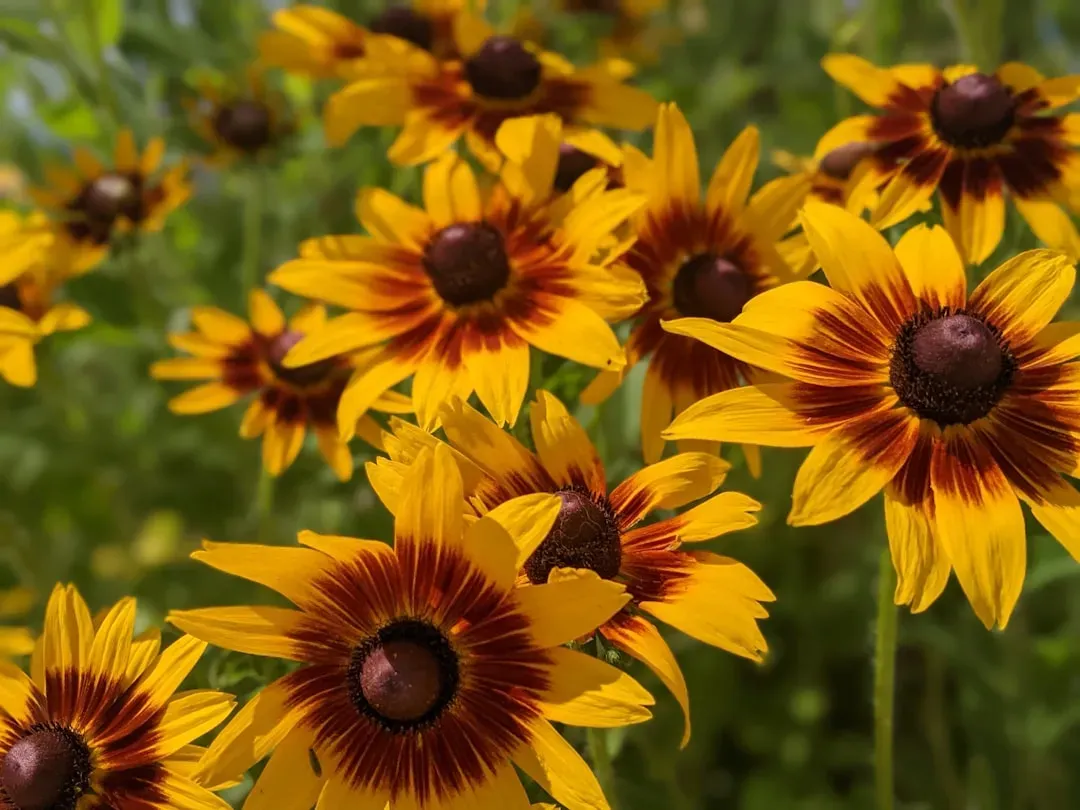
Black-eyed Susans are technically biennials or short-lived perennials, and they are bulletproof. Once established in the right conditions, they spread underground through rhizomes and above ground with seeds. Though the initial plant won’t last for many years, its descendants live on. These popular flowers are often planted with coneflowers, and you may see seas of yellow and purple in mid-summer through fall. Black-eyed Susans aren’t too picky about soil as long as it drains, and they grow readily in full sun to partial shade.
Commonly referred to as black-eyed Susan, Rudbeckia is a fantastic drought-tolerant perennial once established. Its deep golden blooms are easily recognizable in gardens from midsummer into fall. This native perennial is a reliable bloomer that attracts a wide range of pollinators during the season, and when the flowers fade, its seed heads provide food for the birds. Rudbeckia is also deer-resistant, making it a great low-maintenance option for pollinator-friendly plantings.
6. Russian Sage (Salvia yangii)
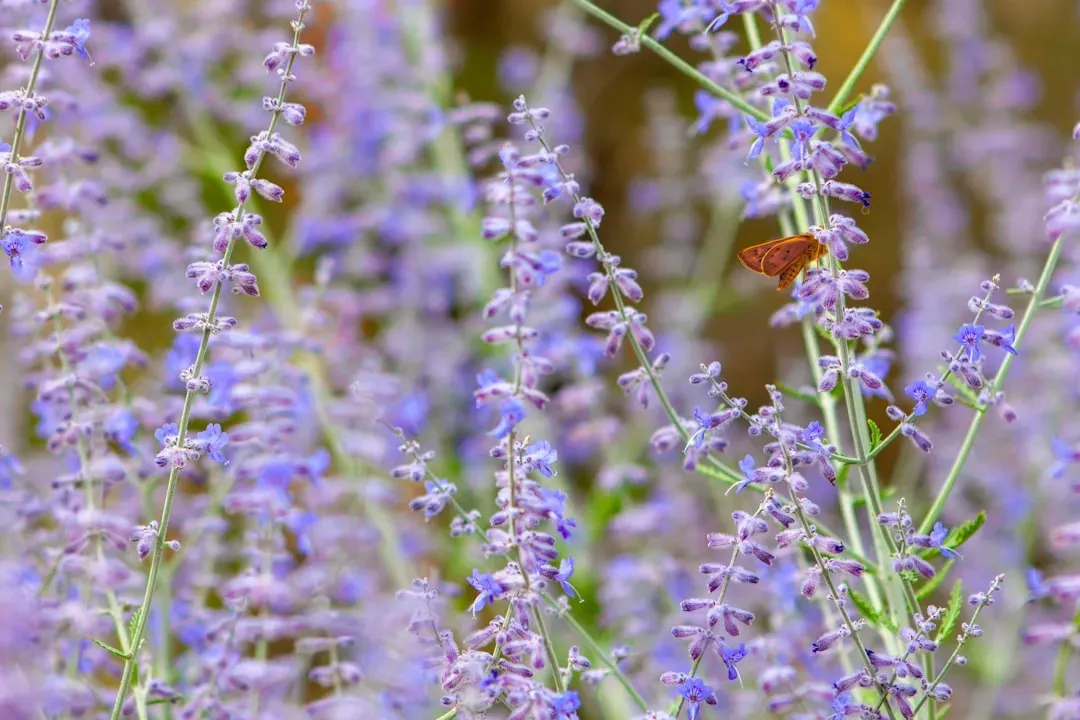
Salvia yangii is the kind of plant that makes a garden look effortless. With its silver-white stems, aromatic gray-green foliage, and lavender-blue flower panicles, Russian Sage brings a dreamy lavender haze with extra toughness and a longer late-season show. If your goal is full-sun impact with low water, this is a plant you can build around. It thrives in well-drained soil, shrugs off heat, and once established, is reliably drought tolerant.
This semi-woody plant was named Perennial Plant of the Year by the Perennial Plant Association in 1995. It superficially resembles lavender, and can be used in areas too cold to grow lavender reliably. Russian sage is hardy in zones 4 to 9. Tough and deeply rooted, this perennial shrugs off drought conditions and remains unbothered by deer or rabbits. Pollinators hover around the small, tubular blooms, drawn by the steady supply of nectar.
7. Yarrow (Achillea)
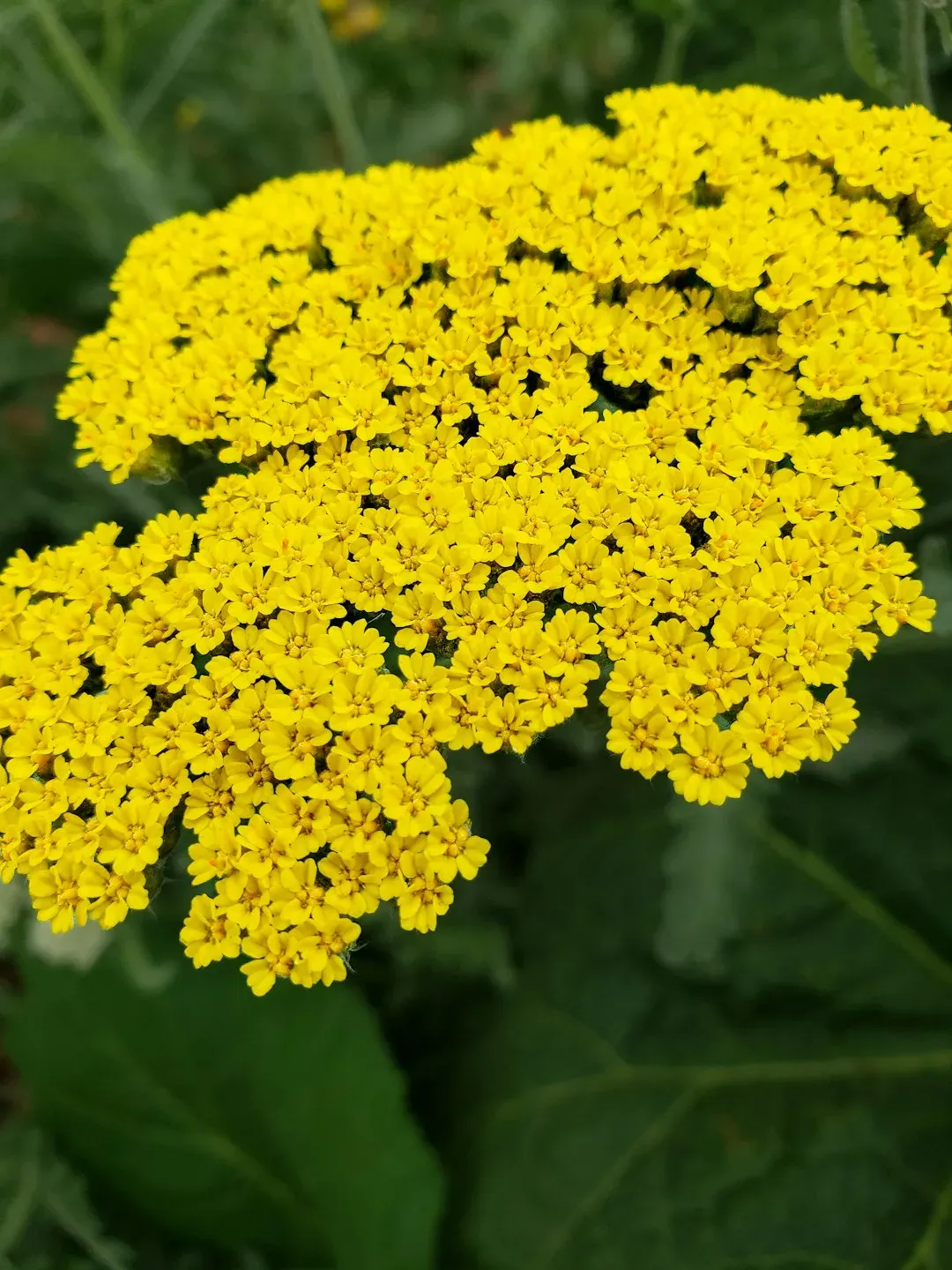
Yarrow is one of the easiest perennials to grow and is a good choice for beginners. All it needs is full sun and well-drained soil. It thrives in average to poor soil and is drought tolerant once established. Plants grown in rich soil tend to be tall and floppy.
This tough, sun-loving perennial is known for its long-lasting blooms and delicate, fern-like foliage. Once established, it requires very little water, making it an excellent choice for drought-tolerant gardens. Yarrow attracts a wide range of beneficial pollinators and is also a fantastic deer and rabbit resistant option. Its dense clusters of compact blooms are perfect to use in fresh-cut arrangements and their color holds up beautifully when dried.
8. Hosta
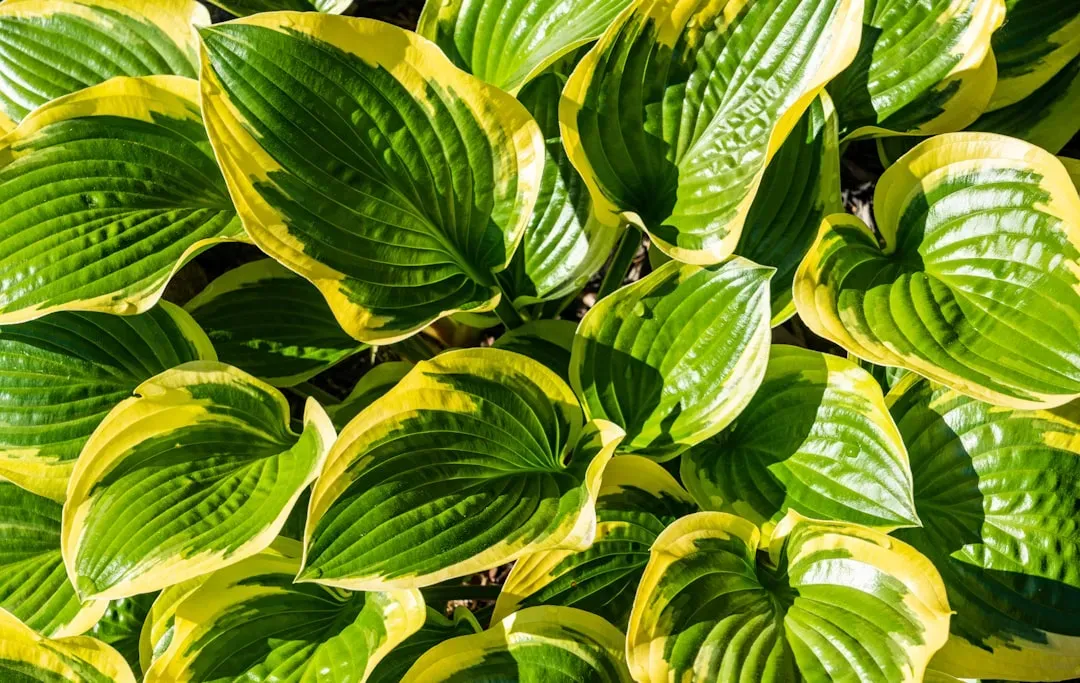
One of the most popular garden plants, hosta is grown primarily for its attractive foliage, which occurs in a range of sizes, colors, and forms. This hardy perennial thrives in challenging shady sites where many other plants won’t grow. Hosta is virtually carefree and comes back reliably year after year. Hardy in USDA zones 3 to 9, this tough plant performs well in most landscapes, even for beginning gardeners.
Hostas are the most widely sought-after shade perennial. Their unique foliage and minimal maintenance needs make them the perfect plant to use in your landscape. Originating in Asia and later brought to Europe in the 1700s, hostas today are available in over 6,000 cultivars. Their attractive foliage, endless diversity of shape and size, tolerance of shady areas, minimal maintenance needs, and relatively few pest and disease problems are what make them so popular.
9. Blanket Flower (Gaillardia)
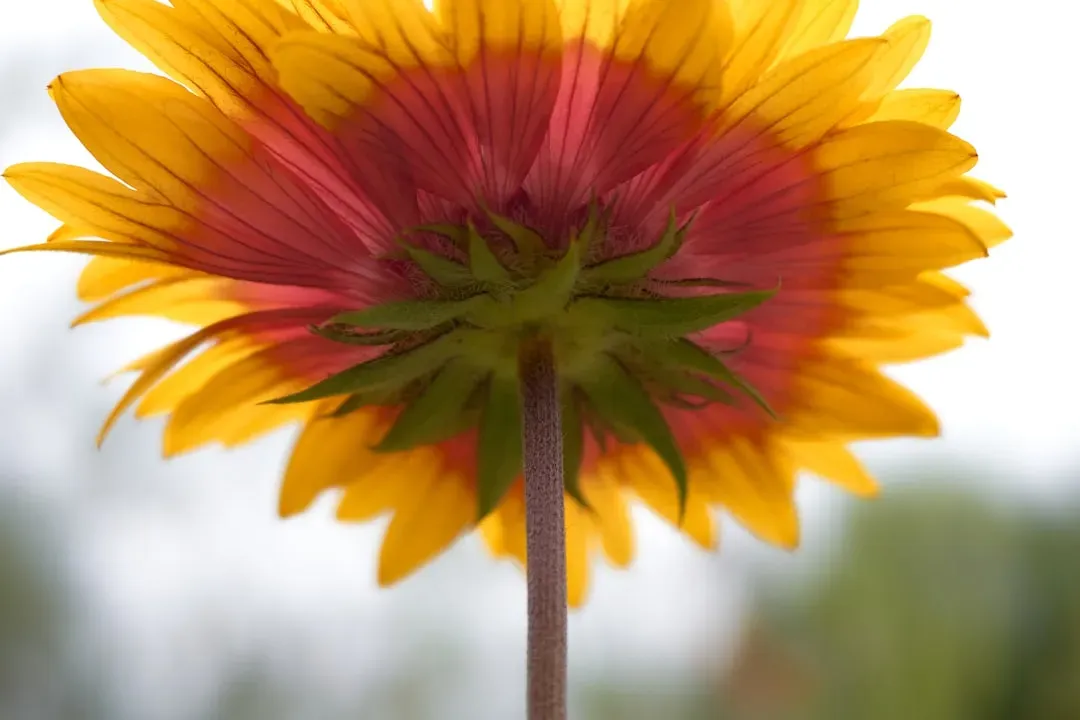
Blanket Flower is a perennial plant that actually likes growing in poor soil. It basically doesn’t like rich soil and doesn’t tolerate over-fertilization. These perennials require little care once established. They are heat tolerant and actually prefer to be grown in poorer soils. They get their name from the manner in which they used to blanket North American prairies with their blooms, and can still be found in fields and along roadsides in the prairie region and into the Rockies.
Use a plant marker in the places where you have blanket flower, because it is slow to emerge in spring. Blanket Flower is also loved by pollinators. The best drought-tolerant perennials for pollinators include blanket flower alongside purple coneflowers, yarrow, goldenrod, penstemon, and milkweed. Its vivid warm-toned blooms in red, orange, and yellow bring serious late-summer color with almost zero input required from the gardener.
There’s a quiet satisfaction in a plant that simply keeps its promise. These nine perennials ask little, survive much, and show up season after season regardless of whether you remembered to water them last Tuesday. That kind of reliability doesn’t just save plants. It saves gardeners from giving up.