
There’s a particular moment most of us have experienced as a dinner guest. You wander into the kitchen to grab a glass of water, and something catches your eye. It might be a stained countertop, an ancient appliance humming in the corner, or a sponge that looks like it hasn’t been changed since a previous decade. Nothing is said out loud. Nobody brings it up. But the impression sticks.
Kitchens communicate a lot about a household without anyone saying a word. Some items signal neglect, others signal that time simply stopped in a particular era. Either way, guests notice more than hosts typically realize, and certain items have a specific talent for triggering quiet alarm. Here are eight of the most common offenders.
1. The Grimy Over-the-Range Microwave
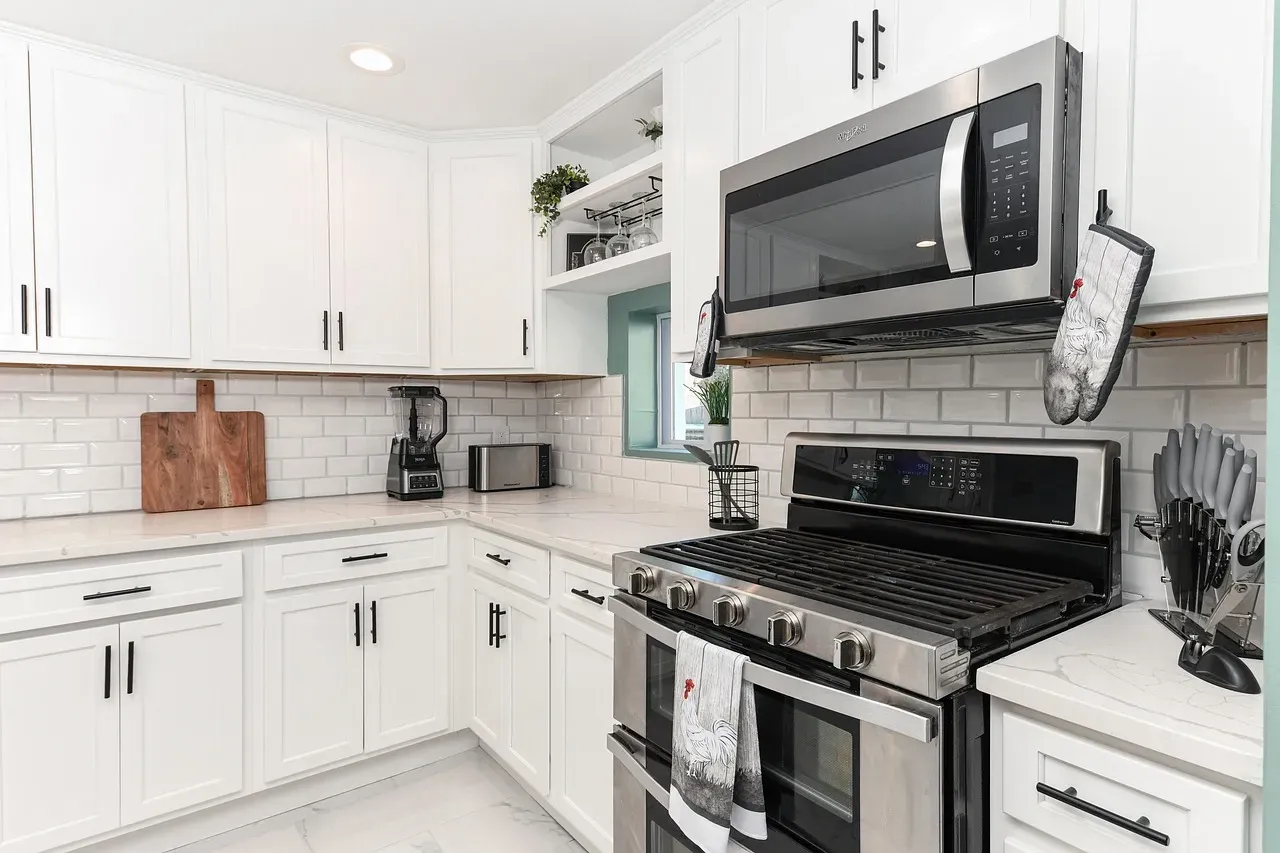
Over-the-range microwaves don’t just date a kitchen – they’re also difficult to use, inefficient, and visually unwelcoming. When one is splattered inside and out, guests tend to do a quiet calculation: if the visible surfaces look that way, what’s happening where they can’t see?
A 2024 study found that uncleaned microwaves can carry bacteria capable of causing serious illness. Hiding the microwave, especially if it’s over-the-range, is increasingly recommended by designers, with many replacing them with built-in microwave drawers or sleeker countertop models. An old, food-stained unit mounted above the stove is one of those things guests spot immediately and mentally note.
2. That Sad, Discolored Kitchen Sponge
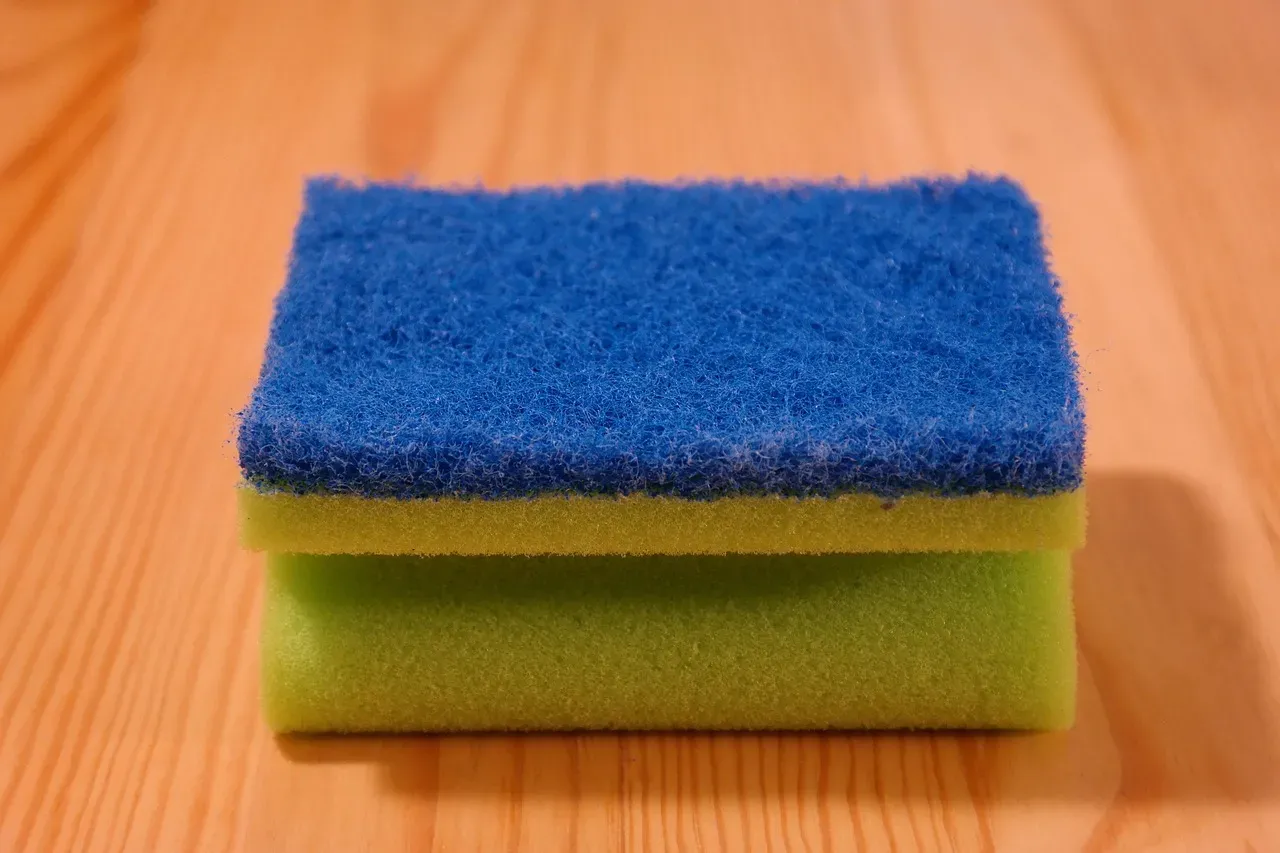
Few things make a guest hesitate more than spotting a dark, misshapen sponge sitting on the edge of the sink. It’s the kind of thing that raises a very specific question: has anything in this kitchen been washed with that? The discomfort is understandable and well-founded.
Kitchen sponges are an ideal environment for bacteria to live and grow, because the tiny holes hold water, food bits, and food juices that bacteria need to survive. Replacing your sponge every one to two weeks is a smart and simple habit that most guests silently wish more hosts would follow. A worn-out sponge is one of those small details that lands outsized weight in any kitchen.
3. Heavily Scratched or Stained Plastic Cutting Boards
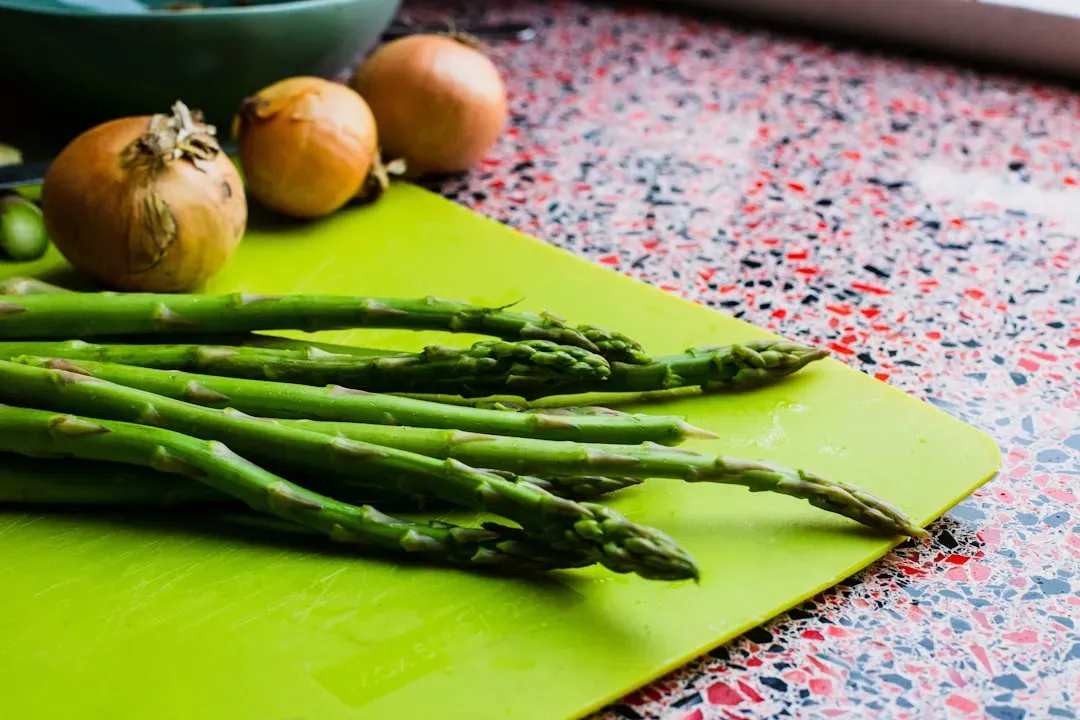
A cutting board that’s been sliced and scraped into a map of deep grooves is not just unsightly. Those grooves are the real problem. Plastic cutting boards can absorb bacteria and keep it trapped in the material, and one study found that roughly half of all cutting boards tested had bacteria on them, including E. coli and Salmonella.
Experts generally recommend wooden cutting boards as a more naturally antimicrobial alternative. When guests see a badly scored plastic board being used for food prep, the discomfort is entirely rational. It’s one of those items that no amount of rinsing under the tap appears to fully fix in the observer’s mind.
4. Honey Oak or Golden Oak Cabinets
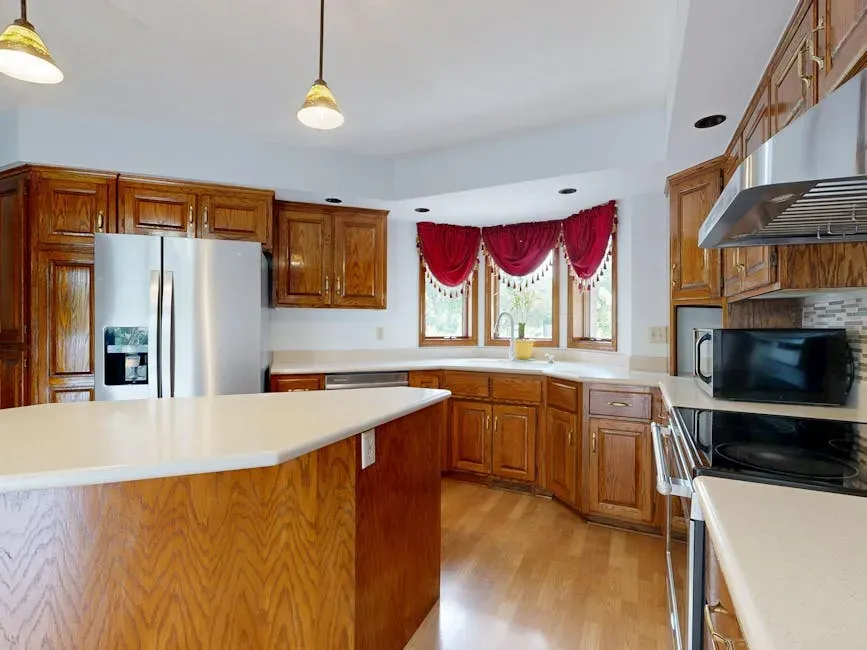
Golden oak and rich cherry cabinets were staples of the 1990s and early 2000s, prized for their warmth and durability, but over time those orange and red undertones began to feel heavy and dated, especially when paired with darker granite. Guests who have spent any time watching kitchen renovation content online will recognize the combination instantly.
Honey-colored oak cabinets are particularly associated with 1980s and 1990s décor. The look isn’t offensive exactly, but it reads as frozen in time. While shaker cabinets are still very much in style, the natural wood finish is gradually being phased out in favor of painted or lightly sealed alternatives that feel more current.
5. Speckled or Busy Granite Countertops

For years, speckled granite and laminate countertops were considered the height of kitchen luxury, with busy patterns in gold, brown, and black tones dominating, but while still durable, these patterns now read as fussy and dated. Guests from younger generations in particular tend to associate the aesthetic with a very specific period that has clearly passed.
The trend of busy, dark granite countertops is increasingly on its way out, as the intricate patterns and deep colors can overwhelm a kitchen and make it feel older than it actually is. Homeowners today tend to choose cleaner quartz, marble-look materials, or solid hues that complement simpler cabinetry and modern lighting. The shift is less about luxury and more about restraint.
6. Ceiling-Mounted Pot Racks
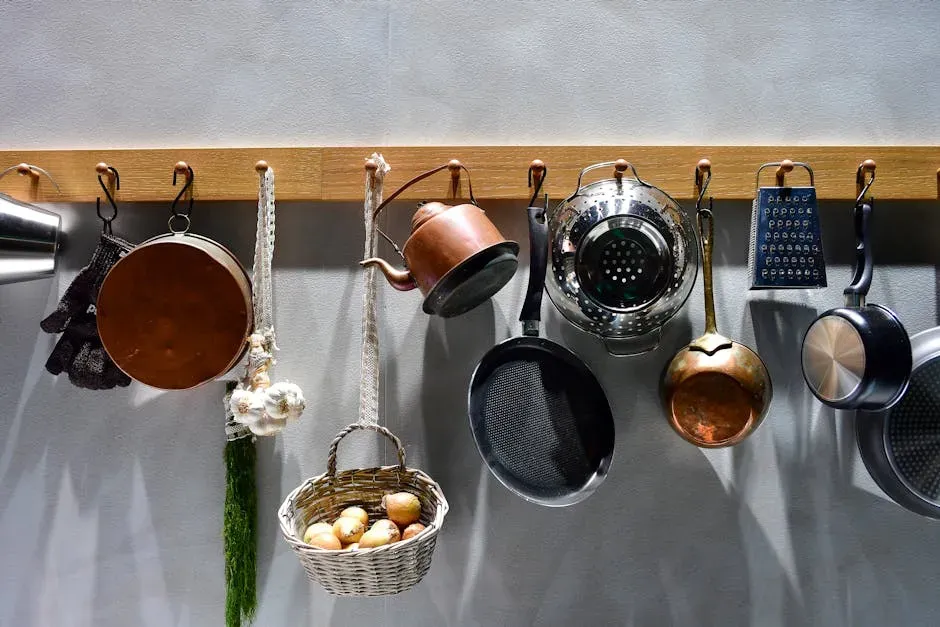
Ceiling-mounted pot racks were once a badge of culinary pride, displaying shiny copper pans and stainless cookware, but in today’s streamlined kitchens they often look cluttered and can block natural light, with designers now preferring hidden storage that keeps sightlines clear. There’s a reason they were a signature of early cooking shows rather than current design inspiration.
Large pot racks suspended from the ceiling were a status symbol in 2000s kitchens, supposedly displaying expensive cookware collections while saving cabinet space, but in reality these racks often collected dust and made the kitchen feel cluttered. Today, most homeowners prefer to store pots and pans in drawers or cabinets for a cleaner look. Guests may not say anything, but they notice the dust on those pans well before dinner is served.
7. The Rusting or Degraded Can Opener
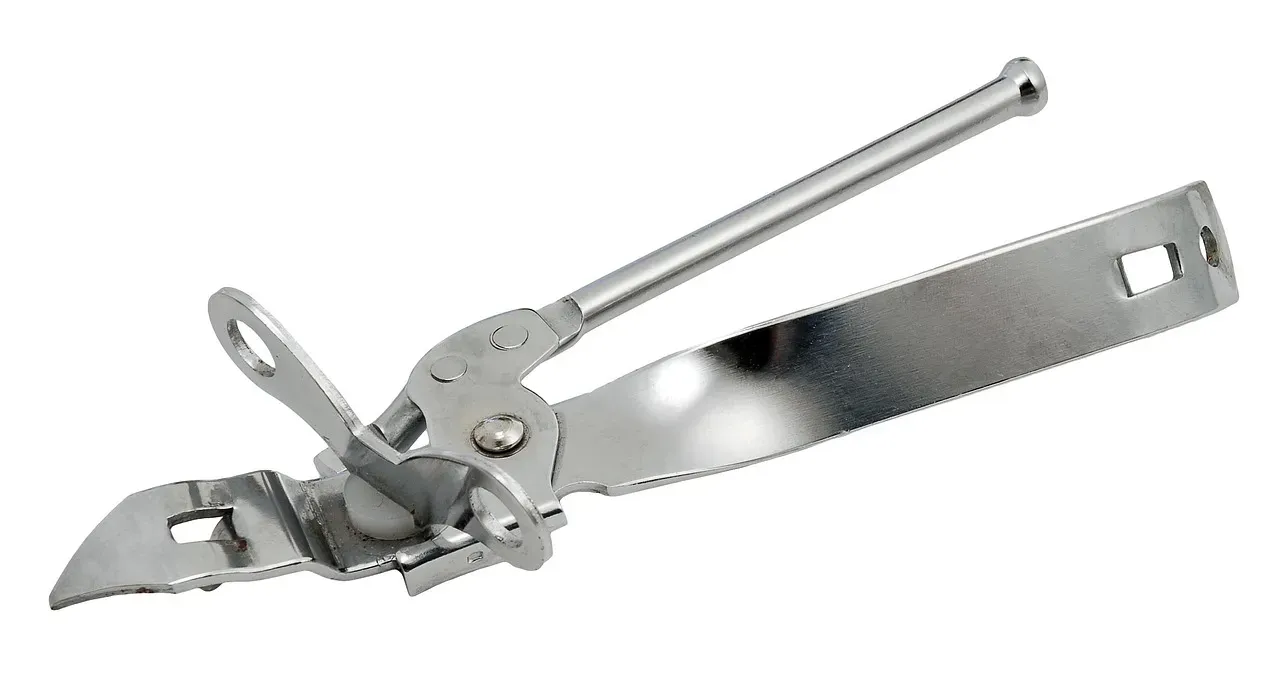
The can opener is one of those kitchen tools that almost nobody thinks to clean, yet every time it cracks open a can of soup or beans, the blade slices through food and collects residue, and that gunk sits on the wheel and blade between uses, quietly growing bacteria that can transfer straight into your next meal.
If your can opener has visible rust or buildup that won’t wash off, it’s time to replace it. For guests who catch a glimpse of a rusted or food-caked opener on the counter, the reaction tends to be swift and silent. It’s a small item that carries an outsized impression, particularly when food is being prepared nearby. Rust, cracked seals, and other visible damage are signs that a kitchen tool has reached the end of its lifecycle, and ignoring these issues can create real problems.
8. Old Fluorescent Box Light Fixtures
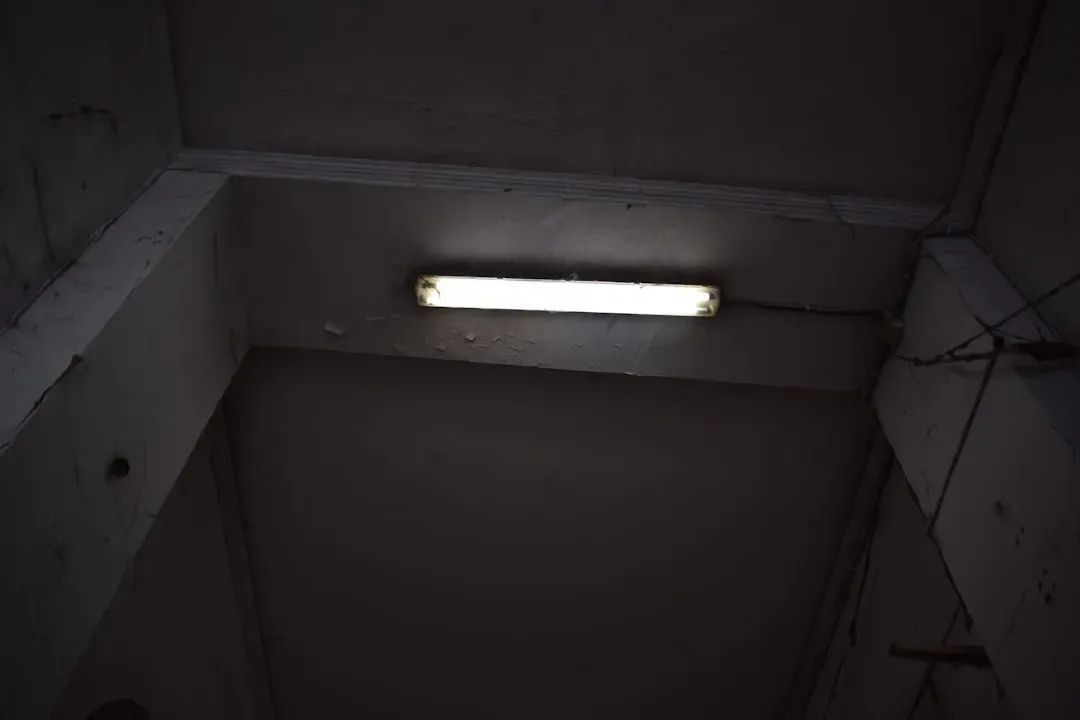
Every 1990s home had that big fluorescent light box with a plastic diffuser panel in the kitchen. It offered bright light but cast a harsh, institutional glow, and as recessed LEDs and pendant fixtures became affordable, these ceiling boxes quickly dated a space. There’s something about that flat, buzzing overhead light that immediately signals “this kitchen hasn’t changed in a very long time.”
Lighting designs change constantly, and fixtures like sunshine ceilings and fluorescent ceiling units are well past their best-before dates, with recessed LED ceiling lights and under-cabinet strip lights now providing more focused and softer light exactly where it’s needed. Guests notice lighting almost subconsciously. A cold, institutional glow over a dinner prep area doesn’t inspire confidence, and it doesn’t make anyone feel particularly welcome either.
The honest truth is that most guests aren’t judging. They’re just noticing. A kitchen doesn’t need to be magazine-perfect to feel inviting, but certain items carry enough visual or hygienic weight that they leave a lasting impression without anyone saying a single word. Swapping out even a few of the items on this list can shift the entire feel of a kitchen from overlooked to genuinely cared for.