
Most people tend to associate stress with the usual suspects: a demanding job, difficult relationships, financial pressure. Home is supposed to be the place where all of that lifts. Yet researchers studying the psychology of everyday environments have been turning up something quietly unsettling – a growing number of ordinary household items and conditions may be generating low-grade, background stress that people never quite identify as the cause of their tension. It runs in the background, like software you forgot you left open.
The tricky part is that hidden stress rarely announces itself. It accumulates. Over days and weeks, the brain keeps processing signals from its environment, and if those signals are persistently activating the body’s stress response, the effects on mood, sleep, and wellbeing become very real. Here are eleven things sitting inside many homes right now that experts say could be quietly working against you.
1. Clutter and Accumulated Possessions
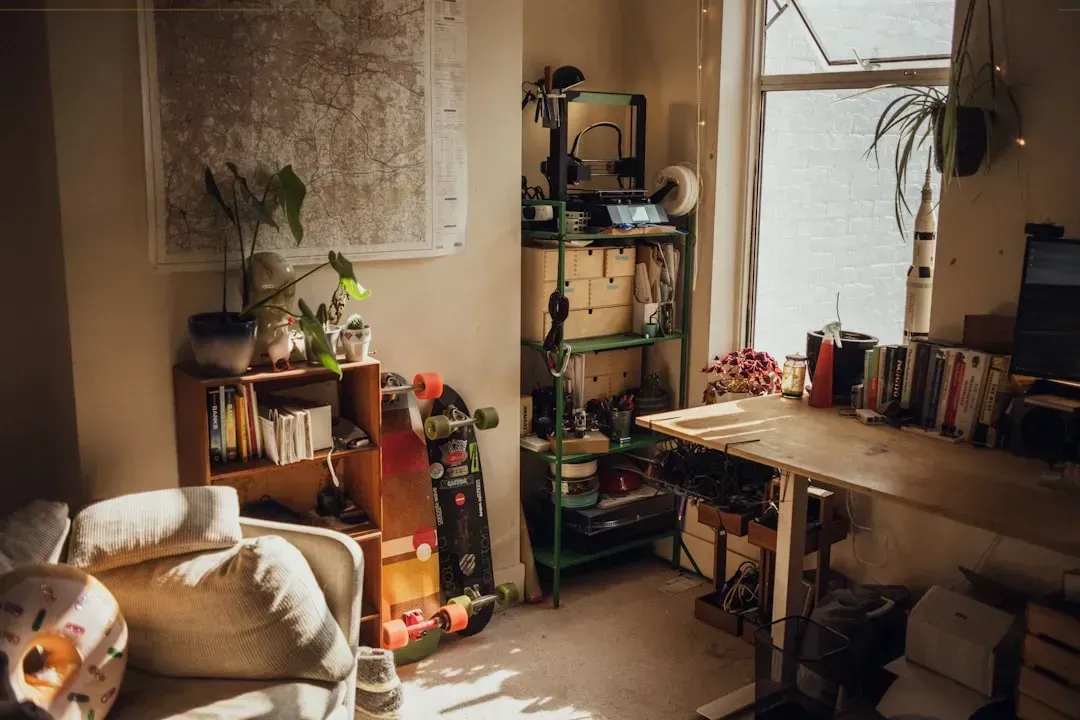
Clutter triggers measurable neurological responses within 200 milliseconds, activating stress pathways that elevate cortisol and worsen anxiety symptoms. That’s not a slow creep – that’s faster than conscious thought. Mental clarity suffers because the brain treats every visible object as potential information requiring evaluation, and when surrounded by clutter, the mind constantly works to determine what’s relevant and what can be ignored – this ongoing background processing consumes cognitive resources you’d otherwise use for focused thinking, creative problem-solving, and emotional regulation.
In one study, women who saw their homes as cluttered had high levels of the stress hormone cortisol throughout the day, while those who described their abode as a well-organized, restful space had lower levels. A 2025 study in the Journal of Environmental Psychology found that people who considered their homes more cluttered had lower levels of well-being and life satisfaction, as well as higher levels of negative feelings. The case against clutter isn’t about aesthetics. It’s neurobiological.
2. Unfinished Home Projects

Individuals who described their homes as cluttered or full of unfinished projects showed flatter cortisol slopes, a pattern associated with chronic stress and poorer health outcomes. That half-painted wall or the bathroom tiles waiting to be replaced aren’t neutral. They register in the brain as incomplete tasks, and incomplete tasks are cognitively expensive. Clutter signals to the brain that there are unresolved tasks that need attention – whether it’s an overflowing closet, a messy desk, or a pile of unread mail, these visual reminders create a sense of pressure, making it difficult to mentally unwind.
Wives with higher stressful home scores had flatter diurnal slopes of cortisol, a profile associated with adverse health outcomes, whereas women with higher restorative home scores had steeper cortisol slopes. A home full of pending repairs and half-done improvements essentially becomes a list of demands the brain can’t switch off. The research suggests that even the visual cues of unfinished work maintain a steady drip of background tension throughout the day.
3. Cool-Toned LED Lighting in the Evening
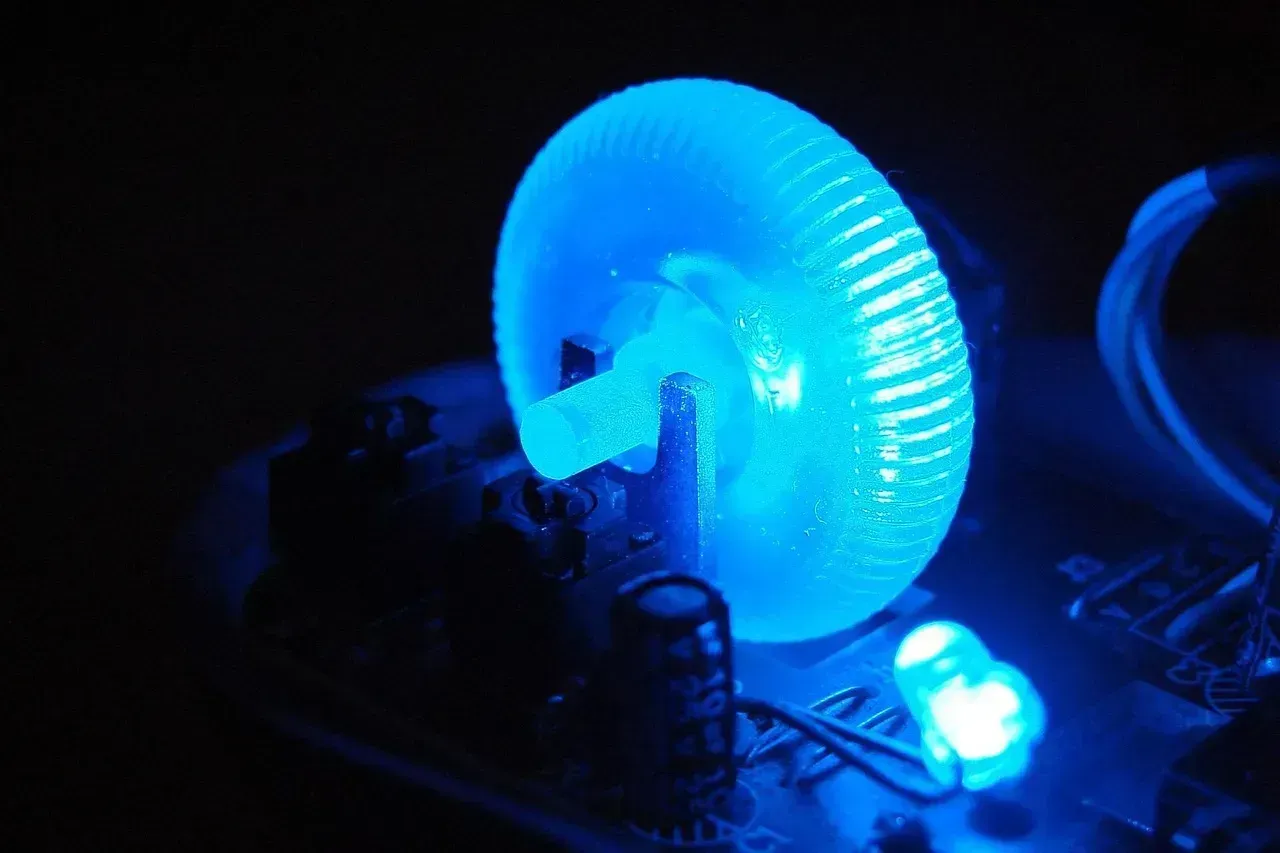
Evening residential illumination possesses the capacity to impair sleep quality via the suppression of endogenous melatonin production, a process largely driven by short-wavelength (blue) light. Many homes have switched to LED lighting for energy efficiency, but the spectral quality of those bulbs matters enormously. Research reveals that “cool” white LED lamps induce considerably greater melatonin suppression than “warm” white LED or traditional incandescent lamps.
Chronic circadian disruption is linked to impaired sleep, mood disorders, metabolic dysregulation, obesity, diabetes, cardiovascular disease, and certain cancers. Poor sleep is one of the most direct pathways to elevated stress, and the lighting fixtures above your couch may be a contributing factor. Being exposed to blue light in the evening can trick the brain into thinking it is still daytime, disrupting circadian rhythms and leaving you feeling alert instead of tired.
4. Smartphones Left on the Nightstand or Coffee Table
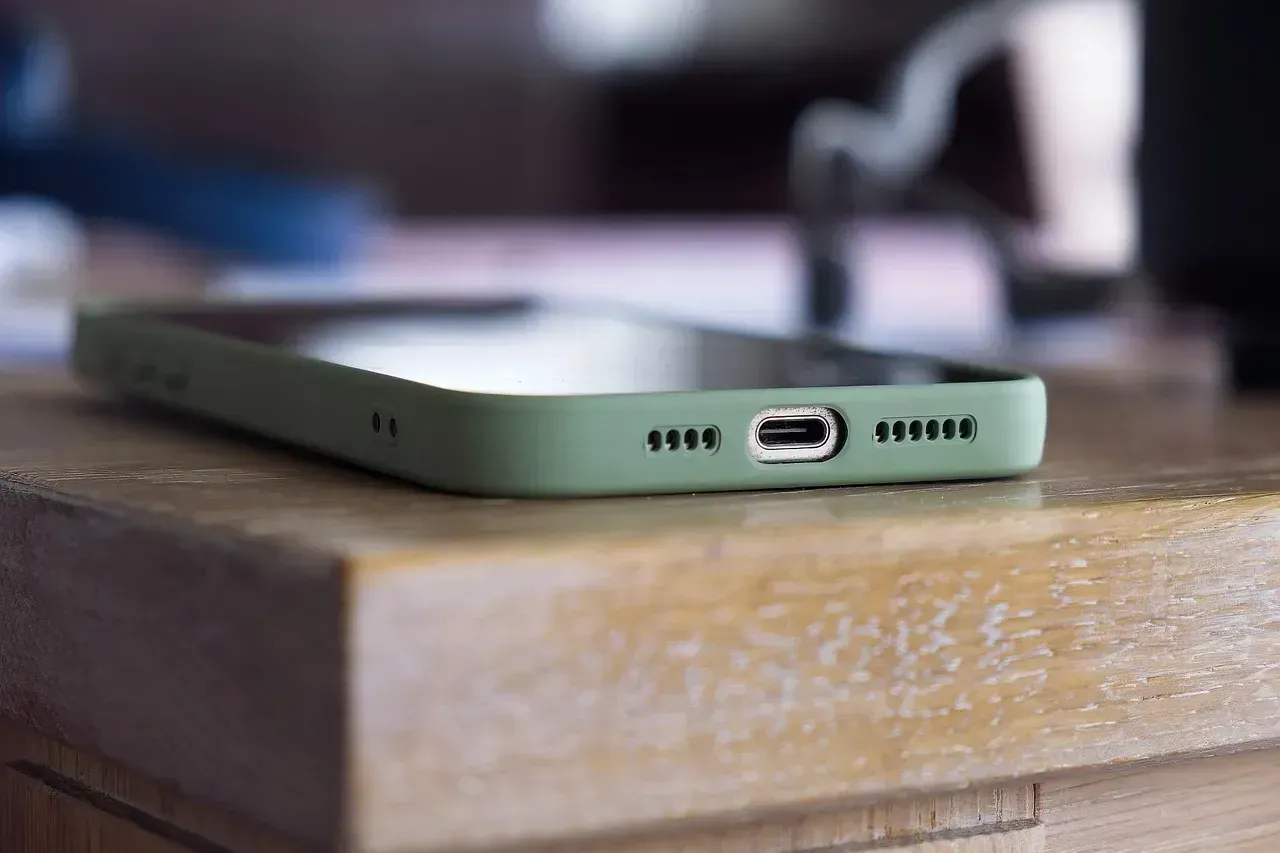
Notifications are not just distractions – they are microbursts of uncertainty that train the brain to expect interruption and stress, and over time this leads to restlessness, difficulty focusing, and chronic low-level anxiety. The phone sitting face-up in your living room doesn’t need to buzz to have an effect. Its presence alone conditions a kind of ambient vigilance. Each time a notification appears, the brain releases a small dose of dopamine – the neurotransmitter associated with anticipation and reward – and the uncertainty about whether the notification is enjoyable, stressful, or meaningless is what keeps you checking.
Interruptions were found to cause more annoyance and anxiety, increase stress and frustration, and lead to errors in the primary task, less task accuracy, and longer task completion times, as well as forgetting about the primary task. The average person receives dozens of notifications daily. Each one is a small hijack of attention. Kept within arm’s reach constantly, the smartphone becomes an engine of low-grade, persistent arousal that rarely fully subsides.
5. Background Television Noise
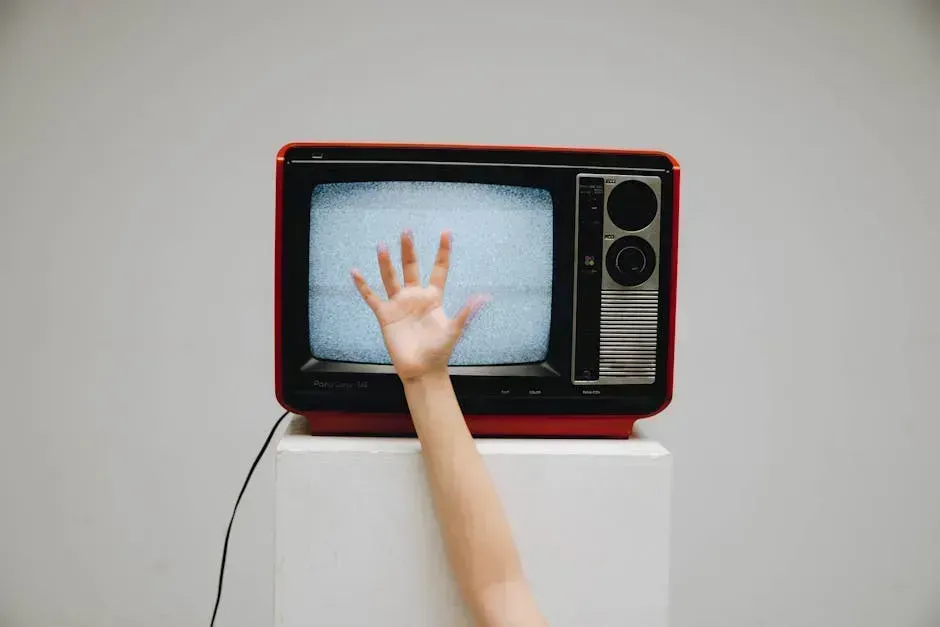
Research shows that continuous background noise, particularly low-frequency sounds, keeps the body in a subtle state of alertness – this constant arousal doesn’t give the nervous system a chance to fully relax. The television running in the background while you cook or work is not neutral filler. It occupies cognitive resources, even when you’re not consciously watching. When the brain is bombarded by multiple sounds at once, it has to work harder to filter out what’s important, and this increased cognitive load can be exhausting, reducing mental energy and increasing irritability.
Research found an approximately 55% higher risk of anxiety in highly noise-annoyed people. The mechanism behind this is physiological: noise exposure may induce the release of stress hormones, disrupting hormonal rhythms via activation of the hypothalamic-pituitary-adrenal axis. The television you left on for company may be doing the opposite of what you hoped.
6. A Disorganized Kitchen Counter

Working memory – the brain’s “sticky note” – holds data needed in the next 10 to 20 seconds, and each extraneous object costs a sliver of that limited capacity. The kitchen is where many people start and end their day, and a cluttered counter stacked with mail, appliances, and random objects sets the tone from the first moments of the morning. Over time, the brain learns to tune out persistent mess, but this suppression carries a metabolic price: greater activation of the anterior cingulate cortex, the region that suppresses competing stimuli.
Clutter can increase negative feelings and lead to depression – the same UCLA study found clutter affected mood and self-esteem, and an overly messy space may lead to feelings of shame, guilt, or inadequacy. It may feel like a small thing, a pile of dishes here, a basket of miscellany there. But the psychological overhead of a chaotic kitchen adds up quietly over the course of a day.
7. Piles of Unopened Mail and Bills

Paper piles are a specific subcategory of visual clutter, and they carry an extra layer of threat. Unlike decorative objects, stacked mail often represents actual obligations: bills, forms, and correspondence that require decisions. Living in persistent clutter for weeks or months creates cumulative neurological effects, and sustained cortisol elevation from ongoing low-grade stress begins impacting the hippocampus, the brain region responsible for memory consolidation and emotional regulation – this helps explain why people in chronically cluttered environments often report feeling foggy, forgetful, or emotionally reactive.
A study by UCLA found a link between a high density of household objects and elevated cortisol, and messy spaces signal the need for future cleaning – the mental weight of knowing it needs to be addressed increases stress. Stacked mail takes that dynamic a step further by pairing the visual chaos with a sense of financial or administrative pressure. Even if the bills are paid, the pile keeps the psychological alarm mildly ringing.
8. Overstuffed Closets and Storage Spaces
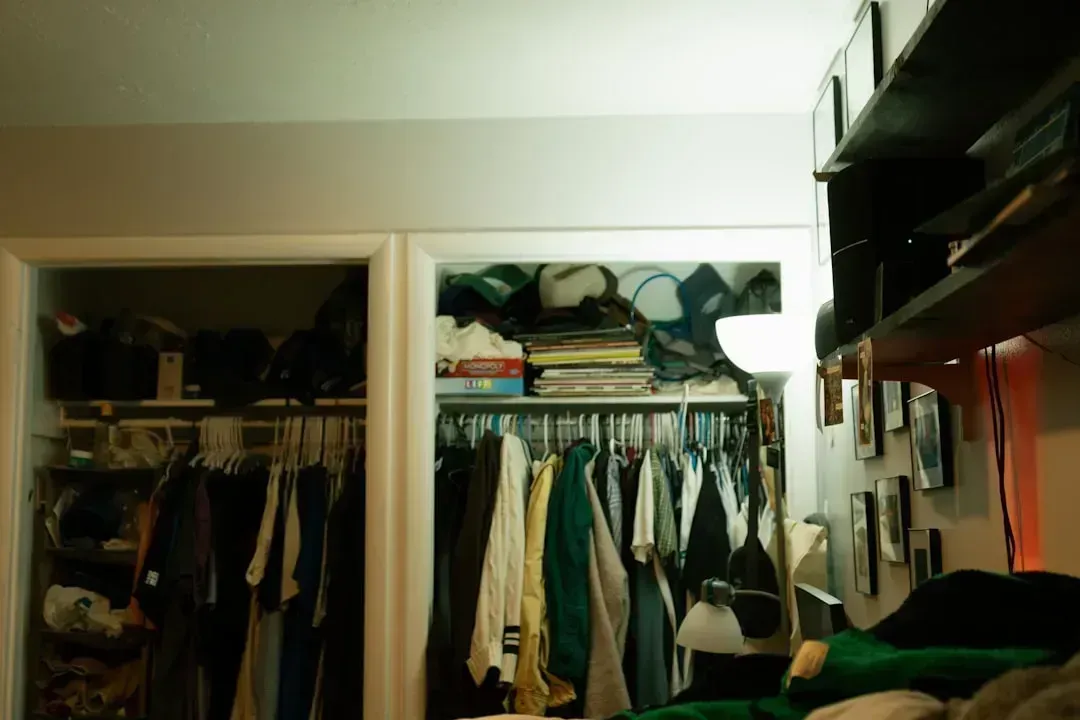
Out of sight isn’t always out of mind. Middle-class Americans whose home tours included more clutter-related words showed less healthy cortisol patterns and greater depressed mood. People often assume that shoving belongings into closets neutralizes their stress effect, but research on how people describe and relate to their homes suggests a broader environmental awareness than that. Knowing a closet won’t close, or that a storage room is impassable, contributes to a background sense of disorder. When a person sees clutter, she doesn’t only notice the mess but begins to actively process what she will need to do next and how she will do it – thinking through the act of navigating clutter can create cognitive overload, which results in a stressed state that can cause agitation, overwhelm, and shutdown.
The relationship between chronic low-grade cortisol elevation and anxiety operates as a feedback loop – elevated cortisol increases anxious feelings, which can reduce motivation to organize and clean, which maintains the clutter, which sustains the cortisol elevation. This cycle is particularly insidious with storage spaces because the problem stays hidden just long enough to make tackling it feel impossible. The clutter doesn’t go away by being moved – it just changes its address.
9. Poor Indoor Soundproofing and Noise Bleed

Thin walls, hollow doors, or a home office adjacent to a busy hallway can create a home environment where there is almost no acoustic refuge. An increasing body of research confirms that exposure to noise can impact the central nervous system, and these harms increase the susceptibility to mental health conditions such as depression, anxiety, and behavioral problems. The effect isn’t limited to outdoor traffic noise. Noise generated within the home, by other family members, appliances, or neighboring units, can have the same biological impact when it’s persistent and unpredictable. The stress response results in the activation of the hypothalamic-pituitary-adrenal axis and an increase in systemic inflammation that becomes neuroinflammation, resulting in the fear and anxiety response.
A large-scale study found that extreme noise annoyance increases the likelihood of anxiety by more than double and depression by roughly double as well. Even if sounds don’t rise to the level of extreme annoyance, continuous background noise keeps the body in a subtle state of alertness, and this constant arousal doesn’t give the nervous system a chance to fully relax, leading to chronic stress and anxiety over time.
10. Screens in the Bedroom

The screens of electronic devices such as smartphones, computers, tablets, and televisions can emit blue light that disrupts natural sleep cycles, and research shows that a majority of Americans use electronic devices within an hour of going to bed, which can lead to unsatisfactory sleep. Sleep deprivation and stress are tightly linked – poor sleep elevates cortisol the following day, which in turn makes sleep harder the next night. The bedroom screen habit quietly traps people inside that loop. Artificial light at night, particularly short wavelengths in the blue region, can disrupt the circadian rhythm, cause sleep disturbances, and lead to metabolic dysregulation, and with the increasing number of people spending considerable amounts of time staring at digital screens, the negative impacts of blue light are becoming more apparent.
Chronic misalignment of circadian rhythms can lead to many negative health impacts, including metabolic disorders and mental health conditions such as depression. A television mounted across from the bed or a phone habitually charged on the nightstand keeps the bedroom in a state that is biologically at odds with rest. The room meant to restore the nervous system ends up continuing to tax it.
11. An Overloaded Digital Desktop or Work Area at Home
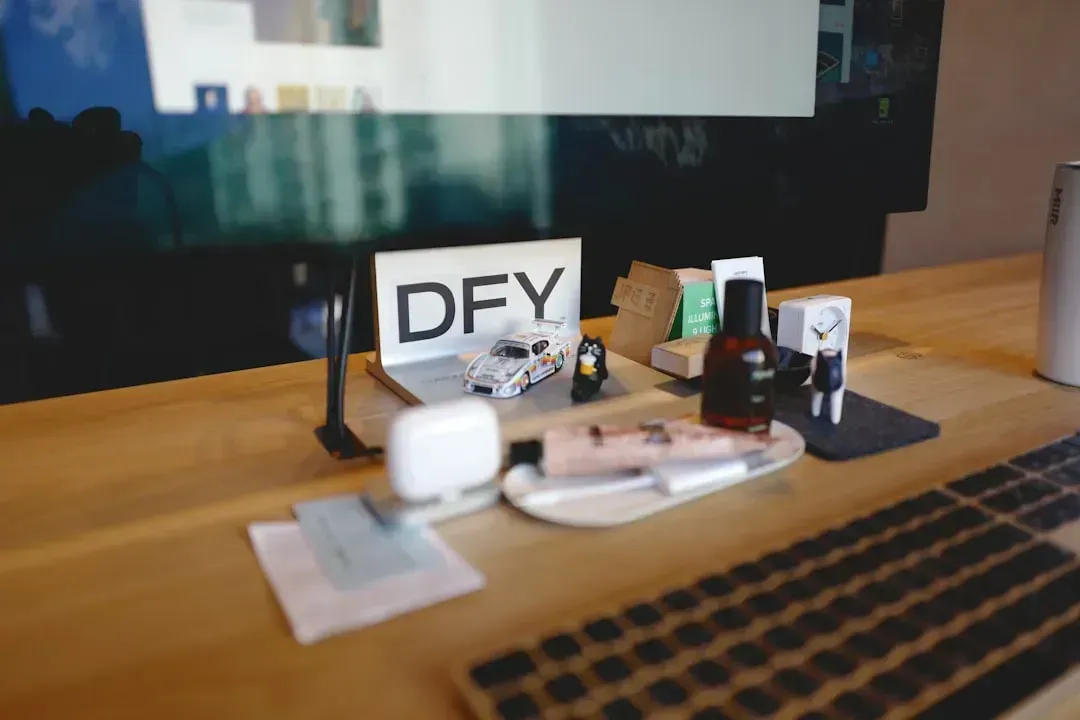
Your physical desk might be spotless, but the chaos of open browser tabs and unread emails activates many of the same stress responses as physical mess, and for the millions of people who work from home, this creates a compounding effect that researchers are just beginning to understand. The home workspace has blurred into the living space for a large part of the workforce, and the psychological boundaries that once separated work stress from domestic life have thinned considerably. Every open tab, unread email, and desktop icon competes for attention, creating what researchers call “visual complexity” that the brain must constantly filter and manage.
Studies show that email overload triggers cortisol spikes similar to those caused by physical environmental stressors, and when you see hundreds of unread messages, the brain registers them as unfinished tasks, each one pulling at attention even when you’re trying to focus. A cluttered desktop, a pile of work folders on the kitchen table, or a standing desk in the living room that never fully switches off keeps stress signals circulating through the home environment around the clock. The workspace that has no clear end time may be one of the most consequential sources of hidden stress in modern homes.
None of these eleven things are dramatic. That’s precisely the point. They don’t trigger acute alarm – they just keep the nervous system from fully powering down. The research points in one consistent direction: the environments we come home to are not passive backdrops. They are active participants in our mental state, quietly shaping mood, focus, and stress levels in ways we rarely pause to examine.