
Pick up a rotary phone. Try to imagine waiting days to see a photograph you just took. Think about watching one of four available TV channels and then simply going to bed when the broadcast stopped. Life in the 1960s was a genuinely different proposition – not just technologically, but in how ordinary daily rhythms felt. The pace was slower, the options were fewer, and the tools people used to navigate their days were almost absurdly simple by today’s standards.
What’s remarkable isn’t just how much things have changed, but how completely some of them have been replaced by something almost philosophically different. These aren’t upgrades. In many cases, they’re total reinventions. Here are eleven everyday things that would leave a time traveler from the ’60s genuinely bewildered.
1. The Telephone
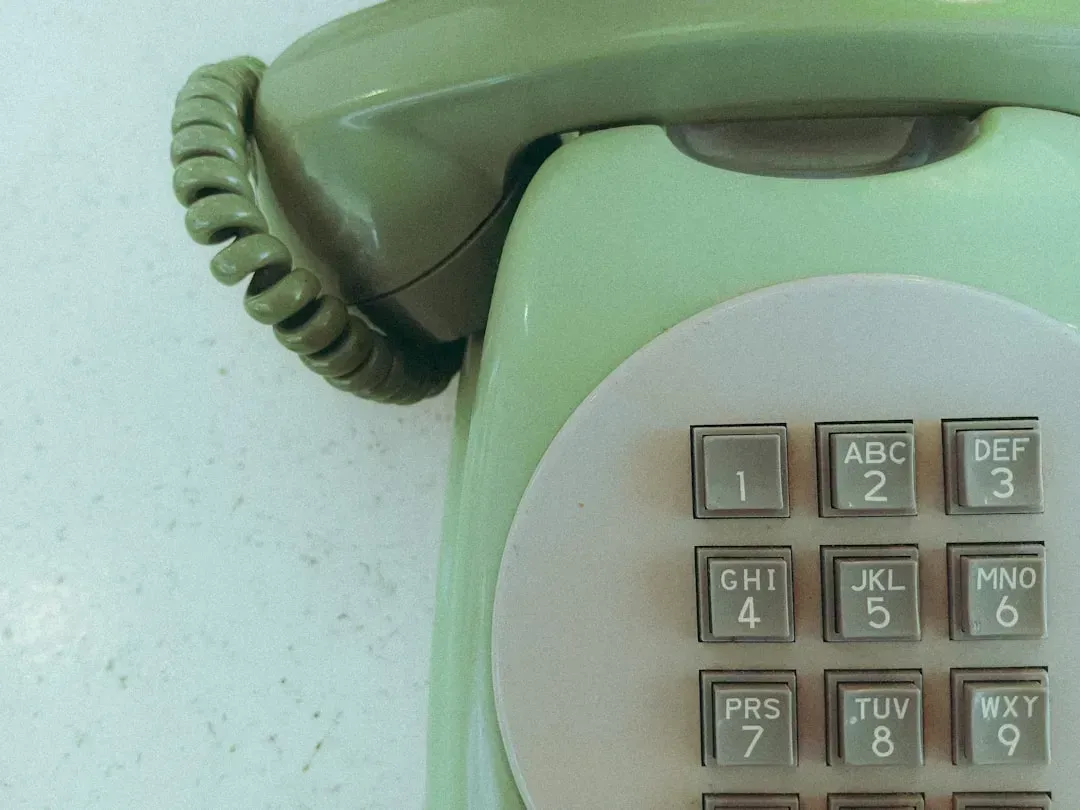
By the 1960s, there were more than 80 million phone hookups in the U.S. and 160 million in the world. The phone was a fixture of home life, but it was bolted to a wall, shared between family members, and used for one purpose: talking. Bell Telephone introduced the push-button telephone as recently as November 1963, which at the time felt like a genuine marvel.
In the past, phones played a single role: they allowed people to make calls. Thanks to the development of networks, technology, and social needs, phones today let users send and receive text messages and emails, take photos and videos, access the internet, listen to music, and play games, among many other functions. In the first half of 2004, only about four out of every hundred adults relied solely on a cellphone. By the second half of 2022, that number had climbed dramatically to nearly three-quarters of adults.
2. Photography
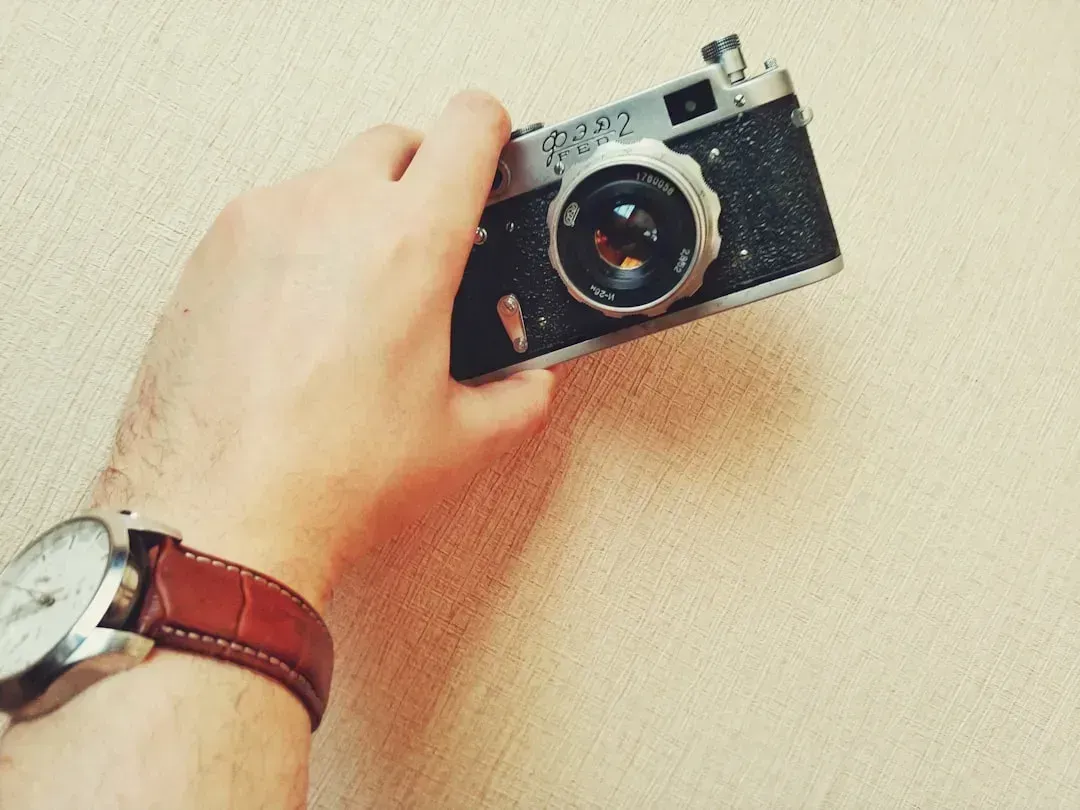
When cameras began to become part of the middle-class household in the economic boom of the 1960s, taking photographs was seen as something of a social right, but also a social rite, part of social ritual. A gathering like a dinner with the extended family, a birth or a birthday, Thanksgiving, Christmas, or New Year’s Eve had to be punctuated and memorialized with a photograph. Each shot carried weight precisely because film was finite and developing it cost money and time.
Cameras have seen a dramatic decline in sales, while the number of pictures taken has boomed, with an estimated one trillion photos snapped in 2017 alone. Smartphones are now the most popular device for taking photographs, and roughly nine out of ten users polled said the camera was the most used feature on their phone. The retro appearance of many cameras from the ’60s would genuinely confuse children who are used to having their photo taken by digital cameras or cell phones.
3. Retail Shopping
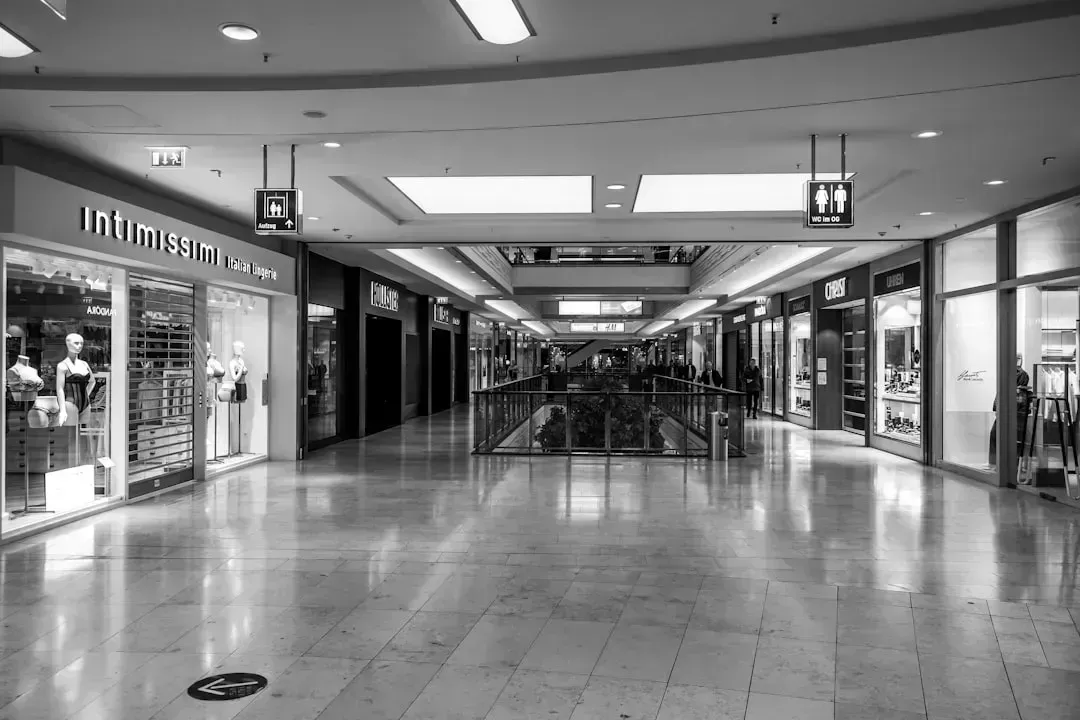
In the 1960s, shopping was primarily done in brick-and-mortar stores, with large department stores being the dominant retail players. These stores were typically located in urban centers and offered a wide range of products and services under one roof. The shopping experience was often accompanied by a sense of excitement and glamour, with shoppers dressing up for their visits and salespeople providing personalized attention to customers.
The 1960s introduced a new category of retailer: the big box store, built on massive square footage, self-service shopping, and unbeatable price advantages. With the opening of Walmart, Target, and Kmart in 1962, shoppers embraced a “more for less” mindset. Then the internet rewrote everything again. Amazon started in 1995 merely as an online bookseller, but has grown into the preeminent online store experience, offering almost every product imaginable.
4. Television
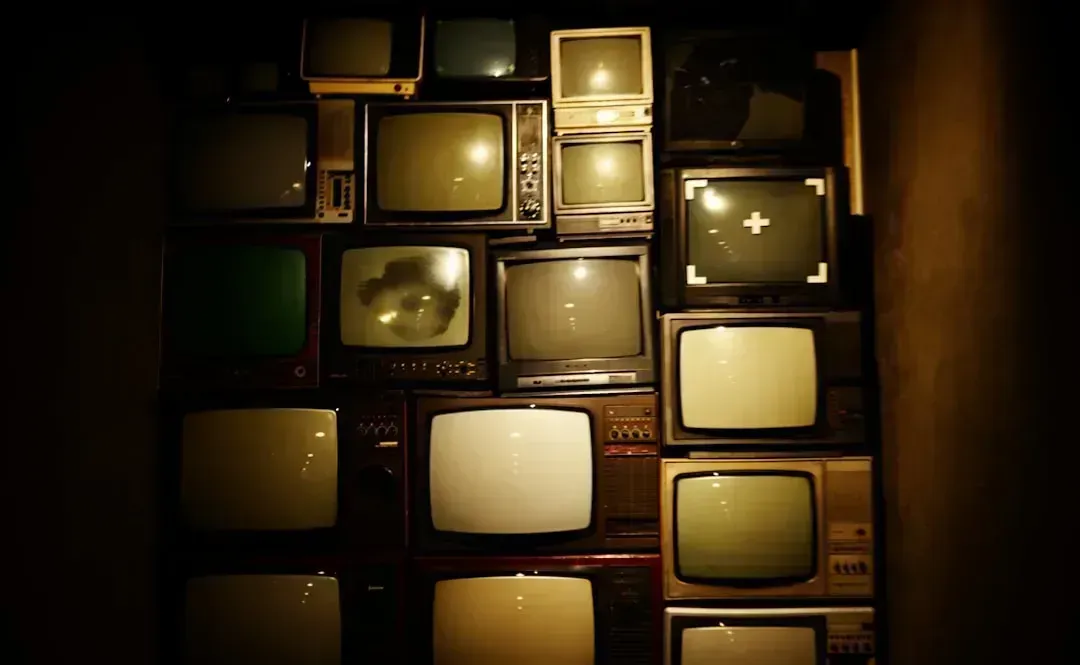
Having a color TV was such a big deal in the early ’60s that local hotels and motels advertised the fact that they had color TVs in their guest rooms. They knew it was a draw. Most households with a set were pulling in just a handful of channels, sometimes just two or three depending on how far they were from a broadcast tower.
With the growing popularity of television, entirely new businesses were created: satellite television companies, cable services, and computer-based programming. Today, streaming platforms carry libraries of tens of thousands of titles, available on demand at any hour on screens that range from a wrist to an entire wall. The concept of “waiting for your show” has nearly vanished for younger generations entirely.
5. Computing
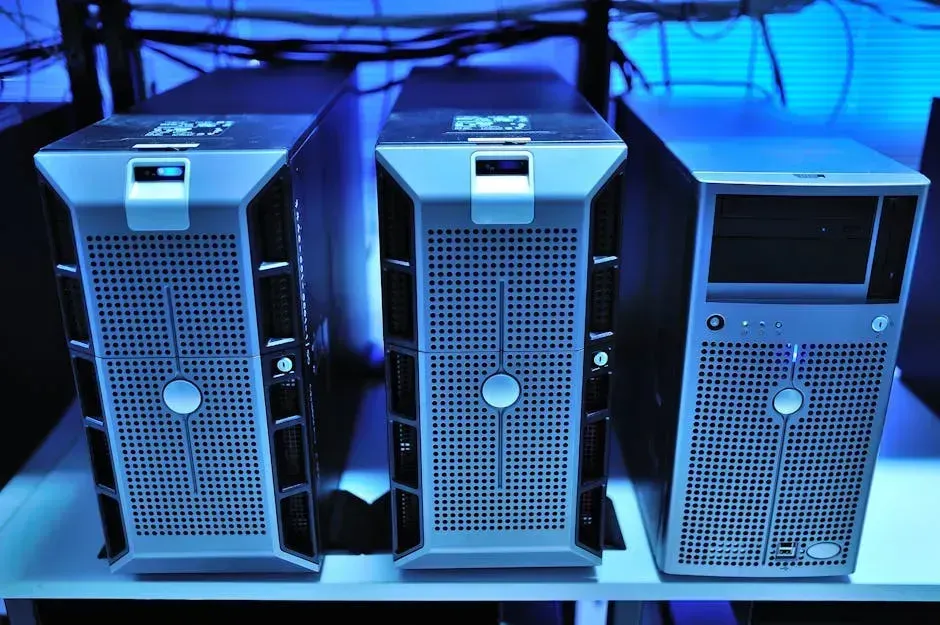
Previously, “computing” involved incredibly expensive mainframe machines – the kind that fill up rooms and have things that look like film reels on a projector – as well as an extensive and slow system that involved punch-card production, several trained operators as middlemen, and a sizable wait to receive results. By the mid-1960s, the computer was seen as an information processor, part of a management information system. IBM’s System/360 controlled almost 70% of the computer market and there was a long wait for their mainframes.
In the 1960s, the integrated circuit allowed for a much smaller computer to be built. The business community was the largest user in the beginning of this revolution, and it was not until the late 1980s and into the ’90s that personal computers became affordable and convenient enough for use by the general public. Today, laptops, cell phones, and even watches are miniature computers.
6. Music Listening
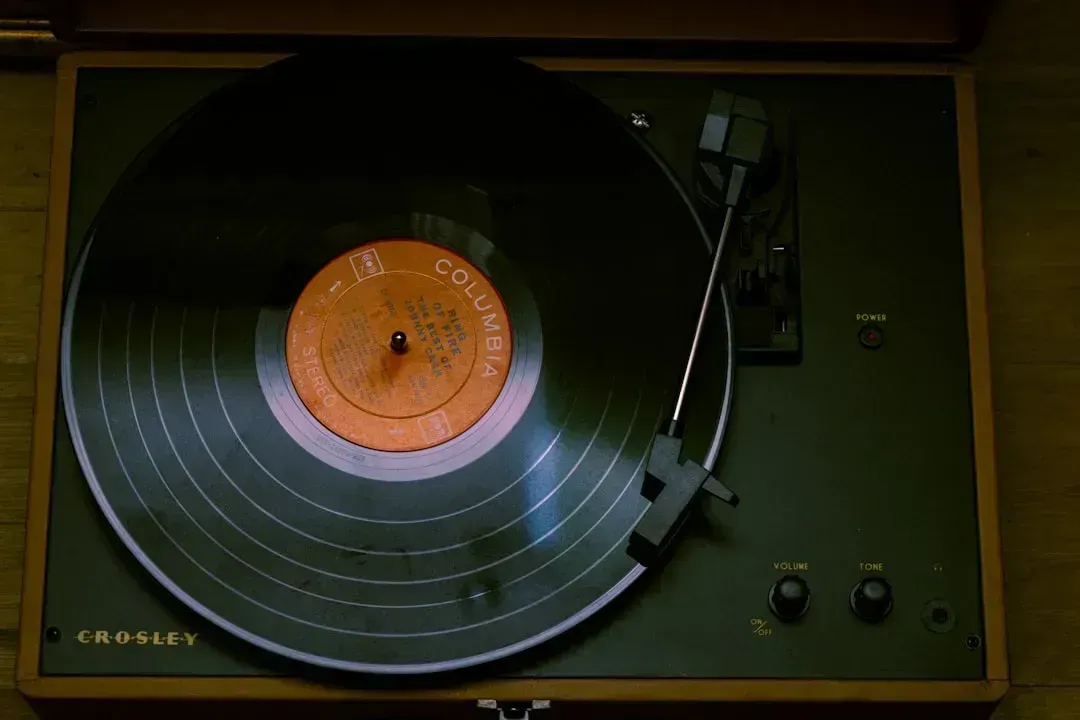
The iconic technological products of the ’60s included the living room cabinet record player – a piece of furniture as much as a device. Listening to music meant owning physical records, carefully handling them, and committing to an album side. You couldn’t skip tracks with a tap and you certainly couldn’t carry your entire collection in your pocket.
The audio cassette was introduced during the decade, with Philips naming it the “Compact Cassette.” That felt revolutionary at the time. Fast forward to 2026, and music is almost entirely streamed on demand from catalogues containing hundreds of millions of songs. The entire recorded history of music lives on a device thinner than a pencil, accessible within seconds.
7. Food and Grocery Shopping

The ’60s were a decade of enormous culinary conflict. Women, entering the workforce in record numbers, yearned for ever-easier and faster foods to prepare for their families. Frozen bread dough, frozen piecrusts, and products like Cool Whip all entered the market to make their lives easier. Fish and chips remained the most popular staple, meat and sugar consumption reached record levels, the white sliced loaf arrived, and frozen foods began appearing as a common sight in shops.
The National Food Survey, conducted since 1950, shows that consumption of fruit has slowly risen, but that consumption of bread, cereals, potatoes, and other vegetables has steadily fallen. We eat fewer visible fats today, but consume hidden quantities in processed foods, takeaways, and restaurant meals. Today’s grocery store is a global bazaar. Ingredients from dozens of cuisines line shelves year-round, and same-day delivery is possible in most cities.
8. Healthcare and Medicine
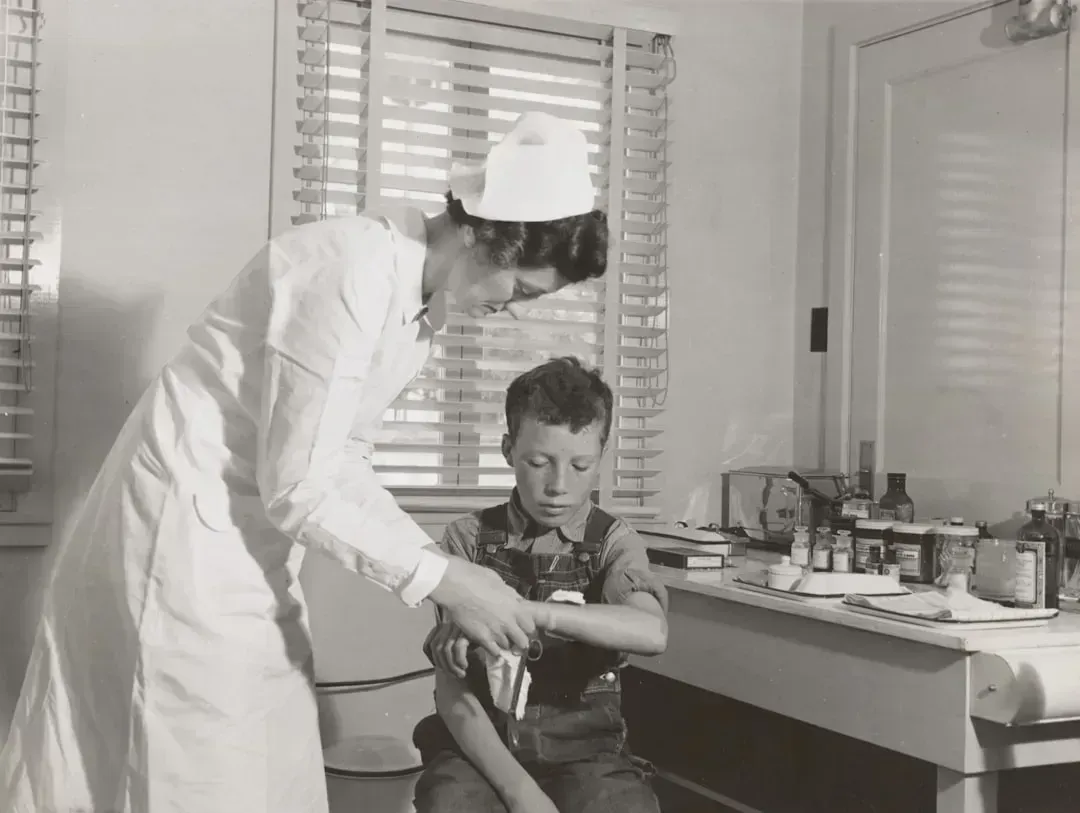
In the early 1960s, nearly half of adult Americans smoked, but just one in nine were obese. It was estimated that 90 percent of the drugs prescribed in 1960 had been introduced in the previous two decades. Medicine felt bold and optimistic, yet it was also remarkably limited compared to what was coming. Medicare itself didn’t even exist until 1965.
Per capita U.S. healthcare expenditures increased from $147 in 1960 to $8,402 in 2010. In 2010, healthcare spending as a percentage of U.S. GDP stood at 17.9%, compared to just 5.2% in 1960. Average life expectancy has risen considerably, and coronary heart disease deaths have more than halved since the 1960s in countries like the UK. Modern imaging, genetic testing, robotic surgery, and telemedicine would be entirely beyond the imagination of a 1960s physician.
9. Getting Directions and Navigating
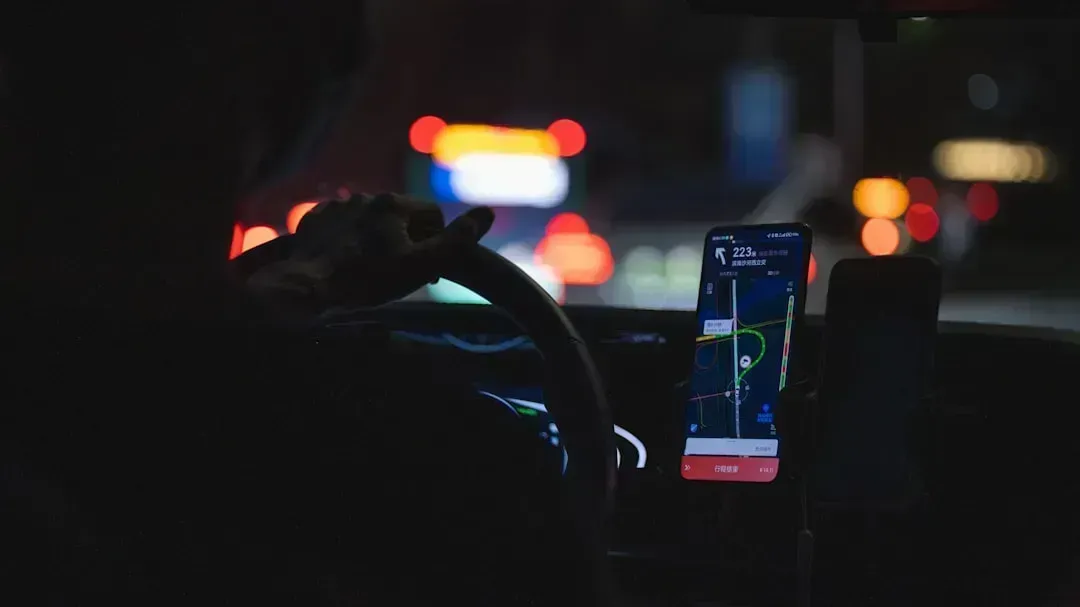
In the ’60s, getting from one city to another meant folding and refolding a paper map – often badly – or stopping to ask someone who might know the area. Road atlases sat in car gloveboxes. Getting lost was a genuine possibility, and nobody thought twice about it because there simply was no alternative.
We have since adopted increased remote working, advanced online learning, telemedicine, e-commerce, contactless payments, and entertainment streaming in significant ways, but perhaps one of the most quietly profound daily shifts is navigation. GPS routing now recalculates in real time, accounts for traffic, suggests alternative routes, and can guide you to a restaurant that didn’t exist last month. The folded map has become a curio.
10. The Way We Capture Memories
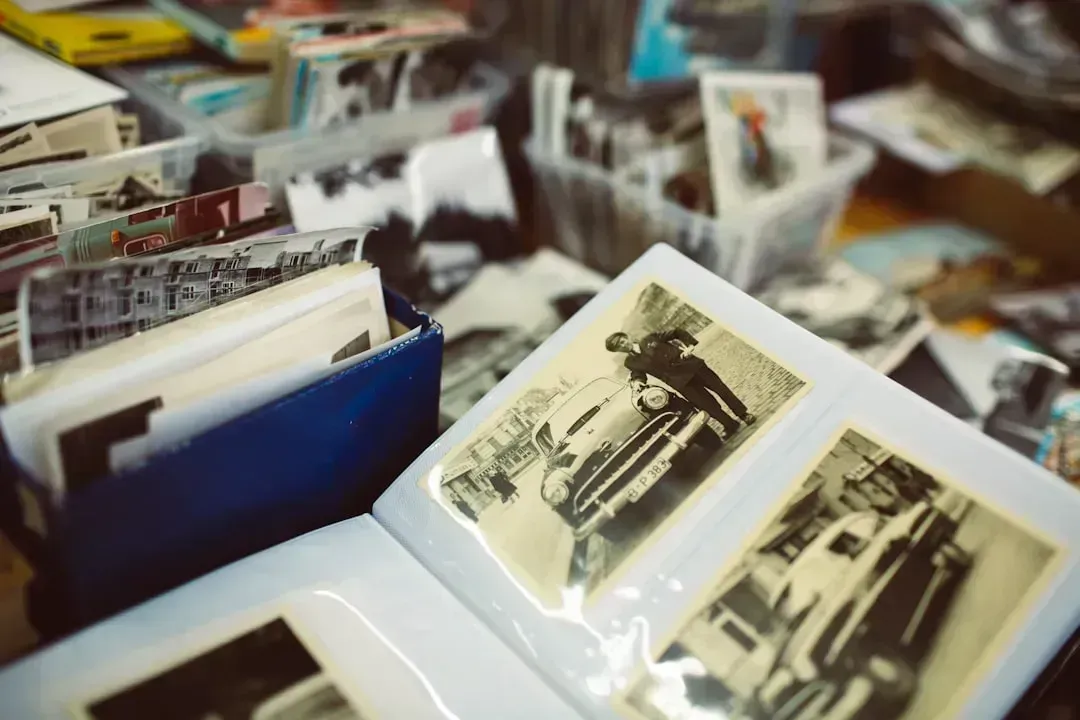
Years ago, people had photo books where they would store their precious memories. These books were only brought out for special occasions and usually were not shared with random acquaintances. Analogue photography, because of its limits, made you look and discern, consider, and choose. It made you reflect on looking and seeing. A single roll of film held 24 or 36 frames. Every shutter click was a small decision.
Smartphones add another level to digital possibilities: the connection and sharing of images in real time. This possibility changed the objects and moments of photography, shifting from the ritualistic and important moments of family life to the everyday common and banal things. Since then, the best camera phones have become so advanced that feature films have been recorded on them, and high-res photos can be sent around the world in a matter of seconds.
11. The Workplace
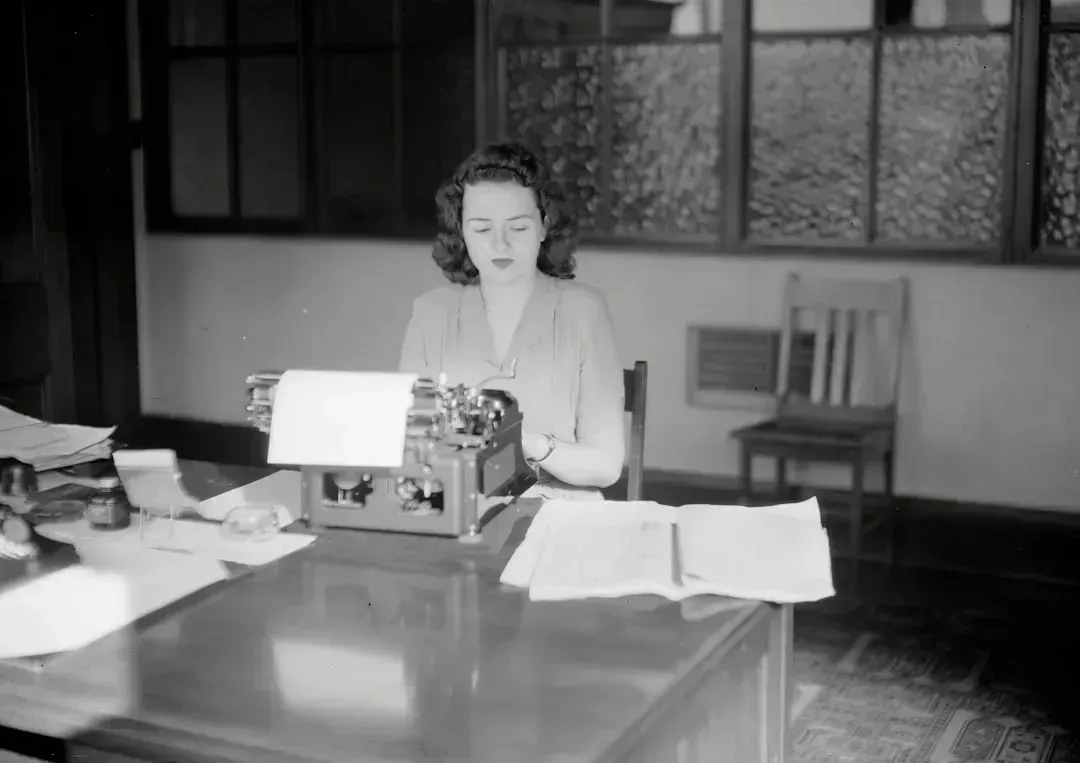
Office life in the 1960s meant typewriters, filing cabinets, interoffice memos, and face-to-face communication as the only option. Women’s labor force participation was expanding along with the use of computers. Women were increasingly portrayed as keypunch operators, card loaders, or assistants taking orders from a male supervisor. The physical office was the entire universe of work, and there was no credible concept of doing your job from a different continent.
Today we have increased remote working, advanced online learning, telemedicine, e-commerce, and contactless payments in significant ways. The pandemic accelerated a shift that was already underway, and by 2026, hybrid and fully remote arrangements are simply normal for a wide swath of industries. Society in general was forced to learn video communication tools with everyone from school children to grandparents communicating via teleconference. The ’60s office worker, hunched over a typewriter, would barely recognize what “going to work” means today.
What’s striking about all eleven of these changes isn’t the technology itself – it’s how completely the underlying experience has been redefined. A phone call, a shopping trip, a doctor’s visit, a song on the radio: each of these still exists in name, but the texture of actually doing them has shifted almost beyond recognition. The ’60s weren’t primitive. They were simply a different world, running on different assumptions about time, patience, and possibility.