
There’s a certain calm that comes over experienced European travelers at the airport. No frantic last-minute repacking, no overweight luggage fees, no waddling through a cobblestone alley dragging a suitcase built for a two-month expedition. That calm isn’t luck. It’s the result of knowing exactly what to bring and, just as importantly, what to leave behind.
Packing correctly can make the difference between a smooth, enjoyable journey and a stressful travel experience. European travel often involves walking long distances, navigating public transportation, and adapting to varying climates between countries. The goal of this guide is simple: to share the hard-won habits of seasoned travelers so your trip starts well before the plane takes off.
The Right Luggage for the Way Europe Actually Works
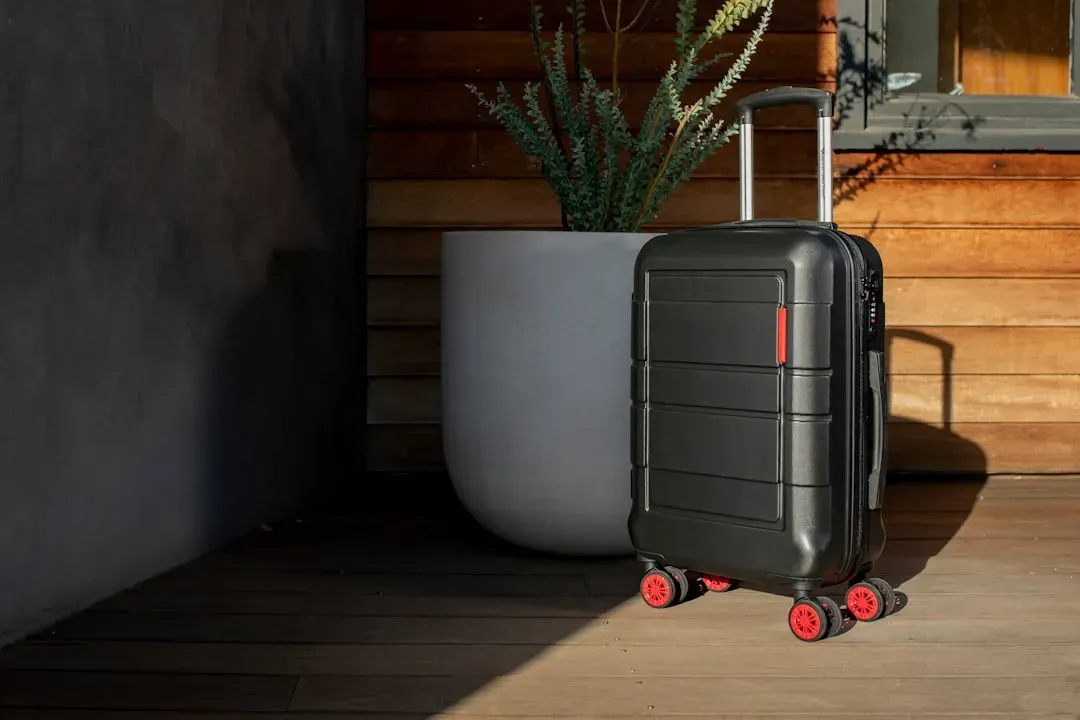
For most Europe trips, a carry-on suitcase plus a personal item is enough if you pack strategically. This setup makes trains, stairs, and quick transfers much easier. Checked luggage can be helpful for longer trips or winter travel, but it often adds cost, time, and unnecessary hassle.
Nowadays, most low-cost airlines make a large part of their profit by charging high fees for luggage. In many cases, the baggage fees can cost more than the ticket itself. This applies mostly to European low-cost airlines such as Ryanair, Wizzair, Eurowings, or EasyJet. Going carry-on only isn’t a sacrifice. It’s a strategy that saves money and keeps you moving freely.
A Carry-On Mindset: Pack for One Week, Not the Whole Trip
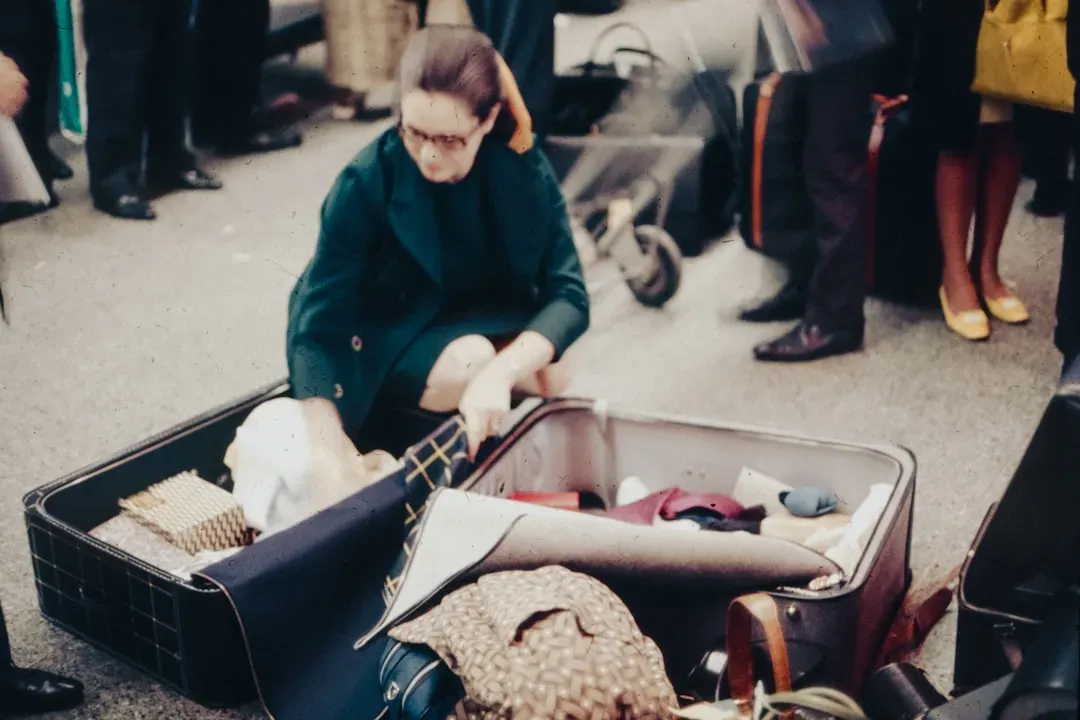
A good rule is to pack for about one week, even if your trip is longer. Laundry exists, and yes, Europe has shops too. No need to carry your entire wardrobe like you’re moving to a castle in Tuscany.
Even for 10-day or longer trips, seasoned travelers stick to a carry-on by planning to do laundry. The best way to pack smarter is to leave out bulky, unnecessary, or rarely used items. Many travelers overpack shoes, “backup” outfits, and full-size toiletries that add weight without improving the trip. The discipline to pack light is genuinely one of the most useful skills a traveler can develop.
Versatile Clothing Built Around a Neutral Palette

Instead of packing disjointed outfits for each day, the capsule wardrobe is a game-changing strategy for any European trip. This approach involves selecting a limited collection of versatile clothing items that can be mixed and matched to create numerous distinct looks. A well-curated capsule ensures you’re stylishly prepared for a museum tour in Paris, a coastal hike in Italy, or a formal dinner in Prague, all while using minimal luggage space.
Sticking with neutrals and adding pops of color through accessories like scarves, belts, or earrings transforms daywear into evening looks. Neutral colors work best because they allow you to mix and match outfits easily. European weather can change quickly, even during summer months. A few flexible pieces will outperform a suitcase full of single-purpose outfits every time.
Footwear: Comfort Is Not Negotiable

The most important shoes for Europe are broken-in, supportive, and suitable for lots of walking. Most travelers need one comfortable pair for daily exploring and one additional pair for weather, dinner, or lighter activities. Shoes should earn their place in your bag by being useful, not just photogenic.
Europe’s historic cities are best explored on foot. Whether you’re wandering through Rome’s ancient streets or Paris’s charming neighborhoods, comfortable shoes are essential. Avoid brand-new shoes that haven’t been broken in. Experienced travelers swear by high-quality, lightweight merino wool socks for summer because merino wool naturally keeps your feet cool and dry.
Packing Cubes and Organization Systems
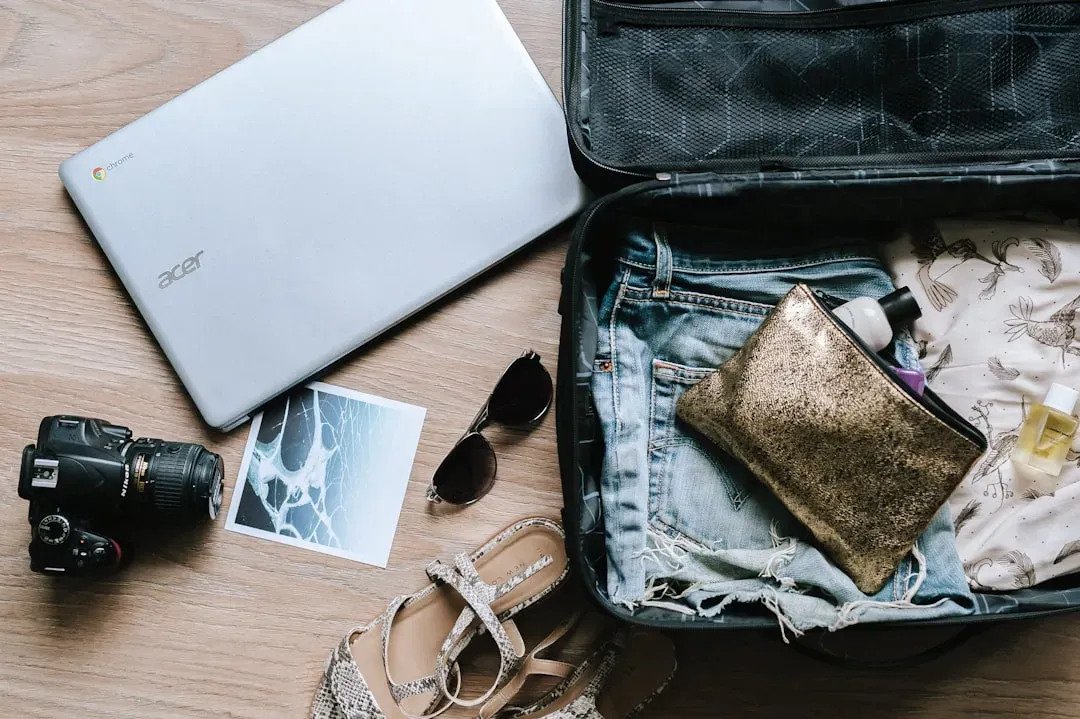
Compression packing cubes are great for saving space and organizing outfits by day or destination. On winter trips, swapping in vacuum-seal bags for coats and sweaters works well. Maximizing every inch of space means socks go in shoes, jewelry in pouches, and every nook gets used.
Handy items like compression sacs, packing cubes, and mesh bags are indispensable tools that help keep things separate, within reach, and easy to repack. Determining which type of packing system you prefer and packing each type of item tightly in its own compartment means you won’t have to dig through your suitcase to find something. It sounds like a small detail, but staying organized across multiple cities genuinely reduces day-to-day friction.
Travel Documents, Cards, and Money
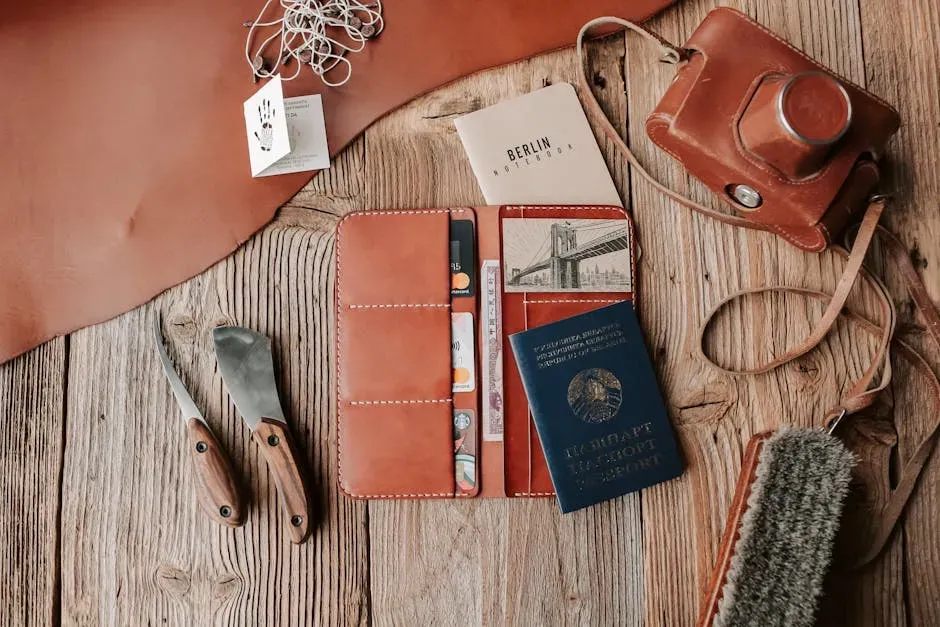
The most important items for a Europe trip are your travel documents, payment methods, and reservation details. Keep them organized and easily accessible, especially during transit days. These essentials matter more than any outfit because without them, your carefully packed wardrobe becomes a very stylish problem.
Bring along the credit cards you plan to use that don’t have foreign transaction fees. If you want to get cash out, be sure to have a debit card as well. Upgrading to tap-to-pay is a smart move. Keeping photos of all important documents on your phone in a dedicated folder means they’re always easily accessible.
Electronics and Power Adapters
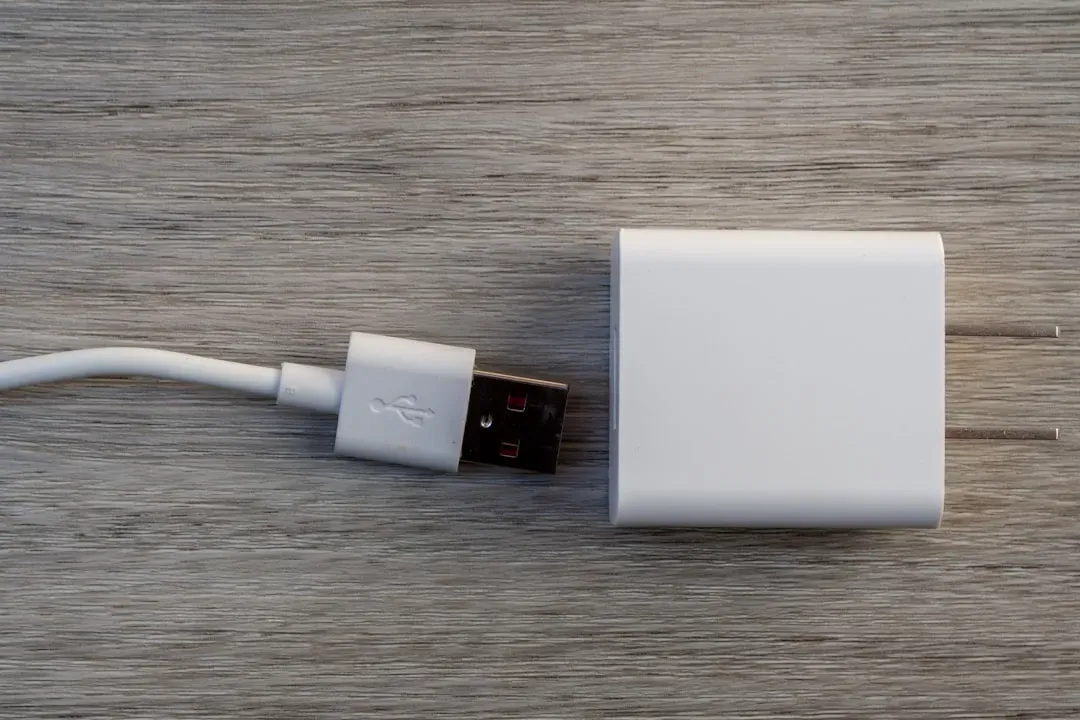
The wall outlets in Europe are different from those in the US. This makes bringing an international travel adapter a requirement if you want to charge your phone, laptop, power bank, and other devices. The UK and continental Europe use different plug types. If your trip includes both London and Rome, your adapter situation needs a little diplomacy.
Things like a Dyson Airwrap, steamer, or blow dryer won’t work even with a converter. Leave them behind and instead bring dual-voltage electronics. For most travelers, the key electronics for Europe are a phone, chargers, adapters, and a portable battery. Pack only what you’ll actually use every day. The aim is to stay connected, navigate easily, and keep devices powered without bringing an entire tech support department.
Security Essentials: Bags, Belts, and Luggage Trackers
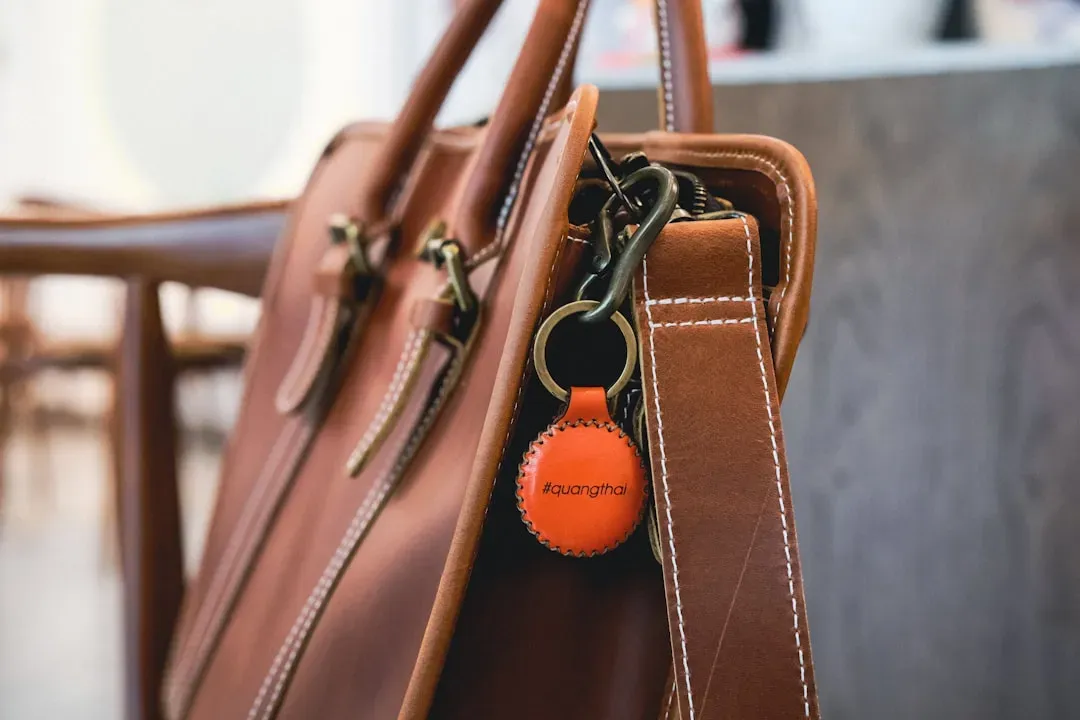
Bringing trendy tote bags to Europe is a common mistake. Pickpockets are real and have been spotted in action. For safety and security, opt for a crossbody bag with zippers. Tote bags are great for back home, but not ideal for crowded tourist attractions or public transportation.
Apple AirTag tracking devices are essential for travelers of all kinds, but especially for those who are checking a piece of luggage. As you’re packing your checked luggage, placing an AirTag inside lets you travel with the peace of mind of knowing where your belongings are at all stages of your journey. An additional security measure, such as a money belt, can protect your valuables. This way, you can relax and enjoy your surroundings, knowing your belongings are safe.
Toiletries, Medications, and Health Basics

Consider packing multi-use personal care products. A moisturizer with sun protection or a two-in-one shampoo and body wash can simplify your routine. These products save space and are incredibly convenient on the road. Many European countries are incredibly strict with their liquid restrictions, more so than TSA, so keep this in mind if you’re carrying on for your return flight.
Over-the-counter pain medicine like basic Tylenol is only available from a pharmacy in Europe. It isn’t a big problem, but it’s nice to have a few pills on hand. Prescription drugs should be kept in their original bottle or box in case you’re asked to prove the medicine is yours. Make sure you have enough medicine to cover your entire trip since it might be hard to get any refills.
Layering for Europe’s Unpredictable Weather
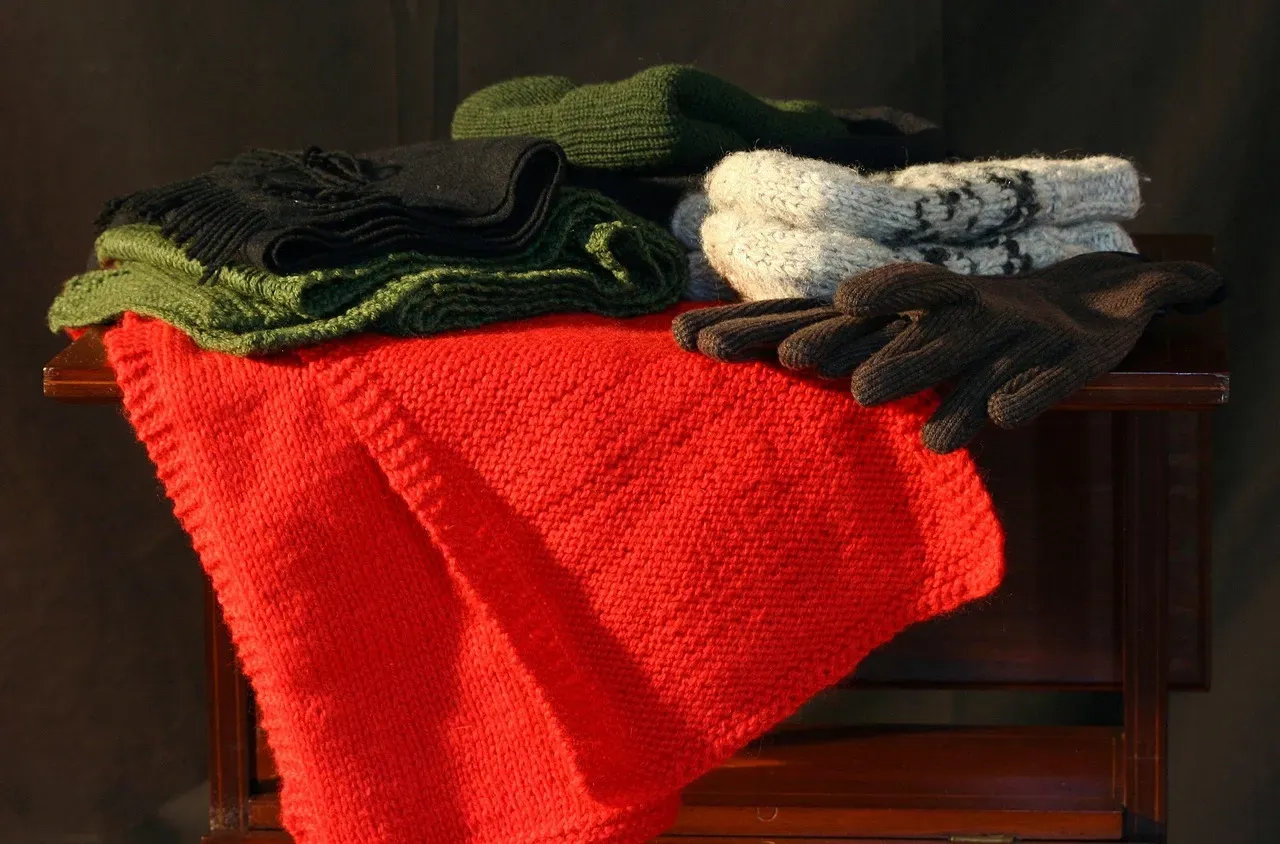
Europe’s weather changes fast, especially between coasts, mountains, and the Mediterranean. Using the season as your baseline and then adding region-specific extras is wise. For Northern Europe including the Nordics, Iceland, and the Baltics, pack a packable puffer, warm mid-layer, beanie, and light gloves. For Western and Central Europe including the UK, France, Germany, and Switzerland, a waterproof shell and compact umbrella alongside water-resistant footwear is the right approach.
Leave bulky pieces at home and opt for lighter pieces you can layer. Layering will save you space and give you more options for dressing, particularly in places like Europe, where the weather changes frequently. Summer often requires light fabrics and sun protection, while winter calls for warm layers and waterproof gear. In spring and fall, layering is the key to staying comfortable throughout the day. Getting this right is less about predicting the forecast and more about building flexibility into your wardrobe from the start.