There’s a particular kind of regret that doesn’t announce itself all at once. It builds slowly, over years of overlooked warning signs and habits that felt harmless in the moment. For many men past 50, that regret tends to circle back to the same handful of choices: things they kept doing long after their bodies and minds had quietly started pushing back.
Beginning around age 50, a man’s body starts becoming more susceptible to ailments and disorders that can derail health, happiness, and even life itself. The tricky part is that most of the habits on this list don’t feel dangerous. They feel normal. That’s exactly what makes them worth a harder look.
1. Drinking at the Same Rate as in Their 30s

Aging affects how the body responds to alcohol, and specifically increases the brain’s sensitivity to its effects. This means that drinking at levels older adults managed when they were younger can now pose more substantial health risks. That’s not a minor adjustment. The math genuinely changes, and many men don’t realize it until something goes wrong.
Research tracking men over a six-year follow-up found that very heavy drinking quadrupled the risk of developing functional impairments. A problem drinking history also increased the onset of depression, psychiatric problems, and memory loss in late middle age. Alcohol misuse can also increase the risk of, or worsen, medical conditions that are more common with aging, such as chronic pain, cardiovascular disease, diabetes, and respiratory infections. The body simply stops absorbing the consequences as quietly as it once did.
2. Living a Sedentary Life Without Realizing It
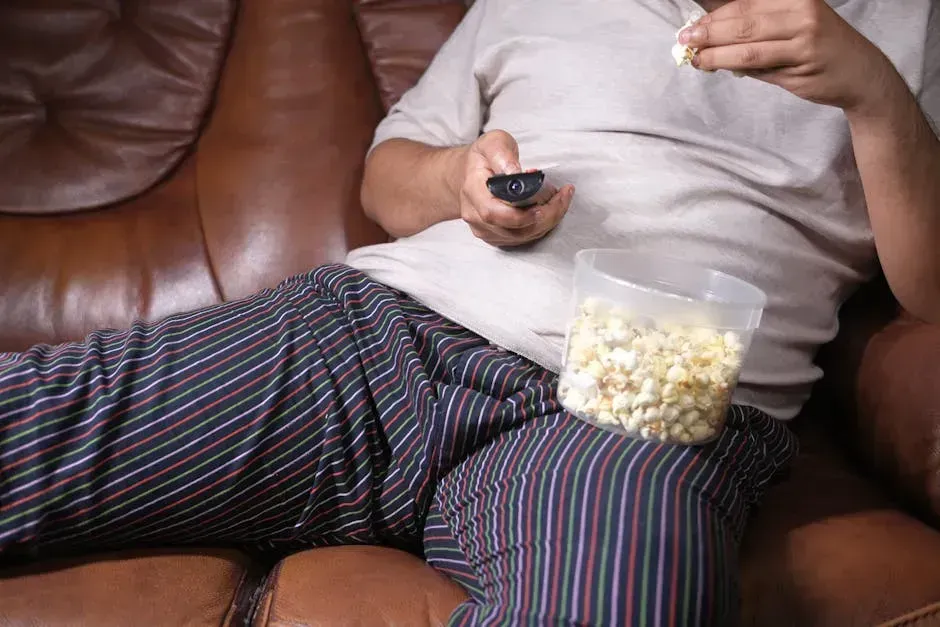
Prolonged sitting can have serious unintended consequences for health, with sitting time exceeding seven hours per day leading to a five percent increase in all-cause mortality with each additional hour spent sitting. That figure holds even when accounting for physical activity levels, which means the evening walk doesn’t fully cancel out a day spent at a desk.
A sedentary lifestyle with hours of sitting increases the risk of heart disease, obesity, and depression. As men age, they often become more sedentary, adopt poorer nutrition habits, have increased stress, and experience mental health decline. These factors lead to the development of more chronic health concerns. Inactivity isn’t a neutral baseline. It’s a slow compounding risk that most men underestimate precisely because the consequences don’t feel immediate.
3. Continuing to Smoke Past the Point of No Return

If you smoke, kicking the habit is the single most important thing you can do to improve your health. This remains true at 50, 55, and beyond, even for men who have smoked for decades. The body’s capacity for recovery is more resilient than most people assume once they’re past midlife.
Approximately ten years after smoking cessation, stroke mortality declines by a substantial margin, mortality from myocardial infarction drops significantly, cancer-related mortality decreases considerably, and the rate of chronic obstructive pulmonary disease hospitalizations also falls. The incidence of erectile dysfunction, a men’s health concern often left out of these conversations, is two times higher in smokers than in nonsmokers. Stopping later still matters. The window doesn’t close cleanly at any particular age.
4. Neglecting Muscle Mass as Though It’s Optional

Men on average lose roughly one to two percent of their muscle mass every year after they turn 50. That’s a slow erosion that barely registers in daily life until it does, usually when climbing stairs gets harder or recovering from injury takes twice as long as it should. Muscle isn’t just about how you look. It’s infrastructure.
In a nationally representative sample of adults aged 50 years and older, research found that low muscle strength was more strongly and significantly associated with all-cause mortality than low muscle mass alone. Metabolic changes, including insulin resistance, weight gain, and chronic inflammation, occur more frequently in men beyond age 50. While biological predisposition does play a role, lifestyle factors such as balanced nutrition and regular exercise are important in supporting metabolic health. Strength training isn’t something to take up eventually. It’s something to take up now.
5. Ignoring Poor Sleep as Though It’s Just Part of Getting Older
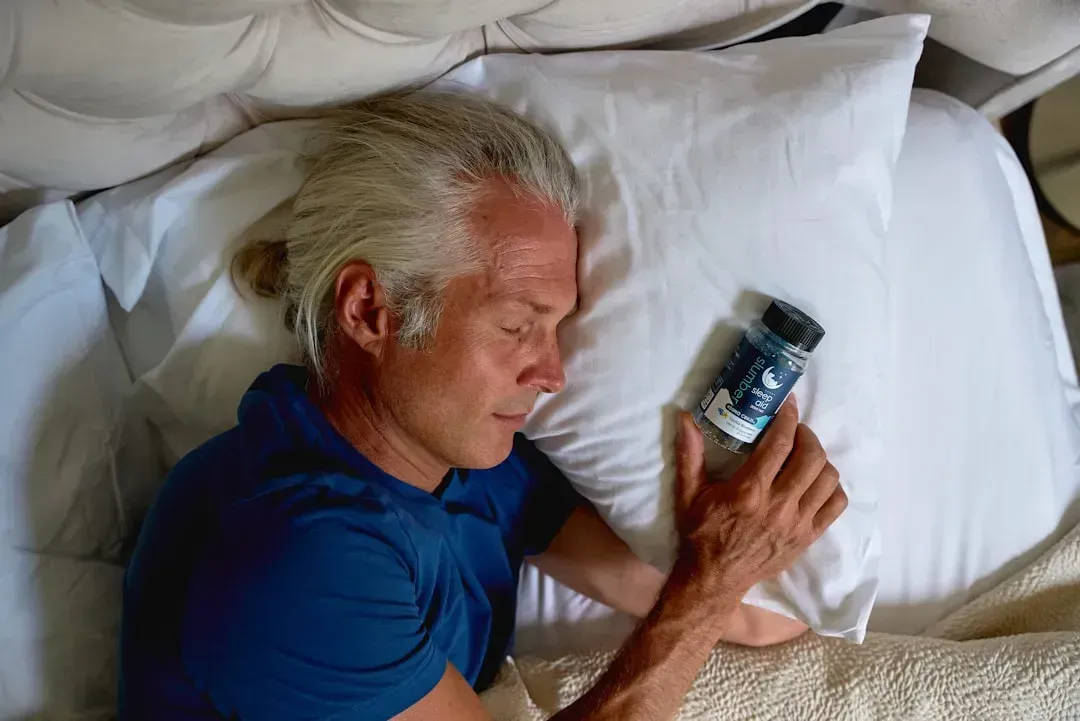
Chronic insomnia is a prevalent and disabling sleep disorder with growing evidence linking it to cardiovascular and cerebrovascular morbidity. Stroke, a leading cause of mortality and long-term disability worldwide, may be influenced by sleep disturbances through multiple physiological mechanisms. While traditional risk factors remain dominant, accumulating evidence suggests that sleep disturbances may act as independent risk factors for incident stroke.
Prolonged stress and sleep deprivation can trigger the hypothalamic-pituitary-adrenal axis, raising cortisol and other stress hormone levels. This sustained condition drives systemic inflammation, sympathetic overactivity, and metabolic dysregulation, all of which play an essential role in the development of cardiovascular diseases. Many adults experience problems with the duration and quality of their sleep as they age. These problems may lead some older adults to self-medicate with alcohol in an attempt to improve their sleep. Drinking to help with poor sleep, however, can actually make sleep problems worse. Poor sleep isn’t just a nuisance. It’s a lever that moves a lot of other health risks at once.
6. Withdrawing Socially and Calling It Contentment

More than four decades of research have documented robust evidence that lack of social connection, using measures of social isolation, is associated with increased risk of premature death from all causes, as well as other adverse health outcomes. Many men pull back from friendships and community as their careers wind down or their circumstances change, often framing it as simply preferring a quieter life. The distinction between chosen solitude and creeping isolation matters more than most realize.
Loneliness is related to increased risk of early mortality and cardiovascular disease, comparable to other well-established risk factors such as obesity or smoking. It has been linked to higher rates of incident cardiovascular disease, poorer patient outcomes, and early mortality from CVD. Social isolation and loneliness are also associated with poor dietary habits, poor sleep quality, and low physical activity, which may indirectly affect the risk of coronary heart disease. The habits compound. A man who withdraws socially is also more likely to stop moving, stop eating well, and stop sleeping properly. One slide tends to enable the others.
The common thread running through all six of these habits is that none of them feel urgent in the moment. That’s their particular danger. The body keeps functioning, life keeps moving forward, and the costs accumulate in the background. After 50, the margin for ignoring that quiet accumulation gets noticeably thinner.