
Retirement is supposed to bring relief. After decades of commuting, deadlines, and disciplined saving, the finish line feels like the beginning of something genuinely good. The money is there, the time is finally there, and the temptation to spend on long-delayed dreams is completely understandable.
Persistent, rising healthcare costs coupled with longer lifespans are driving a sharp rise in retirement anxiety, and research from MetLife’s 2026 study found that more than half of pre-retirees worry about running out of money in their defined contribution plan. What makes this particularly difficult is that some of that anxiety traces directly back to purchases made in the very first months of retirement, when savings felt most plentiful and the urge to celebrate felt most justified.
1. Boats

Financial advisors have a saying about boat ownership: there are two best days in a boat owner’s life, the day you buy it and the day you sell it. That dark humor reflects a harsh financial reality that many retirees discover too late. The appeal is easy to understand. Water, open skies, and the freedom to drift wherever you want sounds like the definition of a stress-free retirement.
Annual expenses add up quickly and relentlessly. Marina fees, winter storage, insurance, and routine maintenance easily reach $5,000 to $10,000 every year, and these costs hit your budget whether you use the boat or not. For most owners, boats sit unused for the majority of the year, making them one of the least cost-effective purchases possible. What started as a dream of peaceful days on the water quietly becomes a recurring financial obligation that generates guilt every time the boat sits at the dock untouched.
2. Timeshares

Many retirees purchase timeshare properties with the idea of a guaranteed vacation spot to share with family and friends, but the reality is far less idyllic. Beyond the initial investment, buyers end up paying annual maintenance fees, utilities, and taxes, all of which can rapidly drain retirement savings. The sales pitch tends to be polished and persuasive, often delivered in resort settings designed to lower your guard.
Industry research confirms how poorly this purchase typically ages: roughly nine in ten timeshare owners ultimately regret their purchase, with yearly maintenance fees driving much of that regret. Annual fees average over $1,200 per owner, and nearly two thirds of timeshare owners also report difficulty booking the times and locations they actually prefer. The stress here isn’t just financial. It’s the loss of flexibility that retirement is supposed to provide.
3. A Luxury or Dream Car
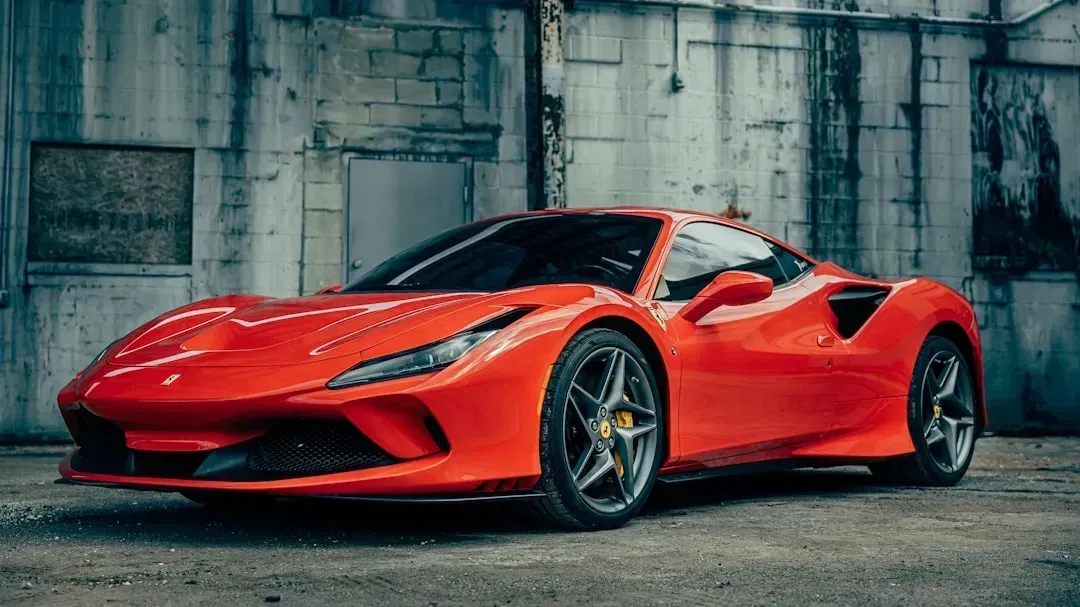
After years of driving practical vehicles, some retirees decide to treat themselves to the luxury car they’ve always wanted. The timing, though, can’t be worse. When income drops below working levels in retirement, taking on a monthly car loan means carrying debt at precisely the wrong moment in your financial life. The psychological payoff of owning that car often fades much faster than the payment schedule does.
Luxury vehicles costing tens of thousands of dollars or more typically demand premium fuel, higher insurance premiums, and maintenance costs that can be three times more expensive than those of standard vehicles. Specialized parts, dealership-only service requirements, and premium tires all chip away steadily at retirement savings. Financial experts consistently advise retirees against expensive luxury vehicles that might look impressive but come with great potential for significant depreciation. The fear creeps in slowly, usually after the second or third service bill arrives.
4. A Second Home or Vacation Property

Combining the costs of two mortgages can be genuinely overwhelming, and many retirees eventually find they would have preferred to designate a portion of their savings to travel rather than commit to a permanent destination. The idea of owning a mountain cabin or a beach cottage carries enormous romantic weight, especially after years of imagining it. The day-to-day reality, however, tells a different story.
Vacation homes require ongoing attention and management even when you’re not there, and maintenance issues don’t wait for your arrival. Long-distance property management adds another layer of expense and stress, and many retirees find themselves tied to visiting the same location repeatedly just to justify the investment, eliminating the very flexibility that makes retirement feel special. Rather than expanding your sense of freedom, a second property can quietly shrink it.
5. An Oversized Home Upgrade or Upsize
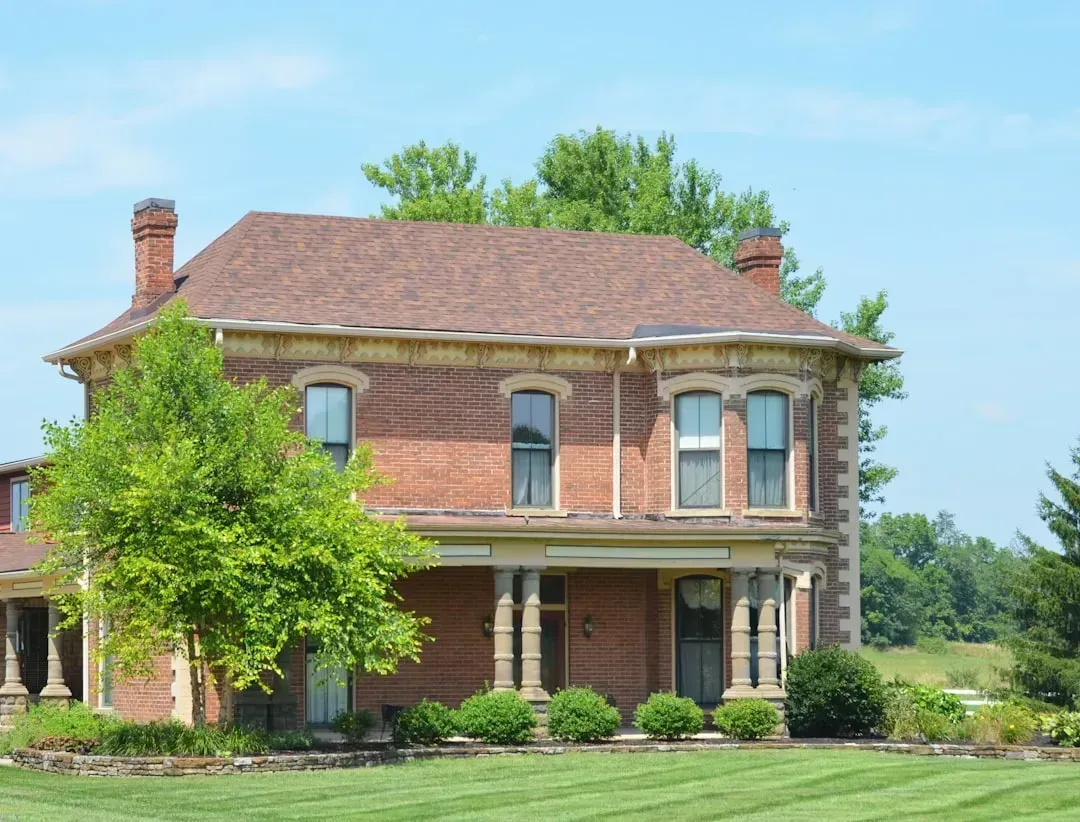
Retirees who have grown accustomed to upsizing throughout their working years often feel that reaching peak net worth at retirement makes it the right time to finally get that larger home. Generally speaking, though, that’s actually the worst time to do it. With children most likely out of the house, the extra space often goes unused except for occasional entertaining. The square footage that seemed appealing in the showroom becomes a quiet burden at home.
All the other expenses associated with a larger home increase too, from property taxes to heating bills to maintenance costs. At a time when the main source of income has been shut off, dramatically increasing household expenses is the last financial move a retiree wants to make. Doing an upgrade here and an upgrade there, home improvement enthusiasts may soon find they’ve blown through a large chunk of retirement cash, and that dream dwelling suddenly becomes a money pit at a time when less income is flowing in.
6. Large Financial Gifts to Adult Children

This particular regret hits differently because it comes from love rather than personal desire. Some retirees help adult children with down payments, cars, rent, or rescuing them from debt. The intentions are good, but the financial consequences can be devastating, as these major gifts often jeopardize retirement security, the one thing retirees can no longer rebuild once they’re out of the workforce.
It’s normal to want to help your kids regardless of how old they are, but giving too much can become a significant spending regret. Paying off adult children’s tuition or providing a down payment on a home can leave you financially stretched in the future, particularly on a fixed income. It can also create family tension if repayment is expected but never comes. The stress from this kind of purchase is particularly corrosive because it tends to involve both money and relationships at the same time.
7. RVs
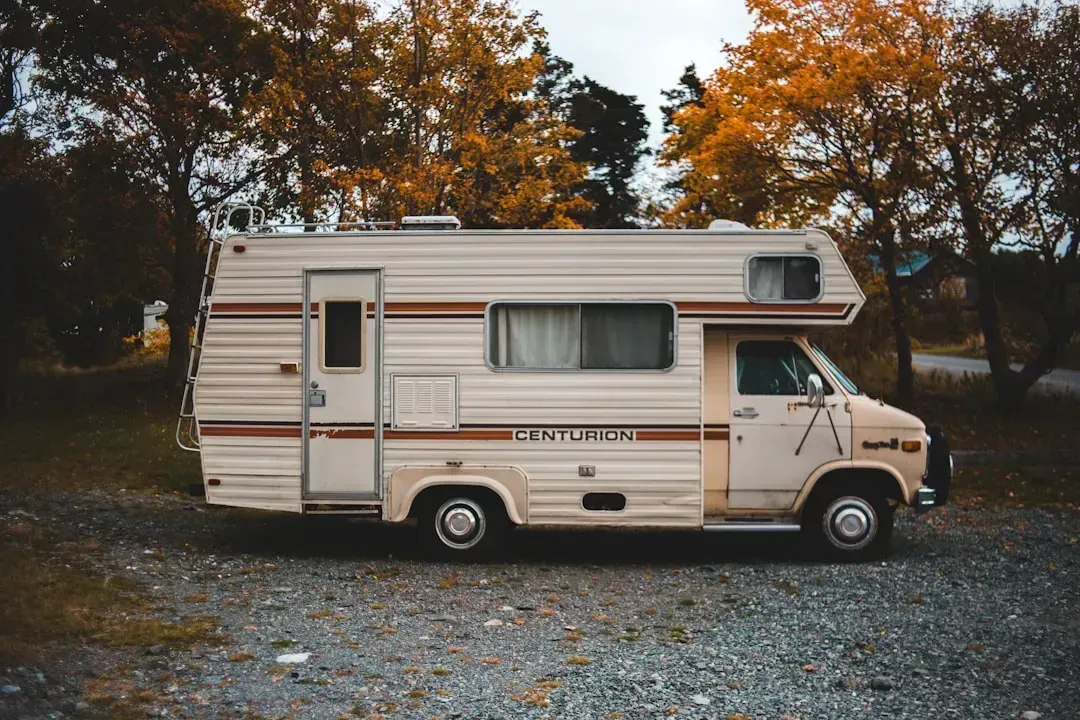
The freedom of the open road appeals deeply to retirees who envision exploring the country at their own pace. Unfortunately, RVs represent one of the fastest-depreciating assets you can buy, losing roughly a fifth of their value the moment you drive them off the dealer’s lot. The fantasy of slow travel through national parks collides quickly with a purchase that loses value almost by the month.
The depreciation continues steadily after that initial drop, with Class A motorhomes losing roughly three tenths of their value after just three years, Class C RVs losing close to two fifths of their value after five years, and fifth wheels losing nearly half their value over the same period. Storage fees, maintenance, and fuel consumption of just six to ten miles per gallon add thousands more to annual costs, and many retirees find that their dream of freedom becomes a financial drain that limits their actual freedom instead. The vehicle sits in a storage lot for most of the year, accumulating fees while simultaneously losing value.
Nearly half of America’s retirees say spending their retirement savings creates anxiety, and nearly a third are spending money faster than they expected. The purchases listed here share a common thread: they look like rewards but function like obligations. The stress they generate rarely shows up on the day of purchase. It arrives quietly, months later, in the form of ongoing costs, lost flexibility, and the slow realization that savings that were supposed to last decades are shrinking faster than planned. Awareness of these patterns is itself a form of protection.