
Improving your home is one of the most satisfying things you can do as a property owner. A new deck, a backyard studio, a remodeled kitchen – the vision is clear, the excitement is real. What’s less obvious is that some of the most popular upgrades can quietly cross legal lines that cost homeowners thousands of dollars, stall property sales, or drag them into disputes that take years to resolve.
The rules governing what you can and can’t do with your own home are layered – municipal codes, state laws, zoning ordinances, HOA documents – and they don’t always point in the same direction. Getting ahead of those rules before breaking ground is almost always cheaper than dealing with the fallout after. Here are six home upgrades that can send even well-meaning homeowners straight into legal trouble.
1. Structural Remodels and Room Additions Without Permits
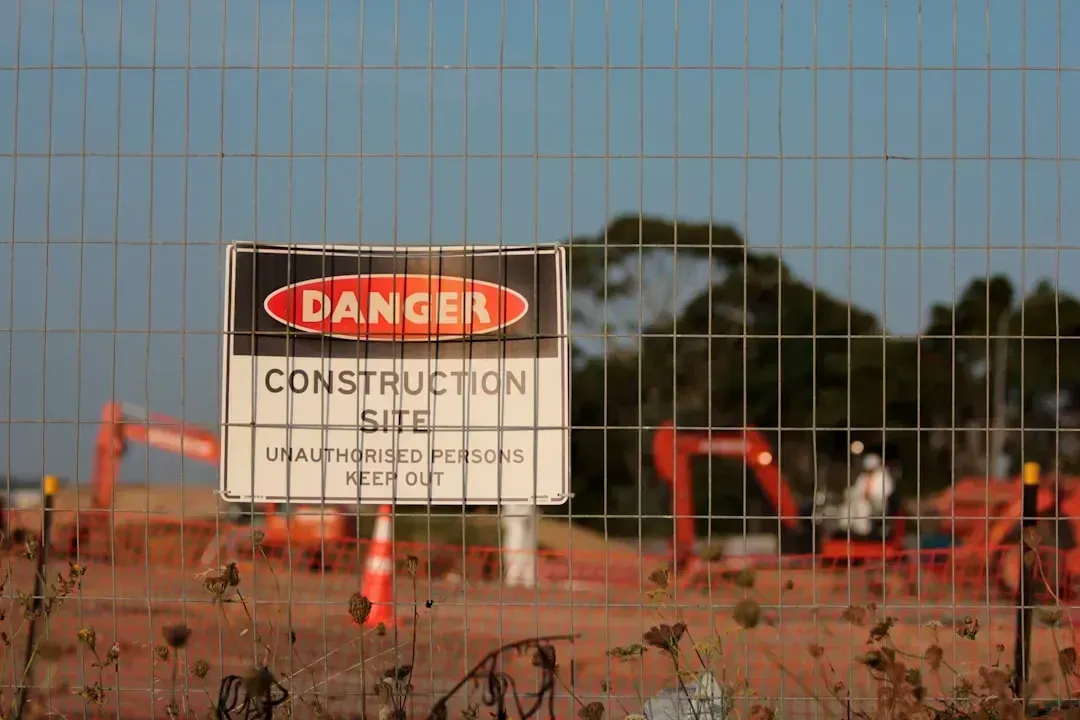
Unpermitted work refers to any renovations or repairs made to a home without obtaining the necessary permits and inspections from the local building department – and this can include anything from adding a new room or bathroom to replacing a roof or installing new electrical wiring. Many homeowners skip the permit process to save time or money, not fully grasping the exposure they’re creating for themselves down the road.
Financial penalties for unpermitted work can be substantial, often ranging from hundreds to thousands of dollars, and may be significantly higher than the original permit fees. Initial code violation fees alone might run between $350 and $600, potentially increasing to $1,200 to $1,500 if not paid within 30 days, with additional daily penalties of $100 to $500 until compliance is achieved. Worse still, a judge could order a homeowner to tear down the unpermitted structure entirely, forcing them to pay for demolition and lose the entire investment in the project.
2. Electrical and Plumbing Upgrades Done Off the Books
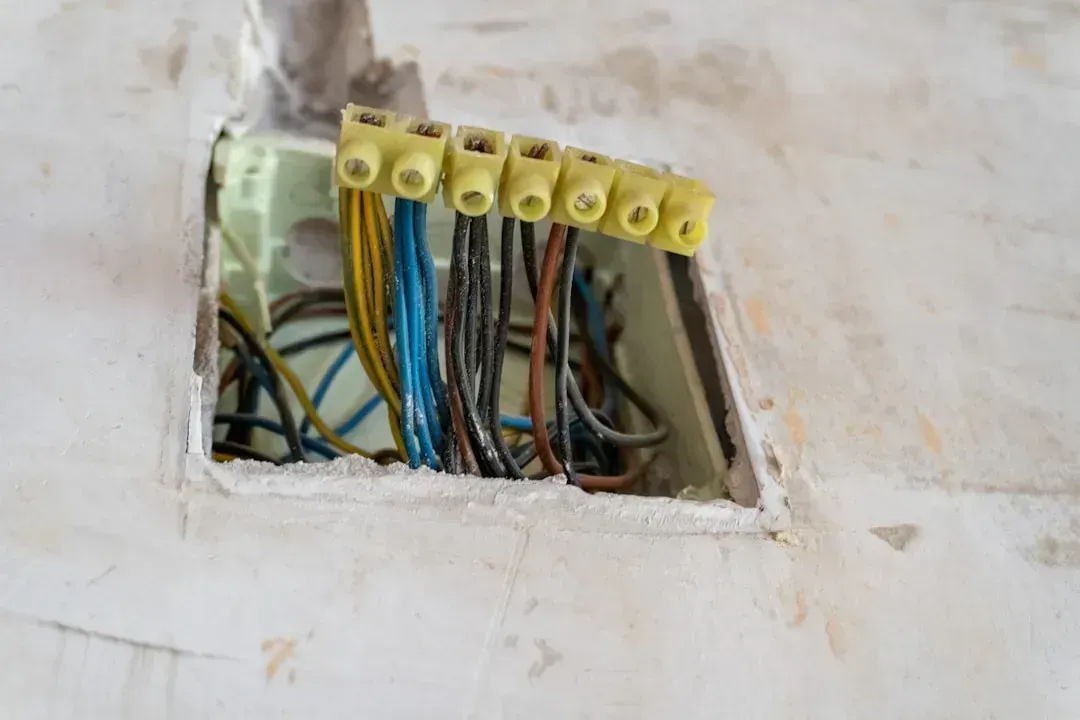
Unpermitted work poses serious safety hazards by bypassing inspections designed to ensure code compliance, potentially leading to structural instability, fire risks from faulty electrical work, or plumbing leaks. These aren’t abstract risks – they translate into direct financial and legal liability when something goes wrong inside the walls of a home that was never inspected.
Homeowners’ insurance policies may be voided, or claims denied, if damages are directly related to unpermitted construction. If a fire originates from unpermitted electrical wiring, the insurance company might refuse to cover the resulting damage, leaving the property owner responsible for all repair costs. Furthermore, if the insurance company becomes aware of an unauthorized project, they may decide to cancel coverage entirely, and securing new insurance can be challenging since insurers often share this type of information with one another.
3. Fence Installation That Crosses Property Lines or Violates Local Rules
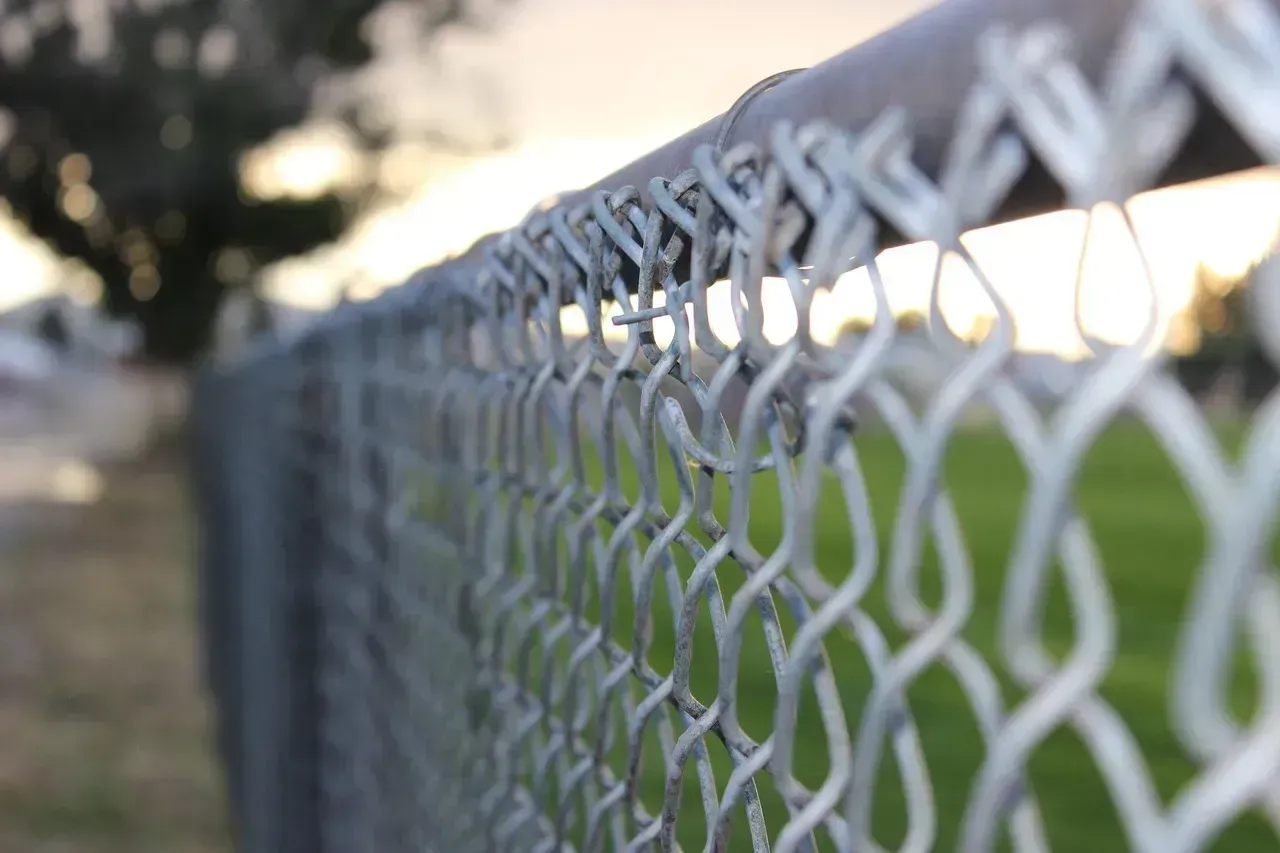
Improperly installed boundary fences can create costly legal headaches for property owners. While a fence may seem like a simple construction project, several important considerations should be made before digging that first post hole. An improperly placed division fence is a reliable way to start a neighborly dispute. If a fence encroaches upon neighboring property, the adjacent landowner can file a lawsuit, obtain a court order requiring the fence’s removal at the builder’s expense, and seek repair of any damage the fence may have caused to their property.
Encroaching fences can create adverse possession claims if left unaddressed, and property owners may lose land through “boundary by acquiescence” if they fail to object – encroachments can also complicate property sales and title insurance, and some encroachments violate setback requirements and building codes. Homeowners should check with their municipality or HOA to determine if there are any particular restrictions on fence type or maximum height. Some homeowner associations will only allow fences of a certain color or beneath a particular height, and failure to comply can result in an order to tear down the fence and erect one that meets HOA regulations.
4. Unpermitted Garage Conversions and Basement Finishing Projects
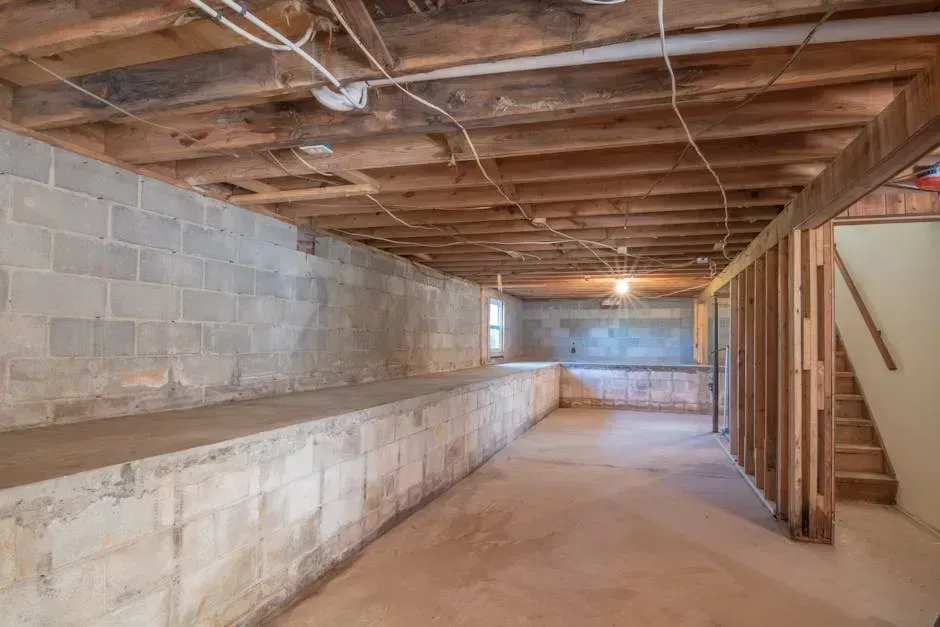
Unpermitted work can become a major liability when it’s time to sell or refinance a home. During the sales process, a homeowner is legally required to disclose any work done without permits – and this disclosure can scare off potential buyers who don’t want to inherit the problem, or it can give them powerful leverage to negotiate the price way down. Garage conversions and finished basements are among the most commonly unpermitted projects precisely because they feel like interior work, yet they routinely require structural, electrical, and egress permits.
If a finished basement or addition increased livable square footage, homeowners should also expect higher property taxes. In worst-case scenarios, cities require dismantling whole additions found lacking proper permits – and it’s an owner’s nightmare that could happen even years after purchase. When trying to refinance, an appraiser will assess the home’s value and condition, and if they spot work that isn’t on record with the city, the bank may refuse to issue a new loan, leaving the owner stuck.
5. Adding an ADU or Guest House Without Navigating Local Zoning Rules
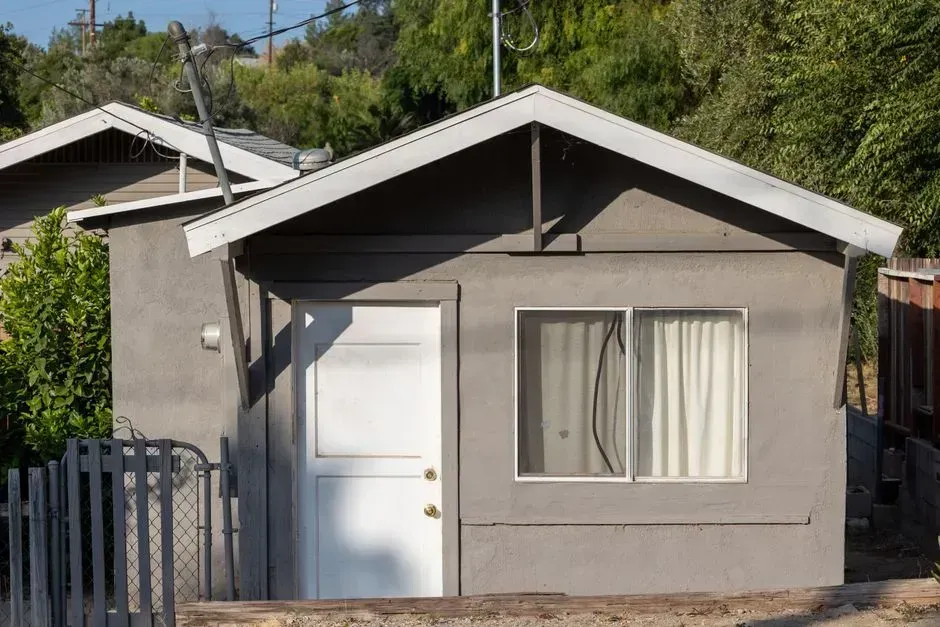
Renting an unpermitted accessory dwelling unit or violating zoning and building codes can result in $500 per day penalties, plus potential removal from all listing platforms. The appeal of building a backyard cottage or converting a garage into a rentable unit is understandable, but local rules around ADUs vary enormously from one city or county to the next, and the gap between what’s allowed and what’s prohibited is often wide enough to catch homeowners completely off guard.
Private deed restrictions and HOA covenants are not preempted by state ADU statutes. If an HOA declaration prohibits accessory structures, a homeowner cannot build an ADU even if the city’s zoning allows it – and Florida courts consistently uphold properly recorded private deed restrictions over municipal zoning. Enforcement has increased significantly in recent years, and cities now use monitoring software to track listings and issue fines for unpermitted rentals.
6. Short-Term Rental Conversions That Violate Local Ordinances or HOA Rules

If a homeowner lives in a condominium, cooperative, or planned development, their use of the property is governed by deed-like restrictions commonly called CC&Rs or bylaws – these may bar short-term rentals entirely, or subject them to restrictions. Unlike zoning laws or local ordinances, CC&Rs are enforced by the homeowners’ association or coop board, which may impose fines on violators and place liens on the property to collect them.
Short-term rental violations involving unregistered Airbnb properties, or hosts exceeding an annual rental cap, can face fines up to $2,000 per day or double the nightly rate, whichever is higher. Operating a home as a short-term rental also creates additional insurance and liability considerations that property owners must address before beginning operations. Standard homeowners’ insurance policies typically do not cover short-term rental activities, requiring property owners to obtain additional coverage or specialized short-term rental insurance policies. The cost of getting this wrong can erase rental income for years.
Across all six of these upgrades, the through line is the same: what looks like a straightforward home improvement project is often tangled in layers of law that most homeowners haven’t read. Checking permit requirements, reviewing HOA documents, and confirming zoning rules before breaking ground isn’t just good practice – in many cases, it’s the difference between a smart investment and a prolonged legal headache.