
Every year, major research institutions publish data that quietly ranks the world’s cities on everything from crime rates and air quality to political stability and basic infrastructure. The Economist Intelligence Unit, Mercer, and Numbeo are among the most cited sources, drawing on hundreds of indicators across hundreds of cities. The results tend to be uncomfortable reading for the cities at the bottom.
What makes a city widely disliked is rarely just one thing. It’s the accumulation of failed systems, unchecked violence, chronic poverty, and in many cases, years of armed conflict that no urban policy can quickly undo. The twelve cities below appear repeatedly across recent rankings from 2024 through 2026, and their presence on this list is backed by consistent, measurable data.
1. Damascus, Syria
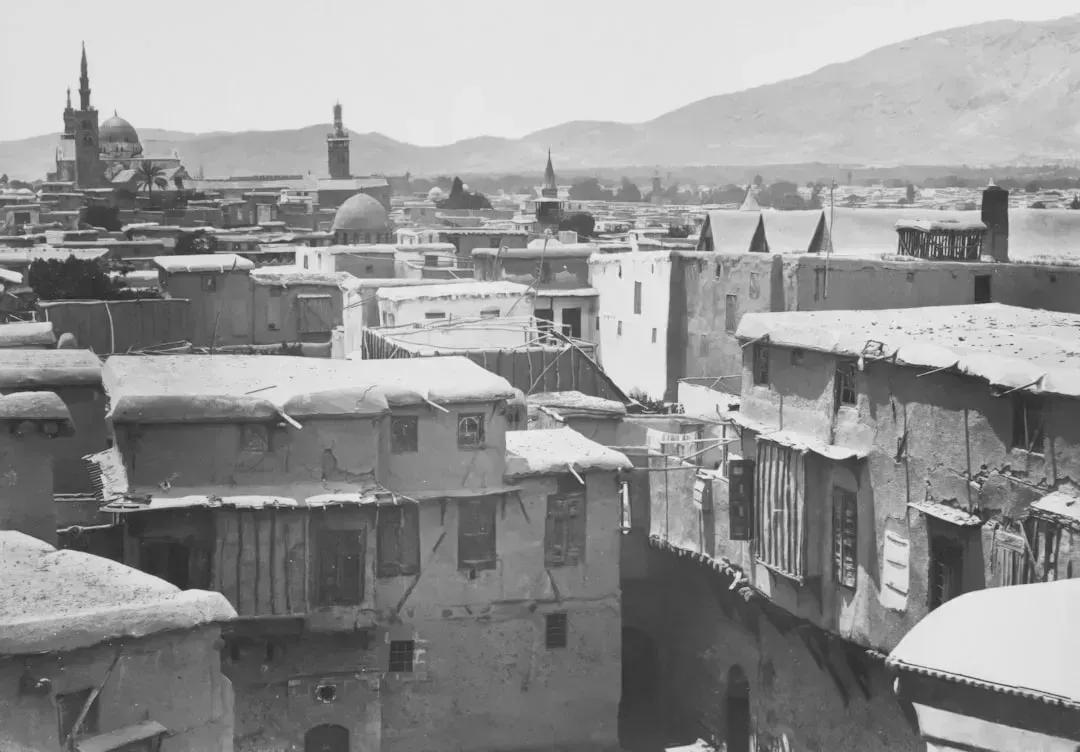
Damascus remains the world’s least livable city in 2025. Despite a dramatic regime change in Syria in late 2024, the effects of over a decade of civil war have left the capital with shattered infrastructure, limited access to healthcare, and low levels of public safety. With around 2.6 million residents, only roughly a third of roads remain functional, and the healthcare system is in disarray. Around three in five residents are food insecure, according to the World Food Programme.
Damascus has consistently ranked at the bottom of the Global Liveability Index. Decades of civil war have devastated infrastructure, undermined public services, and created persistent insecurity. The city struggles to provide reliable electricity, healthcare, or potable water, and ongoing violence still affects many neighborhoods. It has been at the bottom of the list since 2013, a record no city wants to hold.
2. Tripoli, Libya
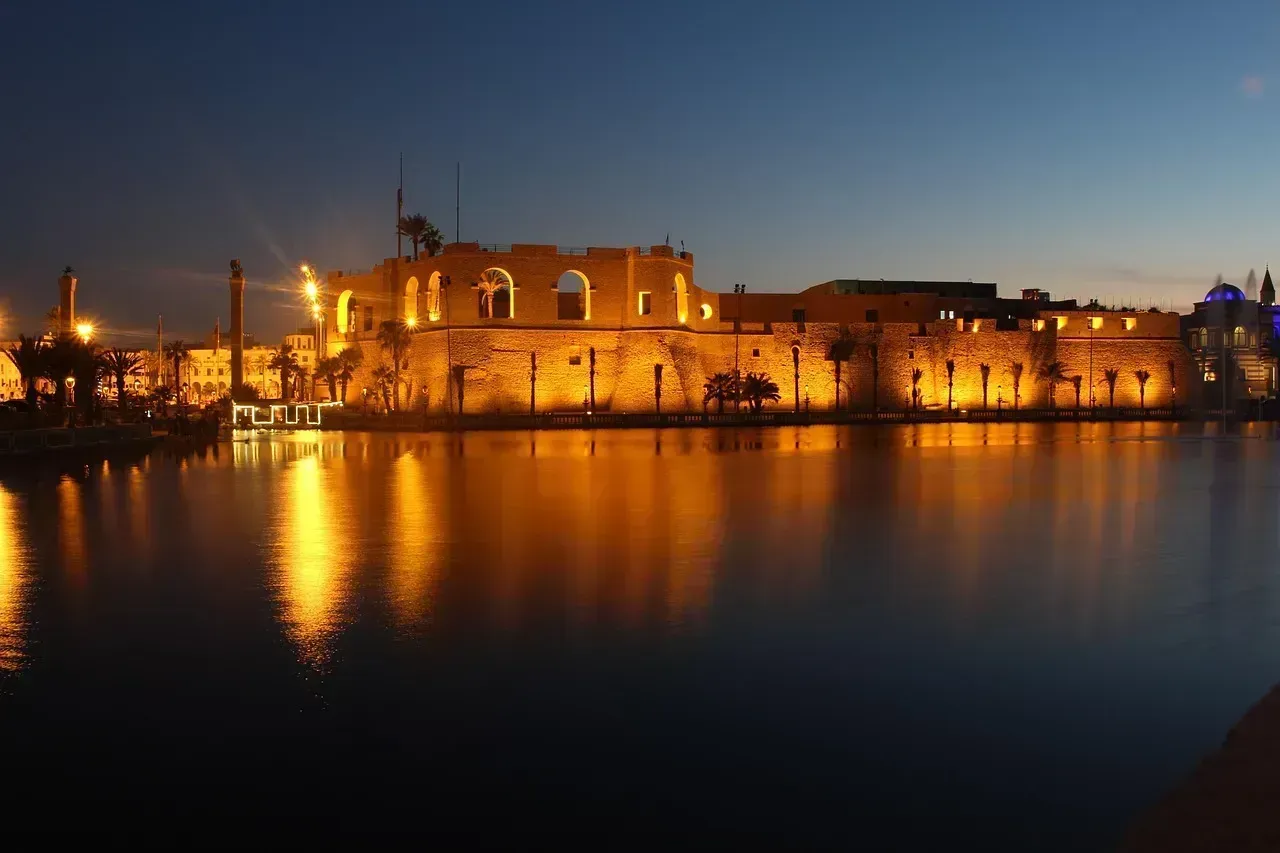
The overall score for Damascus is nearly 10 points lower than that of the next-worst city, Tripoli, Libya. Tripoli continues to struggle with political instability, factional fighting, and collapsed public services, and like Damascus, it showed no improvement over previous years. With around 1.2 million residents, Tripoli’s infrastructure and healthcare both remain fragile, and a large majority of residents report unreliable utilities.
Libya’s capital is still reeling from the aftermath of political instability and war. Tripoli struggles with inadequate public services, rampant crime, and a fragile economy. These issues not only impact locals but also deter potential migrants and expatriates, further diminishing the city’s vibrancy. The pattern of recurring militia skirmishes and contested governance makes meaningful recovery feel distant.
3. Algiers, Algeria
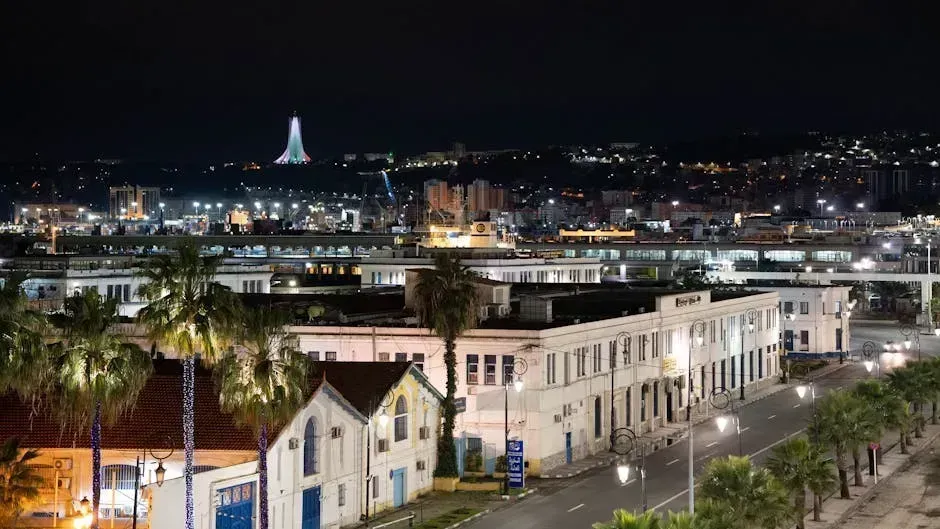
Although Algiers does not face the levels of violence seen in war-torn cities, it struggles with economic stagnation, underperforming infrastructure, and limited service delivery. Despite its Mediterranean coastline, the city suffers from poor public services and a struggling economy. High unemployment rates and subpar educational facilities have pushed Algiers down the list of livable cities.
Algiers confronts economic challenges exacerbated by political instability and social unrest. Infrastructure deficiencies, high unemployment, and limited opportunities contribute to its ranking among the least livable cities. Algiers scored 42.0 in the 2024 Global Liveability Index, a number that has moved little over recent years and reflects a city that has struggled to convert its economic resources into quality of life.
4. Lagos, Nigeria

Lagos ranked fourth in the 2025 EIU index, housing around 21 million people. The city faces extreme traffic congestion, with commutes averaging roughly three hours daily, alongside a strained healthcare system. Widespread poverty and environmental risks like flooding due to climate change further reduce livability.
Lagos, a major economic hub in Africa, faces serious challenges including traffic congestion, inadequate healthcare and education, and widespread poverty. Crime and environmental pollution further impact livability. The paradox of Lagos is hard to ignore: it’s simultaneously one of Africa’s most economically active cities and one of the world’s hardest to actually live in.
5. Karachi, Pakistan
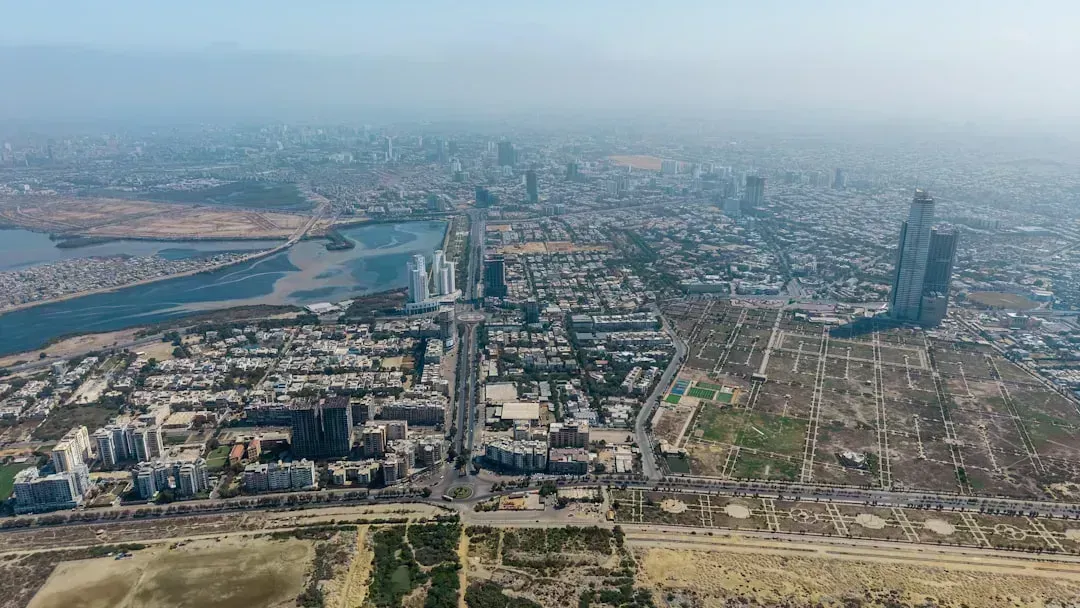
Karachi ranked fifth in the 2025 EIU index, home to around 16 million residents. The city struggles with political violence, water scarcity, with roughly two in five households lacking consistent water access, and inadequate sanitation. Karachi struggles with water scarcity, power shortages, chronic traffic problems, and underfunded public services. High crime rates and security risks contribute to instability, while governance issues and periods of political violence disrupt economic activity.
Karachi, Pakistan’s largest city, contends with issues such as political violence, crime, inadequate sanitation, and water scarcity. The city struggles to provide basic services to its sprawling population. Despite being Pakistan’s commercial engine, residents face chronic service failures that no amount of economic output seems to fix.
6. Dhaka, Bangladesh
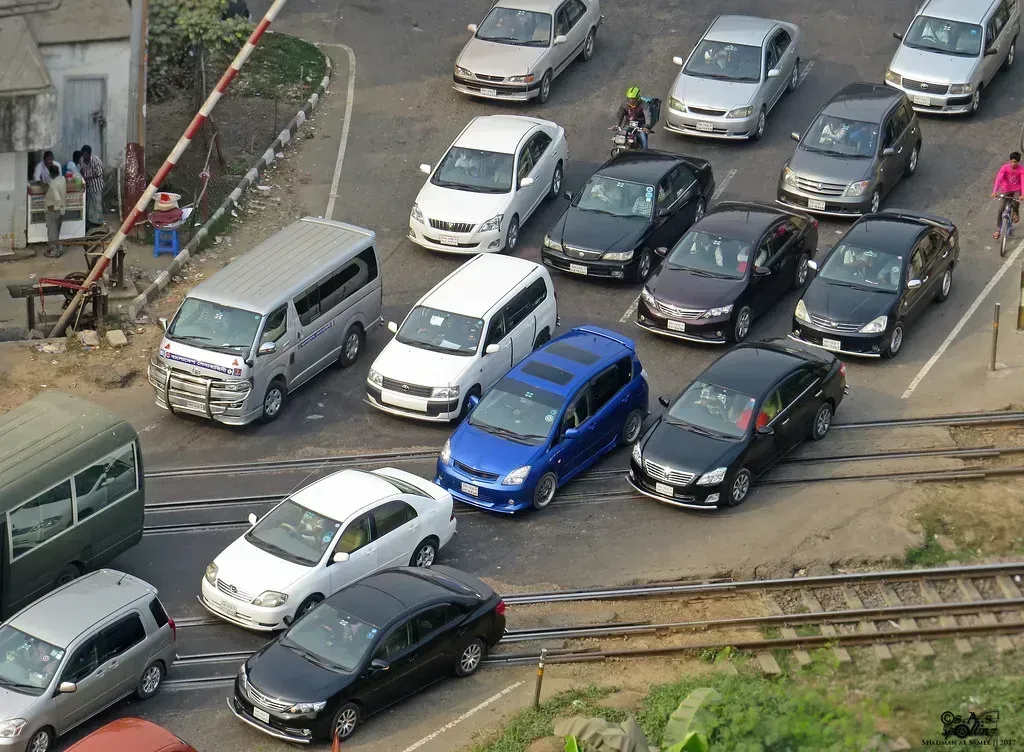
In the Economist Intelligence Unit’s Global Liveability Index 2025, Dhaka slipped three notches to 171st out of 173 cities, a consistent decline that exposes the capital’s deep-rooted urban dysfunction. While new infrastructure projects promise transformation, they have failed to address the city’s most pressing issues: unbreathable air, unending traffic gridlocks, overflowing sewage, fragile healthcare, and a near-total collapse in urban planning.
Rapid urbanization leads to severe traffic congestion and air pollution. Overpopulation strains resources, with roughly half of residents lacking clean water access. Healthcare and education systems are overstretched, and low stability scores make Dhaka a persistently challenging urban environment. Frequent flooding during monsoon seasons, clogged drainage systems, and worsening air quality exacerbate daily hardships, especially for low-income residents. Dhaka scores poorly on infrastructure and environmental health indicators.
7. Harare, Zimbabwe
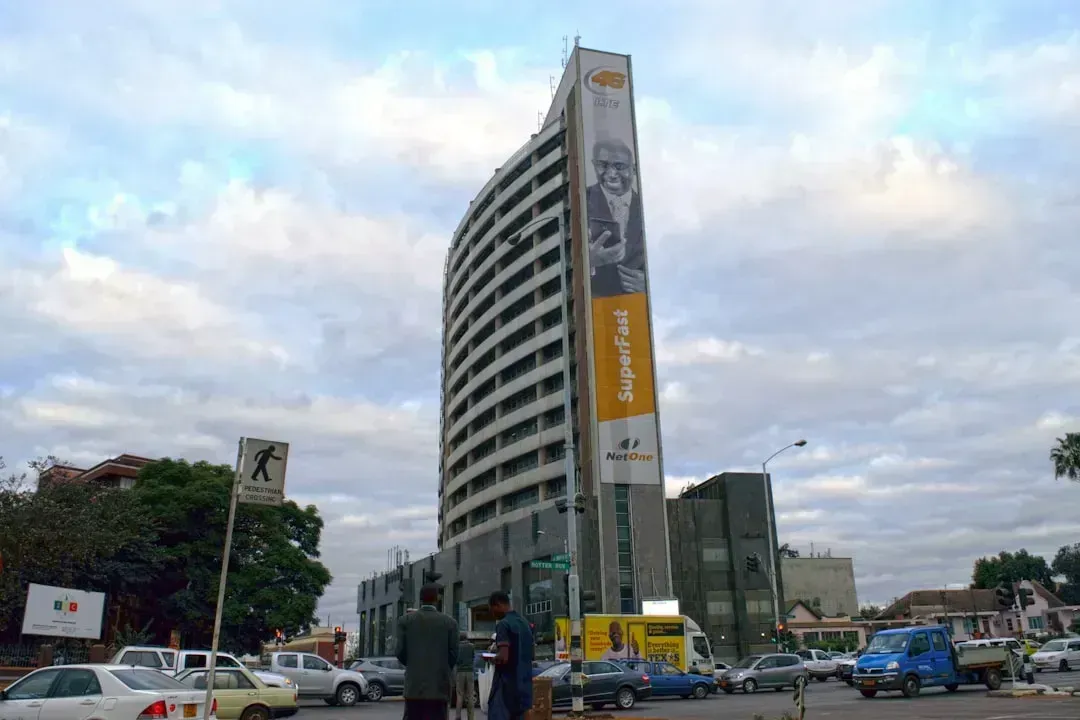
Once regarded as a prosperous city, Harare has descended into challenges related to government instability and economic downturns. The lack of access to basic services like healthcare and clean water has transformed daily life into a struggle for many of its residents. Harare scored 43.8 on the 2025 EIU index, with around 1.5 million residents facing economic instability and hyperinflation. Healthcare and infrastructure scores are severely limited, with frequent power outages. Shortages of essential goods and high unemployment further hinder livability.
Economic instability and political uncertainty characterize Harare. Inflation, shortages of essential goods, and unreliable public services make life difficult for its residents. There’s something particularly striking about a city that was, within living memory, considered one of sub-Saharan Africa’s more comfortable capitals, now ranking among the world’s worst.
8. Port Moresby, Papua New Guinea
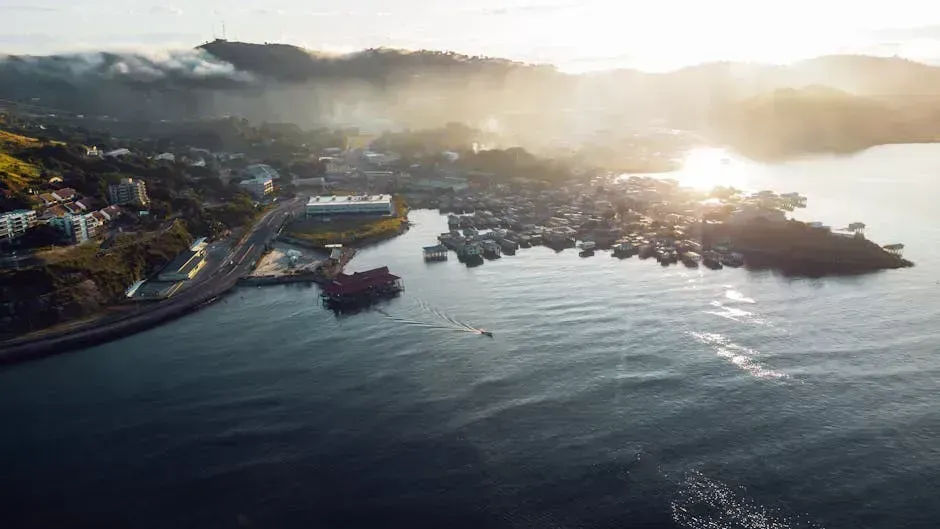
Port Moresby ranked eighth in the 2025 EIU index with a score of 44.1, home to around 500,000 residents. High crime rates, including violent theft, and a very low stability score create an unsafe environment. Limited healthcare access and poor infrastructure, with only roughly one in five roads paved, further reduce livability.
Port Moresby struggles with high crime rates, limited access to healthcare and education, and inadequate infrastructure. Poor urban planning exacerbates these issues, contributing to a challenging environment for residents. Port Moresby is considered to be the most dangerous city in Oceania. Its isolation from wealthier regional neighbors has done little to attract the investment needed to reverse its declining urban conditions.
9. Kyiv, Ukraine
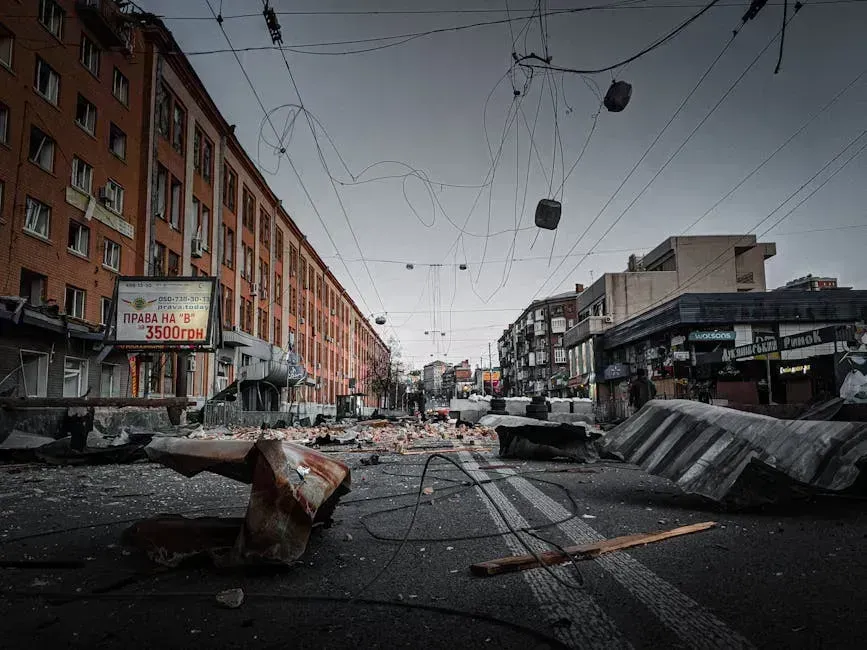
Kyiv continues to rank near the bottom amid Ukraine’s ongoing war with Russia, which has severely impacted its infrastructure and safety. Kyiv has been grappling with the aftermath of conflict and ongoing tensions. The city suffers from political instability, corruption, and economic difficulties, impacting infrastructure and public services.
Cities such as Damascus, Tripoli, Kyiv, and others face persistent instability due to conflict or internal strife. War and political volatility disrupt everyday life, damage infrastructure, and deter investment. In such contexts, safety becomes a daily concern and public services falter. Kyiv’s place on this list is unique among the twelve: it’s a city that was, not long ago, reasonably well-ranked, and its fall reflects the speed at which prolonged warfare can unravel decades of urban progress.
10. Caracas, Venezuela
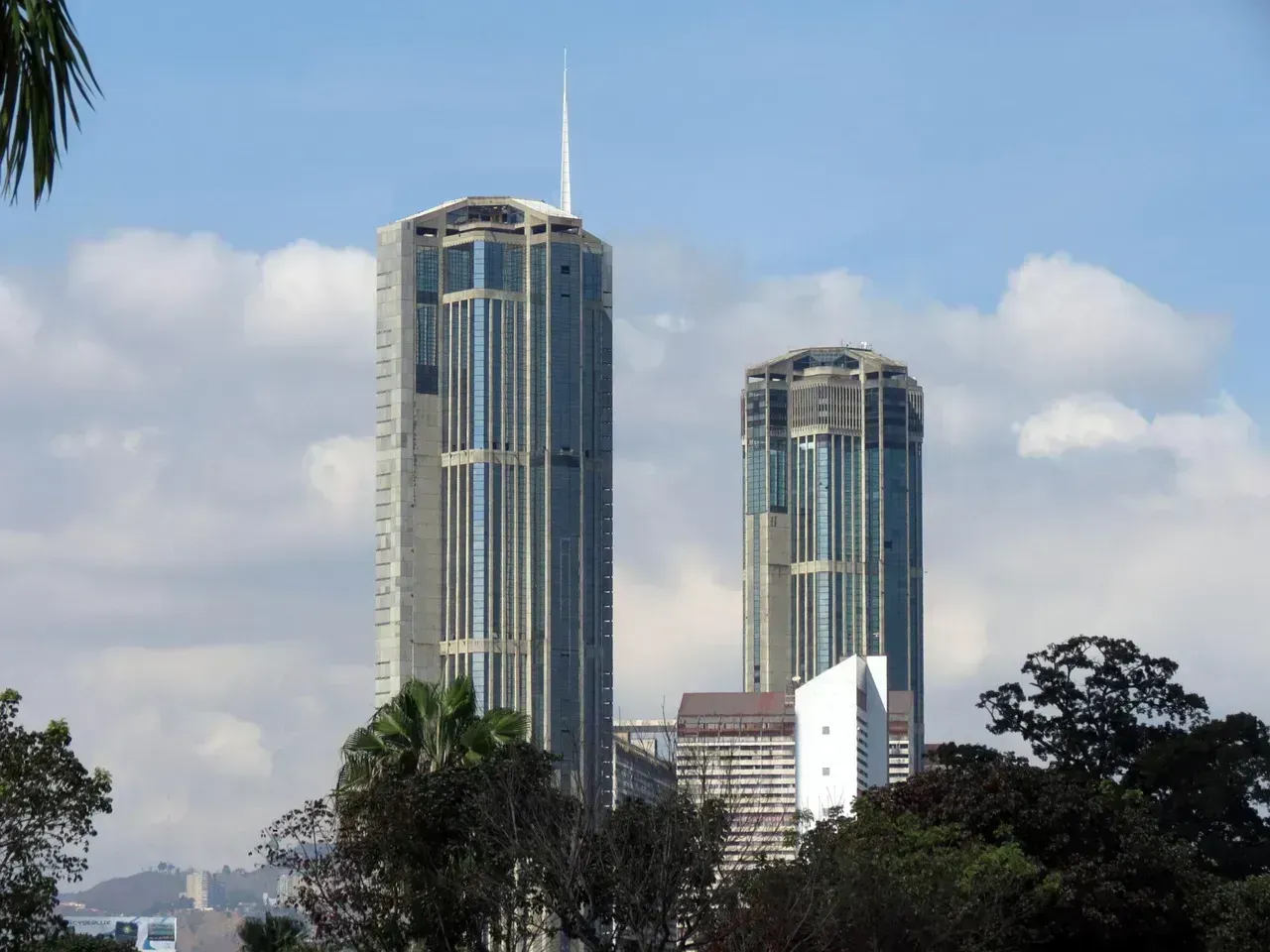
Caracas topped a 2024 Forbes study with a maximum danger score of 100 out of 100, marking it as the riskiest city for tourists globally. The Venezuelan Violence Observatory estimates 48.2 violent deaths per 100,000 residents in 2024, driven by armed robberies, carjackings, gang turf wars, and frequent police shoot-outs. Megabandas control hillside barrios, running kidnapping-for-ransom and extortion rackets that spill into middle-class districts.
The capital of Venezuela has become synonymous with economic crisis, hyperinflation, and political turmoil. The significant decline in public services, including healthcare and education, has pushed many residents to the brink, marking Caracas as one of the least livable cities in the world. The U.S. State Department’s Level-4 “Do Not Travel” alert cites pervasive homicide, kidnapping, and wrongful detention risks, underscoring Caracas’s reputation as a no-go zone for outsiders.
11. Pietermaritzburg, South Africa
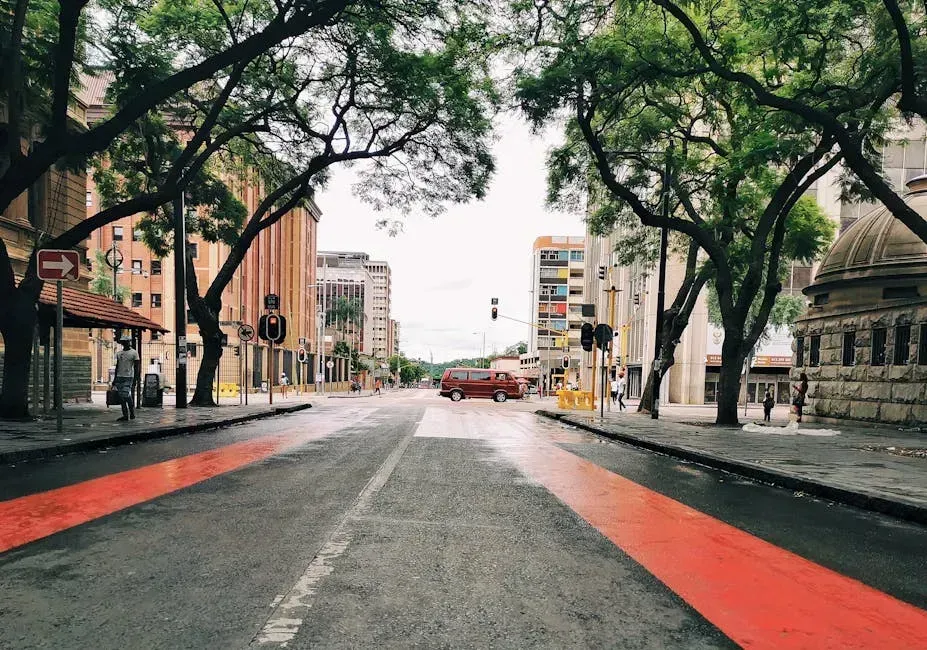
Pietermaritzburg tops Numbeo’s 2025 Crime Index at 82.0, reflecting chronic violence and insecurity across the KwaZulu-Natal capital. Residents routinely report armed robberies, home invasions, carjackings, and brazen daylight muggings, while drug dealing and gang activity intensify fear in poorer northern and western townships. Murder rates remain among South Africa’s highest, driven by entrenched poverty, youth unemployment, and strained, sometimes corrupt, policing.
In 2025, Pietermaritzburg in South Africa ranked as the world’s most dangerous city with a crime rate of 82 per 100,000 inhabitants. Even central landmarks experience smash-and-grab thefts that deter tourism. Persistent infrastructure failures and court backlogs further undermine deterrence, leaving communities trapped in anxiety. It’s a city whose crime problem has become genuinely hard to overstate, with data consistently placing it at the very top of global danger indexes.
12. Khartoum, Sudan
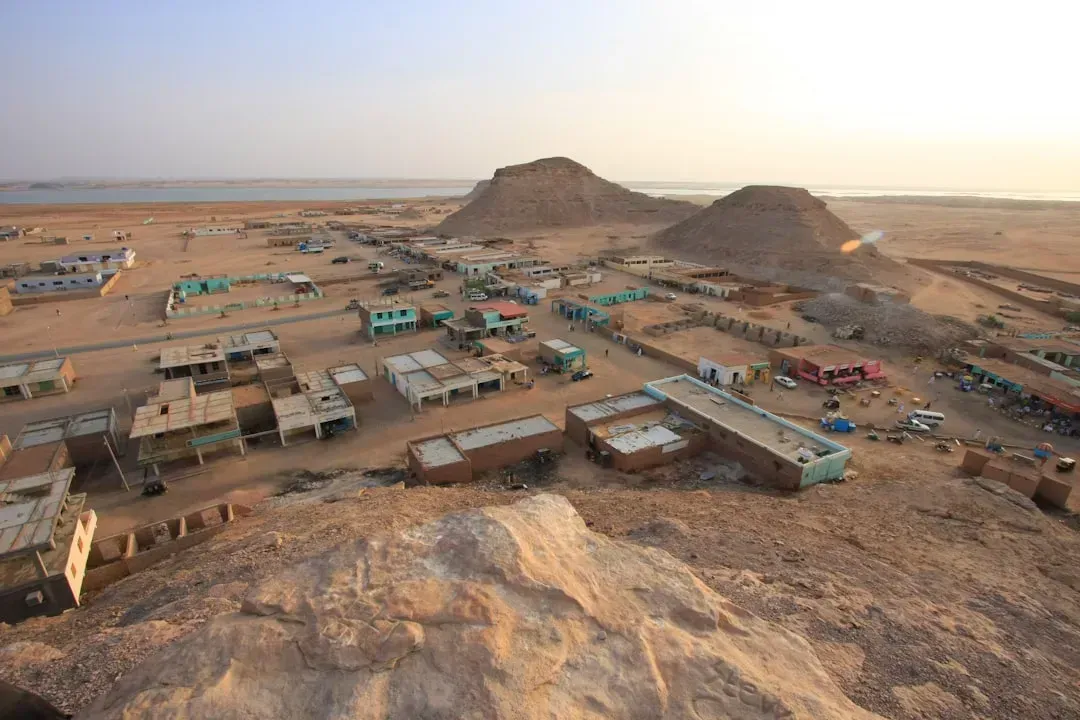
Khartoum ranked 241st out of 241 cities in Mercer’s 2024 Quality of Living City Ranking, placing it dead last in one of the most comprehensive assessments of urban conditions worldwide. The ten lowest-rated locations for quality of living included Khartoum, and the Quality of Living City Ranking considers factors such as political stability, healthcare, education, infrastructure, and socio-cultural environment.
The list of least livable cities reflects complex global challenges. These cities face a combination of conflict, economic instability, poor public services, and environmental stress that profoundly affects residents’ daily experience. Khartoum has endured a particularly brutal period since armed conflict erupted between Sudan’s two main military factions in 2023, leaving large parts of the city without functioning infrastructure and forcing millions to flee. Its appearance at the very bottom of Mercer’s global ranking is a direct reflection of how thoroughly that conflict has dismantled urban life.
What stands out across all twelve cities is that their struggles are not random. Economic instability undermines investments in public services and infrastructure. In cities like Caracas and Harare, years of recession, high inflation, and governance failures have weakened institutional capacity to provide basics like power, healthcare, and sanitation. Without economic stability, cities cannot maintain the systems that support a decent standard of living. The data tells a consistent story: where institutions fail, cities follow.