
Every city has its rough edges. Most travelers know to check a map, read a few reviews, and use common sense. But there are certain neighborhoods in the United States where even that basic preparation isn’t enough. These are places where locals don’t sugarcoat things. They’ll tell you plainly: don’t go there, don’t wander through at night, don’t treat it like a curiosity stop on your itinerary.
The neighborhoods below aren’t flagged lightly. They’re backed by crime data, FBI reports, and the consistent warnings that surface on local forums, Reddit threads, and travel communities alike. Crime is often clustered in specific neighborhoods or districts rather than spread evenly across a city, which is exactly what makes these particular pockets so significant. Each one tells a story about concentrated risk that visitors simply don’t see coming.
Kensington, Philadelphia, Pennsylvania

Kensington is arguably the most discussed dangerous neighborhood in the entire country right now. The East Coast’s largest open-air drug market, according to the Drug Enforcement Administration, Kensington has long symbolized deep-rooted dysfunction in a city that once served as America’s capital. The epicenter of the crisis sits near the intersection of Kensington and Allegheny Avenues, commonly known locally as “K&A,” where open drug use plays out in broad daylight in public parks and on sidewalks.
The crime rate in Kensington is roughly two hundred and seventy-five percent higher than the national average. That square mile was home to more than a third of Philadelphia’s reported drug-law violations in 2023. It was also the site of a quarter of 311 calls requesting help from the city’s opioid response unit. Locals are unambiguous: the area between Lehigh Avenue and Allegheny Avenue is where conditions are most dangerous, and visitors have no good reason to be there.
Frayser, Memphis, Tennessee
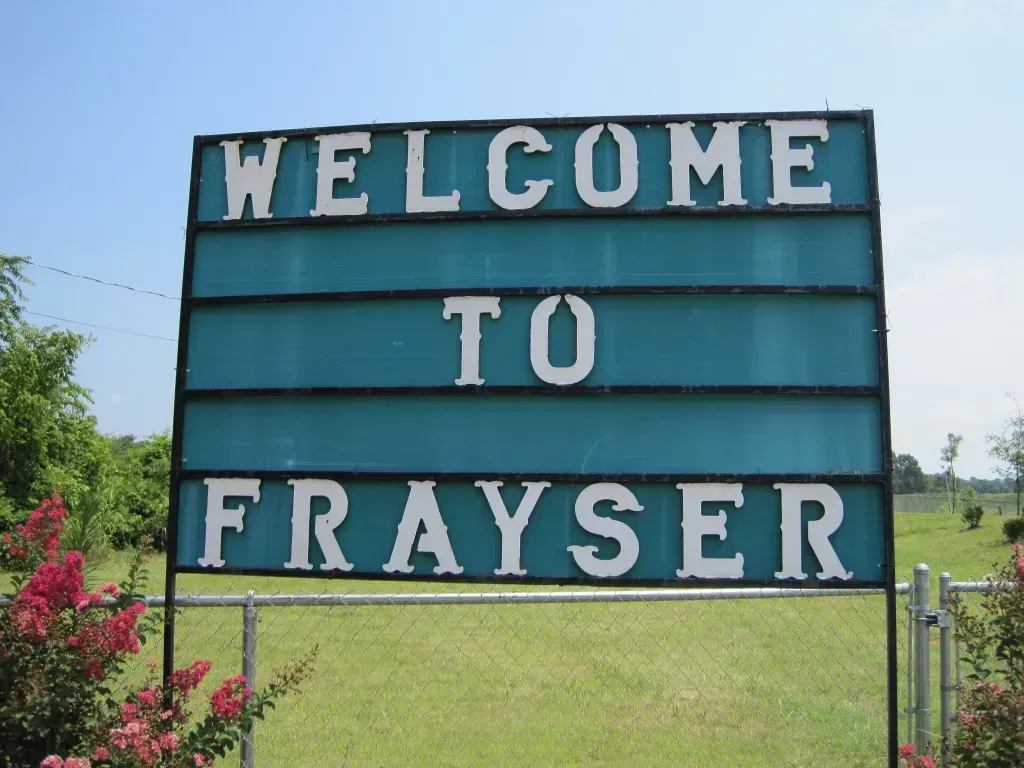
Memphis consistently ranks as one of the most dangerous large cities in the United States, and Frayser is the neighborhood that locals point to first when warning outsiders. Memphis recorded two thousand five hundred and one violent crimes per one hundred thousand residents in 2024, the highest violent crime rate among cities with populations over one hundred thousand. Frayser sits at the northern edge of the city and has been flagged as a high-concentration crime zone for years running.
Frayser is consistently among Memphis’s highest-crime areas, alongside Whitehaven in South Memphis and Orange Mound, where property crime rates exceed five thousand eight hundred per one hundred thousand in the most affected zones. According to the Memphis Police Department’s 2025 year-end report, specific improvements included a twenty-six percent drop in murders and a forty-eight percent plunge in carjackings, which is encouraging. Still, locals are clear that Frayser remains a place you don’t wander into without a specific purpose and a strong awareness of your surroundings.
North Side Districts, St. Louis, Missouri
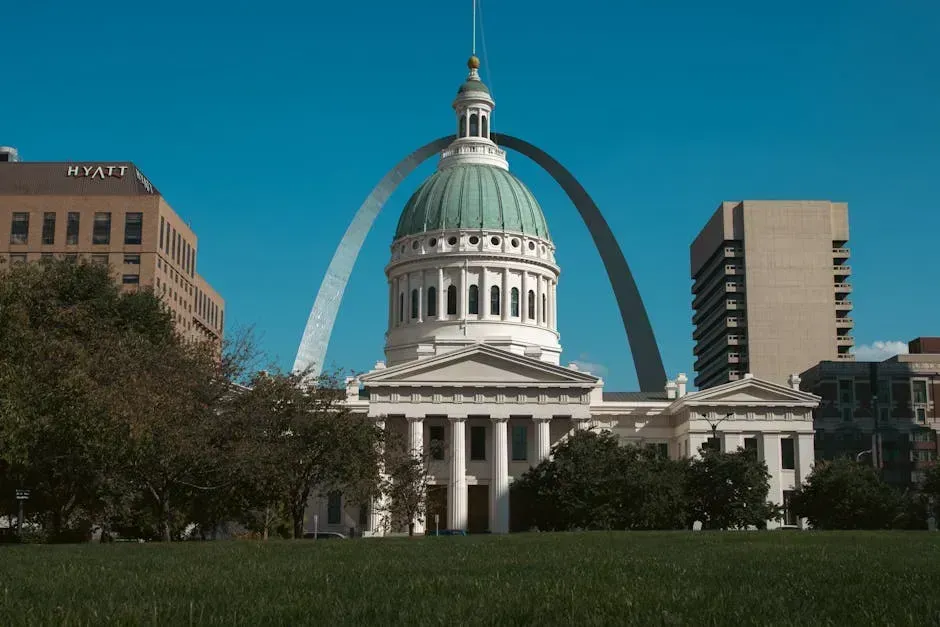
St. Louis has one of the most well-documented geographic divides in American urban life. The Delmar Divide, a single street, separates two drastically different lived realities in the city. North of Delmar, the city’s north-side districts carry violent crime rates that make the area one of the most hazardous in the country. Among medium-sized cities, St. Louis had the highest murder rate in 2024, and it remains notorious for its high homicide rate, ranking among the deadliest cities per capita.
Police heavily patrol the Ballpark Village and Gateway Arch corridor by day and make it tourist-friendly, but criminals spike vehicle break-ins and robberies after events and at night. The north-side neighborhoods, however, are a different story entirely. Homicide rates in St. Louis fell approximately twenty-two percent in the first half of 2025, the lowest mid-year murder numbers in more than a decade, but locals still advise outsiders to stick to known safe corridors and avoid venturing north without local knowledge.
Hunts Point, The Bronx, New York
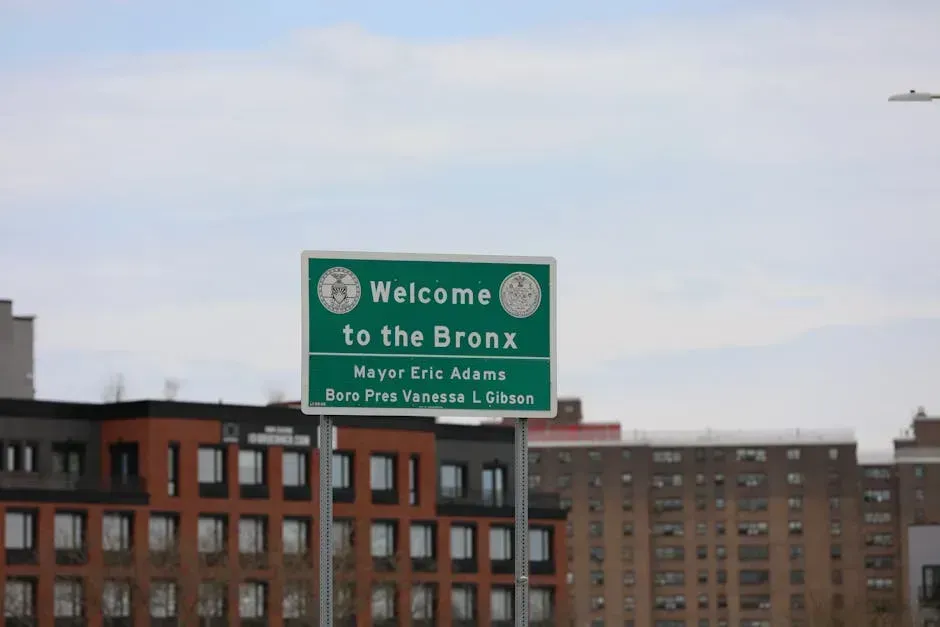
New York City carries a reputation for being far safer than it was in the 1980s and 1990s, and that’s largely true. Hunts Point is the exception that visitors keep bumping into. The most dangerous neighborhood in New York City is Hunts Point. Located in the Bronx, it’s one of the worst parts of New York due to prostitution and drug issues that run rampant in the area. Your chance of being a victim in Hunts Point is about one in twenty-two.
Hunts Point has long struggled with issues such as drug-related activities and prostitution, contributing to its reputation as one of New York City’s more dangerous neighborhoods. Approximately half of the area’s population lives below the poverty line, exacerbating these challenges. The violent crime rate in Hunts Point and Longwood was thirteen point six per one thousand residents, compared to the Bronx’s rate of eight point nine and New York City’s overall rate of five point one. Locals consistently steer visitors away, particularly after dark.
West Side Neighborhoods, Baltimore, Maryland
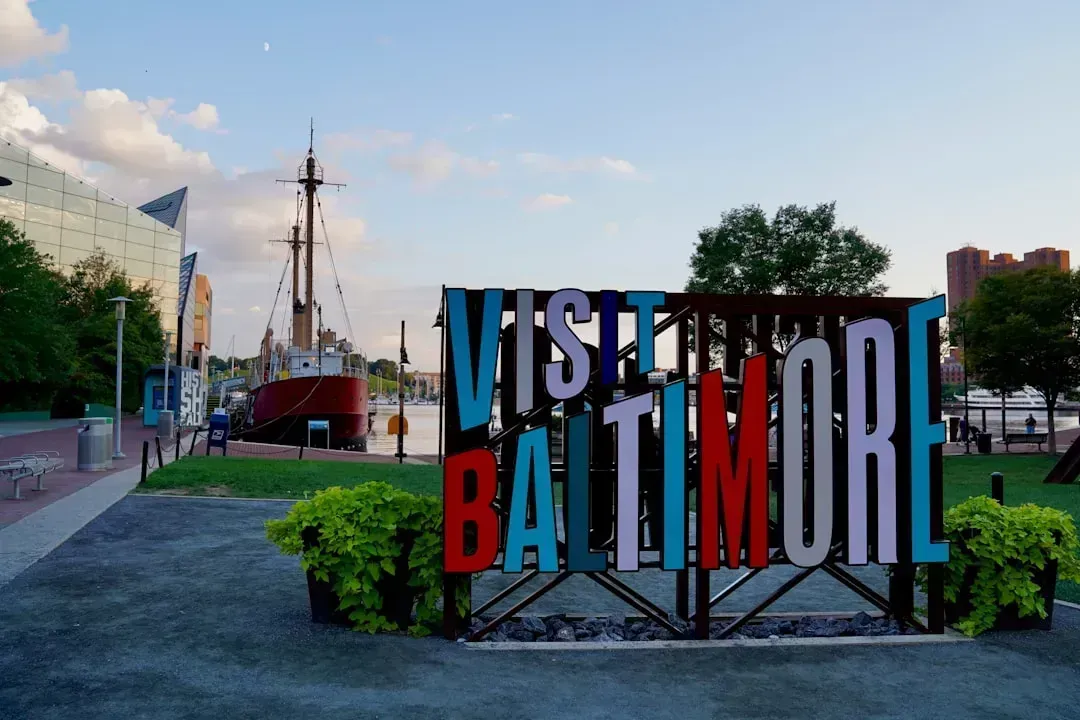
Baltimore is a city with genuine charm: the Inner Harbor, historic row houses, and a food scene that draws visitors from all over the mid-Atlantic. Its west-side neighborhoods tell a sharply different story. According to Numbeo’s Crime Index, Baltimore ranked as the third most dangerous city in the United States in 2025. The city’s violent crime rate is nearly five times the national average.
Central and west-side neighborhoods carry significantly higher risk after dark, while downtown and the Inner Harbor area are more secure due to visibility, foot traffic, and police presence. The city has made genuine strides in recent years. The homicide clearance rate jumped from about forty percent in 2020 to sixty-eight percent in 2024, a sharp increase in investigative effectiveness. Even so, Baltimore is among the cities reporting a twenty to thirty percent vacancy rate in its police force, which is one reason businesses in the area have accelerated investment in private security and professional monitoring services.
Ensley and Parts of West End, Birmingham, Alabama
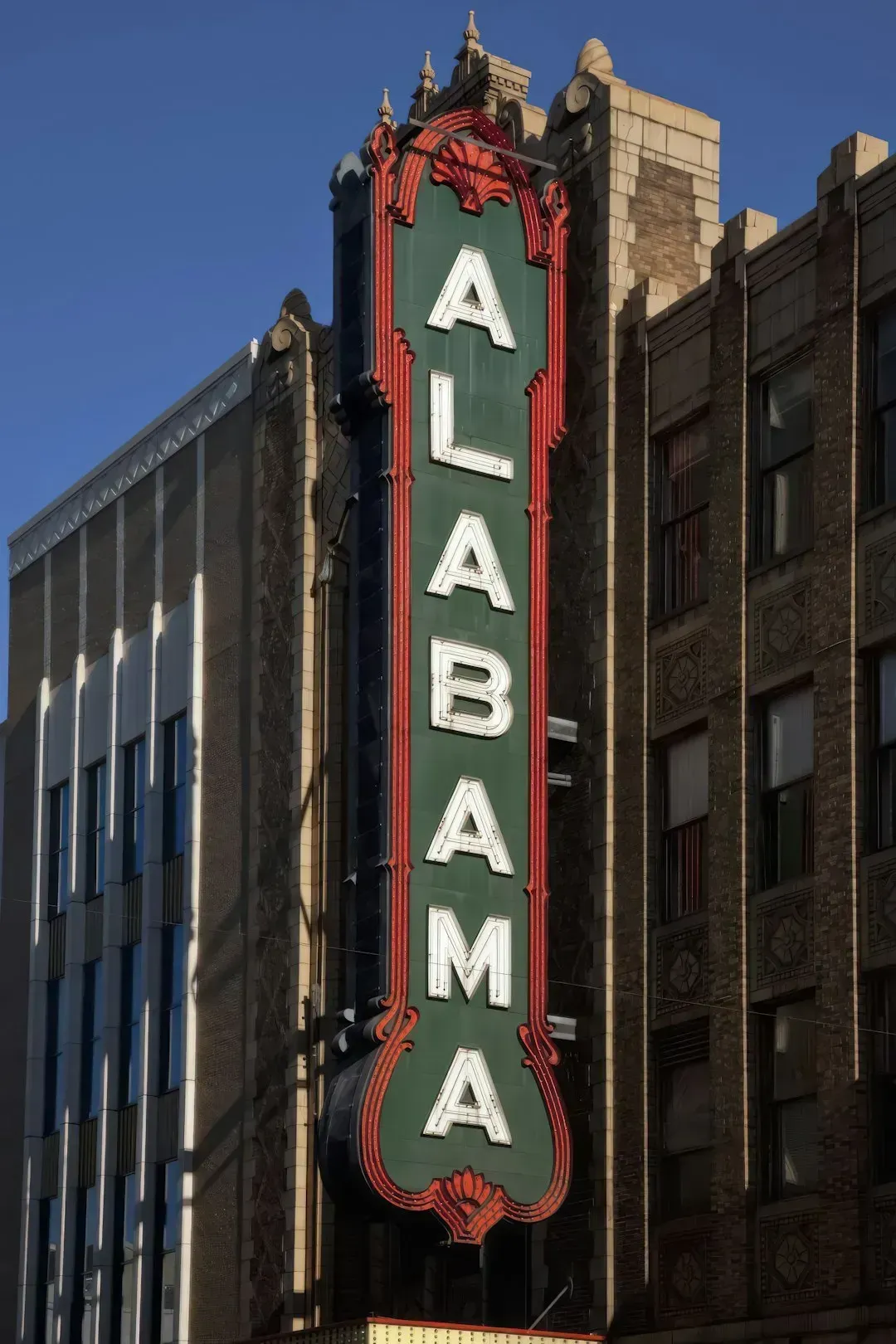
Birmingham doesn’t always dominate national headlines the way Detroit or Baltimore do, but locals there are no less direct about where you shouldn’t go. Violence concentrates in a handful of corridors, including Ensley, parts of the West End, parts of North Birmingham, and the Pratt-Thomas areas, while neighborhoods like Avondale, Mountain Brook, Homewood, and most of the city center are pleasant. The gap between those two realities is stark and largely invisible to first-time visitors.
Birmingham’s violent crime rate of one thousand six hundred and eighty-three per one hundred thousand and property crime rate of three thousand nine hundred and sixty-four per one hundred thousand are significant, with a crime cost per capita similar to other highly dangerous cities at around seven thousand nine hundred dollars. Birmingham’s high violent crime rate is driven primarily by aggravated assault, and the city is implementing multifaceted approaches, including crime-prevention education and improved community-police relations, to address these challenges. Progress is happening, but the affected corridors remain genuinely risky for anyone unfamiliar with their geography.
None of these neighborhoods exist in a vacuum. They reflect deeper challenges around poverty, economic disinvestment, and limited public resources that play out across many American cities. Nationally, reported levels of eleven of the thirteen offenses covered in major crime tracking reports were lower in 2025 than in 2024, with nine of those offenses declining by ten percent or more. That’s real progress. Still, neighborhood-level risk can diverge dramatically from citywide averages, and the warnings locals give about these six specific areas are grounded in daily lived reality, not just statistics on a page.