
Most people plan a trip with genuine excitement, imagining warm locals, new food, and memories worth keeping. What they don’t always expect is the cold shoulder, visible frustration from residents, or the sinking feeling that their presence is simply not wanted. Yet for millions of travelers, that is exactly what they come home describing.
Survey data collected between 2024 and 2026 paints a remarkably specific picture of where tourists feel least welcome and why. The reasons range from overtourism backlash and cultural friction to geopolitical tension and deeply embedded social norms that make outsiders feel like intruders. These seven countries appear repeatedly at the top of that list.
France: The Cold Shoulder Has Numbers Behind It Now
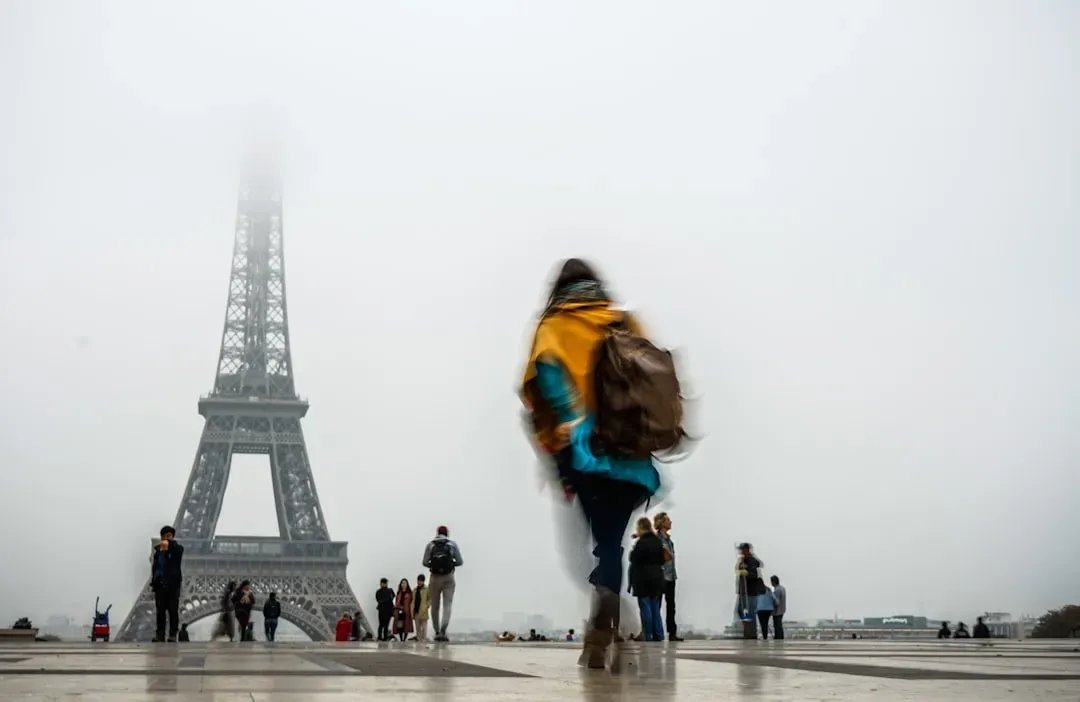
France leads the pack when Europeans call their own country unwelcoming to foreign visitors, with a 2025 Upgraded Points survey finding roughly fifteen percent of French respondents admitting outsiders aren’t always wanted, fueled by perceptions of loudness and entitlement. That figure is the highest of any European nation surveyed, and it’s not even close. U.S. favorability in France plunged 33 points by early 2025, tied directly to trade disputes and political tensions.
France topped one major survey with nearly 700 Reddit users agreeing about experiencing rudeness, particularly in Paris and Marseille. The City of Light’s reputation for dismissive attitudes toward tourists has become legendary, with countless visitors reporting cold shoulders from locals who seem annoyed by foreign presence. Service industry workers often display minimal enthusiasm for helping foreign visitors, creating transactional interactions that feel cold and unwelcoming. For many tourists, the gap between the dream of Paris and the reality of it is where the disappointment lives.
Japan: Record Visitors, Visibly Exhausted Locals
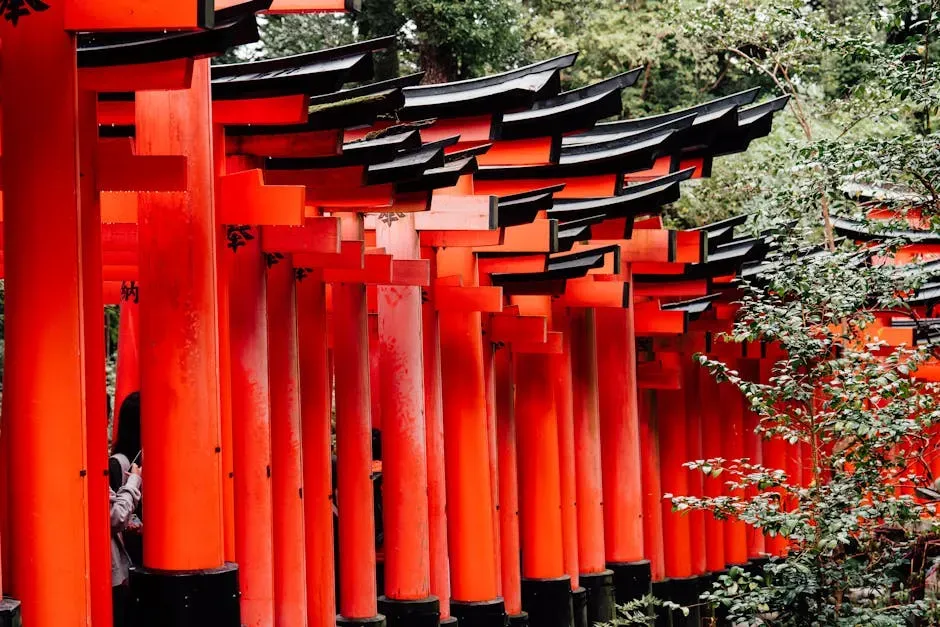
In 2024, Japan saw a record approximately 36.87 million inbound visitors, surpassing the pre-pandemic high of 2019. According to a survey examining congestion in residential and workplace areas, nearly three-fifths of respondents reported that living in traditional neighborhoods has become unbearable for locals dealing with constant crowds seeking the perfect Instagram shot. The frustration is not hostile in the dramatic sense, but it is unmistakable.
Kyoto has become symbolic of the overtourism tension. Tourists often enter private alleyways, chase geisha with cameras, ignore “no trespassing” signs, and generally disrupt the traditional environment. In response, parts of the geisha district have been closed off to tourists entirely. Koji Muramasa was elected as Kyoto’s new mayor after campaigning against overtourism, in a city with a resident population of about 1.5 million that saw more than 20 times that number of tourists arriving in a single year. When overtourism becomes a mayoral election issue, it tells you something about how local patience has eroded.
Spain: Protests, Water Pistols, and Real Economic Anger

A YouGov survey across seven European countries revealed significant concerns about overtourism, with Spain emerging as the most strongly affected. Roughly one third of Spaniards believe their local area has too many international visitors, rising to nearly half in Catalonia, where Barcelona’s 1.6 million residents host approximately 32 million tourists annually. Spain also showed the highest level of negative sentiment toward foreign tourists, with more than a quarter of respondents expressing unfavorable views.
In July 2024, thousands marched down Barcelona’s La Rambla carrying signs reading “Tourism kills the city” and “Tourists go home, you are not welcome,” with some demonstrators using water pistols to spray unsuspecting visitors. The economics behind it are real. A Spanish mobility consulting firm reported that the availability of long-term rental property in the nation decreased by three percent in 2024, with rental prices reaching a new all-time high. Locals aren’t performing outrage; they’re being priced out of their own cities.
Kuwait: Last Place, Year After Year
Kuwait ranked last in the global expat survey for the seventh year in a row, and the numbers tell the story clearly. Just about one fifth of expats are satisfied with their social life, compared to roughly half globally, and only about a quarter feel that locals are friendly toward foreign residents, versus over six in ten globally. The oil-rich Gulf state’s unwelcoming reputation stems from deep-rooted cultural barriers and limited social integration opportunities for foreigners.
Kuwait finished dead last in the ranking, with more than half of respondents describing the locals as highly unwelcoming. The Kuwaiti government also does not actively encourage tourism, as the country already hosts a high number of foreign workers who make up the majority of the population. The rigid social hierarchy and cultural barriers prevent meaningful interaction between visitors and locals, creating environments where tourists feel more like temporary workers than welcomed guests. Tourists who arrive expecting warmth tend to leave with very different memories.
Russia: Unwelcoming by Policy, Not Just Culture
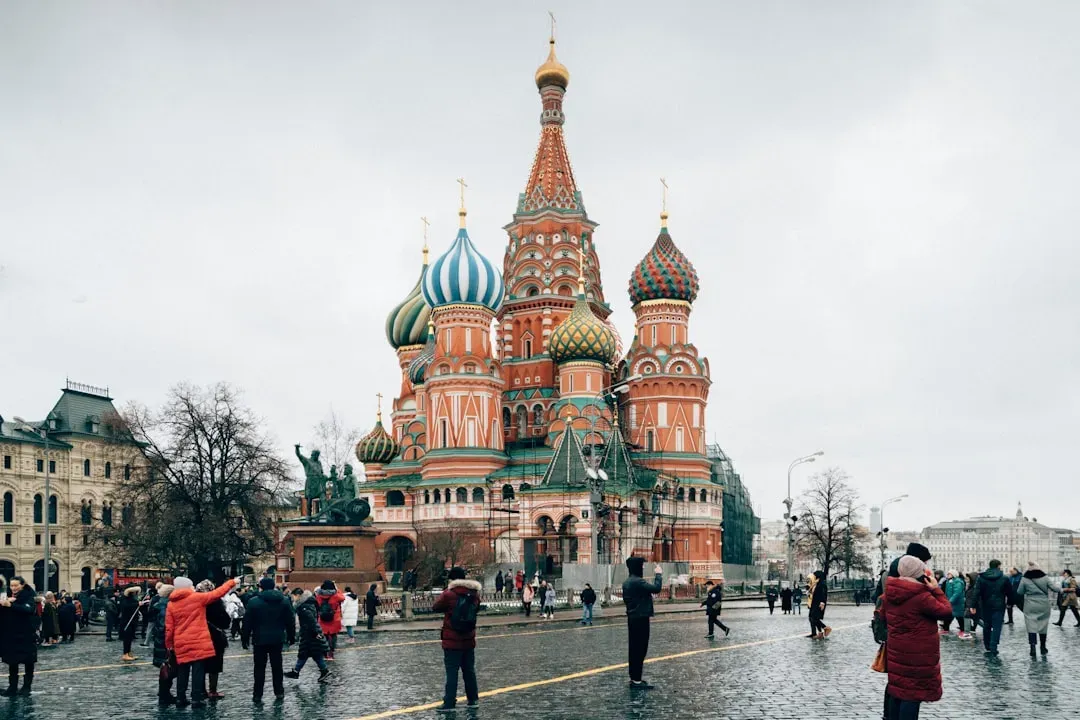
Russia, with its grand history and cultural richness, presents a paradoxical allure. Its vast landscapes and historical cities captivate the imagination. Yet bureaucratic hurdles and geopolitical tensions make the visitor experience daunting. The perception of Russia as unwelcoming stems from stringent visa requirements and a political climate often at odds with Western nations. Current geopolitical conflicts have intensified these challenges, making travel to Russia increasingly complex and unwelcome for many international visitors.
Russia’s reputation for unfriendliness also stems from cultural norms that prioritize privacy and formality over the casual friendliness that many tourists expect. Russians generally don’t smile when meeting strangers, and that is not meant to be rude. However, this fundamental difference in social expression creates immediate impressions of hostility among visitors from cultures where smiling at strangers represents basic politeness. As of December 2025, the U.S. State Department confirmed that Russia remains under a “Level 4: Do Not Travel” advisory due to dangers associated with the continuing war between Russia and Ukraine. For most Western tourists, the destination has simply moved off the map entirely.
Germany: Ranked Among Europe’s Least Welcoming
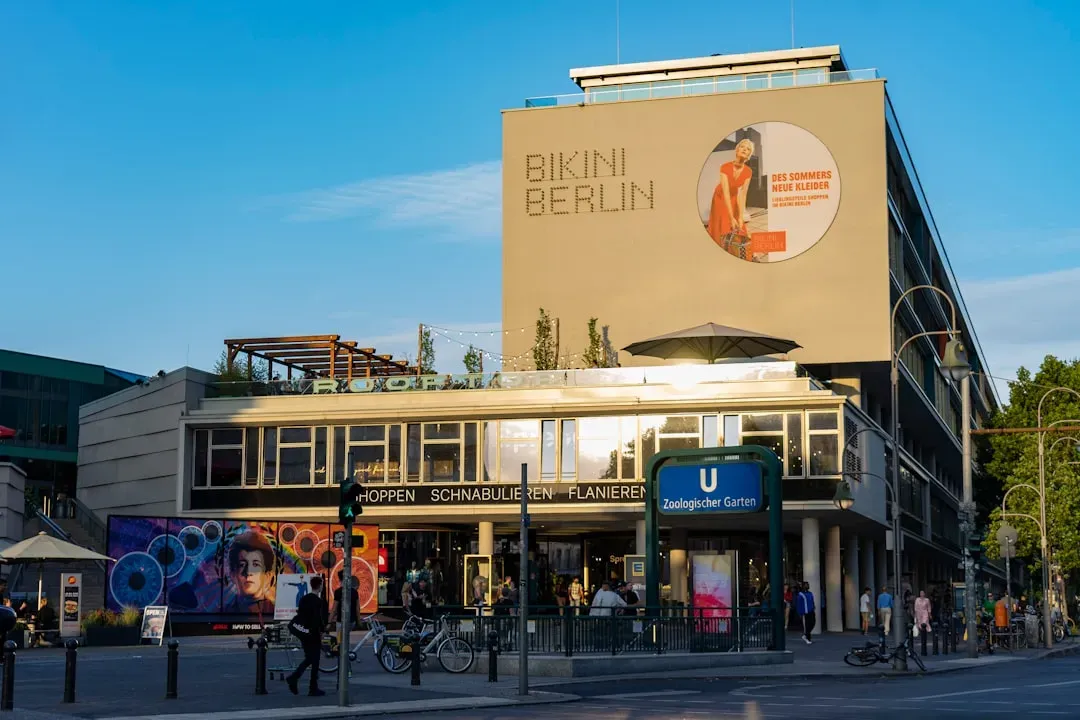
Of the ten years the Expat Insider Survey has been running, Germany saw its worst ranking in 2024, particularly in the area of expat essentials. Expats assessed Germany as the worst country for digital infrastructure. In terms of social integration, expats ranked Germany 49th out of 53 destinations for local friendliness, 50th for making friends, and second-last for how welcoming its culture is. Those are striking numbers for a major European destination that draws millions of visitors annually.
Germany and the United States share decades of deep historical connection, and for a long time that translated into genuine admiration on both sides. Berlin especially felt like a city where being American carried a kind of cultural cachet. That era appears to be closing fast. More than half of people in Germany now hold an unfavorable opinion of the U.S., according to YouGov research. Beyond politics, the cultural reserve and social formality that characterizes many German interactions can leave tourists feeling like they’re an inconvenience, even when no harm is intended.
Norway: Reserved, Polite, and Quietly Done With Tourism
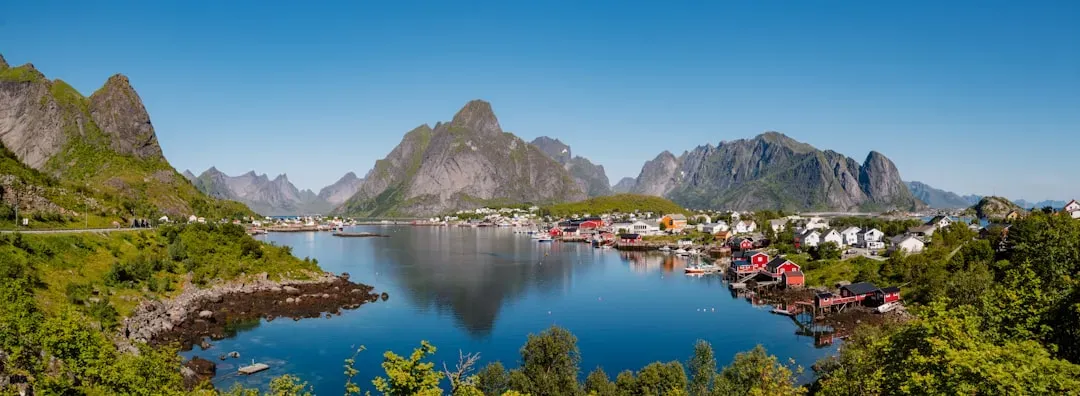
Norway topped the list among Scandinavian countries at roughly two in five respondents saying the 2024 U.S. presidential election impacted how they view American travelers, followed by Estonia, Sweden, Denmark, and Finland. Around two fifths of Norwegians express support for Danish tourists specifically. In contrast, Americans and Chinese are the least favored tourists among Norwegians, with opposition percentages reaching well over three quarters and nearly three quarters, respectively.
Norway scores around eight percent on the self-reported unwelcoming scale, and broadly across Scandinavia, roughly half to sixty percent of people view the United States unfavorably, depending on the country. Norway values orderly, quiet public spaces. A rowdy group of tourists on a fjord hike doesn’t just annoy locals there. It feels like a genuine intrusion. The irony is that Norway’s landscapes are among the most breathtaking on the planet. The friction isn’t about the scenery; it’s about what tourists bring with them when they arrive.
What unites all seven of these destinations is that the dissatisfaction is documented, measurable, and growing. These survey findings reflect a complex interplay of political tensions, cultural barriers, and economic challenges affecting global travel sentiment. Recent travel industry reports underscore how travelers today are navigating a delicate balance between wanderlust and global awareness. Knowing where you’re less likely to be welcomed warmly is simply part of traveling smarter in 2026.