
There’s a particular moment when a beloved travel destination stops feeling like a destination and starts feeling like a product. For years, Playa del Carmen was one of those places that seemed to get everything right: an easy rhythm, Caribbean water that actually looked like the postcards, and a pedestrian strip alive enough to feel festive without being exhausting. It was imperfect in the good ways travel destinations are supposed to be imperfect.
Something has shifted, though – and it’s not just nostalgia talking. A convergence of forces, from environmental deterioration and rapid urban growth to cartel-linked concerns and a creeping hollowness replacing local character, has changed what this city actually offers a visitor. The changes are documented, measurable, and accelerating. Every traveler heading to the Riviera Maya deserves to understand them clearly before booking.
A City That Grew Too Fast for Its Own Good
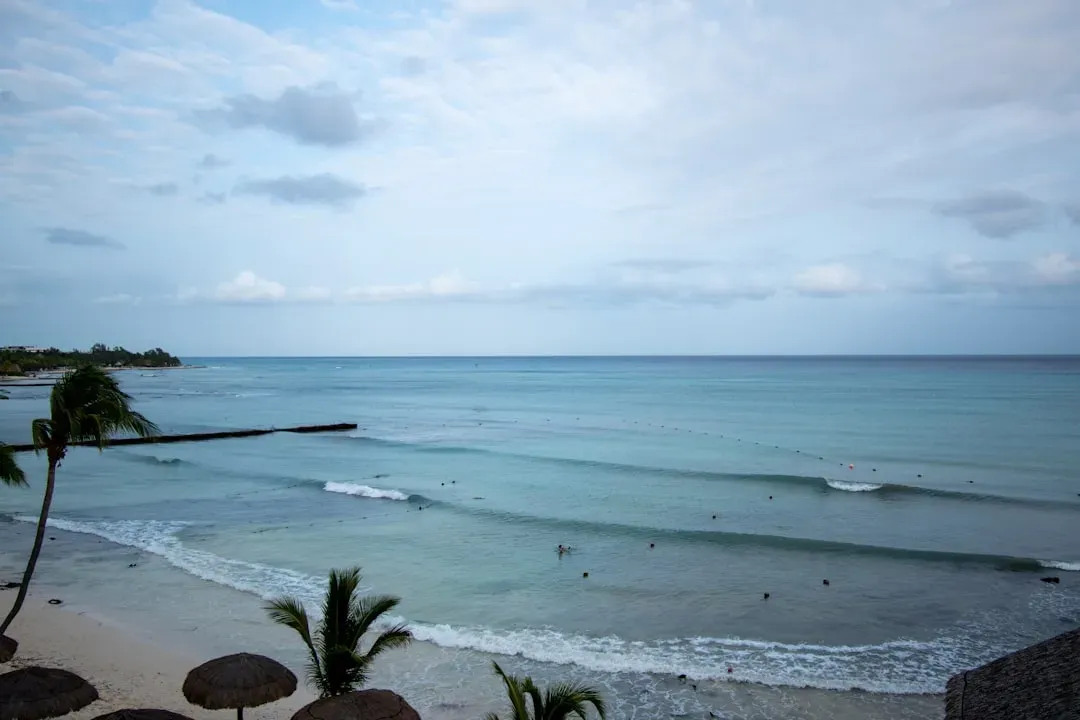
Playa del Carmen has been booming for decades. The population grew from roughly 50,000 in 2000 to almost 300,000 by 2025. That is extraordinary growth, and it has not come without cost. The city has expanded by over 100% in the past decade, and while violent incidents remain rare in tourist areas, the main concerns for visitors now include scams, minor theft, and police stops.
Playa del Carmen was once a small fishing village with a few thousand inhabitants. It is now one enormous beachfront resort town. The infrastructure has struggled to keep pace. A 4 million peso sewage expansion project launched in 2024 aims to extend coverage to nearly 30,000 more residents – a sign of just how far development outpaced basic services.
The Sargassum Problem Nobody Warned You About
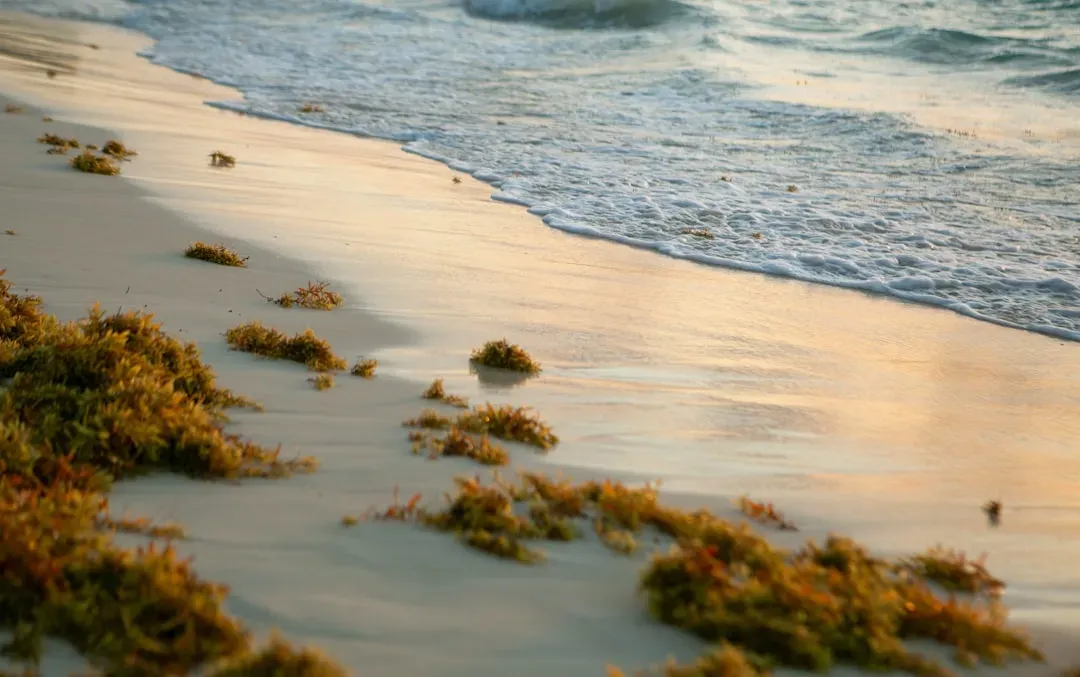
Environmental factors, notably the influx of sargassum seaweed, have posed significant challenges to the region’s tourism appeal. The accumulation of sargassum on beaches has deterred potential visitors and necessitated extensive cleanup efforts. This isn’t a minor seasonal nuisance. According to UNEP, the Atlantic basin saw a record 37.5 million metric tons of sargassum in May 2025, and NOAA data confirms large accumulations have been a recurrent problem in the Caribbean since 2011.
Playa del Carmen has witnessed a troubling environmental trend: the massive influx of sargassum seaweed coincides with a rise in high temperatures across the region. Over the past decade, maximum temperatures have climbed from 32°C to 37°C, with thermal sensations surpassing 45°C. According to analysis, the accumulation of sargassum along the coast traps heat and alters local microclimates, intensifying the already warm Caribbean conditions. Experts warn that climate change and ocean currents will likely continue to fuel sargassum blooms, and for Playa del Carmen, the issue is no longer just about cleaning beaches – it is about rethinking tourism models in the face of environmental shifts.
The Beaches Are Literally Disappearing
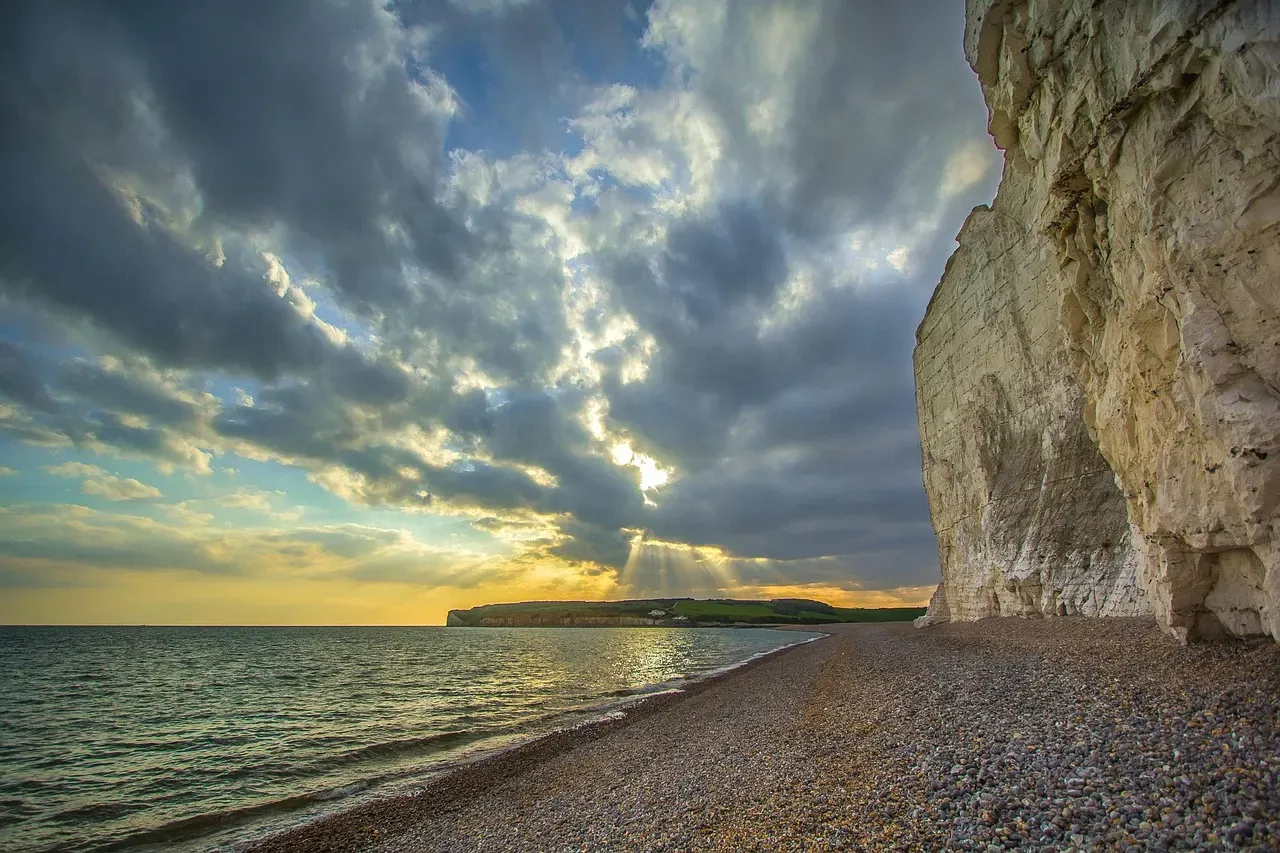
In addition to seaweed, erosion has affected the beaches especially in the center of Playa del Carmen. In the past decade they have progressively gotten narrower, but the number of visitors keeps growing, leading to crowded beaches or people traveling to other beaches in the Riviera Maya for that perfect beach day. This is not a perception issue – it is a physical one. According to tourism business leader Lenin Amaro, beach loss intensified during 2025 in areas like Playa del Carmen, and in some sections it’s starting to pose a direct risk to coastal infrastructure, especially smaller hotels that don’t have the same resources as mega-resorts to adapt quickly.
Mexico News Daily reported in May 2025 that Quintana Roo authorities were seeking federal permits for coastal restoration projects in Cancún, Playa del Carmen, Cozumel, and Puerto Morelos, including reported plans for 12 kilometers of work in Playa del Carmen. Beach erosion doesn’t always look dramatic from a photo, but visitors feel it quickly on the ground: the sand strip can shrink to a thin line at high tide, which means fewer places to lounge and more competition for the ones that remain.
The Security Picture – Honest and Unfiltered

The U.S. State Department has issued a Level 2 travel advisory for the state of Quintana Roo, citing increasing security concerns posed by cartel-related violence, including shootings and kidnappings. That context matters. Neither the U.S. nor the UK government describes tourists as the main targets of gang violence in Quintana Roo, but the State Department acknowledges that shootings between rival gangs have injured and killed innocent bystanders and that U.S. citizens have been victims of both non-violent and violent crime in tourist and non-tourist areas.
The crimes in the area are largely organized and almost always cartel-related. Shootings mostly take place outside of tourist areas and are generally targeted, not random – but there have been incidents close to residential zones, and the distinction can feel cold comfort when violence happens nearby. The Playa del Carmen business association has denounced its members living as “prisoners in their homes” due to extortion demands from local criminal groups, and derecho de piso – a form of organized extortion – ranks among the most common crimes in the state, according to Quintana Roo’s Secretary of Public Security.
Gentrification Is Pushing Out the People Who Made It Special
Rising housing costs have displaced local residents. The same neighborhoods attracting expats – Centro, Gonzalo Guerrero, Colosio – have seen rents climb beyond what many Mexican families earning between one and two thousand dollars monthly can afford. Short-term rentals commanding double the long-term rates have reduced housing supply, and downtown increasingly orients toward tourists and expats rather than local needs.
Property prices increased by 12 to 15 percent annually throughout 2024 and into 2025, with condos showing the steepest increases due to high investor demand. The consequences are visible on the street. The Colosio neighborhood, once a working-class local area, is now rapidly gentrifying and drawing comparisons to Brooklyn’s Williamsburg or Miami’s Wynwood – quiet enough to live in, but trendy enough to rent out. The charm that drew visitors in the first place is being systematically monetized out of existence.
A Tourism Economy Built on Scams and Friction

The scams and rip-offs continue throughout a vacation. Everything from restaurants adding tips into the bill, beach clubs overcharging, and stores offering fake tax-free shopping – there are a lot of not-so-honest people trying to make a quick profit. It all adds up and tourists get tired of it. This is not a new problem, but it has grown worse as the destination has become more commercialized.
ATM skimming is a documented concern, and travelers should use ATMs inside banks or shopping centers rather than freestanding machines in tourist areas, especially at night. Car rental companies are often described as among the biggest scammers in the area – adding unexpected charges and placing holds of several thousand dollars on credit cards that are not released for months. The friction these experiences create changes the emotional quality of a trip in ways that are hard to fully calculate before you arrive.
The Nightlife Trap and What It Costs Travelers
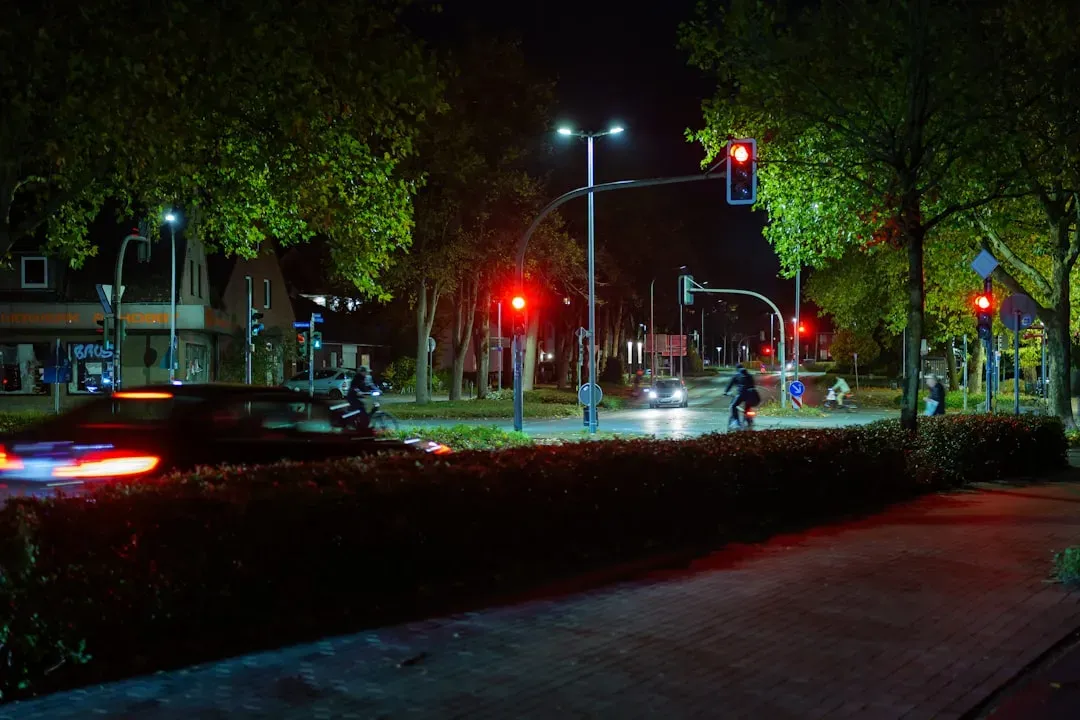
Avoid walking alone late at night, particularly between 11pm and 4am in the fringe areas around downtown. Police stops are more likely during these hours, and officers tend to target people who appear intoxicated. This matters because the area’s nightlife is heavily marketed. There have also been occasional reports of drink spiking, and travelers should never leave drinks unattended.
In the tourist towns of Playa del Carmen, Tulum, and Cancun, cartel presence is significant. Walking down Fifth Avenue, it is reportedly common to be offered to buy various drugs. Buying or using drugs is illegal, puts travelers in contact with criminal networks, and the consequences can be severe – with no exceptions. The party culture marketed to younger tourists often glosses over how quickly the environment can turn adversarial.
Occupancy Drops and a Tourism Model Under Pressure
Hotel occupancy rates in the Mexican Caribbean, including Playa del Carmen, fell short of expectations for the summer of 2025. Factors such as economic uncertainties, environmental concerns, and shifting travel preferences contributed to lower-than-anticipated bookings. This underscores the need for adaptive strategies to enhance the region’s competitiveness.
The commercialization of everything creates a squeeze on tourists where each turn involves another payment for something. Once places develop a reputation as scammy or overpriced, they lose some of their appeal – and this is part of the reason some tourists are not coming back. The Riviera Maya is now facing a real question about whether its current tourism model is sustainable, or whether the relentless pursuit of short-term revenue has been quietly undermining the long-term product.
What the Data Actually Shows About Safety Improvements

The picture on violent crime is genuinely mixed – and it would be unfair not to say so. According to the most recent SESNSP data from March 2026, Quintana Roo has seen a 76% reduction in intentional homicides compared to 2024. The trend has been consistently downward since 2025. This is a meaningful and verifiable shift. The 2025 to 2026 SESNSP data shows a sustained and substantial decline in violent crime across Quintana Roo, continuing a trend that began in 2025 following coordinated security operations.
According to Numbeo’s 2025 Safety Index, Playa del Carmen has an improved safety index of 62.10, surpassing prominent North American cities such as Los Angeles (55.20), Miami (54.30), and even Toronto (52.80). That is a genuinely useful data point. The U.S. Department of State currently rates Quintana Roo as a Level 2 destination – the same advisory level assigned to countries like France, Germany, and the United Kingdom – and does not single out Playa del Carmen with a higher-level warning. The violent crime trend is improving. The other problems documented here are not.
The Loss of Authentic Local Character
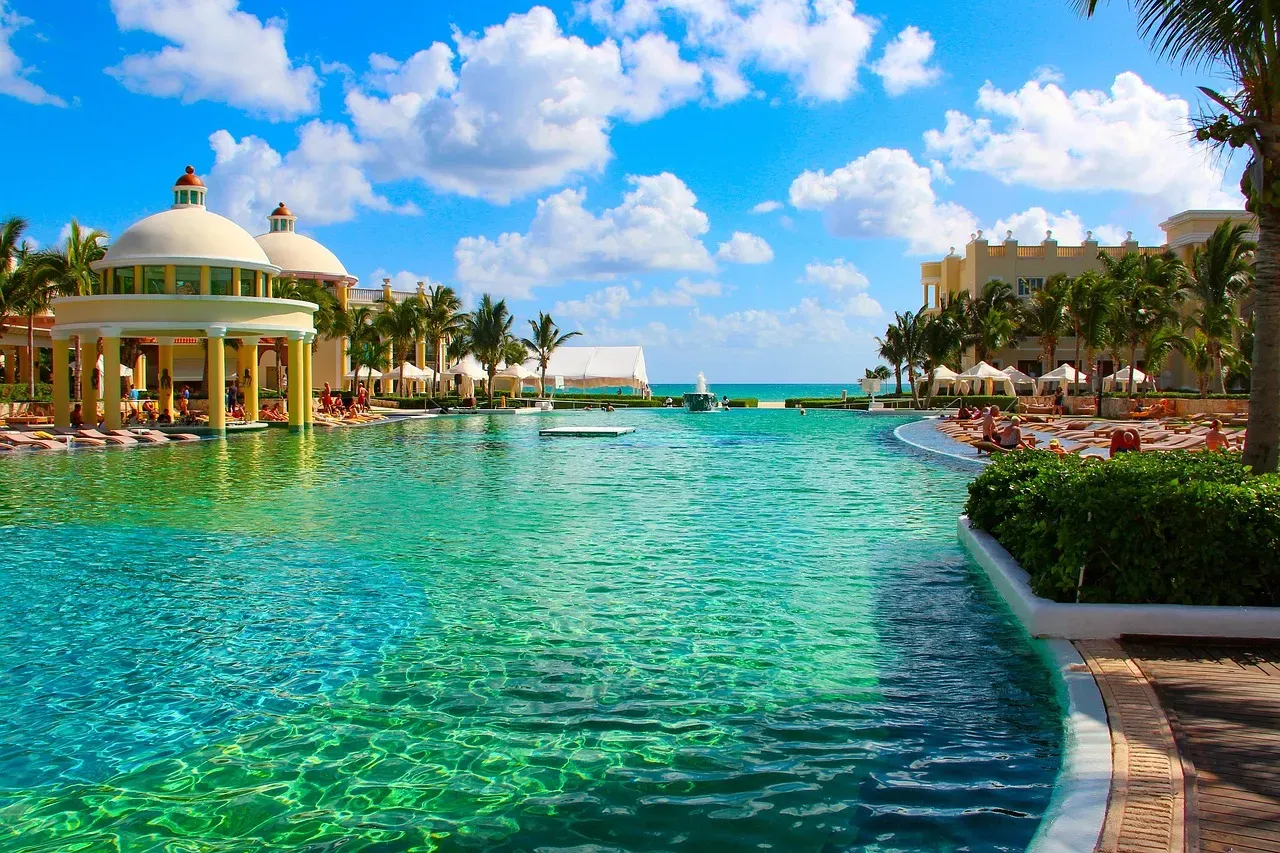
The impact of overtourism in the Riviera Maya on indigenous people and their culture is just as significant as the environmental factors. The modernization around towns in the region has provided some economic opportunities, but it has also effectively positioned the Maya as a disadvantaged class within their own homeland. This is an uncomfortable dimension of a vacation here that most travel content simply ignores.
The combination of increasing safety concerns, systematic corruption, environmental degradation, and the loss of authentic Mexican culture has fundamentally changed what this destination offers. The paradise many visitors fell in love with has been replaced by something that prioritizes profit over people and short-term gains over long-term sustainability. That assessment is harsh, but it matches what the data and on-the-ground evidence increasingly confirm. The experience of visiting Playa del Carmen in 2026 is not the same as it was a decade ago – and understanding why is the honest starting point for any traveler deciding whether to go.