
Going to the grocery store used to be routine. You made a list, pushed a cart down familiar aisles, handed cash or a card to a cashier, and went home. These days, that routine has been quietly but steadily redesigned around you, and not always for your benefit. From checkout machines that demand your patience to price tags that seem to change depending on who’s looking at them, the modern supermarket has become a source of real, measurable stress for millions of Americans.
The frustration isn’t anecdotal. A survey conducted in early 2025 found that roughly four in five respondents identified rising food prices as their top concern. Three in four shoppers have changed their buying behavior because of price alone. Something has clearly shifted. Here are seven specific changes driving that frustration right now.
1. The Self-Checkout Takeover

What was sold as a faster, more convenient experience has quietly become one of the most complained-about features in modern grocery retail. During self-checkout, customers often encounter machine errors, experience significant frustration from the additional work required, and bemoan the lack of expected human touch in the service. The “unexpected item in the bagging area” message has become a cultural shorthand for technology that doesn’t work as promised.
Retailers are essentially transferring the labor to the customer, and that’s especially true for grocery stores, which generally have razor-thin profit margins and significant inventory risk. In 2025, several major retailers began rethinking the approach, as issues like increased theft, technical glitches, and customer dissatisfaction prompted a shift back to traditional checkout methods. The irony is hard to ignore: a system built to cut wait times often makes the whole process longer.
2. Shrinkflation – Paying the Same for Less
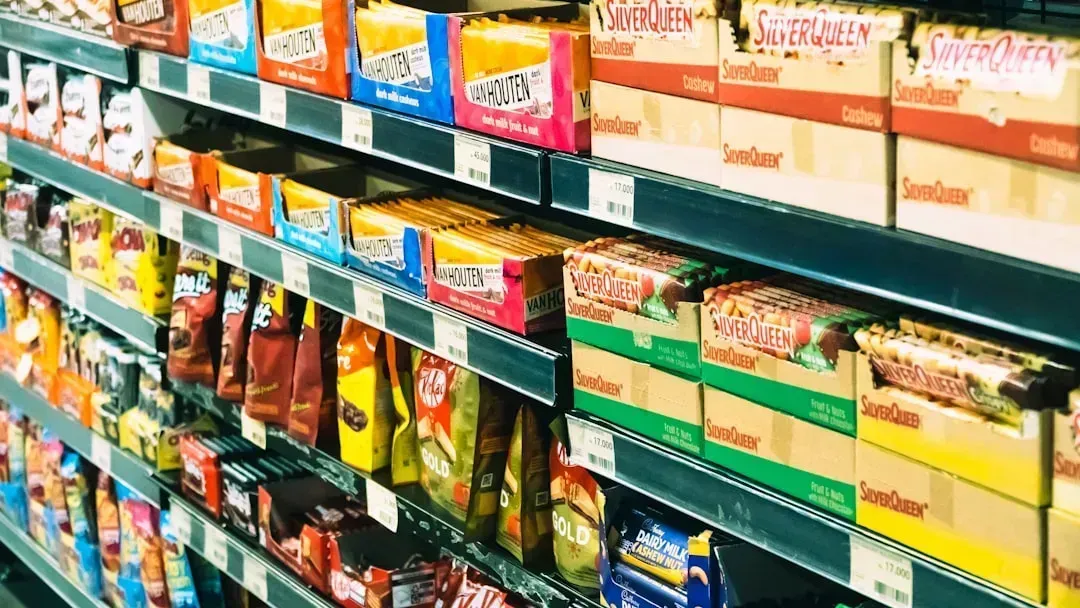
Shrinkflation, also known as product downsizing, occurs when manufacturers decrease the quantity of an item without a corresponding price drop. Sometimes the price doesn’t change at all. The result is a quiet form of inflation that’s harder to spot than a price hike – and harder to budget for. Over three-quarters of surveyed consumers said they had noticed shrinkflation at the grocery store in the previous 30 days, according to the October 2024 Consumer Food Insights Report.
Of the consumers who noticed shrinkflation, nearly four in five observed it in snack foods, and roughly half reported seeing it in frozen foods. Shrinkflation is more than an annoying ruse by businesses. It’s a hidden redistribution of value from consumers to companies, and one that disproportionately affects lower-income households. Around three-quarters of consumers agree there should be requirements in place that make product size reductions more transparent, such as prominent labeling.
3. Surging Food Prices Driven by Tariffs and Supply Pressures
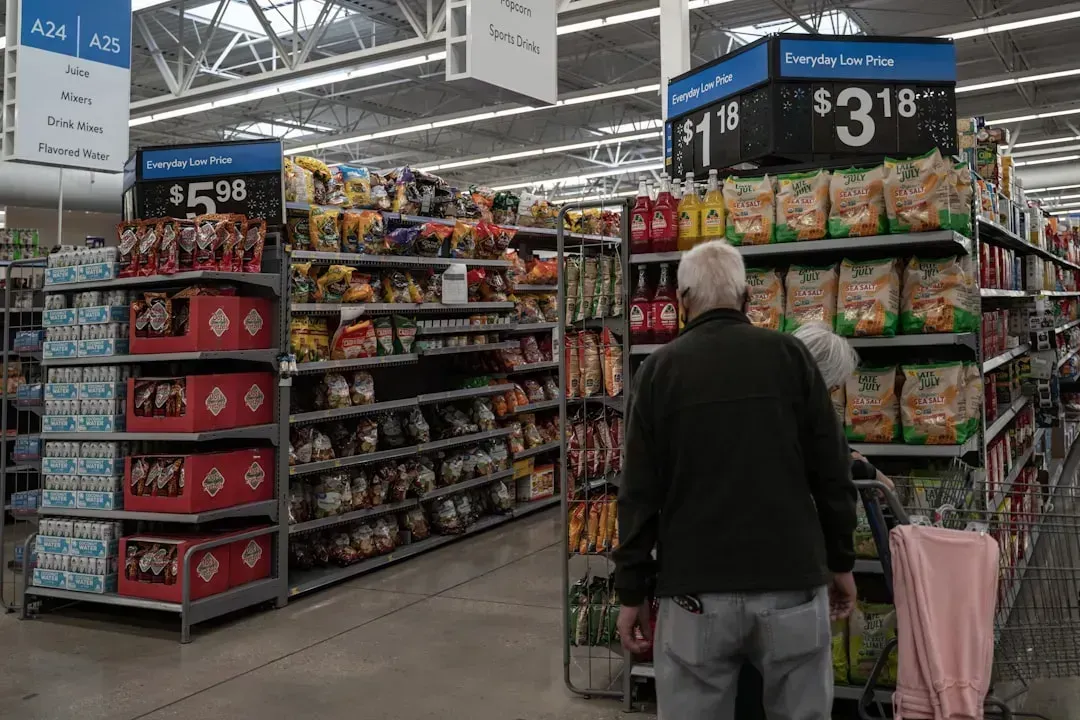
In 2025, several common food items saw significant price spikes, including beef at roughly 16 percent, coffee at around 20 percent, and eggs at approximately 26 percent. These weren’t minor fluctuations. For many households, they meant genuinely rethinking what went into the cart. As a direct result of tariffs, American consumers in January 2026 paid prices that were higher for coffee, tea and cocoa, fish and seafood, fruits, and meat compared with pre-tariff trends.
Food prices continued to climb throughout 2025, as grocery inflation hit a two-year high in August before subsiding somewhat in November. Rising food prices have forced many consumers to rethink their grocery budgets, with more than two in five respondents saying they’ve somewhat reduced grocery spending over a recent six-month period, while roughly one in six reported making significant cuts. The stress isn’t just financial. It’s the feeling of constant vigilance every time you reach for something on the shelf.
4. Algorithmic and Surveillance Pricing
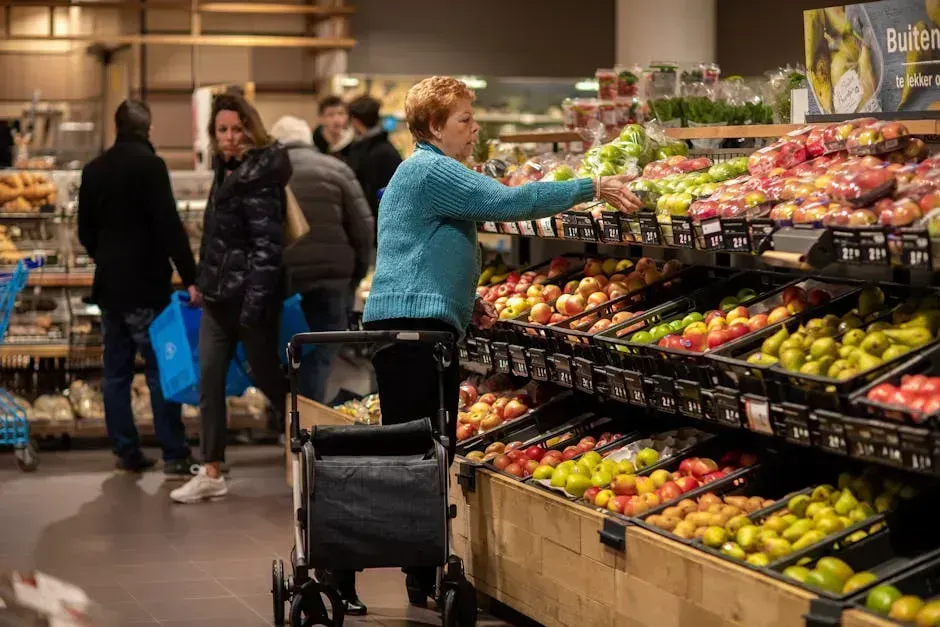
The idea that two people standing in the same store, buying the same product, might pay different amounts sounds like something from a dystopian novel. Many U.S. shoppers who order grocery deliveries through Instacart are unknowingly part of widespread AI-enabled experiments that price identical products differently from one customer to the next, sometimes by as much as 23 percent. Prompted by an investigation, Instacart has since stopped offering the technology that allowed grocery retailers to charge shoppers different prices for the same groceries at the same time.
A nationally representative survey of more than 2,000 U.S. adults found that nearly three-quarters of people who had used Instacart in the previous year did not want the company to charge different users different prices for any reason. As online marketplaces expand their use of pricing algorithms, lawmakers and consumer advocates have grown increasingly worried about personal privacy and higher charges for shoppers, prompting measures in several states that would require companies to disclose their use of personal data or even ban surveillance pricing outright.
5. Digital Shelf Labels and the Fear of Instant Price Changes
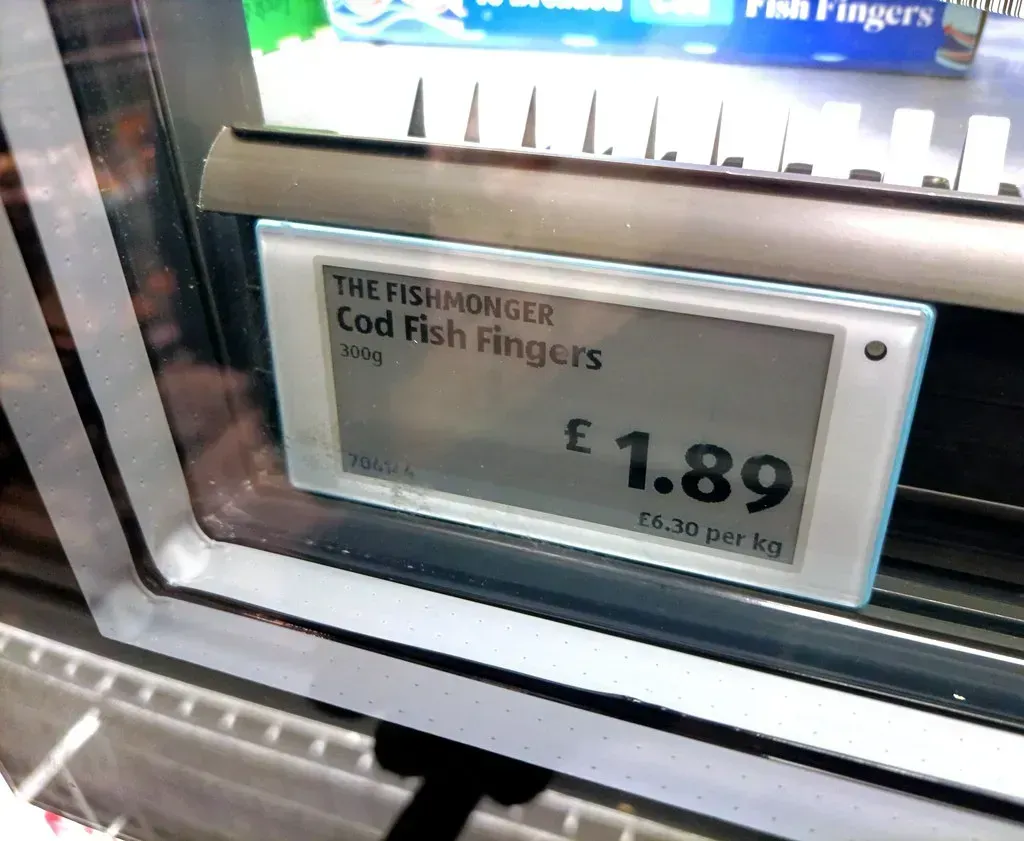
Walmart announced plans to bring electronic shelf label technology to more than 2,300 locations by 2026. The speed and flexibility of digital labels make sense from an operational standpoint. Stores can update prices across thousands of items in seconds. Currently, most major retailers who use electronic shelf labeling set prices for an entire region, but coupled with data collection tools and AI, electronic shelf labels can potentially be used to create individualized prices for shoppers.
With national grocery chains shifting to electronic price tags, the ability for retailers to deploy AI-enabled dynamic pricing may soon be commonplace as companies look to be more nimble amid rapidly shifting market forces. Moving too quickly, however, may come at the expense of their most loyal customers and attract regulatory attention. Shoppers who once trusted that the price on the shelf was simply the price now have to wonder whether that number will be the same at the register – or whether it shifted while they were in the next aisle.
6. Out-of-Stock Items and Chronic Inventory Gaps
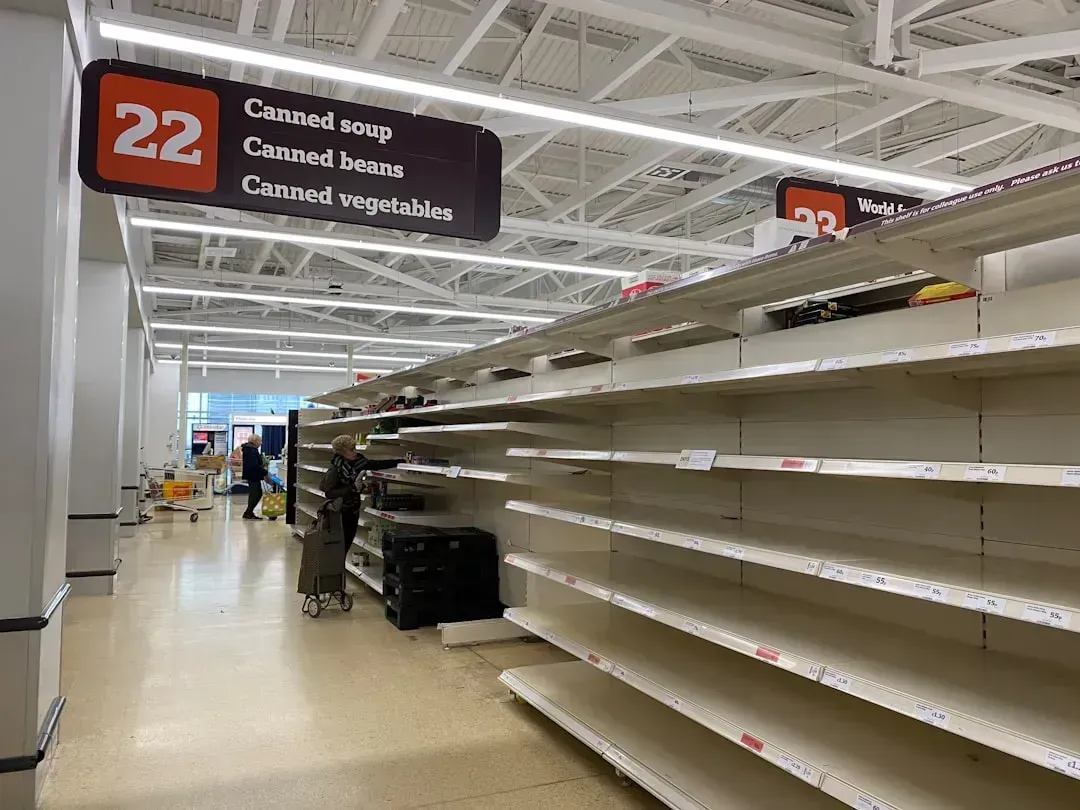
The complaints that remain consistent among shoppers are high fees and out-of-stock experiences as the top reasons they aren’t completely satisfied. Coming in for a specific item and leaving empty-handed is a minor inconvenience on its own, but it adds up quickly when it happens trip after trip. Long lines at the checkout and products that are hard to locate or out of stock rank as two of the top pain points expressed by in-store shoppers.
Shoppers have consistently called for improved inventory management to avoid stockouts of sale items specifically. The problem feels especially sharp when a shopper has gone to the effort of planning a meal around a promoted item, only to find an empty shelf where it should be. Conventional grocery chains like Albertsons and Kroger spent much of 2025 recalibrating their strategies, closing stores, cutting costs and reshaping their digital initiatives, which adds further uncertainty for shoppers trying to rely on a consistent store experience.
7. The Loyalty Program Maze
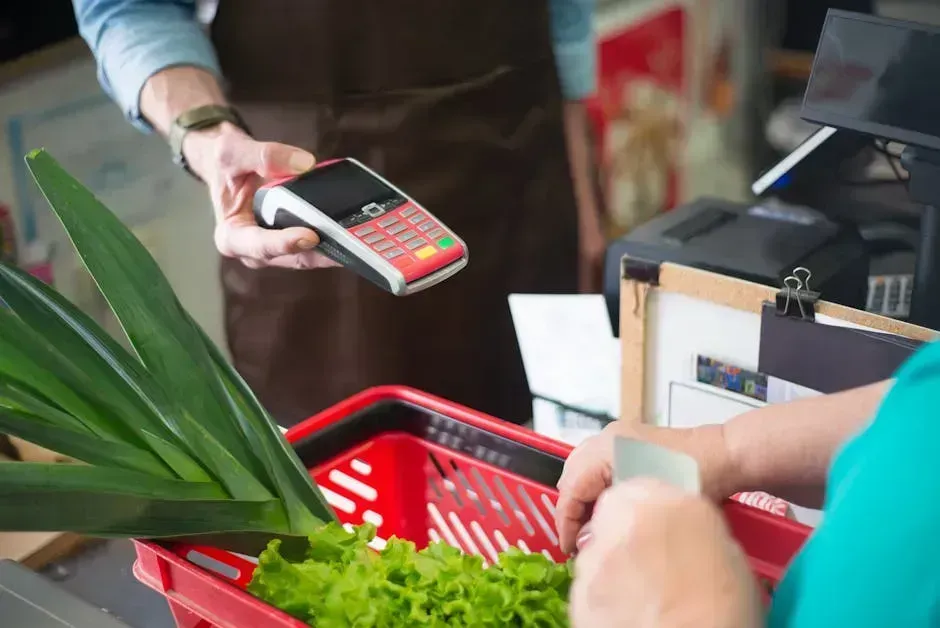
Loyalty programs sound like a good deal in theory. In practice, many shoppers find them confusing, exclusionary, and oddly stressful. Loyalty programs don’t appear to be a major driver for most respondents, with only about one in five saying these programs were very influential in their decision-making. The most valued perks are coupons or deals tied to the program, followed by cash-back or points options – benefits that require active management to actually use. Traditional grocers have long relied on sale signs and high-low pricing strategies to drive home their value message, but with so many price-conscious shoppers now visiting Aldi, Walmart or Costco and comparing prices online, a lot of those low-price promises from conventional grocers ring hollow.
Shoppers have specifically called out a preference for fewer digital-only offers, pointing to a growing frustration with deals that require app downloads, phone scans, or account sign-ins just to access a basic discount. The result is a system where the most tech-comfortable shoppers benefit most, while everyone else pays full price or spends time figuring out why their coupon didn’t apply. While people intend to devote more money to groceries, they are highly focused on value and say they’ll quickly shift retailers to achieve even modest savings. Loyalty programs that feel like obstacles rather than rewards are accelerating that willingness to walk.
The grocery store has always reflected broader economic pressures, but what’s different now is how many of these frustrations are structural rather than temporary. Prices shaped by algorithms, packaging designed to obscure shrinking contents, and checkout experiences that transfer work to the shopper without reducing costs for them – these aren’t bugs in the system. For many retailers, they’re features. The question is how long shoppers, already stretched thin, will absorb them before voting with their feet.