Most people who find an old copper penny with wheat stalks on the back don’t think twice before dropping it in a tip jar or using it at the checkout counter. It looks like a penny, after all. Worth a cent. No big deal. Except, in many cases, it’s a very big deal indeed.
Lincoln Wheat Pennies, minted from 1909 to 1958, are among the most iconic and widely collected coins in U.S. history. Their distinctive reverse design features two wheat stalks framing the words “ONE CENT,” making them instantly recognizable. More than just small change, these coins hold tremendous historical and monetary value, with certain rare issues fetching thousands of dollars at auction. The gap between a penny’s face value and its true market value can be staggering, and spending one without checking it first is a mistake that’s impossible to undo.
A Brief History of the Wheat Penny
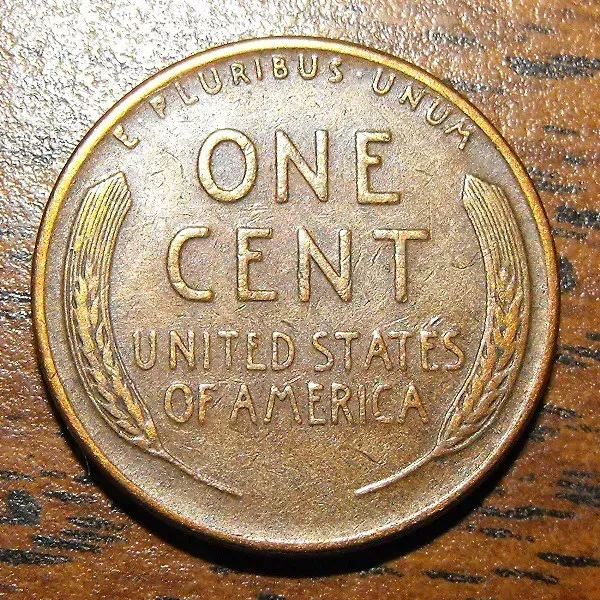
Possibly the most popular coin of all time among coin collectors is actually a one-cent coin, the Lincoln Wheat Cent, first minted in 1909. The U.S. Mint contracted sculptor Victor D. Brenner to design the new cent, and they wanted the coin to depict Abraham Lincoln in honor of the centennial year of his birth. It was the first widely circulating coin to feature a United States President.
The cent was struck in 95% copper until 1943, when copper was needed for World War II and the penny’s composition changed to zinc-coated steel for a year. In 1959, to commemorate the 150th anniversary of Lincoln’s birth and to modernize the coin’s appearance, the design was replaced with the Lincoln Memorial on the reverse, created by Frank Gasparro. That 50-year run left behind millions of coins, but not all of them are created equal.
Most Wheat Pennies Are Worth More Than One Cent
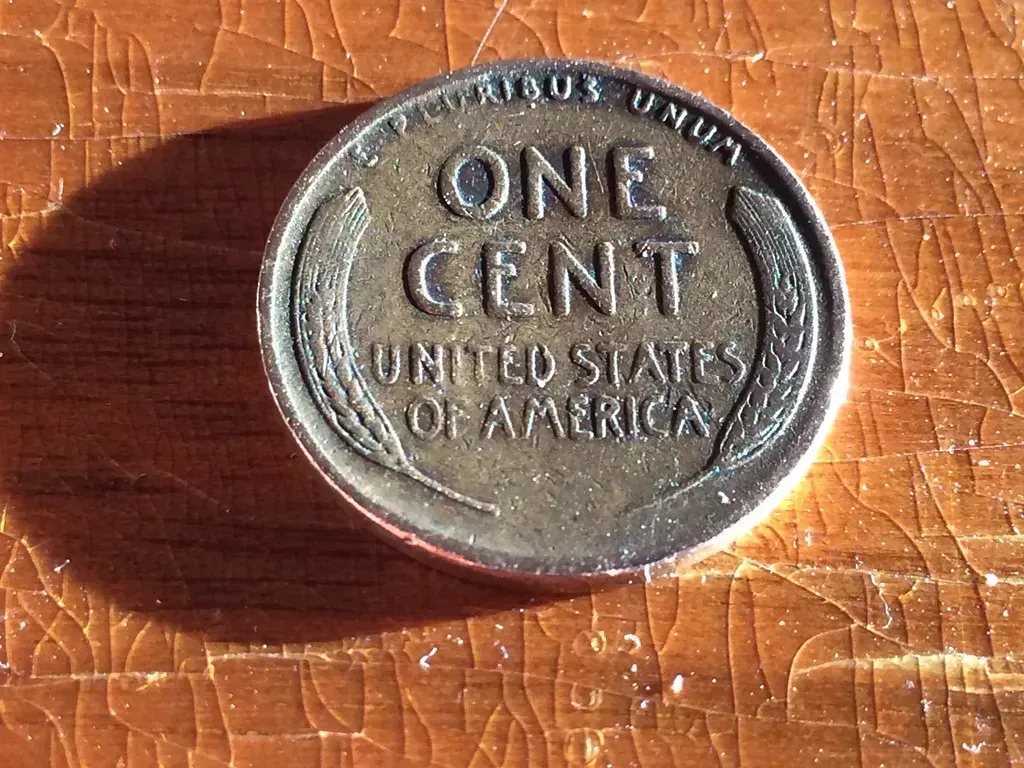
Today, the same coin that was once worth only five cents could be worth anywhere from one dollar to over a thousand dollars if it has a rare mint date or is in excellent uncirculated condition. Even ordinary worn examples that you’d overlook in a coin jar have typically climbed above face value due to rising copper prices and collector demand.
In 2026, Wheat Pennies have become far more valuable than they once were. Common dates in circulated condition may still be worth only a few cents, but uncirculated examples and rare varieties can fetch hundreds or even thousands of dollars. Spending any wheat penny without first checking its date, mint mark, and condition means you might be handing away a meaningful sum for absolutely nothing in return.
The 1909-S VDB: The Coin That Could Fund a Vacation
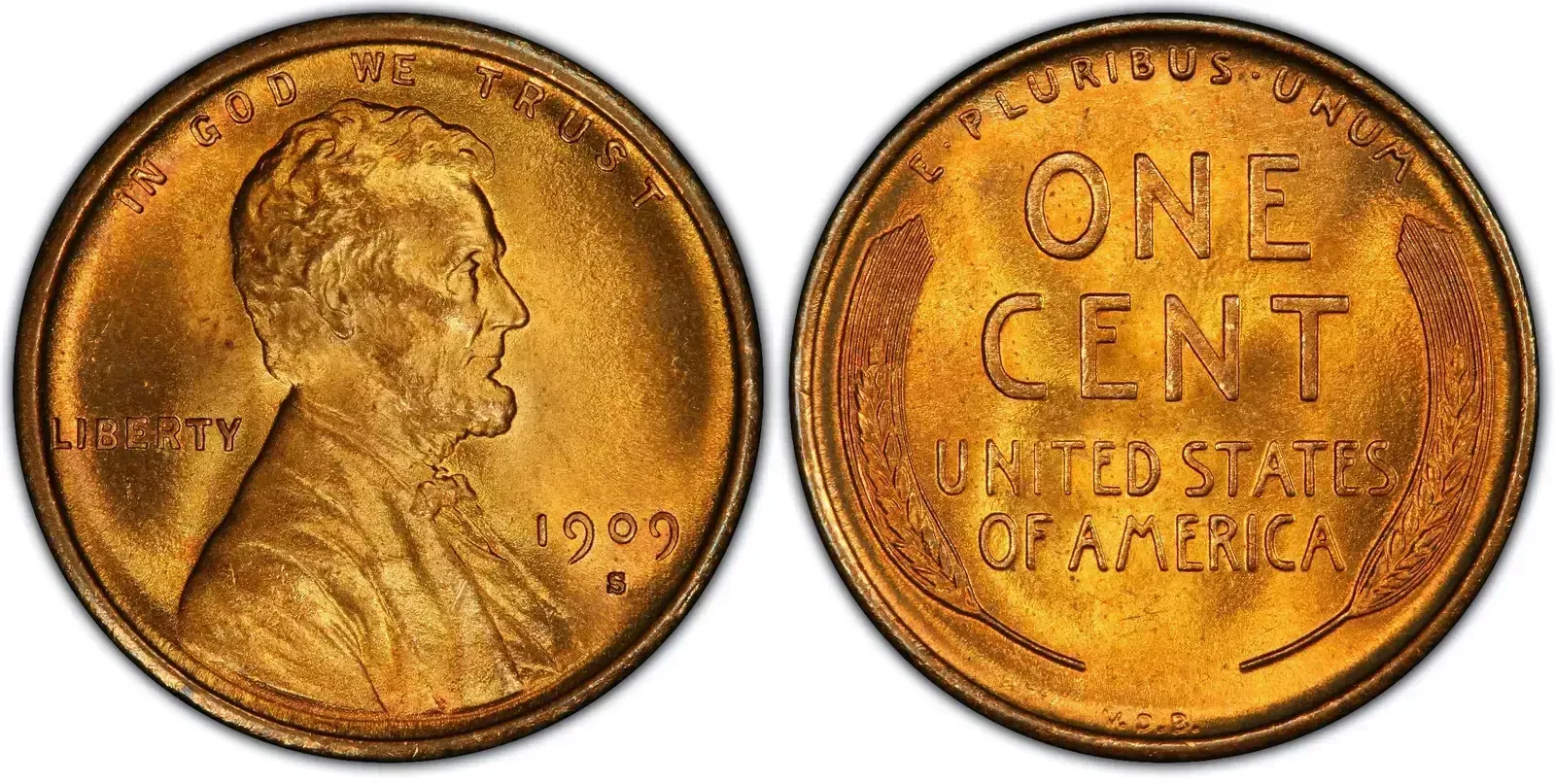
The San Francisco Mint struck only 484,000 1909-S Lincoln Wheat Pennies with the VDB initials, while the rest of the mintage did not feature them. The limited mintage sparked immediate interest among collectors, who rushed to hoard these rare coins. Today, 1909-S VDB wheat pennies are extremely scarce, particularly in circulated condition, due to that early hoarding.
Red examples are the most valuable, with some fetching as much as $168,000. Even brown and red-brown versions are highly sought after, with prices ranging from $10,000 to $19,200. Dropping one of these into a vending machine because it looks like any other old penny would be an extraordinarily costly error.
Wartime Errors Worth a Fortune
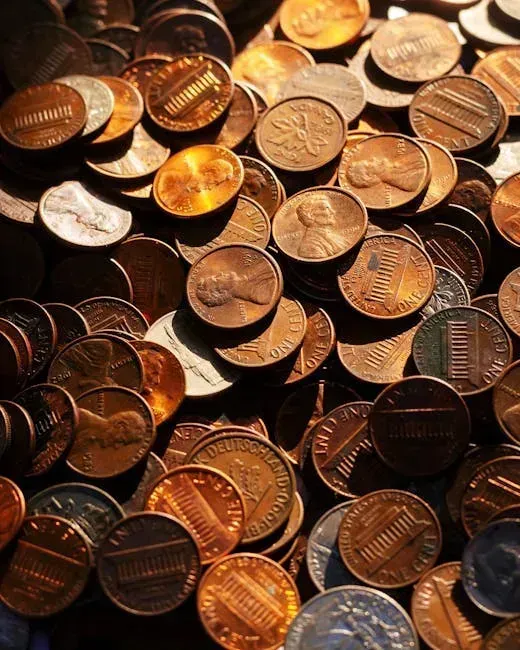
In 1943, the nation’s wartime demand for copper led the Mint to produce steel pennies for the entirety of that year. However, a small number of copper planchets were inadvertently left behind and were struck using the 1943 dies, creating an error that resulted in these coins being incredibly rare.
A 1943-D bronze cent in MS64 grade sold for a staggering $840,000 at auction in 2021. One way to conduct a quick initial test is the magnet test: simply use a magnet to pick up the coin. If the coin isn’t attracted to the magnet, it is likely authentic bronze-coated copper. If the coin is attracted to the magnet, it’s likely a steel coin coated with copper. It’s a simple 10-second test that could save you from spending something extraordinary.
The Danger of Cleaning Your Find
The decision to clean coins before selling them typically stems from fundamental misunderstandings about collector preferences and market dynamics. Many online forums explaining how to clean coins pitch abrasives or caustic chemicals aimed at completely removing patination. While these methods may satisfy those who believe they’re removing 100 years of dirt, they actually remove the coin’s natural surface and irreparably damage its appearance, collectibility, and value.
Coins with “Details” grades have significantly lower values in the collecting marketplace. The designation serves as a permanent warning to potential buyers that the coin’s surfaces have been compromised, making it less desirable than comparable examples with original surfaces. Cleaning can turn a $100 coin into a $10 coin instantly. That shiny penny you thought you improved is now worth a fraction of what it was.
Key Dates and Mint Marks You Should Know
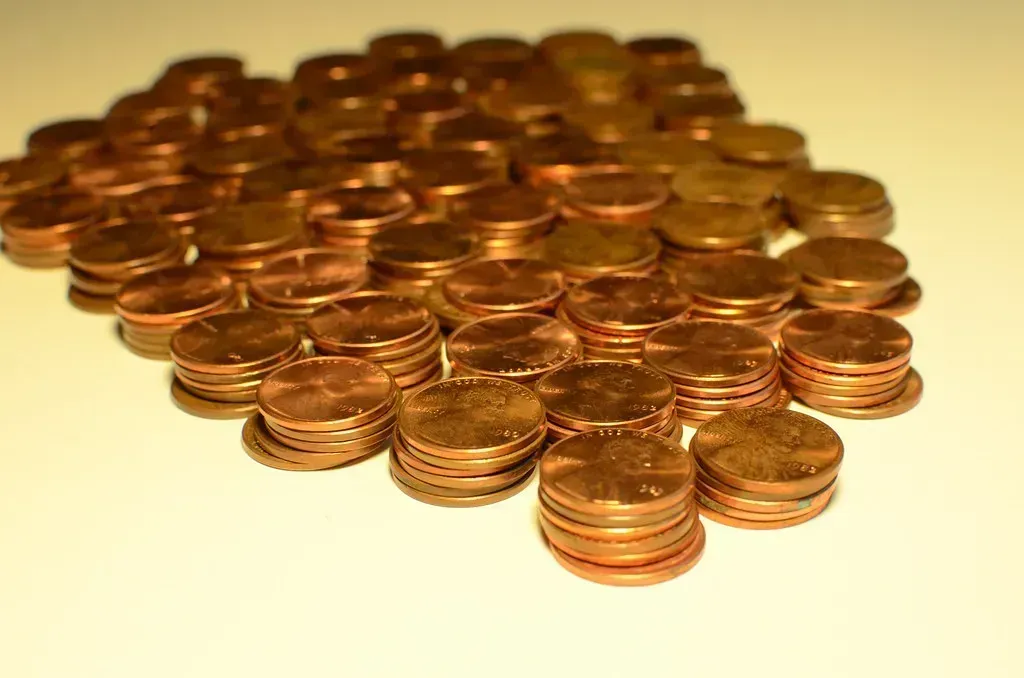
Key dates such as the 1909-S VDB, 1914-D, and 1922 No D are highly sought after due to their limited mintage and scarcity in high grades. With a mintage of approximately 1.2 million, the 1914-D wheat penny is one of the rarest in the series, making it highly sought after by collectors. In contrast, the Philadelphia Mint produced over 70 million wheat pennies in the same year, highlighting the true rarity of the 1914-D from Denver.
To assess a wheat penny, pay attention to three things: mint date and mint mark, as the year and mint location marked on the coin, such as “D” for Denver or “S” for San Francisco, indicate its rarity. A 1909 wheat penny minted in Philadelphia will have a different value than one from San Francisco with an “S” mint mark. Some mint locations produced fewer coins, making certain versions rarer and more desirable to collectors.
Counterfeit Coins Are a Real and Growing Problem
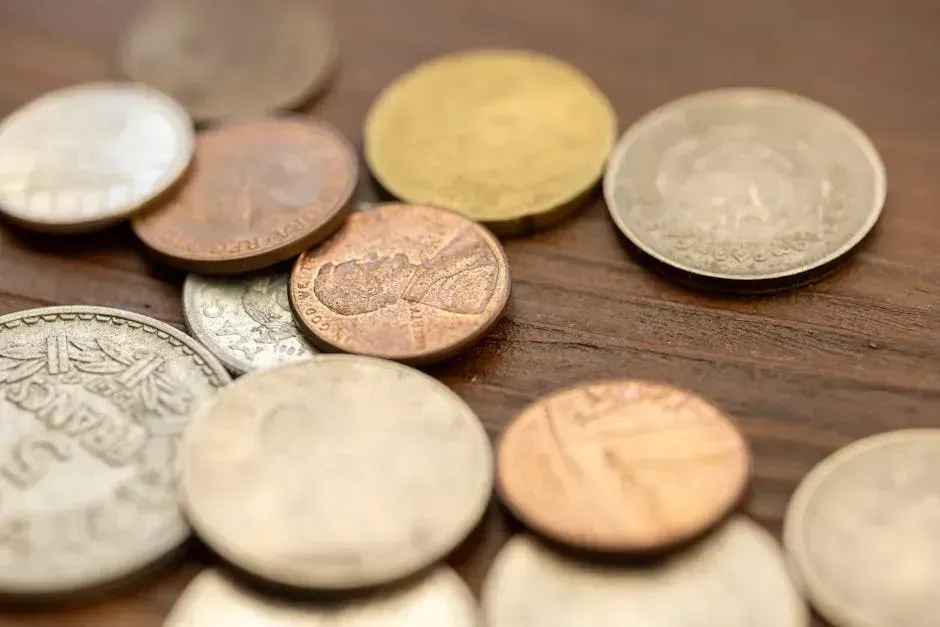
In the Lincoln cent series, some “key dates” are worth considerably more money to collectors than more common dates. The most commonly counterfeited Lincoln cents include the 1909-S VDB, 1914-D, 1922 plain with no mint mark, and the 1931-S. Counterfeiters are very skilled at creating fake rare coins. They can sometimes even make them appear worn and aged like an unsuspecting collector might expect a genuine coin to look like.
The desirability of the 1909-S VDB makes it the most commonly altered and counterfeited collectible coin in the world. For a counterfeiter, the addition of a simple, small design element like an “S” mintmark can create a substantial profit of hundreds, if not thousands of dollars. Experts strongly recommend having your coin certified by a professional service such as PCGS or NGC before selling or purchasing it as an investment.
Condition and Color Affect Value More Than Most People Realize
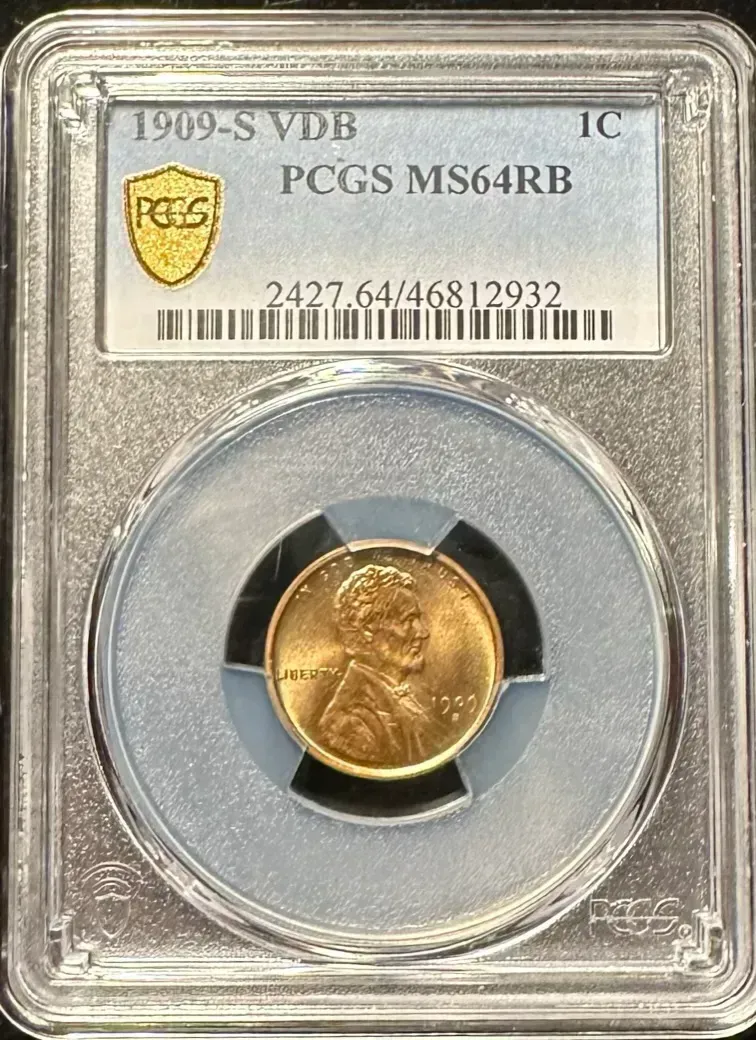
Color matters a lot for Lincoln cents. PCGS uses RD, RB, and BN designations, and full Red coins often sell for much more than Brown or Red-Brown examples in the same grade. Even more common coins can command strong prices if they are well-preserved, with red uncirculated specimens graded MS65 RD or higher often valued exponentially more than their circulated counterparts.
The difference between a penny worth three cents and one worth $3,000 often comes down to a tiny mint mark, a subtle doubling in the date, or the color of the copper itself. This is why every wheat penny deserves at least a few seconds of examination under decent light before you decide it’s just spare change.
Famous Error Coins That Slip Through Unnoticed
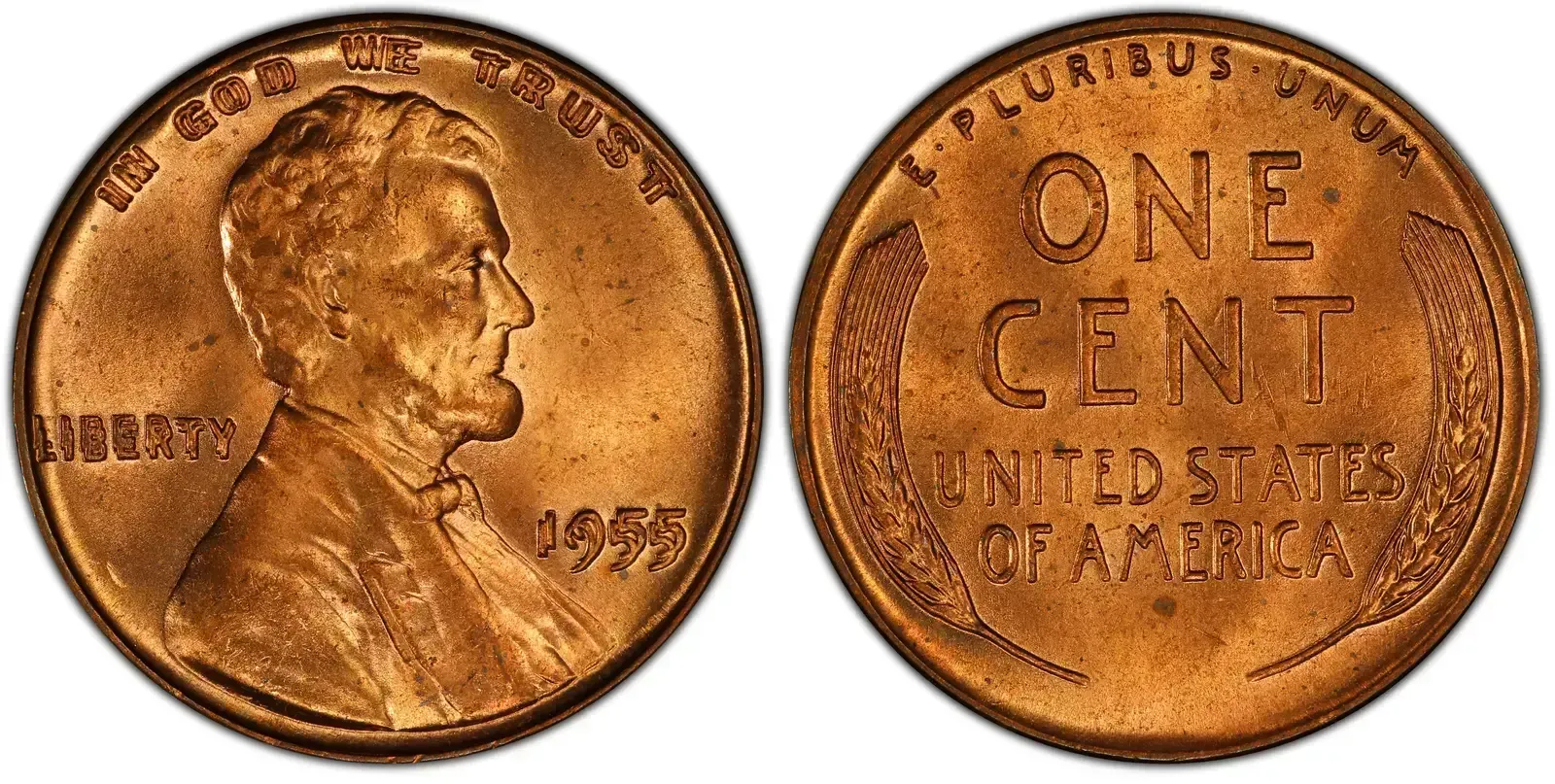
The best-known example in the error coins category is the 1955 Doubled Die Obverse, which is popular because the doubling is strong and easy to see. The 1958 Doubled Die Obverse is even rarer, and PCGS reports a $336,000 auction record for one certified piece.
The 1955 Double Die is one of the most famous error coins in U.S. history. The doubling on the obverse lettering is visible to the naked eye, making it a striking example of a minting mistake. Values range from hundreds to thousands depending on condition. These coins circulated widely when they were first issued, which means some still turn up in forgotten coin jars and old collections decades later.
How to Properly Store and Assess What You Find
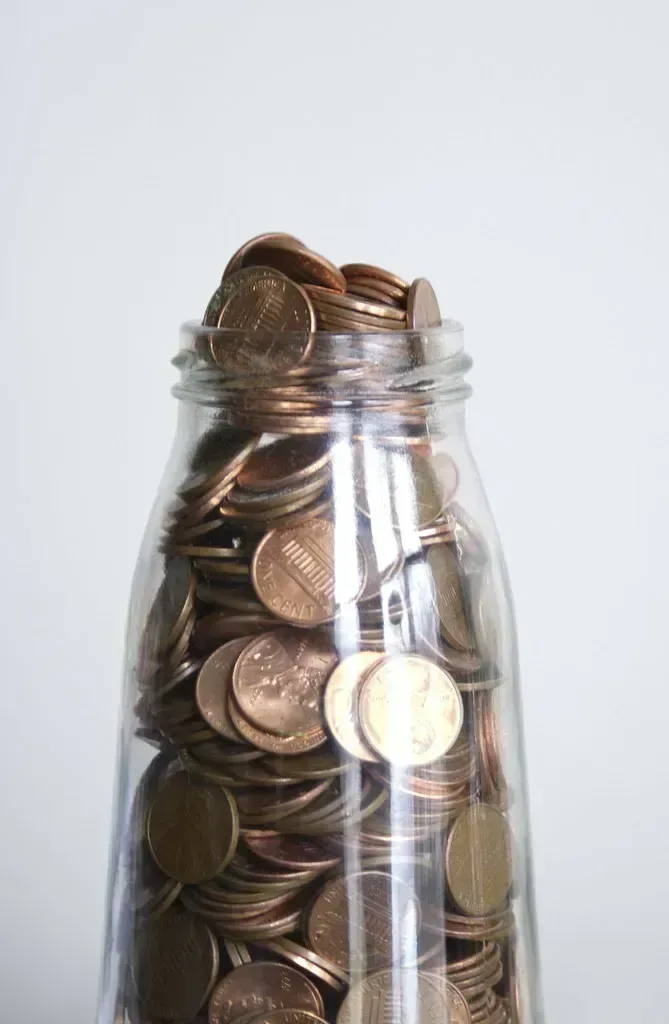
Proper storage is essential to maintain value. Use protective holders or albums to prevent damage. Store coins in a cool, dry environment to avoid tarnish or corrosion. The moment you drop a potentially valuable wheat penny into a loose pocket or leave it rolling around in a drawer, you risk reducing its grade and therefore its market value.
Professional grading agencies such as PCGS or NGC grade coins, and having a coin certified by one of these services is the most reliable way to confirm both its authenticity and condition. PCGS also notes that wheat cents can still turn up in circulation or in old jars of saved change, even though they are much less common now than later Lincoln cents. The habit of checking before spending costs nothing and could protect something genuinely valuable.
The Collector Market in 2026 Makes This More Important Than Ever
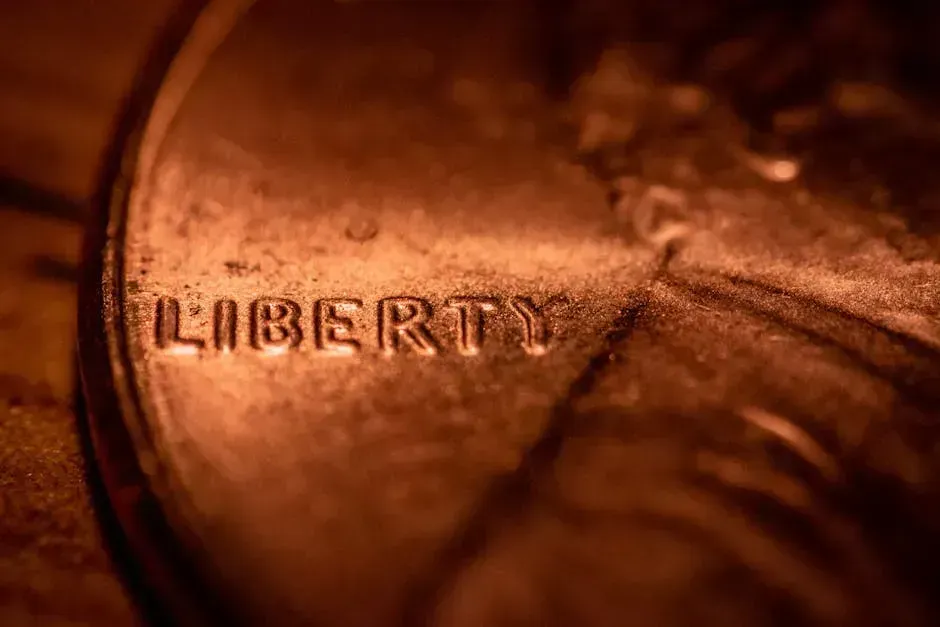
The current Wheat Penny market is being shaped by a combination of collector nostalgia, limited surviving high-grade examples, and increasing global demand. Key dates and well-known error varieties continue to perform strongly at auction, especially in certified Mint State condition. As more collectors compete for top-population coins, prices for premium pieces tend to rise faster than average examples.
Despite the penny’s phase-out, interest in rare Wheat Pennies remains strong. Numismatists view these as investment-grade collectibles, not merely historical oddities. With U.S. auctions topping $600 million in 2024, these micro-investments outpaced stocks for some collectors, yielding strong annual returns on graded sets. Spending a wheat penny today might feel trivial. Looking back on it later, it almost certainly would not.