
There’s a particular frustration that comes with a home that looks fine on paper but somehow never feels quite right. The sofa is comfortable, the paint color is inoffensive, and the layout works. Yet something is off, and most people can’t put their finger on it. Designers, though, can. They’ll walk through a space and immediately notice the hollow thud of a closing door, the low curtain rod chopping the room in half, the builder-grade light switch that undermines an otherwise elegant hallway.
Designers often focus on quieter changes – the types that don’t announce themselves, yet somehow make everything feel better. The room feels calmer. More intentional. More expensive, even if nothing major was added. These are the eight upgrades that keep coming up in professional design circles, and the ones most homeowners keep skipping.
1. Swapping Hollow-Core Doors for Solid-Core Ones

Most modern homes use hollow interior doors because they’re cheaper and lighter. Solid doors feel completely different. They close with a softer, more substantial sound. They block noise better. It’s one of those changes that guests notice without being able to explain why the home feels more premium.
The most significant upgrade is sound insulation: solid core doors can reduce noise by up to 50%, creating quieter bedrooms and private home offices. Their dense construction also provides better fire safety, with some models offering a 20-minute fire rating. That’s a meaningful functional upgrade wrapped inside something that just looks like a nicer door.
2. Hanging Curtain Rods High – and Wide
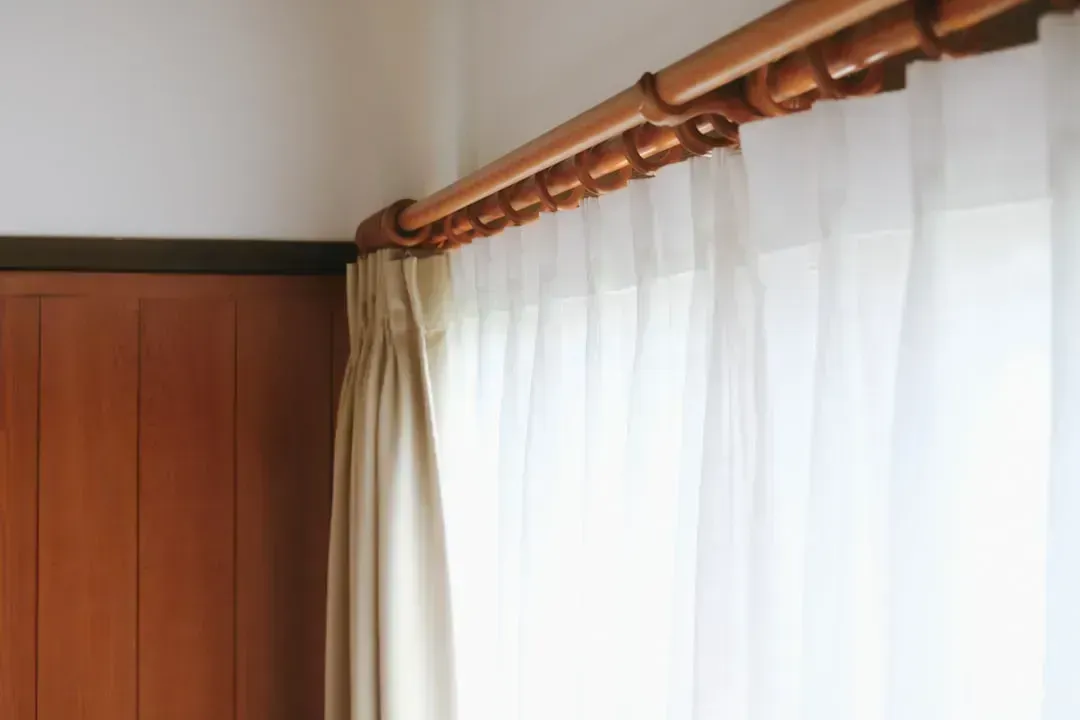
Never hang curtain rods on or directly above the top of the window frame. Visually, it shortens the height of the ceiling and makes the room feel a bit sad. Most homeowners do exactly that, simply because the window is right there and it seems logical. It isn’t.
Designers frequently recommend hanging curtain rods four to six inches below the ceiling or crown molding to create a strong vertical line that maximizes visual height. Mounting the rod directly above the window frame can “cap” the window, limiting the sense of openness. Lifting the rod fills that space with fabric, adding texture and warmth to the room. The result feels taller and more considered without changing a single wall.
3. Installing Dimmer Switches Throughout the Home
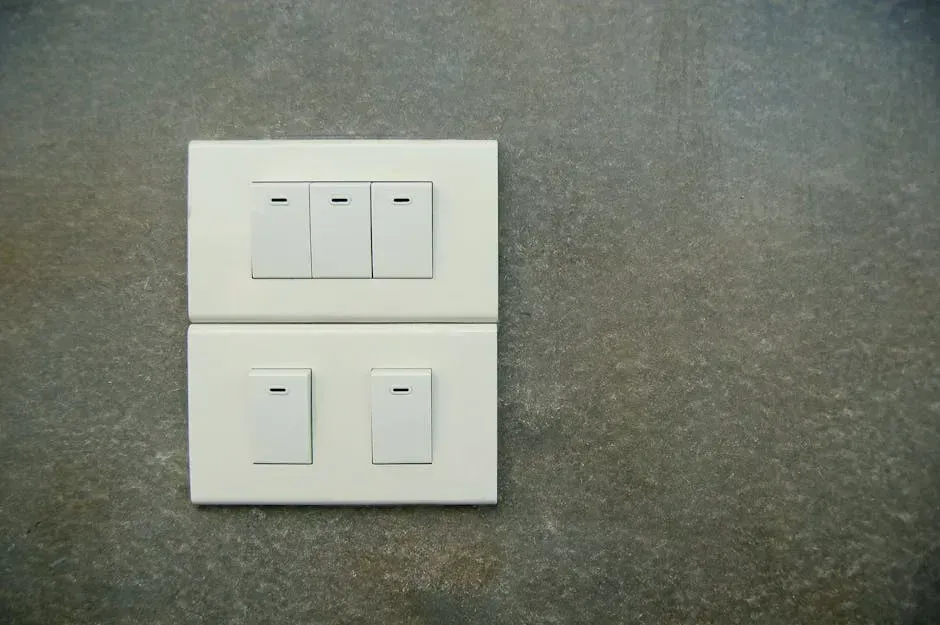
Lighting shouldn’t always be at full brightness. Dimmer switches allow rooms to shift throughout the day – keeping them brighter in the morning, softer in the evening. It makes spaces feel calmer and more flexible. It’s a small electrical upgrade that changes the mood instantly.
Dimmers are one of the simplest upgrades you can make, and they have an outsized impact on how a room feels. Being able to adjust lighting levels based on the time of day, activity, or mood makes your lighting feel intentional instead of one-note. For most rooms, a dimmer switch costs around the same as a decent dinner out. The return on that investment is felt every single evening.
4. Replacing Bulbs with the Right Color Temperature

Light temperature makes a bigger difference than most people expect. Cool white bulbs can feel harsh and flat, especially at night. Warmer bulbs create a softer glow that feels more natural and easier on the eyes, especially in living rooms and bedrooms where people are trying to relax. Designers often look for bulbs in the 2700K range, which mimics the warmth of traditional incandescent light.
It’s one of the fastest, least expensive ways to make a home feel calmer and more inviting without changing anything else. This is also one of the most ignored upgrades precisely because it sounds trivial. A bulb is a bulb, right? Go ahead and compare a 5000K cool white kitchen to one lit at 2700K on a dark winter evening. It’s practically a different room.
5. Adding Soft-Close Hardware to Cabinets and Drawers
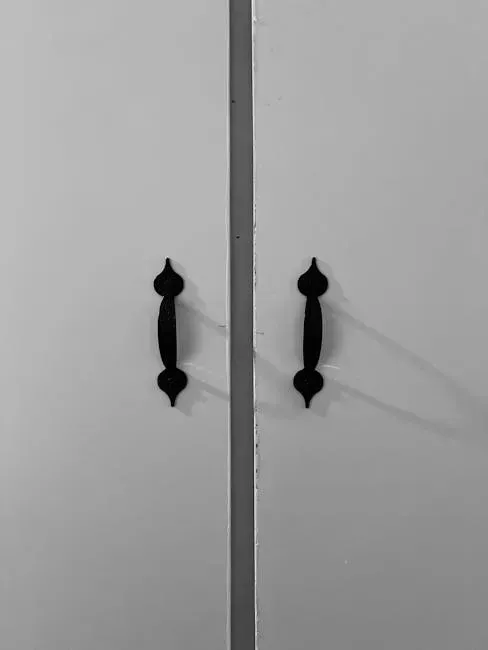
Soft-close hardware prevents doors and drawers from slamming shut. Instead, they close slowly and quietly, which immediately makes kitchens, bathrooms, and closets feel more refined. It also reduces wear and tear over time, helping cabinets last longer. It’s a small mechanical upgrade, but it changes something people interact with every single day.
The gap between a home that feels well-built and one that doesn’t is often just the sound of a drawer closing. The best smart interior upgrades often come from small, intentional changes that add style, function, and comfort, without the chaos of a full renovation. Soft-close hinges are about as close as you get to a guaranteed win in that category.
6. Upgrading Cabinet and Door Hardware
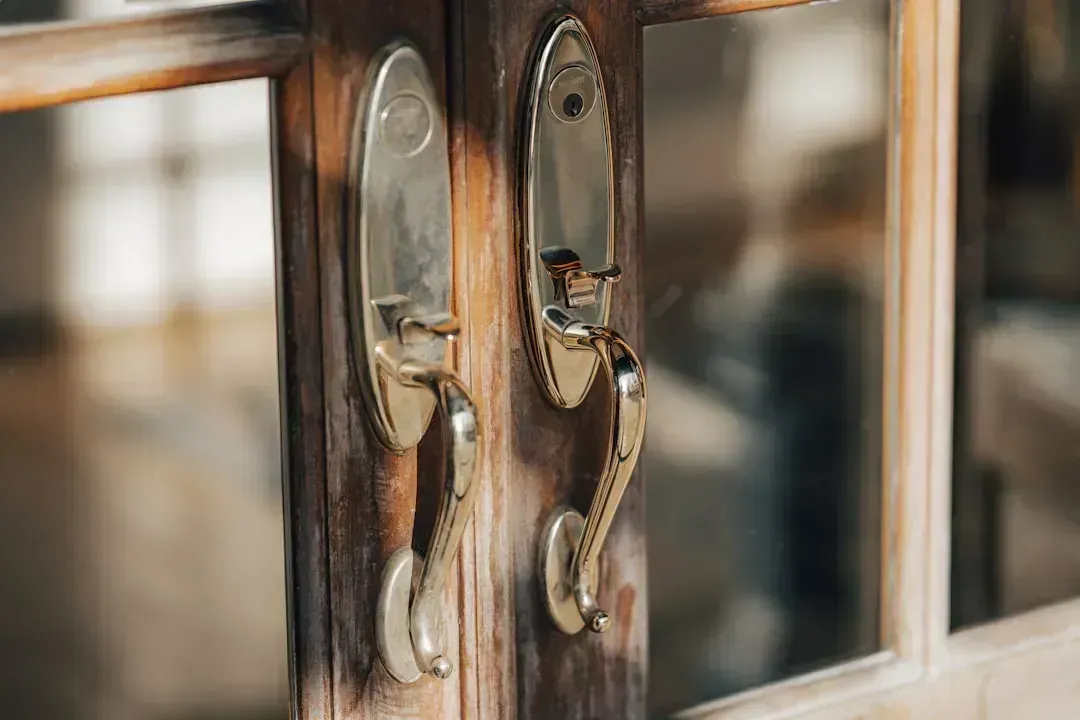
Even when cabinets and doors get painted, stained, or otherwise prettied up, not changing the hardware is a real giveaway that you’re looking at something old and dated, especially if that hardware is rusting, pitted, or covered in paint flecks. It’s the equivalent of pairing a tailored jacket with worn-out sneakers.
Swapping out shiny brass hardware or ornate lighting with matte black, brushed nickel, or warm bronze can quickly pull your home into the present. The difference between standard and standout is usually in the details. Hardware replacement is also one of the most budget-accessible upgrades on this list – and one of the highest-impact ones per dollar spent.
7. Installing Taller Baseboards
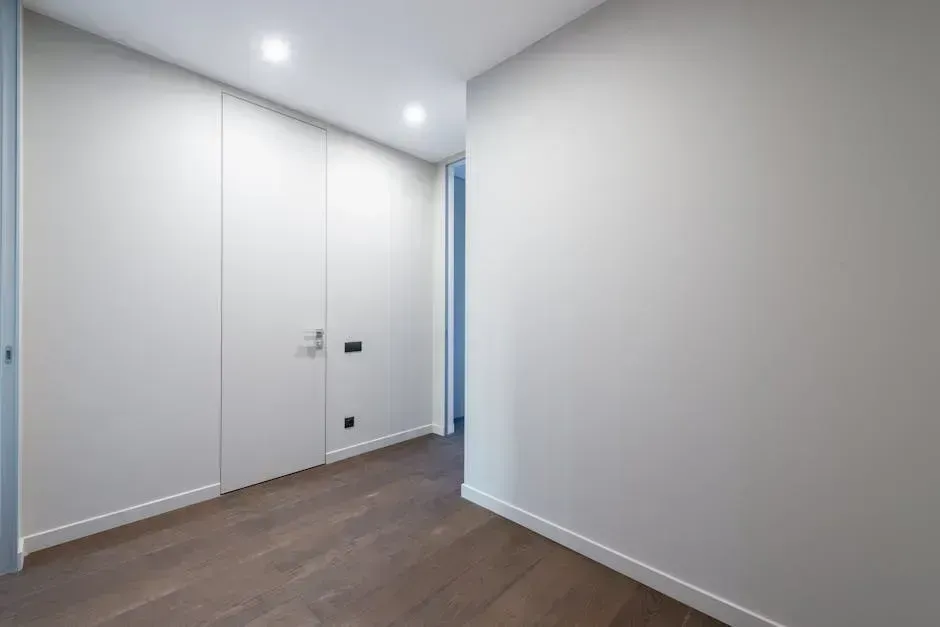
Baseboards frame the room. Taller baseboards give walls more presence and make the entire space feel more considered. Short baseboards, by contrast, can make rooms feel unfinished or builder-grade. Even increasing the height by a couple of inches can make a noticeable difference. It’s a subtle architectural upgrade, but it helps give the home the kind of quiet detail people often associate with older, better-built houses.
If you’ve got a basic builder-grade home with boxy rooms, crown molding adds architectural interest and gives a room a more custom look. Baseboards and crown molding work on the same principle: they frame architectural elements the way a mat and frame elevate a print. Without them, even well-decorated rooms can feel slightly unfinished.
8. Lighting Closets Properly
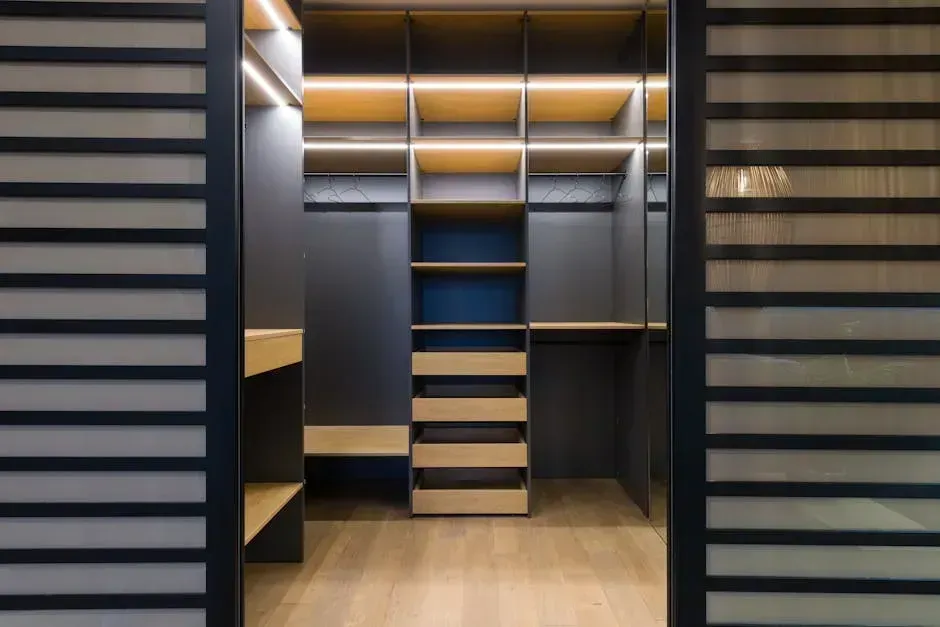
Closets are often poorly lit, which makes them harder to use than they should be. Adding brighter overhead lighting, LED strips, or even motion-activated lights makes it easier to see clothing clearly. It also makes closets feel larger and more organized, even if nothing else changes. It’s a practical improvement, but it also makes everyday routines smoother and less frustrating.
In kitchens and bathrooms, you can add under-cabinet LED strips or pucks. These provide targeted light on the countertops so you can see what you’re doing while you’re prepping. They also show off pretty tile backsplashes and pick out design details to help make the space look more high-end. The logic applies equally to closets: proper light transforms a space you rush through into one that actually works for you.
None of these upgrades require gutting a room or hiring a full renovation crew. Most of them cost under a few hundred dollars, and several can be completed on a weekend. The reason designers return to them again and again isn’t trend-chasing – it’s that they change how a home feels at the level where people actually live in it, in the small moments of every day. That’s a harder thing to measure than square footage, but it’s arguably more important.