
Most of us grew up in homes where our parents were trying their best. That is worth saying plainly, because this article isn’t about blaming anyone. What it is about is recognizing that certain common parenting behaviors, ones that were widely accepted and even praised a generation ago, left real marks on the people who experienced them. The damage was rarely dramatic. It was quiet, cumulative, and often invisible until adulthood made it visible.
Parenting styles significantly influence various dimensions of child development, encompassing emotional, cognitive, and social outcomes. The tricky part is that many of the habits listed here didn’t look harmful at the time. They looked like discipline, motivation, or toughness. Only later, in therapy offices and in our own relationships, did the patterns start making sense.
1. Dismissing Our Emotions

It starts small. You cry after a rough day at school and you’re told, “Stop overreacting.” You feel scared and you’re told, “There’s nothing to be scared of.” Over time, those responses don’t just silence you in the moment. They teach you that your inner life is unreliable, inconvenient, or wrong. Common examples of this kind of emotional dismissal include punishment for expressing negative emotions like sadness, anger, or frustration, and invalidation of feelings with phrases like “You’re too sensitive” or “Stop worrying about it.”
The result in adults is strikingly consistent: difficulty identifying and naming feelings, a deep discomfort with having needs, a sense of emotional numbness or emptiness, and a pattern of putting others’ needs first in ways that feel compulsive rather than chosen. This kind of childhood emotional neglect can be hard to name precisely because it involves what a parent failed to do, not what they actively did. Even unintentional emotional neglect goes beyond occasional missteps and can leave lasting effects that follow us into adulthood when it is chronic.
2. Ruling Through Fear and Strict Control

Some households ran on obedience. Rules were set, rarely explained, and non-negotiable. Authoritarian parents typically engage in a one-way mode of communication where they establish strict rules that the child is expected to follow without question or negotiation. These rules are rarely explained, and children are expected to meet high standards without making mistakes. Errors are often met with punishment. For a child, this environment doesn’t just create compliance. It creates anxiety.
Aggression, anxiety, depression, and problem behaviors in children were all correlated with parents’ high levels of control. The longer-term picture is just as concerning. A review of previous research found that the use of authoritarian parenting has long-term adverse effects on children’s health, regardless of age, including lowering children’s self-esteem, psychological flexibility and maturity, and even may cause their mental illness. Kids raised under those conditions often spend adulthood figuring out how to trust themselves again.
3. Comparing Us to Siblings or Other Kids

“Why can’t you be more like your brother?” Few sentences in childhood do more quiet damage than that one. When parents frequently compare their children to others, particularly in unfavorable terms, it can lead to a decrease in self-esteem as children may perceive themselves as less competent, successful, or worthy compared to their peers. The intent is usually to motivate. The effect is usually the opposite.
Parents’ social comparison is more likely to produce a contrast effect, which may cause teenagers to feel more pain or frustration and form a negative self-evaluation, which in turn affects the mental health of teenagers. What makes this particularly persistent is that the habit doesn’t just affect self-esteem in childhood. Repeated comparisons can fuel feelings of resentment toward both the child being compared to and the parent making the comparisons. Children may harbor resentment toward their peers for being held up as benchmarks of success and toward their parents for imposing unrealistic expectations. This can strain parent-child relationships and create a hostile or competitive atmosphere within the family.
4. Making Love Feel Conditional on Achievement
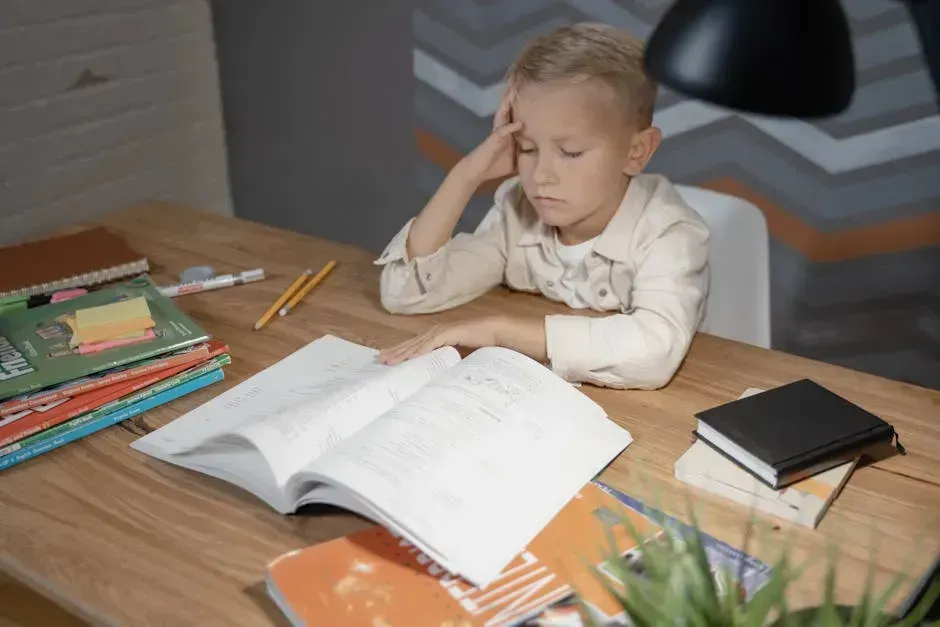
Some children grew up sensing that parental warmth shifted depending on how they performed. Good grades brought hugs. Bad grades brought silence or disappointment. That pattern has a name in developmental psychology. Conditional regard is examined in two distinct forms: the increase of affection when the child succeeds and meets parental expectations, and the decrease of affection when the child fails to do so. Both forms are considered psychologically controlling.
Previous research has consistently shown that parental conditional regard frustrates basic psychological needs and brings negative effects on various developmental outcomes of children, such as the development of contingent self-esteem, introjected motivation, and suppressive and dysregulated emotion regulation. Children who grow up in this pattern often become adults who tie their entire sense of worth to output. Rest feels like failure. Being average feels like a crisis. It’s exhausting in a way that’s hard to explain to people who didn’t live it.
5. Using Shame as a Discipline Tool
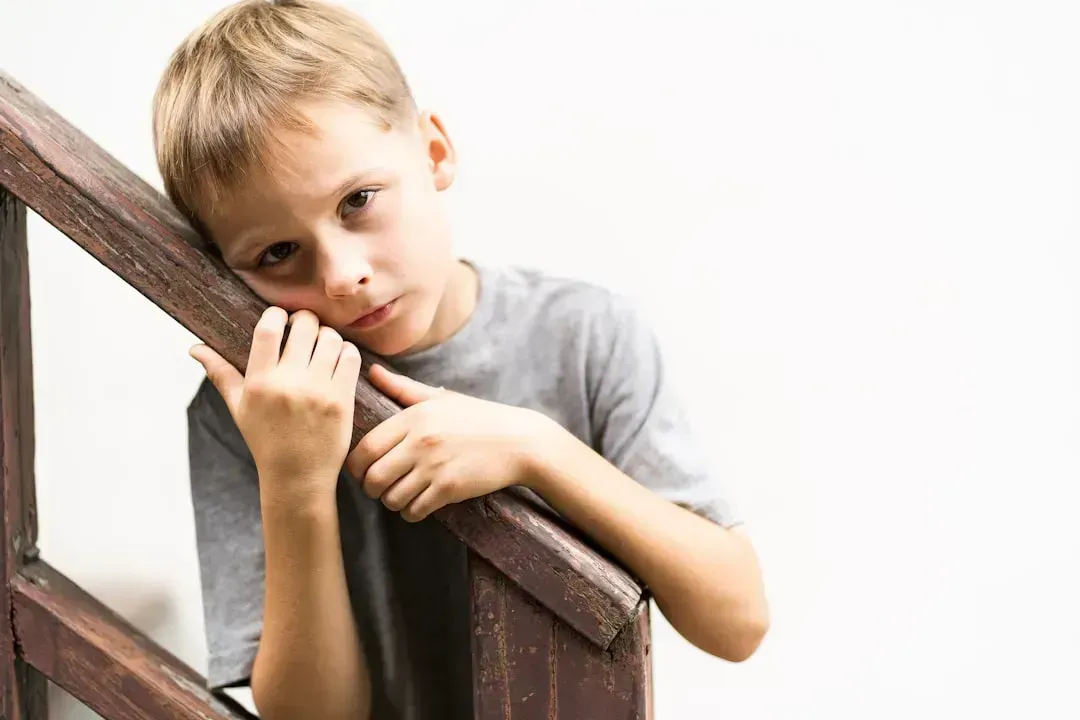
Shame is one of the oldest and most common parenting tools in the book. A child misbehaves in public and gets publicly embarrassed. A child fails a test and is told they should be ashamed of themselves. The parent believes they’re teaching accountability. What they’re actually doing is far more complicated. Children from authoritarian families show lower emotional intelligence, higher anxiety and depression, lower self-esteem, as well as poorer social skills. The psychological processes behind such effects involve emotional suppression, avoidant behaviors, as well as the lack of emotional models.
Shame, unlike guilt, doesn’t target behavior. It targets identity. Guilt says, “I did something bad.” Shame says, “I am bad.” People with lower psychological flexibility have fewer chances of experiencing choice when facing problems. They may avoid relationships and interactions with people when having social anxiety, while mental rigidity involving the excessive use of inhibition, suppression, and avoidance may exacerbate negative thoughts, emotions, arousal, and distress. These are patterns that can last decades.
6. Ignoring the Emotional Impact of Family Conflict

Conflict between parents, or between parents and children, is a normal part of family life. What isn’t harmless, though, is when that conflict is chronic, loud, and unresolved in ways children witness repeatedly. The quality of family relationships is vital for mental health, as it is closely linked to the prevalence of depression and anxiety disorders. Additionally, family conflicts are strongly associated with an increase in mental health issues, underscoring the critical impact of family cohesion on psychological well-being.
Children who grew up in high-conflict households often became highly attuned to emotional cues in the people around them. That skill comes at a cost. They may scan rooms for tension, over-interpret facial expressions, or feel responsible for managing other people’s emotions. A demanding-controlling parenting style is likely to hinder the development of autonomy in adolescence and may therefore contribute to the development of mental health problems. Learning to feel safe in calm environments can take years of deliberate work.
7. Withholding Physical Affection or Warmth

Some households weren’t cold by design. Many parents simply weren’t raised to hug freely, say “I love you,” or offer comfort when things went wrong. When children express their emotions, caregivers who emotionally neglect them may ignore, minimize, or dismiss their feelings, telling them to “stop crying” or “toughen up.” Physical affection gets wrapped up in this same pattern. When warmth is absent or rare, children learn to stop reaching for it.
A thus injured sense of self can result in constant self-vigilance, in being distrustful of others, and in not feeling worthy of respect and love. Adults who didn’t receive consistent warmth in childhood often struggle with physical and emotional intimacy later in relationships. Emotional neglect can make it hard to trust people, leading to emotional walls as a form of self-protection. This may manifest as avoiding relationships entirely or ending them prematurely at the first sign of conflict. Opening up and being vulnerable can feel unsafe, making meaningful connections challenging.
8. Projecting Anxiety or Catastrophizing Risk
Some parents, out of genuine love and worry, treated the world as a deeply dangerous place. Ordinary childhood risks, climbing a tree, walking to a friend’s house, trying something new, were met with alarm. Over time, the child internalized that alarm as a baseline. Authoritarian parenting with the strict discipline of the child tends to negatively impact the child’s emotional well-being and restrict the formation of their emotional coping mechanisms. The same dynamic applies when anxious over-protection replaces the child’s chance to experience manageable risk.
Research links authoritarian parenting with kids who are less resourceful, less confident, and less socially adept. Studies also suggest they are more likely to develop behavior problems. A parent’s transferred anxiety doesn’t feel like a burden when you’re small. It feels like truth. It tells you the world requires constant vigilance, that you probably can’t handle what’s coming, and that staying close to safety is always the better choice. Those internal rules don’t automatically disappear at age eighteen.
9. Never Apologizing or Admitting They Were Wrong
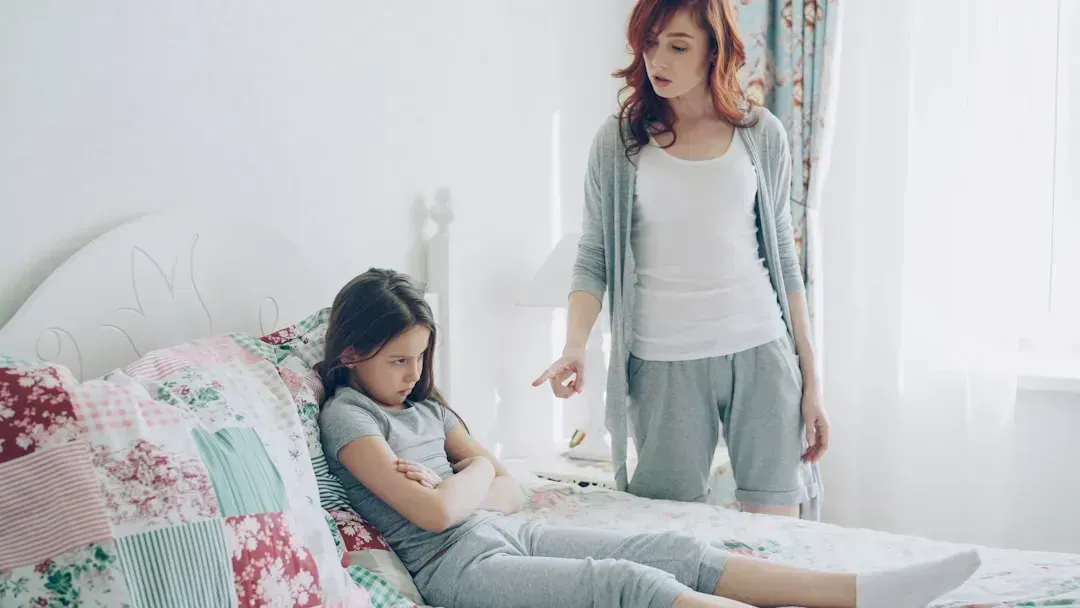
This one is subtle but carries significant weight. In households where parents didn’t apologize, where they doubled down after yelling unfairly or punished without cause and never acknowledged it, children were left to resolve the dissonance on their own. Usually, they resolved it by assuming they must have deserved it. A medical study that looks at parenting quality defined by emotional withdrawal or absence reveals attachment and emotional dysregulation and lifelong psychological problems.
If a parent consistently ignores or dismisses their child’s distress or feelings, it sends a harmful message. Using demeaning phrases and refusing to listen to a child’s emotions teaches them that their feelings are wrong and unimportant. When a parent never models accountability, the child grows up without a clear template for repair in relationships. They may either over-apologize for things that aren’t their fault, or avoid all confrontation because they were never shown what a healthy resolution looks like. A parent’s upbringing style can significantly influence a child’s behaviors and actions as they age. However, as children grow older, other factors such as therapy, culture, and social circles can further shape or alter their conduct.
None of this means our parents were villains or that the damage is irreversible. Most of what’s described here came from people who were themselves shaped by the very same patterns. Understanding where these wounds came from is, for many people, the first honest step toward not passing them on.