
More than four in ten American adults now report that climate change has personally affected their mental health, and roughly one in three adults worry about it on a weekly basis. That’s not a fringe phenomenon. More and more, climate change is taking a toll not only on communities, the environment, and the economy, but also on human minds, with researchers describing a suite of symptoms including depression, anxiety, and post-traumatic stress disorder linked to experiencing severe weather events or simply living in an era of growing climate crisis.
The natural response is to look for somewhere that feels steadier. Not a fantasy escape, but a real place where the combination of physical resilience, freshwater abundance, lower disaster risk, and a culture of environmental stewardship can genuinely quiet that background noise of dread. These eight places in America won’t make climate change disappear, but they offer something increasingly rare: a sense of groundedness when the world feels like it’s burning.
1. Duluth, Minnesota – A City Built on Fresh Water
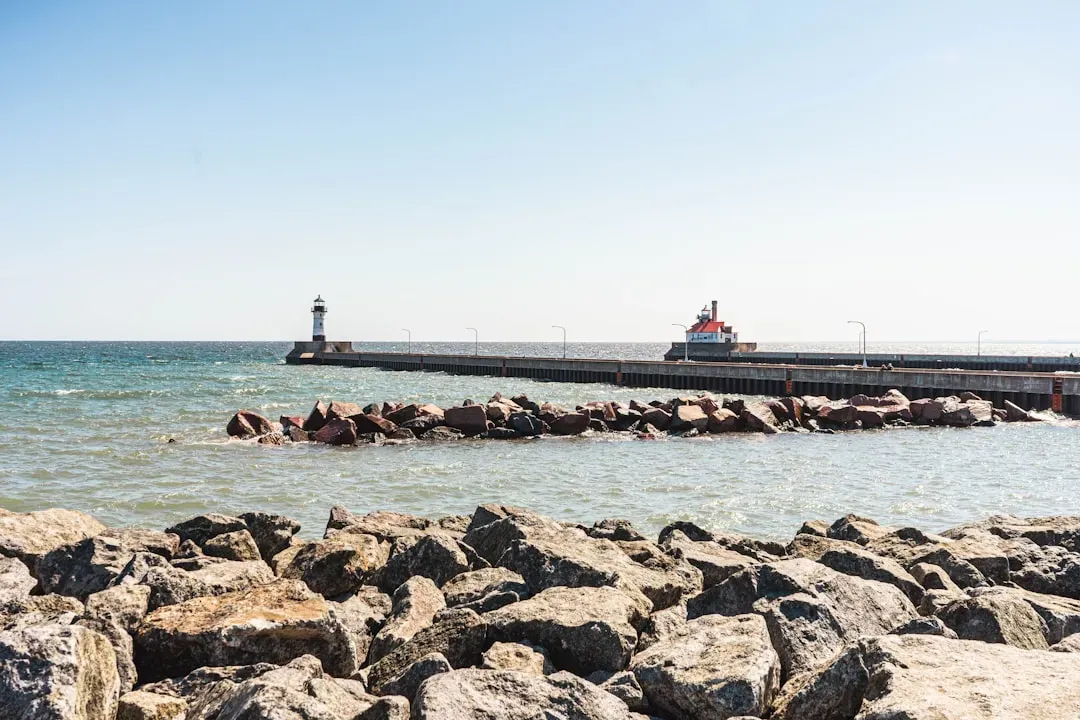
Duluth’s position on Lake Superior offers abundant freshwater and cooler weather, and the city’s renewable transition and community planning efforts make it one of the most frequently cited U.S. climate refuges. Duluth sits at the western point of Lake Superior, which is among the largest freshwater lakes in the world, containing about ten percent of the world’s accessible freshwater. In a country where the West is running dry, that number genuinely matters.
According to an analysis by Augurisk, Duluth ranks highly for low risk of flooding, hurricanes, and wildfires, and the city experiences four distinct seasons but extreme weather events are rare compared with coastal or southern regions. Like other Rust Belt cities, Duluth has available and affordable housing stock, and according to the mayor’s office, the city was built for 130,000 people, meaning there’s meaningful room to grow without the infrastructure strain that plagues overheated metros.
2. Burlington, Vermont – 100% Renewable and Lake-Adjacent
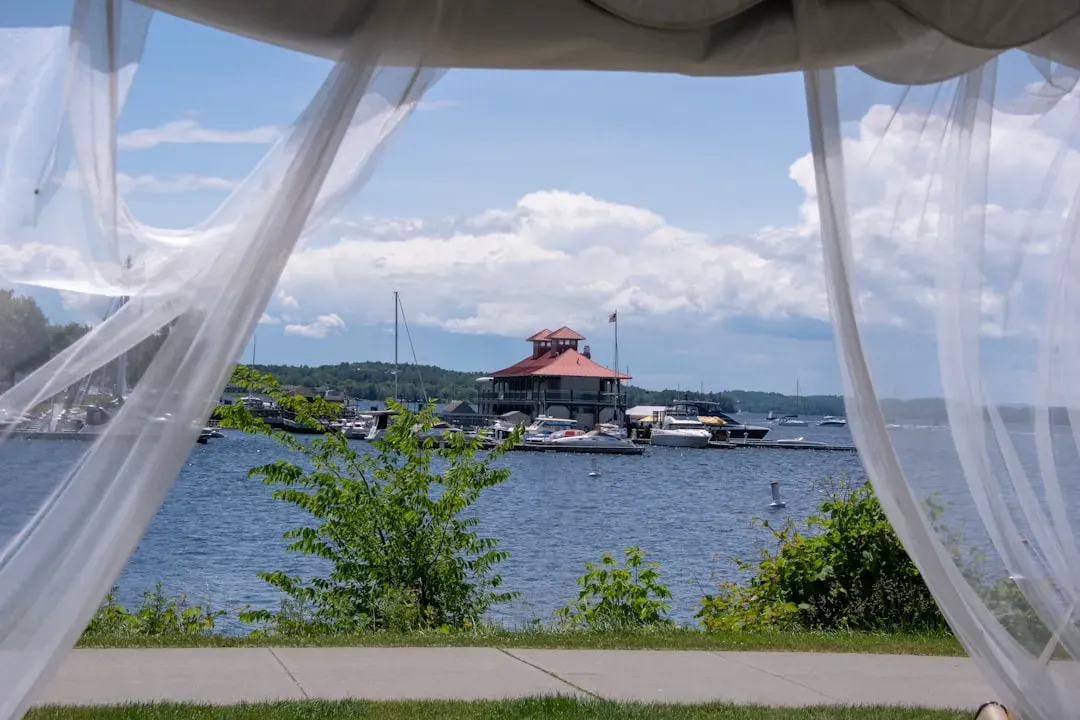
Burlington runs entirely on renewable electricity and sits along Lake Champlain, ensuring reliable water access and a moderate climate, and the city’s strong civic culture, energy efficiency programs, and focus on local food resilience make it one of America’s most sustainable small cities. Vermont’s state-level policies back that up: Burlington enjoys relatively low exposure to major hurricanes or extreme heat events, and Vermont’s policies prioritize sustainability, renewable energy, and climate adaptation.
Agriculture, forestry, and local food programs reduce dependence on long supply chains, enhancing resilience during disruptions, Burlington’s size and infrastructure make it easier to implement emergency plans efficiently, and residents often cite a strong sense of community as a key factor in climate adaptability. It’s worth noting that Burlington is not immune; surrounding areas suffered serious flooding in July 2023. Still, as small cities go, Burlington has done more than most to build a livable future on purpose.
3. Madison, Wisconsin – Lakes, Bikes, and a Serious Climate Plan
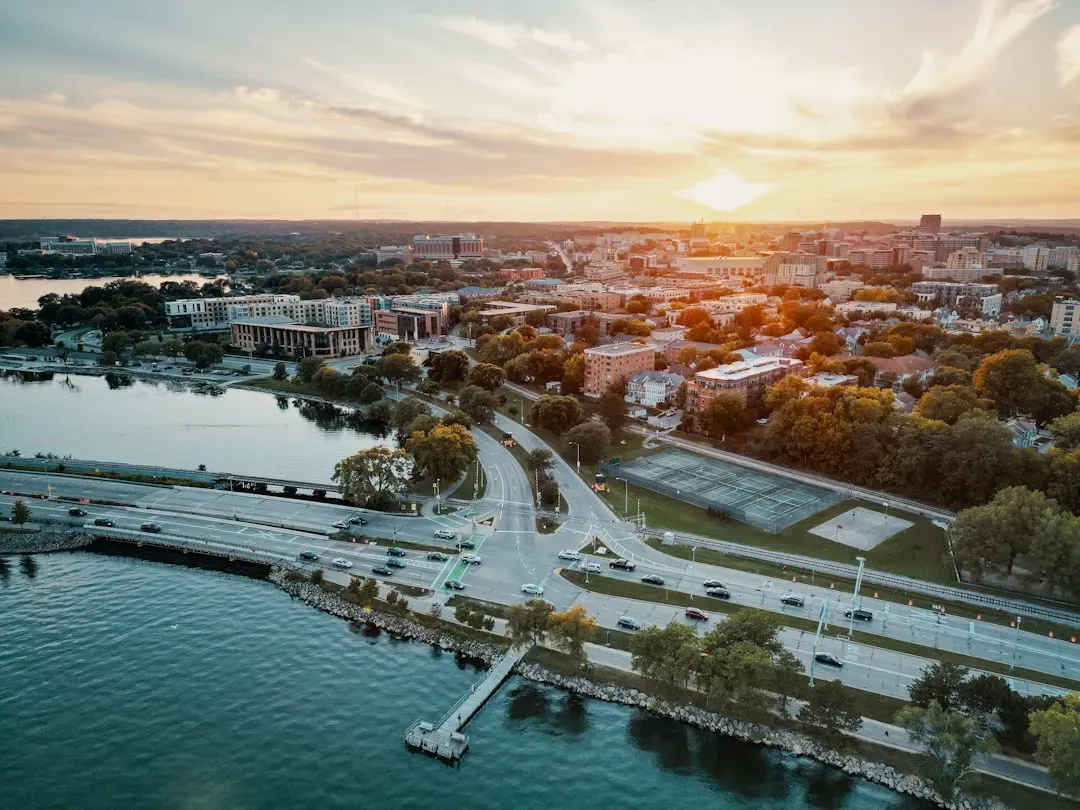
Madison combines freshwater access from nearby lakes with a relatively low risk of hurricanes or wildfires, and according to a 2021 climate risk assessment by the University of Wisconsin, Madison ranks high in resilience due to its infrastructure and water security. The city went further in 2024 when Madison’s city council voted unanimously to adopt its 2024 Sustainability Plan, which aims to cut climate pollution and improve residents’ well-being, with 24 goals across eight areas including renewable energy, clean water, zero waste, and healthy ecosystems.
Madison’s lakes, bike paths, and renewable programs create a resilient urban ecosystem, and its climate action plan focuses on carbon neutrality and lake preservation. Community-wide greenhouse gas emissions in Madison dropped by over eight percent from 2018 to 2022, which is a rare piece of genuine forward momentum in an era of stalled ambitions. For people who find calm in visible, local environmental action, Madison has a lot to offer.
4. Ann Arbor, Michigan – Where Research Meets Resilience
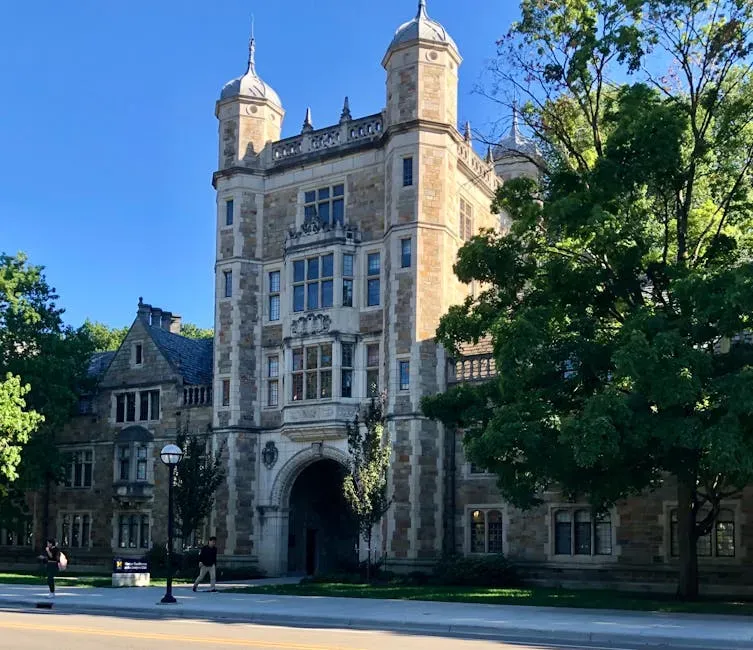
Michigan frequently appears on climate resilience maps due to its moderate climate and abundance of fresh water, and the Great Lakes provide a buffer against extreme temperatures and offer a reliable water source. The Great Lakes region is frequently touted as one of the most climate-resilient places in the U.S., in no small part because of its enviable water resources. Ann Arbor, sitting squarely within that ecosystem, benefits from all of it.
The city is also home to the University of Michigan, which has become one of the more active research hubs for understanding and planning climate migration. The American Society of Adaptation Professionals, based in nearby Ypsilanti, is collaborating with the city of Ann Arbor, the National League of Cities, Florida State University, and the state of New York to develop the first scientific models for anticipating economic and population shifts under changing climate conditions, with their work focused on migration in the Great Lakes region. Living somewhere actively working to understand and adapt to climate change is, for many people, its own form of reassurance.
5. Spokane, Washington – Inland, Affordable, and Overlooked
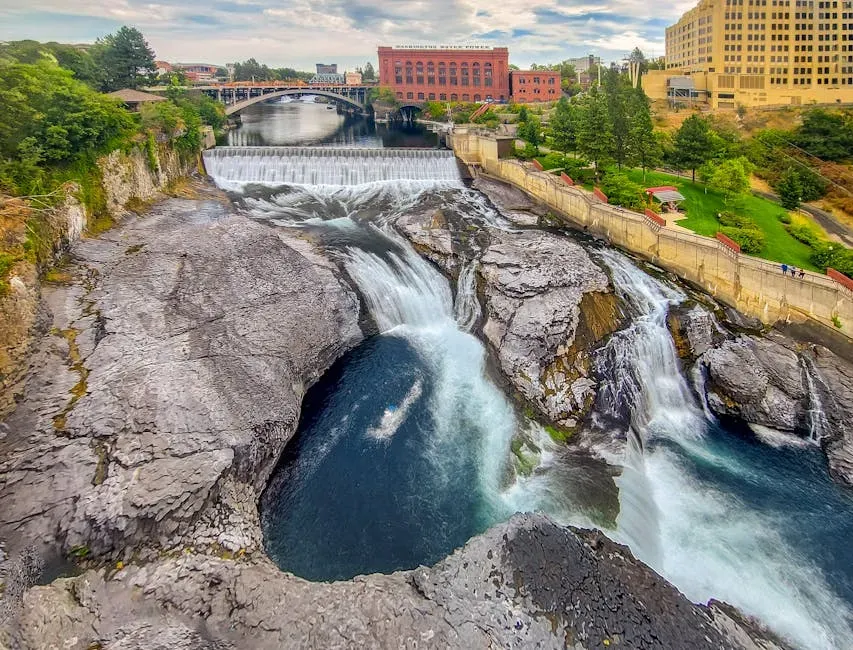
Spokane’s dry inland climate and growing renewable energy industry make it a resilient, affordable alternative to coastal hubs. Spokane benefits from a temperate climate and is located inland, reducing hurricane and sea-level risks, the city has invested in emergency response systems and sustainable water management practices, and the Washington State Department of Ecology identifies Spokane as lower-risk for climate-related disasters.
Residents enjoy a combination of urban amenities and accessible natural spaces, Spokane’s infrastructure supports energy efficiency and flood management, the local economy remains strong and diversified which aids recovery during environmental challenges, and recreational opportunities provide residents with both physical activity and stress relief. The Pacific Northwest tends to get all the climate-haven press, but Spokane, without the wildfire smoke corridor that more westerly cities sometimes face, offers a quieter, more affordable version of that story.
6. Minneapolis, Minnesota – Northern City, Deep Green Commitments
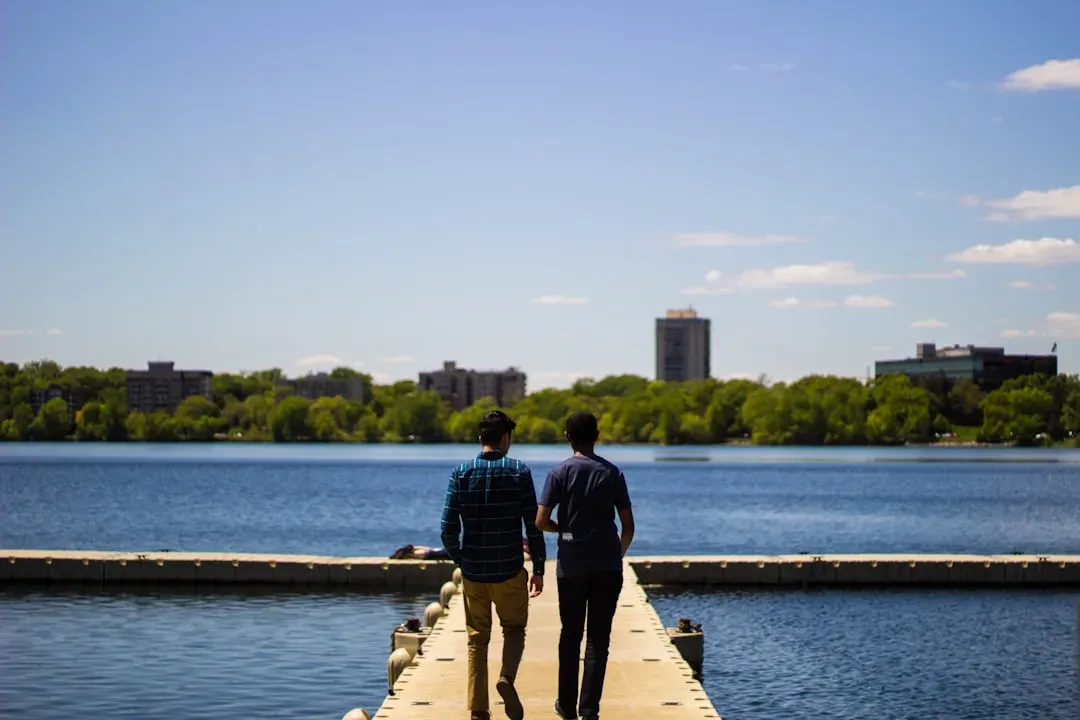
Minneapolis is investing in electrified public transit, green rooftops, and community-owned energy, and its strong governance and water resources make it a model of northern sustainability. The Midwest holds special appeal with its abundant fresh water, cooler summers, and comparatively little risk from hurricanes and wildfires. Minneapolis is perhaps the most urban expression of those advantages, with a genuinely functional infrastructure and deep civic engagement.
The city is honest about its challenges too. Temperatures in Minneapolis will rise meaningfully over the coming decades, and its stormwater systems are under stress. That sense of living through unexpected and unprecedented disasters resonates with more Americans each year, and an analysis of federal disaster declarations for weather-related events puts more data behind those fears, with the average number of disaster declarations nearly doubling since 2000 compared to the preceding twenty-year period. Even so, Minneapolis consistently invests in the kind of green infrastructure and community resilience planning that turns anxiety into something more actionable.
7. Portland, Maine – Coastal Resilience Done Thoughtfully
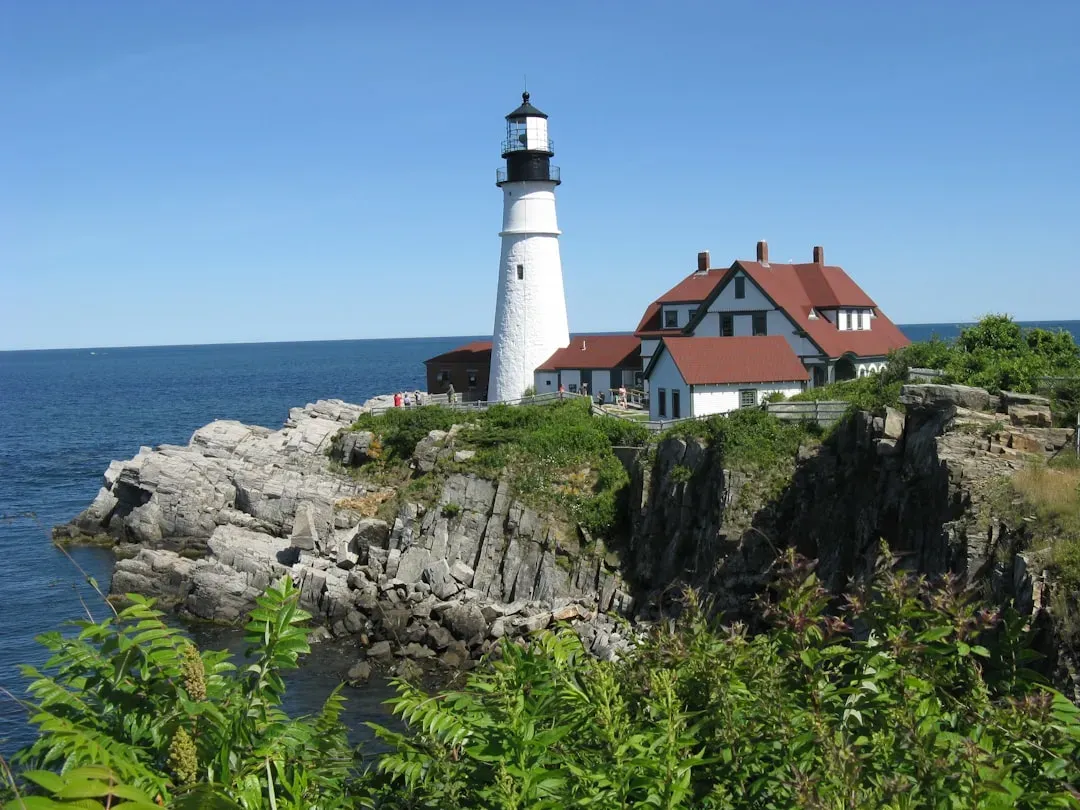
Portland, Maine, enjoys a northern coastal position with minimal hurricane exposure, and the city’s focus on renewable energy, fisheries protection, and clean transportation has positioned it as a model of coastal resilience. Portland is buffered from extreme heat waves and major hurricanes by its northern coastal location, and the city has access to abundant freshwater and maintains resilient infrastructure for stormwater management.
The surrounding landscape, a dramatic mix of rocky coastline, dense forest, and tidal rivers, creates that particular quality of natural grounding that researchers consistently link to reduced stress. Getting into natural green spaces has been shown to improve mood and reduce stress, and Maine’s version of that is genuinely compelling. Portland’s size keeps it human-scale, its food culture leans heavily local, and the state has a long-standing culture of environmental stewardship that feels less like a marketing position and more like a lived value.
8. Bellingham, Washington – Small City, Quiet Strength
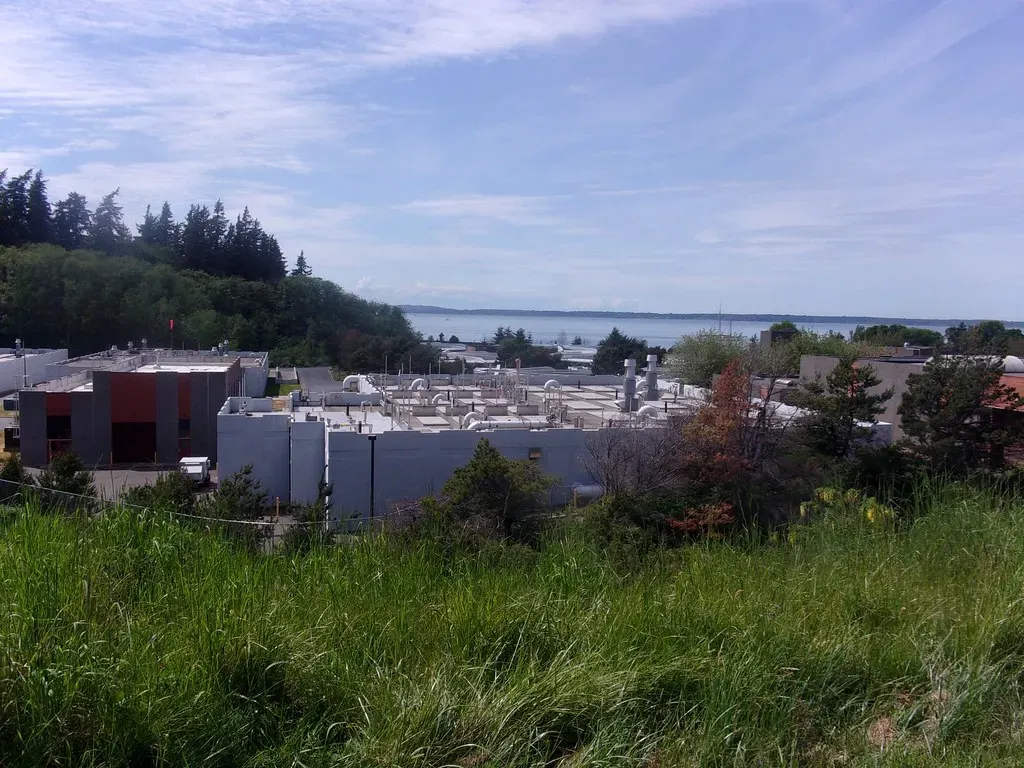
Bellingham’s hydroelectric power, clean air, and low disaster risk attract climate migrants seeking small-city sustainability. Located in northern Washington near the Canadian border, Bellingham is situated between the Cascade Mountains and Puget Sound, with access to some of the cleanest air in the Pacific Northwest. Bellingham is located in northern Washington and enjoys a mild, temperate climate with limited exposure to hurricanes or tornadoes, and the region has reliable rainfall that supports water supplies without extreme droughts.
Western Oregon and Washington boast mild temperatures, lush landscapes, and an environmentally conscious population, and with rich agricultural land and relatively low exposure to natural disasters, the region is often highlighted as a resilient area. Bellingham in particular carries a slower pace than Seattle and a stronger connection to the surrounding natural world. For people whose climate anxiety is rooted in disconnection from nature as much as in fear of disaster, that connection is part of the medicine.
None of these places are invincible. The National Climate Assessment shows there’s nowhere you can truly hide from global warming, but some places might fare better than others. Climate havens are not about escape; they are about preparation and possibility, and these cities represent the places where communities are actively building sustainable systems to weather an unpredictable century. That distinction matters. The relief these places offer isn’t the relief of ignorance. It’s the quieter, more durable kind that comes from being somewhere people are genuinely trying to get things right.