
There is a certain kind of dread that comes not from seeing something, but from knowing it is invisible. Radiation works exactly that way. The most contaminated places on Earth look, in many cases, like ordinary landscapes. Trees, rivers, fields, sometimes even thriving wildlife. Yet beneath the surface, in the soil and water and the bodies of animals, the consequences of human ambition and catastrophic failure linger for decades, sometimes centuries.
Maps that plot global radiation hotspots tend to produce a particular kind of unease. They force the realization that these places are not ancient history. They are ongoing situations, still actively monitored, still debated, still leaking in some cases. Here are thirteen of the most significant radioactive locations on Earth and the complicated, often heartbreaking story of what nature is still working through.
1. Chernobyl Exclusion Zone, Ukraine
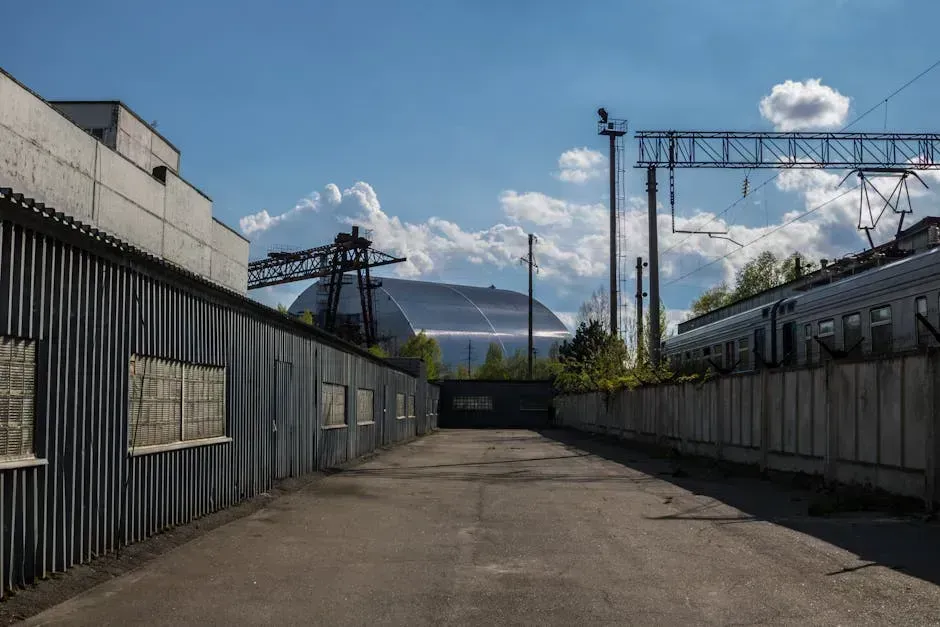
The 1986 Chernobyl disaster remains the most infamous nuclear accident in history. A reactor at the Chernobyl Nuclear Power Plant exploded during a safety test, releasing radioactive isotopes like iodine-131 and cesium-137 across Europe. According to the International Atomic Energy Agency, it released 400 times more radiation into the atmosphere than the atomic bomb dropped on Hiroshima.
Although radioactivity has decreased over time, the area remains extremely dangerous, as radiation levels are still very high and there are small releases of radioactive isotopes, especially near the reactor sealed under the new steel structure initially built in 1986 and replaced by another in 2016 to cover the reactor for the next 100 years. Ironically, wildlife has flourished in the absence of humans, though mutations and ecological shifts persist. The zone remains a landmark in the global conversation about nuclear risk.
2. Fukushima Daiichi Nuclear Plant, Japan
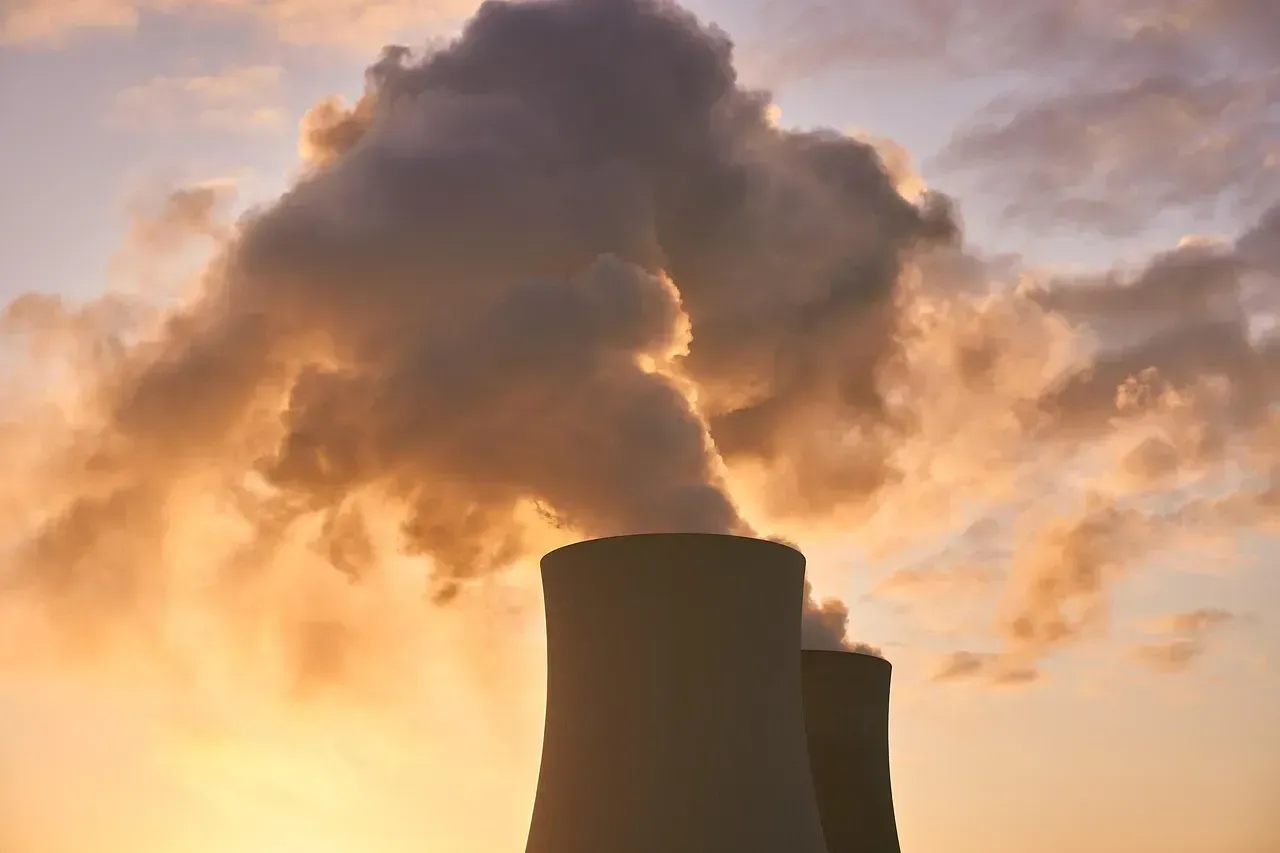
When a 9.1 magnitude earthquake caused a tsunami in 2011, it overwhelmed the existing safety features of the Fukushima nuclear power plant and caused the worst nuclear power plant disaster since Chernobyl. Although the plant survived the initial earthquake, the resulting tsunami was more than twice as powerful as the plant was designed to tolerate, causing the plant’s seawater pumps to fail. This led to the plant’s three reactors leaking radioactive material and spillovers of contaminated wastewater into the Pacific Ocean.
Over 150,000 residents were displaced, and the cleanup has cost Japan hundreds of billions of dollars. Contaminated water storage remains a major issue, with plans to release treated water into the ocean sparking international concern. For the animals living in this mountainous coastal landscape, the absence of people has allowed them to expand their populations into towns formerly inhabited by people, and in many cases thrive in humans’ absence.
3. Lake Karachay, Russia
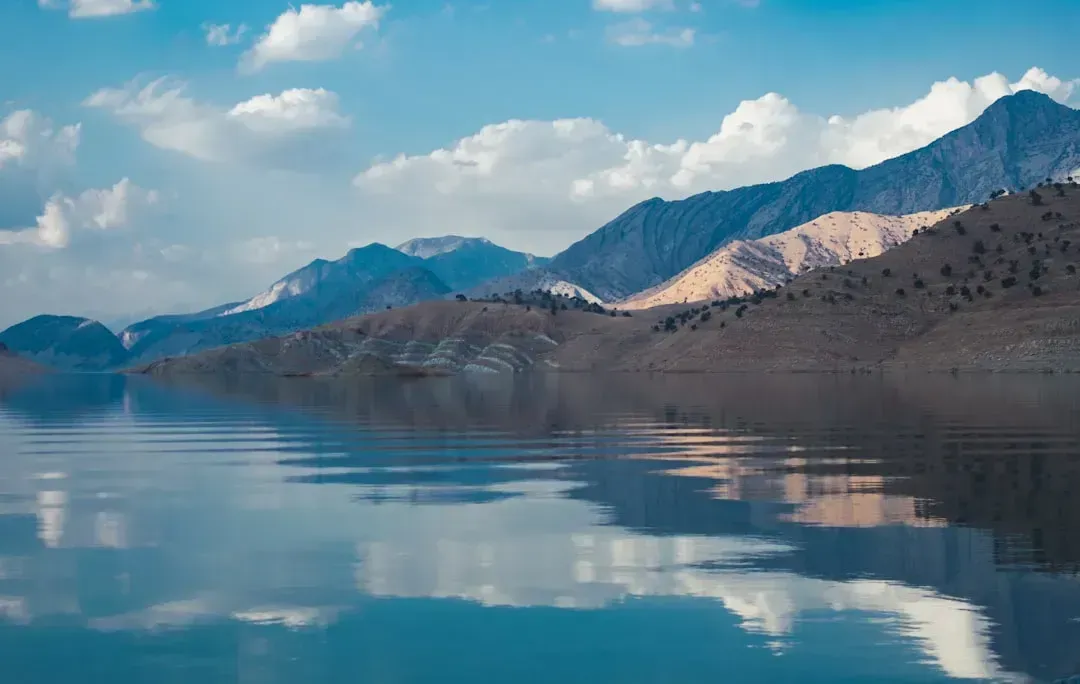
Lake Karachay is known as the most contaminated place on the planet because in 1951 it was converted into a repository for radioactive waste from the Mayak nuclear power plant, and in September 1957, an explosion at the nuclear fuel processing plant, known as the Kyshtym disaster, released large amounts of radiation. Although this accident is less well known than those at Chernobyl and Fukushima, it is classified at level 6 of the International Nuclear Event Scale, and the radiation levels at the site are so high that one hour of exposure near the lake could be fatal.
Lake Karachay remains one of the most dangerous places on Earth, where exposure for just an hour could be fatal. Despite cleanup efforts, the region remains extremely dangerous. The area remains closed to the public and authorities are constantly monitoring radiation levels. Aquatic life in the lake is essentially nonexistent, and surrounding soil contamination continues to spread through groundwater pathways.
4. The Hanford Site, Washington State, USA
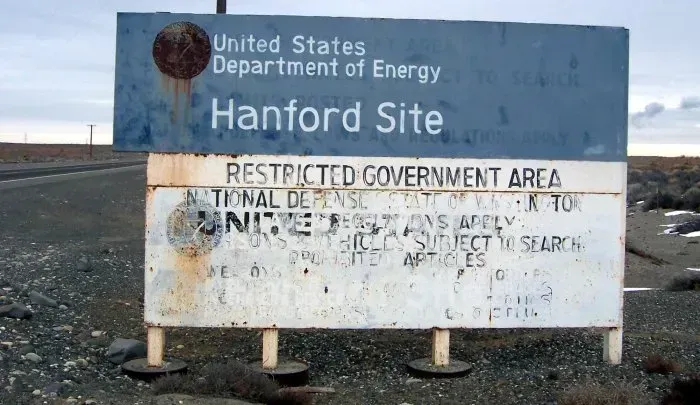
The Hanford Site was established in 1943 as part of the Manhattan Project, and was home to the first full-scale plutonium production reactor in the world. It produced almost two thirds of the radioactive metal used in the United States’ nuclear weapons stockpile, with about 60,000 weapons made there, including the bomb dropped on Nagasaki in 1945. For decades, more than 400 billion gallons of contaminated waste seeped into the earth around Hanford, a fact that was only made public years later due to a culture of secrecy born in wartime.
The nuclear reservation includes 56 million gallons of radioactive waste across 580 square miles. About one third of the tanks are known to have leaked, according to the Department of Energy. Contaminated groundwater threatens the Columbia River, and waste storage tanks continue to pose leakage risks. Full remediation is expected to take well into the second half of this century, if not beyond.
5. Semipalatinsk Test Site (The Polygon), Kazakhstan
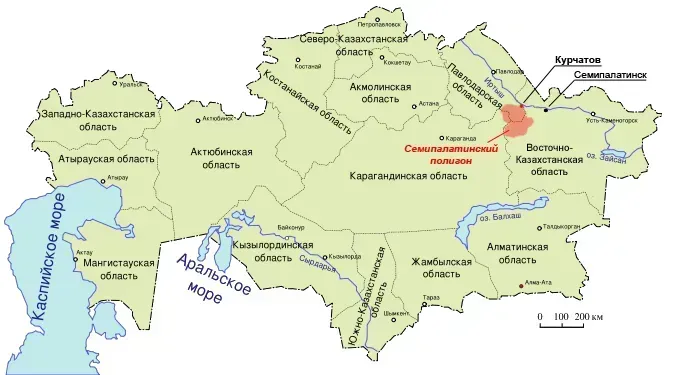
Situated in the Abai region of Kazakhstan, a staggering 456 nuclear tests took place at this complex between 1949 and 1989, including the first atom bomb and first air-tested hydrogen bomb. The fallout from this has been horrific, according to experts, as it is estimated that 1.5 million people were exposed to radiation.
Soil, water, and air contamination persist, affecting agriculture and local wildlife. Radiation hotspots continue to emit dangerous levels of radioactivity. Local populations have experienced severe health consequences, including birth defects, cancer, and shortened life expectancy. The Semipalatinsk Test Site has seen some successful land rehabilitation, but many areas still suffer from soil and groundwater contamination, making full resettlement difficult.
6. Sellafield, Cumbria, United Kingdom
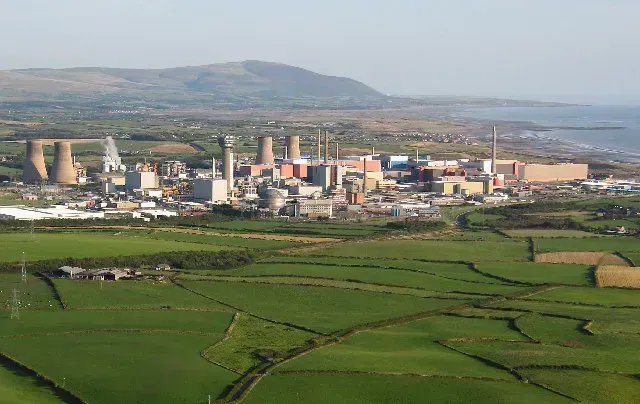
Previously known as Windscale, this place is the largest nuclear site in Europe, which experienced a severe incident in 1957 when there was a fire in Windscale Pile number one. This released radioactive waste into the environment, which is believed to have caused cancer in hundreds of people. The waste at the site produces radiation levels of up to 280 sieverts per hour, which is 60 times the dose that is fatal.
These days, Sellafield manages more radioactive waste in one place than any other nuclear facility in the world, as it is used for nuclear fuel reprocessing and decommissioning. Dissolved fuel rods are stored in a giant underground storage pool, called the Head End Shear Cave. Only robots are sent into the cave. The surrounding Irish Sea coastline carries measurable radioactive contamination that environmental groups have monitored for decades.
7. Ramsar, Iran
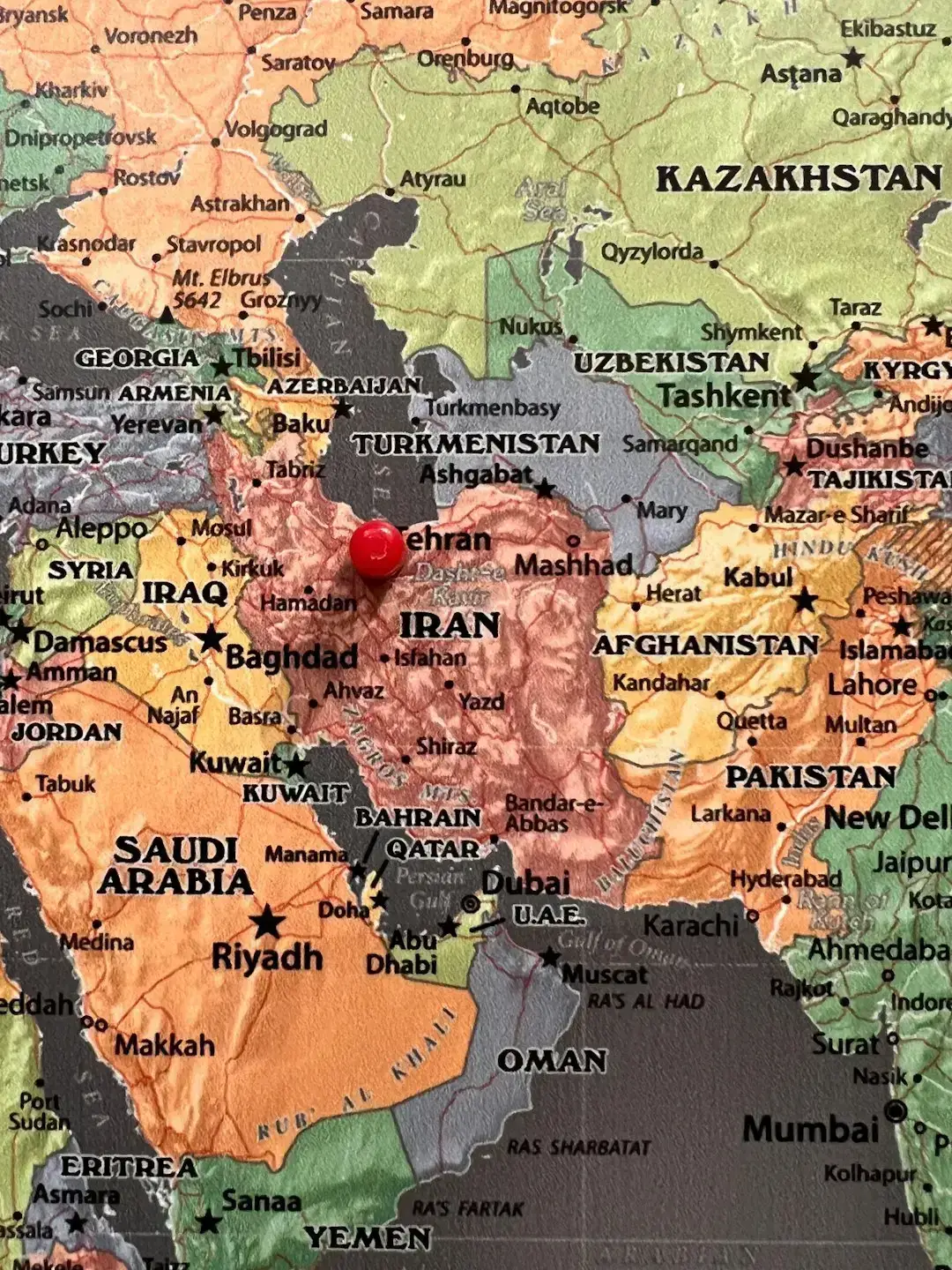
People in this town receive an annual radiation dose of 260 millisieverts, which is much higher than the 20 millisieverts allowed for radiation workers each year. An average person receives only 3.1 millisieverts each year. The cause of this radiation in Ramsar is nine hot springs, which bubble uranium-rich igneous rock dissolved in groundwater from below the surface. Radium from these springs enters the limestone from which the houses are built, and it can also be found in crops and drinking water.
A study in 2002 found that these doses had caused significantly more chromosomal abnormalities in the roughly 33,000 inhabitants of the town. What makes Ramsar unusual among radioactive sites is that people have been living there for generations without restrictions, and scientists continue to study residents to understand long-term exposure effects. Some scientists even study Ramsar’s residents to understand how long-term exposure affects the human body.
8. Mailuu-Suu, Kyrgyzstan
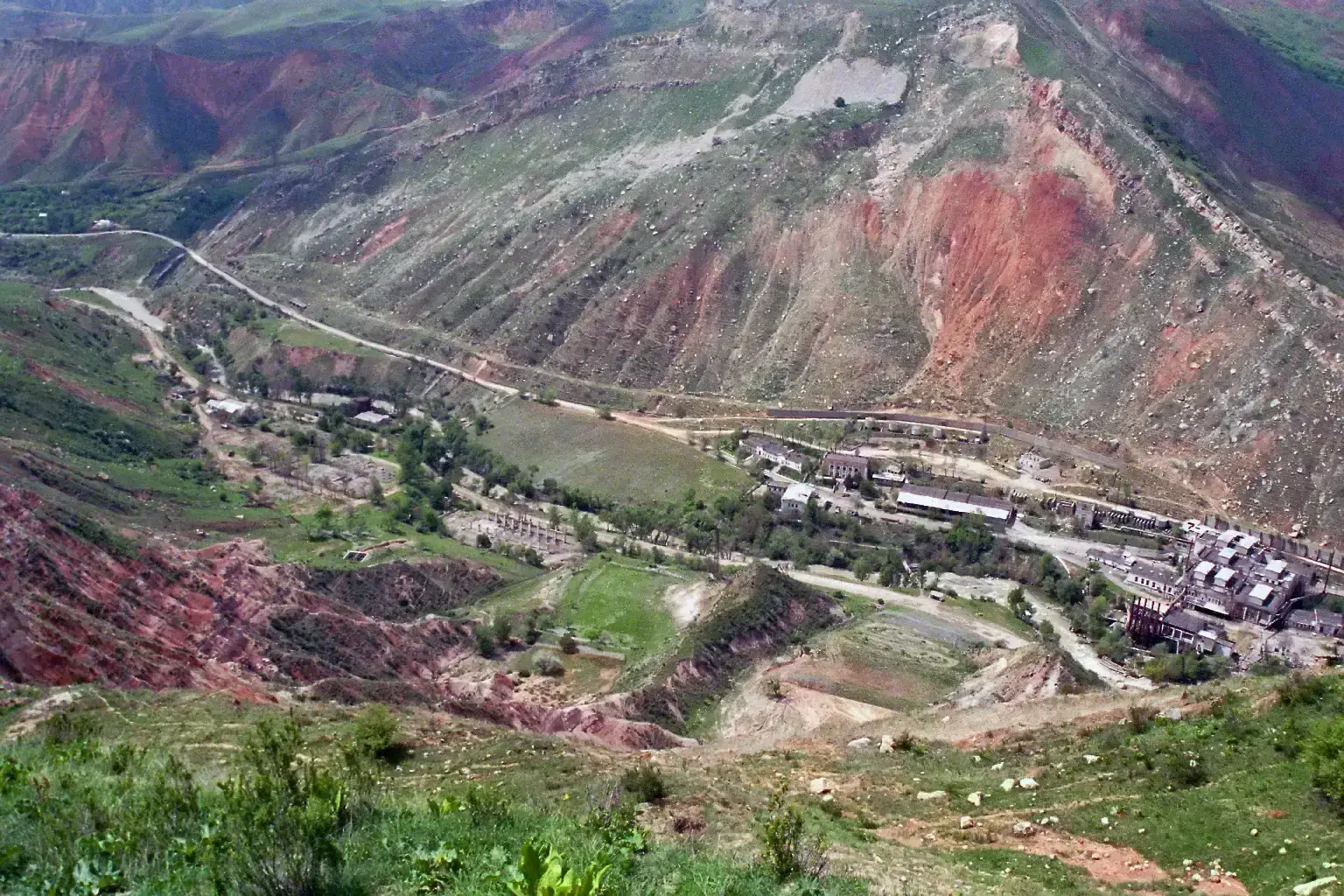
This mining town in southern Kyrgyzstan is still dealing with the consequences of the Soviet Union’s nuclear program. It was used to mine and process uranium ore from 1946 to 1967, but today remains very dangerous. Much of the waste from the mining was buried along the river that runs through the town. The mining essentially released nearly two million cubic metres of uranium into the surrounding cities, which had a population of approximately 25,000 at the time.
Frequent earthquakes, landslides and floods devastate the area, and this consequently spreads the uranium, making Mailuu-Suu more and more radioactive. Known locally for its unstable cliff faces and rivers, the risk is that uranium has spread to other parts of Asia via its waterways. A report back in 2010 said it was in urgent need of cleaning up, while high cancer rates and poor immune systems have been reported among young people there.
9. Goiânia, Brazil
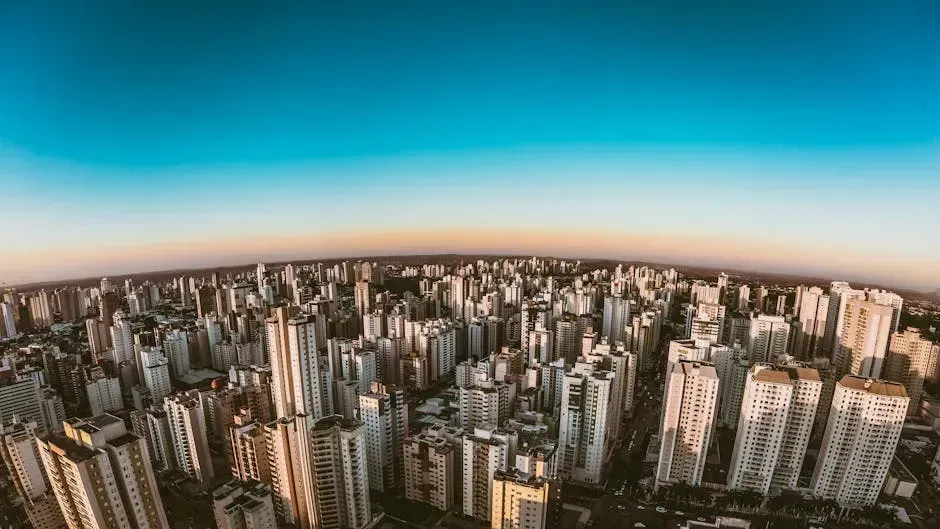
On September 13, 1987, scavengers combing through an abandoned clinic in Goiânia, the capital city of Goiás state, found a radiation therapy source that had been left behind. The lead and steel canister looked innocent enough, but it held a small capsule full of highly radioactive cesium-137. Two men found the canister and took it home in a wheelbarrow. People rubbed the glowing powder on their skin, allowed children to play with it and passed fragments between households. The finder also sold pieces of the capsule to another junkyard, further spreading the contamination.
About 112,000 people were examined for radioactive contamination and 249 of them were found to have been contaminated. In the consequent cleanup operation, topsoil had to be removed from several sites, and several houses were demolished. All the objects from within those houses, including personal possessions, were seized and incinerated. Today, indeterminable amounts of cesium-137 continue to seep into groundwater supplies from the contaminated soil underneath concrete. The radioactive trash will have to be stored in safe lead containers for more than 180 years.
10. Church Rock, New Mexico, USA
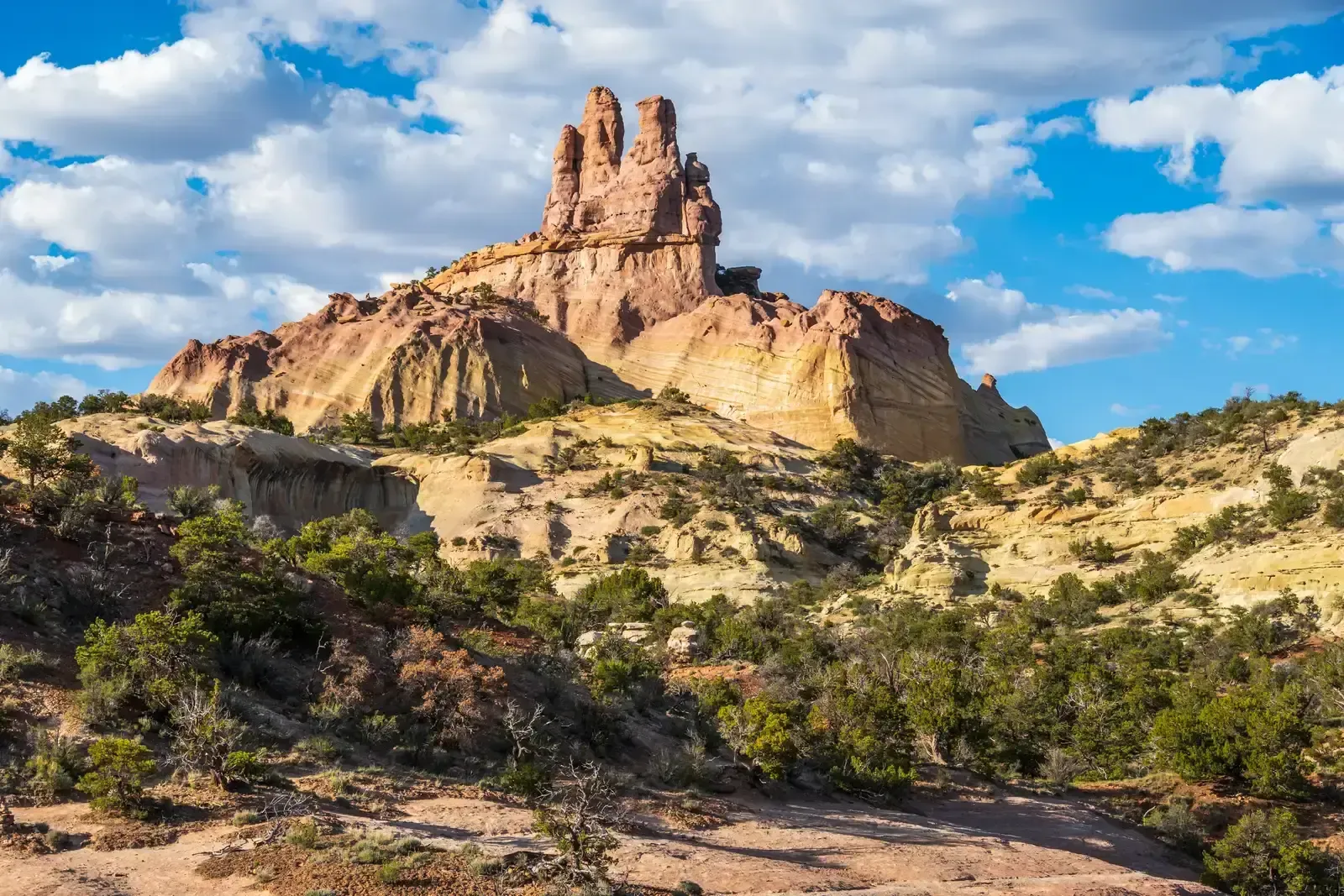
In July 1979, an earth and clay dike of a United Nuclear Corporation uranium mill settling pond failed. The broken dam released 100 million gallons of radioactive liquids and 1,100 short tons of solid wastes, which settled out up to 70 miles down the Puerco River and also near a Navajo farming community that uses surface waters. As a result, the Navajo community suffered serious health implications.
Church Rock used to be home to a large uranium reserve, and the government has since failed to clean the mess it made many years ago. The spill, which occurred the same year as the Three Mile Island accident, received comparatively little national media coverage. The mining operations initiated by the United Nuclear Corporation caused a uranium mill spill and contaminated the Puerco River, a watering source for livestock of the Navajo people. Remediation remains incomplete and contested decades later.
11. Siberian Chemical Combine, Seversk, Russia
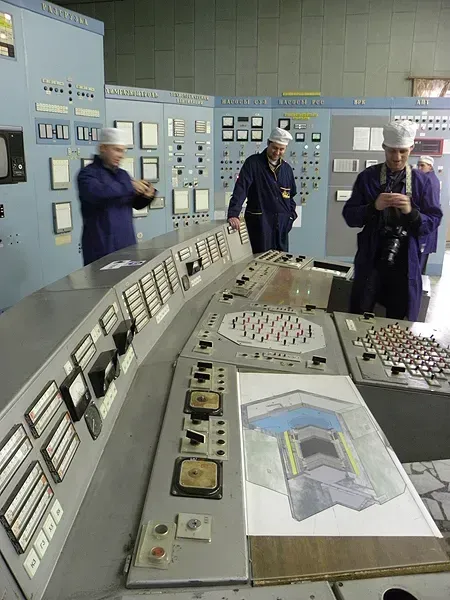
The Siberian Chemical Combine is a nuclear production facility in Seversk, Russia. It was one of the production facilities used to produce weapon-grade nuclear products for the Soviet nuclear weapons program. Seversk itself is a closed city, meaning access requires official authorization, and the full scale of contamination from decades of nuclear production has never been fully disclosed publicly.
The Siberian Chemical Combine in Seversk has caused devastation to wildlife and water pollution due to nuclear production facilities and the manufacturing of nuclear weapons in the 1950s. The Tom River, which flows near the facility, has shown elevated radionuclide levels from discharge events over the years. Scientists and environmental monitors continue to flag the site as one of the least transparent radioactive zones in the world, with independent access severely limited.
12. Karunagappalli, Kerala, India
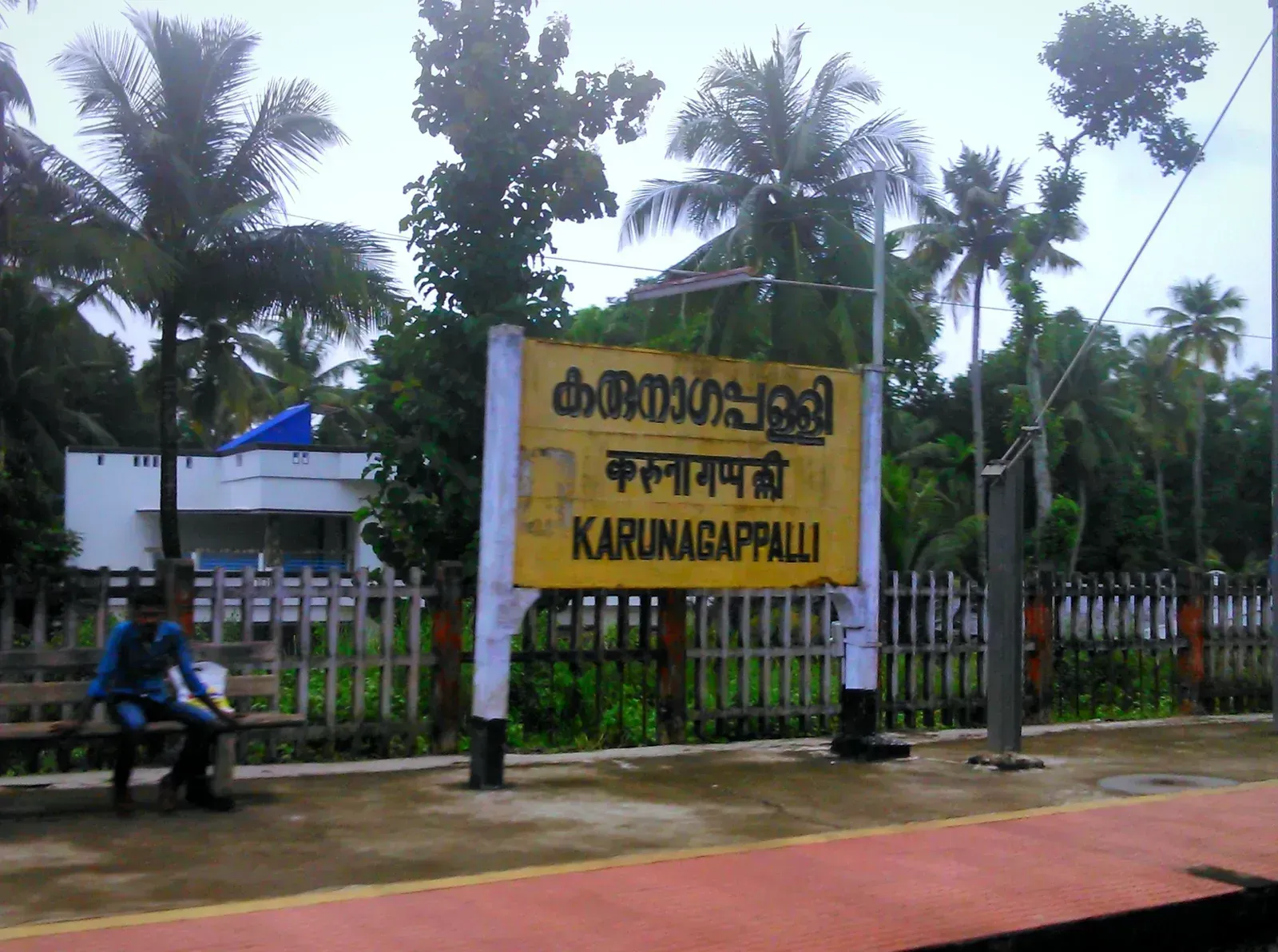
With its radiation due to the monazite in its soil and eight to ten percent thorium content, the small settlement of Karunagappalli in India’s Kerala is known as one of the worst naturally radioactive places on Earth. Surrounding areas continue to be affected, with a reading of around five milliGray per person. Unlike most sites on this list, the radiation here is entirely geological in origin, not the result of any human disaster or weapons program.
There are places like Ramsar, Iran, and Karunagappalli, India, where natural background radiation rivals man-made contamination. This makes the situation scientifically fascinating and socially complex. Tens of thousands of people live normal lives here, farming and fishing along the coast, even as researchers study whether the unusually high background radiation is producing measurable health effects across generations. Definitive conclusions remain elusive.
13. The Red Forest, Chernobyl (Within the Exclusion Zone)
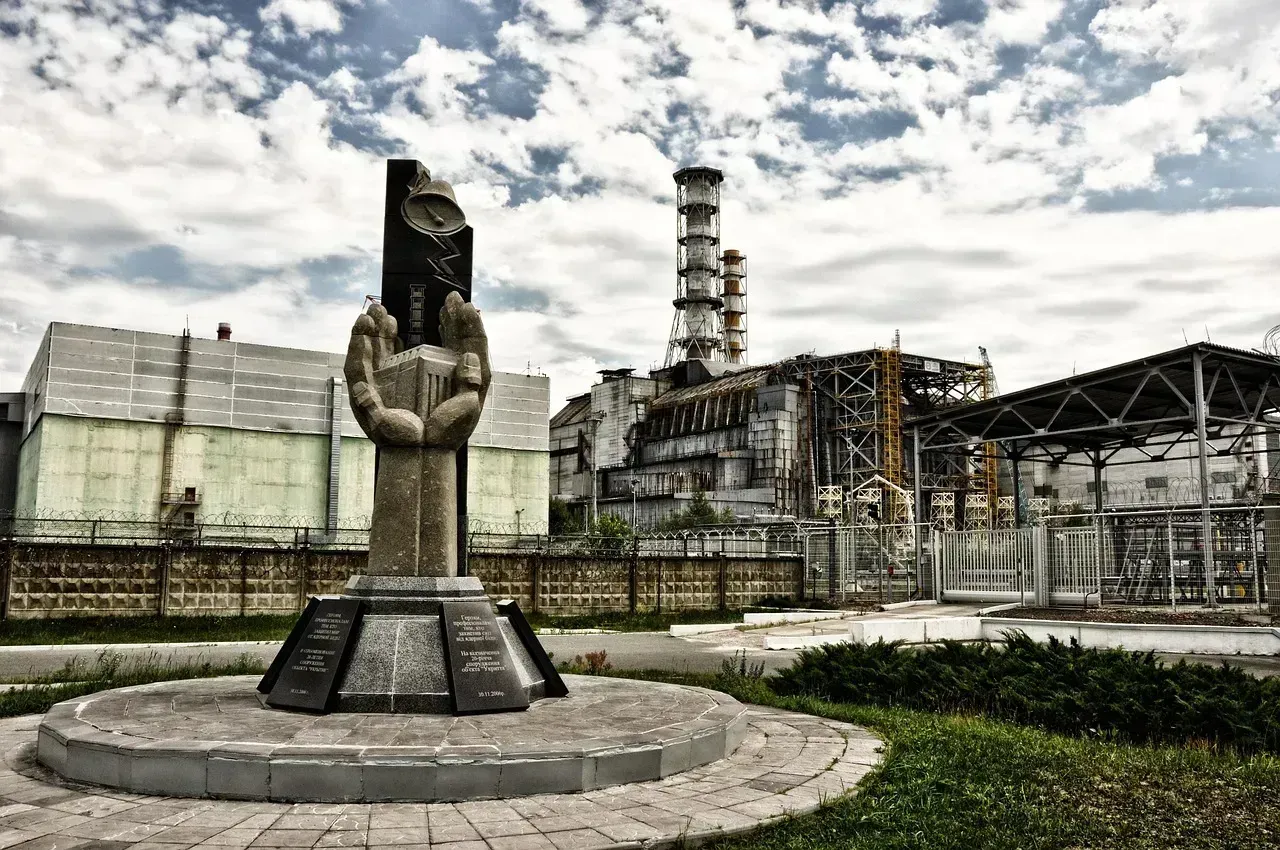
In the immediate aftermath of Chernobyl, plants and wildlife were clearly devastated. Within months, up to 4.3 miles of pine forests to the west of the reactor died, earning the nickname “Red Forest.” In addition, according to the IAEA, large populations of rodents and insects living in the soil died off. The Red Forest remains one of the most acutely contaminated patches of land on Earth, distinct even within the already heavily contaminated exclusion zone that surrounds it.
Recent studies on Chernobyl frogs indicate that radiation-exposed frogs show no signs of accelerated aging or elevated stress, and a 2022 report documented a fascinating adaptive response in frogs residing in the Chernobyl Exclusion Zone. These frogs, now referred to as “Chernobyl black frogs,” are Eastern tree frogs that have developed darker, nearly black coloration, likely as a direct response to the high levels of radiation in their environment. Evidence of adaptive responses has emerged, including increased antioxidant defenses, epigenetic modifications, and phenotypic changes. Flora and fauna within the exclusion zone illustrate the dual narrative of vulnerability to mutagenic stress and resilience through evolutionary adaptation.
What connects these thirteen places, despite their differences in origin and geography, is time. Radiation does not respect borders or deadlines, and the half-lives of many isotopes deposited across these sites are measured not in years but in centuries. A combination of radioactive contamination and reduced human activity in nuclear exclusion zones may be giving rise to “a new ecology,” with nature overall neither suffering nor thriving, simply different in the impacted areas. That is perhaps the most sobering thought: recovery, in the conventional sense, may not be what these places are heading toward. Something different is emerging instead.