
1. Glass Jars
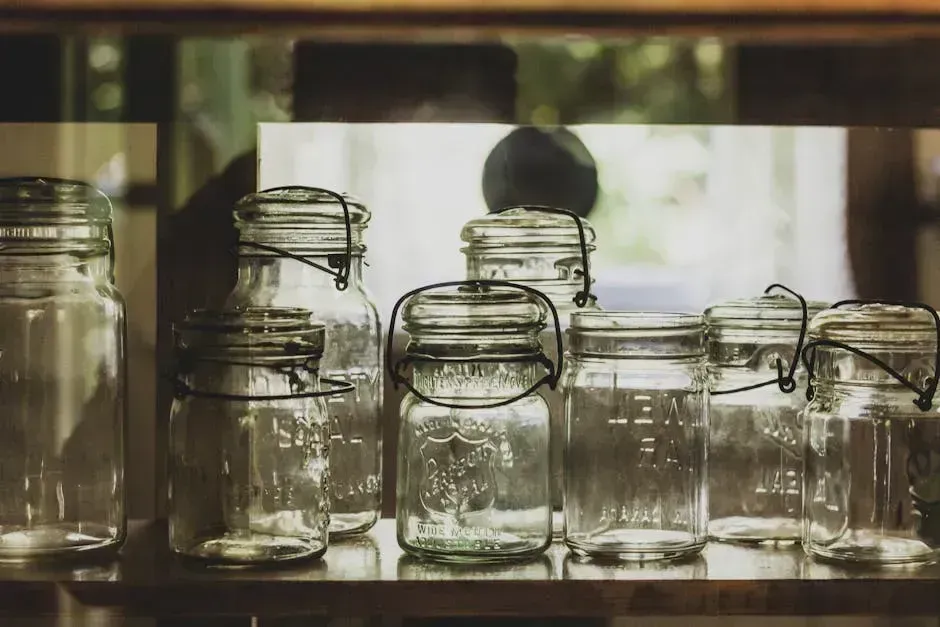
That empty pasta sauce jar is not garbage. It’s essentially a free container with a lid, and glass is a sturdy material that has a great deal of repurposing potential, as it can last for many years. Most people rinse them out and toss them in the recycling bin without a second thought, but they’re leaving genuine utility on the table.
Glass is an effective food storage material and could be used for meal prepping, as long as it’s food-safe. Glass containers are typically more expensive than their plastic counterparts, but reusing jars is free and requires no special alterations. Beyond the kitchen, you can use glass jars to keep nails, screws, bolts, and other small hardware organized. Since they’re clear, you can see exactly what’s inside at a glance, which saves time when you’re in the middle of a project.
2. Old Newspapers

Newspapers have a remarkably wide second life once you stop seeing them as yesterday’s news. Newspapers aren’t just for reading anymore. These paper powerhouses can become garden mulch, window cleaners, and even makeshift packing material. Spread them in your garden to suppress weeds, and watch how they break down naturally while keeping your soil healthy.
For sparkling windows, nothing beats newspaper – it’s better than any microfibre cloth at getting windows shining and streak-free. They also work as drawer liners, pet cage liners, and wrapping paper for fragile items when you move house. Newspaper and junk mail can be used as wrapping paper, packing material, or fire starters. Few items this common get more underestimated.
3. Egg Cartons
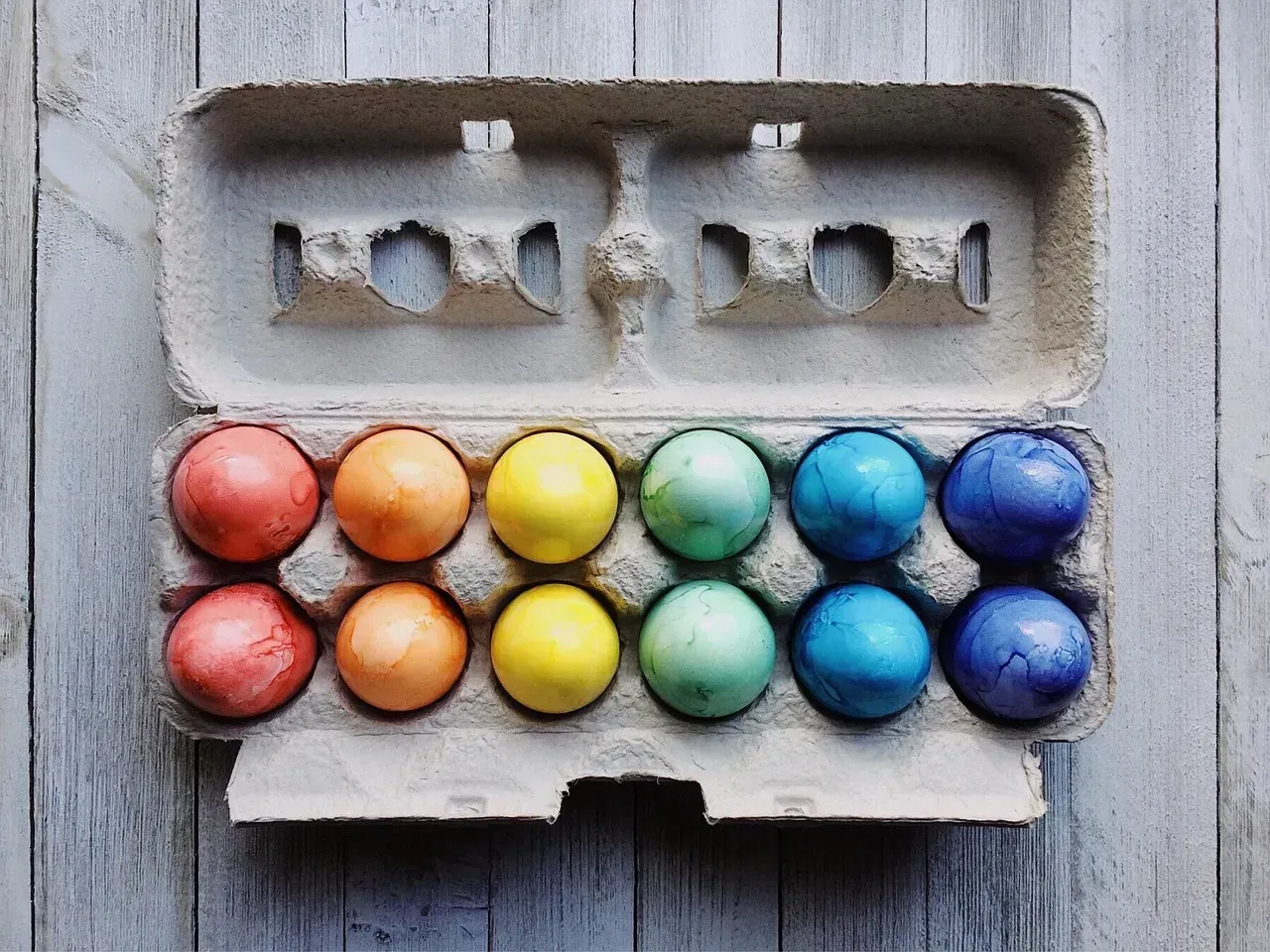
Egg cartons are one of the most quietly versatile things in any kitchen, yet they go straight into the trash by default. Egg cartons are miniature organizational miracles. Use them to start seedlings in your garden, organize small craft supplies, or create unique art projects. They’re excellent for sorting and storing small items like jewelry, buttons, or workshop screws.
Egg cartons are perfect for starting seedlings. Fill each compartment with soil and seeds, and once the seedlings are ready, transplant them directly into your garden. They can also be used to organize small items like jewelry, buttons, or screws. If you’ve been paying for seed trays or small storage organizers, you’ve been solving a problem you already had the answer to.
4. Old T-Shirts and Worn Clothing
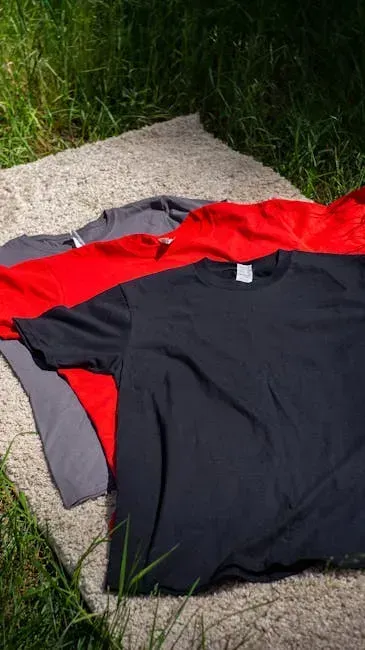
A stained or stretched t-shirt feels like the end of the road, but it’s closer to a fresh start. When a T-shirt seems destined for the trash, consider cutting it into squares to be used for rags around the house. These reusable rags work for any household chore, from dusting to window washing. Plus, the more you have on hand, the fewer paper towels you need to use while cleaning.
The scale of the problem makes this more than just a handy tip. A December 2024 Government Accountability Office (GAO) report found that textile waste increased by more than 50% between 2000 and 2018, mainly driven by the rise of fast fashion. Nearly 95% of used clothing items and textiles can be reused and recycled, making upcycling clothes ideas not only creative but essential for sustainable living. Cutting up an old tee costs nothing and replaces something you’d otherwise buy.
5. Used Coffee Grounds
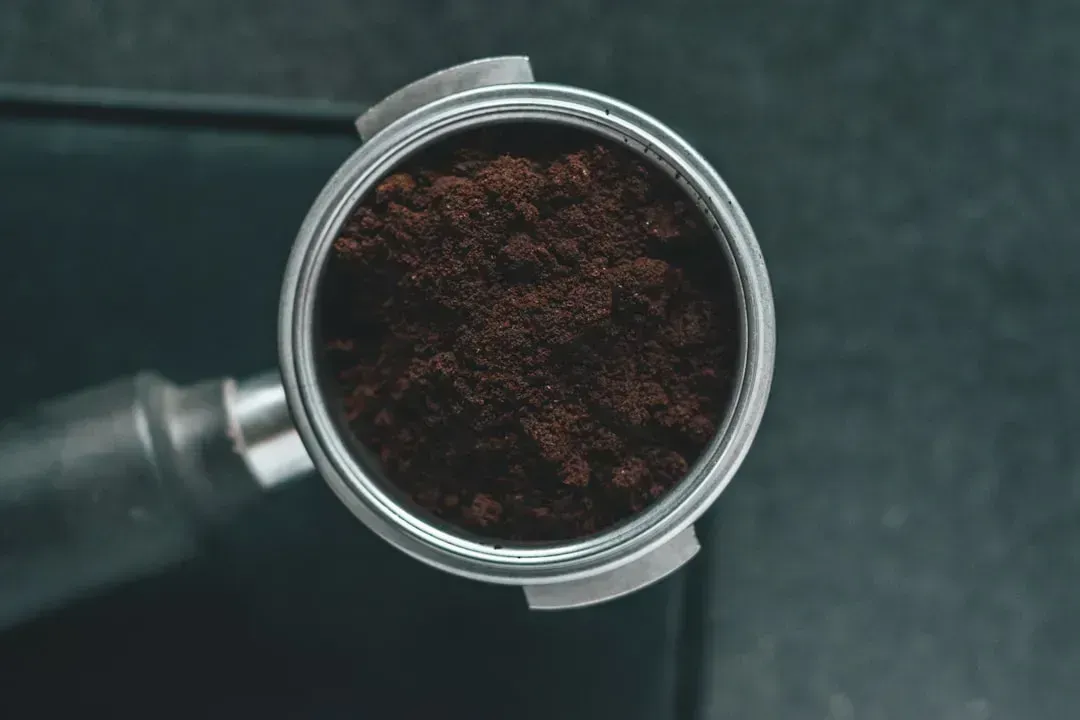
Most people treat coffee grounds as a one-shot deal: brew, discard, move on. That’s a habit worth reconsidering. After brewing your morning coffee, those grounds have plenty of life left. Used coffee grounds are excellent natural deodorizers for refrigerators and can neutralize funky smells in shoes or garbage cans. Gardeners also vouch for the use of coffee grounds as fertilizer, which adds nutrients to the soil and helps repel certain garden pests. They even work as a gentle exfoliant in homemade body scrubs.
Coffee grounds can be used as a natural fertilizer for plants, or as an exfoliating scrub. It’s worth keeping a small container near the coffee maker for this purpose. The cost is zero, and the alternatives you’d otherwise buy – store fertilizer, deodorizing sprays, branded scrubs – are not.
6. Tin Cans
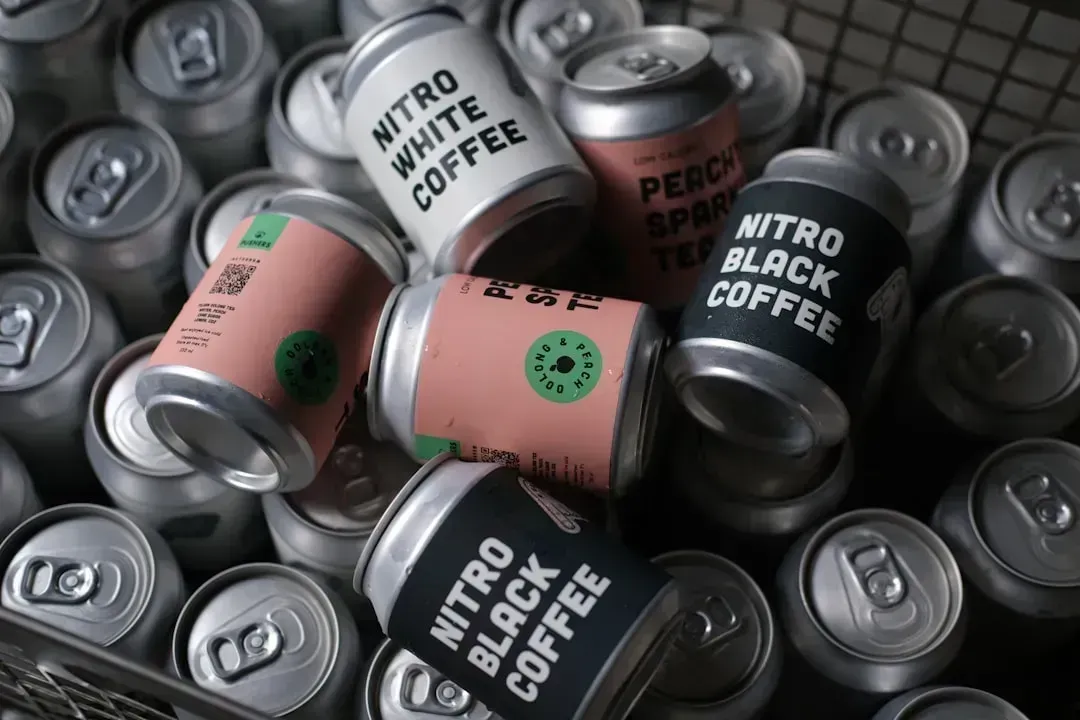
Once the beans or vegetables are gone, the can almost always follows immediately. That’s a shame, because tin cans are sturdy, food-safe containers with considerable potential. Old tin cans, like those from coffee or canned vegetables, make great storage containers. Decorate the outside with fabric, paper, or even paint, and you’ve got a stylish way to store pens, pencils, or small items around the house. Tins are also perfect for repurposing into planters. Drill a few drainage holes in the bottom, add some soil, and plant your favorite herbs or flowers. They add a charming touch to your kitchen windowsill or garden.
Tin cans are also great for DIY lanterns; punch holes and insert a candle for a cozy glow. Larger coffee tins in particular make excellent workshop organizers for tools, hardware, and brushes. Glass jars work well for liquids, while cleaning brushes in an old tin can is a practical and common workshop habit. A little creativity turns something disposable into something genuinely functional.
7. Cardboard Tubes from Paper Towels and Toilet Paper
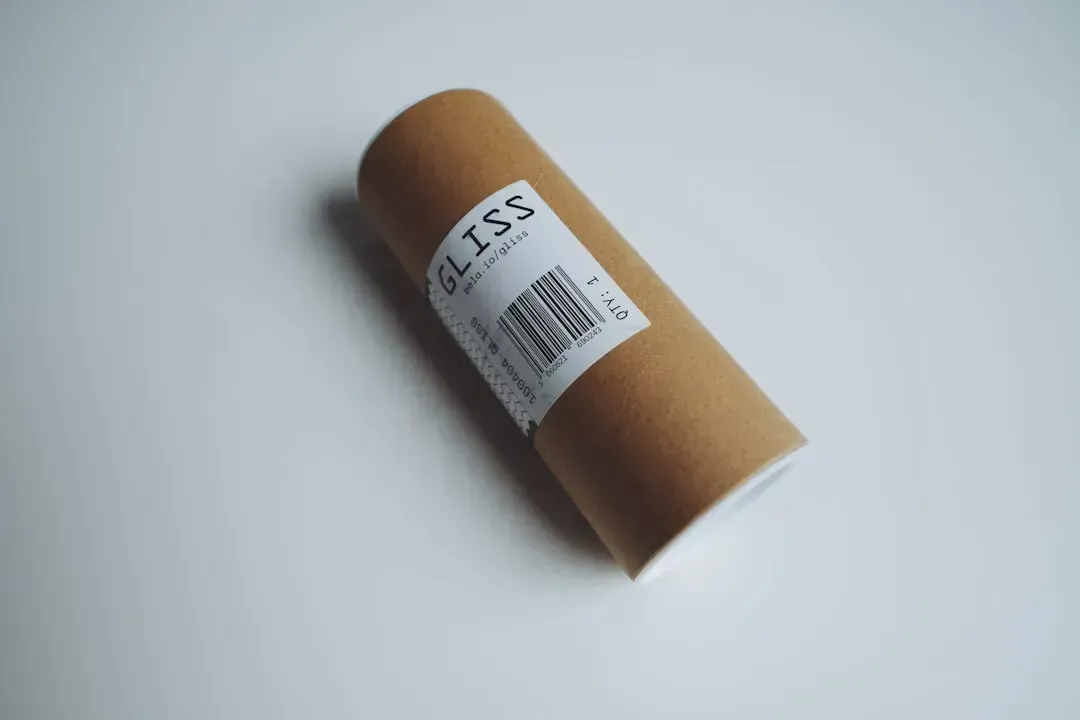
They’re small, they’re flimsy, and they feel like the definition of trash. They’re also surprisingly useful. Instead of throwing away empty paper towel tubes, see if you can reuse them. For example, you can do a fun arts and crafts project with the kids. Or you can use the tubes to organize and hold your various cables or cords.
Paper towel or toilet paper rolls can be used to start seedlings for your garden. Cut them to size, fill them with soil, and plant your seeds. Place the entire roll into the ground when ready. The cardboard breaks down naturally in the soil, so there’s nothing to remove later. It’s one of the more effortless garden hacks there is.
8. Old Towels and Bed Sheets
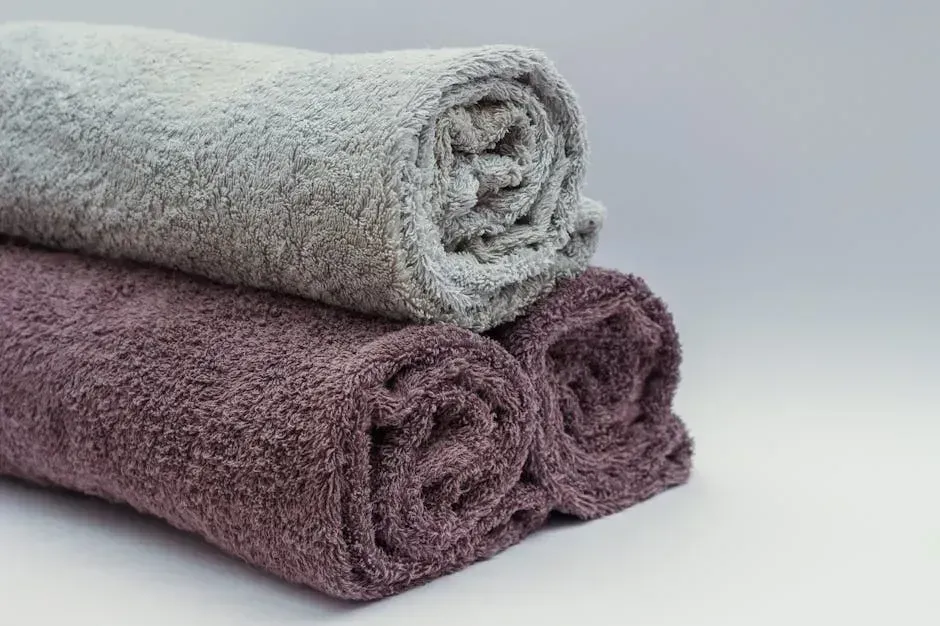
A bath towel that’s gone thin or a sheet set that’s been replaced tends to land in the bin without ceremony. There’s a better outcome available. Worn-out towels can find new life far from the bathroom by just taking the time to repurpose them. Mechanics and DIY enthusiasts often appreciate old towels as cleaning rags for tough jobs. Gardeners can use them as plant protectors during seasonal frost weather, while animal shelters often welcome old towels for bedding.
Old towels and sheets can be cut into smaller pieces for cleaning rags, pet bedding, or to make reusable cleaning wipes. These are every bit as good as a reusable duster, because they are easy to launder. If you’d rather give them away than repurpose them yourself, local animal shelters genuinely rely on donations of old linens year-round.
9. Old Electronics
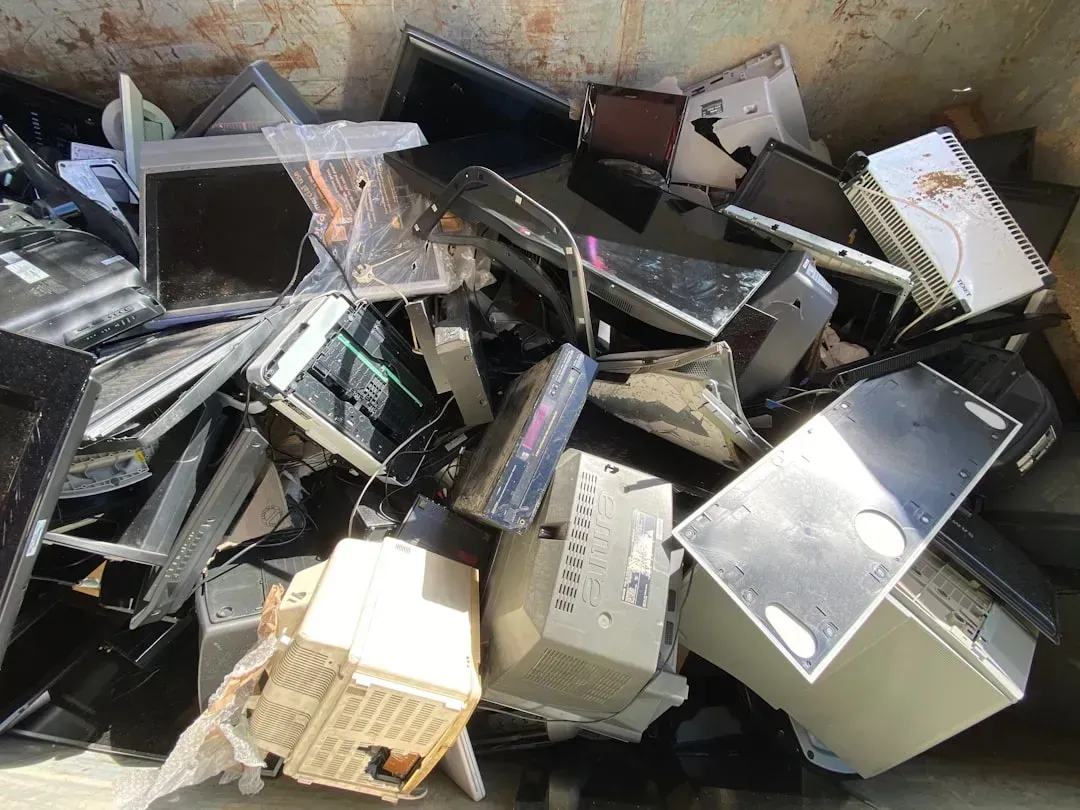
Broken or outdated gadgets tend to sit in a drawer for years before someone decides to throw them out. That drawer habit is actually the right instinct. Most people have no idea how valuable electronic devices are, even if they are broken. The average modern smartphone is made with numerous precious metals that must be mined from the Earth in a process that does a lot of damage, so recycling those materials is vital.
Old electronics can be recycled, repurposed, or even sold. Phones, laptops, and tablets are full of reusable materials. There are responsible e-cycling options where you can also get a little cash back. Many major manufacturers and retailers now accept old devices directly. Rechargeable, button-cell, coin, or lithium single-use batteries should never go in regular recycling or trash bins. Instead, bring rechargeable batteries to a local hazardous household waste collection site. Tossing electronics carelessly is both wasteful and, in many places, against the law.
The common thread running through all nine of these items is straightforward: value that goes unrecognized because the original purpose is finished. A jar that held tomato sauce is still a jar. A shirt too worn to wear is still fabric. Shifting the way you see everyday objects is, in the end, a genuinely practical habit that costs nothing to develop.