There it is. Someone at a dinner, a first date, or a work event leans in with a smile and asks the most casual question imaginable: “So, what Your mind goes blank. You feel a small but unmistakable jolt of panic. You say something vague about “reading” or “being outdoors” and immediately regret it.
It’s a question that shouldn’t be hard. Yet for a surprisingly large number of adults, it genuinely is. The discomfort isn’t trivial or silly. It points to something real about how modern life has quietly hollowed out our sense of self outside of work and obligation.
Why Such a Simple Question Feels So Loaded
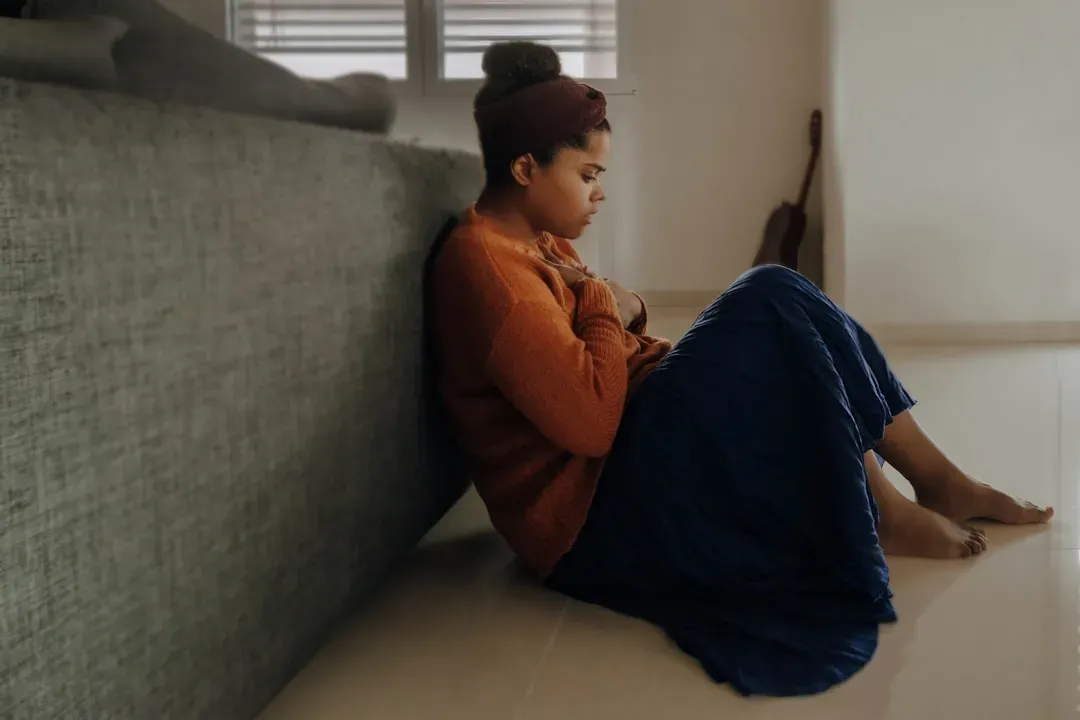
On the surface, is small talk. In practice, it’s a compressed identity audit. Your hobbies can reflect your values, beliefs, and personality traits, and the leisure activities you choose can communicate aspects of your identity to others. When you don’t have a ready answer, it doesn’t just feel awkward. It feels like exposure.
A person with social anxiety disorder feels symptoms of anxiety or fear in situations where they may be scrutinized, evaluated, or judged by others, and this particular question sits precisely in that territory. It’s open-ended, personal, and socially loaded all at once.
The fear isn’t really about the question itself. It’s about what a blank answer might reveal: that you’ve been running on autopilot, that your identity has collapsed into your job title, or that you genuinely aren’t sure who you are when no one needs anything from you.
When Work Quietly Becomes Your Whole Identity

The average person spends about one third of their life at work. With so much time spent working, it’s no surprise that our sense of self is muddled by our careers. It happens gradually. You stop making time for the things you used to love, and eventually you stop noticing they’re gone.
People whose identity and self-worth revolve around their careers are more likely to work excessively and spend too much time working to the detriment of other areas of their lives, such as family, friends, health, and hobbies. The trade-off is invisible at first. Then someone asks you a casual question and you realize the trade wasn’t fair.
Burnout isn’t just about being tired. It’s a slow, creeping loss of self. It’s waking up feeling unmotivated, losing interest in what once excited you, and running on autopilot. It’s a mental, emotional, and physical exhaustion that accumulates when we ignore the need for rest, creativity, and self-expression.
The Productivity Culture That Stole Your Free Time
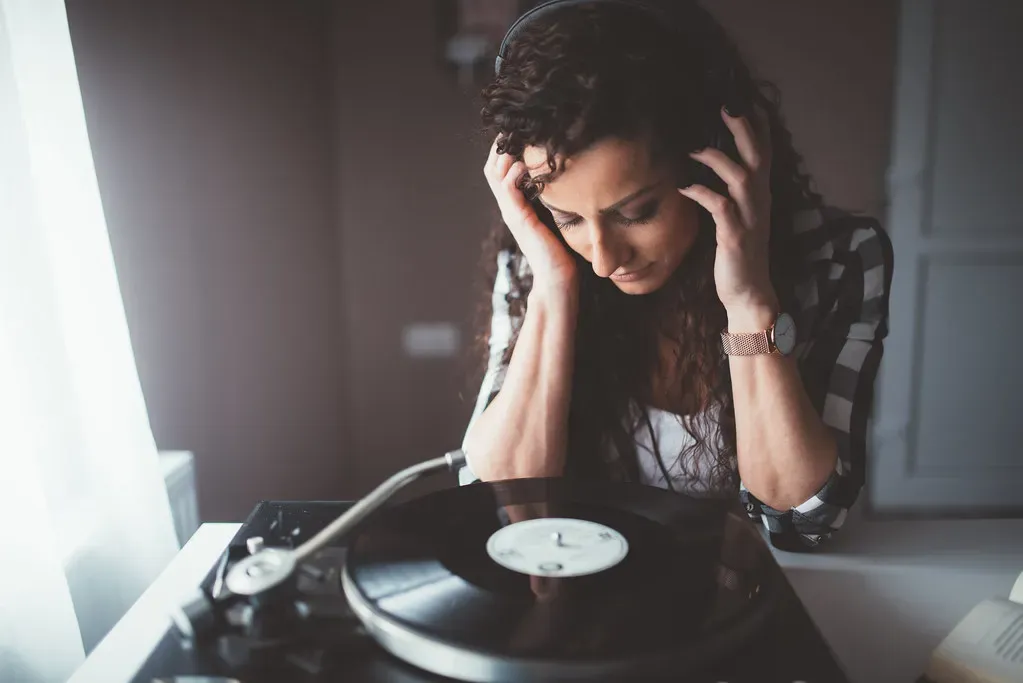
Our modern work-centric society compounds this issue by teaching us that personal worth equates to productivity output, and that leisure is wasteful or lazy. This can leave us feeling guilty for spending time on hobbies, even though engaging in them supports the well-being that makes productivity possible.
The disappearance of hobbies from adult life isn’t just a personal failure of time management. It reflects an economic system that has become extraordinarily efficient at converting all human time into either labor or consumption, with nothing left over for the category that hobbies occupy: purposeful but unproductive engagement.
The question forces us to ask ourselves something we sadly have no immediate answer to: what do we choose to actively do for fun, with no social, economic, or otherwise measurable reward involved? For many people, that question sits there unanswered for years.
The Psychology of Having Nothing to Say
Ask a forty-year-old who they are, and you’ll get a job title, a family role, maybe a neighborhood. What you rarely get is a description of something they do purely because they want to. Psychologists have a name for this pattern.
Research suggests that people who define themselves exclusively through obligatory roles experience what psychologists describe as role engulfment, where the self becomes indistinguishable from its functions. You stop being a person who does things and become a person things are done to.
Your sense of self is a deep understanding of your likes, dislikes, morals, passions, talents, and ultimately, how you view yourself. To develop that, you need to try new things, learn new skills, and meet new people. That’s why having a hobby can have such an impact on who you are as an adult.
Why Hobbies Matter More Than We Admit

Psychologist Mihaly Csikszentmihalyi spent decades studying what he called “flow,” the state of complete absorption where self-consciousness drops away and time seems to compress or expand unpredictably. You look up and two hours have vanished. Research into flow’s key conceptual and operational dimensions has identified it as a state where challenge and skill are balanced, producing deep engagement that feels effortless despite requiring concentration.
Studies show that having hobbies can help people have a purpose in life and increase longevity and healthy life expectancy among older adults. Research has found that individuals who engaged in more frequent enjoyable leisure activities had better psychological and physical functioning.
Research also indicates that people who spend time on hobbies tend to have better performance on the job. The study findings show that people who report engaging in their hobbies more are also more likely to come up with creative solutions to problems at work. What’s more, those who paint, garden, or engage in other creative pastimes are more likely to help colleagues. The case for hobbies isn’t just personal. It’s measurable.
How to Rebuild a Life That Has an Answer to That Question
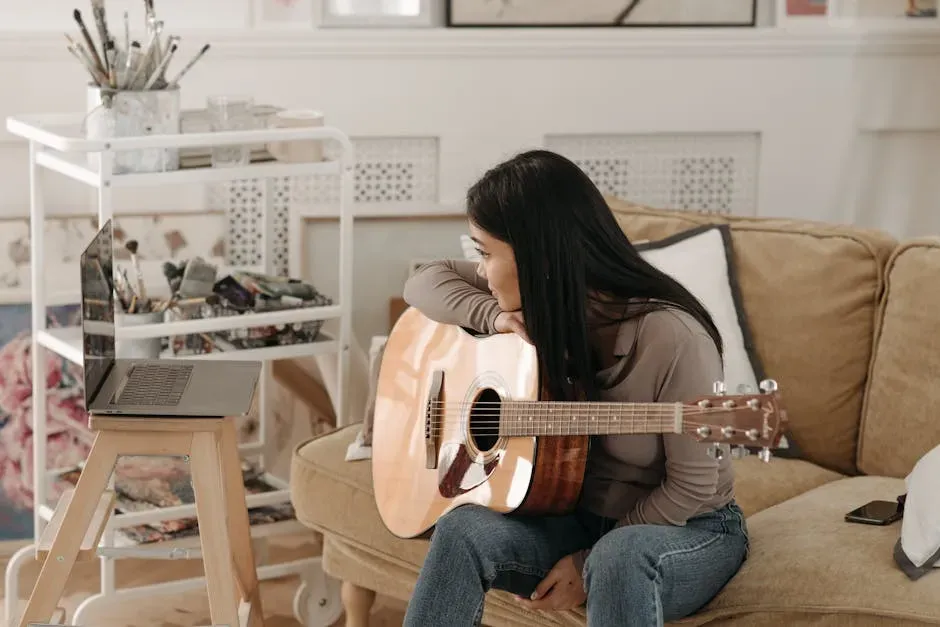
Trying a new hobby for the first time can feel surprisingly intimidating. As adults, stepping into beginner territory often comes with discomfort, self-doubt, and fear of judgment. Yet research suggests that pushing through this unease can be deeply rewarding, both mentally and emotionally.
When we step out of our comfort zones and embrace new hobbies, we discover hidden talents and facets of our identity that we may not have otherwise realized. The goal isn’t to find the perfect hobby. It’s to find something that pulls you in enough that you forget to check the clock.
Even 15 to 30 minutes of intentional activity a day can make a difference. Start there. The point isn’t productivity. The beautiful thing about hobbies is that you don’t need to prove anything or meet anyone else’s expectations. There’s no judgment, no major obligations, and the journey is personal to you. That’s exactly why it works.
The Quiet Relief of Having an Honest Answer
Here’s what shifts when you genuinely develop something you do just for yourself: that loaded question stops being a threat. becomes something you can answer without overthinking, because the answer is actually true. Not polished. Not impressive. Just true.
Wherever you are with your own hobbies and interests, however happy or unhappy you are with the current state of things, don’t judge yourself for it. We all struggle. We all go through seasons where we might actively be working on something and seasons where it feels like we’re a little rudderless.
The real question underneath is a softer one: who are you when nothing is required of you? Not “what do you do?” but “who are you when you’re not doing anything?” If that question makes you uncomfortable, you’re not alone. Most people are. The ones who aren’t spent time figuring it out, usually quietly, without making it a project.
That might be the most worthwhile kind of work there is.