
Your home is supposed to be your refuge. The place where the noise of the outside world fades and your nervous system finally gets to exhale. But for millions of people, that’s not quite what’s happening. Instead, the home itself has become a quiet, persistent source of tension.
What makes this kind of stress tricky is that it often operates below conscious awareness. You’re not always thinking, “that pile of papers is making me anxious.” You just feel vaguely unsettled, slightly drained, or oddly irritable without being able to name why. Research has been catching up with what many people sense intuitively: the physical environment you live in shapes your mental state in very real, measurable ways. Here are ten things hiding in plain sight that may be doing exactly that.
1. Countertop and Surface Clutter
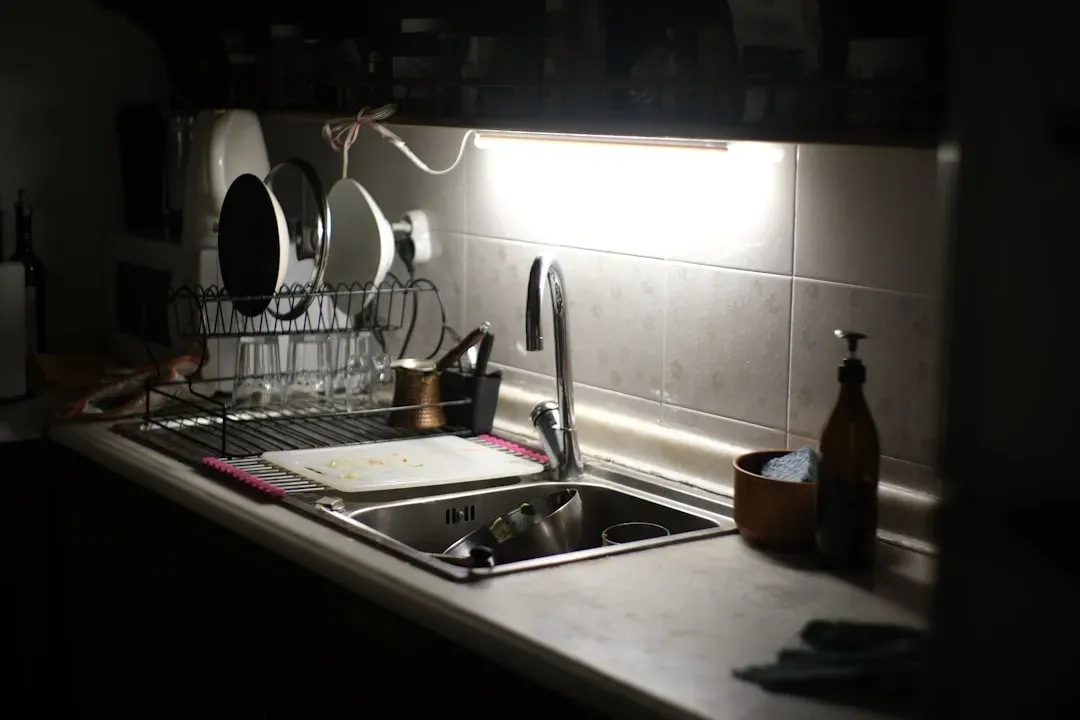
Research has shown that people whose home tours included more clutter-related language displayed less healthy cortisol patterns and greater depressed mood. Cortisol, the body’s primary stress hormone, is one of the clearest biological markers of ongoing tension, and the fact that physical clutter can shift it is significant. In one study, women who saw their homes as cluttered had high levels of the stress hormone cortisol throughout the day, while those who described their homes as restful had lower levels.
Clutter isn’t merely a housekeeping issue; it is an environmental stressor that hijacks cognition. Working memory holds data we need in the next 10 to 20 seconds, and each extraneous object costs a sliver of that limited capacity. Over time, the brain learns to tune out persistent mess, but this suppression carries a metabolic price: greater activation of the anterior cingulate cortex, the region that suppresses competing stimuli. The exhaustion you feel at home may not be about your schedule. It may literally be about your countertops.
2. Overstuffed Closets
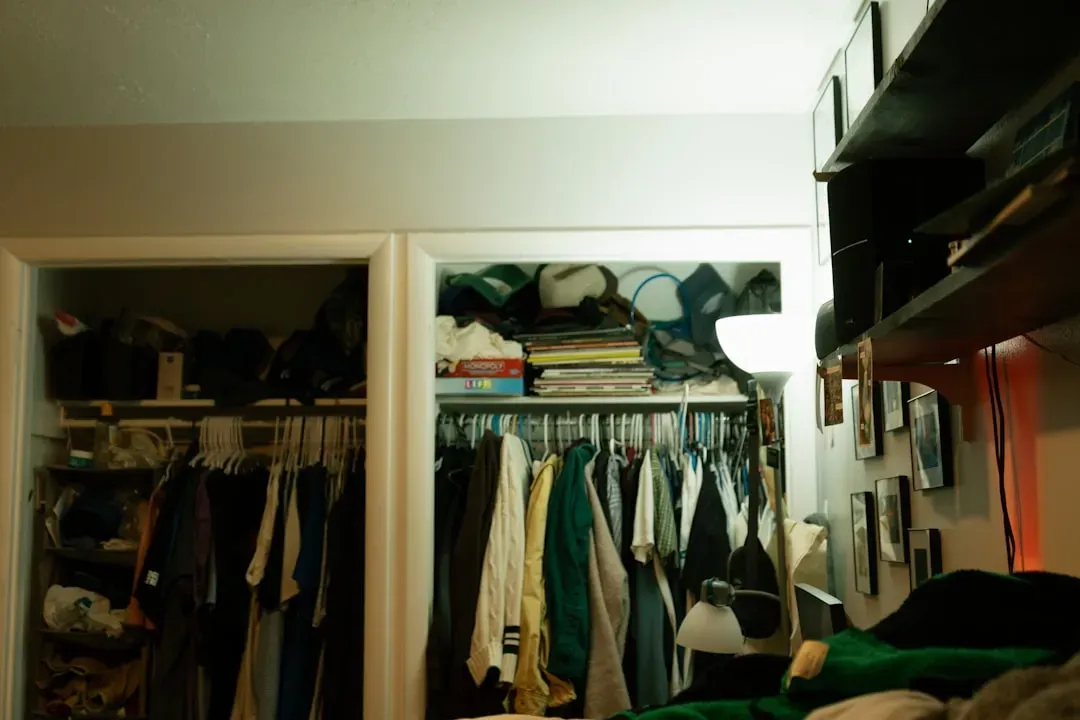
Research has found a negative correlation between life satisfaction and clutter: the more clutter people have, the lower they report life satisfaction, and the greater their stress. Closets are particularly insidious because they feel “contained.” Out of sight, sure, but not truly out of mind. Every time you open that door and face the avalanche, your brain registers it.
There’s also the matter of decision fatigue. Every item in a cluttered space represents a decision left unmade: Should I keep this? Where does it go? Why haven’t I dealt with this yet? These micro-decisions accumulate and can erode our mental energy, making even unrelated tasks feel more daunting. A closet that needs sorting is, in a real sense, a daily tax on your mental bandwidth.
3. Piles of Unopened Mail

The piles of unopened mail, overflowing closets, and crowded countertops may seem like minor nuisances, but research increasingly shows that physical clutter is closely linked to elevated stress levels, anxiety, and even difficulty focusing. Mail in particular carries a unique psychological weight because it often represents financial or administrative obligations. It’s not just paper. It’s decisions deferred.
Every time you see that stack of unopened mail, there is a sense of dread. It nibbles away at your confidence and self-esteem as you ask yourself why you can’t complete a simple task like opening mail. That cumulative effect, the daily pang of avoidance every time you walk past the pile, adds up to a consistent low-grade stressor that most people never formally identify.
4. Screens in the Bedroom
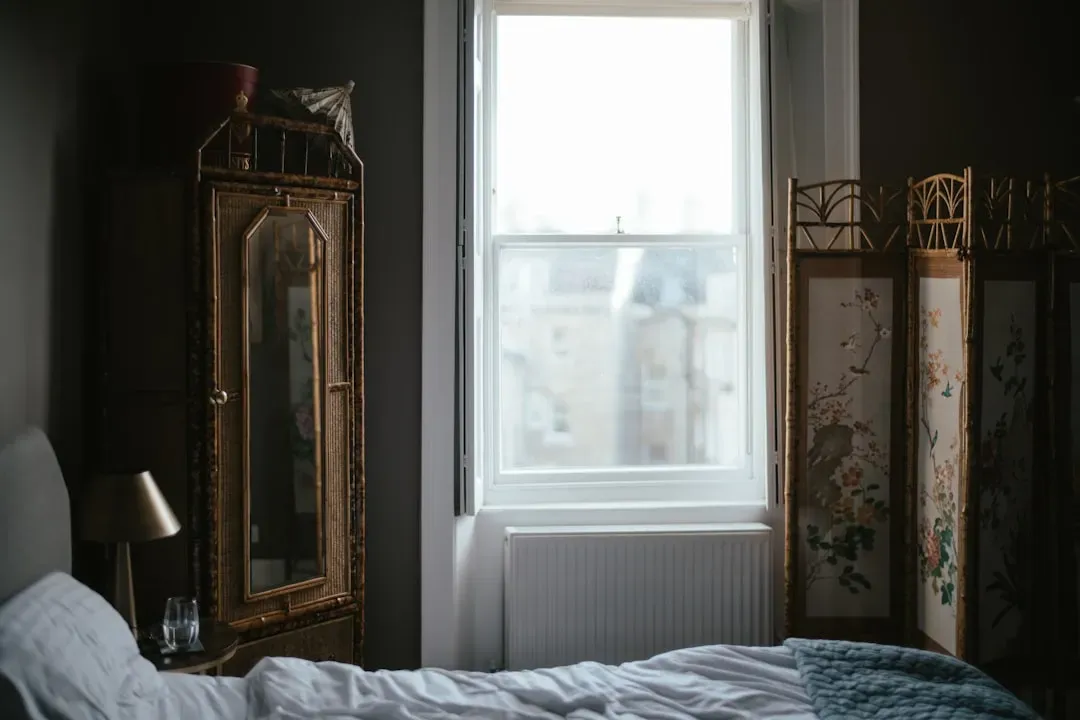
Digital engagement before bedtime can increase mental stimulation and stress. Having a television, laptop, or phone within reach at night effectively turns your bedroom into a workspace and entertainment hub, which signals to the brain that this is not a space reserved exclusively for rest. A cluttered bedroom or a mind packed with worries can disrupt sleep hygiene. Many sleep experts recommend keeping the bedroom clean and minimalist for this very reason, noting that clutter in your sleeping area can serve as a visual reminder of unfinished business, provoking anxiety when you’re trying to relax.
Sleep quality depends primarily on consistent sleep schedules, bedroom environment, pre-sleep stress levels, and overall sleep hygiene. The problem isn’t only that screens emit light; it’s that we use them for stimulating, engaging, stressful activities right before expecting our minds to quiet down for sleep. Keeping the bedroom as a screen-free zone is one of the simpler adjustments with outsized benefits for nightly recovery.
5. Unfinished Home Projects

Unfinished projects can slow a person down and their life can enter stuck mode. That half-painted wall, the shelf that’s been leaning against the garage wall for two months, the bathroom fixture you keep meaning to replace: each of these sits in the background of your daily experience and delivers a small but persistent reminder that something is incomplete. Clutter isn’t just a mess; it’s a nagging reminder of unfinished tasks, unmade decisions, and the chaos of internal and external life. For many, it creates a visual overload that taxes the brain.
Unfinished projects make people tired, lethargic, and depressed, and also encourage procrastination. For other cases, it’s simply that good organizational habits haven’t been developed yet. The cruelest part is that the avoidance often takes more energy than the task itself. Finishing even a small project that’s been lingering reliably produces a disproportionate sense of relief.
6. An Overloaded Kitchen
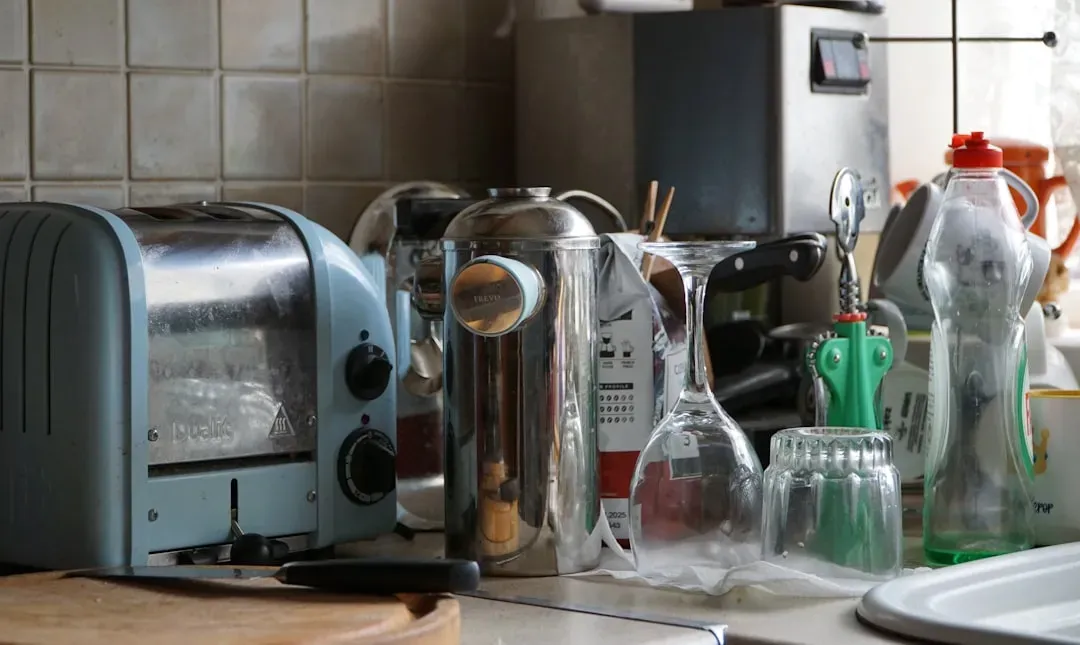
Clutter, disorder and mess can affect more than just our cognitive resources. They’re also linked to our eating, productivity, mental health, and parenting decisions. The kitchen is a particularly loaded room because it’s both functional and emotionally symbolic. A chaotic kitchen can make routine tasks like cooking feel more burdensome than they need to be. Cluttered kitchens are more likely to lead to overeating unhealthy foods.
Household clutter can trigger feelings of guilt, anxiety, and an inability to concentrate. In a room where you’re already making repeated decisions throughout the day, from what to cook to what to eat, adding visual disorder amplifies the cognitive load significantly. Clearing even the countertops in a kitchen often produces a measurable improvement in how manageable meal preparation feels.
7. A Cluttered Home Workspace
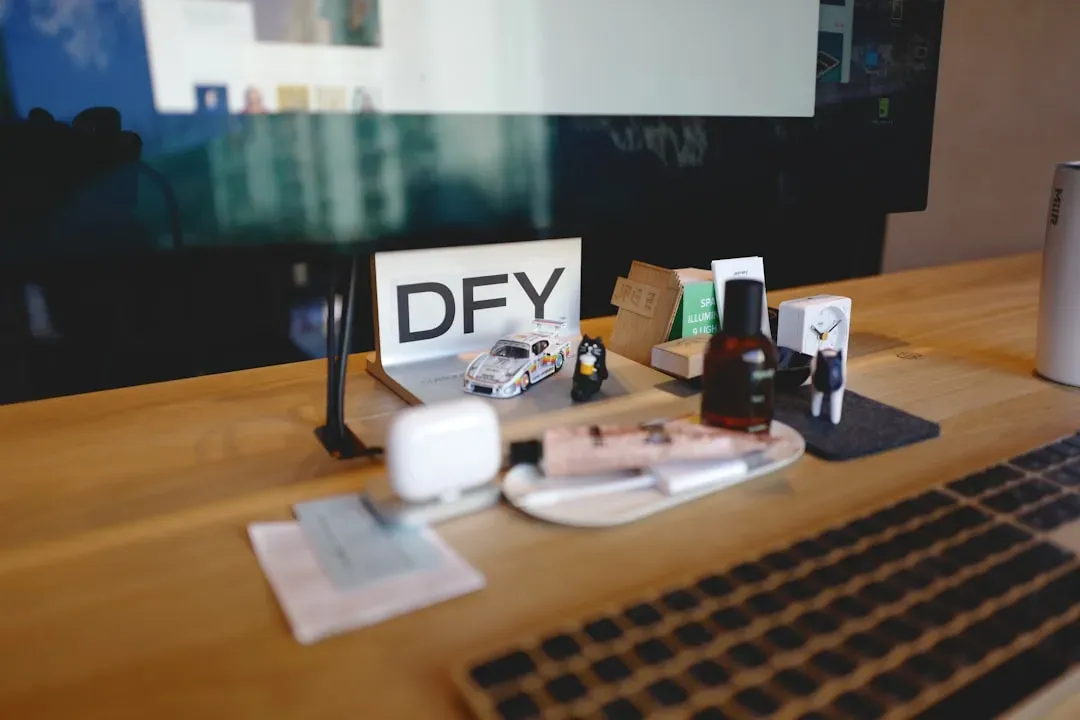
Cluttered workspaces at home can make people less satisfied with their jobs, increasing tension and even leading to burnout. With remote and hybrid work arrangements now a stable fixture for many people, the home workspace has taken on a new importance. When that space bleeds into shared living areas, or when it’s perpetually disorganized, the boundary between work-stress and home-rest erodes. Office clutter similarly increases emotional exhaustion and reduces productivity and work satisfaction.
Clutter significantly drains mental resources, making it harder for the brain to focus and process information effectively. When the environment becomes disorganized, the constant visual reminders of clutter occupy cognitive bandwidth that could otherwise be used for tasks, learning, or decision-making. The harder it is to focus in the space where you work, the harder it becomes to stop thinking about work when you leave it.
8. Excess Digital Clutter and Old Electronics
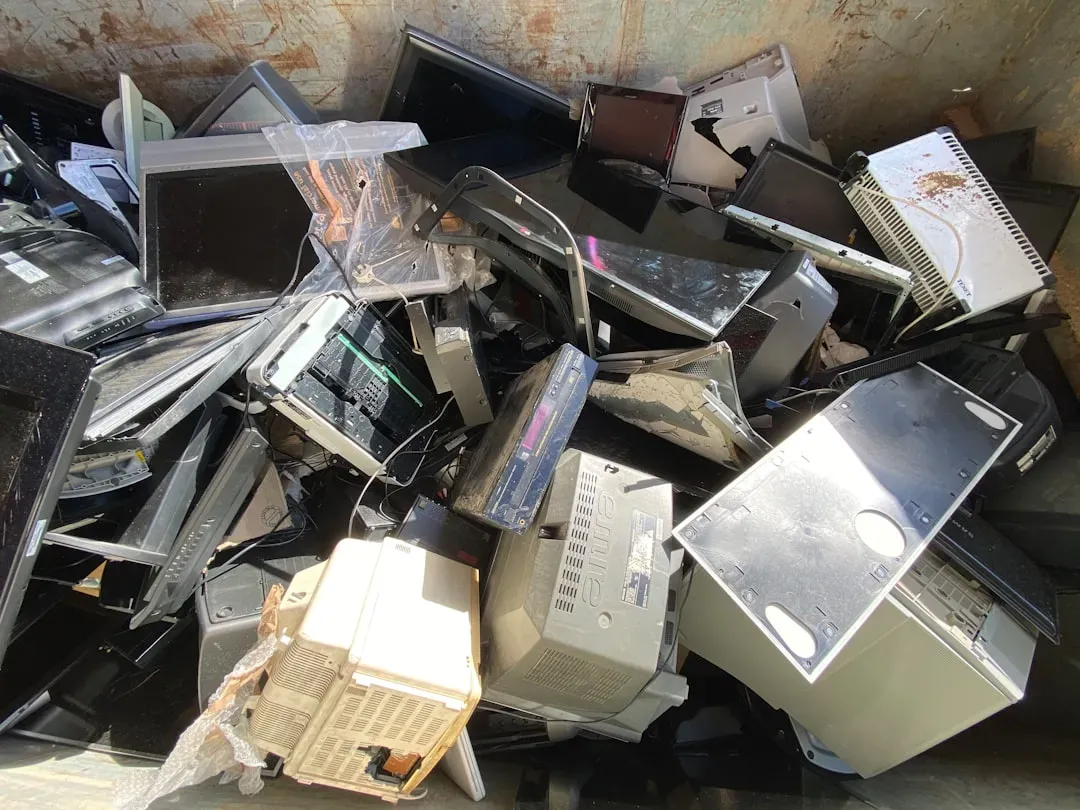
Researchers have moved beyond looking at clutter only in the physical home and are now examining e-waste and digital clutter, meaning electronic waste like old laptops, cell phones, and unused wires. A Swedish company found that on average people have three old cell phones they no longer use. Drawers jammed with outdated cables, dusty tablets, and unused gadgets create the same background noise as physical clutter, and the psychological effect appears to be similar.
The constant bombardment of stimuli can elevate anxiety levels, as the brain feels overwhelmed by the need to process and make sense of chaos. Several studies have demonstrated how cluttered environments hinder productivity and increase stress. The mind craves order, and when that order is disrupted, it triggers feelings of frustration and unease. Digital hoarding, like overflowing desktops, thousands of unread emails, and tangled cable drawers, carries the same psychological cost as the physical kind.
9. Poor Artificial Lighting
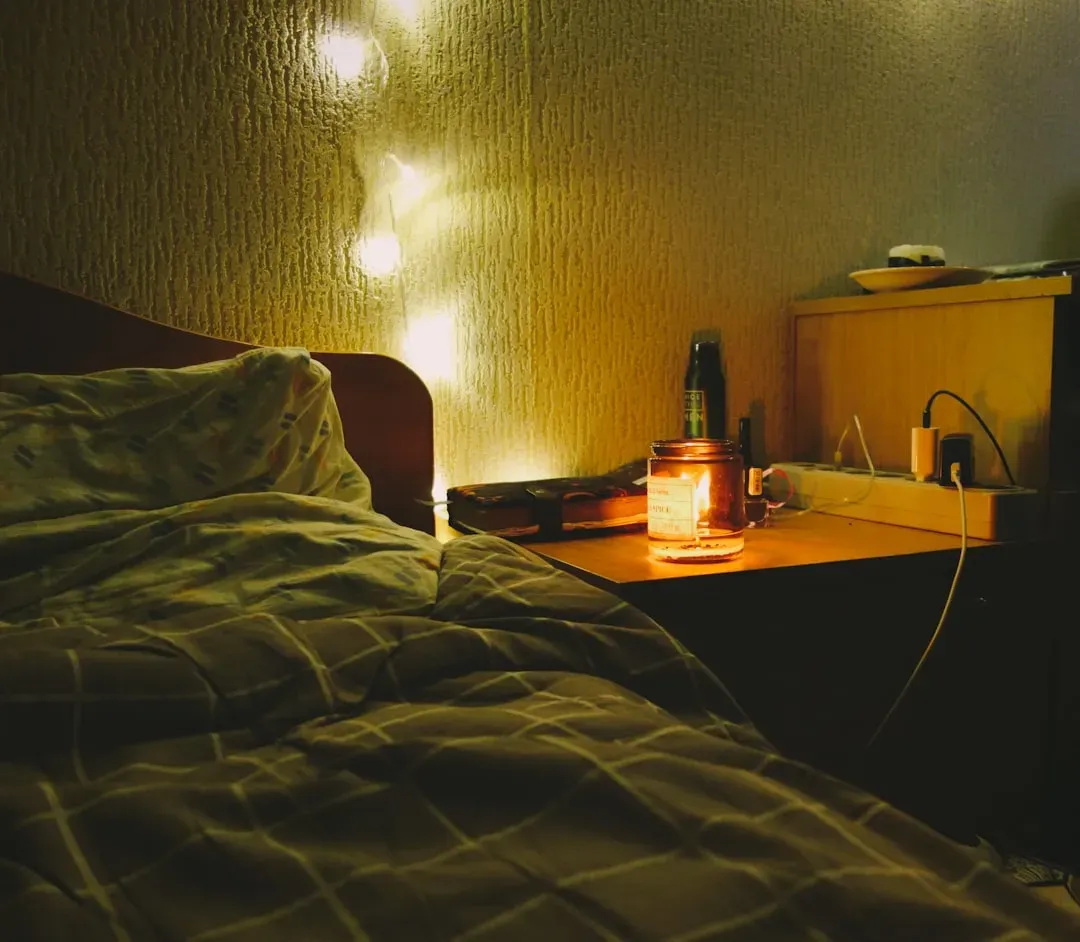
Pre-sleep exposure to both artificial light at night and noise acts as a potent stressor, with the potential to disrupt sleep patterns. During sleep, noise emerges as the predominant influence on sleep quality. Lighting quality throughout the home matters too, not just at night. Harsh overhead lighting in spaces meant for relaxation, or dim, inadequate light in workspaces, shapes mood and alertness in ways that are easy to overlook. Research has established that artificial light at night, particularly short wavelengths in the blue region, can disrupt the circadian rhythm, cause sleep disturbances, and lead to metabolic dysregulation. With the increasing number of people spending time staring at digital screens, the negative impacts are becoming more apparent.
Artificial light at night suppresses melatonin secretion, which is most pronounced in response to short wavelengths of light. Exposure to noise during sleep elevates cortisol and noradrenaline levels, which contributes to stress-related diseases and sleep disturbances. Swapping out bright, cool-toned lights in evening-use rooms for warmer alternatives is a small change with a real effect on the body’s ability to wind down.
10. Sentimental Items That No Longer Serve You

Physical clutter tends to act as a visual reminder of unfinished business: books we meant to read, hobbies we didn’t pursue, clothes we bought but never wore. These objects can quietly carry emotional weight, reinforcing self-criticism or regret. Sentimental items occupy a particularly complicated space in this conversation. They’re not clutter in the traditional sense, but when they accumulate beyond what a home can comfortably hold, they shift from meaningful to burdensome.
Emotional attachment to objects can lead to clutter. People keep boxes of old clothes or gifts because they remind them of loved ones or special times, and letting go can feel like losing a part of oneself. This sentimental saving is incredibly human, but it can go into overdrive. The goal isn’t to become a minimalist overnight. It’s simply to notice which objects in your home make you feel warm when you look at them, and which ones quietly drain you without your realizing it. That distinction, once you start making it, tends to be surprisingly clear.
The common thread across all ten of these items is that none of them are obvious stressors. They don’t announce themselves. They sit in the background of daily life and erode your sense of ease in small, compounding increments. The good news is that the same research pointing to the problem also consistently shows that even modest, targeted changes to the home environment produce measurable relief. You don’t need a renovation. Sometimes all it takes is clearing one surface, finishing one project, or finally opening that pile of mail that’s been watching you from the corner.