
Most people carry some weight from their early years. That’s normal. What’s less obvious is when that weight becomes something heavier – a persistent undercurrent of anxiety, a recurring pattern in relationships, or a low-grade tension that never fully lifts. For a lot of adults, these experiences trace back further than they realize.
Childhood trauma can have a long-lasting influence on individuals and contribute to mental disorders, including depression and anxiety, and depression, anxiety, and stress are highly comorbid among those with early trauma experience. The tricky part is that many of the signs don’t look like trauma at all. They look like personality, habits, or just the way you are.
You Live in a Constant State of Low-Level Alert

The amygdala, your brain’s alarm system, often becomes hyperactive after childhood trauma, creating chronic hypervigilance where the brain constantly scans for danger even in safe situations. This isn’t just occasional worry. It’s a baseline. You might notice it as a persistent sense that something could go wrong, an inability to truly relax, or a habit of reading the room before you’ve even entered it.
Chronic exposure to stress causes the fight-or-flight system to remain active. For children exposed to ongoing trauma, this heightened state of alertness becomes their baseline, leading to heightened alertness even in safe environments, and this hyper-awareness often manifests as emotional reactivity where minor stimuli are interpreted as threats. As an adult, this can feel like overreacting to small things – and then feeling confused or ashamed about why.
You Struggle to Regulate Your Emotions

Affect dysregulation, defined as the impaired ability to regulate and tolerate negative emotional states, has been associated with interpersonal trauma and post-traumatic stress. Affect regulation difficulties also play a role in anxiety disorders and mood disorders, and exposure to traumatic events and interpersonal trauma in childhood is associated with a wide range of psychosocial, developmental, and medical impairments, with emotional dysregulation being a core feature.
One of the most persistent effects of childhood trauma appears in the emotional world. Because emotions were often unsupported, punished, or ignored early in life, adults may struggle to understand or regulate their feelings. Emotional swings that seem disproportionate to the situation, difficulty calming down after an upset, or a tendency toward emotional numbness can all be signs of this deeper dysregulation.
You Find It Hard to Trust Other People

Adults with a history of childhood maltreatment are more likely to experience distrust, feel distant from others, and develop an insecure attachment style which may also affect relationship quality. This isn’t stubbornness or aloofness. It’s a learned response that was once protective – and that can feel nearly impossible to switch off.
Research shows that disrupted attachment patterns during childhood create neural pathways that remain active in adulthood. When caregivers were unpredictable, abusive, or emotionally unavailable, the developing brain learned that relationships bring danger rather than safety. Adults who experienced emotional neglect in childhood may find it challenging to trust that others will be emotionally available or responsive, leading to difficulties in forming deep, meaningful connections with others.
You Tend Toward People-Pleasing or Perfectionism

Childhood trauma often affects adulthood psychology in ways people miss because it disguises itself as character traits you might even take pride in. Hypervigilance becomes “being responsible” or “detail-oriented,” and people-pleasing gets labeled as “being kind” or “a good listener.” These traits can look admirable on the surface while quietly generating enormous internal stress.
Children whose families and homes do not provide consistent safety, comfort, and protection may develop ways of coping that allow them to survive and function day to day. For instance, they may be overly sensitive to the moods of others, always watching to figure out what the adults around them are feeling. They may withhold their own emotions from others, never letting them see when they are afraid, sad, or angry. These kinds of learned adaptations make sense when physical and emotional threats are ever-present. In adulthood, however, these same patterns can quietly exhaust a person from the inside out.
You Experience Sleep Disturbances or Chronic Physical Tension

Normally, the fight, flight, or freeze system activates during danger and returns to baseline afterward. In trauma survivors, this system becomes chronically activated, causing ongoing physiological stress even in safe environments. Symptoms include sleep problems, digestive issues, muscle tension, and heightened startle responses.
Biologically, trauma alters stress-response systems, leading to changes in the brain, immune, and endocrine functions. These can result in hyperarousal, emotional dysregulation, and sleep disturbance or manifest physically through somatic symptoms like fatigue, gastrointestinal issues, and chronic pain. If you’ve had persistent physical complaints that doctors have been unable to explain, early stress may be a factor worth considering.
You Have Insecure or Anxious Attachment Patterns in Relationships

According to attachment theory, early interactions with primary caregivers, such as parents, play a crucial role in shaping internalized relationship models that later affect interpersonal behaviors in adulthood. Consequently, childhood trauma is strongly associated with social anxiety as well as other interpersonal challenges.
Path analyses have revealed that anxious attachment style in adulthood in part explains the relationship between childhood neglect and physical abuse to depression, anxiety, and self-esteem. Childhood neglect and physical abuse have lasting effects on adult attachment styles, and anxious and avoidant adult attachment styles contribute to understanding the negative mental health consequences of childhood neglect and physical abuse decades later in adulthood. Adults may gravitate toward emotionally unavailable partners, fear abandonment, or withdraw to protect themselves, and these push-pull patterns create repeated cycles of conflict and disappointment, reinforcing beliefs that relationships are unsafe or unreliable.
You Carry Persistent Low Self-Esteem or Shame

In general, children having experienced abuse or neglect tend to show low self-esteem and negative self-evaluation, so that it is difficult for them to construct a correct and positive self-concept support system. This internal narrative – that something is fundamentally wrong with you – can be one of the quietest and most corrosive legacies of difficult early years.
Childhood trauma signs in adults can appear as chronic anxiety, emotional numbness, difficulty trusting others, people-pleasing, perfectionism, or feeling “different” without knowing why. Many adults blame themselves for these struggles, believing they are flaws in personality rather than understandable responses to early environments. That distinction matters enormously: these are not character defects, they are adaptive responses to circumstances that were out of your control.
Emotional Neglect Left Its Own Kind of Mark

Childhood emotional neglect is a form of childhood trauma that can oftentimes get overlooked. Because it involves the lack of something, as opposed to the presence of abusive or unsafe dynamics that are obvious and tangible, we can tend to miss the impacts of emotional neglect, which can be just as harmful and long-lasting.
Over time, a child who receives no emotional validation learns to suppress feelings, believing their emotions are unimportant or burdensome. As adults, those same individuals often struggle with relationship anxiety, trust issues, and emotional disconnection, even when they crave closeness. As adults, these signs can manifest as difficulty opening up, feeling unworthy of love, or avoiding deep relationships. Because emotional neglect is less visible than abuse, many don’t recognize it until they face challenges in adulthood.
The Impact Can Extend Well Beyond Mental Health

Three in four high school students reported experiencing one or more adverse childhood experiences, and one in five experienced four or more. ACEs that were most common among high school students were emotional abuse, physical abuse, and living in a household affected by poor mental health or substance use. The sheer prevalence of these experiences makes it more important, not less, to take them seriously.
Each unit increase in ACE score was associated with a notable increase in the odds of adverse health outcomes or unhealthy behaviors. Compared to participants with no ACE exposure, those with four or more ACEs exhibited a higher likelihood of experiencing asthma, arthritis, cancer, cardiovascular disease, depression, and other conditions. According to a large study conducted in 21 countries, nearly one in three mental health conditions in adulthood are directly related to an adverse childhood experience.
The Brain Shows the Evidence
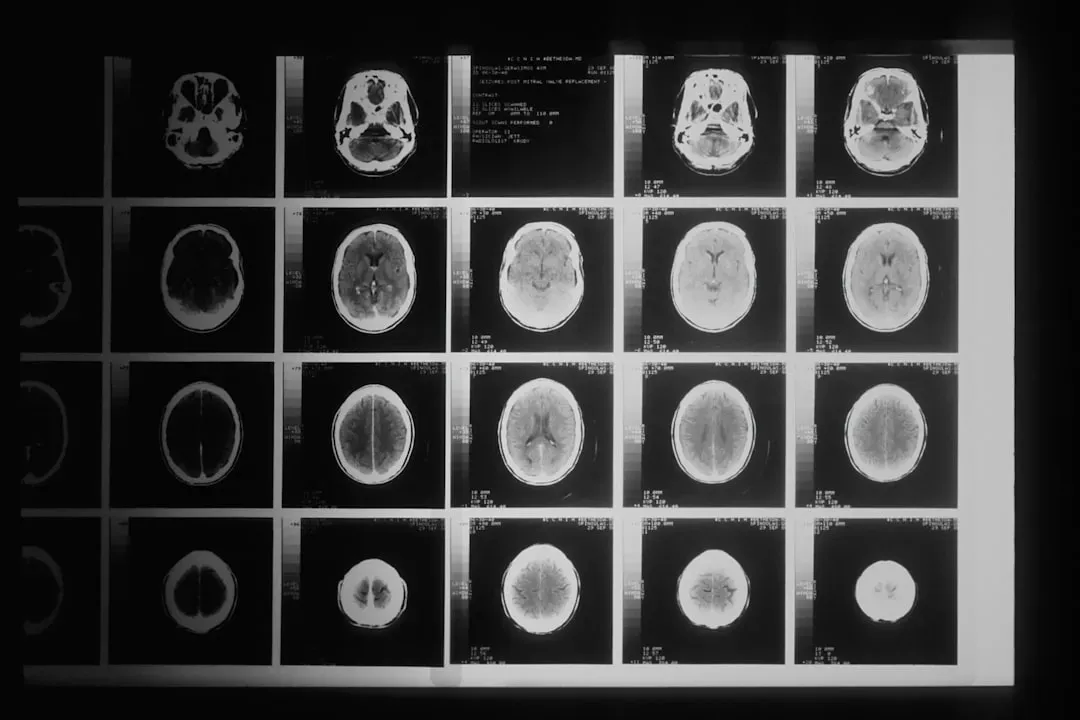
Structural and functional changes in key brain regions, such as the hippocampus, prefrontal cortex, and amygdala, have been shown with neuroimaging studies in relation to childhood trauma. These regions are essential for memory, executive function, and emotion regulation, and disruption of these regions has been linked to a variety of psychopathologies including depression, anxiety, and post-traumatic stress disorder.
Traumatic experiences may disrupt the hypothalamic-pituitary-adrenal axis and result in imbalances in neurotransmitters such as serotonin and dopamine. These disruptions make individuals more reactive to negative stimuli or stress, leading to emotional processing patterns characterized by heightened reactivity, low emotional awareness, and difficulties in emotional regulation. These are not abstract findings. They help explain why certain emotional responses feel involuntary, almost automatic.