
There’s a difference between a messy week and a pattern that’s quietly wearing you down. For millions of people, certain everyday objects have a way of accumulating without a clear plan, filling drawers, covering counters, and creeping into corners until the home itself starts to feel overwhelming. That creeping unease isn’t imaginary.
Studies have shown that clutter increases cortisol levels, the body’s primary stress hormone. Physical clutter not only fills our spaces but also our minds, leading to mental fatigue, stress, irritability, and heightened anxiety. The items covered here aren’t exotic or unusual. They’re the everyday things that professional organizers see piled up in home after home, the ones that look innocent but function like invisible weights.
Paper, Mail, and Old Documents
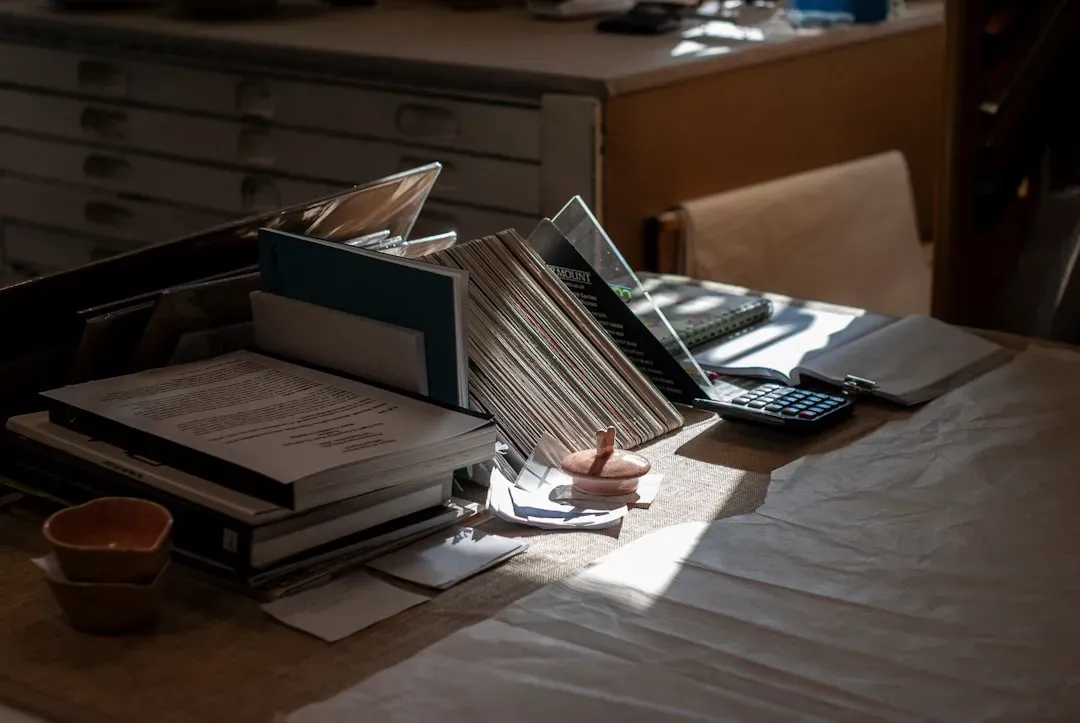
Most often, people hoard common possessions such as paper, especially mail and newspapers, books, clothing, and containers like boxes, paper and plastic bags. Paper is the single category that professional organizers name most frequently. It lands on every flat surface and stays there partly because sorting it requires immediate decision-making, which most people would rather delay.
Paperwork was on all experts’ lists, making it one of the most common household items to be added to a decluttering checklist. Professional organizer Kayleen Kelly says that the heavy pile-up of paper led her to a near-paperless system by shifting everything online, noting that “most people are drowning in paperwork.” Old bills, outdated manuals, expired coupons, and junk mail all belong in the recycling bin far sooner than most of us allow.
Clothes That No Longer Fit or Get Worn
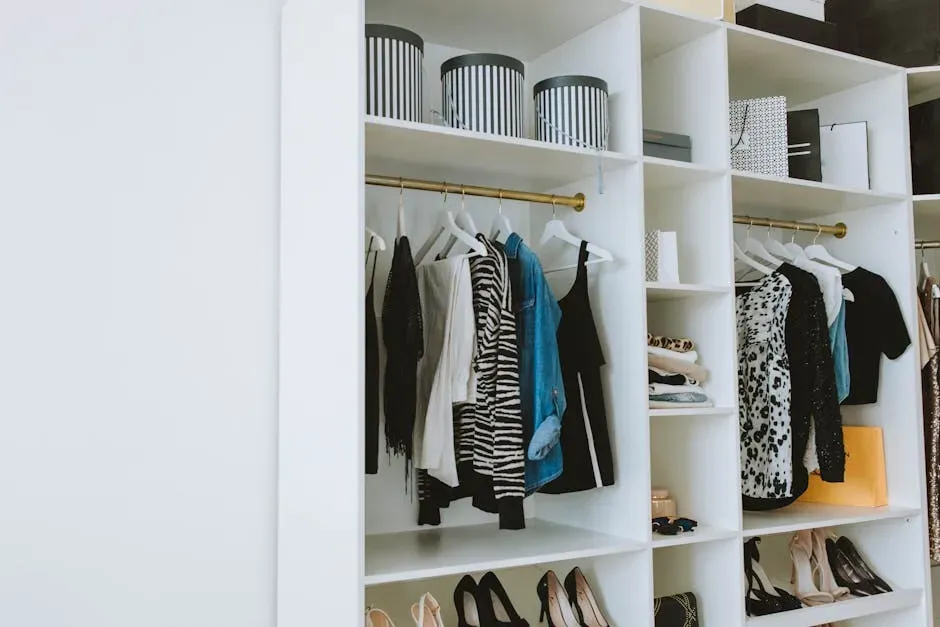
People often hold onto clothes because they carry memories. An old jacket from a first concert can evoke feelings that are hard to let go. Perhaps it’s a dress from a special event or a favorite pair of jeans that served as a reminder of good times. These items often symbolize milestones and can be tough to part with, even if they no longer fit or serve a purpose.
Dresser drawers filled with garments that have seen better days are a common organizer concern. Socks with no match, underwear with holes, and clothes or linens past their prime are all items that professional organizers say it is time to let go. The closet is one of the most emotionally loaded spaces in the home, and that emotional weight has a way of spilling into the rest of daily life.
Plastic Bags and Excess Food Containers
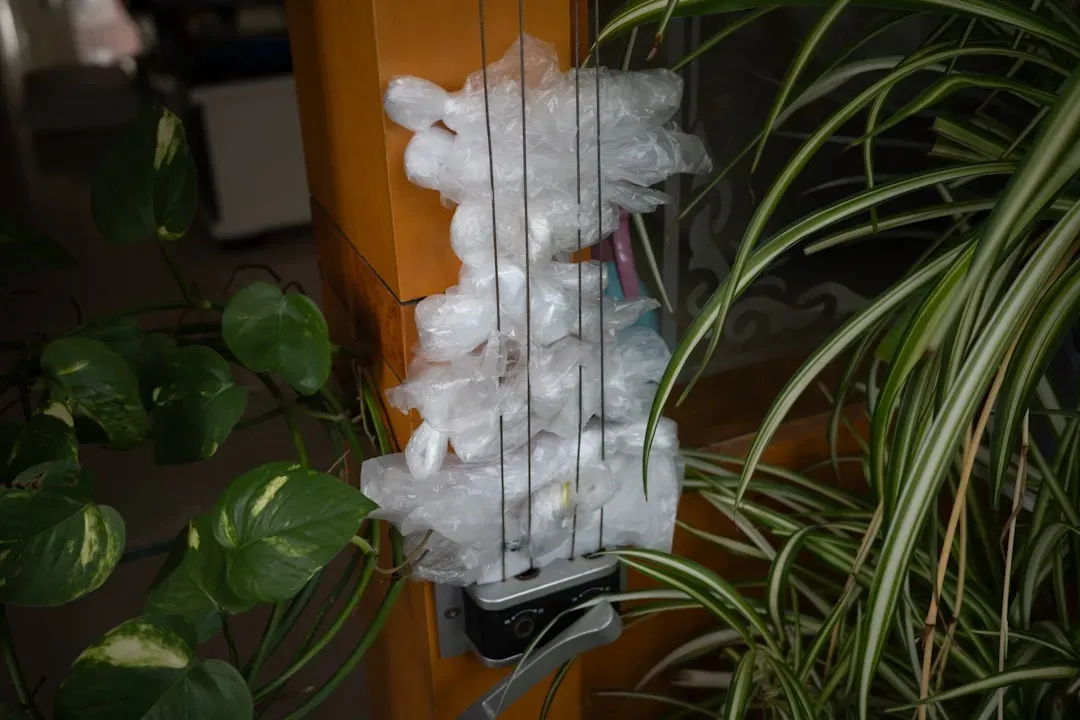
Plastic bags seem incredibly useful, perfect for lining bins or carrying lunch, but saving every bag “just in case” can quickly spiral out of control. What begins as a practical habit often results in an unruly collection of bags stuffed into drawers or closets, rarely seeing actual use. Unlike reusable bags, the disposable nature of plastic bags encourages accumulation, illustrating how even practical intentions can inadvertently trigger hoarding behaviors.
Takeout containers, glass jars, and plastic tubs frequently pile up in kitchens with the best intentions for reuse. Many believe every container will be perfect for leftovers or organizing small items, yet only a few are truly needed. Repurposed containers often linger because throwing them away feels wasteful, even if they far outnumber purpose-bought options, quickly turning practical storage solutions into a source of kitchen clutter and chaos.
Expired Medications and Old Toiletries

Expired medications and toiletries can be ineffective or harmful. Properly disposing of them ensures a safer and more organized bathroom space. Refraining from decluttering your bathroom may lead you to use or consume old products which could result in serious consequences for your skin and your health. Medicine cabinets are one of the most neglected spaces in the home, and they tend to stay that way precisely because people assume old medicines are still fine.
Keeping expired medications poses health risks. Old pills can lose potency, making them ineffective or even dangerous. It’s important to regularly check your medicine cabinet and dispose of expired items properly. Using expired cosmetics can cause skin irritation, infections, and reduced effectiveness. Expired sunscreens and lotions lose their potency, exposing users to harm. These aren’t minor inconveniences; they’re genuine safety concerns hiding behind a bathroom door.
Books, Magazines, and Newspapers
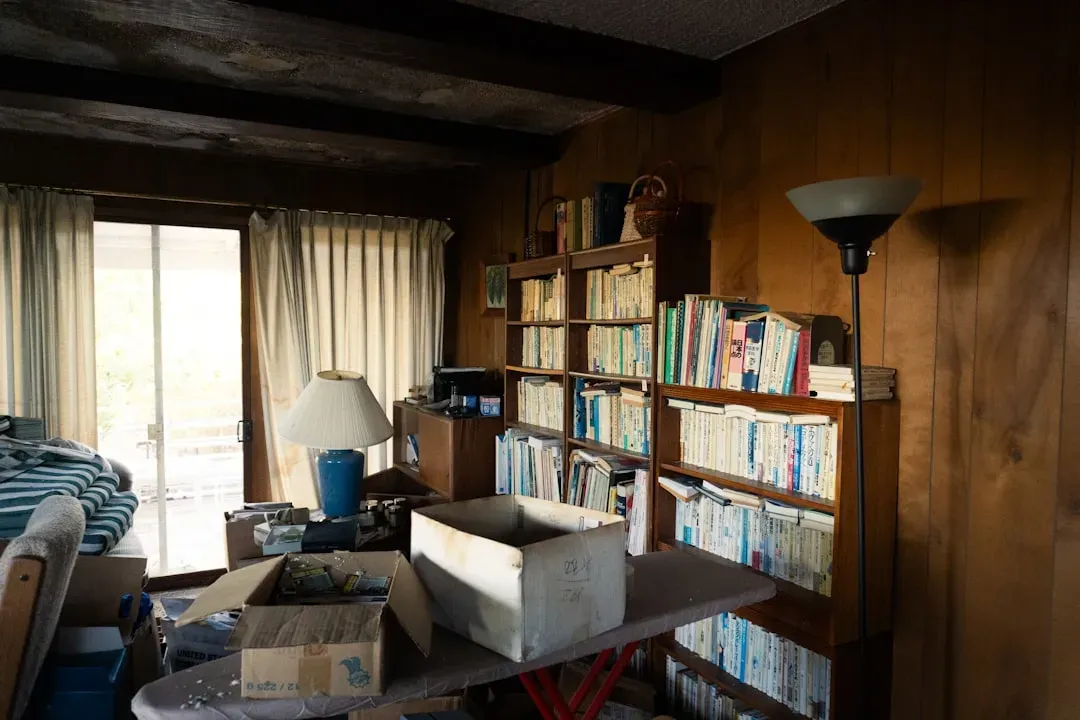
The most hoarded items are information, including books, magazines, mail and scraps of paper, clothing, household items including coffee mugs, towels and pens, and crafts. Books carry a particular kind of emotional weight. There’s something about owning them that feels like owning the knowledge or the aspiration inside them, even when the pages haven’t been turned in years.
Old magazines and newspapers tend to pile up quickly. While people hang onto them for nostalgia or potential reading, they often become dust collectors. These stacks can take up valuable space and contribute to a cluttered environment. The three areas most prone to excessive clutter are kitchens, closets, and book collections or bookshelves. If a shelf or a stack has been untouched for more than a year, it’s worth asking what it’s actually doing there.
Broken or Non-Working Items
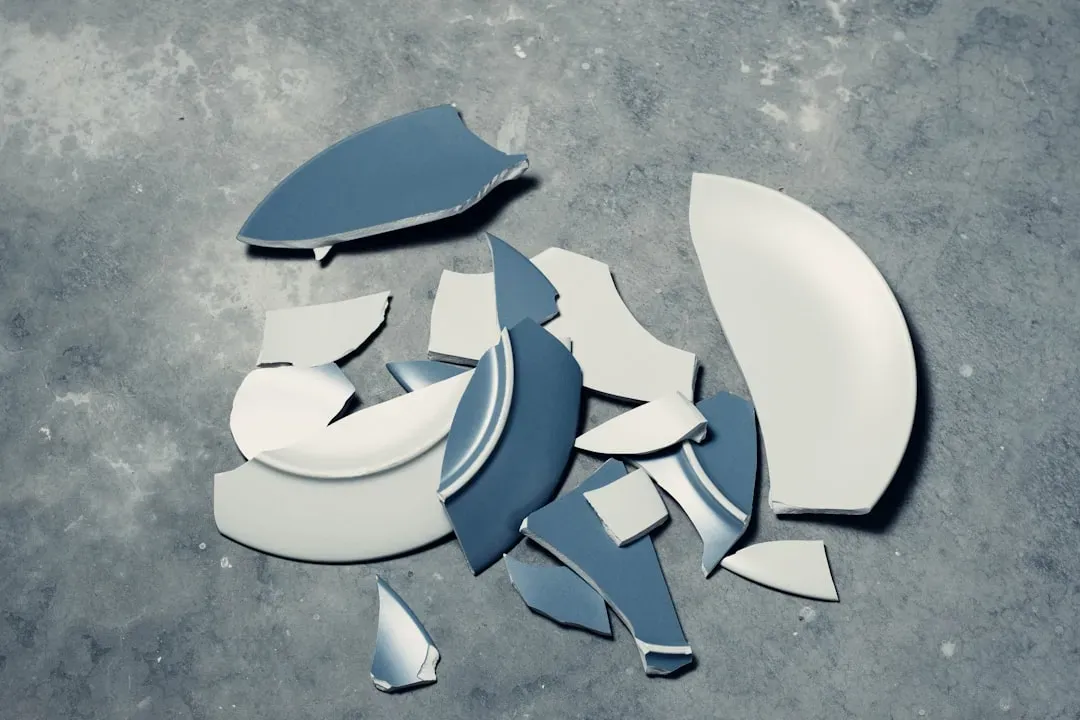
Hoarders may collect large quantities of old newspapers and magazines, greeting cards, bottles, junk mail, plastic containers, broken appliances, old clothes, shoes, furniture, and similar items. Broken things occupy a uniquely stressful category of clutter. Every time you see a non-working item, your brain registers an unresolved task. Every item in a cluttered space represents work that needs to be done and a choice that needs to be made. All these decisions create a type of cognitive overload known as decision fatigue.
If you are holding onto broken items just because of a fear that you might need them, it is time to rethink this habit. The logic feels sound in the moment: it might be fixable, it might be useful again. In practice, broken things rarely get repaired, and keeping them compounds the sense of incompleteness that already makes clutter so mentally draining. Broken necklaces, single earrings, or watches that haven’t worked in years are common examples. Unless you have a concrete plan to fix them soon, they’re just taking up valuable space.
Sentimental Items Kept Out of Guilt
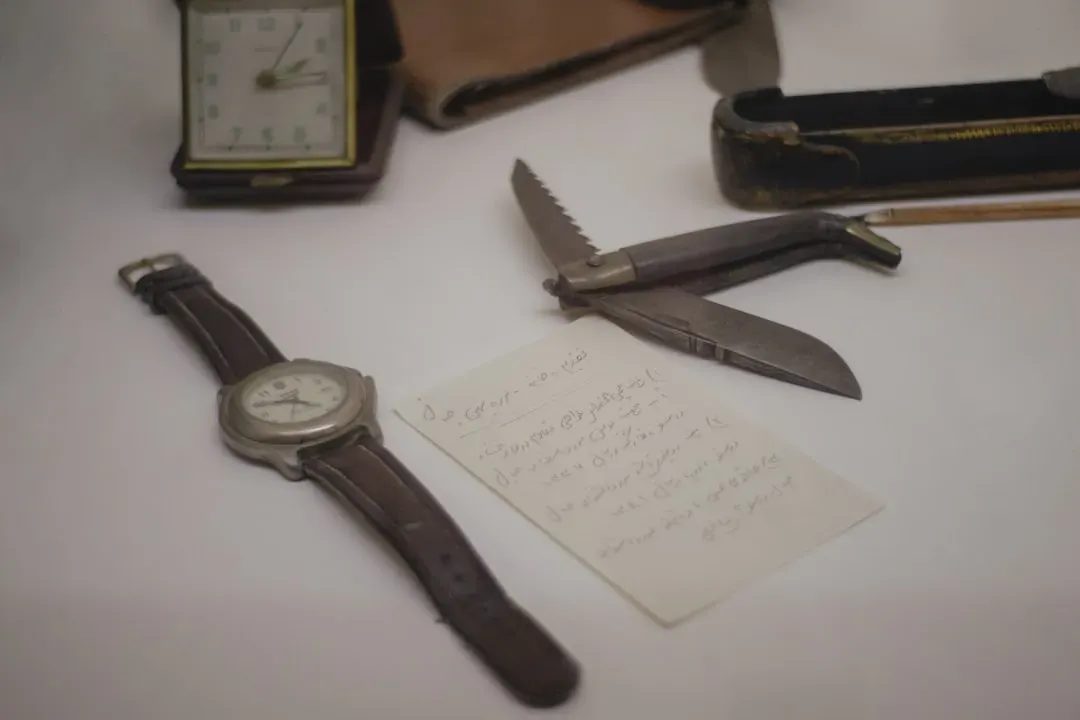
Sentimental clutter, also known as personal items kept out of guilt, is something that can likely be discarded at least to some degree. Examples include gifts received from events or artwork that kids brought home from school. This category may also include cards received from friends. Guilt-driven keeping is one of the most common patterns organizers encounter, and it’s also one of the most insidious because it masquerades as loyalty or love.
Emotional trauma and a tendency toward emotional stimulation can create an attachment to possessions. When we associate positive memories with a belonging, we tend to hold onto the object to experience the stimulation. People hoard because they believe that an item will be useful or valuable in the future, or they feel it has sentimental value, is unique and irreplaceable, or too big a bargain to throw away. Recognizing that the memory lives in you, not in the object, is often the quiet shift that makes letting go feel possible.