
There’s a particular tension that comes with standing inside a genuinely untouched midcentury home. You’re aware you’re looking at something rare – proportions that haven’t been bulldozed, surfaces that haven’t been replaced with something trendier – and yet a part of you starts mentally cataloguing what you’d want to change. That push and pull is exactly what makes a property like 340 Trousdale Place so compelling to anyone with even a passing interest in how Los Angeles was built.
A striking architectural residence in Trousdale Estates recently hit the market for $13.8 million, offering something increasingly rare in the neighborhood: an authentic midcentury modern home that hasn’t been replaced by a contemporary rebuild. Whether it evokes warm admiration or a low hum of design anxiety probably says something about where you stand on the question of preservation versus reinvention.
A Neighborhood Built by A-List Architects
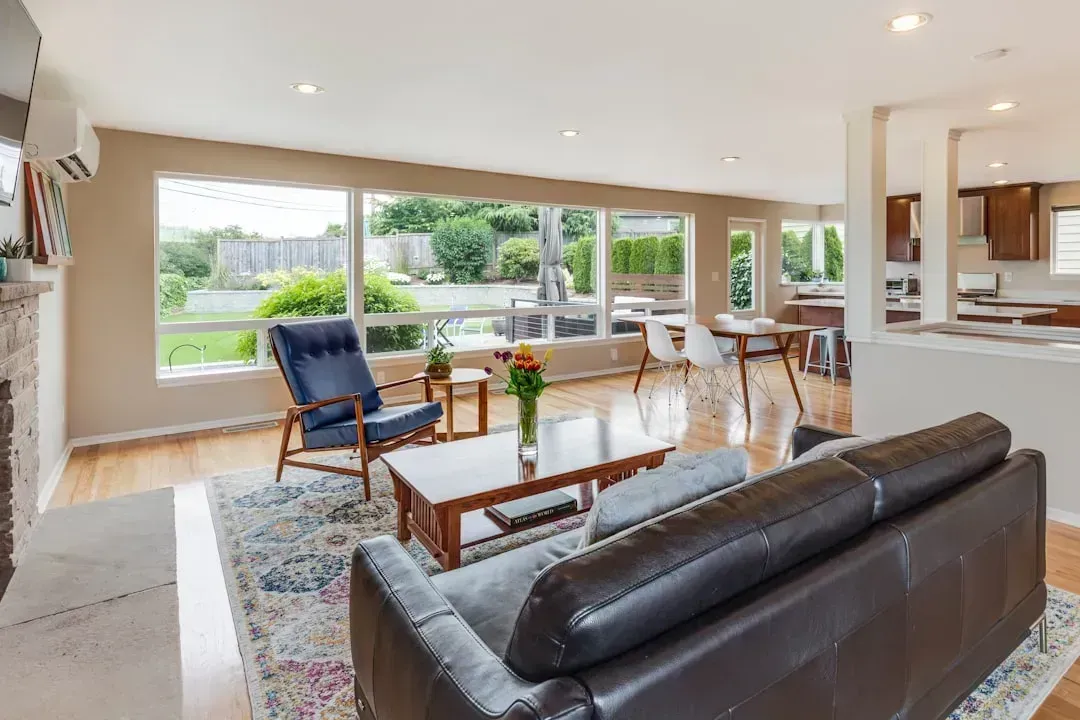
In 1955, developer Paul Trousdale purchased 410 acres of former Doheny ranch land, where orange groves had grown on the hillside above Beverly Hills, for $6 million. He parceled the land into 535 lots, established an Architectural Committee with supervising architect Allen Siple, and set out to sell not just real estate but a concept: Life Above It All.
Early houses were designed by renowned architects Wallace Neff, Paul R. Williams, A. Quincy Jones, Frank Lloyd Wright, and Harold Levitt. Most of the properties within the development were built during the 1960s and feature mid-century modern homes sited on terraced lots, and the neighborhood has a reputation as an enclave for mid-century modern chic. The caliber of talent that shaped Trousdale is genuinely unusual – it reads more like a graduate seminar syllabus than a typical residential enclave.
The Address: 340 Trousdale Place
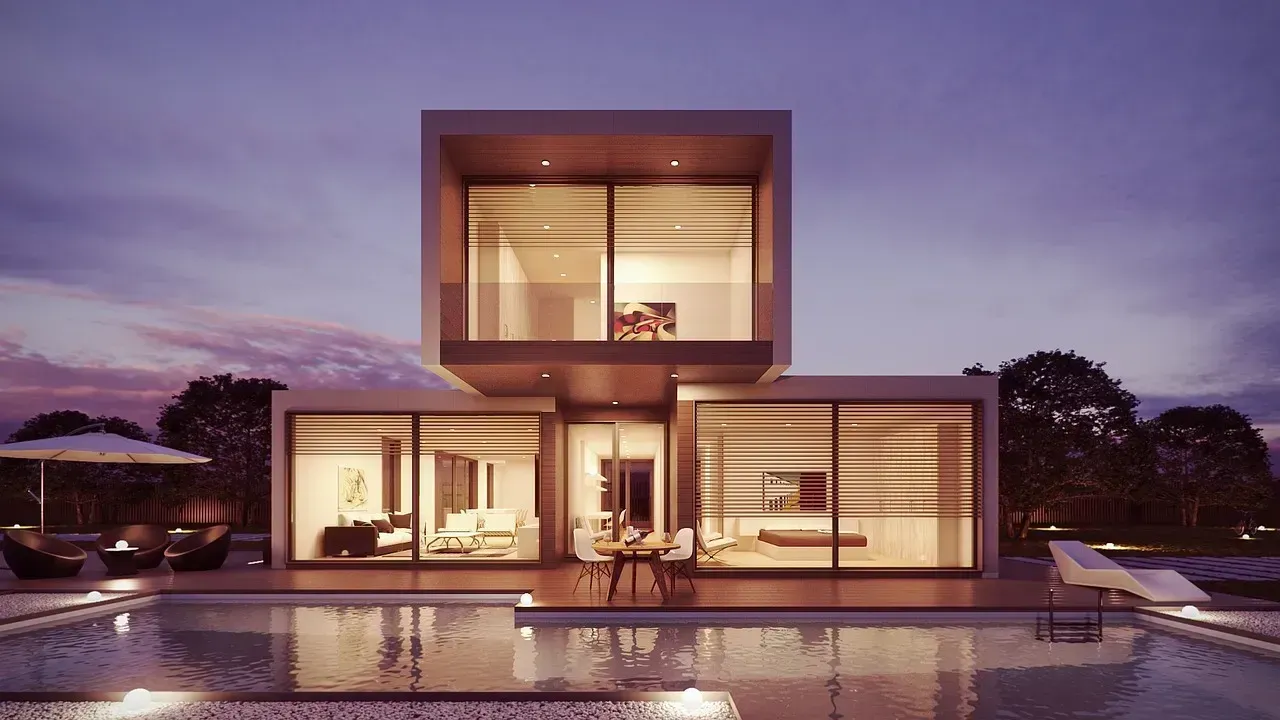
Located at 340 Trousdale Place, the single-level residence dates to 1963 and retains the proportions, materials, and spatial philosophy that defined the era’s best modernist houses. The property spans roughly 4,717 square feet with four bedrooms and six bathrooms. The property occupies approximately 0.87 acres on Trousdale Place, widely considered one of the enclave’s most desirable streets.
The irreplaceable charm didn’t go unnoticed: the rare property was quickly swept off the market by a buyer, mere weeks after listing. The final sale price was $12.85 million. Speed like that in the luxury market reflects something beyond just square footage. It tells you that buyers who understand architectural provenance move fast when the real thing shows up.
The Case for Preservation Over Rebuilding

Rather than undergoing a dramatic renovation, the property was carefully refined with upgrades to systems and infrastructure while preserving its original architectural character. That restraint – maintaining the proportions, materials, and spatial relationships of the 1963 design – is increasingly rare in Trousdale Estates, where many midcentury homes have been replaced with much larger contemporary builds.
It was in Los Angeles, where, from the 1920s to the 1960s, designers and architects transformed the ideas of the European avant-garde to fit the climate and environment of the American West. From the modern bungalows of Greene and Greene and the very first modernist creations of Irving Gill to the pioneering and now-iconic houses of Richard Neutra and Rudolph Schindler, Los Angeles became one of the most important places for architectural experimentation. Tearing down a 1963 Trousdale home isn’t just a real estate decision – it erases a chapter of that story.
Ceilings, Fireplaces, and the Geometry of Space
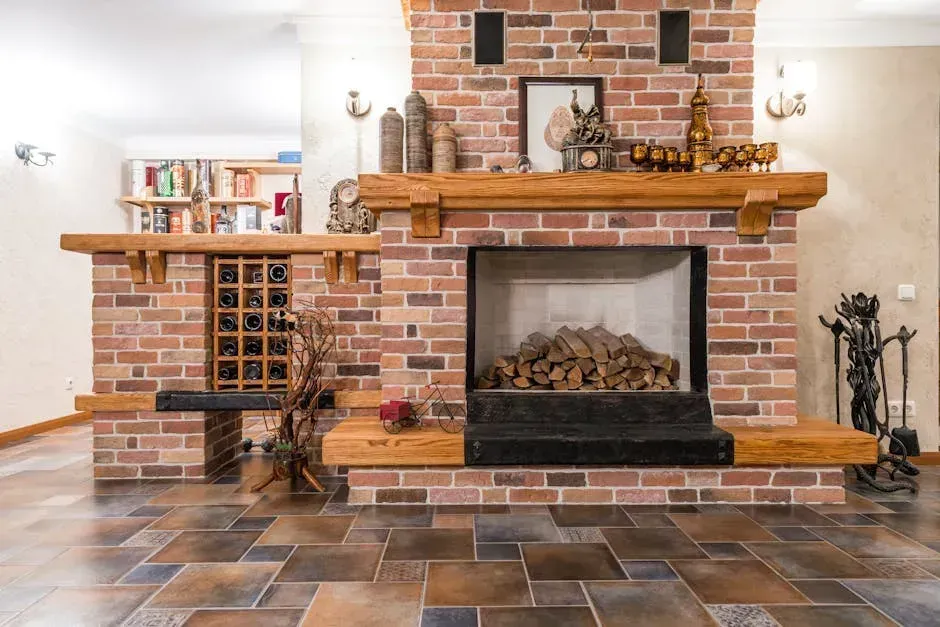
Approximately 11-foot ceilings create an airy atmosphere, while a full-height travertine fireplace acts as the architectural anchor for the space. The room flows directly toward the outdoor terraces, reinforcing the home’s indoor-outdoor design philosophy. That seamlessness between inside and outside wasn’t incidental – it was the central ambition of California modernism at its most confident.
This style emphasized creating structures with ample windows and open floor plans, with the intention of opening up interior spaces and bringing the outdoors in. Many mid-century houses utilized then-groundbreaking post and beam architectural design that eliminated bulky support walls in favor of walls seemingly made of glass. The 1963 Trousdale home carries that logic without apology, and 60-plus years later, the spaces still feel alive.
The Terrazzo Floors: Preserved, Not Replaced
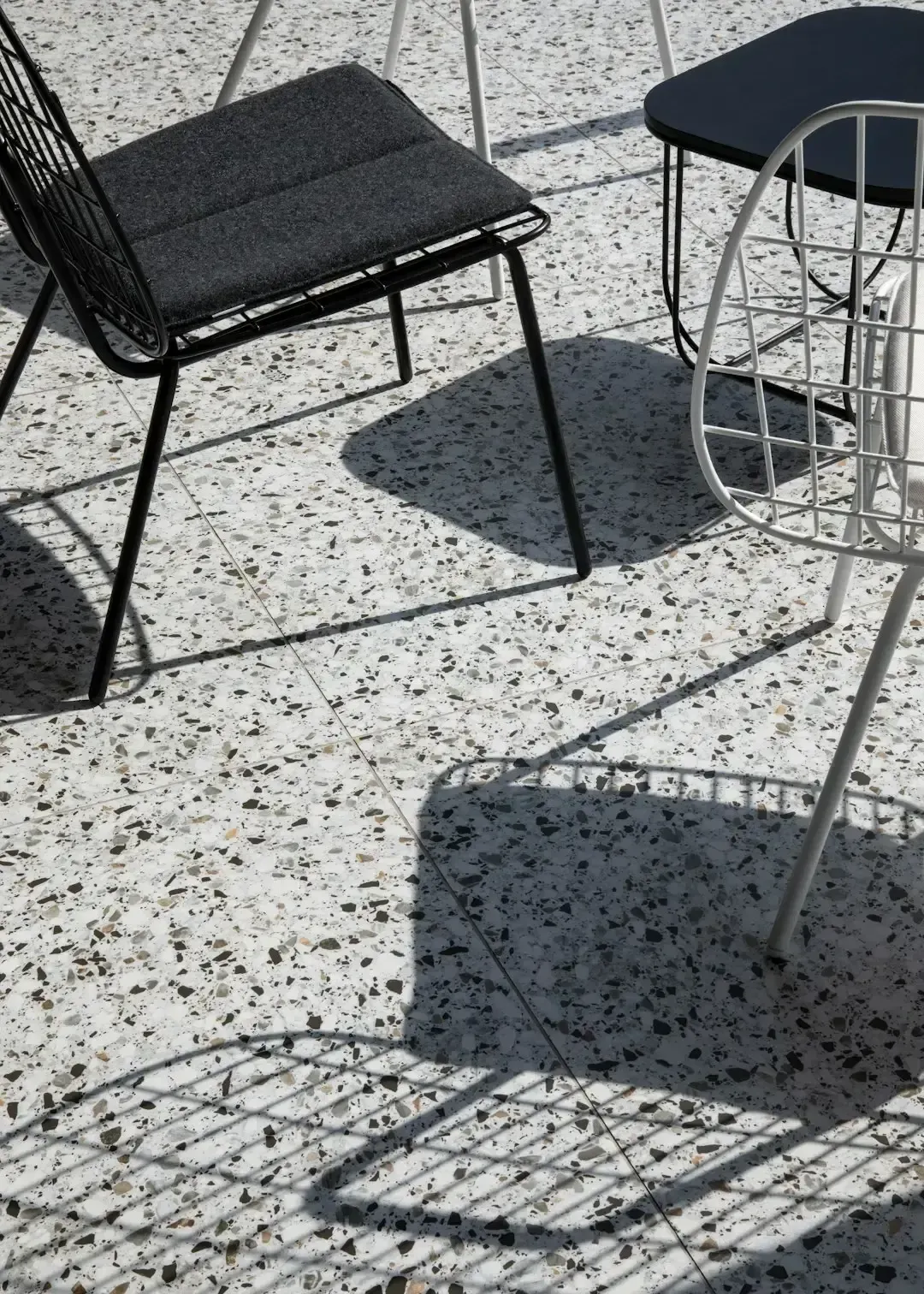
One of the most distinctive surviving elements of the house is its original terrazzo flooring. Rather than replacing it during updates, the current owner preserved the material as part of a respectful refinement of the property – maintaining the authenticity that architecture-focused buyers increasingly seek in Trousdale.
When the 1950s and 1960s hit, terrazzo became a go-to flooring option, particularly in the south and west and specifically in mid-century modern homes. The sleek, understated look did not compete with but instead complimented the angles of mid-century modern, while the cool and clean material was perfect for hot areas or areas near the beach. The mid-century greats like Neutra, Lautner, and A. Quincy Jones all favored terrazzo as a versatile and beautiful building material that seamlessly blended the indoors and out. Preserving those floors wasn’t just sentimental – it was architecturally correct.
The Kitchen: Where Old and New Quietly Negotiate
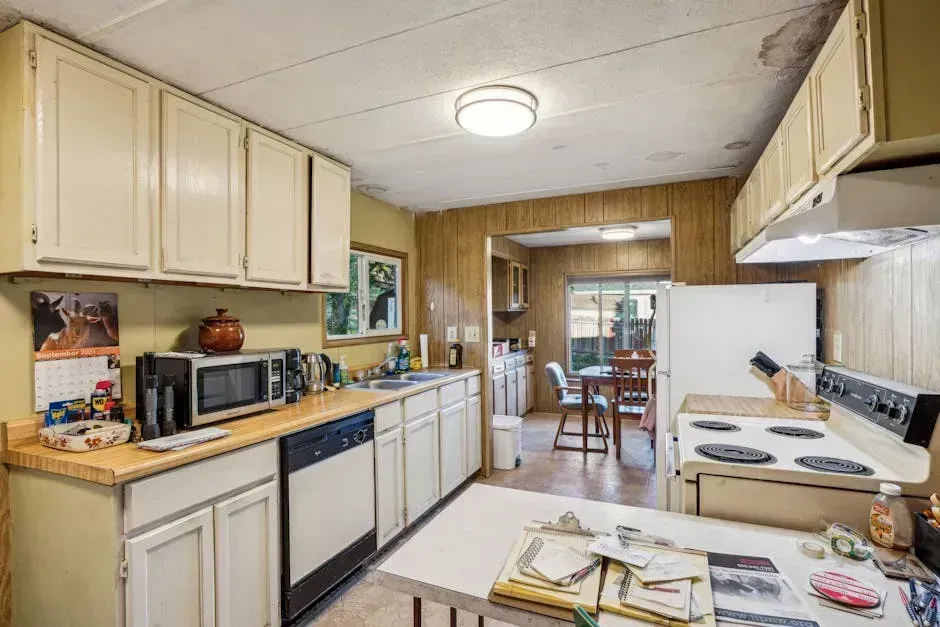
The kitchen balances modern functionality with the home’s midcentury character. Stone countertops pair with high-end appliances from Sub-Zero, Miele, and Gaggenau, while a nearby breakfast area provides a casual dining space with views toward the outdoor terraces.
This is where the design anxiety can creep in for purists. Premium contemporary appliances sitting alongside original 1963 proportions is either a perfect negotiation or an uneasy truce, depending on your tolerance for the hybrid approach. The key is that the intervention respects the spatial logic rather than overwriting it. Function was as important as form in mid-century designs, with an emphasis placed on targeting the needs of the average American family – and that same practicality seems to have guided the kitchen update here.
The Diamond Pool and the Grounds

Outside, the backyard is anchored by one of the property’s most distinctive elements: a geometric diamond-shaped saltwater pool. Rather than functioning purely as a recreational feature, the pool reads as a sculptural extension of the home’s architecture, reinforcing the modernist composition of the property.
Surrounding the pool are broad patios and landscaped grounds designed for both entertaining and quiet relaxation. The outdoor spaces take advantage of the elevated setting, allowing views and open sky to become part of the everyday living experience. The motor court contributes to that same carefully designed arrival sequence. A gated entrance opens to a large motor court finished with grass-block paving, a design detail that softens the hardscape while maintaining the property’s modernist aesthetic.
Single-Level Living as a Luxury Feature
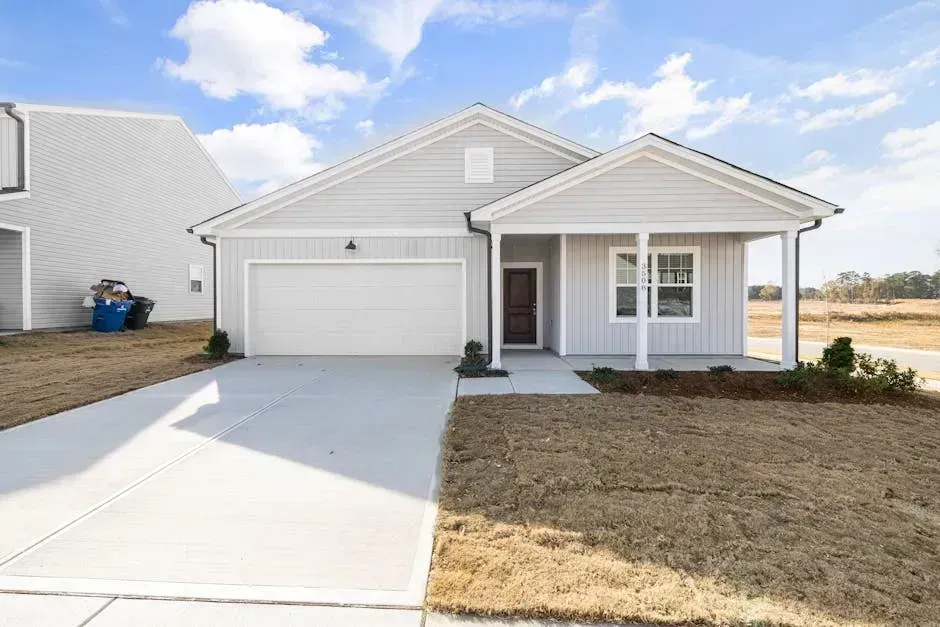
Three additional bedroom suites round out the floor plan, each designed to provide privacy for guests or family members. The single-level layout allows all bedrooms and living spaces to unfold across one plane – a feature that has become increasingly desirable among luxury buyers.
There’s a quiet intelligence to single-story living that often gets overlooked in the pursuit of vertical drama. Everything connects horizontally, which reinforces the original design’s commitment to flowing space rather than compartmentalized rooms stacked on top of each other. Architecture has long been engineered in Trousdale to frame the city like cinema: glass walls aimed at the skyline, terraces aligned to the horizon, and low rooflines that keep the experience horizontal, serene, and quietly theatrical.
What It Means to Be “Authentic” in Trousdale Today
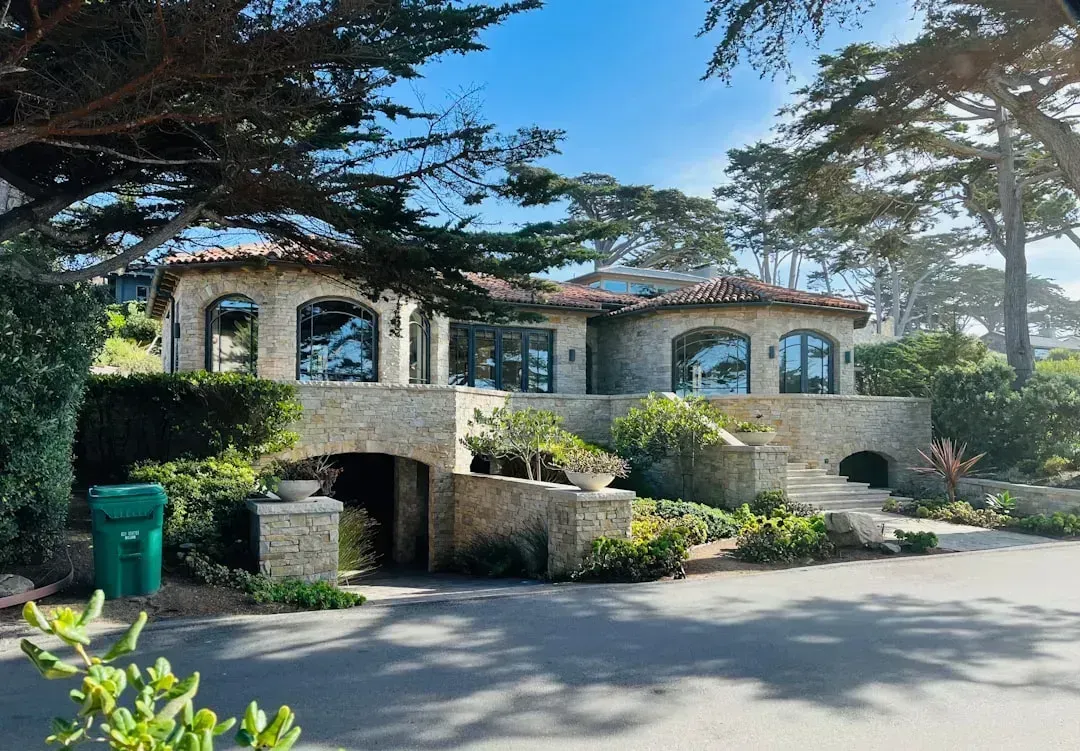
After a rash of renovations, additions, and new construction altered the neighborhood aesthetic and blatantly obstructed the views of neighbors, the Trousdale Estates Homeowners Association and the City of Beverly Hills enacted the Trousdale Ordinance to preserve the neighborhood’s character and value. As a result, building height is being strictly enforced to preserve views and review periods have been lengthened and a committee was formed to nominate landmark status, with homes by certain architects automatically protected from demolition.
What makes the market function differently than most of Beverly Hills is that architectural provenance matters to value in ways that are legible and measurable. A home designed by A. Quincy Jones or Paul R. Williams is not interchangeable with a 1970s spec build on a similarly-sized lot. The 1963 Trousdale Place property carries that same distinction. Authenticity, in Trousdale’s specific context, has become a measurable asset – not just a sentimental category.
The Tension at the Heart of Midcentury Preservation
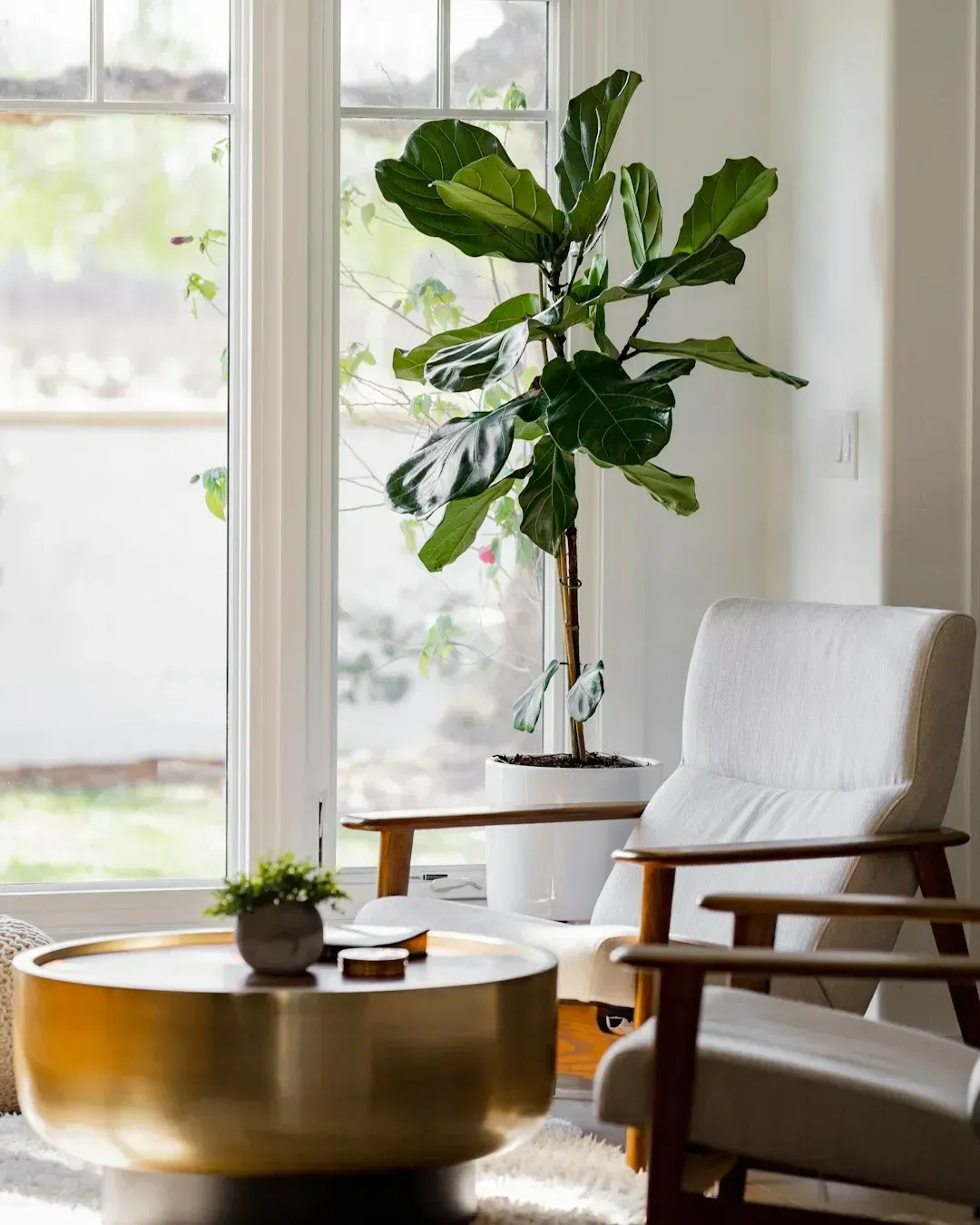
MCM-style decor and architecture have seen a major resurgence that began in the late 1990s and continues today. Yet renewed appreciation for a style doesn’t automatically translate into the discipline required to preserve it. Plenty of buyers who love the idea of midcentury architecture also want open-plan kitchens, spa bathrooms, and smart-home automation – things that can quietly unravel the spatial logic of a 1963 design if introduced carelessly.
A rich Los Angeles legacy has quietly faded because of changing home styles, developers tearing down and building new homes, and overzealous renovations. The 340 Trousdale Place property stands partly as a counterargument to that trend. Whether it sparks nostalgia or mild anxiety when you walk through the door likely depends on whether you see a home like this as a completed statement or a starting point. Those aren’t mutually exclusive feelings – and maybe that productive discomfort is exactly what good architecture is supposed to generate.