
Hotel housekeeping is one of the most physically and mentally demanding jobs in the hospitality industry, yet it’s almost entirely invisible to the people it serves. Most guests check out without giving a second thought to what happens after that door closes behind them. The room simply becomes someone else’s problem, and that someone is usually working under significant time pressure with a full floor of rooms to turn over before the next wave of guests arrives.
On average, a typical hotel housekeeper cleans twelve to fifteen rooms per shift, with less than thirty minutes for each room. That’s an extraordinarily tight window. A May 2024 survey by the American Hotel and Lodging Association found that nearly three quarters of hoteliers reported staffing shortages, with housekeeping identified as the most pressing need by half of all respondents. When you layer common guest habits on top of that already-strained backdrop, the pressure compounds fast.
Leaving the Room in Total Chaos
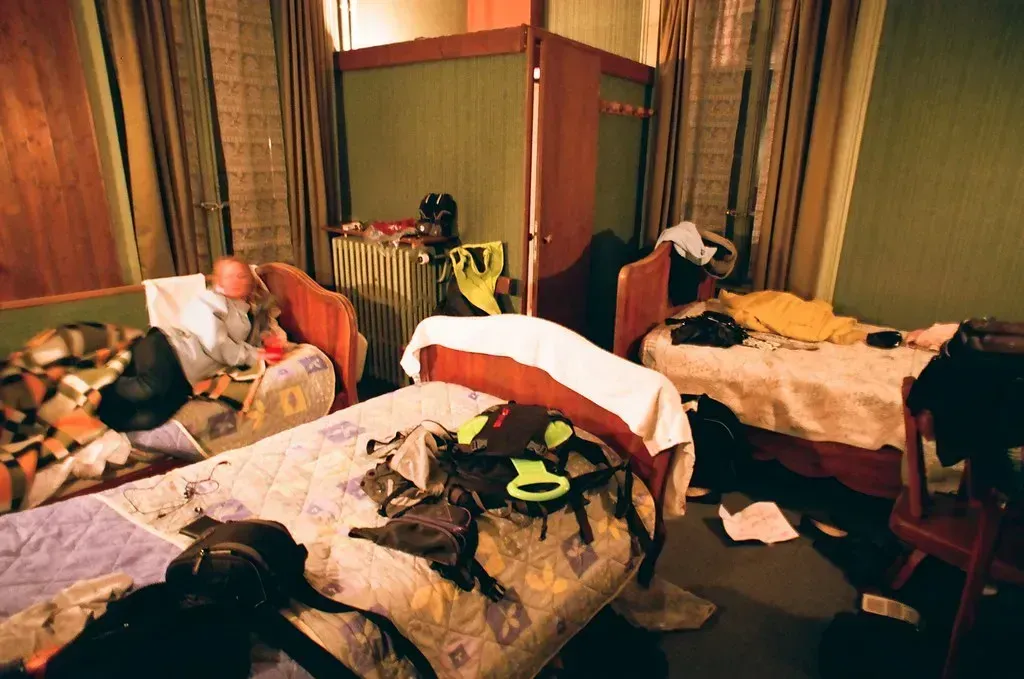
Former hotel housekeepers consistently report that leaving a huge mess at checkout is one of the most frustrating habits guests have. Trash scattered across the entire room instead of collected in one place, and towels thrown in separate corners rather than piled together, add unnecessary time and effort to every turnover. It sounds minor. Across a full floor of checkouts on a busy morning, those extra minutes multiply into something that throws the whole schedule off.
When a hotel room is unclean, it takes much longer to service, throwing off the housekeeper’s schedule for the entire day. Beyond the extra cleaning time, spilled food and drinks can stain carpets, requiring deep cleaning or even full replacement, which hikes up hotel expenses and may mean the room goes out of service for longer, affecting other guests too. The downstream effect touches everyone, not just the housekeeper standing in the doorway.
Using Towels to Remove Makeup or Hair Dye
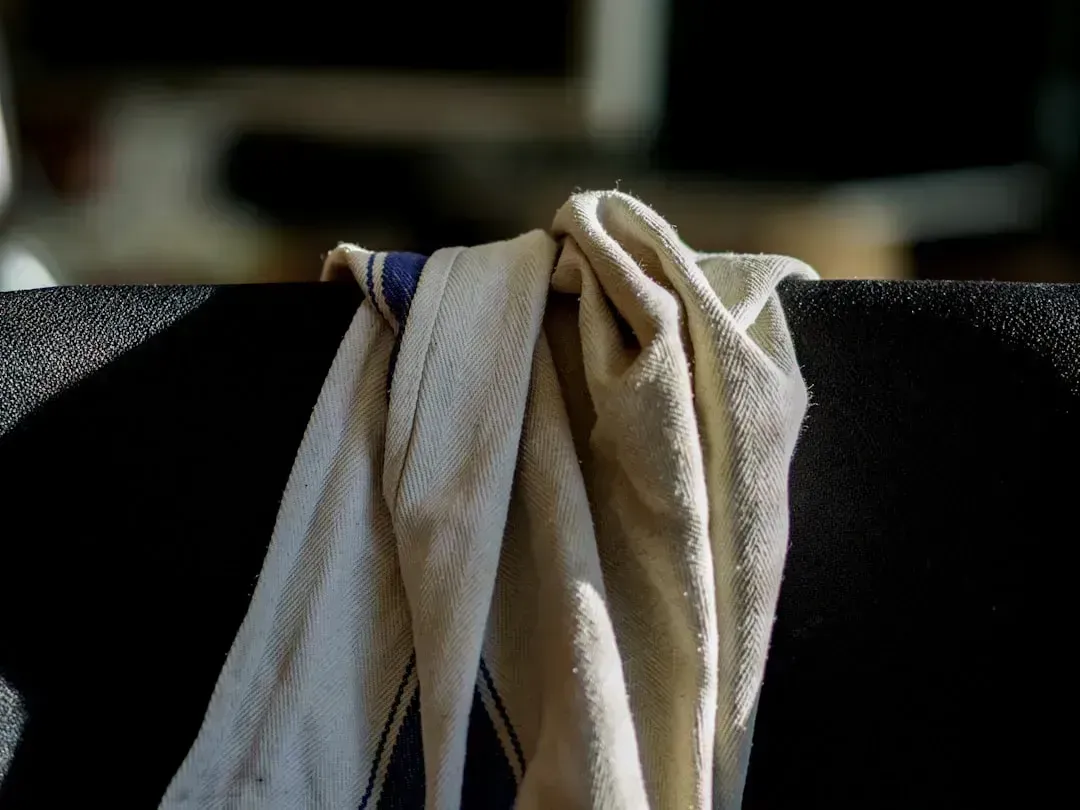
Towels saturated with makeup, hair dye, or cleaning products often require extra wash cycles or have to be thrown out entirely. This is one of those habits that feels completely harmless from the guest’s side of things, because there’s a towel right there and it’s going to the laundry anyway. The reality is more complicated than that.
Housekeeping checklists require staff to check the cleanliness and condition of all bed linens and towels, ensuring they are fresh and completely free of stains before a room is cleared for the next guest. When stains are found, those items must be pulled from rotation, inspected, and often replaced entirely. Hotels have already reported a significant cost increase in cleaning and housekeeping supplies, according to an American Hotel and Lodging Association survey of about five hundred hotel operators. Stained linen adds directly to those costs, and ultimately, everyone pays the price through rising room rates.
Scattering Towels in Unexpected Places
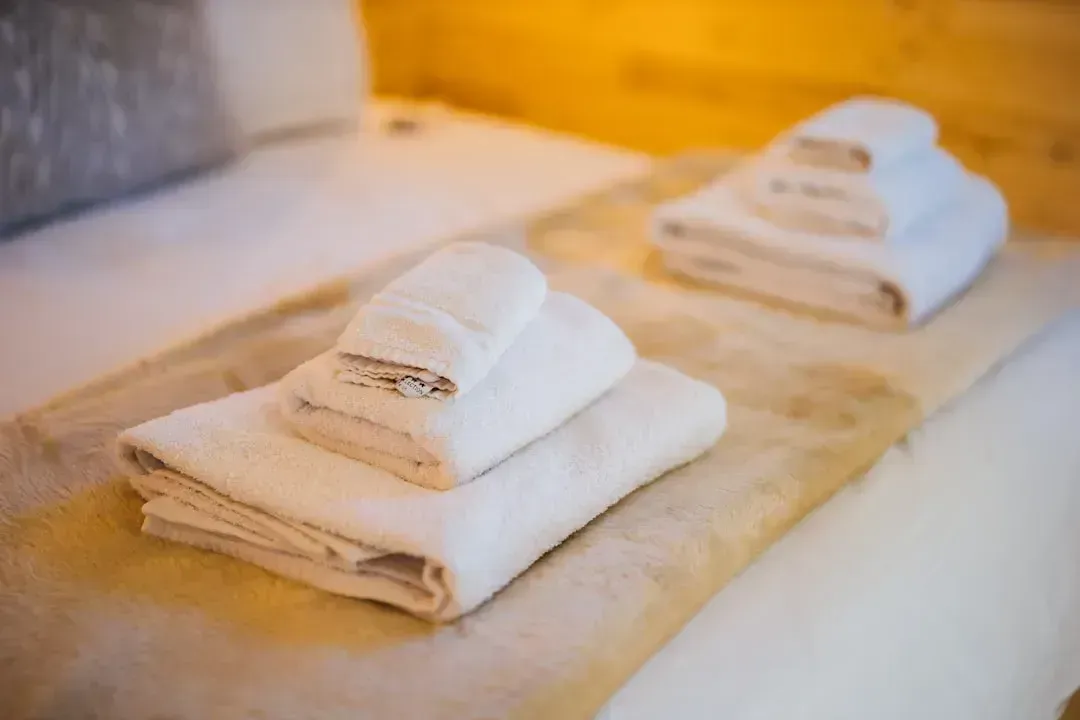
Hotel staff frequently find towels stuffed in unusual locations such as behind the bed, crammed into drawers, or hidden under the sink. Hunting for every last towel before the room can be properly assessed eats into a timeline that has no spare minutes built into it. It also makes it harder to confirm that the full linen inventory is accounted for.
It speeds things up considerably when guests pile towels together, so the housekeeper doesn’t have to bend down repeatedly to pick them up from different corners of the room. A 2024 systematic review published in the International Journal of Environmental Research and Public Health found that musculoskeletal disorder prevalence among hotel housekeepers was high, with the most affected areas being the low back, shoulders, and wrists and hands. Every unnecessary bend or reach is a small physical cost that compounds across a full shift.
Requesting a Late Checkout at the Very Last Minute
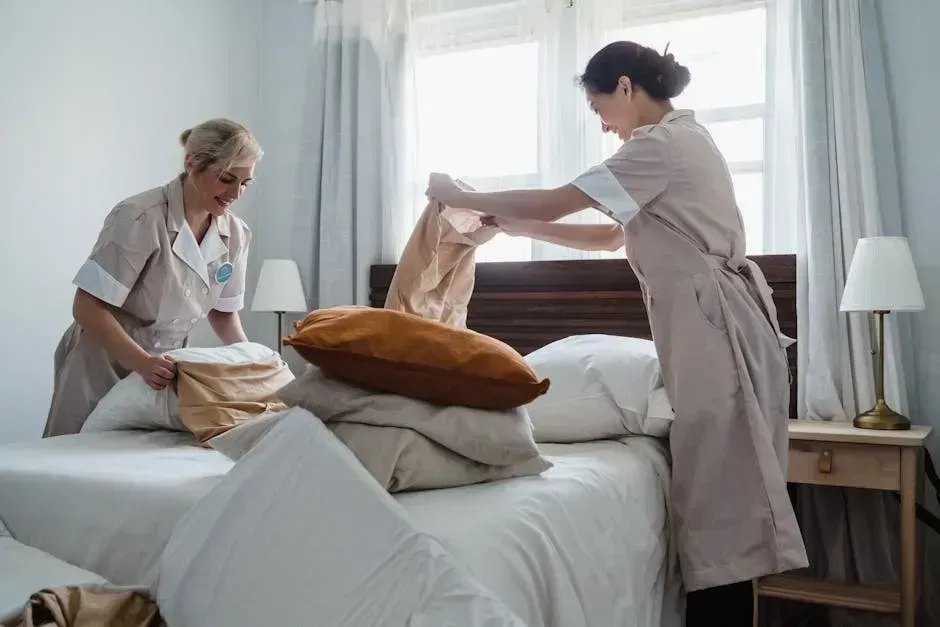
The ripple effect of a last-minute late checkout request is something housekeepers feel instantly. The entire cleaning schedule for a floor is built around predictable checkout times. When one room holds over by two hours without notice, it can delay multiple rooms from being ready for incoming guests that afternoon. It’s not about being rigid. It’s about a schedule that has no buffer for surprise variables.
Average room turnaround time measures how quickly a room attendant can clean and prepare a room for the next guest after checkout. Minimizing that time allows hotels to accommodate more guests and ultimately increases revenue, while faster preparation also means shorter wait times for arriving guests, especially during peak check-in periods. When guests leave rooms in particularly bad condition, the knock-on effect is delayed check-ins for the next traveler, stressed staff, and a hotel that simply cannot operate at its best.
Stripping the Bed Before They Leave
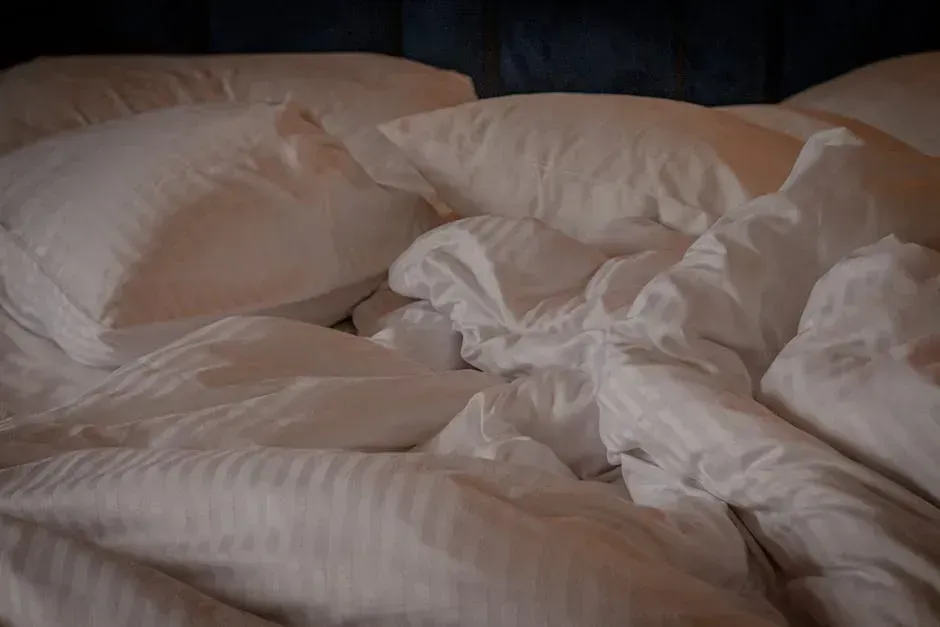
Guests sometimes think they are being helpful by stripping the bed before checkout, but it actually slows housekeepers down. Stripping beds tangles pillow protectors and duvet covers and makes it harder to inspect for stains. Housekeepers have a system for this, and it works best if the bed is left as is. What feels like a courteous gesture ends up creating more work, not less.
Housekeepers are trained to strip and inspect linens in a specific sequence, partly to flag any damage or staining before it gets bundled off to the laundry unnoticed. When a guest pre-strips the bed in a rush, that sequence gets disrupted. The main job demands experienced by hotel housekeepers in their occupation are related to intense work pace, job-specific stressors, and quantitative and emotional demands. Housekeepers report very high exposure to a heavy work pace and significant time pressure, often resulting in shortened or skipped breaks. Disruptions to their routine, however well-intentioned, add up.
Leaving Food Scattered Around the Room
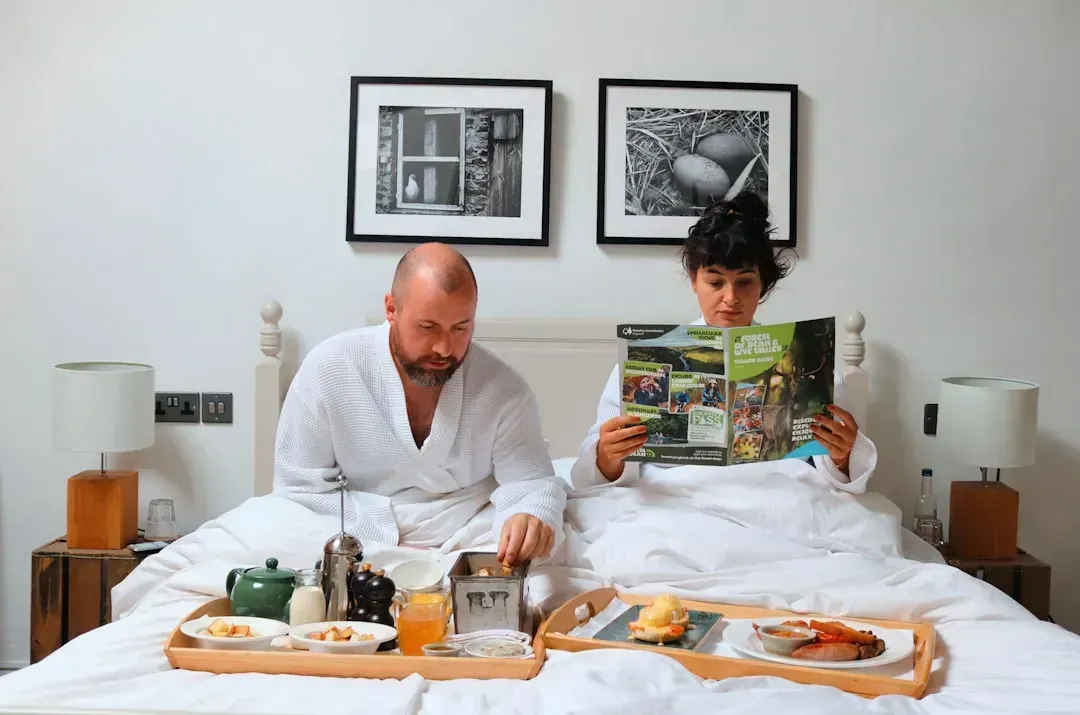
When guests eat in their rooms, leftovers end up in the trash, crumbs get into the bed or onto the floor, and the remnants of a meal create what is essentially a small crime scene by checkout. Room service and in-room snacking are completely normal parts of a hotel stay. The problem is how those meals tend to be left behind, spread across every surface rather than consolidated in one spot.
Scattered dishes create a hygiene issue that goes beyond appearances. Food attracts pests, and even in high-end hotels, a room that regularly shows up with leftover food exposed can contribute to problems that affect the whole floor. If cleaning your hotel room will take housekeeping staff longer than average, which is about twenty to thirty minutes for a one-bedroom room, leaving a little more than usual in your tip is a good idea. Some examples of situations requiring extra cleaning include food spills, extra trash from an in-room gathering, or debris from kids grinding cereal into the carpet.
Leaving Ambiguous Items That Might Be Trash
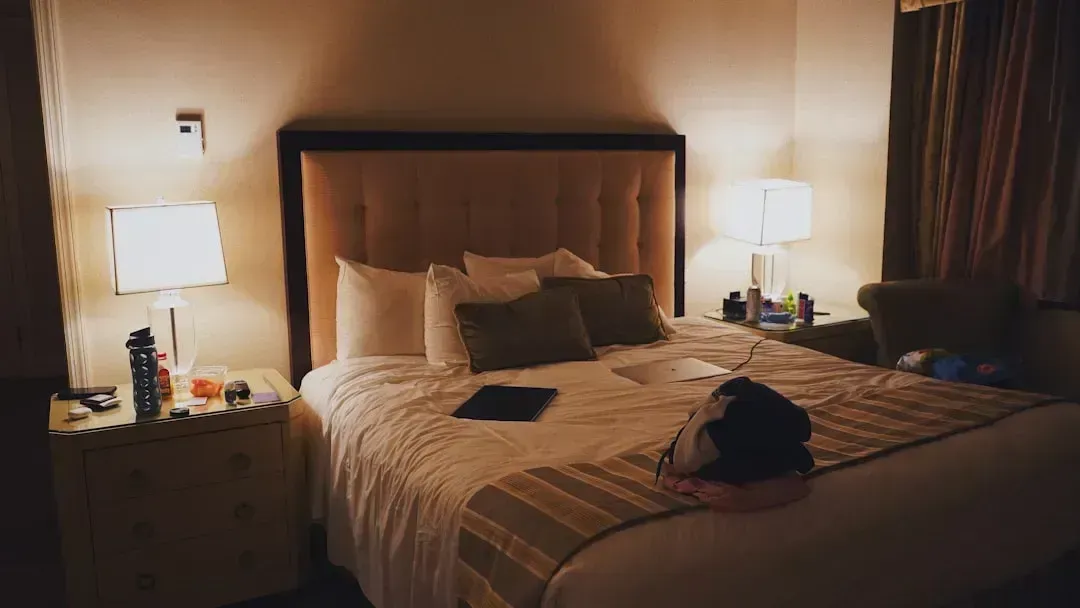
If it is not in the bin, housekeepers cannot assume it is trash. This is a rule that exists to protect guests from accidental loss, but it creates a real headache when a room is filled with items that could be either forgotten belongings or things that should simply have been thrown away. A shopping bag left on the desk, a charger cord draped over a chair, a half-read paperback on the nightstand. Each one has to be treated as potentially valuable.
The most important factors perceived as stressors by hotel housekeepers include high demands, time pressure, physical burden, and lack of enough resources, with little control provoked mainly by role conflict and unexpected events to be attended to. Ambiguous items force judgment calls that slow everything down and create anxiety about doing the wrong thing. Housekeepers have described experiencing nervousness and anxiety due to work overload, difficulties disconnecting from work, and anticipatory anxiety about the next day’s workload. Clearing a room of genuinely clear trash before you leave takes about sixty seconds and removes an entire layer of uncertainty for the person who comes in after you.
Most of these habits share a common thread: guests rarely intend any harm. They’re tired, they’re packing, they’re already mentally halfway to the airport. Hotel housekeepers are among the most physically demanding roles in the hospitality industry, yet they remain largely invisible to the guests they serve. Every checkout brings a new challenge, and while most guests mean no harm, certain habits pile on hours of extra work for teams that are already stretched thin.
Small adjustments before you hand in your key, gathering your trash, grouping your towels, flagging a late checkout the night before, cost almost nothing. For the person walking in after you leave, they can mean the difference between a manageable shift and an exhausting one.