
Most people still picture climate migration as something happening far away – Pacific Islanders retreating from rising seas, or Californians fleeing scorched hillsides. The reality in America is quieter and more local. Widespread climate-driven migration is already underway across the United States, and Columbia University published findings in late 2024 noting that 3.2 million U.S. residents have moved in the previous 20 years as a direct result of flood risks, with as many as 3 million leaving their homes annually to escape other conditions.
Meanwhile, a countermovement is quietly taking shape. A climate haven is a city or region projected to experience fewer and less severe impacts from climate change compared to other parts of the world. These locations combine favorable geography, stable weather patterns, and strong social and economic systems to offer relative safety and long-term resilience in a warming world – though no place is entirely immune to climate disruption. These eight places may not have made your shortlist before, but climate researchers are paying close attention.
1. Buffalo, New York – The Rust Belt Refuge Rebranding Itself
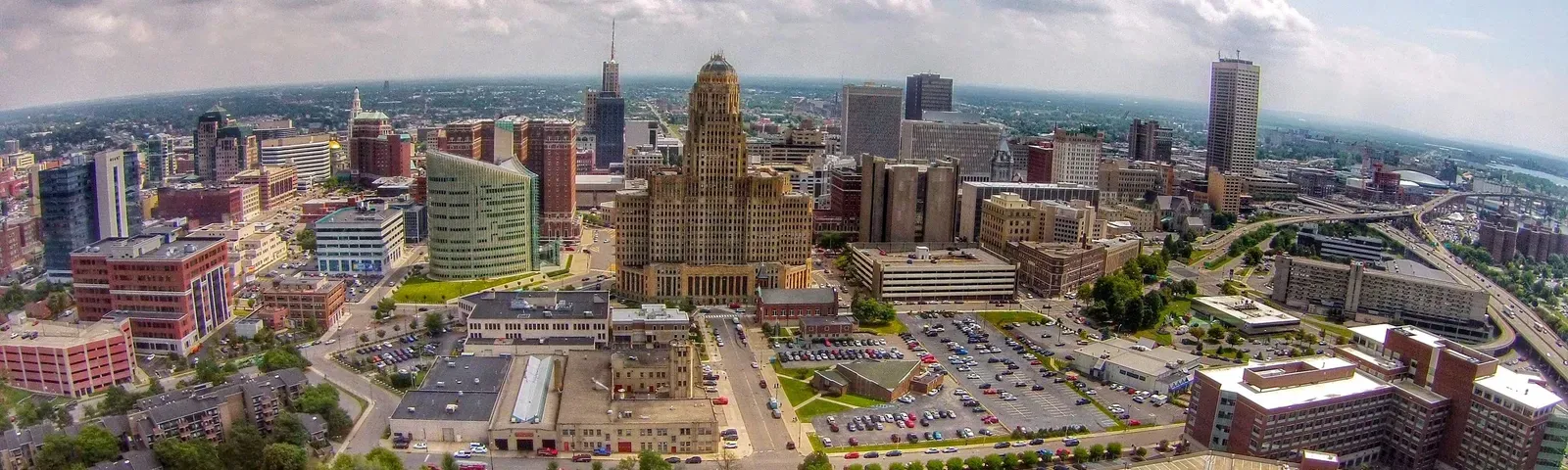
Buffalo is used to people defining it by weather – usually cold winters and lots of snow – but lately, the conversation has turned to something else. In 2019, Mayor Byron Brown called Buffalo a “climate refuge” in his State of the City address. That declaration sparked something real. Buffalo is now widely known as a climate haven city and ranks as the fourth safest city in the United States in terms of natural disaster vulnerability.
The region is positioned to do better than many others thanks to access to ample water reserves in Lake Erie, which helps it avoid drought. While the city does see significant snow, temperatures in Buffalo remain relatively stable for the rest of the year. About 3,000 people came to the city from Puerto Rico after Hurricane Maria struck the island in 2017, joining an already large Puerto Rican community. Some later returned, but many stayed – and that influx contributed to Buffalo’s first population growth in 70 years, as recorded in the 2020 census.
2. Duluth, Minnesota – America’s “Air-Conditioned City”
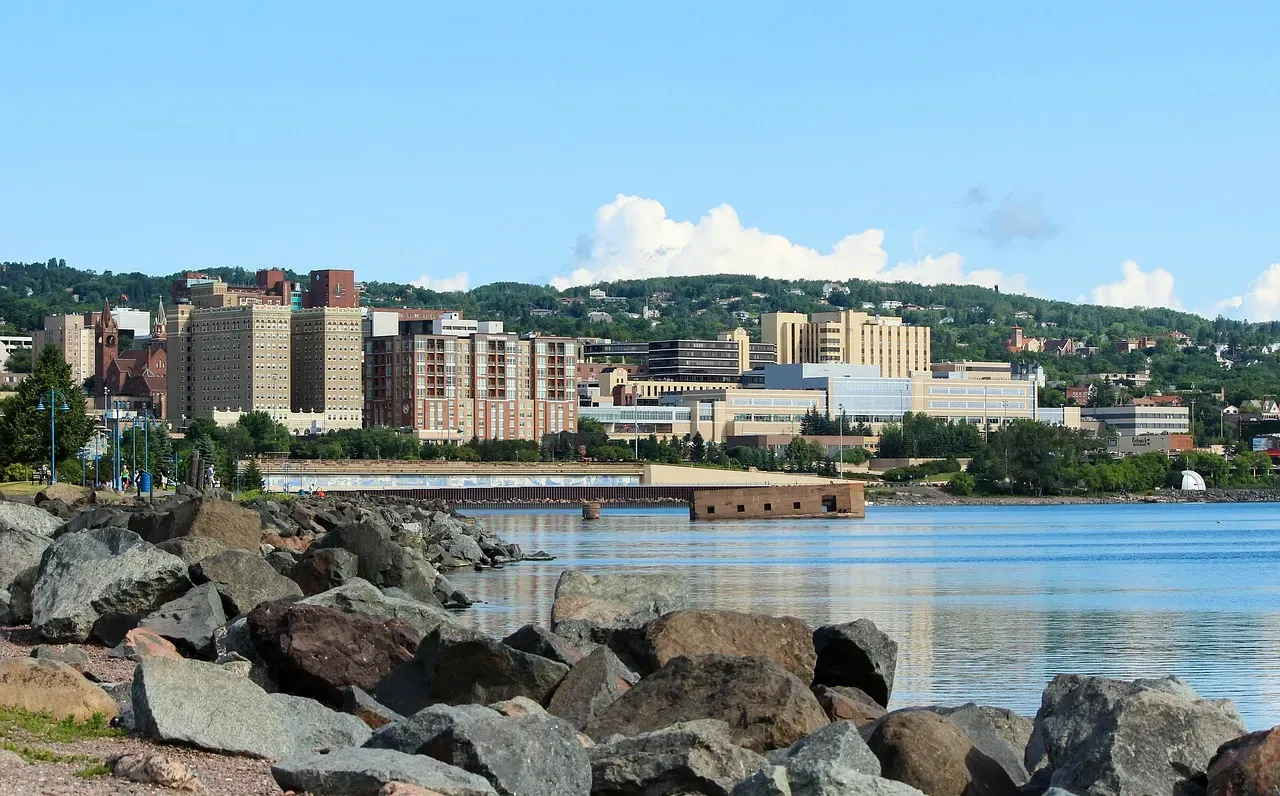
Duluth, known to some as “the air-conditioned city,” is considered a climate refuge because of its mild climate, access to abundant freshwater, and ability to absorb far more residents than its current population. The phrase “the most climate-proof city in America” was promoted by Tulane University professor Jesse Keenan, who cited Duluth’s cool climate, inland location, and access to fresh water as factors that make it more resilient to the future impacts of climate change.
Duluth sits on the shores of Lake Superior, the largest freshwater lake in the world. The city and the Western Lake Superior Sanitary District invested $140 million in upgrading wastewater management infrastructure several years ago. As a result, Duluth doesn’t experience the combined sewer overflow that plagues many other cities along the Great Lakes’ shores. Researchers and real estate investors alike have begun studying the region closely, and Californian migrants are already settling in Duluth, adapting to its harsh winters and forming connections with the community.
3. Burlington, Vermont – Already Running on Renewables
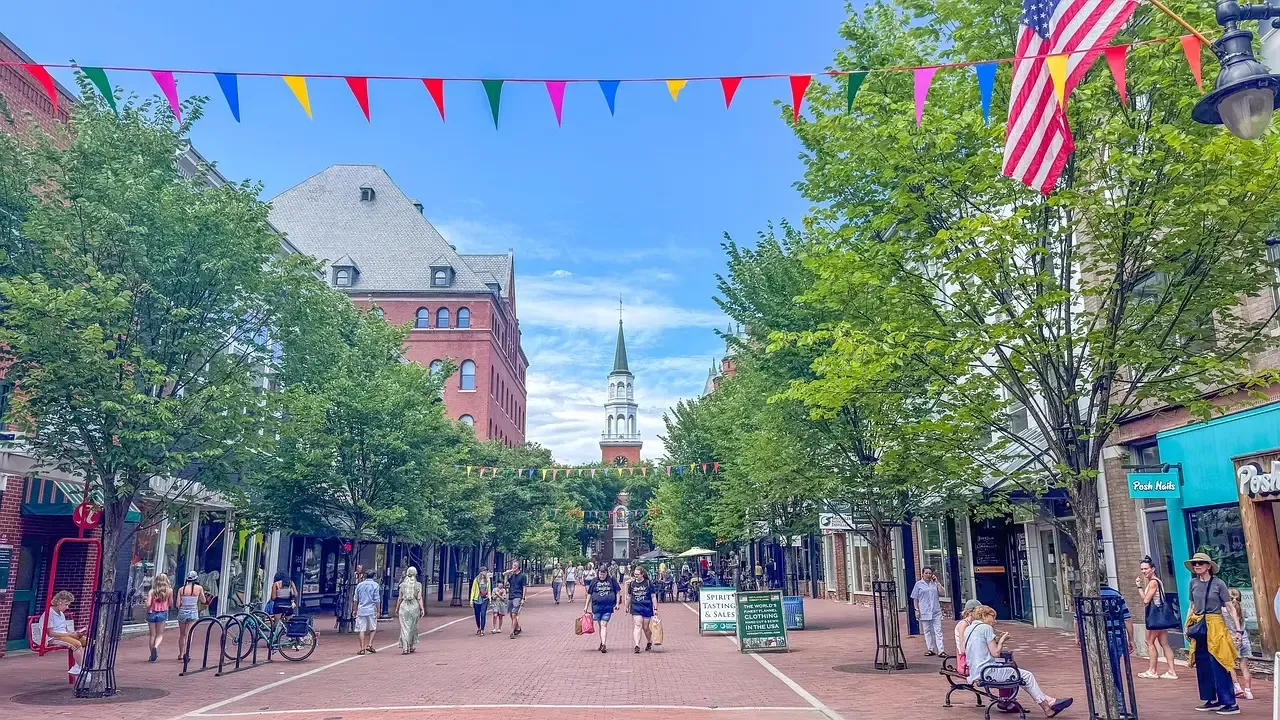
The Northeast offers strong prospects, particularly Vermont and New Hampshire, which rank as the two safest states from climate change. Vermont stands out as a haven – free from wildfires, extreme heat, and hurricanes. Burlington, its largest city, goes a step further in terms of preparation. Burlington runs entirely on renewable electricity and sits along Lake Champlain, ensuring reliable water access and a moderate climate. The city’s strong civic culture, energy efficiency programs, and focus on local food resilience make it one of America’s most sustainable small cities.
Vermont’s appeal is so strong that roughly one third of its new residents moved there specifically to escape the impacts of climate change. The Vermont Climate Action Plan is a roadmap for how the state will continue to act on climate change, updated in July 2025 to outline how to cut climate pollution and build resilience in communities and nature. For a small city, Burlington is punching well above its weight in climate preparedness.
4. Ann Arbor, Michigan – University Town With a 2030 Carbon Deadline
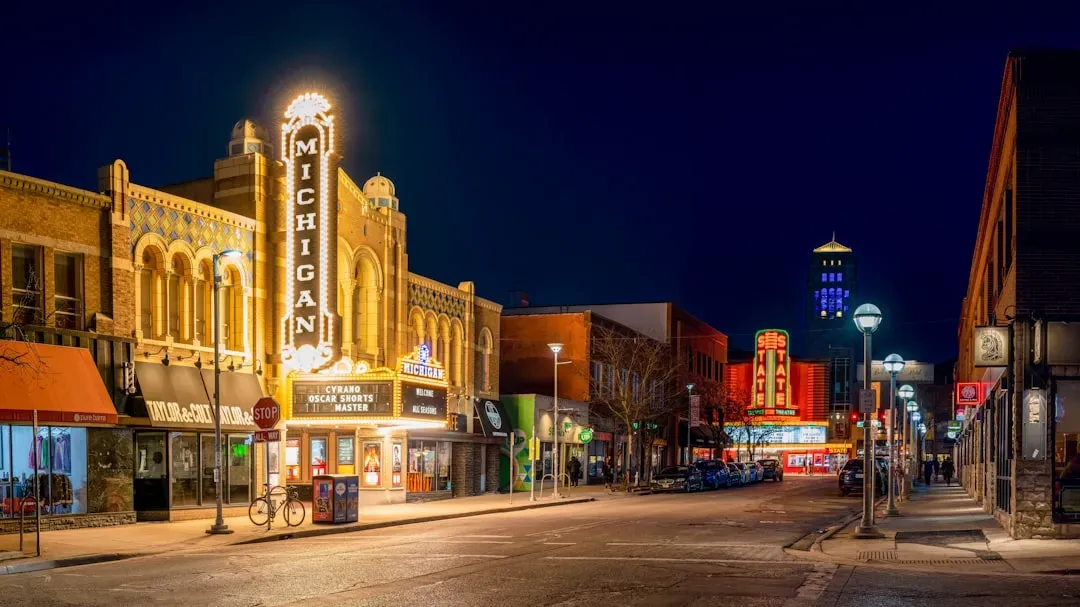
Ann Arbor and other cities across the Midwest and Northeast have been referred to by climate specialists as “climate havens,” natural areas of refuge that are relatively safe from extreme weather events such as intense heat and tropical storms. Many of these cities are already welcoming climate migrants, due to their relatively affordable housing and other infrastructure left over from the industrial boom of the mid-20th century. Ann Arbor’s A2Zero plan targets carbon neutrality by 2030. The city’s proximity to the Great Lakes and its deep academic innovation ecosystem make it one of the most forward-thinking climate havens in the U.S.
Researchers have pointed to the Great Lakes region, and Michigan in particular, as a destination for people seeking to escape the storm-ravaged Southeast or the parched Southwest. The Midwest holds special appeal with its abundant fresh water, cooler summers, and comparatively little risk from hurricanes and wildfires. Still, the picture isn’t entirely rosy. The median home price in Washtenaw County, Michigan, where Ann Arbor is located, is about $380,000 – making it the second-most expensive county in the state. Growing demand is already pushing prices up.
5. Madison, Wisconsin – Lakes, Bikes, and a Serious Sustainability Plan
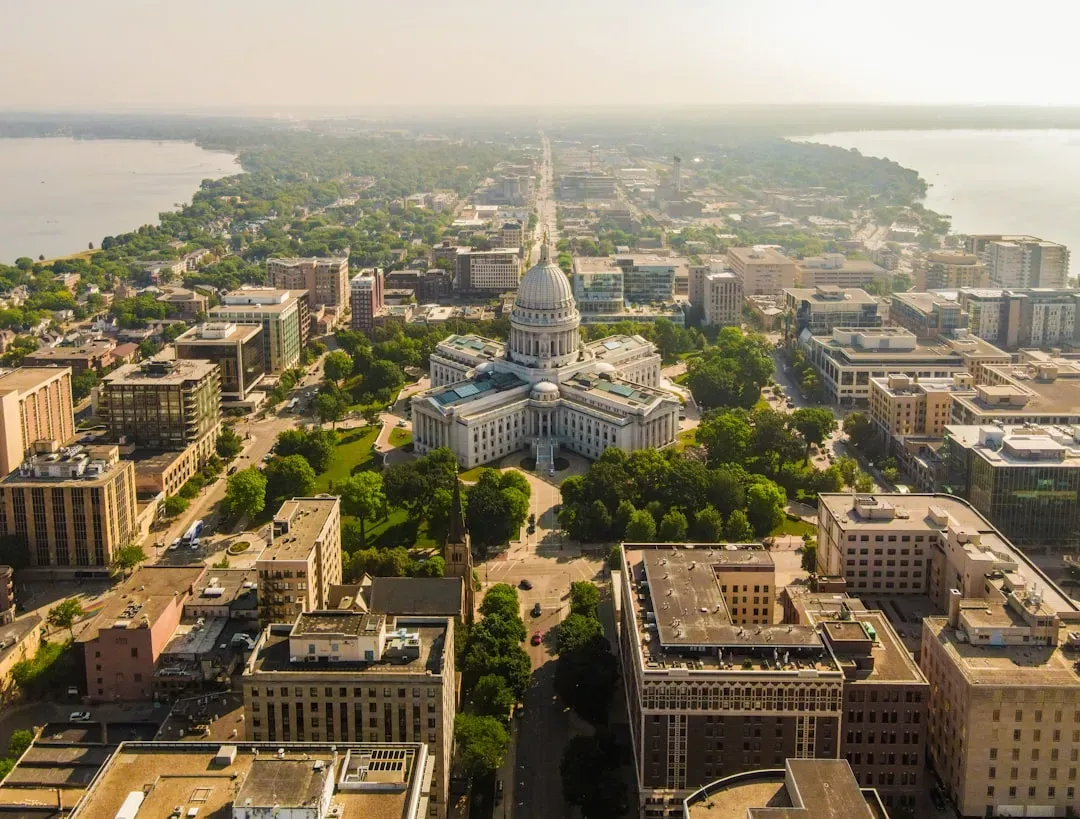
The Great Lakes are at the center of Madison’s claim to fame as a climate haven. The massive waterways help keep temperatures down while also providing the region with plenty of moisture, which can prevent wildfires. Madison’s city council voted unanimously to adopt its 2024 Sustainability Plan, which aims to cut climate pollution and improve residents’ well-being. It includes 24 goals across eight areas: quality housing, resilient infrastructure, renewable energy, sustainable transportation, clean water, zero waste, healthy ecosystems, and a green economy.
Community-wide greenhouse gas emissions in Madison dropped by more than eight percent from 2018 to 2022. Madison’s lakes, bike paths, and renewable programs create a resilient urban ecosystem, and its climate action plan focuses specifically on carbon neutrality and lake preservation. It’s a city that has translated the “climate haven” label into a genuine policy agenda rather than just a marketing tagline.
6. Rochester, New York – A Quiet Great Lakes Contender
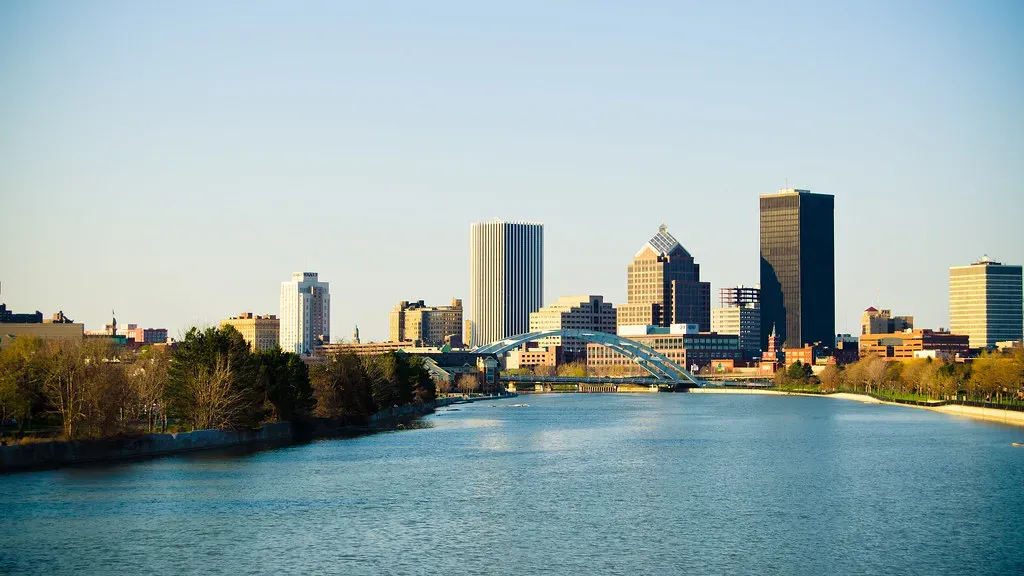
Rochester stands out as a climate-safe haven in the Great Lakes region. Lake Ontario helps shield the city from extreme weather, making it one of the best places to live amid climate change. Migration by Americans fleeing extreme weather changes is now giving cities like Rochester a genuine chance for revitalization. It’s a city that long flew under the radar compared to Buffalo, but researchers are now placing it firmly in the same conversation.
The city aims to cut greenhouse gas emissions by 40 percent from 2010 levels by 2030 through its Climate Action Plan. Recent steps show real progress: Rochester built a two-megawatt solar field on an old landfill, installed solar panels on public buildings, and began switching to LED streetlights. Columbia University published an article in late 2024 noting that the broader pattern of climate migration to cities like Rochester is already reshaping residential demand across the northeastern United States.
7. Cincinnati, Ohio – The Midwest’s Emerging Climate Magnet
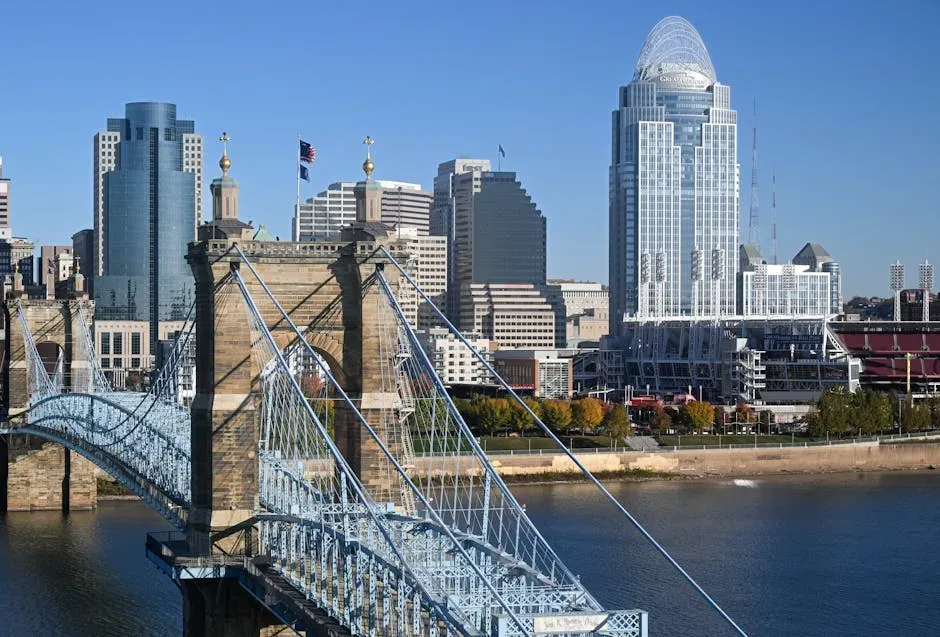
The 2023 Green Cincinnati Plan formally names the city a “climate haven.” That designation is backed by concrete policy work. Cincinnati’s city government has begun reducing flood risk by improving stormwater drainage systems and substantially increasing funding for public transit. City decision-makers also engaged residents in under-resourced neighborhoods to collaboratively develop neighborhood climate resource plans, which analyze how each community is impacted by climate change and identify solutions based on resident input.
As the South becomes hotter and more climate-vulnerable, migrants could relocate over greater distances to more resilient regions such as the Midwest and its legacy cities, including Cincinnati. Cincinnati’s Regional Chamber of Commerce released its first-ever climate migration report, warning that limited housing supply and declining affordability could limit the city’s ability to absorb growth without negative effects on current residents. The challenge ahead for Cincinnati is less about climate geography and more about whether it can build enough housing fast enough to meet the coming wave.
8. Spokane, Washington – An Affordable Inland Alternative to the Coast
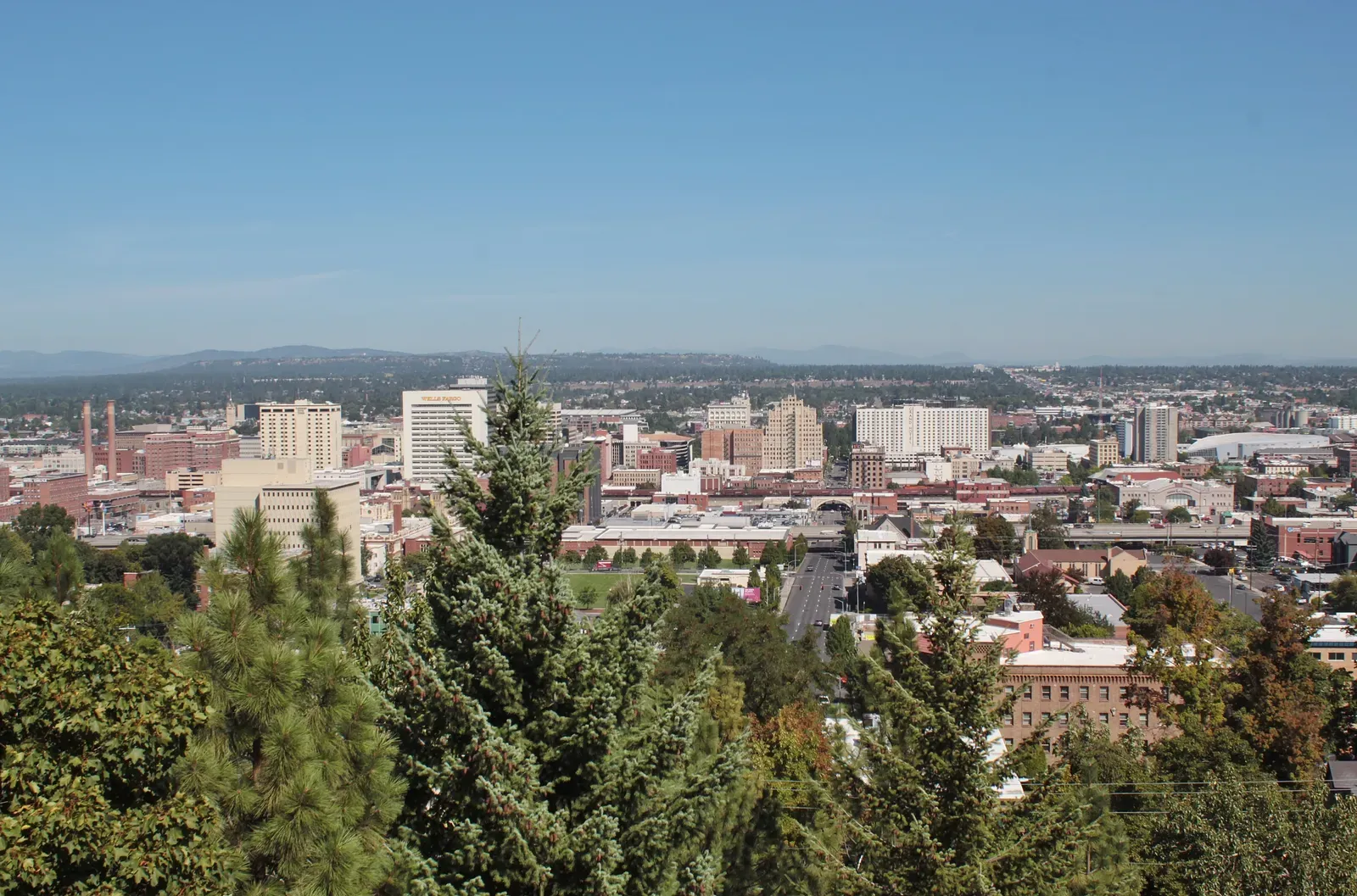
Spokane’s dry inland climate and growing renewable energy industry make it a resilient, affordable alternative to coastal hubs. Seattle, Portland, and Spokane lead the pack as the top three cities in the Pacific Northwest ready for climate change adaptation. While Seattle grabs most of the attention, Spokane offers something coastal Washington cities increasingly cannot: lower costs and a position well removed from sea-level risk and wildfire corridors. The cost-of-living index in Spokane dropped below the national average of 100 in the first quarter of 2024, falling to 99.1.
As the southern U.S. becomes increasingly hotter and more vulnerable to rising seas, flooding, and storms, millions of Americans could move to the Pacific Northwest and the Northeast. Cities in these regions might grow by roughly ten percent in the coming decades, according to one model. Washington state’s climate resilience strategies must be part of every city’s Comprehensive Plan by 2026, with goals including reducing greenhouse gas emissions and vehicle miles traveled, promoting community preparedness, making environmental justice a priority, and reaching out to communities most at risk. These goals align with Washington’s bold targets to cut emissions by 95 percent below 1990 levels by 2050.
None of these eight places is a guaranteed sanctuary. While no place is entirely immune to climate disruption, climate havens are expected to remain habitable, resource-secure, and economically viable even as rising temperatures, sea-level increases, and extreme weather events intensify elsewhere. The formula for a climate haven generally points to small cities in northern latitudes, with abundant water, farmland, and low natural disaster risk – but geography alone isn’t everything. On top of favorable positioning, you need a government and local population that takes these risks seriously. A public-private partnership striving to enact climate resilience can overcome some limitations, while a favorably located city with no appetite for serious planning can allow its natural gifts to wither. The cities on this list are, for now, trying to do the harder work.