Most people glance at a 1976 quarter and see twenty-five cents. They pass it along at a parking meter, or drop it into a change jar, never giving it a second thought. That casual dismissal is precisely why a growing number of savvy collectors are quietly picking these coins out of circulation and watching their investments grow.
Bicentennial coins have once again become a talking point in the U.S. collector community. These 1776–1976 quarters, half dollars, and Eisenhower dollars were created to honor America’s 200th year of independence – but their value story continues long after the celebration ended. What makes the current moment interesting is the combination of nostalgia, rising silver prices, and a new generation of collectors discovering these coins for the first time.
A Design Born From an Open Competition
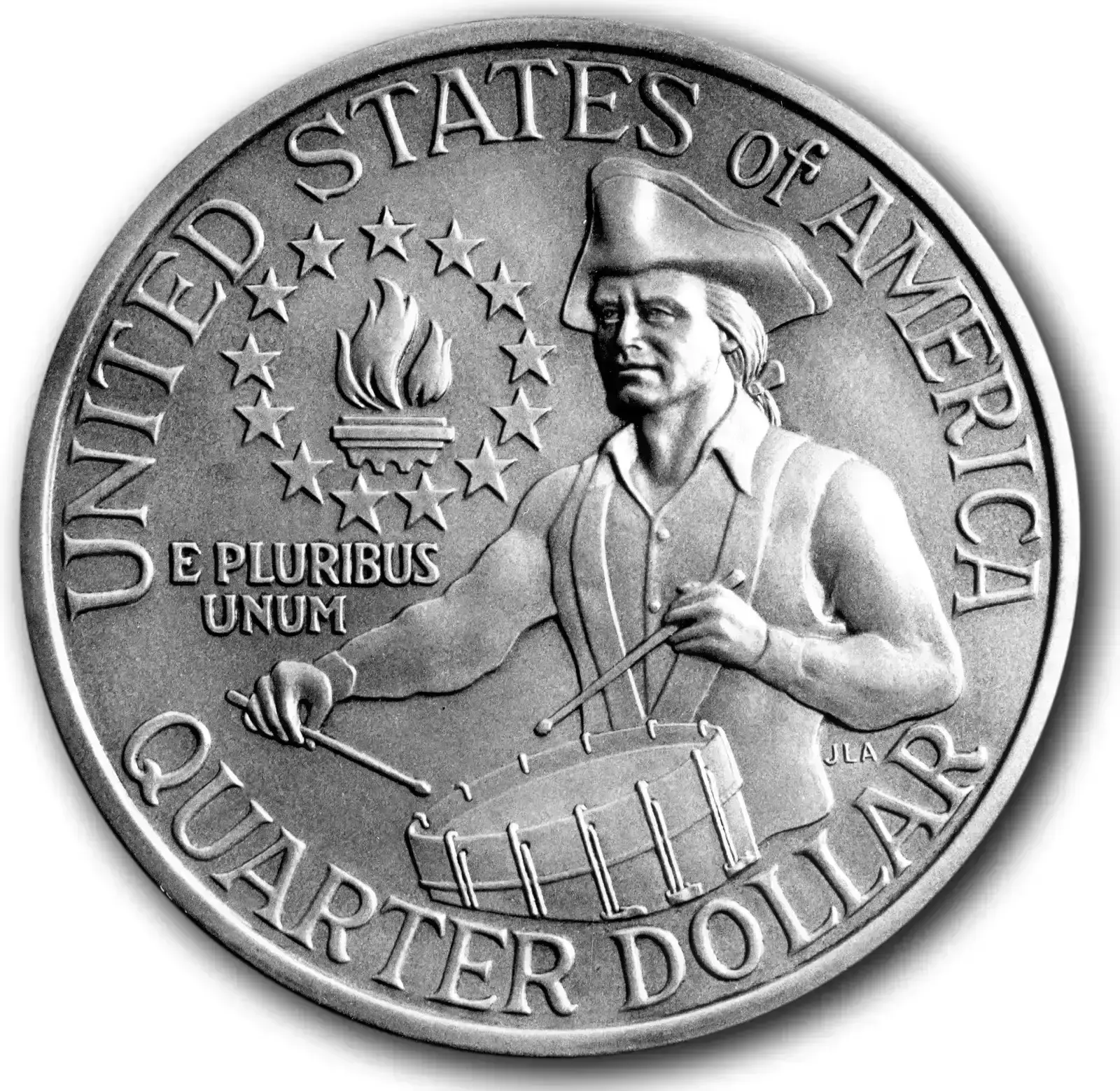
The Treasury’s open design contest for the Bicentennial coins represented a democratic approach to coin design, allowing American artists to contribute to the nation’s commemorative coinage. Ahr’s winning design beat thousands of submissions, demonstrating the power of accessible artistic competition in creating memorable numismatic art.
Unlike regular quarters, the Bicentennial quarter featured a unique reverse design created by Jack L. Ahr, showing a colonial drummer with a torch surrounded by 13 stars. The obverse retained George Washington’s portrait but included the dual date “1776–1976.” Seth G. Huntington, designer of the half dollar reverse, worked as the head of the art department at the marketing firm of Brown and Bigelow, while Dennis R. Williams, the designer of the Eisenhower dollar’s Bicentennial reverse, was an art student at the Columbus College of Art and Design in Columbus, Ohio.
Three Coins, One Historic Series
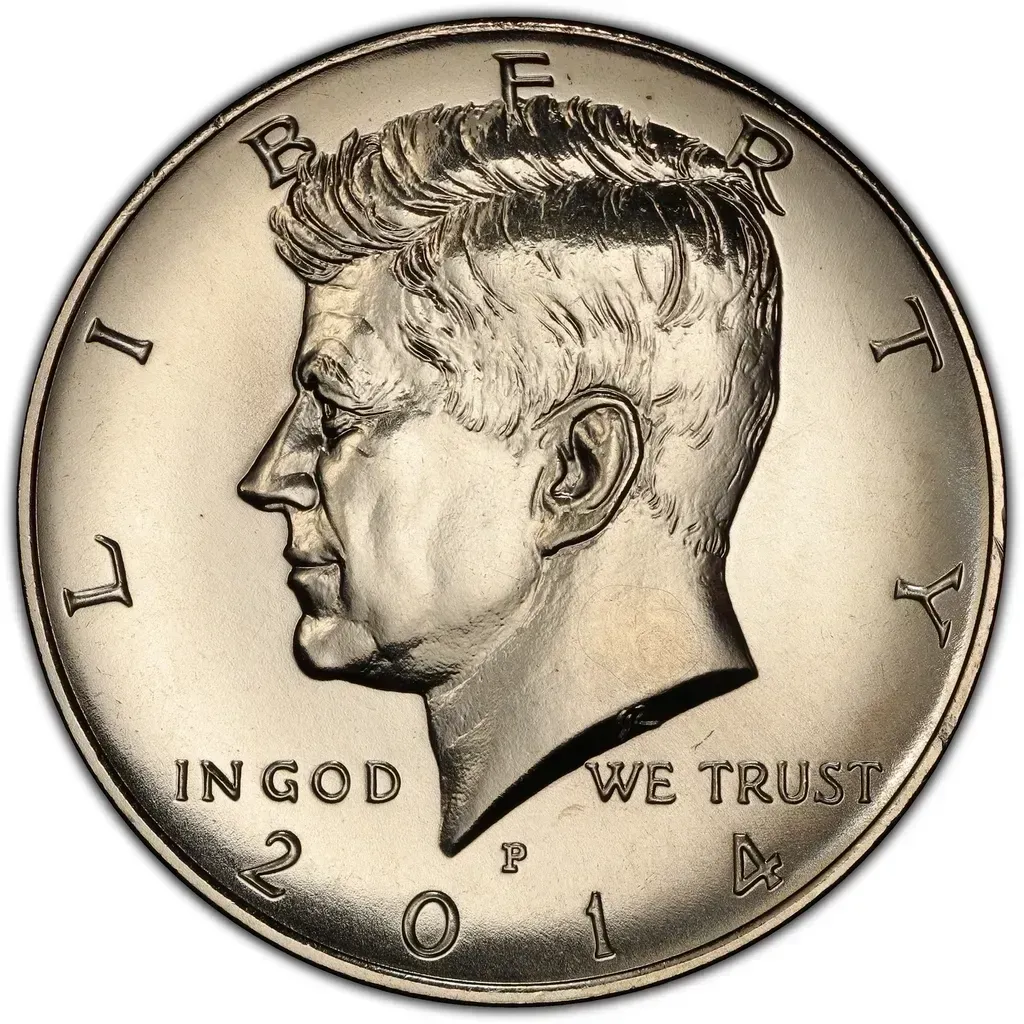
This commemorative set of three coins was made up of the Eisenhower Dollar, the George Washington Quarter, and the Kennedy Half Dollar – all with the double date “1776-1976” stamped on the obverse side. By the terms of the authorizing legislation, coins of these denominations minted for delivery after July 4, 1975, and before December 31, 1976, would bear special reverses, and also be dated 1776–1976.
The nation’s Bicentennial celebration provided the Mint with an opportunity to reintroduce the public to the half dollar and dollar coins. In addition to the standard clad issues, the Mint was instructed to make 40% silver versions of the Washington Quarter, the Kennedy Half Dollar, and the Eisenhower Dollar in Uncirculated and Proof finishes, which were sold to collectors through the Mint’s store and other venues. That decision to produce silver collector versions turned out to be one of the most consequential choices in the series’ long-term story.
The Enormous Mintage – and Why It Doesn’t Tell the Whole Story
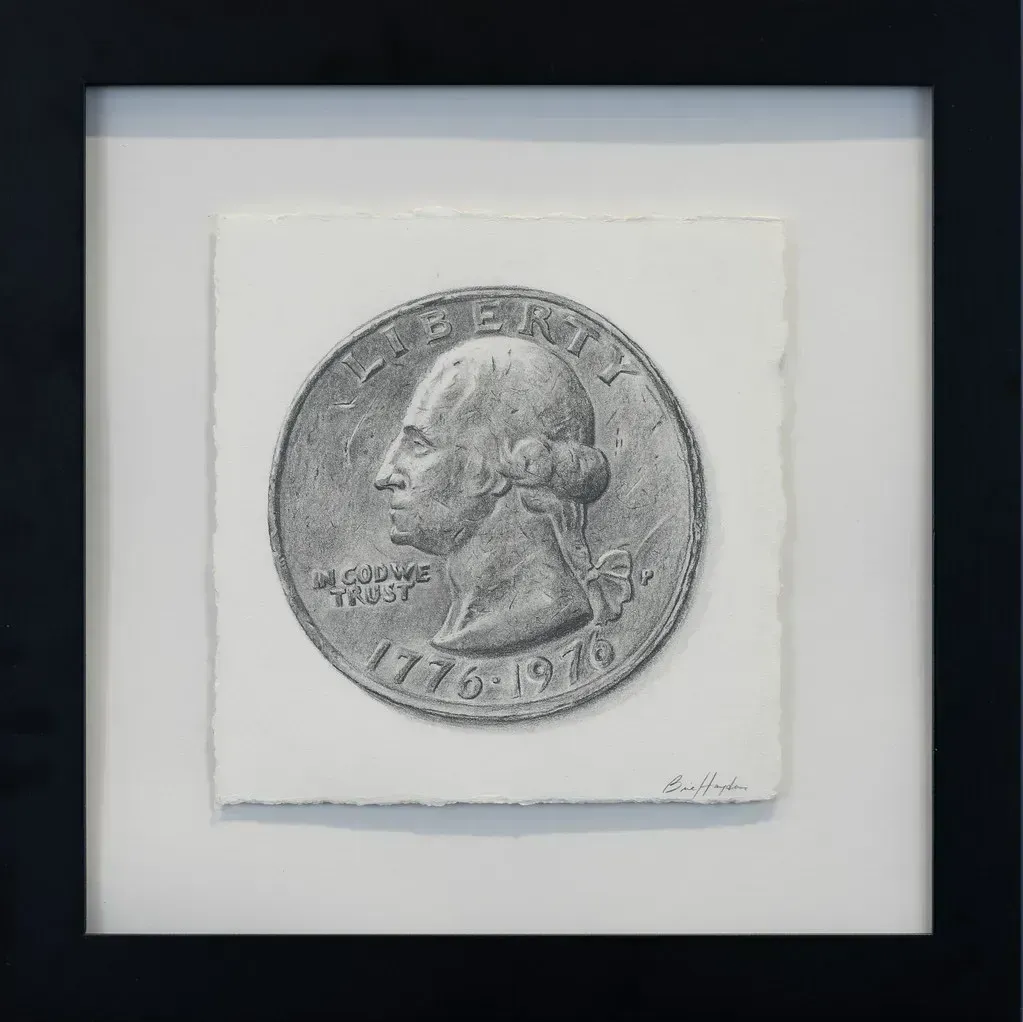
These unique commemorative coins represent one of the most widely circulated special-design quarters in U.S. history, with over 1.6 billion pieces produced across two years of minting. At first glance, those numbers make the coins sound thoroughly common. They are, in most grades. The key shift in thinking comes when you consider survivorship.
What many people don’t realize is that rarity in this case is not about mintage numbers, but about survival in high condition. Millions of silver Bicentennial quarters were melted in 1982 and subsequent years, reducing the surviving population and increasing scarcity for serious collectors. High-grade examples are particularly scarce due to poor initial storage and handling by the general public who received these as circulating commemoratives. That combination of heavy melting and careless handling makes truly pristine examples far rarer than the original production numbers suggest.
The Silver Versions Are Where Value Concentrates
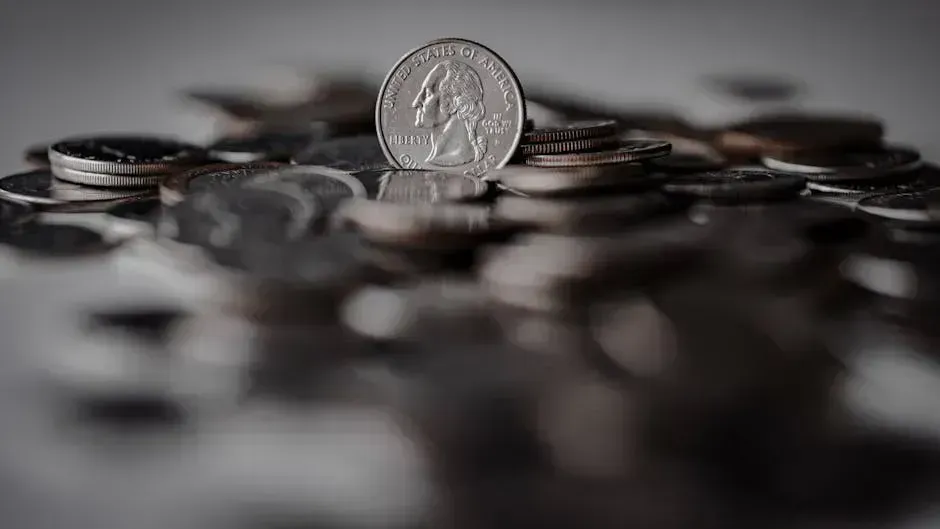
One of the most valuable varieties is the 40% silver Bicentennial quarter. These coins were struck for collector sets and are distinguishable by their composition. In 2026, silver Bicentennial quarters remain highly prized, with values ranging from a few dollars for circulated examples to hundreds for pristine, uncirculated coins.
The 40% silver Bicentennial quarters contain approximately 0.148 ounces of pure silver. With current silver spot prices, the melt value alone provides a baseline for these coins’ worth. The 40% silver Bicentennial issues have also gained from rising silver prices. Even if collector demand slows temporarily, the intrinsic metal value helps protect their long-term worth. That built-in price floor is something most collectibles simply don’t have.
Mint Errors: The Coins That Command Serious Money
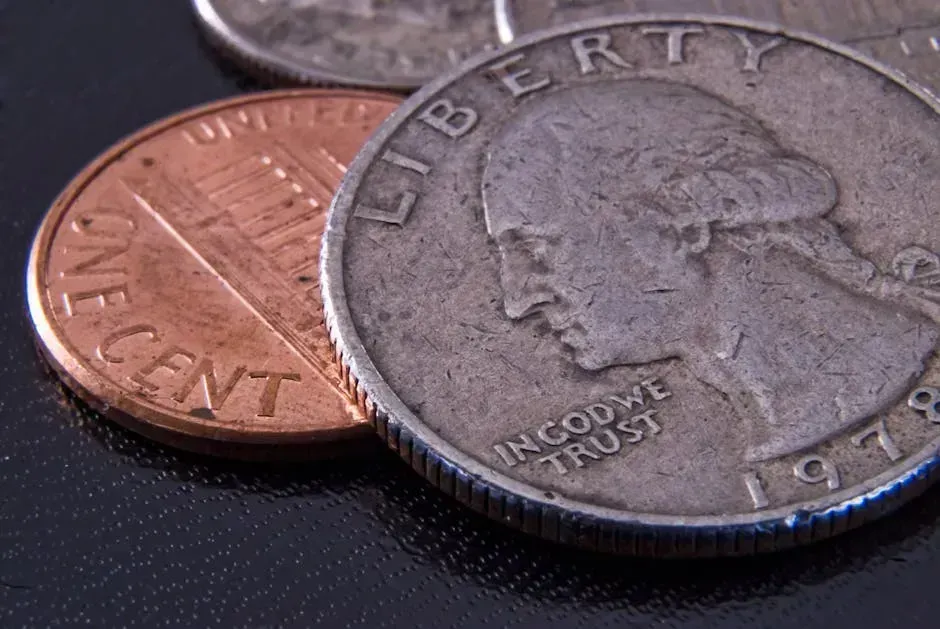
Mint errors are where real value increases. Doubled Die errors, where letters or numbers appear doubled, carry a current value range of $100 to $500. A coin struck on the wrong planchet, a very rare mistake using a different metal blank, can reach values of $500 to over $2,000. The stronger and clearer the error, the higher the value.
Major Bicentennial error coins are sought after by collectors. A 1976-D quarter obverse die cap error sold in an August 2019 Stack’s Bowers sale for $2,880. Error coins with few verified examples tend to rise quickly in value. Coins discovered early by collectors who submitted them for grading often set price benchmarks that later examples follow.
Top-Grade Examples Set Auction Records
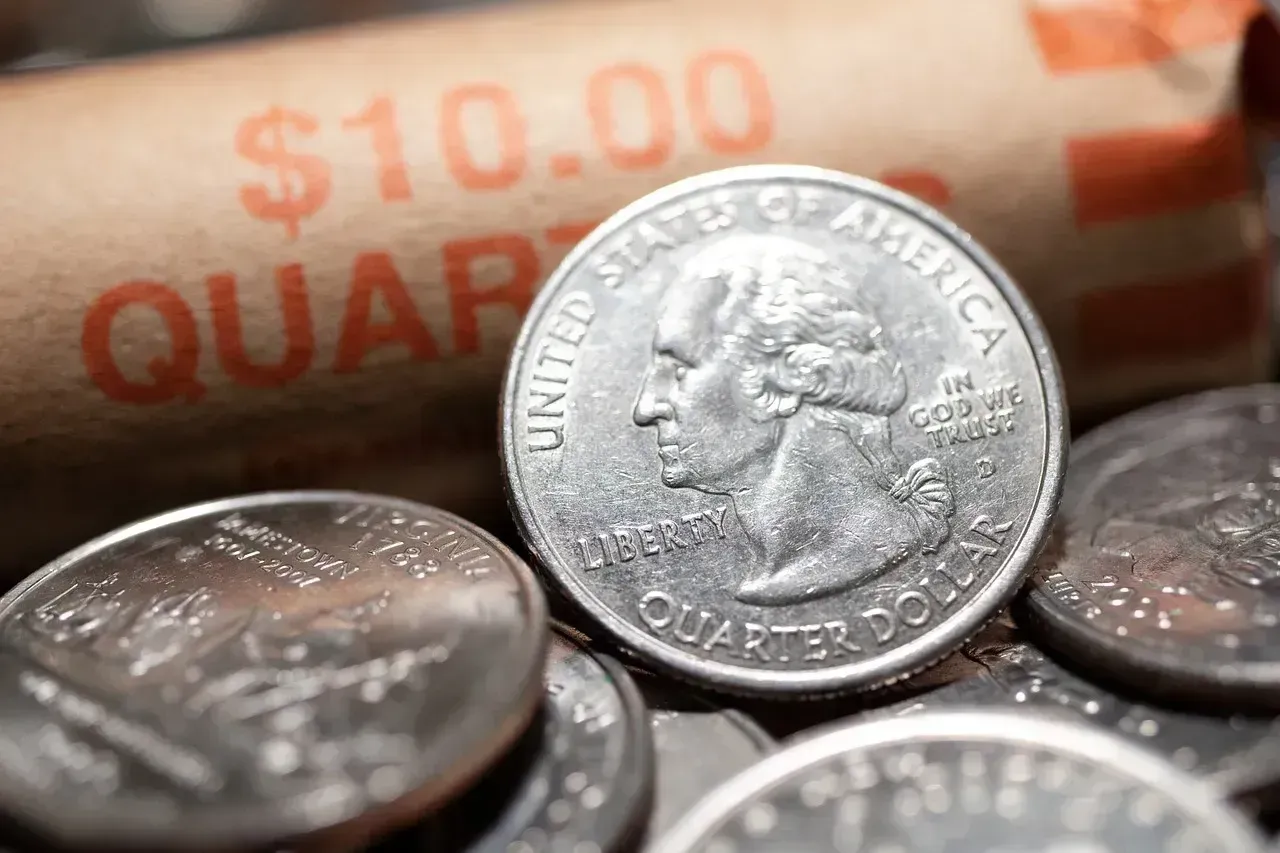
A 1976 clad Bicentennial quarter graded MS64 set an auction record of $2,520 on August 18, 2024, highlighting its rarity and desirability in superior condition. Further up the grading scale, the results get even more striking. One of the biggest surprises in a recent auction was a 1976-S Washington Bicentennial silver-copper clad quarter dollar graded PCGS MS-69 that sold for a whopping $19,200.
The most recent sale of a PCGS MS69 1976-S Kennedy Silver-Clad Half Dollar occurred in May 2024, where the coin sold for $5,242.50. This is quite a bit lower than the apparent record price of $16,312.50 realized the year before. Even accounting for fluctuations, these figures illustrate how dramatically condition affects value in this series.
How to Tell If Your Coin Has Real Potential
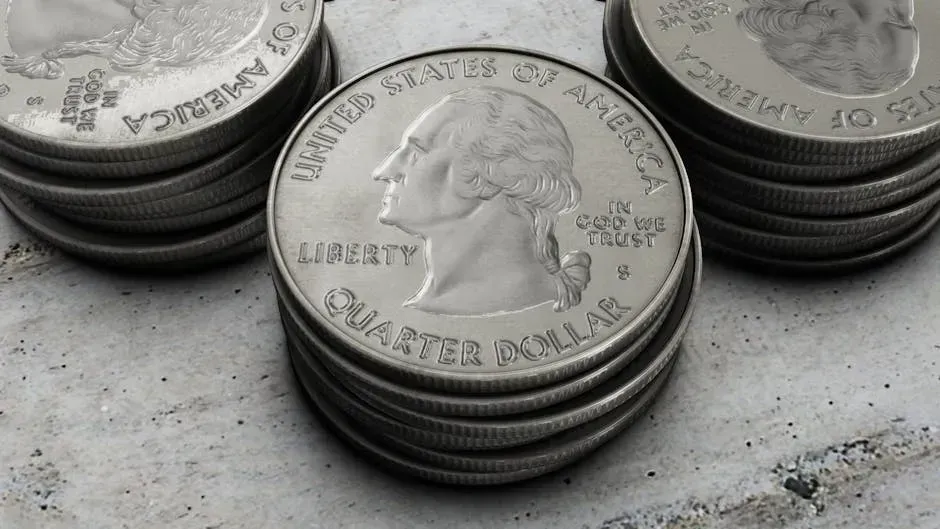
The mint mark – D for Denver, S for San Francisco, or nothing for Philadelphia – sits just to the right of Washington’s neck ribbon. This tiny letter is one of the most important things to check, since it determines which variety you have and how much it might be worth. The silver version was struck in San Francisco, contains 40% silver, and weighs 5.75 grams. Picking up a scale costs almost nothing; it can tell you immediately whether you have a standard clad coin or something more interesting.
Condition plays a major role in determining a Bicentennial quarter’s value. Because most of these coins were heavily circulated, examples with strong luster, minimal marks, and sharp design details are much harder to find today. Even small differences in surface quality can separate a common coin from a desirable collector piece. This is why professionally graded, high-condition examples often sell for significantly more than raw coins.
The Role of the 50th Anniversary in Renewed Demand
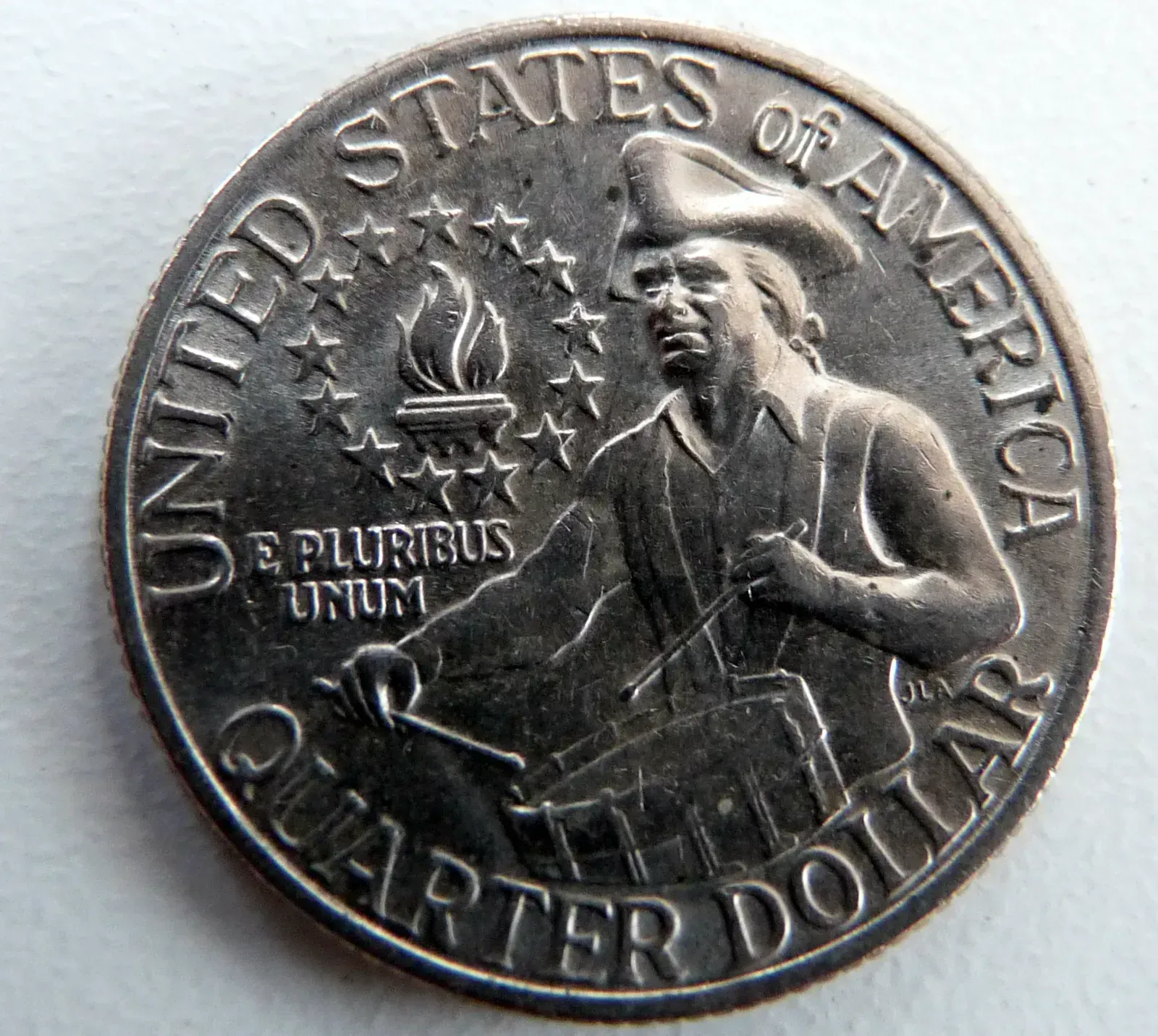
As we approach the 50th anniversary of the Bicentennial celebration in 2026, interest in these commemorative coins may experience renewed growth. The combination of historical significance, precious metals content in silver varieties, and the natural collector appeal of well-designed American coins suggests stable to increasing demand for premium examples.
Collectors expect special anniversary coinage to rise in importance over time. As more Americans revisit their personal history through collecting, interest grows in pieces that honor the nation’s past. Beyond its price, this coin has emotional value. It reminds many Americans of the grand celebrations in 1976 – parades, fireworks, and patriotic events. Families often saved these coins as souvenirs. That emotional connection keeps interest alive even in 2026.
Social Media and the New Collector Wave

Bicentennial finds shared on TikTok, YouTube, and collector groups keep the series trending. Viral discoveries encourage new collectors to search their change, creating more buzz and sustained demand. This isn’t the slow, private world of serious numismatics alone anymore. Coin hunting has gone mainstream, and Bicentennial pieces are a frequent topic precisely because they’re accessible and recognizable.
Collectors building certified “registry sets” compete to own the finest known examples. When one top-graded coin gets attention online, prices for similar pieces can jump quickly. People who grew up seeing these coins in their change now want high-quality examples for their collections. The history attached to them adds emotional value that continues to grow over time.
What Proper Storage and Grading Can Mean for Value
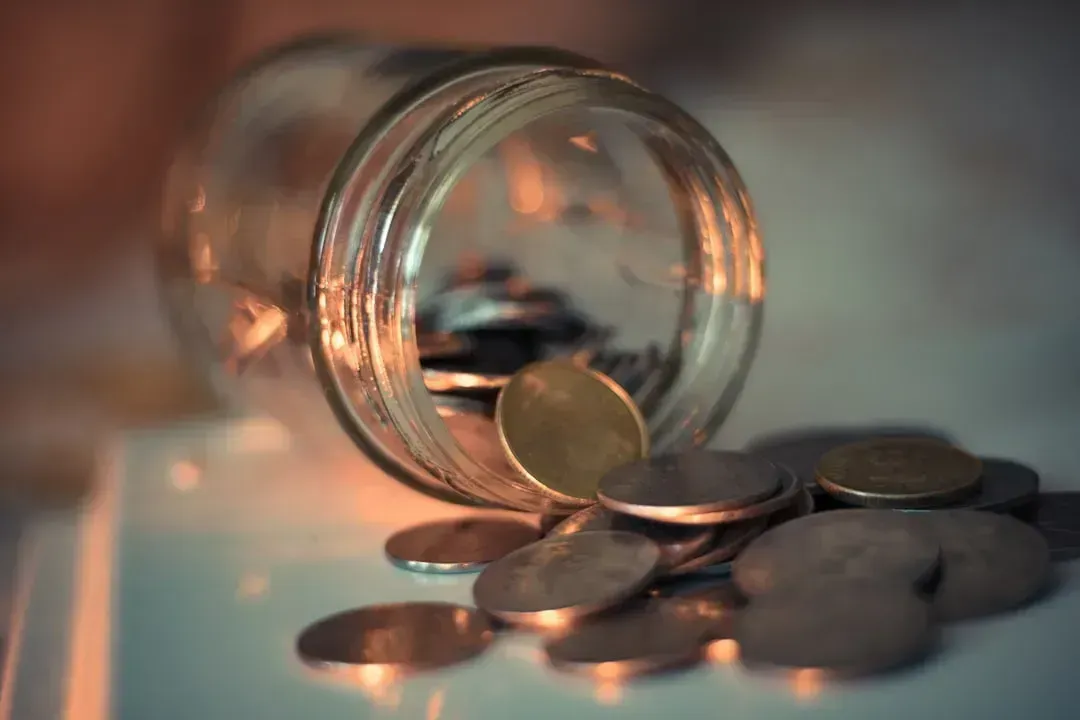
Preserving Bicentennial quarters is essential for maintaining their value. Coins should be stored in protective holders and kept in climate-controlled environments. Handling coins with bare hands can cause damage, so collectors use gloves to prevent oils and dirt from affecting surfaces. Cleaning coins is strongly discouraged, as it can reduce their value.
The market for Bicentennial quarters reflects both traditional numismatic patterns and modern trends: most valuable error coins are graded by professional services like PCGS and NGC. High-grade certified coins often command strong premiums because buyers trust authenticity and condition. For investors, focusing on certified coins with strong provenance is the best strategy. These coins are more likely to retain and grow in value, especially as demand continues to rise in 2026 and beyond.
A Coin Worth Looking for Twice
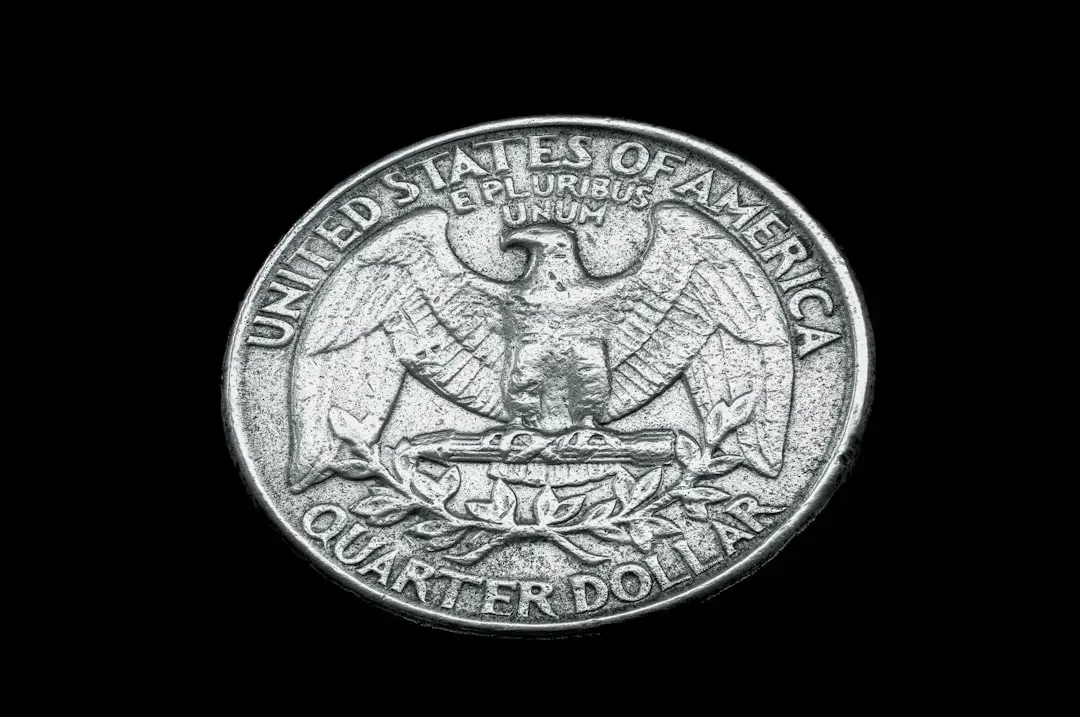
Bicentennial quarters represent a unique intersection of accessibility and historical significance. Unlike many commemorative coins that were expensive when issued, these were designed as circulating commemoratives – meaning they were intended for everyday use while celebrating America’s bicentennial. This created a fascinating collecting dynamic where common coins can still be found in circulation, yet pristine examples and silver varieties offer substantial collecting potential.
In 2026, interest in these coins has surged, with some Bicentennial quarters commanding values far beyond their face value. For everyday people, these coins could be hidden treasures waiting to be discovered in pocket change or old collections. The difference between a coin worth a quarter and one worth several hundred dollars often comes down to a single letter stamped into the metal – a detail small enough to miss, but significant enough to change everything.