
When researchers and environmental scientists plot the world’s most contaminated locations onto a single map, the result is sobering. Scattered across continents and oceans, these sites share one common thread: radioactive contamination so severe that some of them will remain dangerous for centuries. A few are famous. Others are barely spoken of outside specialist circles. All of them carry consequences that outlive the decisions that caused them.
What makes this map particularly striking is how diverse its entries are. Some sites were born from Cold War secrecy. Others resulted from catastrophic accidents. A handful trace their contamination to industrial negligence that went unchecked for decades. Together, they form a sobering geography of humanity’s most consequential encounters with nuclear materials.
1. Chernobyl Exclusion Zone, Ukraine
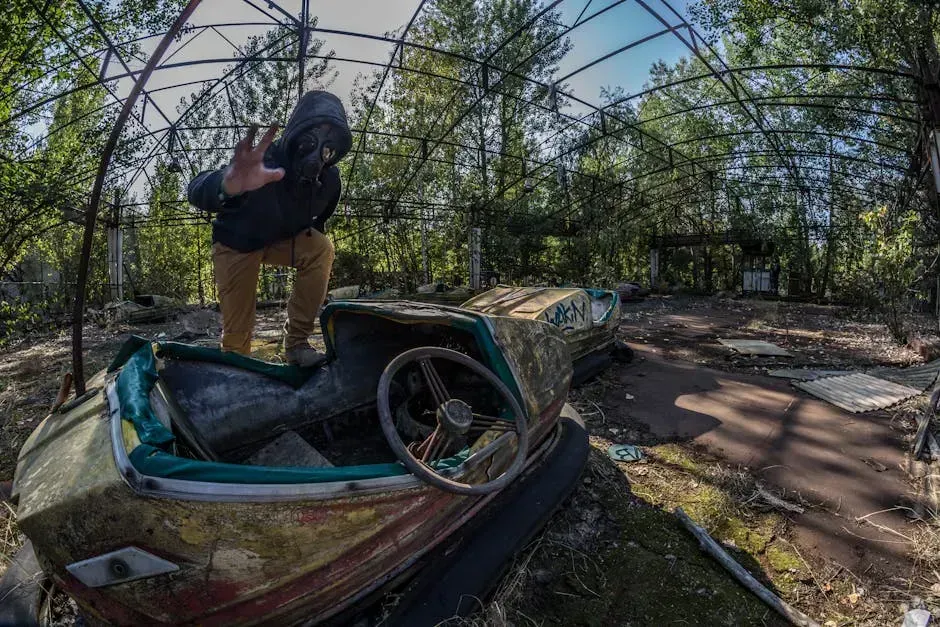
On April 26, 1986, the Number Four RBMK reactor at the nuclear power plant at Chernobyl, Ukraine, went out of control during a test at low-power, leading to an explosion and fire that demolished the reactor building and released large amounts of radiation into the atmosphere. It is estimated that Chernobyl released about 400 times more radioactive material than the combined atomic bombings of Hiroshima and Nagasaki.
The Chernobyl Nuclear Power Plant Zone of Alienation, also called the 30-Kilometre Zone, was established shortly after the 1986 disaster. Soviet authorities declared an exclusion zone spanning a 30-kilometre radius around the plant, designating the area for evacuations and placing it under military control. Caesium-137, along with isotopes of strontium, are the two primary elements preventing the Chernobyl exclusion zone from being re-inhabited. There are 187 small communities in the exclusion zone that remain virtually abandoned to this day.
2. Fukushima Daiichi, Japan
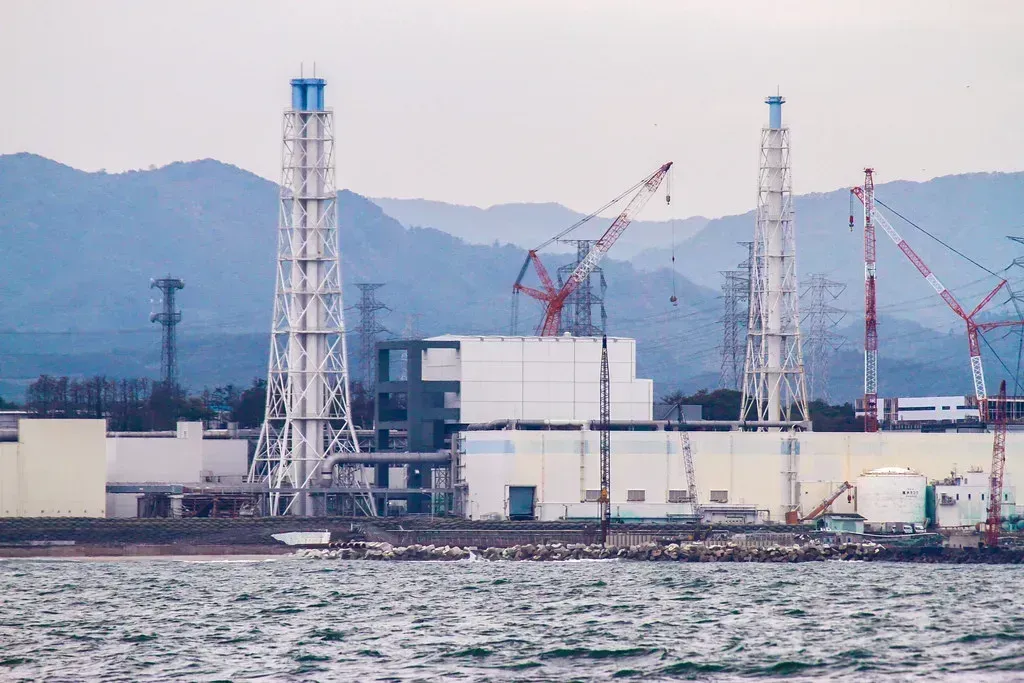
When a 9.1 magnitude earthquake caused a tsunami in 2011, it overwhelmed the existing safety features of the Fukushima Daiichi Nuclear Power Plant and caused the worst nuclear power plant disaster since Chernobyl. Although the plant did survive the initial earthquake, the resulting tsunami was more than twice as powerful as the plant was designed to tolerate. This caused the plant’s seawater pumps, designed to keep the reactors cool during the shutdown, to fail.
Like the Chernobyl disaster, the nuclear accident at the Fukushima Daiichi nuclear power plant on March 11, 2011, is at level 7 in the INES classification. The exclusion zone around Fukushima spans a 20-kilometre radius, and the disaster claimed marine and land-based lives. The emergency led to the evacuation of thousands of people and decontamination efforts are ongoing to this day. It is estimated that it will take four decades to completely decommission the power plant.
3. Lake Karachay, Russia
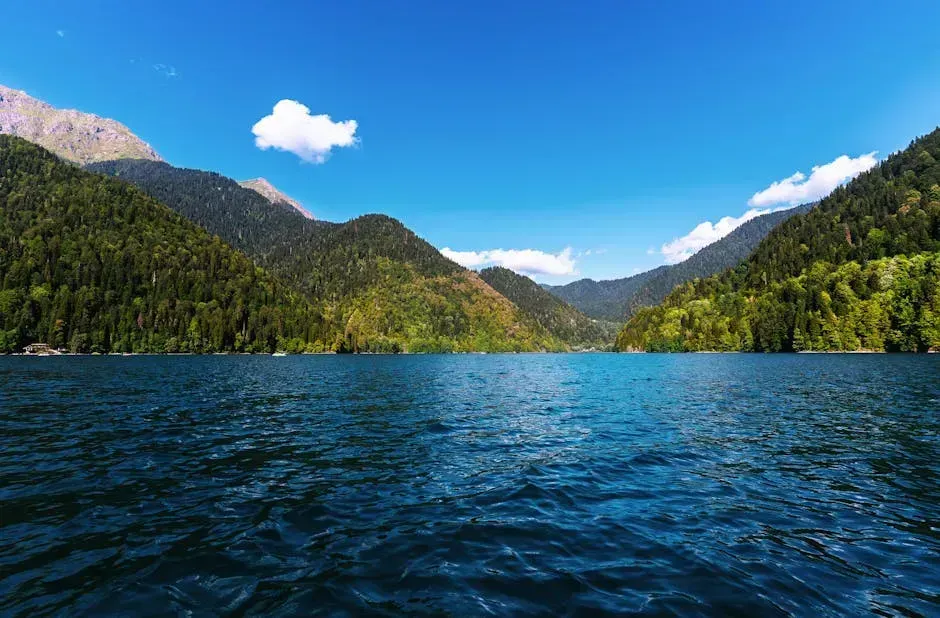
Lake Karachay was a small lake in the southern Ural Mountains in central Russia. Starting in 1951, the Soviet Union used it as a dumping site for radioactive waste from Mayak, the nearby nuclear waste storage and reprocessing facility, located near the town of Ozyorsk. A study carried out in 1993 found that the lake emitted 4,440,000,000,000 megaBecquerels of radioactivity.
The radiation levels at the site are so high that one hour of exposure near the lake could be fatal. In 1968, following a drought in the region, the wind carried radioactive dust away from the dried bed of the lake, irradiating roughly half a million people. The lake began to be filled in and concreted over in the mid-1990s, with the project wrapping up in 2015.
4. Hanford Site, Washington, USA
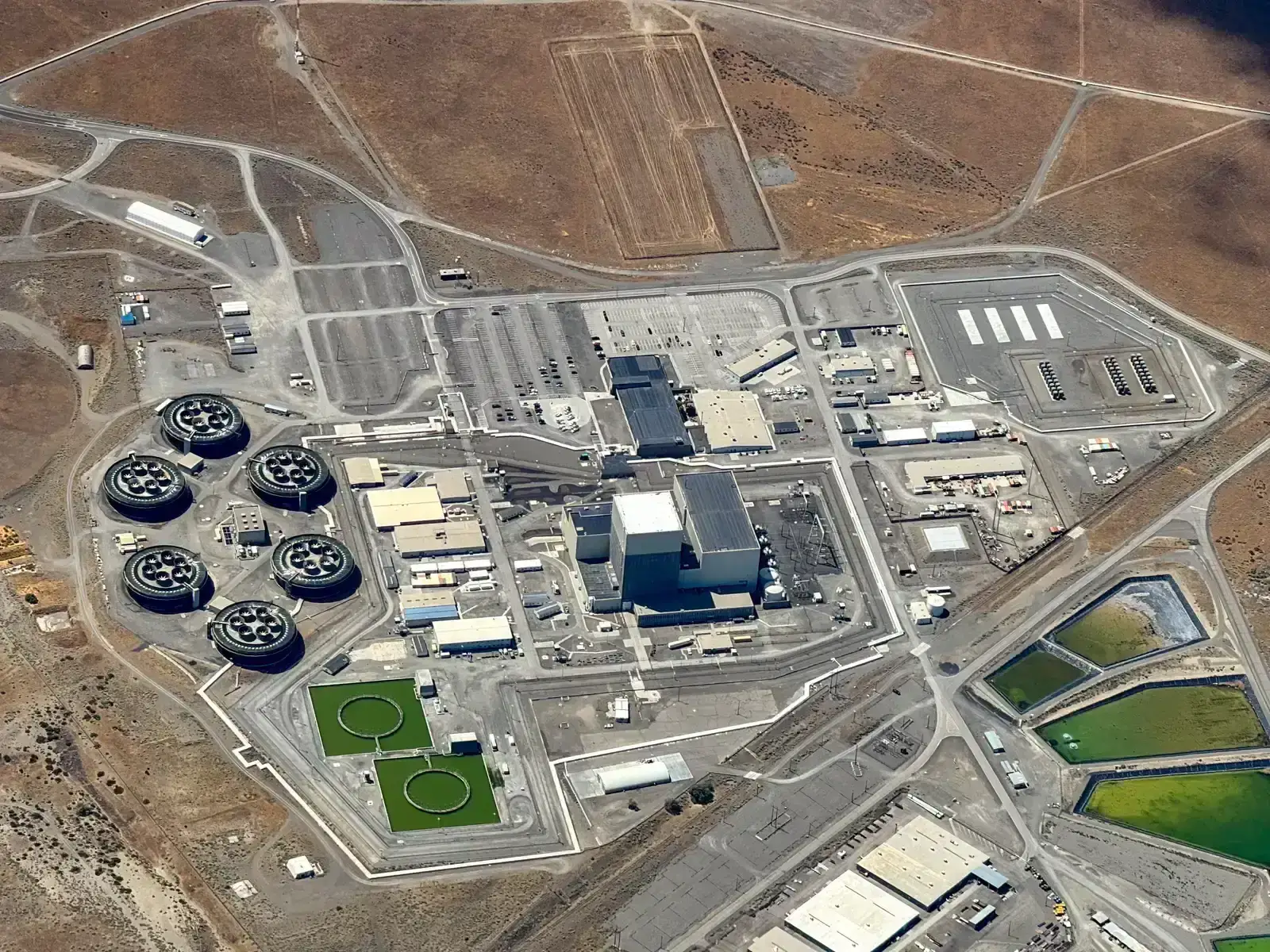
During the Cold War, the Hanford Site in Washington state was the primary facility for producing plutonium for nuclear weapons. The site played a crucial role in the production of nuclear bombs, including the one dropped on Nagasaki. Although the site has been decommissioned, it still contains over 60 percent of the nation’s high-level radioactive waste. The extensive amounts of buried waste have contaminated groundwater in the area, making it one of the most radioactive places in the United States.
In the 1940s, nuclear weapons production began at Hanford, which generated large amounts of radioactive and chemical wastes in both solid and liquid form. It is one of the largest and most expensive cleanup projects in the world. The current cleanup involves burying and storing wastes that may remain radioactive for hundreds of thousands of years.
5. The Semipalatinsk Polygon, Kazakhstan
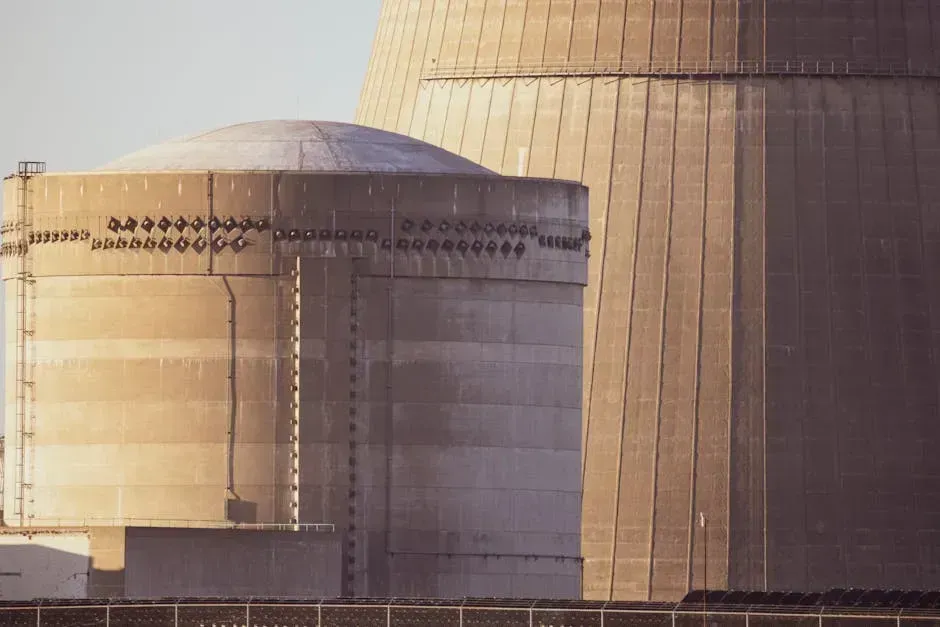
The Polygon was the primary nuclear test site of the Soviet Union. In total, 456 nuclear tests were conducted between 1949 and 1989 at Semipalatinsk, including 340 underground and 116 atmospheric explosions. Altogether, the number of nuclear explosions at Semipalatinsk equals more than 2,500 Hiroshima bombs.
The general consensus of health studies conducted at the site since it was closed is that radioactive fallout from nuclear testing had a direct impact on the health of about 200,000 local residents. Scientists have specifically linked higher rates of different types of cancer to post-irradiation effects. After the Soviet Union collapsed in 1991, fissile material was left behind in mountain tunnels and bore holes, virtually unguarded and vulnerable to scavengers, rogue states, or potential terrorists.
6. Mayak Production Association, Russia
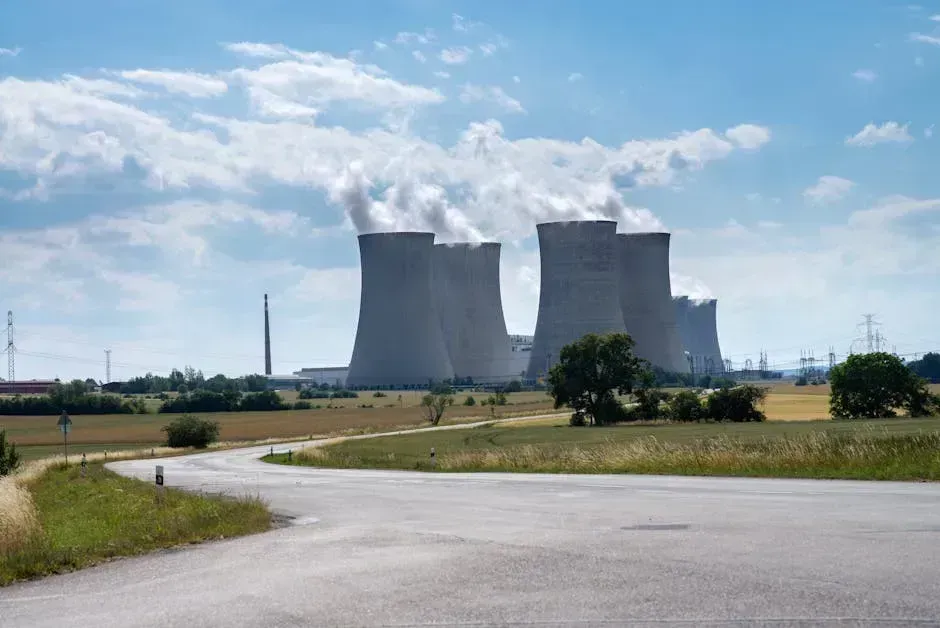
Mayak, built in total secrecy between 1946 and 1948, was the heart of the Soviet atomic bomb project – a site for plutonium production and nuclear fuel reprocessing. Three significant contamination events occurred at Mayak: direct releases of radionuclides to the Techa River between 1949 and 1956, the Kyshtym accident, which was a thermal explosion in a high-level radioactive waste tank in 1957, and the dispersal of radionuclides from the dried-out bed of Lake Karachay in 1967.
By the time Mayak’s existence was officially acknowledged, there had been a 21 percent increase in cancer incidence, a 25 percent increase in birth defects, and a 41 percent increase in leukemia in the surrounding region of Chelyabinsk. The Techa River, which provided water to nearby villages, was so contaminated that up to 65 percent of locals fell ill with radiation sickness.
7. Sellafield, United Kingdom
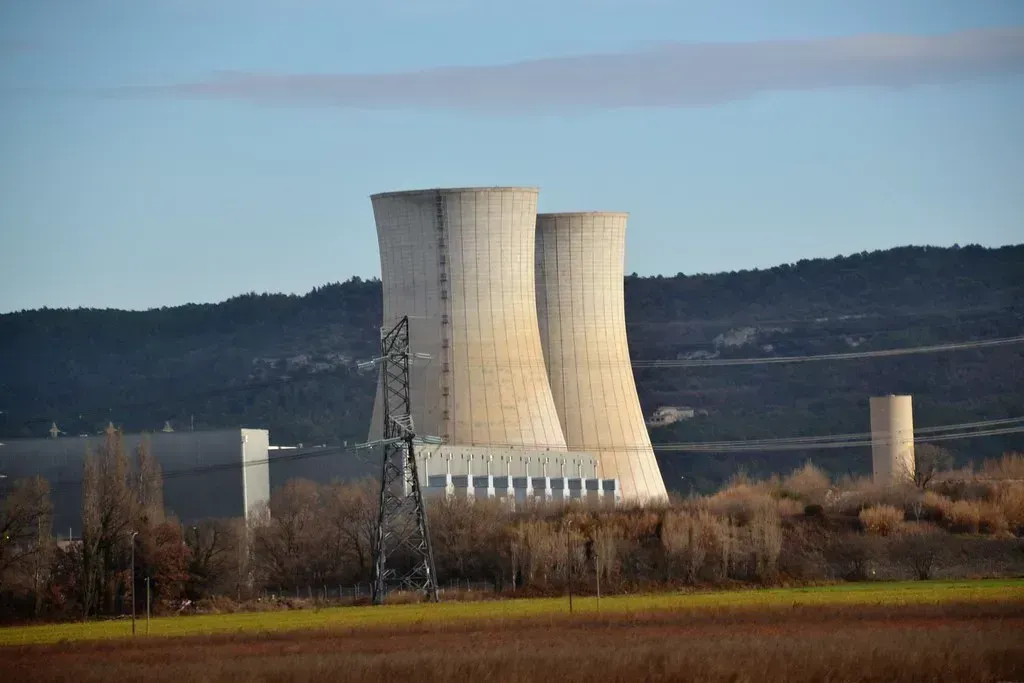
Sellafield used to produce weapons-grade nuclear material for the UK’s nuclear weapon program during the Cold War. Today it is used as a nuclear fuel reprocessing and decommissioning site and is located close to the small village of Seascale on the coast of the Irish Sea. Sellafield was the world’s first commercial nuclear power station used for electrical generation, but this part of the facility has since been decommissioned and is currently being dismantled.
In 1957, a fire caused Piles 1 to shut down, destroying the core and releasing radioactive material into the atmosphere over England and the rest of Europe. The site remains one of the most complex nuclear cleanup challenges in the world, holding the vast majority of England’s accumulated nuclear waste.
8. Mailuu-Suu, Kyrgyzstan
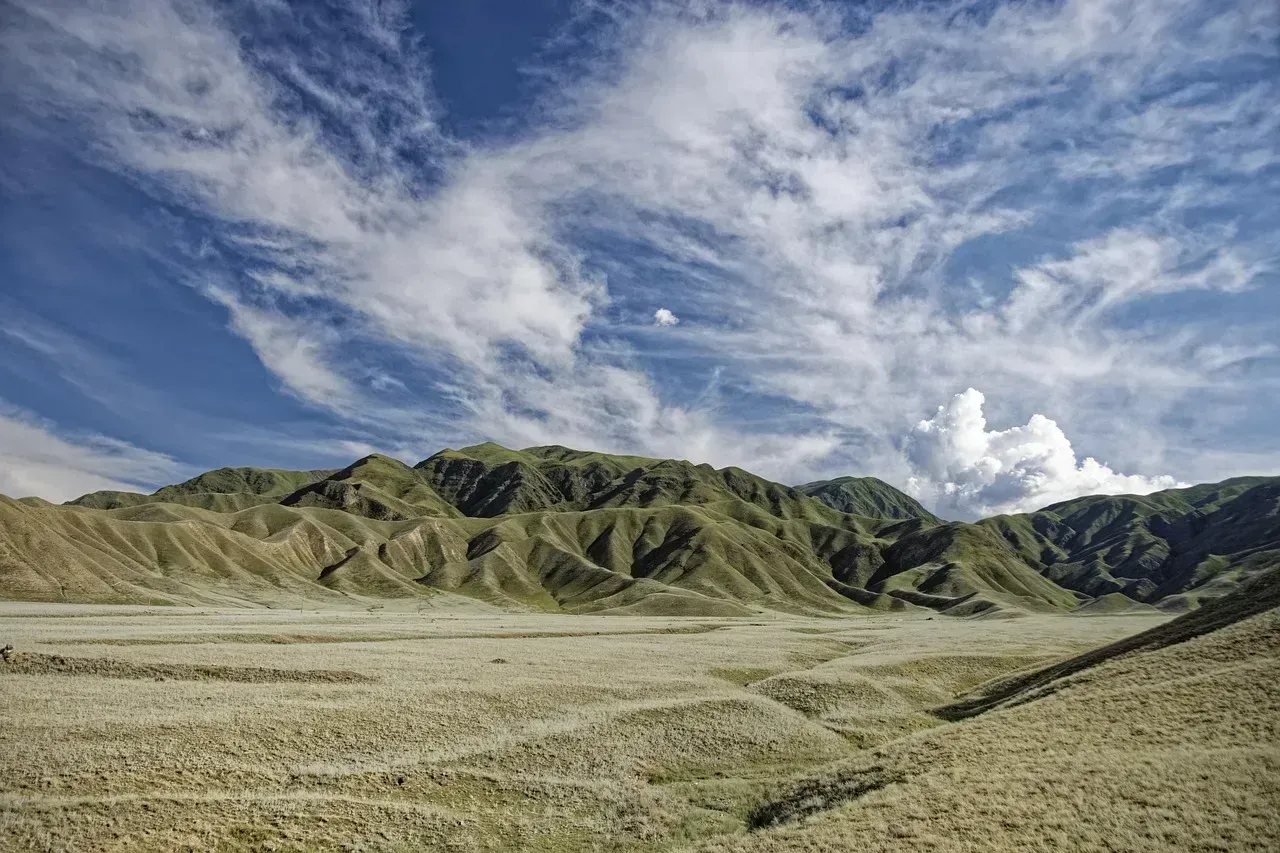
Between 1946 and 1968, the town of Mailuu-Suu processed 10,000 metric tons of radioactive uranium ore. Throughout the Cold War, the large mining operation produced heavily contaminated waste. More than two decades of waste made the town one of the most polluted places on Earth in 2006.
Frequent earthquakes, landslides and floods devastate the area, and this consequently spreads the uranium, making Mailuu-Suu more and more radioactive over time. Known locally for its unstable cliff faces and rivers, the risk is that uranium has spread to other parts of Asia via its waterways.
9. Goiânia, Brazil
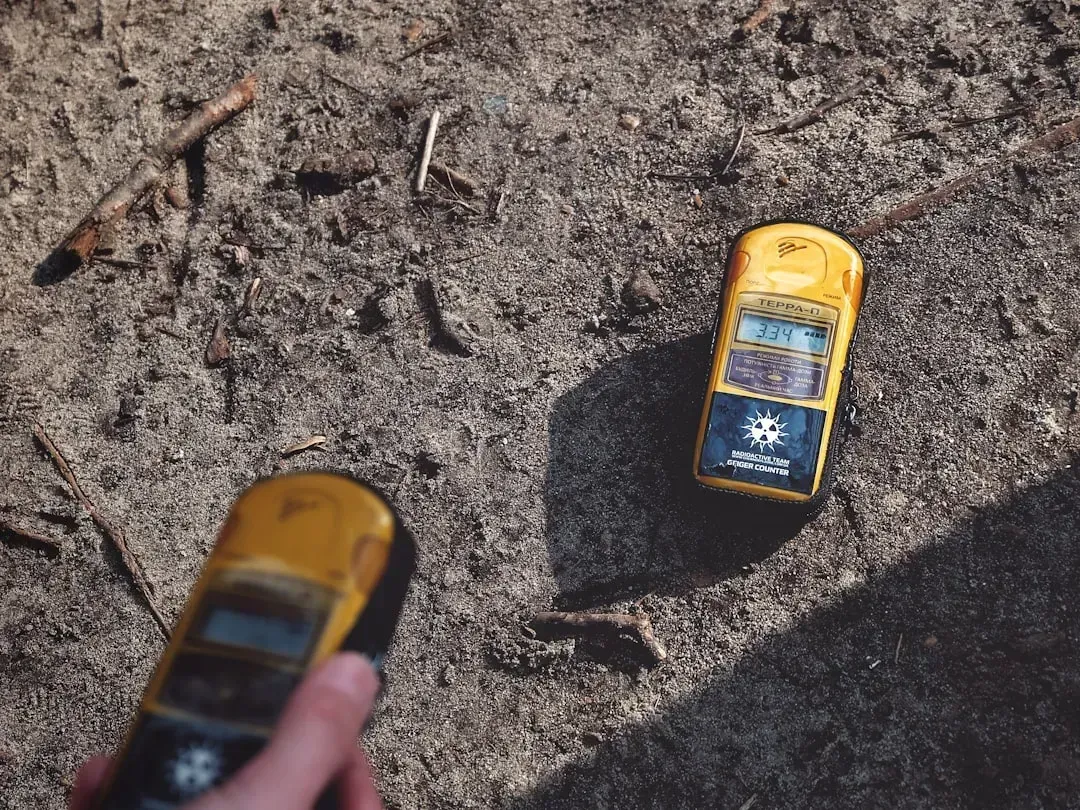
Goiânia has one of the most striking stories of all because the radioactive contamination was uncovered during a robbery in 1987. Two men broke into an abandoned hospital, hoping to steal scrap metal. While there, they noticed a cancer therapy device that contained a glowing blue material they couldn’t resist. The robbers stole the machine and, oblivious to the fact that the glowing blue material was radioactive, started calling up friends, neighbors, and family to come take a look at this amazing glowing object.
Sadly, everyone who heeded the call was exposed to radiation. More than 250 people were admitted to the hospital, four of whom died. The Brazilian government was called in to clean up the area, but the unprecedented event left radioactive particles spread across a large area. Time magazine identified the accident as one of the world’s “worst nuclear disasters,” and the International Atomic Energy Agency called it “one of the world’s worst radiological incidents.”
10. The Marshall Islands, Pacific Ocean
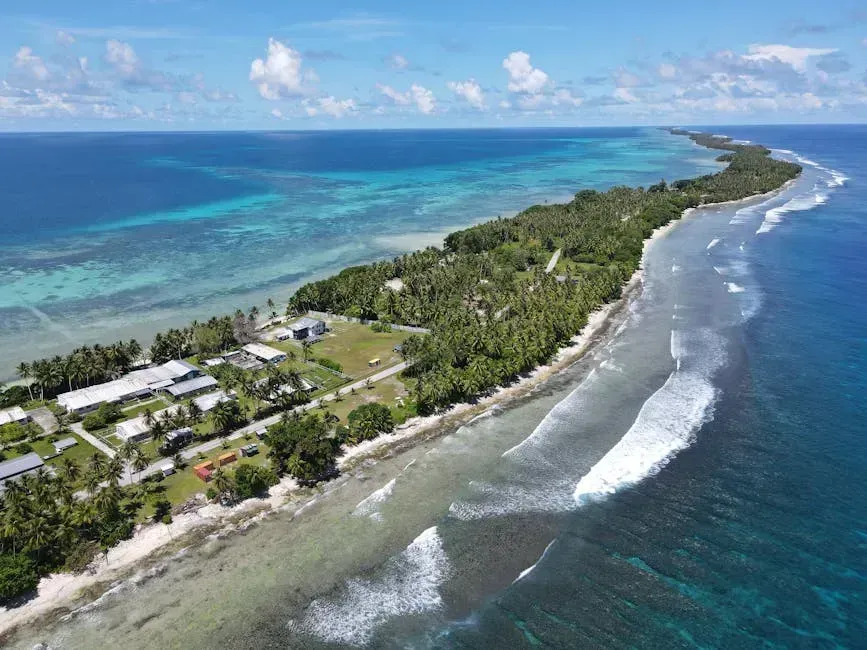
Between 1946 and 1958, the United States conducted 67 nuclear weapons tests in the Marshall Islands, with Bikini Atoll serving as the primary test site. The detonations included some of the largest thermonuclear devices ever exploded, and the fallout dispersed across a wide stretch of the central Pacific.
In a cooperative agreement with the Government of the Marshall Islands, between 1993 and 1997 researchers studied the prevalence of thyroid nodules and thyroid cancer among more than 4,700 Marshallese potentially exposed to radioiodines from bomb test fallout. That group represented more than 65 percent of the population at risk. The study diagnosed 45 thyroid cancers and nearly 1,400 benign thyroid nodules.
11. The Siberian Chemical Combine, Seversk, Russia
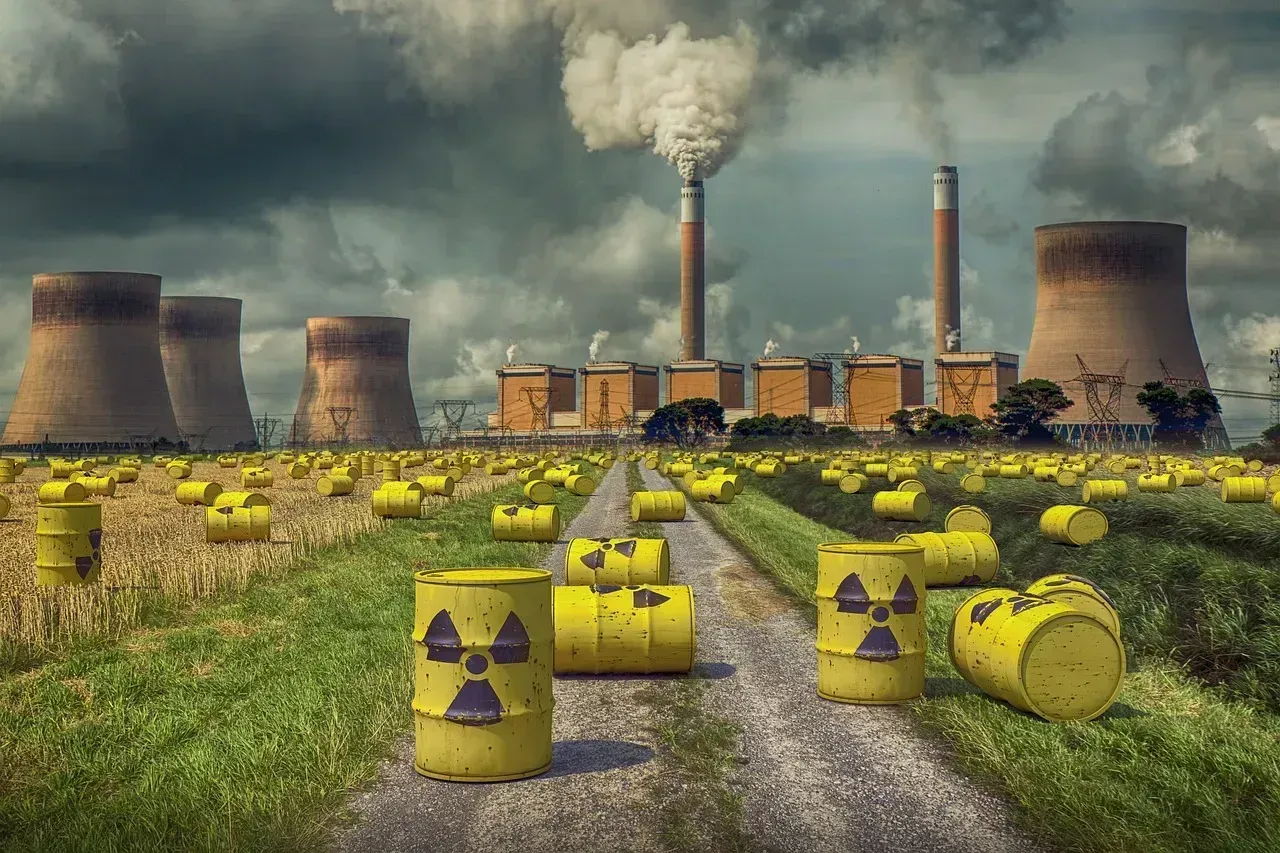
The Siberian Chemical Combine plant was used to enrich uranium and plutonium before it was transformed into a storage facility for toxic chemical and radioactive waste. Today, millions of liters of radioactive liquid lie uncovered in pools, while approximately 113,000 metric tons of solid radioactive waste are stored in leaking containers.
Located near the closed city of Seversk in Siberia, the facility operated for decades as one of the Soviet Union’s most important nuclear production complexes. Its legacy of inadequate waste management has left the surrounding region with contaminated soil and persistent groundwater concerns that remain unresolved today.
12. Bikini Atoll, Marshall Islands
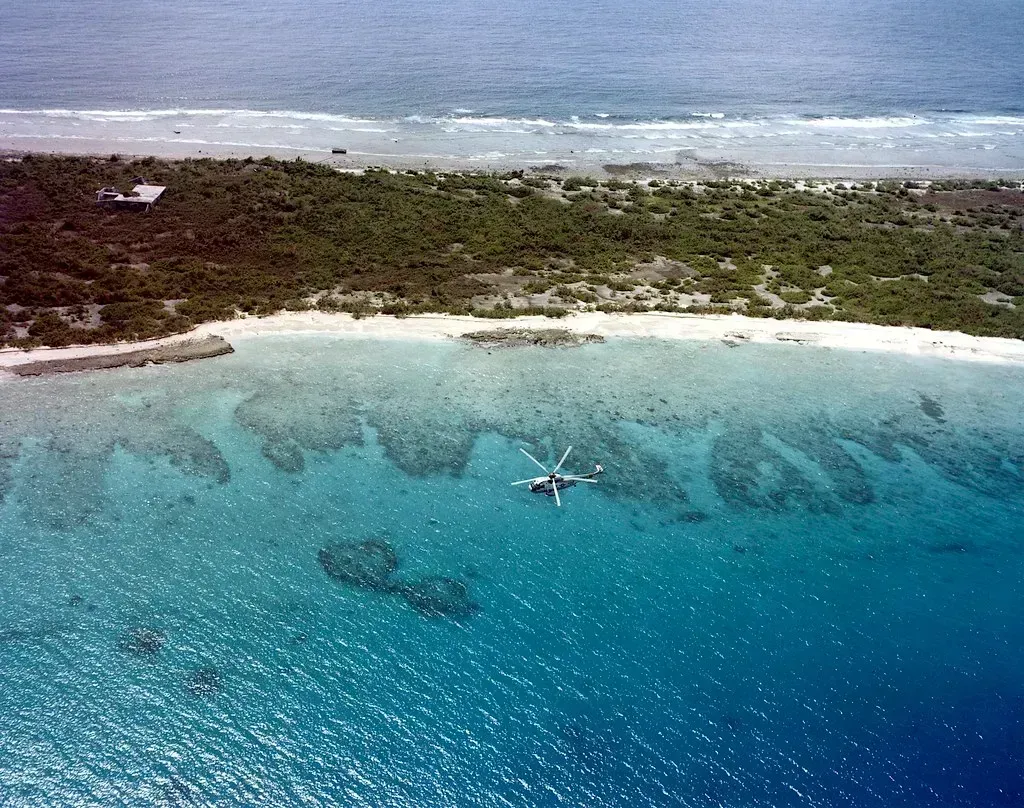
While technically part of the broader Marshall Islands nuclear legacy, Bikini Atoll itself occupies a distinct place on any radiation map. It was the site of Operation Crossroads in 1946 and later the test of the Castle Bravo thermonuclear device in 1954, which was unexpectedly around double the predicted yield and resulted in radioactive fallout spreading far beyond the intended zone.
The atoll was designated a UNESCO World Heritage Site in 2010, in part as a memorial to the nuclear age. Depending on the spill or fallout situation and the isotopes involved, certain areas on the planet are off-limits for a generation or two, and others are permanently wiped off the map for all of life as we know it. Bikini Atoll fits the second category: despite some hopeful assessments over the years, the soil remains contaminated with caesium-137 and strontium-90 at levels that make permanent resettlement unsafe.
13. The Red Forest, Chernobyl, Ukraine
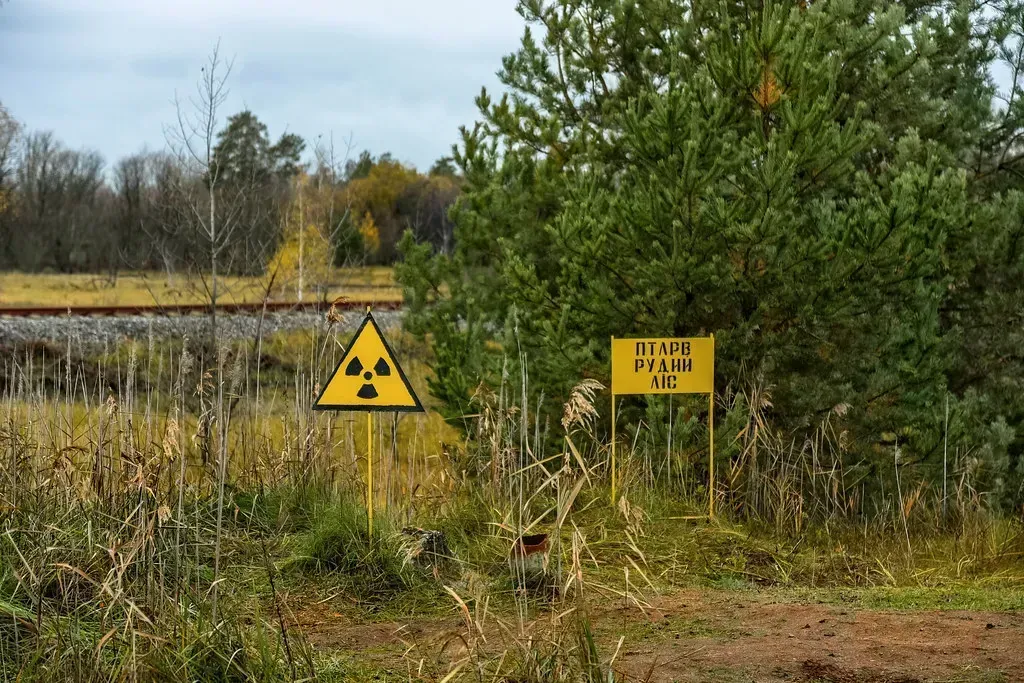
After the Chernobyl disaster, four square kilometers of pine forest directly downwind of the reactor turned reddish-brown and died, earning the name “Red Forest.” Some animals in the worst-hit areas also died or stopped reproducing. This patch of dead woodland, heavily saturated with radioactive particles from the initial explosion, remains one of the most concentrated hotspots within the already dangerous exclusion zone.
The mutation rates for plants and animals in the affected area have increased by a factor of 20 because of the release of radionuclides from Chernobyl. In April 2020, forest fires spread through 20,000 hectares of the exclusion zone, causing increased radiation from the release of caesium-137 and strontium-90 from the ground and biomass. The Red Forest is a place where the biological and radiological consequences of the disaster converge in their most visible form, making it a persistent scientific concern even four decades on.
What this map ultimately shows is that radioactive contamination doesn’t respect borders, timelines, or intentions. Some of these sites were created by accident. Others were the direct result of deliberate choices made under the pressures of Cold War secrecy. A few are slowly being remediated. Others will outlast every current institution monitoring them. The geography of radiation is, in this sense, a record not just of nuclear science, but of how societies weigh risk, transparency, and the value of the land and people that happen to be nearby.