
A fresh renovation can make a home look brand new. New finishes, sleek layouts, and shiny fixtures send a clear signal that the owners cared. The problem is that appearance and compliance are not the same thing. Plenty of updates that look polished and intentional are hiding significant code violations underneath, often without the homeowner even knowing it.
What makes this particularly tricky is the confidence these upgrades project. A beautifully opened floor plan or a spa-style bathroom renovation doesn’t feel like a risk. It feels like an asset. More than four out of five home inspections uncover at least one issue that needs repair, and a surprising number of those involve work that was meant to be an improvement. Here are six so-called modern upgrades that keep showing up on inspection reports for all the wrong reasons.
The Open-Concept Conversion Gone Wrong
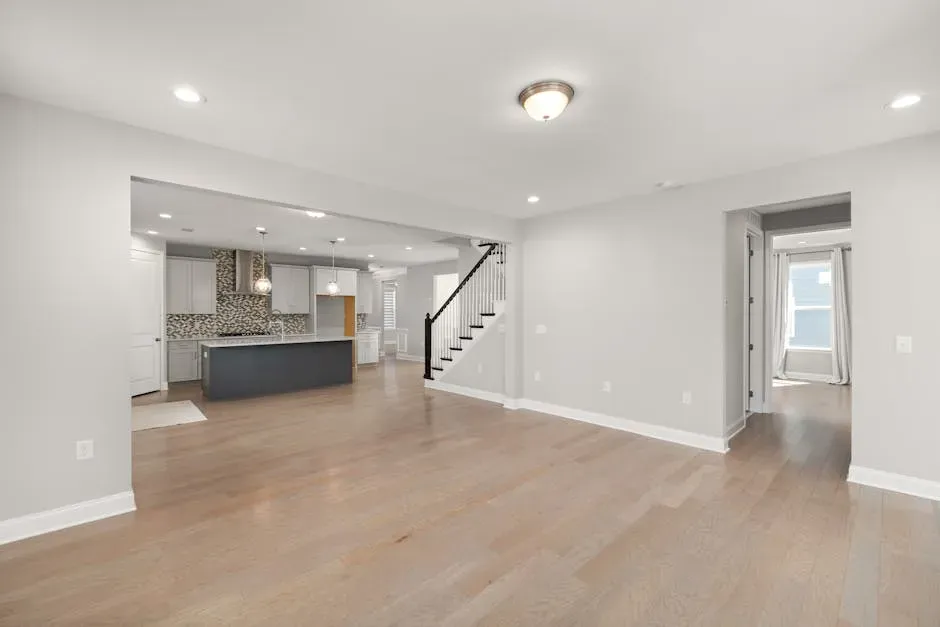
Open floor plans remain genuinely popular with buyers, and for good reason. They feel spacious, social, and contemporary. The danger starts when homeowners remove interior walls without first confirming whether those walls are structural. A load-bearing wall is a key part of a home’s support system, holding up the weight of the floor or roof above it, and removing one without properly redistributing that load can lead to serious consequences, from sagging ceilings and cracked drywall to a catastrophic structural failure.
Removing a load-bearing wall is a project that requires a building permit from your local municipality, since city and county building departments have strict codes in place to ensure all construction work is done safely. When owners skip that step, the open kitchen-living room they love becomes a liability on the inspection report. Skipping permits can result in fines or force the owner to redo the project entirely, and an incorrectly sized beam can cause sagging or structural failure. Inspectors and future buyers both notice the absence of paperwork fast.
The Unpermitted Basement Bedroom
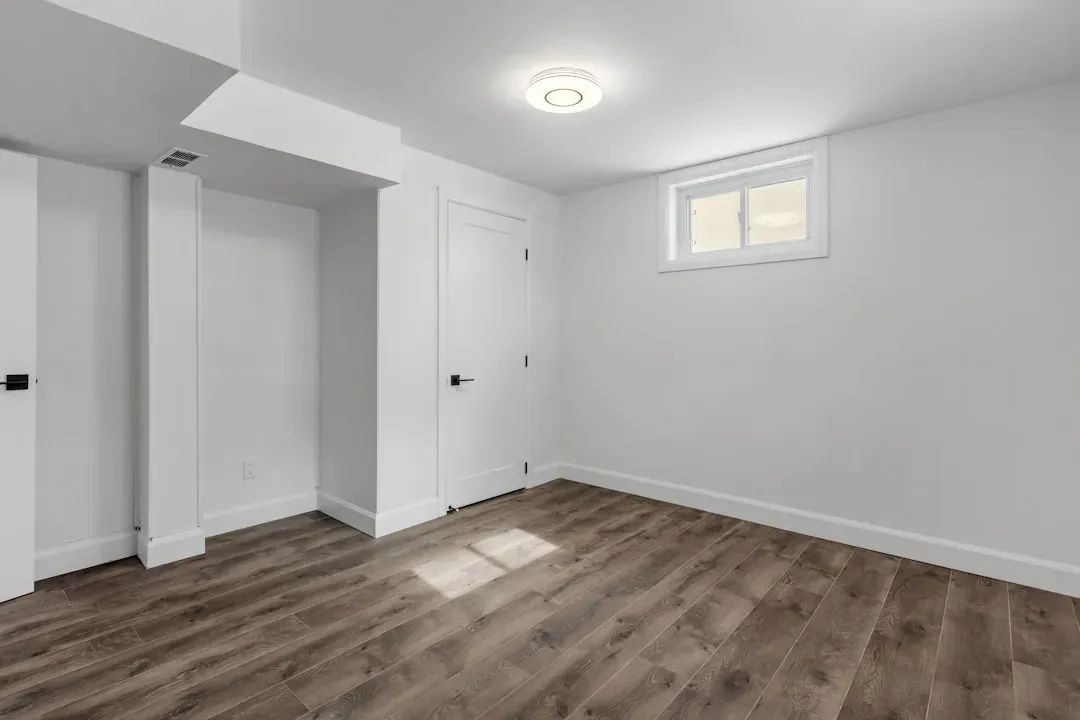
Converting an unfinished basement into a livable bedroom suite is one of the most common ways homeowners try to add value. It looks great on a listing. The catch is that basement bedrooms carry specific safety requirements that plenty of DIY and even some contractor-led projects miss. Certain code violations, such as creating a basement bedroom without an egress window, are likely to fail a home inspection.
Any new or enlarged window for a basement bedroom requires a permit, and converting unfinished basement space to living space requires a permit covering framing, electrical, and egress. Without that proper egress window, the room cannot legally be called a bedroom. Unpermitted work creates serious problems not just with the county but with a home’s resale value and insurance coverage, and in the worst case, work that cannot be inspected may need to be torn out entirely. A finished basement that adds nothing to the official bedroom count is a hard conversation to have with a buyer.
The Electrical Panel “Upgrade” That Isn’t
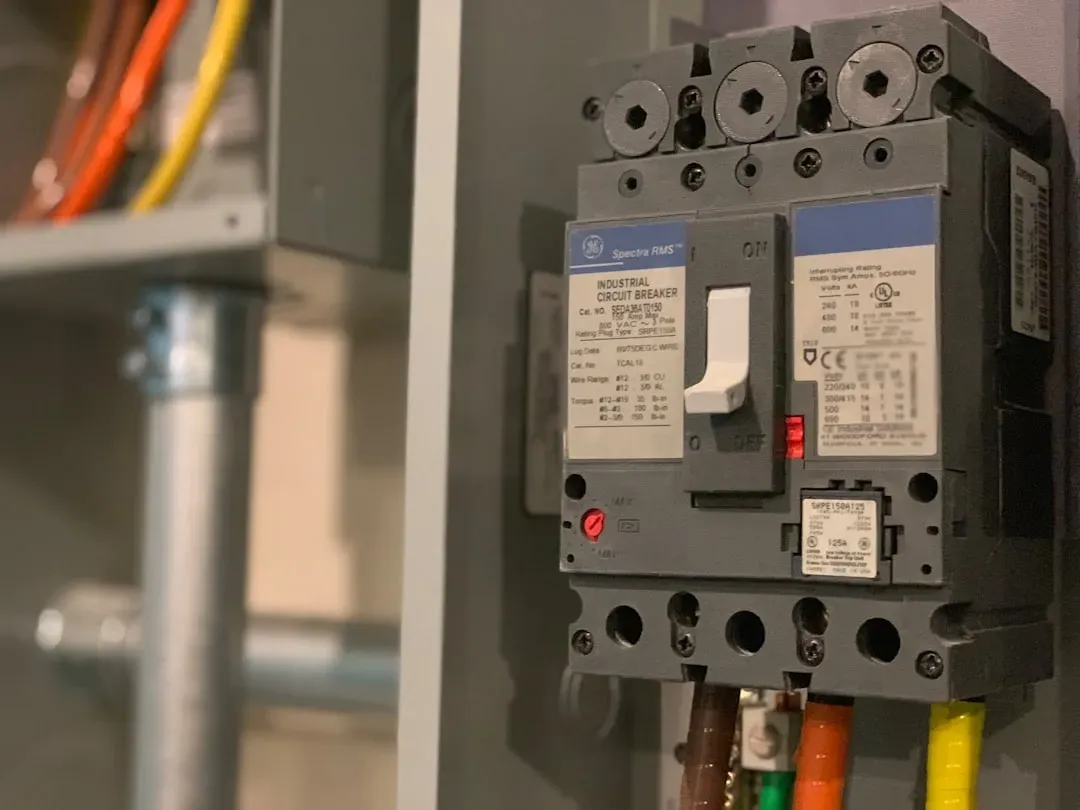
Homeowners upgrading older electrical panels often believe they’ve checked a major box. Sometimes they have. Other times, the panel swap introduces a different set of problems, particularly when the work is done without permits or when the replacement model has its own documented history of issues. Buyers can be blindsided when outdated electrical panels like Zinsco or Federal Pacific are flagged during inspection, since these were widely used in the mid-20th century and have a well-documented history of failure, including not tripping when overloaded, which can lead to fires.
Outdated or overloaded electrical panels pose a safety risk and may not meet modern power needs, and inspectors check amperage, condition, and code compliance, as some older panels and brands are fire hazards and cannot support new appliances. Even newer panel work done without a permit is a red flag. Ungrounded receptacles, exposed wiring, double-tapped circuit breakers, and malfunctioning GFCI outlets are all issues that could cause a failed home inspection. The label “upgraded electrical” means very little without the paperwork to prove it was done correctly.
The Bathroom Remodel With Hidden Violations
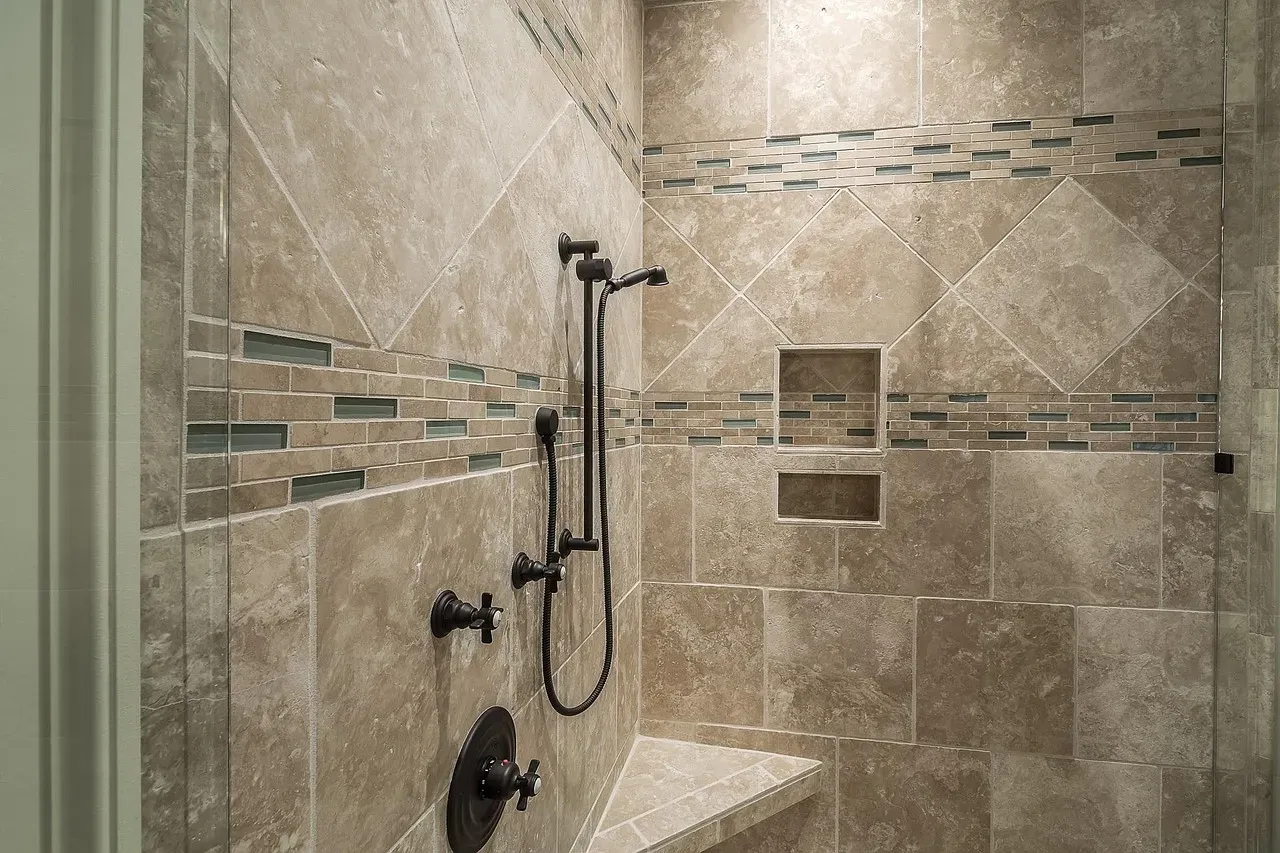
A tiled walk-in shower and floating vanity read as a luxury upgrade in any listing photo. Behind those tiles, however, is where inspectors look and where things often fall apart. Many bathroom remodels proceed without permits because owners assume a cosmetic refresh doesn’t require approval, but any electrical work including replacing outlets, adding lighting, or installing exhaust fans requires a permit, as does replacing or adding plumbing fixtures or valves, waterproofing work, installing new flooring that requires subfloor work, and adding or modifying ventilation.
Inspectors verify that shower pan waterproofing holds water before tile is installed, that pipes and valves are leak-free before they are covered, that electrical wiring is properly grounded and code-compliant, that lights in wet areas are sealed, that glass over tubs is tempered, and that outlets are correctly positioned and grounded. Once the tile is on the wall, none of that is visible anymore. Inspectors can require finished work to be torn out so they can see what is behind the walls, and if the plumbing or electrical does not meet code, the owner pays to redo it on top of the cost of opening and repatching the walls, which is where unpermitted work gets truly expensive.
New Recessed Lighting on Unlicensed Circuits
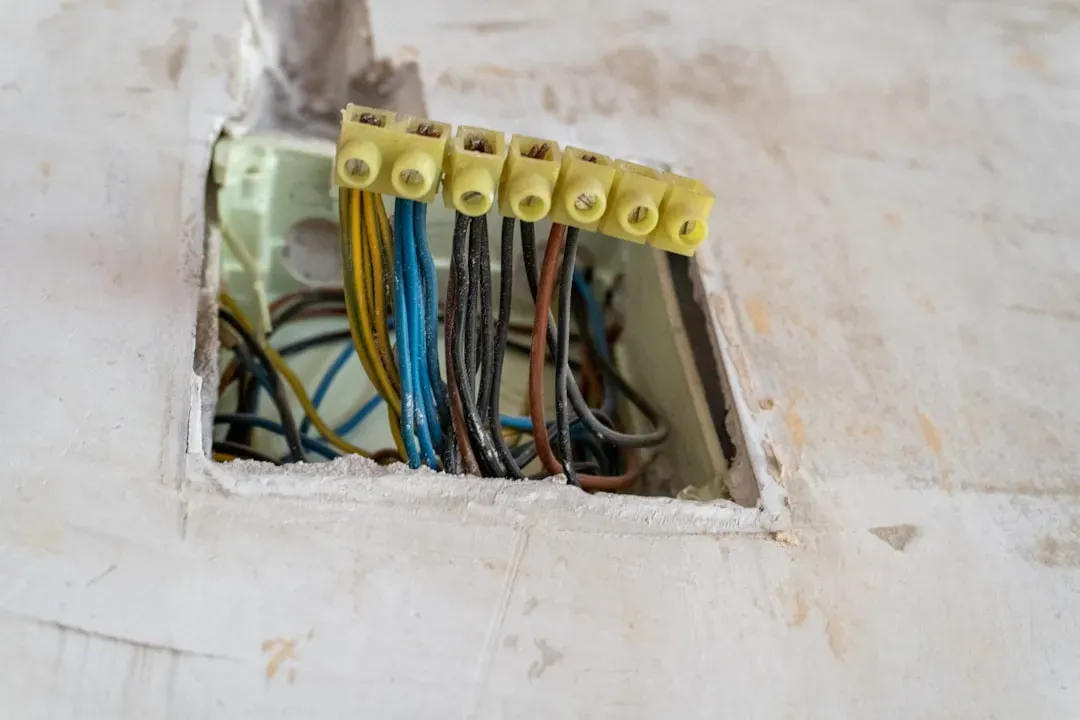
Recessed lighting has become the default choice for modern interiors, and it genuinely does improve how a space feels. The problem is how often it is installed without permits, especially when the project involves running new circuits rather than simply swapping existing fixtures. If you are installing new recessed lights where none exist now, you will need a permit. That step gets skipped more often than most homeowners realize.
When recessed lighting is installed under unconditioned spaces such as attics, energy codes require the fixture used to be an airtight design to prevent heat loss and moisture intrusion. Non-airtight cans in attic-adjacent ceilings are one of the more common silent failures inspectors find. Electrical systems age silently, and a proper inspection should identify outdated wiring, overloaded circuits, improper grounding, panel capacity for new loads, and current code compliance. What looks like a clean, modern ceiling can be the surface of a wiring problem waiting to be discovered.
The Unpermitted Deck or Outdoor Living Addition
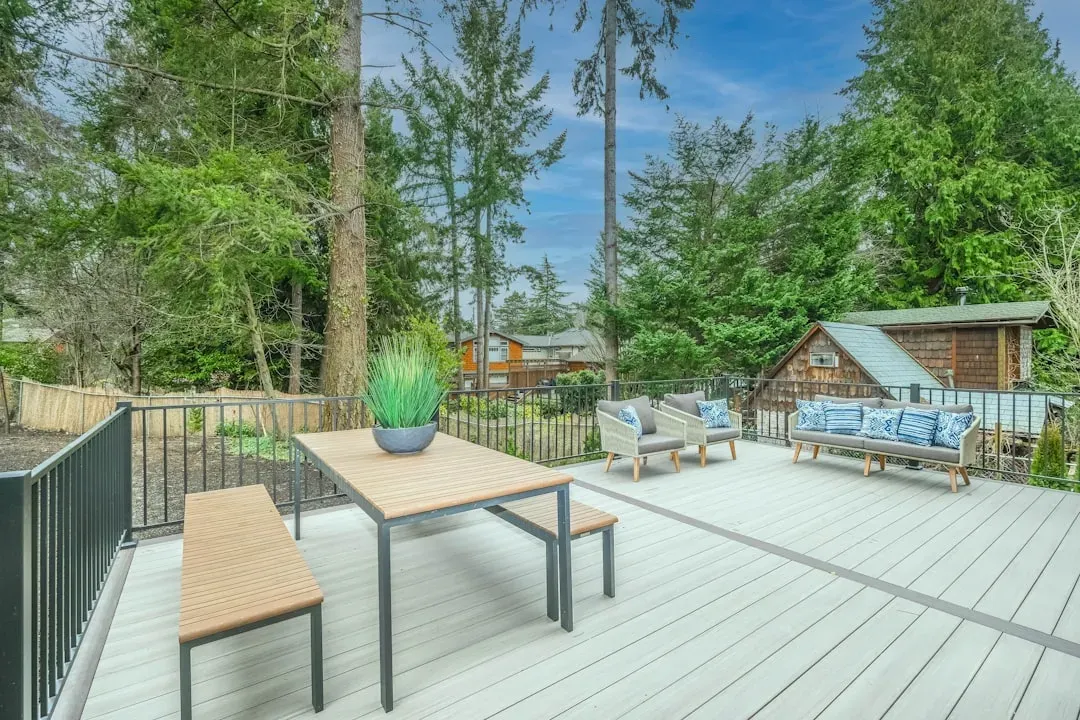
Decks, patios, and outdoor rooms have surged in popularity over recent years as homeowners prioritized outdoor living. Many of these projects went up quickly, sometimes without the permits required to make them legal. Building a deck over a certain height, usually 30 inches above grade, typically requires a permit. That threshold catches a lot of owners off guard, since a deck that seems modest can still cross it easily.
If damage occurs to a home as a result of unpermitted renovations, a homeowner’s insurance company can deny a claim when the owner tries to file it, and these large costs are simply not worth the risk. At resale, the deck shows up on the property record without corresponding permits, which immediately raises questions for both buyers and lenders. Even issues that seem small or insignificant can affect financing, insurance approvals, or future renovations, and what looks like a small fix today can become a big bill later, especially when it comes time for a kitchen remodel, a basement finish, or a home addition. A beautiful outdoor space with no permit trail is often worth less than it cost to build.
What Sellers and Buyers Should Know Before It’s Too Late
The consistent thread through all six of these upgrades is the gap between how they look and what they actually represent on paper. Many inspections uncover safety hazards or unpermitted work that does not meet building code, and it is more common than buyers realize. The cost of retroactive compliance often stings far more than the permit would have. Retroactive permits typically cost significantly more than standard permits, with many jurisdictions charging double or triple the normal permit fee as a penalty, and when factoring in the cost of opening finished walls for inspection, potential code corrections, and repatching, legalizing unpermitted work commonly runs several times what the original permit would have cost.
For sellers, a pre-listing inspection is one of the more practical tools available. Persistent low housing inventory has prompted sellers to adopt pre-listing inspections to make their properties more appealing to discerning buyers, and this proactive approach not only expedites transactions but also enhances trust, allowing sellers to address potential issues before last-minute negotiations or lost deals. For buyers, the inspection report is not just a checklist. It is a record of what was done, by whom, and whether anyone was watching. Unpermitted work does not disappear when you sell your home, it follows the property.
The most deceptive renovations are not the obvious disasters. They are the ones that look exactly right. A permit is not just bureaucratic overhead. It is the only reliable way to confirm that a “modern upgrade” is actually what it claims to be.