
Most people would describe themselves as reasonably careful about the environment. They recycle the obvious stuff, maybe they carry a reusable bag. Yet the habits that cause the most cumulative damage often aren’t the dramatic ones. They’re the small, comfortable routines woven into ordinary mornings and evenings at home.
The gap between intention and actual impact is real, and it’s worth understanding. Households account for more than roughly a third of total global energy consumption, and the continued growth of household energy use and carbon emissions is threatening both economic and environmental sustainability. That’s not a distant industrial problem. It starts in the kitchen, the bathroom, and the laundry room.
1. Leaving Electronics on Standby
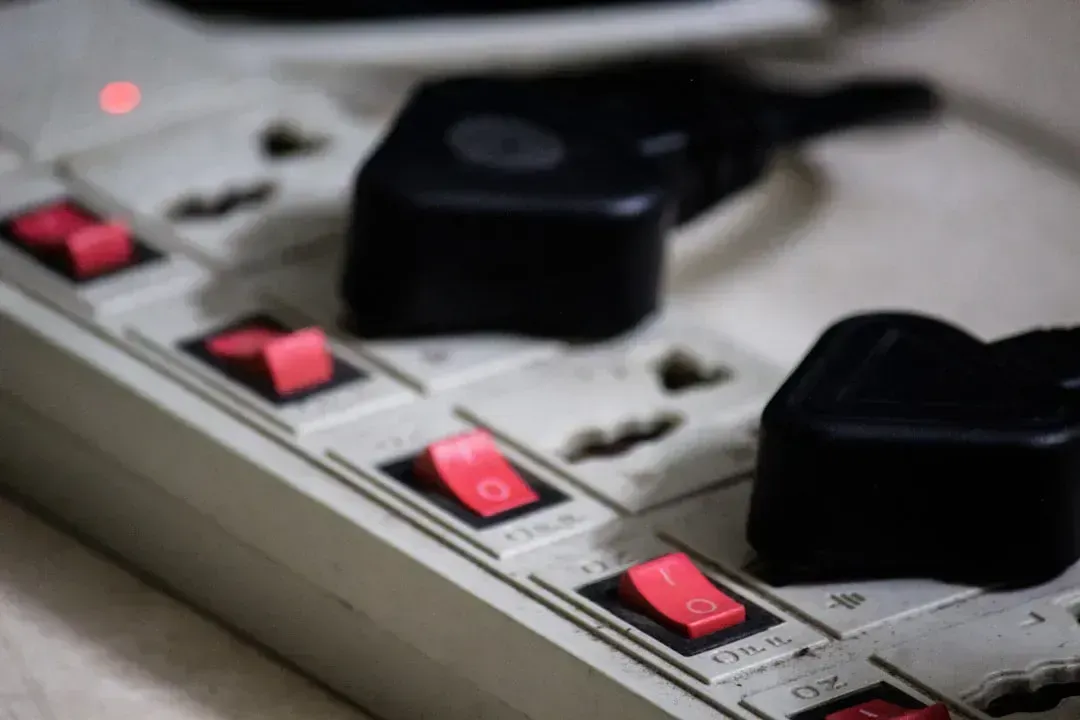
Your smartphone charger drains energy even when it’s not charging anything – a phenomenon experts call “vampire power” consumption. Research from the Lawrence Berkeley National Laboratory revealed that standby power accounts for roughly five to ten percent of residential electricity use in developed countries, costing American households an average of $165 annually.
The cumulative effect is staggering: if every American household eliminated standby power, it would be equivalent to shutting down 17 power plants. Most people leave their devices plugged in out of convenience, never realizing that their “sleeping” electronics collectively consume enough energy to power entire neighborhoods. It’s one of those habits that feels harmless simply because nothing visibly happens when you walk away.
2. Throwing Food Scraps in the Trash
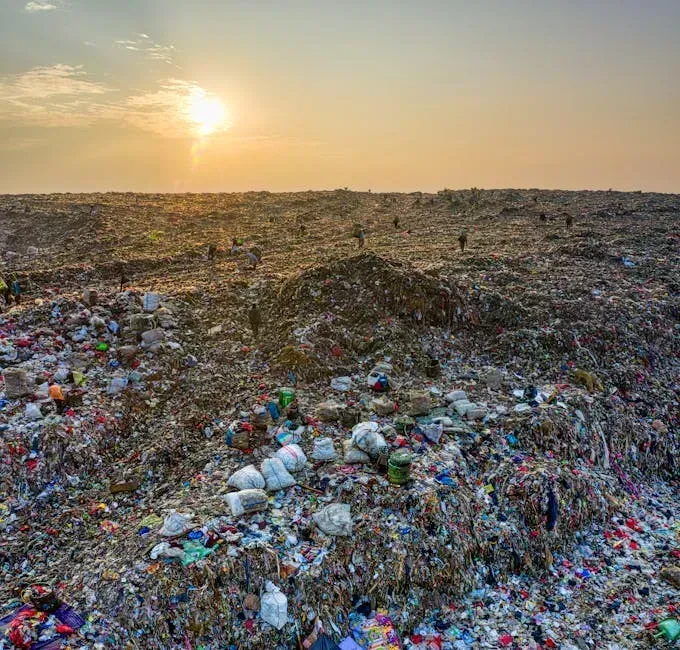
Once food ends up in a landfill, it breaks down without oxygen and releases methane, a greenhouse gas more than 28 times more potent than carbon dioxide. Approximately 30 to 40 percent of the U.S. food supply is wasted, along with the water, energy, and resources used to produce it.
American households throw away roughly $1,500 worth of food annually, and the EPA’s Food Recovery Hierarchy report showed that residential food waste has actually increased since 2020, despite growing awareness campaigns about sustainability. The environmental damage extends well beyond the discarded food itself – producing wasted food consumes more than a fifth of freshwater, nearly a fifth of fertilizer, and close to a fifth of cropland in the United States.
3. Using Personal Care Products with Microbeads

Exfoliating scrubs can feel effective, but many contain microbeads – tiny plastic particles smaller than a grain of sand that slip through water treatment systems, polluting rivers and oceans. They harm marine life and make their way into the food chain. The problem is essentially invisible in everyday use, which is part of why the habit persists.
Just one milliliter of face scrub can contain up to 19,000 microplastic particles, which also absorb and transport harmful substances from their surroundings. When released into water bodies, these particles are swallowed by fish and other marine animals, harming their health and poisoning their organs. The abrasive nature of the beads also damages animals’ internal systems.
4. Running Half-Full Washing Machines on Hot Cycles
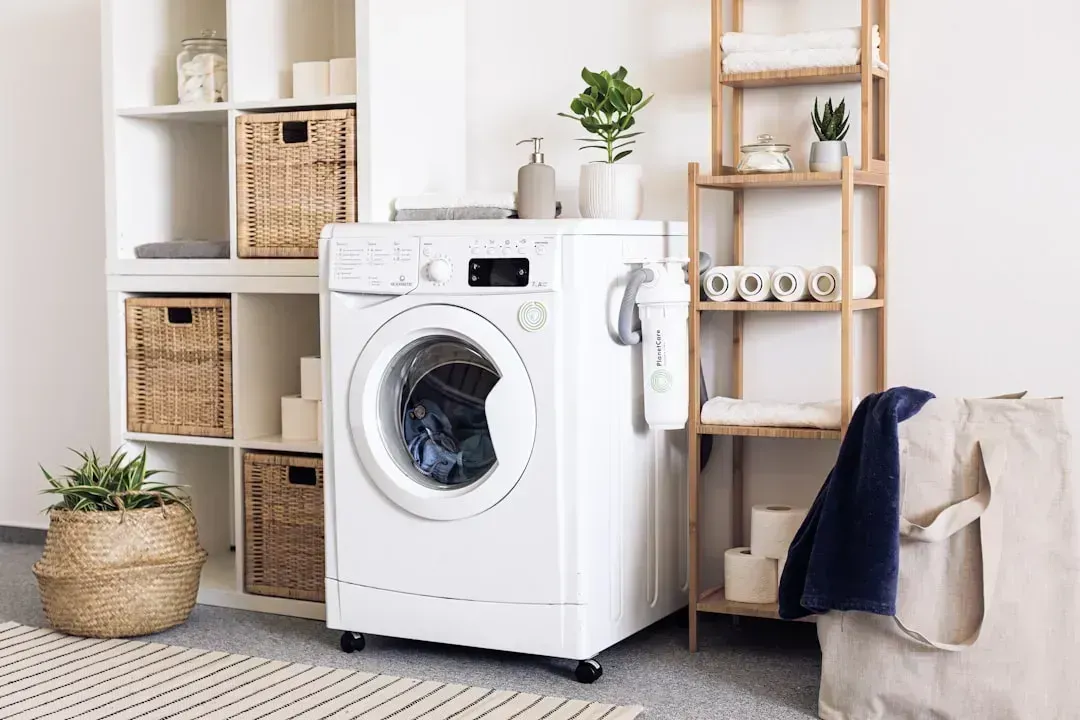
Every time you do laundry, you increase your carbon footprint. Beyond using water, running the machine requires electrical energy, especially on warm water cycles. The wastewater from the machine also carries detergent residue and microplastics into the water system, where they pollute water sources.
Many detergents and fabric softeners carry a hidden environmental cost. Scented liquid detergents and dryer sheets often contain chemicals that emit volatile organic compounds, polluting indoor air and harming aquatic organisms once they wash down the drain. Using too much detergent releases excess chemicals into waterways, disrupting fragile ecosystems. The damage isn’t just energy-related – it reaches rivers and marine habitats downstream.
5. Flushing Medications Down the Toilet

Flushing old medications or disposing of them in the trash may seem like a practical shortcut, but it can contaminate water supplies and disrupt aquatic ecosystems. Rather than letting unused pills or liquids harm the environment, the better option is returning them to a pharmacy take-back program. If disposal in the trash is unavoidable, following local guidelines helps keep soil and waterways healthier.
Water treatment facilities were not designed to filter out pharmaceutical compounds, and traces of antibiotics, hormones, and pain medications have been detected in rivers, groundwater, and even drinking water supplies in multiple countries. The effects on fish populations and other aquatic organisms are an active area of scientific concern, with studies linking pharmaceutical residues to disrupted reproductive cycles in freshwater species.
6. Pouring Cooking Oil Down the Drain
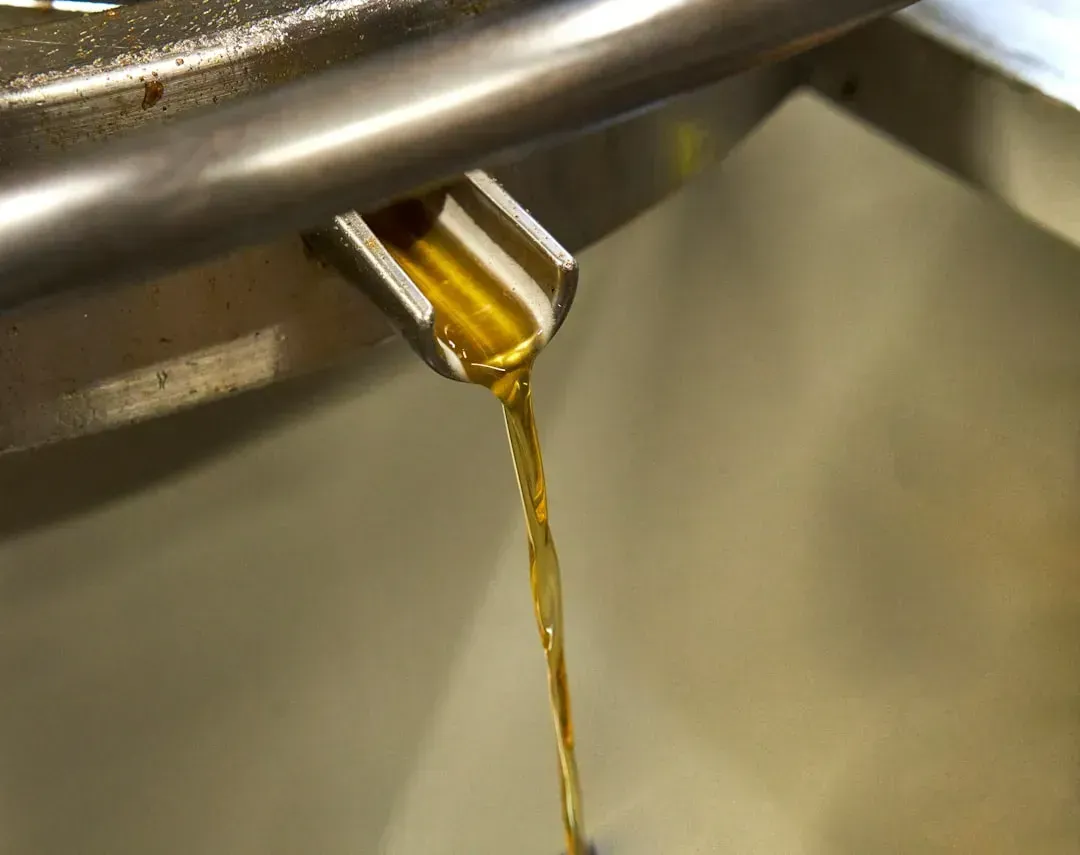
Pouring leftover cooking oil down the sink creates serious problems both inside your home and in the wider environment. As the oil cools, it forms blockages in pipes, and once it enters the sewer system, it can cause overflows that release hazardous chemicals and waste directly into natural waterways.
If a home has a septic tank, pouring oil down the drain is even riskier. Beyond the plumbing consequences, cooking oils that reach open waterways can coat aquatic surfaces and reduce oxygen availability for fish and other organisms. It’s the kind of pollution that rarely gets linked back to kitchen habits, yet it accumulates in local water systems steadily over time.
7. Excessive Use of Conventional Cleaning Products
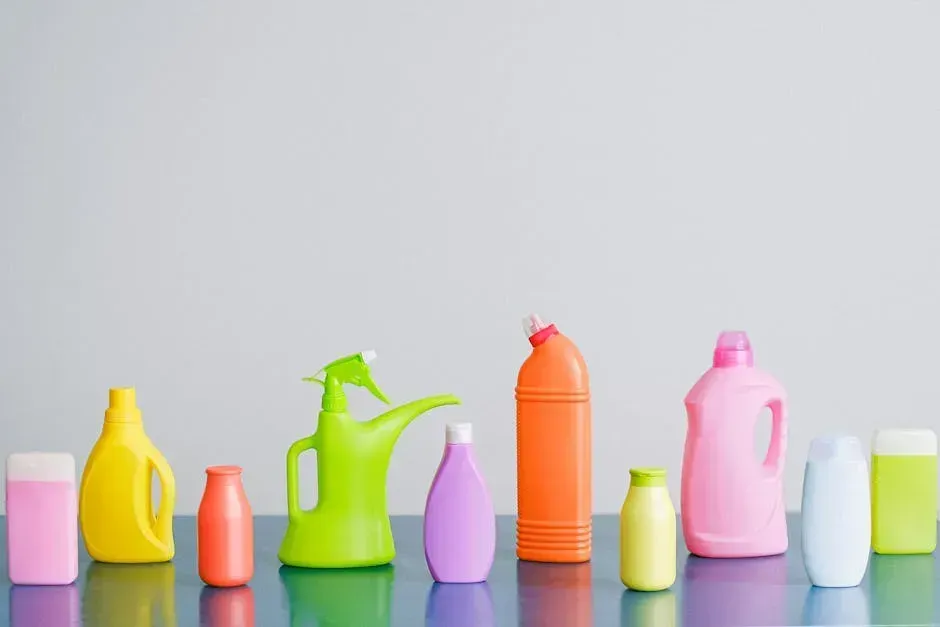
The average household purchases more than 60 plastic bottles of cleaning products annually, contributing to billions of cleaning product containers entering landfills each year. Traditional cleaning products contain volatile organic compounds that contribute to indoor air pollution and smog formation, with concentrations often several times higher indoors than outdoors.
Concentrated cleaning products and refillable systems can reduce packaging waste by up to roughly nine-tenths, yet they represent only a small fraction of the cleaning product market despite growing environmental awareness. Many conventional cleaners also contain phosphates and other chemicals that persist in waterways, contributing to algae blooms and dead zones in aquatic ecosystems. The environmental footprint of cleaning the home is considerably larger than the tidy results suggest.
8. Improper Disposal of Household Batteries
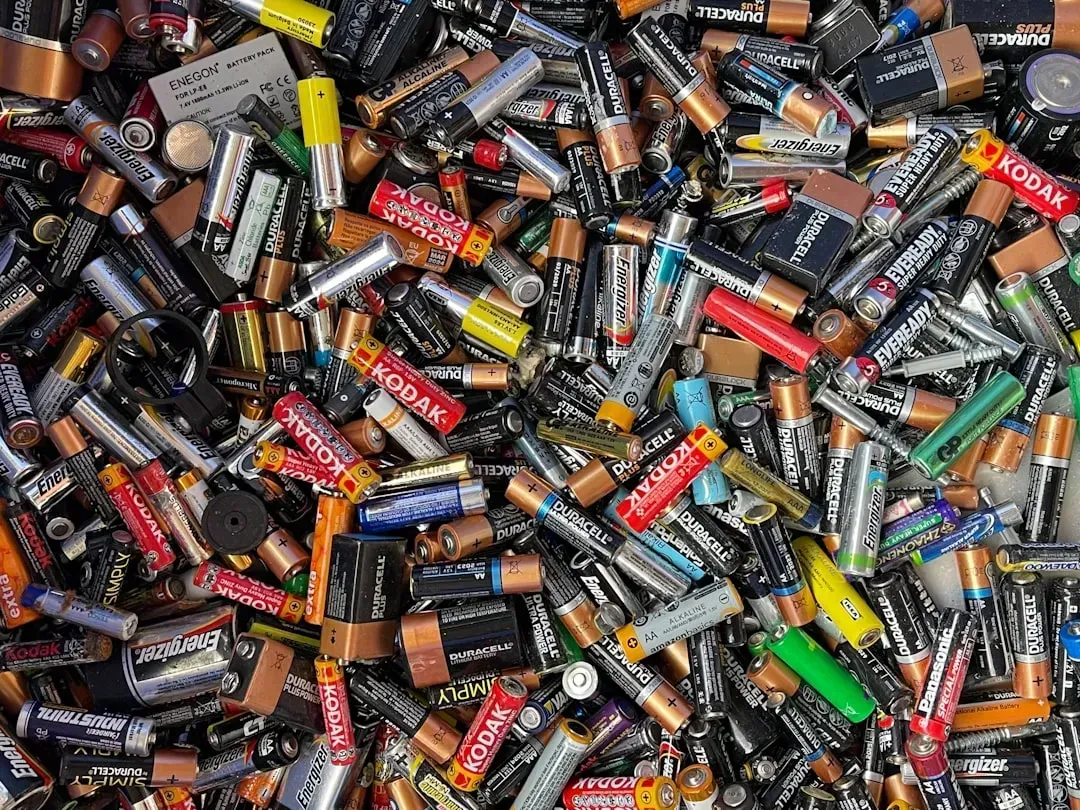
Household batteries contain mercury and other toxic chemicals, and when they are disposed of incorrectly, they cause direct damage to the environment. Unlike most toxins that only affect the directly exposed organism, chemicals in household batteries can accumulate within animals through a process called biomagnification, passing along the food chain and harming more and more species over time.
Recycling programs for household batteries exist in most cities, yet a significant share of used batteries still ends up in general household waste. Once in a landfill, the casing degrades and allows toxic metals to leach into surrounding soil and groundwater. The damage is slow, largely invisible, and extremely difficult to reverse once it has occurred in a local ecosystem.
9. High-Definition Streaming and Always-On Digital Devices

Digital video streaming now accounts for over one percent of global greenhouse gas emissions. The average American streams several hours of video content daily, generating dozens of kilograms of CO2 annually just from entertainment habits alone. Streaming movies, cloud storage, and perpetually updating apps seem entirely innocent, but everything online consumes power, and data centers use enormous amounts of electricity while producing significant emissions.
High-definition streaming uses roughly 30 times more data than standard definition, while 4K streaming quadruples that consumption – yet most users automatically default to the highest quality settings. Data centers powering streaming services consume around three percent of global electricity. The environmental impact also varies significantly by device, with streaming on large smart TVs consuming several times more energy than watching on laptops or tablets.
None of these nine habits require a dramatic lifestyle overhaul to address. The honest takeaway is simply this: the environmental cost of domestic life tends to hide in plain sight, in the routines that feel so familiar they never get questioned. Recognizing that is, in practical terms, already a meaningful step.