Horror has a way of staying with you long after the credits roll. Not just the jump scares or the gore, but the particular dread that settles in quietly, the feeling that something about the world is not quite right. It’s a genre that has been scaring audiences since the earliest days of cinema, and it shows no sign of slowing down.
Horror films dominated roughly one-sixth of the entire U.S. box office in 2025, up from about one in nine dollars the year before. The appetite for being frightened is, by any measure, at a historic high. So whether you’re a hardened fan or a cautious newcomer, these nine films represent the essentials – the ones that helped build the genre, reshape it, and occasionally terrify entire generations.
1. Nosferatu: A Symphony of Horror (1922)
Nosferatu is a 1922 silent German Expressionist vampire film directed by F. W. Murnau, and it remains one of the founding documents of horror cinema. It stars Max Schreck as Count Orlok, a vampire who preys on the wife of his estate agent and brings plague to their town, and the film is an unauthorized adaptation of Bram Stoker’s novel Dracula. Murnau shot on real locations in Wismar and the Carpathian Mountains, giving the film a raw, grounded quality that studio productions of the era simply couldn’t match.
Nosferatu was also the first film to show a vampire dying from exposure to sunlight. Previous vampire novels had shown them being uncomfortable with sunlight, but not mortally susceptible. Even with several details altered, Stoker’s widow sued over the copyright violation and a court ordered all copies destroyed. Several prints survived, however, and the film came to be regarded as an influential masterpiece of the horror genre. It barely escaped oblivion. That it survived at all feels like a kind of dark miracle.
2. Psycho (1960)
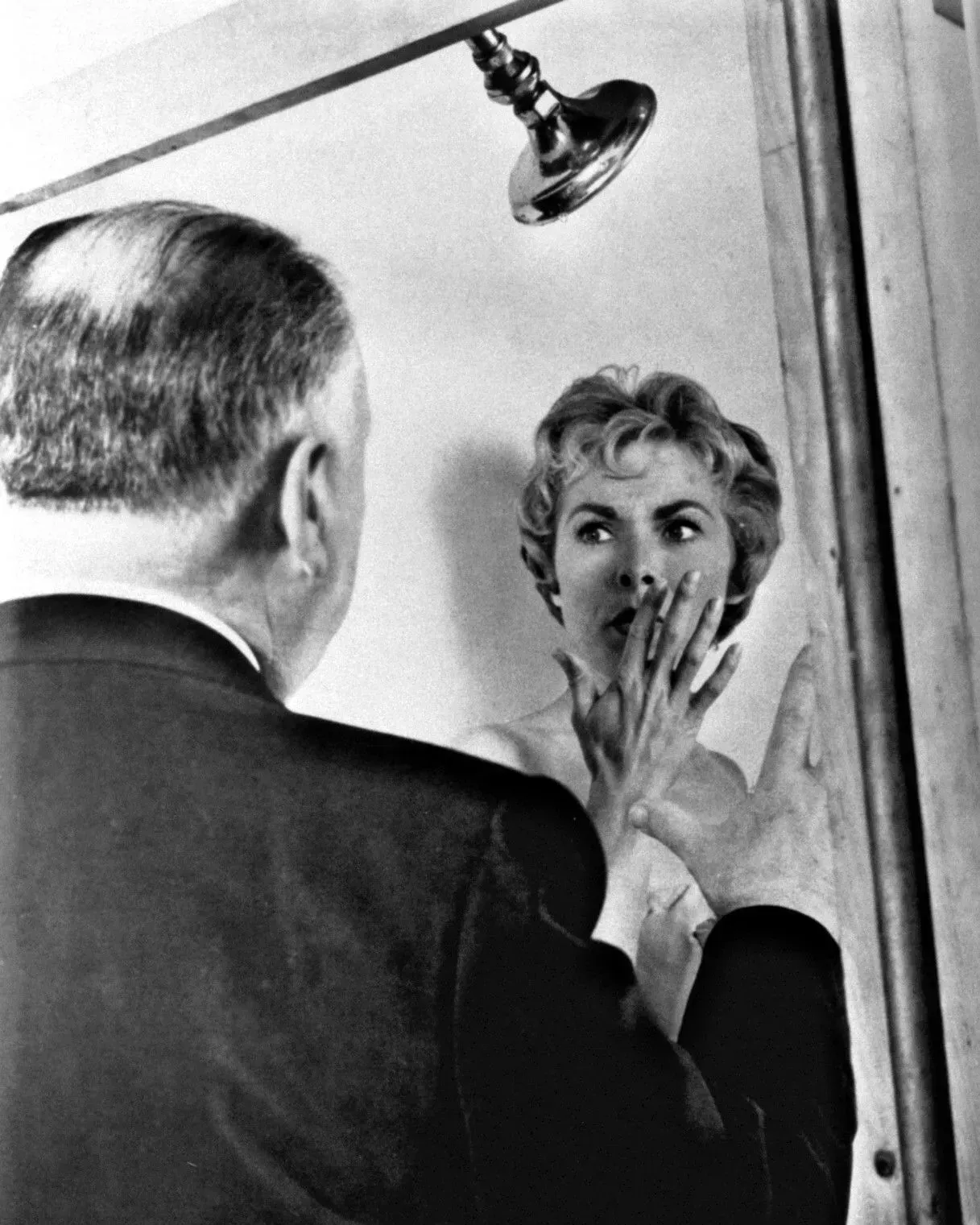
With Psycho, Alfred Hitchcock signaled a turn away from supernatural or sci-fi fears and toward the most disturbing recesses of the human mind. Hitchcock’s proto-slasher classic follows Marion Crane as she goes on the run after stealing money from her boss, ending up at a motel run by the unassuming Norman Bates and his domineering mother, leading to a shocking story of identity and murder with some of the most iconic sequences in film history.
When it comes to horror, few films better exemplify cinematic transformation more than Hitchcock’s groundbreaking proto-slasher masterpiece, widely hailed as one of the most influential horror movies ever made. This bold approach was outright revolutionary, as many films during this time were lighter and followed the still-enforced Hays Code, and Psycho dared to break all that, telling a darker, terrifying tale that was more risqué and violent than anything up to that point. What it invented, we’re still watching variations of today.
3. The Exorcist (1973)
Though it was initially received with mixed reviews, The Exorcist was a massive commercial success, bringing in $428 million in its box-office run, and it earned ten Academy Award nominations, including for best picture and best director. The cultural conversation around the film helped it become the first horror film to be nominated for the Academy Award for Best Picture. Its reach went well beyond any typical genre film of that era.
Before 1973, works of horror in the United States tended to focus on ghosts, vampires, or werewolves. Demonic possession had all but disappeared from folklore-derived fiction and film by the twentieth century. The Exorcist changed that, adding demonic figures to the stock company of American horror and establishing them as a staple of the genre. In 2010, the Library of Congress selected the film for preservation in the United States National Film Registry as being culturally, historically, or aesthetically significant.
4. The Shining (1980)
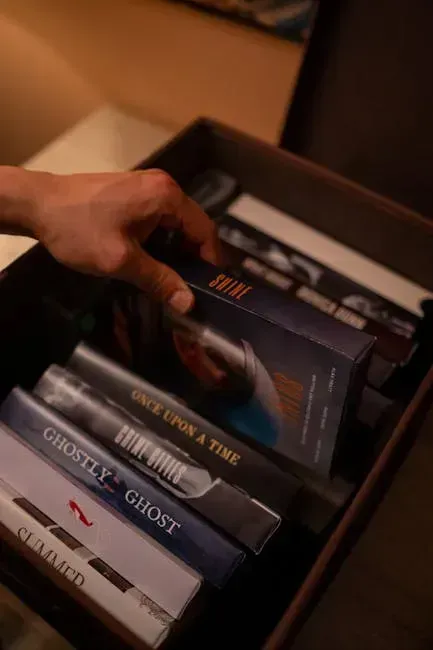
For psychological terror, The Shining stands as the defining recommendation in the genre. Stanley Kubrick adapted Stephen King’s novel with a cold, meticulous detachment that made the isolation of the Overlook Hotel feel genuinely suffocating. Jack Nicholson’s descent into madness remains one of the most studied and debated performances in American cinema. One of the best aspects of The Shining is the fact that it can be watched many times and there will always be something new to notice, ranging from obvious qualities like the use of lingering long shots to far more subtle details like Nicholson’s many fourth-wall-breaking glances at the camera.
The film adaptation of The Shining made way for films like Poltergeist, The Thing, the Halloween franchise, The Blair Witch Project, and even the genre parody Scream. Its influence on the architectural and psychological language of horror is enormous. Few films have made a hotel feel so alive, so wrong, and so impossible to leave.
5. A Nightmare on Elm Street (1984)
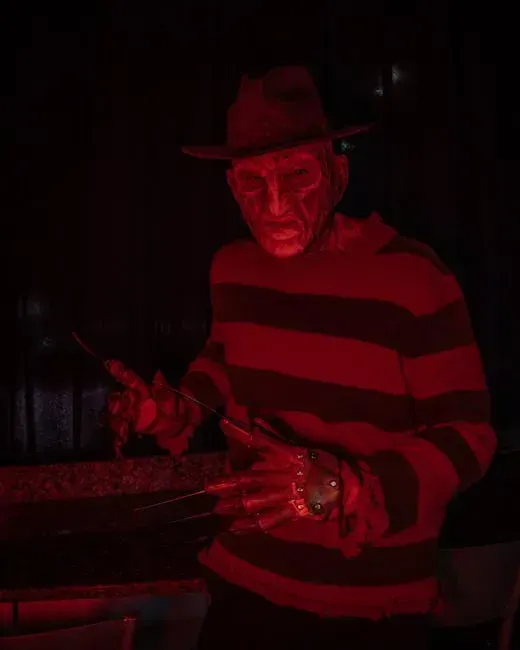
A Nightmare on Elm Street rolled into theaters in 1984 and instantly became a pop-cultural phenomenon, a major hit with critics and audiences that turned its sinister killer, Freddy Krueger, into one of the greatest characters in cinema. Wes Craven’s central idea, that sleep itself could become the site of your death, is one of the most genuinely original premises in the history of the genre. The film holds up entirely because of the performances of Heather Langenkamp as Nancy and Robert Englund as Freddy, the duo locked in an eternal battle so compelling that Craven ultimately wrote a meta sequel for them to star in as themselves.
Four Elm Street sequels were made in the 1980s, and Freddy became so culturally ubiquitous he starred in talk shows, music videos, and Halloween specials. That level of cultural penetration is almost unheard of for a villain born in a low-budget horror film. Craven found a way to make fear feel personal, dreamlike, and utterly inescapable, and audiences have never quite forgiven him for it.
6. The Silence of the Lambs (1991)

Few horror films have crossed into the kind of mainstream prestige that The Silence of the Lambs achieved. It won five major Academy Awards, including Best Picture, Best Director, Best Actor, Best Actress, and Best Adapted Screenplay, making it one of only three films in history to achieve that sweep. It sits among a rare group of Best Picture nominees within the horror genre. Anthony Hopkins’ Hannibal Lecter became one of cinema’s most iconic villains despite appearing on screen for fewer than twenty minutes.
The film works because it never lets you settle. Director Jonathan Demme keeps the camera fixed on faces in a way that feels intimate and deeply unsettling. The horror here isn’t supernatural at all. It is entirely human, which makes it harder to dismiss when the lights come back on. Its influence on the psychological thriller and procedural crime genres stretches straight into the present day.
7. Hereditary (2018)
In this hit Ari Aster film, after the matriarch of the Graham family dies, the clan begins to discover what sinister secrets she was hiding and passed down. If you were to track your heart rate while watching the eerie story unfold, it would beat faster than ever before as the mind-boggling climax approaches. Hereditary works partly because it disguises itself as a grief film for most of its running time, lulling you into emotional investment before the bottom drops out completely.
Toni Collette’s stellar and emotionally devastating performance in Ari Aster’s Hereditary remains one of the most notable Oscar snubs in the Academy’s treatment of the horror genre. The film announced Aster as a filmmaker of unusual ambition and patience, willing to sit in grief and discomfort for long stretches before unleashing something genuinely monstrous. It’s the kind of horror that earns its scares through character, not shortcuts.
8. Get Out (2017)

Jordan Peele rose as a new voice in horror with Get Out, a film that tops Rotten Tomatoes’ best horror movie lists, and while scary, the film is also smart and provides sociopolitical commentary. Get Out is one of the horror films that The Exorcist helped pave the way for, elevating horror into respectable storytelling and legitimizing the genre in the eyes of awards bodies. It earned Peele a Best Original Screenplay Oscar win, making him only the fifth person of African descent to win in that category.
What makes Get Out so durable is that its horror is grounded in something real. The terror isn’t metaphorical or atmospheric – it’s social, specific, and disturbingly plausible. The 2017 horror season was a landmark year overall, with Stephen King’s It ranking as the highest-grossing horror movie of all time. Get Out, released that same year, proved that genuine ideas and formal craft could coexist with wide commercial appeal in the genre. It remains one of the sharpest debut films in modern American cinema.
9. Midsommar (2019)
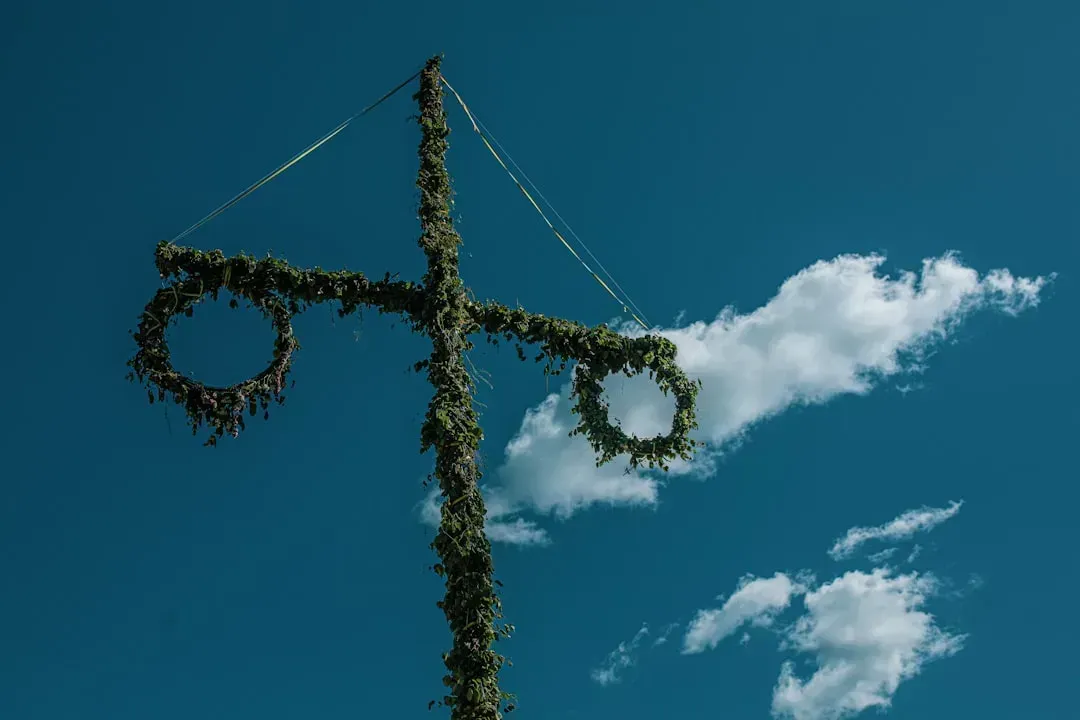
Midsommar is a cult classic that functions as a surprisingly funny tale of ugly American hubris, an oddly affirming feminist break-up story, and a meandering examination of the collision of modern culture and ancient traditions, with Florence Pugh delivering a career-defining performance steeped in grief, confusion, heartbreak, rage, and hope. All the while, horror looms in broad daylight, rearing its head not to jolt the audience, but to push the deranged fairy tale toward its fiery conclusion.
Ari Aster’s follow-up to Hereditary is a strange and deeply patient film. It strips away darkness entirely, setting its horrors under Swedish midsummer sunshine, which only makes everything worse. Auteur-driven horror films that blend artistic ambition with commercial viability, earning strong critical praise, have become the defining template for the genre’s recent success. Midsommar fits that description perfectly. It’s uncomfortable in the way that great art occasionally must be, and it refuses to resolve itself cleanly – which is precisely why it lingers.
Horror, more than any other genre, tends to find you at exactly the right moment. A film that does nothing for you at twenty might undo you completely at thirty. These nine films span over a century of cinema, from the fog-drenched streets of 1922 Wismar to sun-drenched Swedish meadows filled with flowers and dread. Together they map not just the history of horror, but the full range of what fear can look and feel like when filmmakers take it seriously.