
Something has shifted in how Americans think about home. Location decisions that were once driven almost entirely by jobs, schools, and cost of living now carry an extra weight: what will this place look like in twenty years? In 2024 alone, the U.S. experienced 27 separate weather and climate disasters causing at least $1 billion in damages. That kind of relentless drumbeat tends to move people – sometimes literally.
The search for climate-safe places to live has become a necessity rather than a choice. Recent studies show that climate change is driving roughly 30% of Americans to consider relocating. For those carrying genuine climate anxiety, the question isn’t whether to think about this – it’s where to start. The ten locations below represent some of the most defensible answers researchers and risk analysts have found so far.
1. Burlington, Vermont – The Renewable Energy Trailblazer
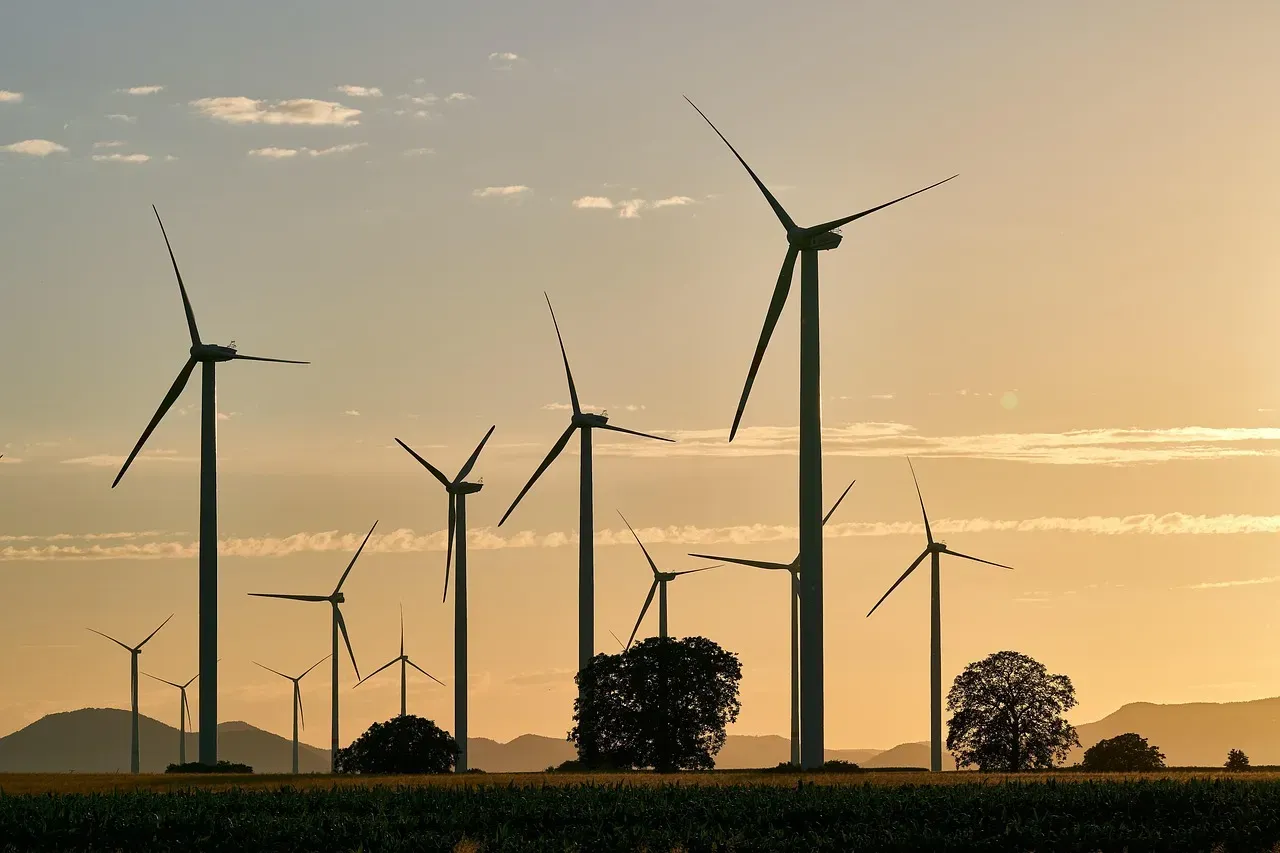
Vermont is the best state for climate change thanks to its climate profile that largely avoids extremes. Since 1953, it has only experienced 45 federally declared natural disasters and is rated the least vulnerable state for climate risk. Burlington sits at the heart of that resilience story. Burlington runs entirely on renewable electricity and sits along Lake Champlain, ensuring reliable water access and a moderate climate. The city’s strong civic culture, energy efficiency programs, and focus on local food resilience make it one of America’s most sustainable small cities.
Vermont climate change policies emphasize flood-resistant building codes, and communities across the state are investing in renewable energy infrastructure and land conservation. Burlington was one of the first U.S. cities to run entirely on renewable electricity, while Montpelier’s Net Zero Energy initiative continues to make energy-efficient home upgrades more accessible. Homeowner insurance costs in Vermont average just $1,263 annually – well below the national norm – making it a rare case where climate safety and affordability reinforce each other. Vermont has also released its inaugural Resilience Implementation Strategy, a specific, measurable, and prioritized roadmap to resilience, the culmination of a 2024 gubernatorial initiative.
2. Minneapolis, Minnesota – Inland, Air-Clean, and Quietly Prepared

Minneapolis has good air quality, with just one high ozone day per year on average and a very low daily particle pollution level. Severe weather events have been relatively limited in Minnesota, and the city sits far from the coast, meaning it is not meaningfully affected by rising sea levels. These are quiet advantages that compound over time. Minnesota has one of the lowest climate risk scores and fewest instances of natural disasters among U.S. states, and while severe winter storms still pose a risk, the state is well-equipped to manage them with long-standing infrastructure and response systems.
This readiness extends beyond prepping for harsh winters to prepare Minnesota’s communities, businesses, infrastructure, and natural environment for climate change resilience goals and adaptation. Housing in Minnesota remains relatively affordable compared to other climate-resilient areas. For anyone weighing the trade-offs, Minneapolis offers real city infrastructure – arts, universities, healthcare, a serious food scene – without the vulnerability profile of coastal metros.
3. Seattle, Washington – Pacific Northwest’s Climate Crown
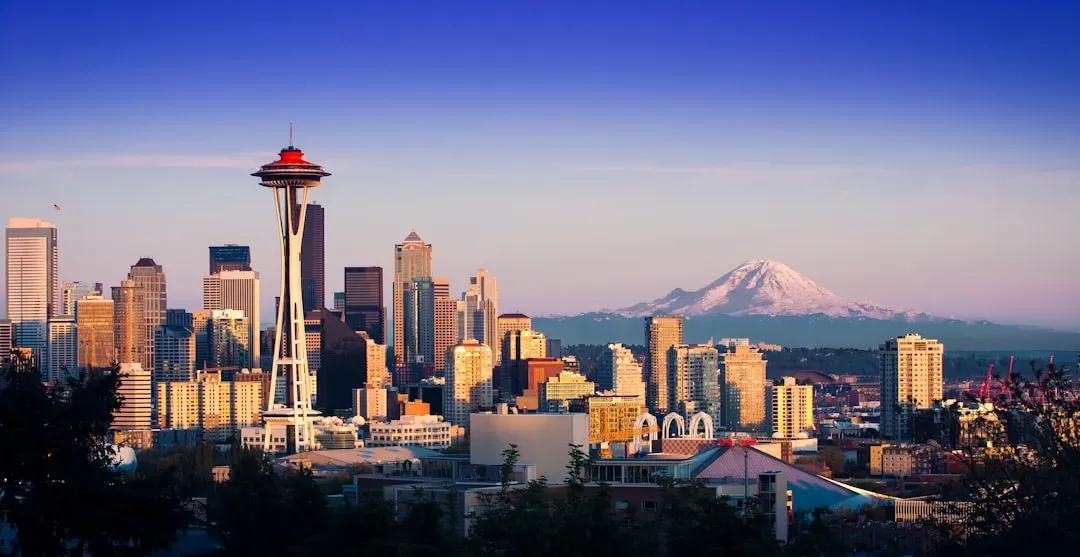
Seattle generally exemplifies Pacific Northwest cities for scoring well as the top place to live with climate change. It benefits from relatively low heat, drought, and flood risk scores, reducing the need to buy flood insurance. Even better, it has one of the lowest fire risk scores among major American cities. That combination is rare. Cities in the Pacific Northwest occupy the top three spots in leading climate resilience rankings. Unlike the East Coast, which is vulnerable to tropical storms, the West Coast is home to many of the most climate-resilient cities.
The level of risk posed to vulnerable social groups is also comparatively low in Seattle. Washington state has set bold long-term emissions targets, and Seattle’s urban planning increasingly prioritizes climate adaptation. The trade-off is well-known: housing costs here are among the highest in the country. Still, for those who can manage it, Seattle’s risk profile is genuinely difficult to match in a city of its size and economic vitality.
4. Portland, Oregon – Sustainability Built Into the Streets

Excellent climate risk scores across the board make Portland one of the best places to live with climate change. Oregon has a state climate action plan in place, and like Seattle, Portland benefits from lower risks of drought, fire, or heat due to climate change, potentially saving residents money on hazard insurance. Portland’s moderate climate, public transit network, and sustainability-first planning make it a global model for resilient urban living.
The Portland metro area is one of the lowest-risk cities in the United States for natural disasters. Portland and surrounding cities like Vancouver, Washington and Hillsboro, Oregon scored high on CoreLogic’s ZIP code safety rankings. Flooding is the city’s primary natural disaster concern, and it’s something local planners are actively working to address. The broader point is that Portland combines livability, progressive environmental governance, and a genuinely favorable risk profile into one package.
5. Rochester, New York – Affordable and Overlooked
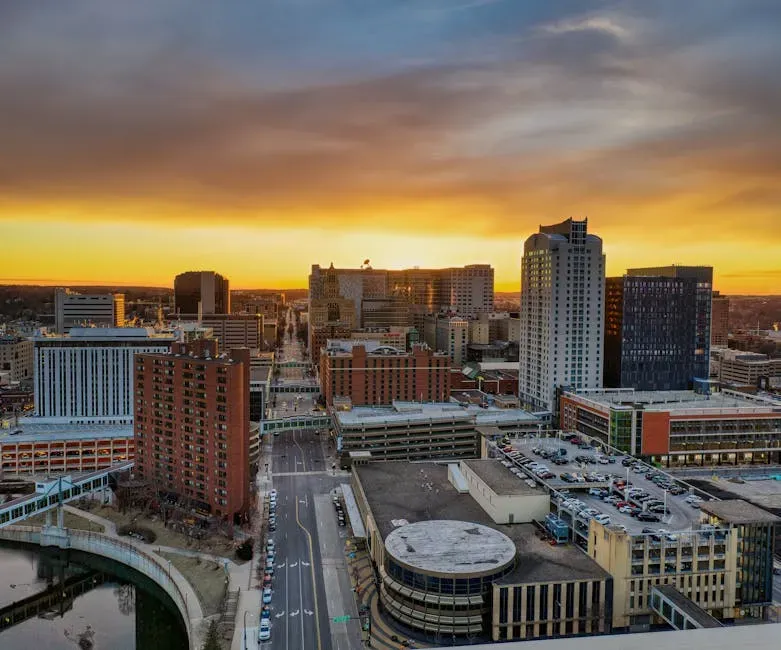
Rochester stands out as a climate-safe haven in the Great Lakes region. Lake Ontario helps shield the city from extreme weather, making it one of the best places to live amid climate change. Rochester’s Climate Change Resilience Plan looks ahead to tackle weather changes over the next 50 years. What makes Rochester particularly notable is the cost factor. Rochester’s homes average just $215,000. This wide gap with coastal cities shows that climate-safe locations don’t need to be expensive.
The city aims to cut greenhouse gas emissions by 40% from 2010 levels by 2030 through its Climate Action Plan. Tornadoes, hurricanes, wildfires, and serious earthquakes are all largely absent from Rochester’s threat profile. Some flooding from heavy rains is a known issue, but the city’s planning apparatus is oriented toward managing it. For families priced out of coastal climate havens, Rochester keeps reappearing at the top of affordable alternatives.
6. Pittsburgh, Pennsylvania – Low Disaster Risk, High Resilience Investment

Pittsburgh is the lowest-risk major city according to FEMA’s Risk Index, with only very low and relatively low risks across the metro area. It sits well inland, away from hurricanes, coastal flooding, and earthquake zones. Pittsburgh’s Climate Action Plan 3.0 lays out strategies through which the city can reduce greenhouse gas emissions within city limits and within city operations, directly addressing its contribution to global climate change.
Allegheny County’s Building Electrification Incentive, launched in 2024, provides up to $5,000 for commercial heat pump installations, supplementing federal IRA credits. Flooding remains the city’s most meaningful climate vulnerability, particularly after heavy rainfall events. Still, Pittsburgh’s natural disaster profile is among the most benign of any comparably sized American city, and the combination of affordability, universities, and a growing tech sector has attracted serious climate-aware migrants in recent years.
7. Milwaukee, Wisconsin – Great Lakes Water Security and Low Vulnerability
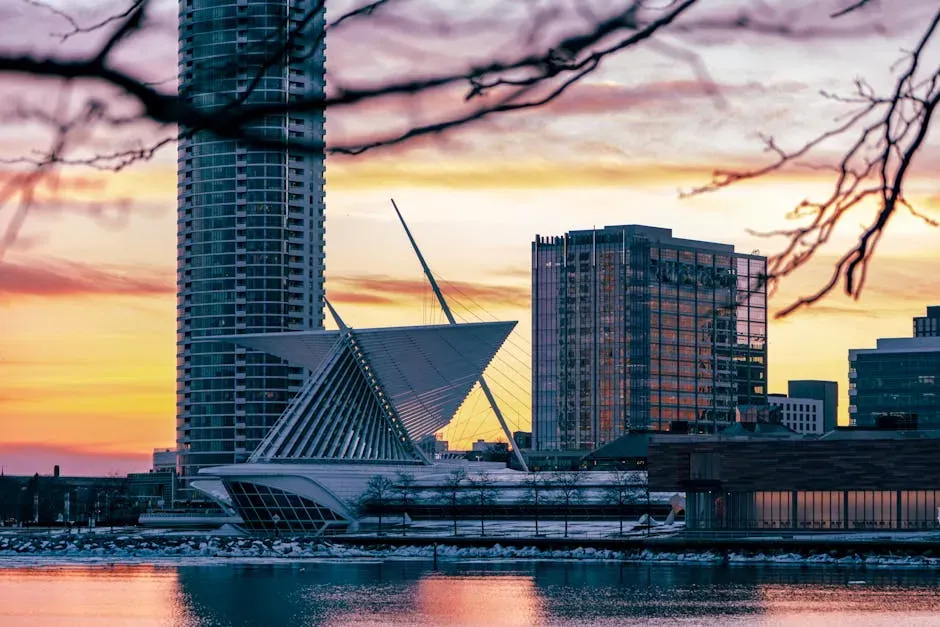
Milwaukee has one of the lowest overall climate vulnerability scores in the U.S., along with notably low homeowners insurance costs. While there is a moderate chance of excessive precipitation and flooding, other category risks like storms, wildfire, and drought are quite low. Access to the Great Lakes is a significant long-term asset. The Northeast and Great Lakes region is one of the safest long-term regions in North America for climate adaptation. Abundant freshwater from the Great Lakes and rivers, moderate seasonal weather, and proactive state policies make it ideal for sustainable living.
Wisconsin’s winters are real, but cold is increasingly viewed as a manageable challenge in a warming world rather than a liability. Buffered by the Great Lakes and far from coasts and fault lines, the region faces fewer severe hurricanes and major earthquakes; wildfires are uncommon, and abundant fresh water supports long-term resilience. Milwaukee also offers genuine affordability – a combination that climate researchers consistently flag as undervalued in migration conversations.
8. Syracuse, New York – Upstate Stability With Freshwater Abundance
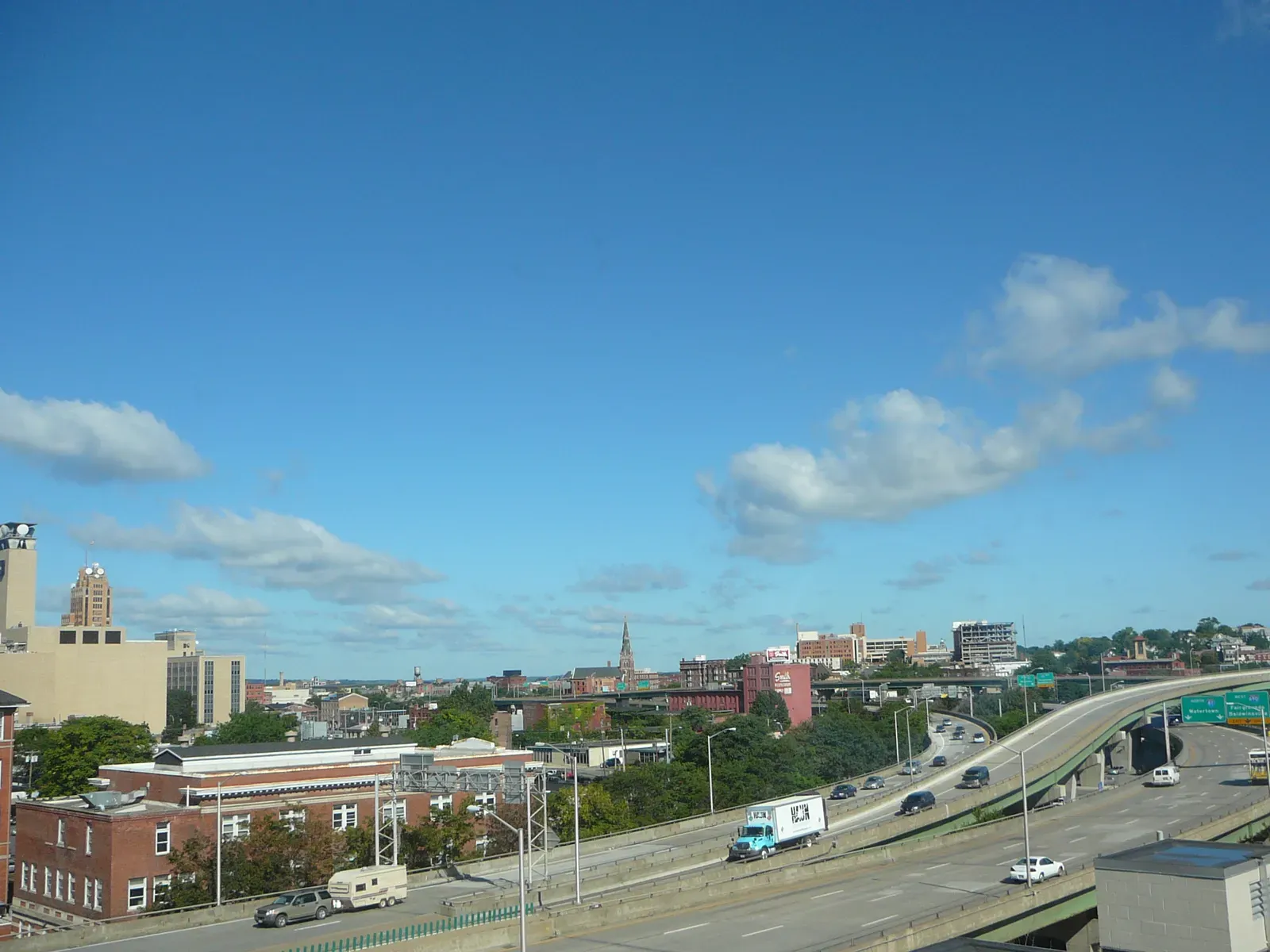
Syracuse ranks among the safest cities to avoid natural disasters in the U.S., as upstate New York rarely experiences disastrous tornadoes, hurricanes, earthquakes, or wildfires. Its inland position, elevation, and proximity to the Great Lakes watershed all contribute to a lower-risk profile that holds up across multiple ranking systems. Based on current data and forecasts, places in the inland North, the Great Lakes regions, and some northeastern cities tend to have lower risk of exposure to many of the worst consequences of natural disasters. Cities like Syracuse are specifically identified as lower climate disaster risk locations.
The city has the added benefit of being near some of the most abundant freshwater reserves in North America – a resource that analysts increasingly treat as a strategic long-term asset as the Southwest continues to dry out. Housing costs remain well below those in coastal cities, and the broader Central New York region is quietly attracting climate-aware arrivals who want affordability without abandoning northeast infrastructure and culture.
9. Columbus, Ohio – The Midwest’s Underrated Climate Anchor
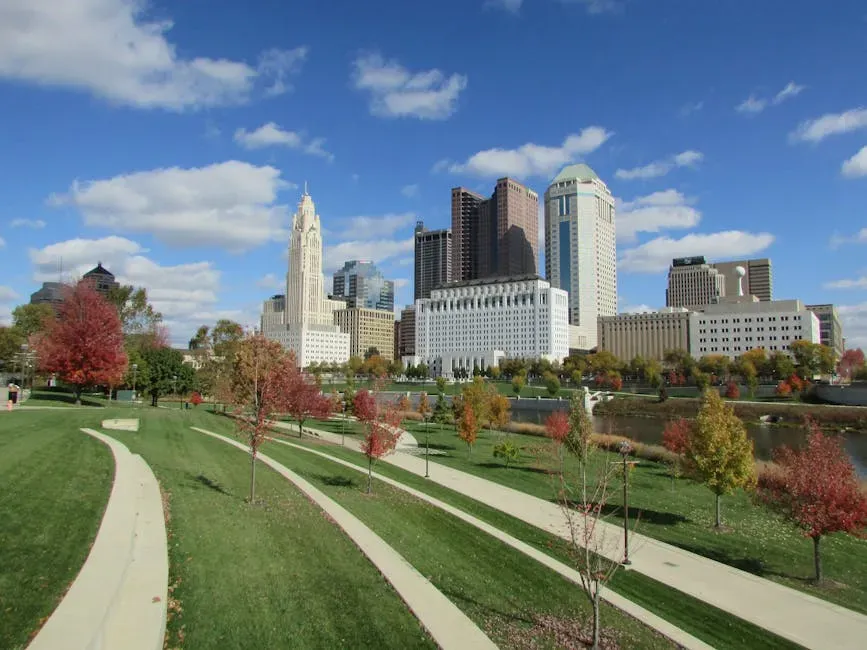
In a 2024 Realtor.com ranking, six of the ten safest cities in the United States for natural disaster risk were in Ohio. Those cities included major Ohio metros like Columbus, Akron, Cleveland, Cincinnati, Dayton, and Toledo, with roughly 82 to 91% of homes in the lowest risk category for natural disasters. Ohio has a relatively mild climate without the extreme heat, wind, flood, or wildfire risk seen in other parts of the country.
Columbus specifically benefits from being one of the most economically dynamic cities in that Ohio cluster – growing job market, a major research university, and increasingly robust public transit investment. Climate resilience researchers consistently place Columbus among areas identified as lower-risk from climate disasters. The city sits well above sea level, well away from the Gulf Coast hurricane track, and has none of California’s wildfire exposure. It’s an increasingly serious option for anyone whose climate anxiety is matched by practical relocation priorities.
10. Denver, Colorado – High-Altitude Resilience With Policy Backing
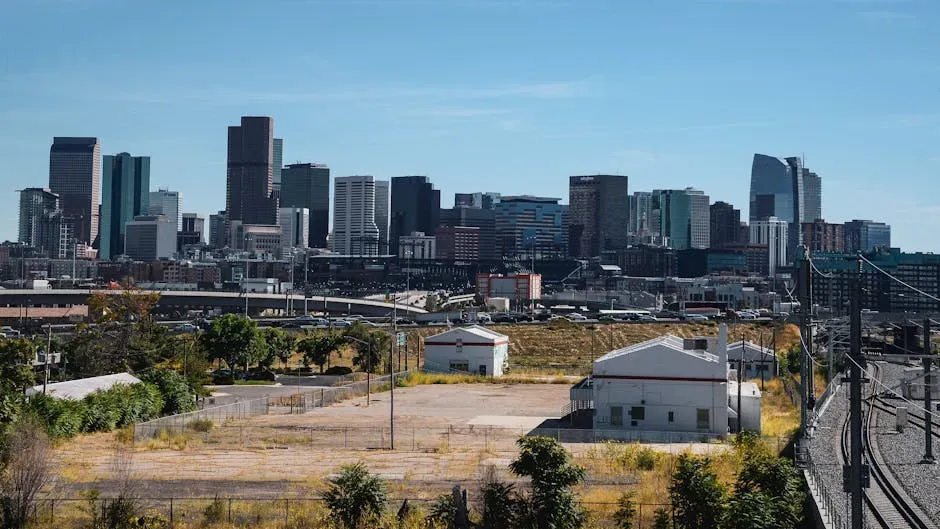
Denver rounds out leading lists of the best places to live with climate change. It shares strong climate resilience characteristics, and Colorado maintains one of the best climate change extreme indexes in the nation. Denver also records very low climate-induced fire risk and precipitation scores. The city’s elevation provides natural insulation from some of the heat extremes hitting lower-altitude parts of the Southwest. Boulder, just outside Denver, is naturally protected from issues related to rising sea levels, hurricanes, and major floods thanks to its high-altitude inland location. Earthquakes are uncommon, and while wildfires can be a general concern in Colorado, proactive mitigation strategies are in place.
Colorado stays on top of its climate action plan, while the state has the best climate change extreme index in the country. Denver sports very low climate-induced fire risk and precipitation scores. Wildfire risk in the broader Colorado region deserves honest acknowledgment – it is real, and it is increasing. Denver the city, however, sits at enough distance from the most exposed terrain to remain relatively well-positioned. For those who want western living without the coastal exposure of California, Denver remains a defensible long-term choice backed by solid state-level climate policy.
What All Ten Have in Common
A climate haven is a city or region projected to experience fewer and less severe impacts from climate change compared to other parts of the country. These locations combine favorable geography, stable weather patterns, and strong social and economic systems to offer relative safety, livability, and long-term resilience. While no place is entirely immune to climate disruption, climate havens are expected to remain habitable, resource-secure, and economically viable even as conditions intensify elsewhere.
Researchers have estimated that up to 50 million Americans could eventually move within the country to regions such as New England or the Upper Midwest in search of a haven from severe climate impacts. Every location on this list earns its place through geography, policy, or both – not through perfection. Many families are not chasing a “perfect” climate; they are avoiding one or two hazards that keep disrupting life. That’s a grounded way to think about this. The places above offer meaningful reductions in the specific risks that fuel the most anxiety: wildfire smoke, hurricane paths, extreme coastal flooding, and unchecked heat. Sometimes, that’s exactly enough.