
1. Your Social Security Card
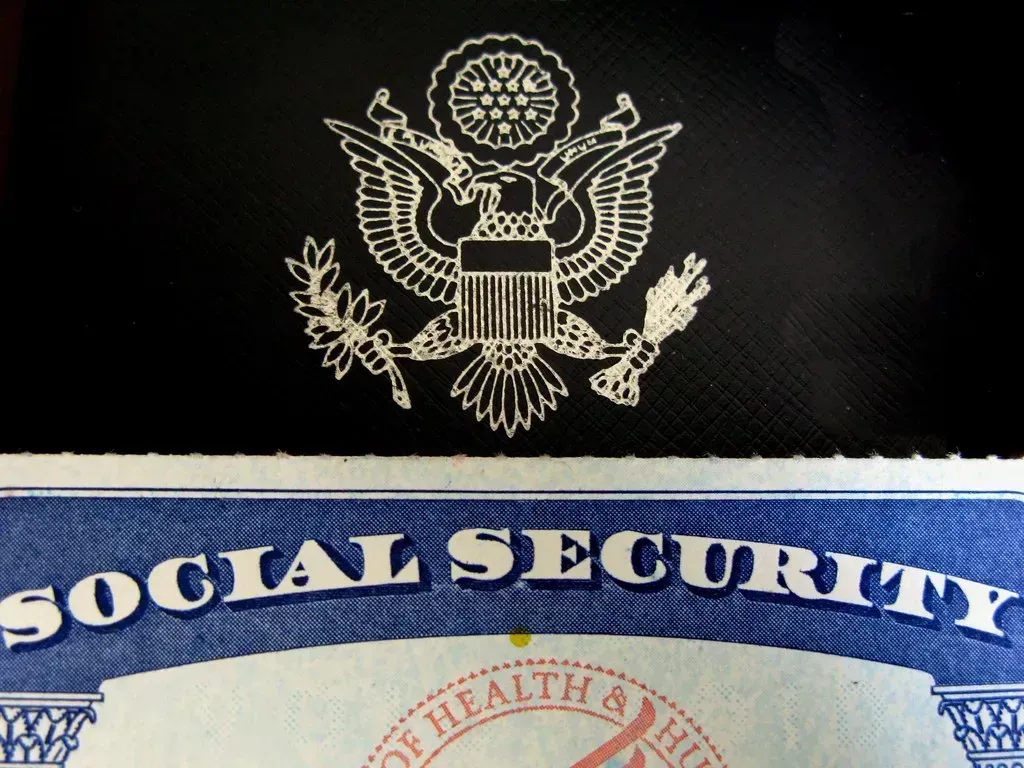
Your Social Security number is the holy grail for identity thieves. It’s the key that unlocks access to your entire financial life. Once a thief has it, the damage can spiral fast and take years to undo.
They can open credit accounts, file false tax returns, and even get medical treatment in your name. You should never carry this card daily; memorize the number instead. Keep the physical card in a fireproof safe because the risk is simply too high.
2. Your Medicare Card
Your Medicare card is a valuable document containing personal information. Unless you’re heading to a medical appointment, there’s no reason for it to be in your wallet daily. Keep it securely at home, and only carry it when needed for health care purposes. Your Medicare card isn’t just a health card; it’s also a portal to your medical history, and keeping it secure protects your personal health information.
Losing a Medicare card could still have detrimental consequences, including someone fraudulently using your Medicare benefits if they were to get ahold of your card. In the wrong hands, your Medicare number may be used for a variety of scams, including filing for false claims and reimbursement.
3. Your Birth Certificate
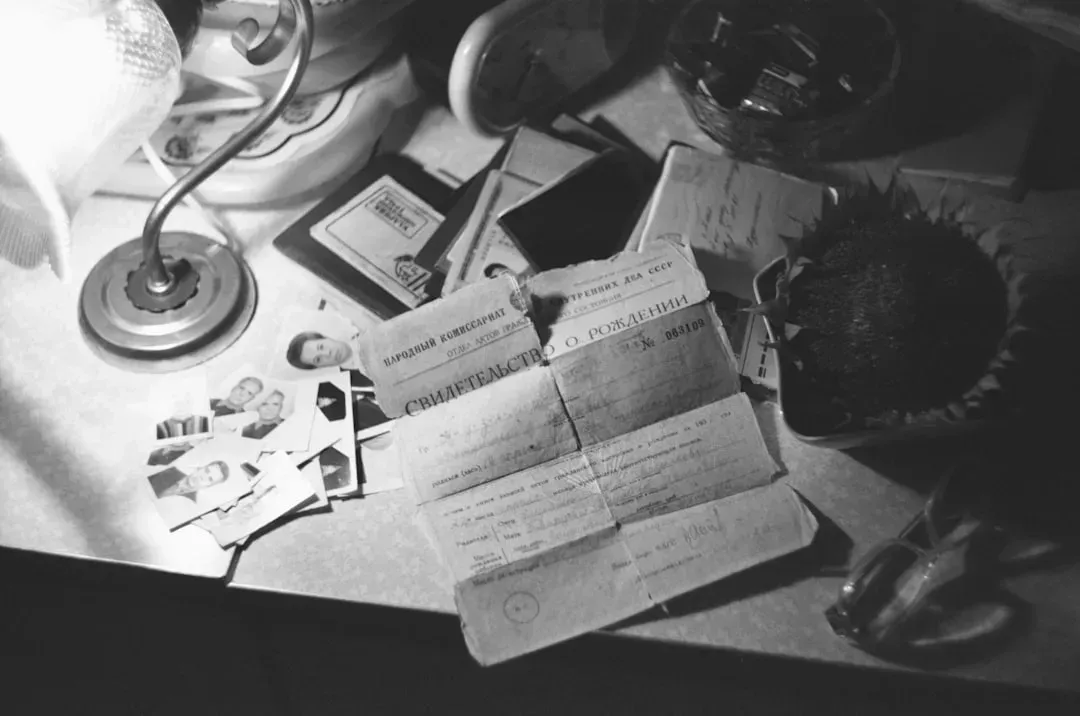
A birth certificate is an essential piece of paper that contains enough information for a criminal to create fake accounts in your name, and access your own accounts. It’s one of the most overlooked dangers quietly sitting in a wallet.
Your birth certificate is a vital record that should be stored securely at home. Its presence in your wallet exposes it to unnecessary wear and tear, and in case of loss or theft, it opens avenues for identity theft. Use a secure storage option at home for such essential documents.
4. Your Passport or Passport Card
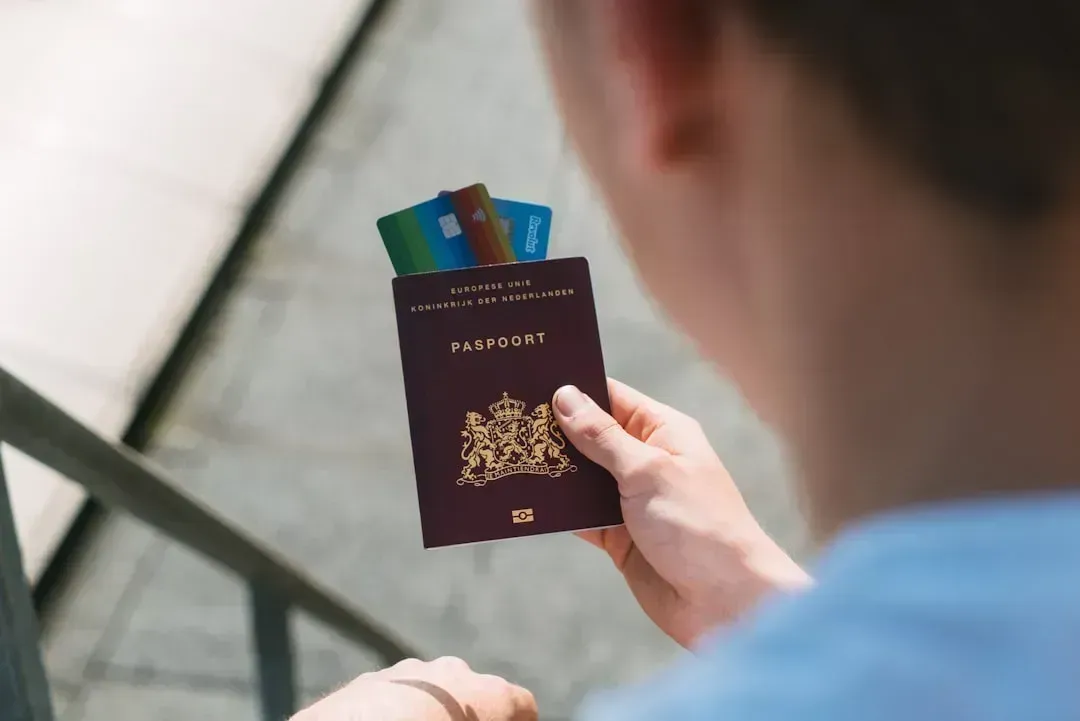
A passport or passport card, like any government-issued photo ID, can be a weapon used against your finances if it falls into the wrong hands. It could be used to travel in your name, get a new copy of your Social Security card, or open bank accounts.
Passports are for international travel only, not for daily ID purposes. Losing one creates a bureaucratic nightmare since identity theft risk increases significantly. Additionally, replacing it takes weeks or months. Use your driver’s license instead and keep your passport in a safe.
5. A Written List of Passwords or PINs
Scraps of paper with sensitive information such as PINs and passwords are inherently risky. Carrying the PIN that goes with a debit card or even a credit card is downright foolhardy. It essentially hands a thief two pieces of the puzzle at once.
We all have too many passwords to remember, so writing them down seems logical. However, putting them in your wallet is dangerous because a thief gets your cards and codes together. As a result, they can drain accounts in minutes or lock you out of your email. Use a secure password manager app instead.
6. Blank Checks or Your Entire Checkbook
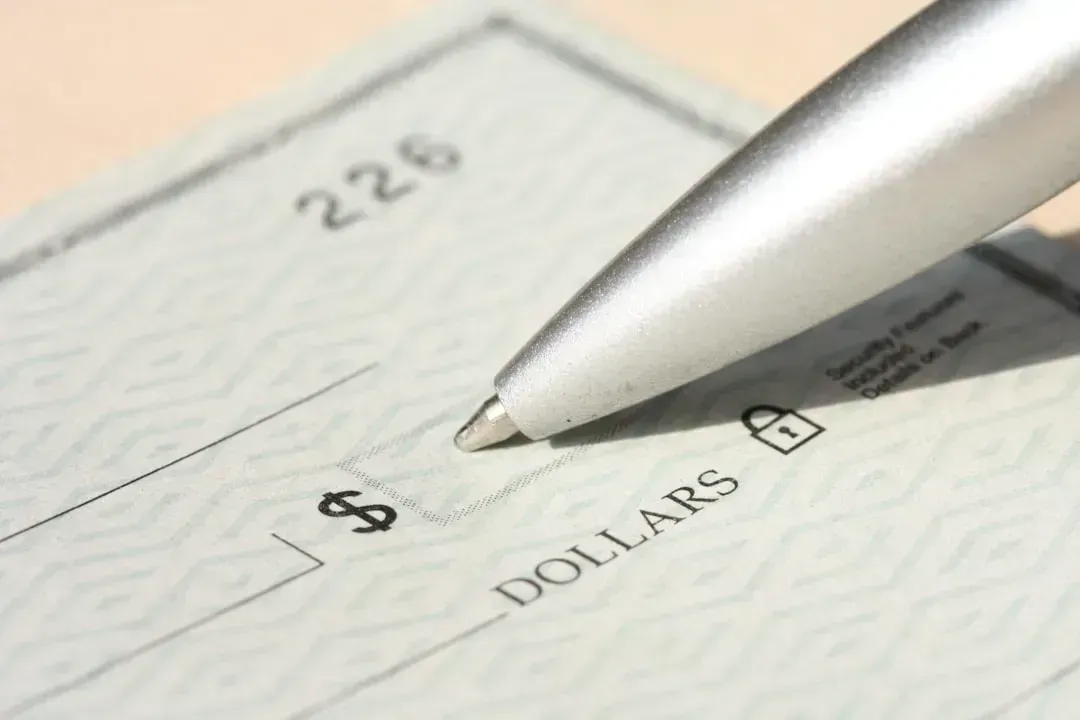
Criminals can do a lot more with a blank check than you might think. They can easily counterfeit the checks in order to tap into your checking account. They can also use the bank account and routing numbers on the check to withdraw money electronically, which is faster and harder to track.
To pile on, that blank check will also likely have your home address and maybe telephone number, and some people have even added their Social Security numbers. The smarter move is to carry only one or two checks when you know you will need them, leaving the rest safely at home.
7. Multiple Credit Cards
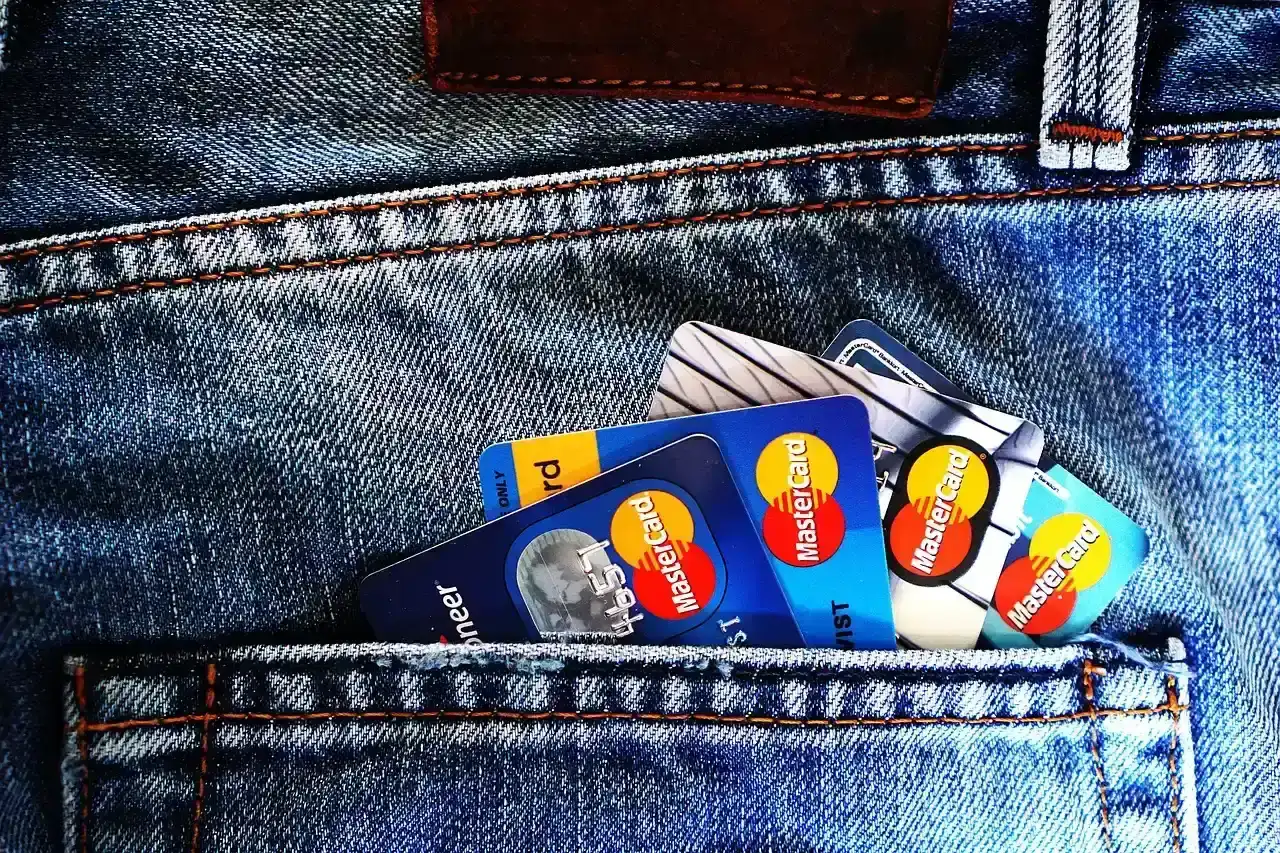
Most wallets hold far more cards than necessary. Carrying a stack of credit cards isn’t just uncomfortable – it multiplies your exposure dramatically if that wallet goes missing. If your wallet is stolen and you have eight credit cards in it, that means you will have to cancel eight credit cards, dispute with eight different card companies if fraud does occur, as well as reset any autopay you had for those cards. The more cards you carry, the more opportunities you are giving a thief to steal your money or information.
Security experts recommend capping it at two or three cards to avoid identity theft. Only carry retailer cards in your wallet when you are headed to those specific stores. Keeping your wallet lean keeps your risk contained.
8. Your Debit Card Linked Directly to a Bank Account
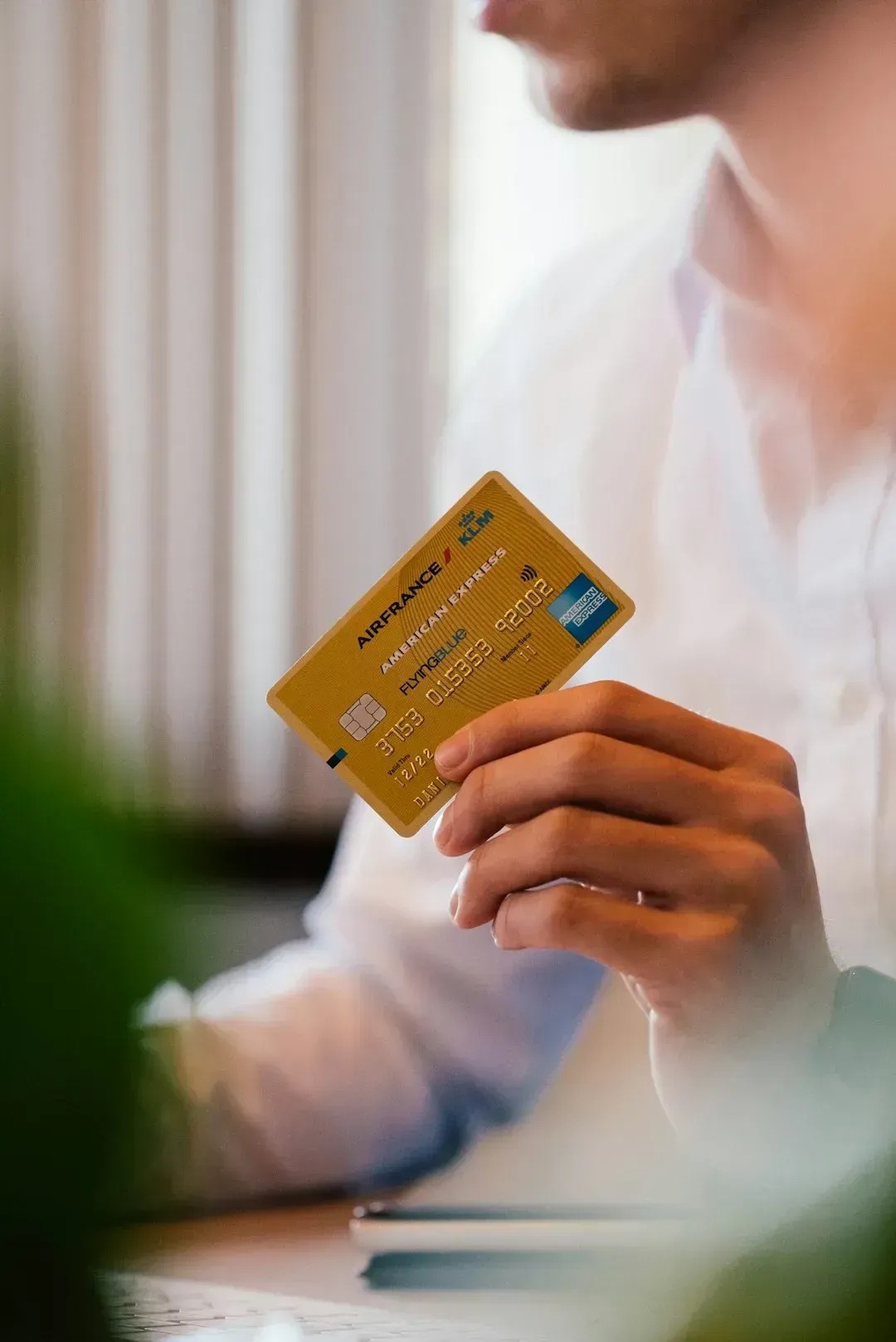
A lost or stolen debit card is much more dangerous than a credit card. Even if you don’t have your PIN written on the card, a thief can still go shopping with the card by choosing “credit” rather than “debit” at the checkout. No matter how the fraud occurs, you’ll likely be short the money while the bank investigates. Getting reimbursed after debit card fraud may take a couple of weeks.
Unlike a credit card, where disputed charges don’t come out of your pocket during an investigation, a debit card drains real money from your account immediately. For people on a fixed income after 50, that temporary loss can create real financial strain before any resolution arrives.
9. Unredeemed Gift Cards
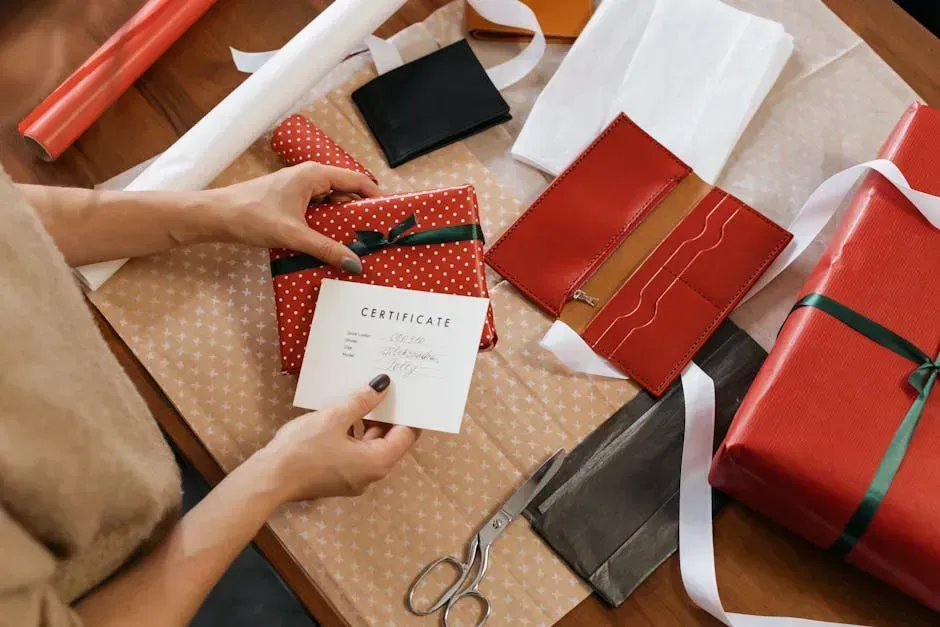
Like cash, you have no way to get money back from gift cards if you lose them. They’re essentially a sitting duck. They’re cash. You don’t even need to show an ID to use them. Thieves can walk into any store and spend that balance without a second glance.
Gift cards are convenient, but a wallet full of them is unnecessary. Select a few you’re likely to use soon and leave the rest at home. Carrying too many increases the risk of loss and makes it challenging to track the balances on each.
10. Your Work ID Card

A work ID card will have your name and other identifying information that could be used for a targeted phishing campaign to perpetrate a scam within your workplace. This is especially relevant for people over 50 who may still be working or recently retired with old employer IDs still tucked away.
If your work ID lets you swipe in to get office access, especially during odd hours of the night, your business could be at risk if your wallet goes missing. Giving a thief access to the building could get both you and your employer in trouble. Retiring an old work badge from your wallet is a simple and overlooked security step.
11. Old Receipts
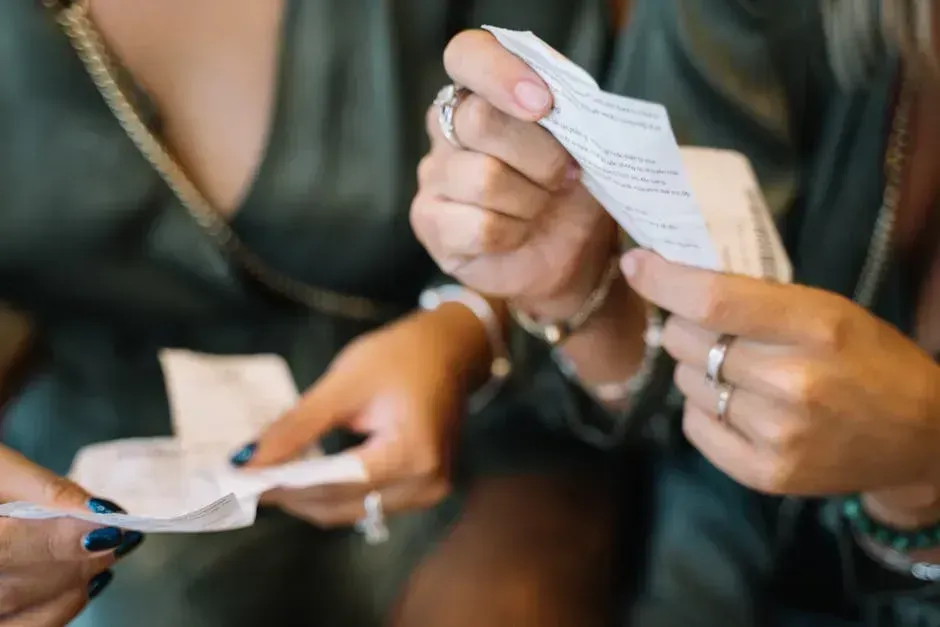
Receipts seem harmless. They’re not. While businesses have not been allowed to print more than the last five digits of your credit card number on paper receipts for years, skilled thieves could use those last five digits and merchant information on receipts to phish for the remaining numbers on your credit card, and quite often, your full name is also on those receipts.
Receipts may seem harmless, but an accumulation in your wallet can lead to clutter and compromise your financial privacy. Making a habit of clearing receipts out regularly is a small action that removes a real, if underestimated, risk.
12. Spare House Keys
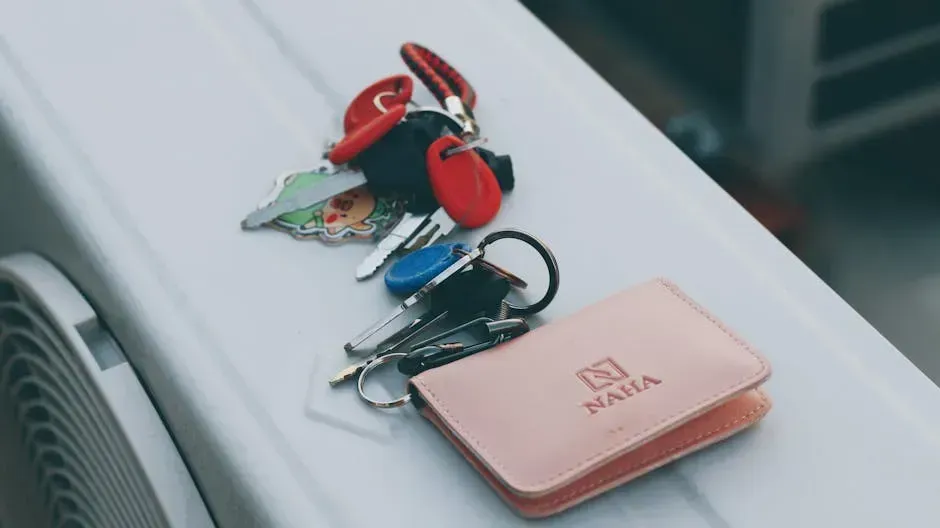
Beware of toting around spare house keys in your wallet. It’s an open invitation for thieves to break into your home. All the crooks have to do is find your address on your driver’s license, and they will instantly have access to everything inside your house. Financial advising site Kiplinger suggests leaving spare keys in the care of a relative or friend instead.
This particular combination – your address on your license and a key to match – turns a wallet theft into a home burglary in one convenient step. The two items look unrelated until a thief connects them, which takes about thirty seconds.
13. Too Much Cash
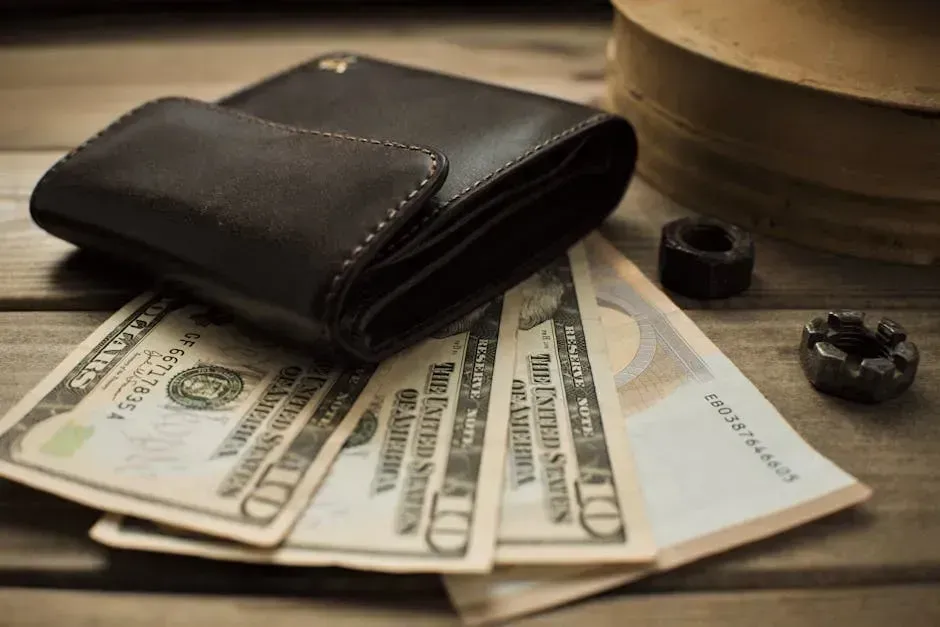
Assess your daily spending habits and carry only what you likely need. Use cards for larger purchases and keep the cash minimal. Too much cash in your wallet is not just a financial risk but also a temptation for opportunistic theft.
Cash has zero recourse. Once it’s gone, it’s gone. Carrying more than you need on any given outing is a habit worth breaking, especially in unfamiliar places. A modest amount for small purchases and emergencies is practical; a thick stack of bills is not.
14. Loyalty, Library, or Rarely Used Membership Cards
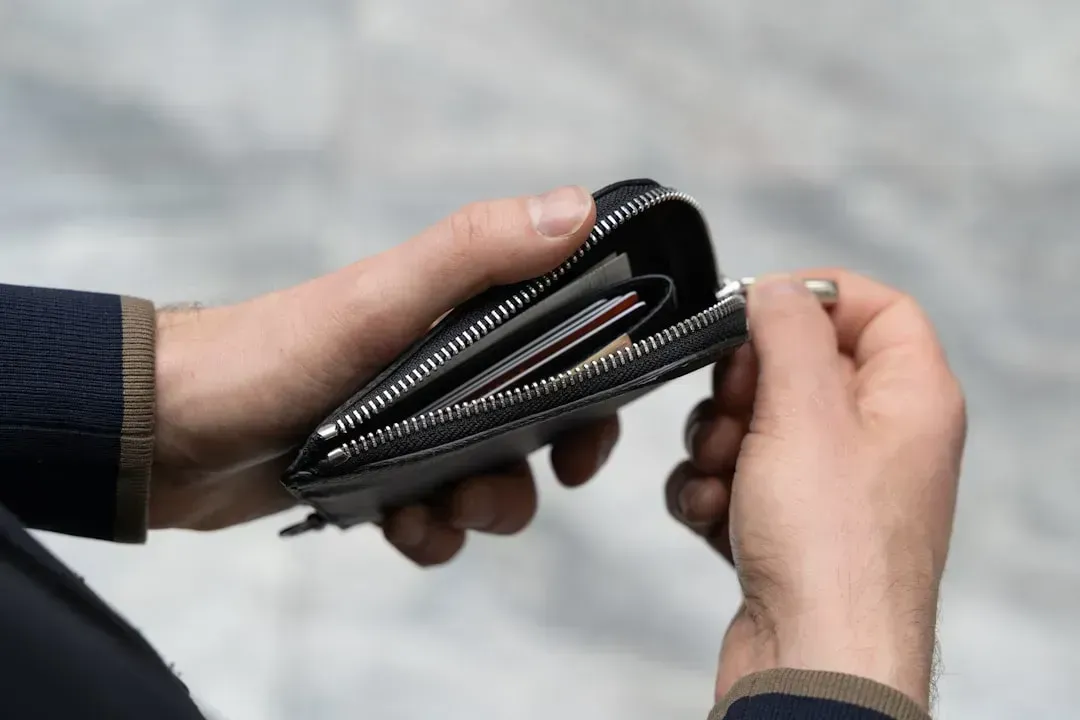
Unless you’re checking out books at the library and hitting the gym daily, the presence of a library or gym card in your wallet clutters space. Only carry them when you know you’ll be using them. Library or gym cards are access points to your leisure and fitness, and carrying them selectively ensures you don’t add unnecessary bulk to your wallet and that no one takes advantage of using your memberships.
Beyond the practical clutter, a bloated wallet full of cards is harder to monitor. When a card goes missing from a crowded billfold, you may not even notice for days. A leaner wallet means fewer blind spots.
15. Sensitive Medical Information or Prescription Lists
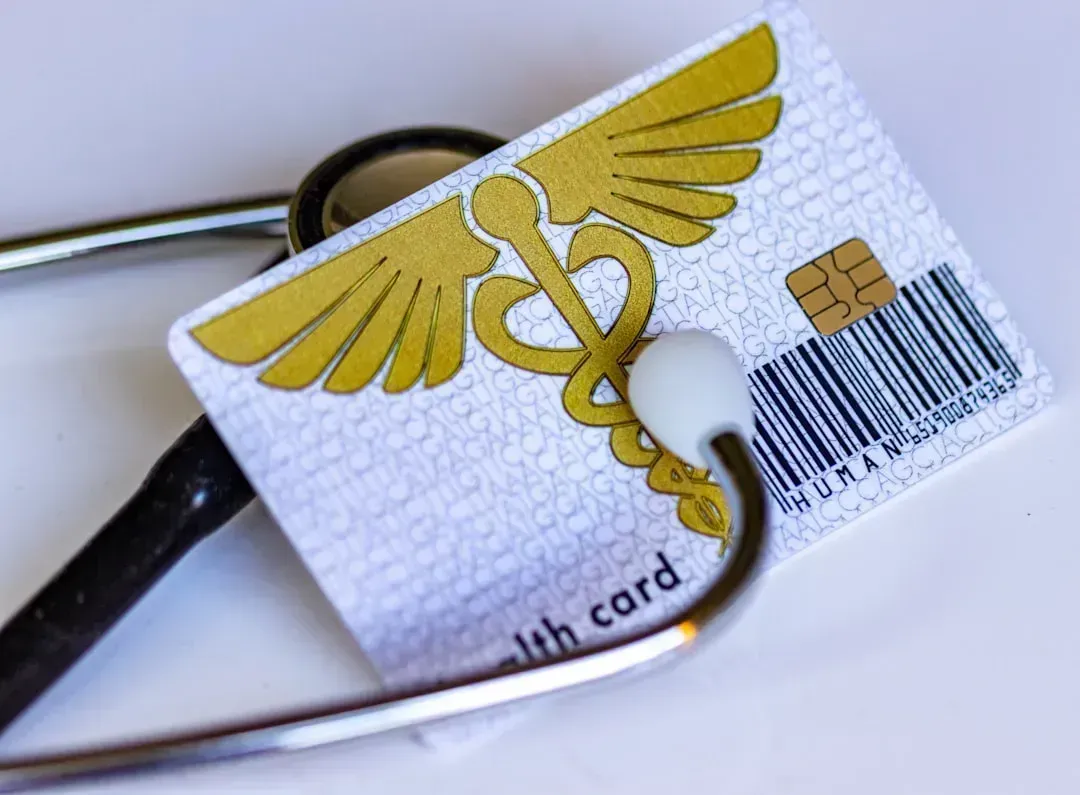
Many people over 50 carry printed lists of their prescriptions, medical conditions, or doctor contact information. While the intention is practical, a detailed medical summary in your wallet can expose highly personal health data to anyone who finds it. Keeping your health insurance card or Medicare card on you all the time can be excessive. Since these cards contain personal identifying information, criminals can use this data to win benefits for themselves.
A better approach is to store emergency medical information digitally on your phone through a health app or the phone’s emergency medical ID feature. That way, first responders can access it without exposing it to casual theft.
16. Your Cryptocurrency Seed Phrase
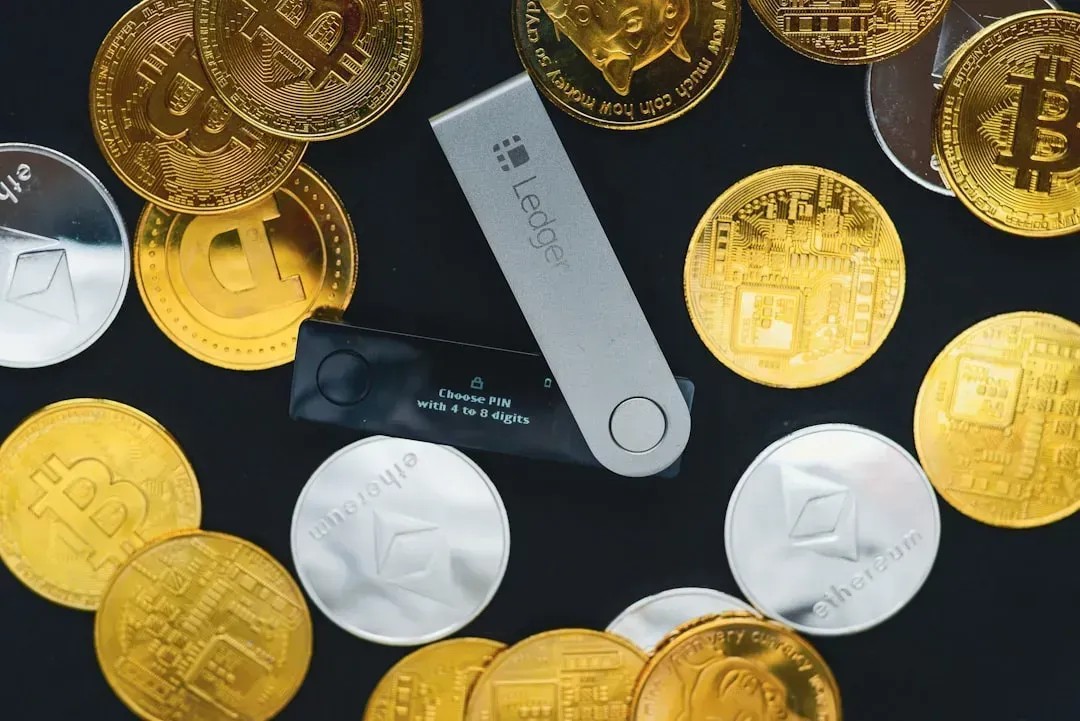
This one has become increasingly relevant as more people in their 50s and 60s invest in digital assets. Some people keep the seed phrase, a sequence of 12 or 24 words that a crypto investor needs to access or recover cryptocurrency on blockchains or crypto wallets, in their actual wallets. Criminals can use it to wipe out your wealth.
Less is more when it comes to what’s in your wallet because criminals have begun creating synthetic identities, where they combine real and fake information to create a new fictional identity. It’s a fast-growing form of fraud that’s made easier these days with the assistance of AI tools. Any information that a criminal finds or steals from a wallet can be used to create synthetic identities. A seed phrase, in particular, offers immediate and irreversible access to every digital asset tied to that wallet – store it offline, in a secure and private location only you control.
What you carry every day is, quietly, a reflection of how much risk you’re willing to accept. Going through your wallet once a year and removing what you don’t genuinely need isn’t paranoia. It’s just good sense – and after 50, that kind of small habit tends to matter more than people expect.