
America has no shortage of places worth visiting. Stunning national parks, world-class food cities, coastal towns that feel like postcards come to life. Most trips go fine. Still, a handful of American destinations have developed reputations that travel veterans take seriously, and those reputations are backed by data, not just hearsay.
Crime figures from the FBI, safety rankings from researchers, and firsthand accounts from travelers all point to the same short list of cities that consistently raise red flags. FBI statistics show that violent crime nationwide dropped roughly four and a half percent and property crime fell over eight percent between 2023 and 2024. That’s genuinely good news, but the improvements are far from uniform across cities. What follows is an honest look at 11 U.S. destinations where the gap between expectation and ground-level reality tends to be sharpest.
1. Memphis, Tennessee: America’s Most Persistently Dangerous City
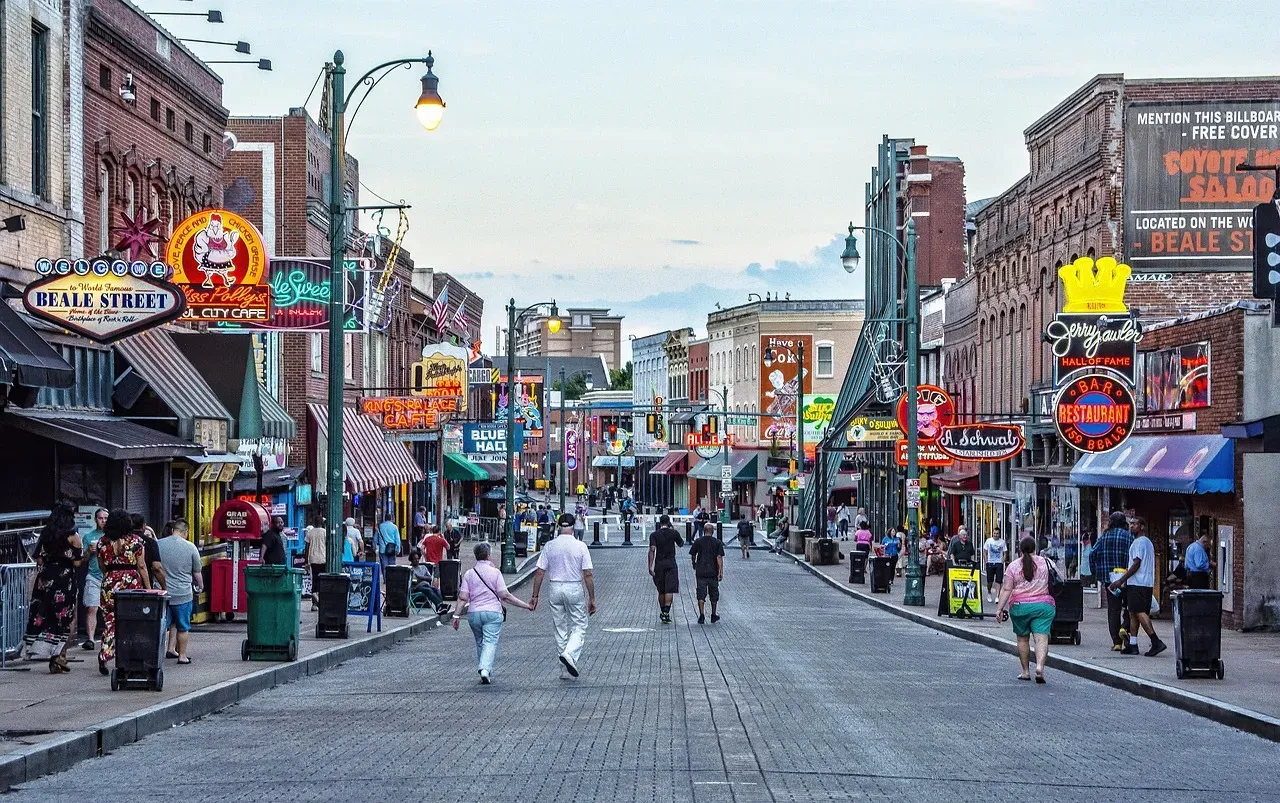
Memphis has a crime rate of 95 per one thousand residents, making it one of the highest crime rates in America compared to all communities of all sizes, from the smallest towns to the very largest cities. The total number of daily crimes there is more than four times the national average, and violent daily crime statistics are nearly seven times the national average. For a city that draws millions of visitors each year for Graceland, blues history, and legendary barbecue, the disconnect is hard to ignore.
In 2023, Memphis hit a record high for homicides with 397 murders. By mid-2025, the city had already recorded 97 murders, and while homicides were four percent lower in the first half of 2025 compared to 2024, they remained 58 percent higher than 2019. Crime in Memphis is heavily concentrated in neighborhoods like Frayser, Parkway Village-Oakhaven, and Whitehaven, while Downtown and Midtown see significantly lower violent crime rates.
2. St. Louis, Missouri: Sky-High Crime in the Heartland
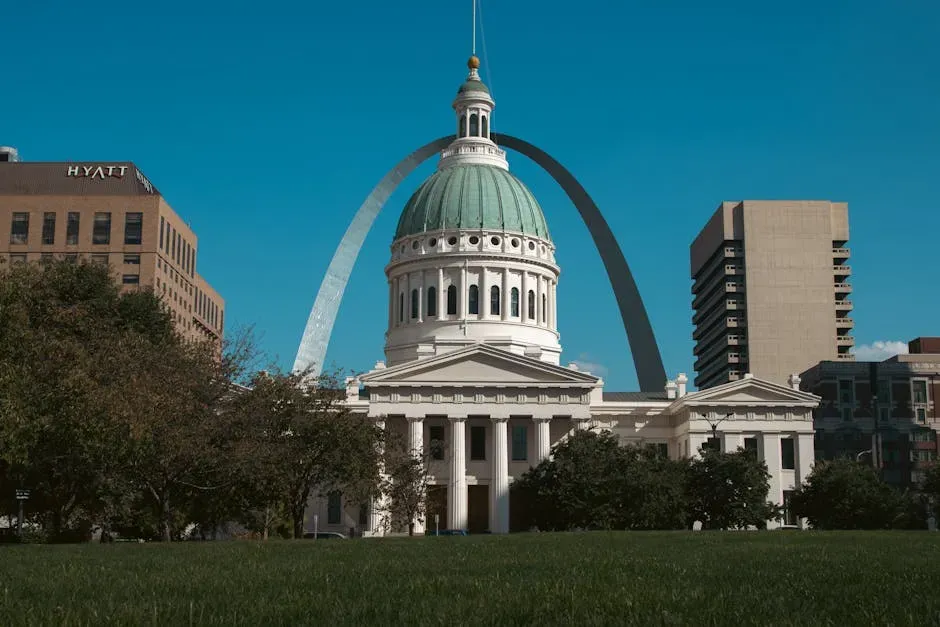
St. Louis has crime rates 234 percent above the national average, with roughly 7,847 crimes per 100,000 residents, placing it firmly in the upper tier of America’s most dangerous places to visit, regardless of which metric you use. St. Louis remains notorious for its high homicide rate, ranking among the deadliest cities per capita, with gun violence, economic hardship, and political instability all contributing to the city’s ongoing challenges.
Preliminary 2025 data suggested homicides declined modestly in line with national trends, but St. Louis still ranks in the top five for violent crime nationwide. The danger is real but hyper-localized, with the city dividing sharply between high-crime north-side districts and stable, thriving neighborhoods elsewhere. St. Louis blends architectural icons and deep cultural history, but safety often dominates conversations about the city. Crime rates in certain neighborhoods make after-dark exploration risky, and families drawn to the Gateway Arch or Forest Park should enjoy those attractions during daylight when crowds provide extra security.
3. Baltimore, Maryland: Charm City’s Dark Shadow
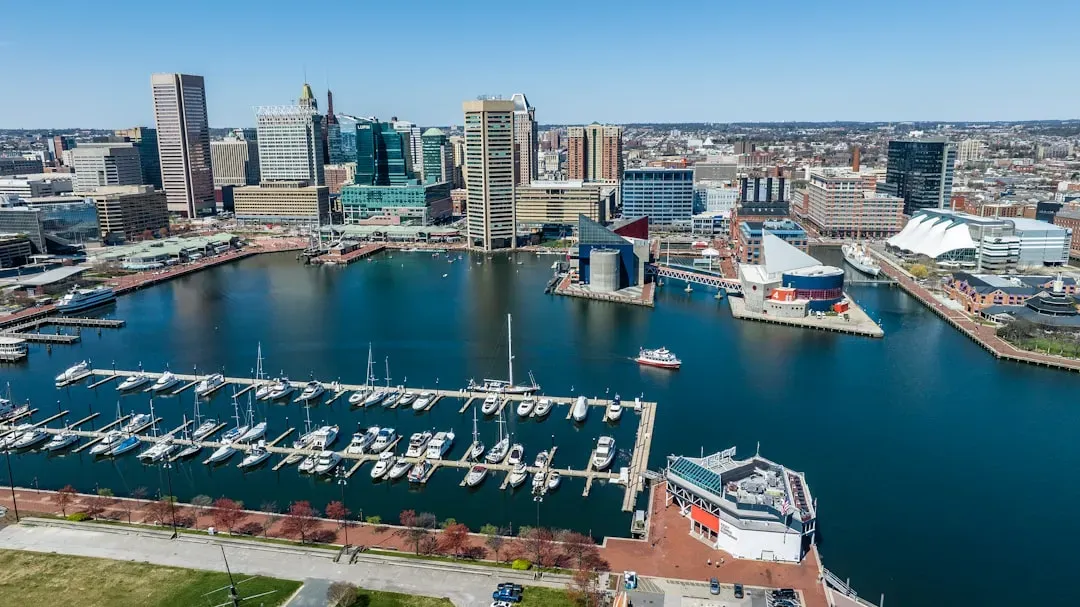
In 2024, Baltimore was named the deadliest city in the country based on a study analyzing FBI crime reports. The city ranks among the deadliest large cities with a murder rate reportedly around 58 per 100,000 residents and a violent crime rate exceeding 2,000 per 100,000. Baltimore ranked second in murders while maintaining its position as the nation’s leader in robbery rates, with the city’s crime challenges stemming from decades of economic decline and the opioid crisis.
Baltimore is something of a paradox: still infamous for violent crime, yet showing some of the sharpest year-over-year improvements of any big U.S. city. The crime index sits high, but those raw numbers don’t fully capture the double-digit drops in homicides and shootings since 2023. For residents, this means the city feels safer than its reputation suggests, but risk remains unevenly distributed. Baltimore grapples with social and economic challenges including racial segregation and underfunded public schools, issues that have likely contributed to the city’s dangerous reputation.
4. Detroit, Michigan: Improving, But Still Demanding Caution
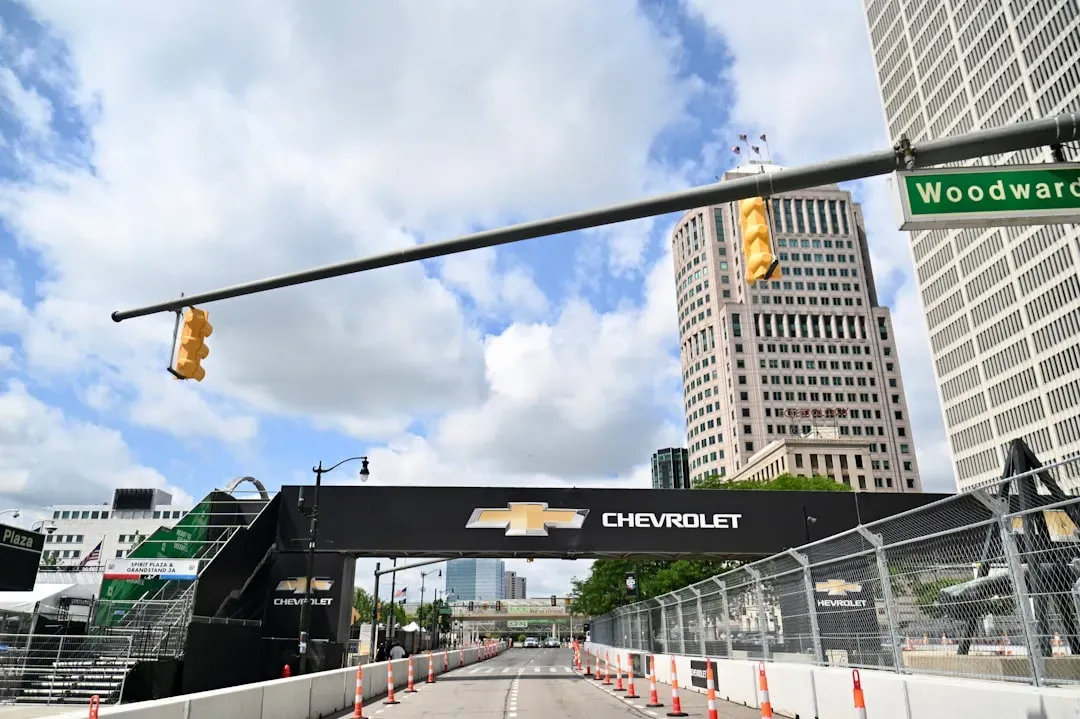
Detroit consistently ranks as one of the most dangerous cities in the country, with a high rate of violent crimes per capita including assaults and robberies, which has contributed to urban decay and rapid population decline. That said, the picture is not entirely bleak. Downtown Detroit, the Riverwalk, Corktown, and the Detroit Institute of Arts are well-patrolled and generally safe. The contrast between the tourist corridor and the surrounding neighborhoods remains stark. FBI data showed a roughly 15 percent decrease in both violent crime and property crime in Detroit over the course of 2025, confirming a positive trend.
Detroit is still a high-crime city by the numbers, but it is not uniformly dangerous. Safety depends heavily on where you are, when you’re there, and whether you take precautions. The broader trend is improvement: fewer homicides, stronger neighborhood renewal, and programs that reward violence reduction. The city is making real progress, though cautious travel habits remain essential outside the tourist core.
5. Oakland, California: Property Crime Capital of the West Coast

Oakland’s violent crime rate stands at roughly 16.85 per 1,000 residents, over 300 percent higher than the national average. These numbers aren’t just statistical outliers; they reflect a daily reality for many residents, particularly in neighborhoods like East Oakland and parts of West Oakland. Property crime remains rampant, with over 60 incidents per 1,000 residents including thefts, break-ins, and auto-related crimes.
Oakland ranked second nationally in violent crime among the largest cities in 2024 and first in property crime rate, with over 7,200 property crimes per 100,000 residents, the highest property crime rate among all large U.S. cities. A 2025 survey found that over half of Oakland voters say they leave the city and go to businesses and restaurants in nearby cities because they feel safer, and nearly three quarters of East Bay respondents said that public safety concerns have played a role in reduced visitation to Oakland businesses in recent years.
6. Albuquerque, New Mexico: A Beautiful City With a Brutal Crime Index

With a crime rate of 58 per one thousand residents, Albuquerque has one of the highest crime rates in America compared to all communities of all sizes, from the smallest towns to the very largest cities. The city’s 2024 crime index is roughly two and a half times higher than the U.S. average and was higher than in 98.3 percent of U.S. cities. Visitors drawn here for the International Balloon Fiesta, Old Town, and the Sandia Mountains encounter a city that feels more complex than the tourism brochures suggest.
The city saw a notable downturn in crime in early 2025. Compared to the first quarter of 2024, homicides fell 28 percent, robberies dropped 19 percent, and auto thefts declined 40 percent. Other serious offenses like aggravated assaults and shootings with injuries also went down by double-digit percentages. Even with this recent progress, Albuquerque’s overall crime level is still high. The city ranks third among large U.S. cities for burglary.
7. New Orleans, Louisiana: Festival Culture Meets Street-Level Risk
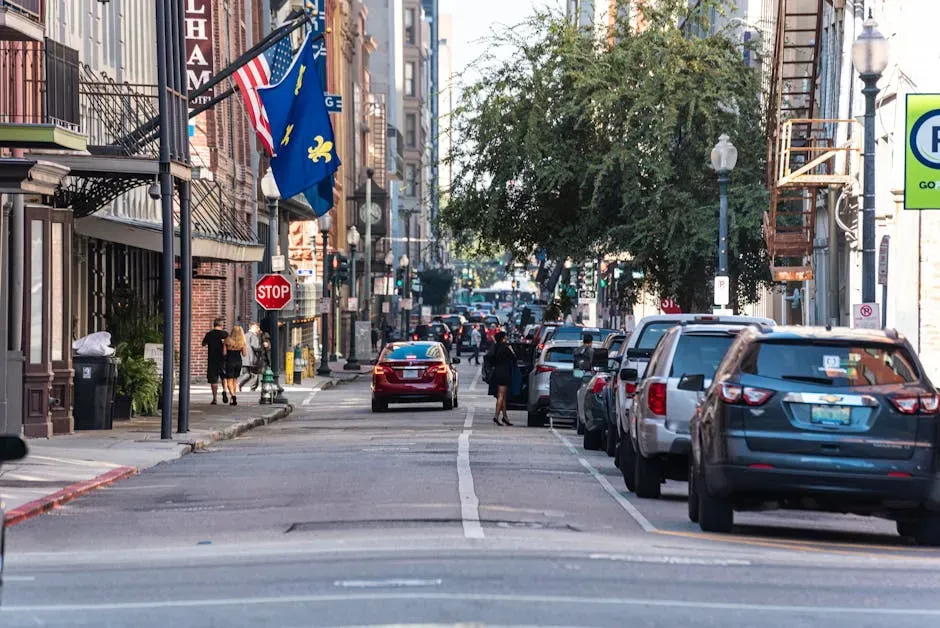
New Orleans draws millions with its jazz rhythms, food culture, and colorful festivals, yet its reputation for crime is real. The French Quarter buzzes with energy, but late-night alleys or dim side streets demand caution. Visitors should stay in groups and avoid displaying expensive devices in public. The city’s violent crime rate has historically ranked among the highest in the nation, and tourists who wander outside well-lit entertainment zones often discover that quickly.
Police departments in cities like New Orleans report staffing shortages of 20 to 30 percent, which affects response times and proactive policing across multiple neighborhoods. The wider context matters here. New Orleans has genuine cultural riches that many travelers wouldn’t trade for anything. The key issue is that the risk is real, particularly after dark and away from the main tourist corridors, so awareness is not optional.
8. San Francisco, California: A Different Kind of Dangerous

San Francisco faces a persistent homelessness and behavioral health crisis, despite government spending billions over decades. Roughly two people die every day from overdose in the city, and more than 8,000 people experience homelessness nightly, according to the 2024 Homelessness Point in Time Count. When it comes to violent crimes, San Francisco’s numbers are comparatively low. Larceny, car thefts, and break-ins are what really drive up crime figures. The danger is less about getting physically harmed and more about encountering an environment that many visitors find stressful, chaotic, and difficult to navigate.
San Francisco in 2025 was framed around Mayor Lurie’s efforts to promote the city’s comeback, though he faced multiple obstacles including the nation’s highest downtown office vacancy rate, retail vacancies, a struggling tourist economy, and open-air drug markets in multiple communities. Smash-and-grab vehicle break-ins remain a particular hazard for travelers, with rental cars being a known target throughout the city.
9. Kansas City, Missouri: Rising Shootings Behind the Jazz and Barbecue
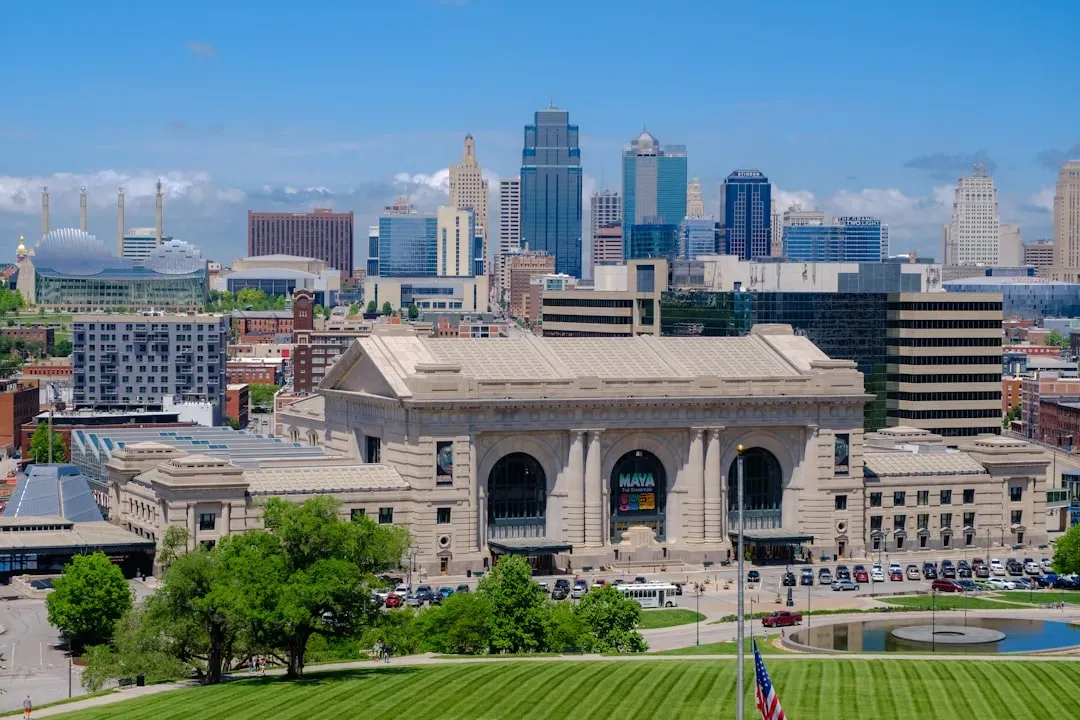
Kansas City saw roughly 1,547 violent offenses per 100,000 people in 2024, with the previous year seeing a 12 percent increase in nonfatal shootings and tallying 144 homicide cases. Through early 2025, the city had recorded 15 homicides. Kansas City has a well-earned reputation as a happening destination with jazz, great food, and tons of history, but that appeal coexists uneasily with crime statistics that have alarmed residents and officials alike.
The city’s struggles are not simply a matter of isolated neighborhoods. Gun violence has touched areas that tourists frequent, and the gap between the city’s vibrant cultural identity and its public safety challenges has become a recurring source of civic tension. Local and state officials have pledged significant investment in law enforcement resources, but the data trail heading into 2026 remains concerning for anyone planning a casual visit.
10. Milwaukee, Wisconsin: Concentrated Violence in a Mid-Size City
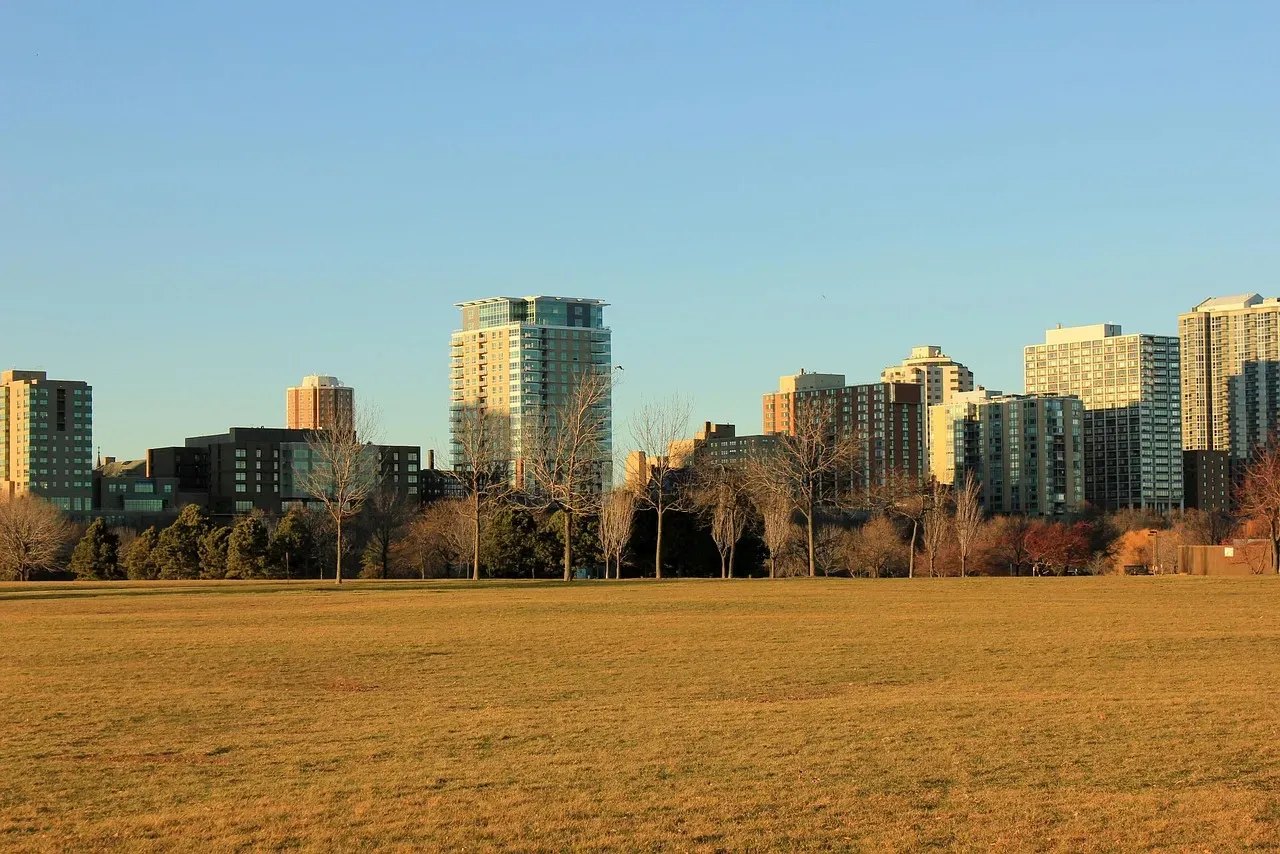
Despite Wisconsin’s population of nearly six million, much of the state’s violent crime is concentrated in Milwaukee. As the state’s largest city, Milwaukee has seen years of economic decline and social inequality that have made it one of the most dangerous cities in America for both residents and visitors. Milwaukee’s violent crime rate sits at roughly 15.18 per 1,000 residents, ranking it among the most dangerous cities in the United States.
Milwaukee saw 132 homicides in 2024, a 23 percent drop from 2023, highlighting the importance of crime prevention strategies that the city has been building out. Wisconsin Governor Tony Evers created a statewide violence prevention office and committed 66 million dollars into support services for victims. These are meaningful steps, but Milwaukee’s overall violent crime baseline still places it well above what most travelers would consider a comfortable margin.
11. Little Rock, Arkansas: A Capital City Struggling With Its Own Numbers
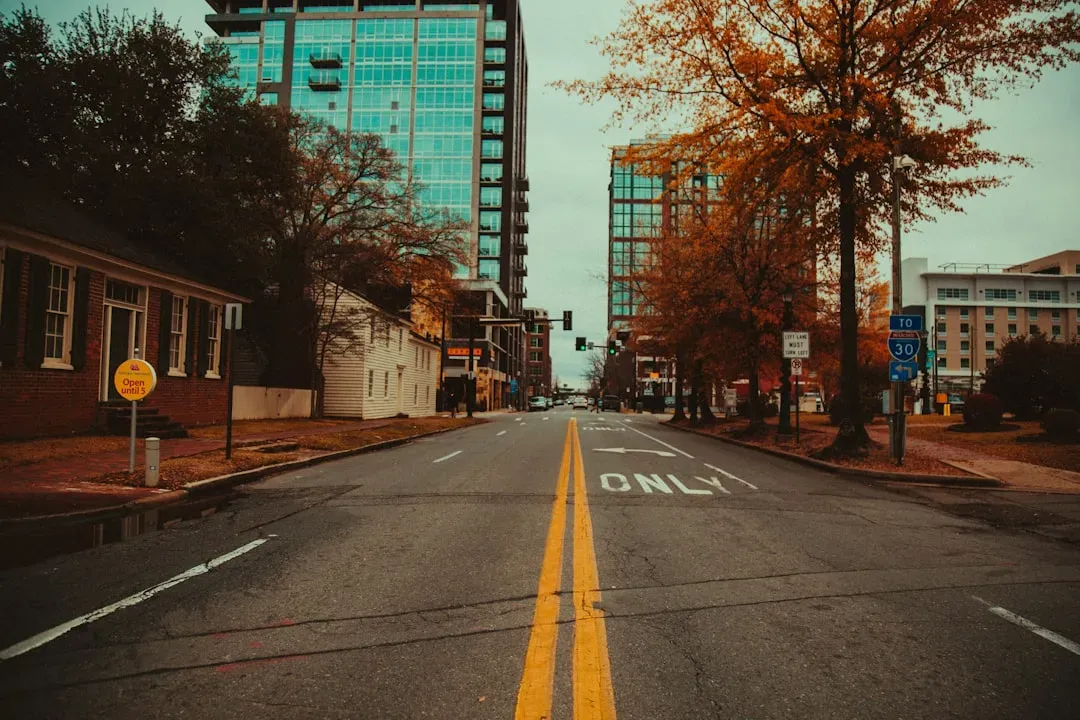
Toward the end of 2024, Little Rock, Arkansas’s capital city, was listed among the most dangerous cities in the country, according to Safe and Sound Security rankings. Little Rock’s landscape is heavily marked by crime, particularly assault, which significantly influences community safety. Despite its modest population size, the city rivals much larger cities in terms of violent offenses, with property crimes and homicides both ranking among the highest rates for cities of its size.
For travelers who do visit, the core civic areas and the Clinton Presidential Library zone are relatively manageable. The surrounding neighborhoods demand much greater caution. A high rental occupancy rate in high-crime neighborhoods contributes to transient populations and reduced community cohesion, though initiatives focused on community policing and crime-reduction programs are being implemented to address these issues. Little Rock is a city that genuinely wants to turn a corner, and the data suggests some progress, but the overall risk level for unaware visitors remains elevated.
None of these cities are entirely off-limits, and each has neighborhoods, attractions, and communities that are perfectly navigable with the right preparation. The gap between rhetoric and reality is worth keeping in mind: while some cities do face very high crime rates, national trends show overall improvement. What this list really asks of travelers is something straightforward: look at the data, know which parts of a city are which, and plan accordingly. The difference between a bad trip and a good one in any of these destinations often comes down to that kind of preparation.