
America is endlessly varied. Great road trips, legendary national parks, iconic skylines, and coastal cities full of food and culture. Most of it is worth every mile. Still, not every destination lives up to its postcard image, and some carry real, documented risks that casual travelers simply aren’t prepared for.
The cities below aren’t on this list out of rumor or reputation alone. Crime data, FBI reports, and firsthand traveler accounts from 2024 through 2026 all point in the same direction. Some of these places are making genuine progress. Others remain stubbornly difficult. All of them deserve a clear-eyed look before you book.
Memphis, Tennessee: America’s Crime Capital
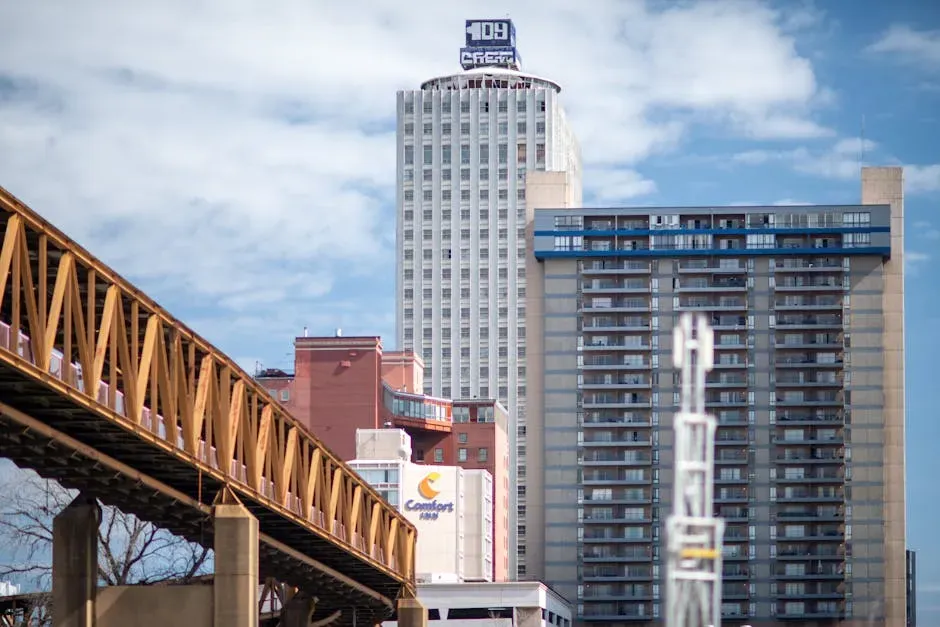
As of 2025, Memphis, Tennessee has the highest overall crime rate in the nation, with nearly 98 incidents per 1,000 residents. That’s not a narrow lead. It’s a gap wide enough to make most safety-conscious travelers pause. The total number of daily crimes in Memphis is more than four times the national average, and violent daily crime statistics are nearly seven times the national average.
In 2023, Memphis hit a record high for homicides with 397 murders. In 2025, the city had already recorded 97 murders by May 19, though homicides were four percent lower in the first half of 2025 than in 2024, still 58 percent higher than 2019. Hotspot neighborhoods, including Downtown, Frayser, and Whitehaven, drive most of the city’s crime incidents, while suburbs like Germantown and Collierville consistently rank among Tennessee’s safest.
Baltimore, Maryland: Charm City’s Persistent Shadow
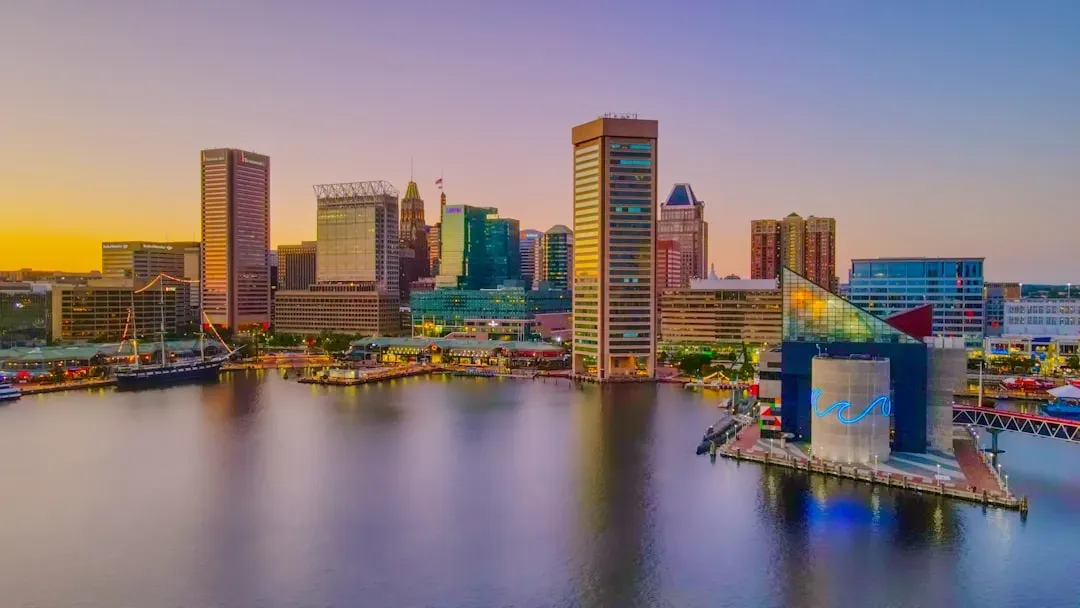
Baltimore, Maryland is an East Coast city located under an hour from the nation’s capital. Often topping lists of the most dangerous cities in the country, it’s also becoming a popular tourist destination. That contrast is real and worth understanding. In 2024, Baltimore was named the deadliest city in the country based on a study analyzing FBI crime reports, and it has been given the unflattering nickname “Bodymore” due to the high rate of violent crimes.
The city’s poverty rate, at around 22 percent, is triple the national average, and this correlates with a geographic concentration of crime. There are bright spots worth noting. Baltimore has shown some progress: as of mid-2025, robbery rates and auto thefts are down compared to the prior year, and the homicide clearance rate jumped from roughly 40 percent in 2020 to 68 percent in 2024. Even so, the Harbor area benefits from a strong police presence at all hours, but there are many neighborhoods visitors should avoid, especially at night.
Detroit, Michigan: Progress That Doesn’t Yet Equal Safety
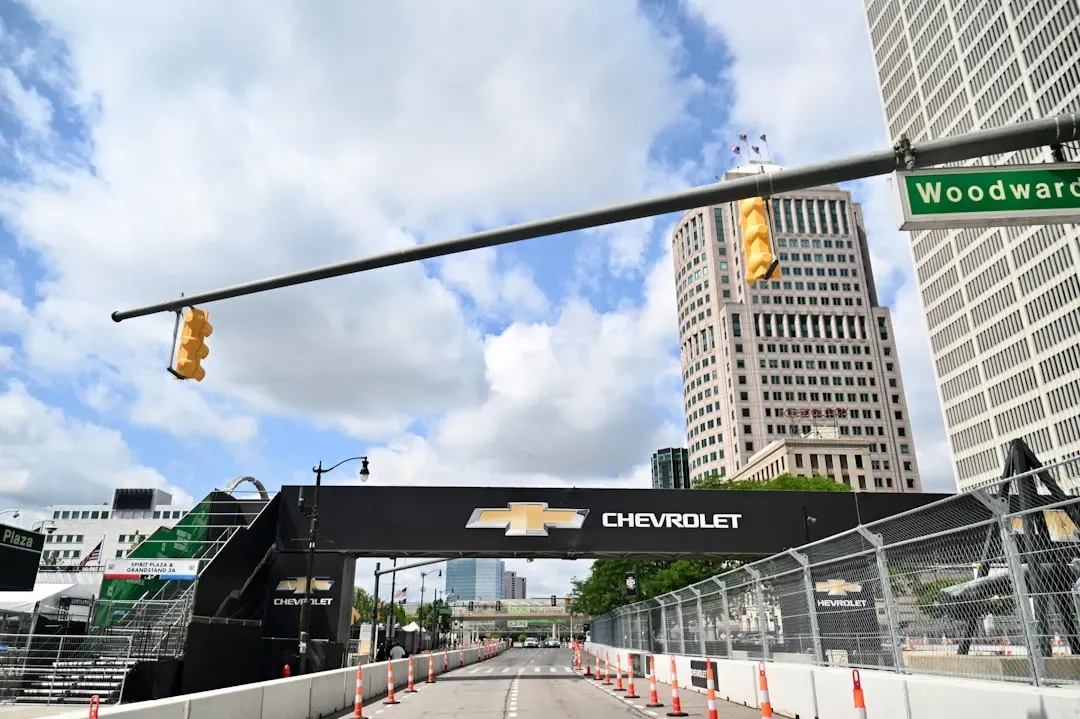
Although Detroit is still considered one of the most dangerous cities in the country, things are improving. In 2024, Detroit had its lowest number of homicides in over 50 years. That’s a meaningful milestone. Detroit consistently ranks as one of the most dangerous cities in the country, with a high rate of violent crimes per capita, including assaults and robberies. That said, Downtown, the Riverwalk, Corktown, and the Detroit Institute of Arts are well-patrolled and generally safe.
Theft remains the single most common offense, with over 15,000 cases reported in 2023. Property crime rates exceed national averages, with burglary, car theft, and break-ins occurring at a rate of around 3,000 per 100,000 residents. The contrast between the tourist corridor and the surrounding neighborhoods remains stark. Visitors who stick to well-known areas tend to be fine; the issue is that the margins between safe and unsafe zones can be uncomfortably thin.
St. Louis, Missouri: Gateway to the Heartland’s Danger Zone

For decades, St. Louis has appeared in reports highlighting America’s highest violent crime rates as one of the world’s most dangerous cities. Despite this troubling distinction, nearly 25 million visitors still make their way here each year. The Gateway Arch and the Cardinals draw crowds, but the crime data is hard to ignore. According to Neighborhood Scout data, residents have a one in 70 chance of falling victim to a violent crime in St. Louis, compared to one in 218 throughout the rest of the state.
Preliminary 2025 data suggested homicides declined modestly, in line with national trends, but St. Louis still ranks top five in violent crime nationwide. St. Louis’s danger is real but hyper-localized. The city divides sharply between high-crime north-side districts and stable, thriving neighborhoods elsewhere, meaning risk depends heavily on where you spend time. Knowing the map matters here more than almost anywhere else on this list.
New Orleans, Louisiana: Improvement Doesn’t Mean Caution Is Optional

New Orleans is both a cultural gem and one of the nation’s most crime-prone cities. While the French Quarter draws millions of visitors annually, neighborhoods beyond the tourist center struggle with high violent crime rates and limited access to community resources. The city’s reputation isn’t just about Bourbon Street brawls. Historically, violence extended far beyond the tourist bubble. Louisiana consistently records the highest combined violent and property crime rates in the U.S., with New Orleans contributing significantly to these figures.
In fairness, the data from 2024 tells a more encouraging story. New Orleans achieved its lowest homicide numbers in nearly five decades, with murders dropping from 192 in 2023 to 124 in 2024, and this reduction continued into 2025 with some periods showing over 40 percent decreases compared to previous years. Still, while New Orleans has become significantly safer for residents, particularly in tourist areas like the French Quarter, basic urban safety precautions remain advisable. The city is improving, but it isn’t yet a destination where letting your guard down is a good idea.
Anchorage, Alaska: A Gateway City With a Serious Crime Problem

Most people arrive in Anchorage as a stepping stone to wilder Alaska. It’s a practical transit point, home to cruise connections and backcountry outfitters. What many don’t realize is that the city itself has some of the worst crime numbers in the country. According to FBI data, there were a total of 3,289 violent crimes in Anchorage, equivalent to 1,151 per 100,000 people, which is more than double the national average, and 7,900 property crimes, which is about 41 percent higher than average.
With a crime rate of 38 per one thousand residents, Anchorage has one of the highest crime rates in America compared to all communities of all sizes. One’s chance of becoming a victim of either violent or property crime there is one in 26. A big part of this problem is linked to substance abuse, particularly alcohol and drugs, and the long, dark winters are tough on mental health, with limited access to care. Travelers heading to Alaska’s wilderness deserve to know what they’re walking through on the way there.
Portland, Oregon: Property Crime That Won’t Quit
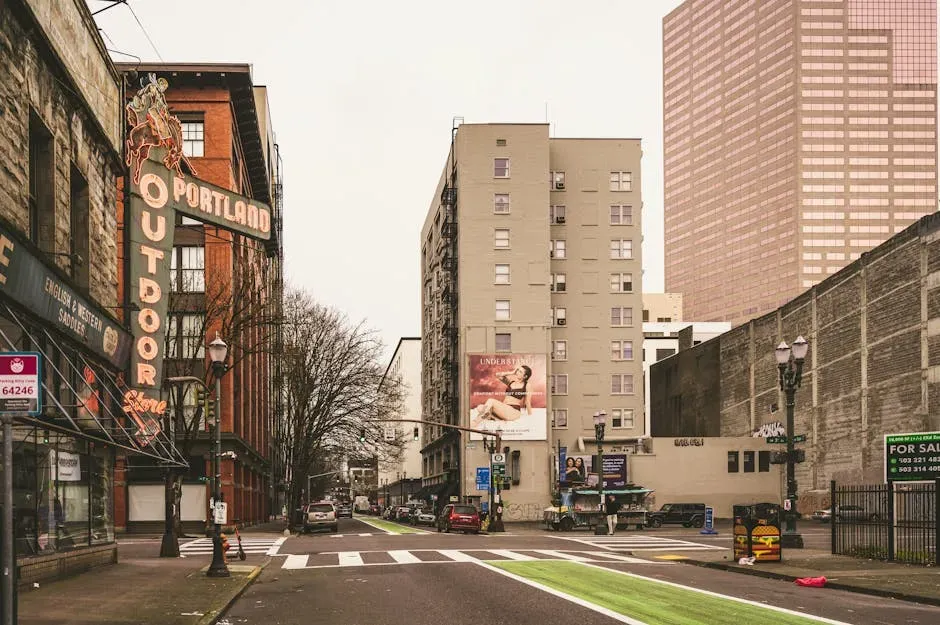
Portland’s image has shifted considerably over the past several years. Once celebrated as a quirky, creative city full of food carts and cycling culture, it earned a harsher reputation after 2020. The violent crime picture has genuinely improved. In the first half of 2025, a national report from the Major Cities Chiefs Association showed Portland recorded the steepest drop in violent crime among 68 major U.S. agencies, with homicides plummeting by 51 percent compared to the same period in 2024.
Property crime, however, is a different story entirely. Portland’s food carts and indie charm mask a harsher reality: a crime rate of 2,897 per 100,000 residents, one of the highest in any comparable study. Portland recorded very high larceny-theft rates, with challenges likely connected to ongoing issues with homelessness and drug-related crime. Portland’s Hazelwood neighborhood alone reported 272 car thefts in 2024. Visitors who leave valuables in their car often discover, quickly, that the warnings were not exaggerated. Smash-and-grab thefts are still common, especially in high-traffic areas.