
Most people have a rough idea of what to do when disaster hits. Get inside. Stay low. Wait it out. The reality, though, is that not all shelter is created equal, and where you position yourself during a tornado, explosion, chemical release, or hurricane can be the difference between walking away and not walking away at all. The type of disaster matters. So does the type of structure around you.
Researchers, emergency management agencies, and structural engineers have spent decades studying what actually keeps people alive. The rankings below draw from that body of work, from FEMA guidance to peer-reviewed injury studies, to help you understand which shelters perform best and why the last entries on this list offer far less protection than most people assume.
#1: Purpose-Built Underground Storm Shelter or FEMA-Approved Safe Room
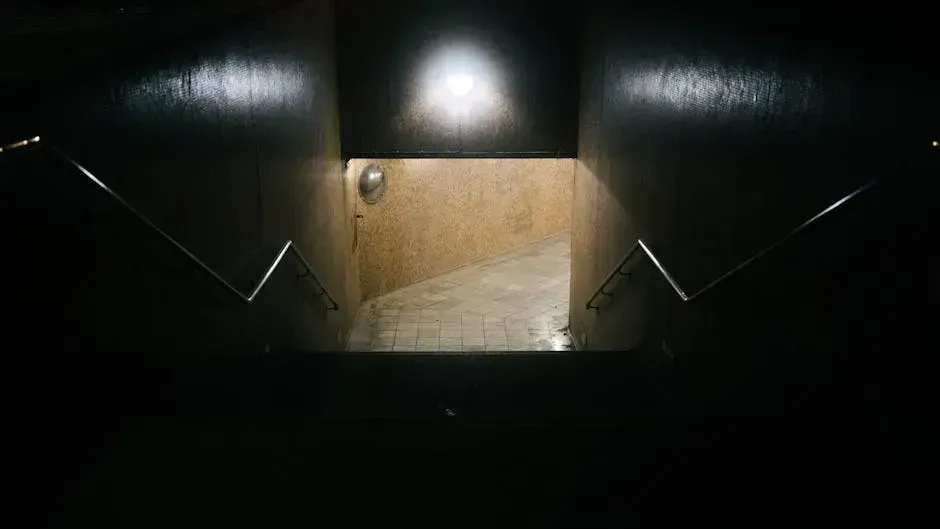
The single clearest finding across multiple studies is to get underground, or into a purpose-built storm shelter, if at all possible. Safe rooms designed to FEMA guidelines provide near-absolute protection from wind forces of up to 250 mph and from the impact of associated windborne debris. Nothing in the residential safety landscape comes close to this level of structural assurance.
A Centers for Disease Control and Prevention analysis of 1,398 adult patients treated at 39 Alabama hospitals following the April 27, 2011 tornado outbreak found no severe injuries among people in tornado shelters. Unlike basements or interior rooms, these shelters are built to withstand the most extreme conditions, including EF-4 and EF-5 tornadoes, which can generate winds exceeding 200 mph. If you have access to one of these, use it without hesitation.
#2: Reinforced Concrete Basement
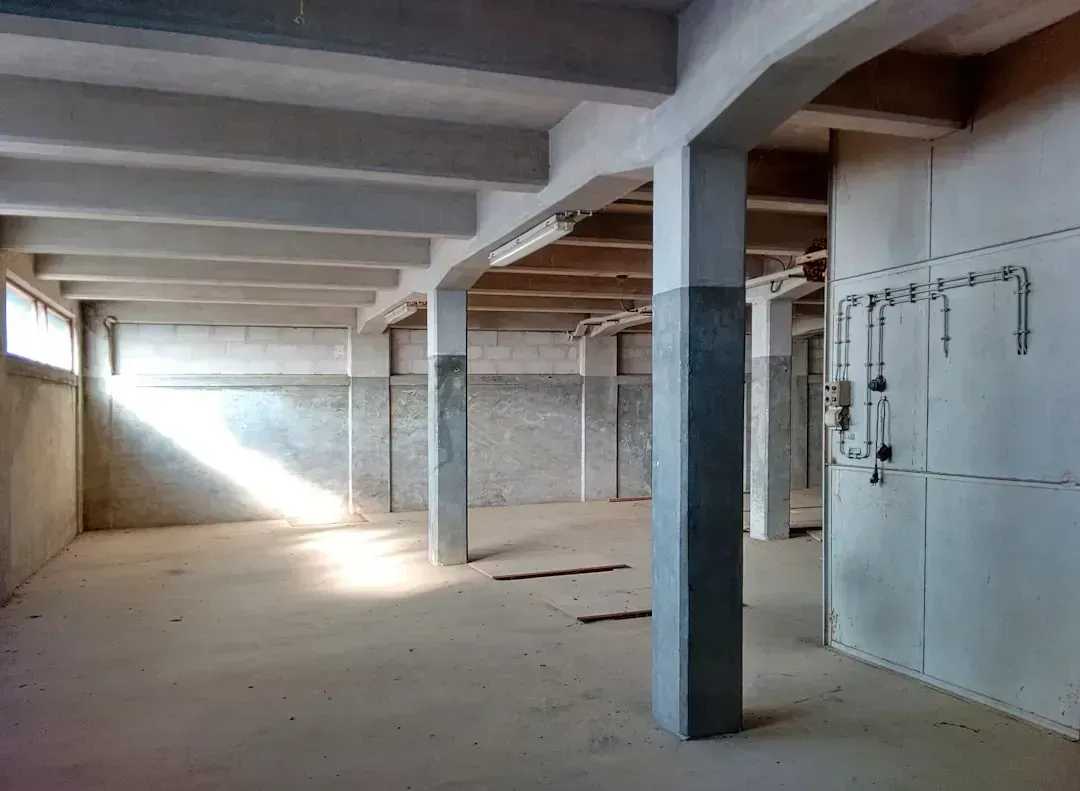
An underground area, such as a basement or storm cellar, provides the best protection from a tornado. Within a permanent home, basements reduce the odds of injury by roughly 87% compared to living rooms, kitchens, and family rooms. That figure, drawn from CDC-analyzed hospital data, is hard to argue with.
A concrete basement offers a protection factor of approximately 200 in a nuclear fallout event, meaning you receive about one two-hundredth of the outdoor radiation dose. If a multi-story building or a basement can be safely reached within a few minutes of an explosion, going there immediately is recommended, and the safest buildings have brick or concrete walls. The basement is not just a wind shelter. It is one of the most versatile survival positions available.
#3: Interior Bathroom, Closet, or Hallway on the Lowest Floor

Bathrooms reduce tornado injury risk by roughly 78%, closets by about 75%, and interior hallways by around 69%. The safest place in the home when no basement exists is the interior part of a basement equivalent, or an inside room without windows on the lowest floor. Small, load-bearing interior rooms resist collapse better than open living areas because they have more surrounding walls absorbing force.
The best protection during a tornado, when no hardened shelter is available, is an interior room on the lowest level of a building, preferably a hardened shelter. Rooms constructed with reinforced concrete, brick, or block with no windows and a heavy concrete floor or roof system overhead offer the best non-shelter-room protection. A bathroom is ideal not just because of its position, but because plumbing pipes add structural reinforcement to surrounding walls.
#4: Community Designated Storm Shelter or School Safe Room
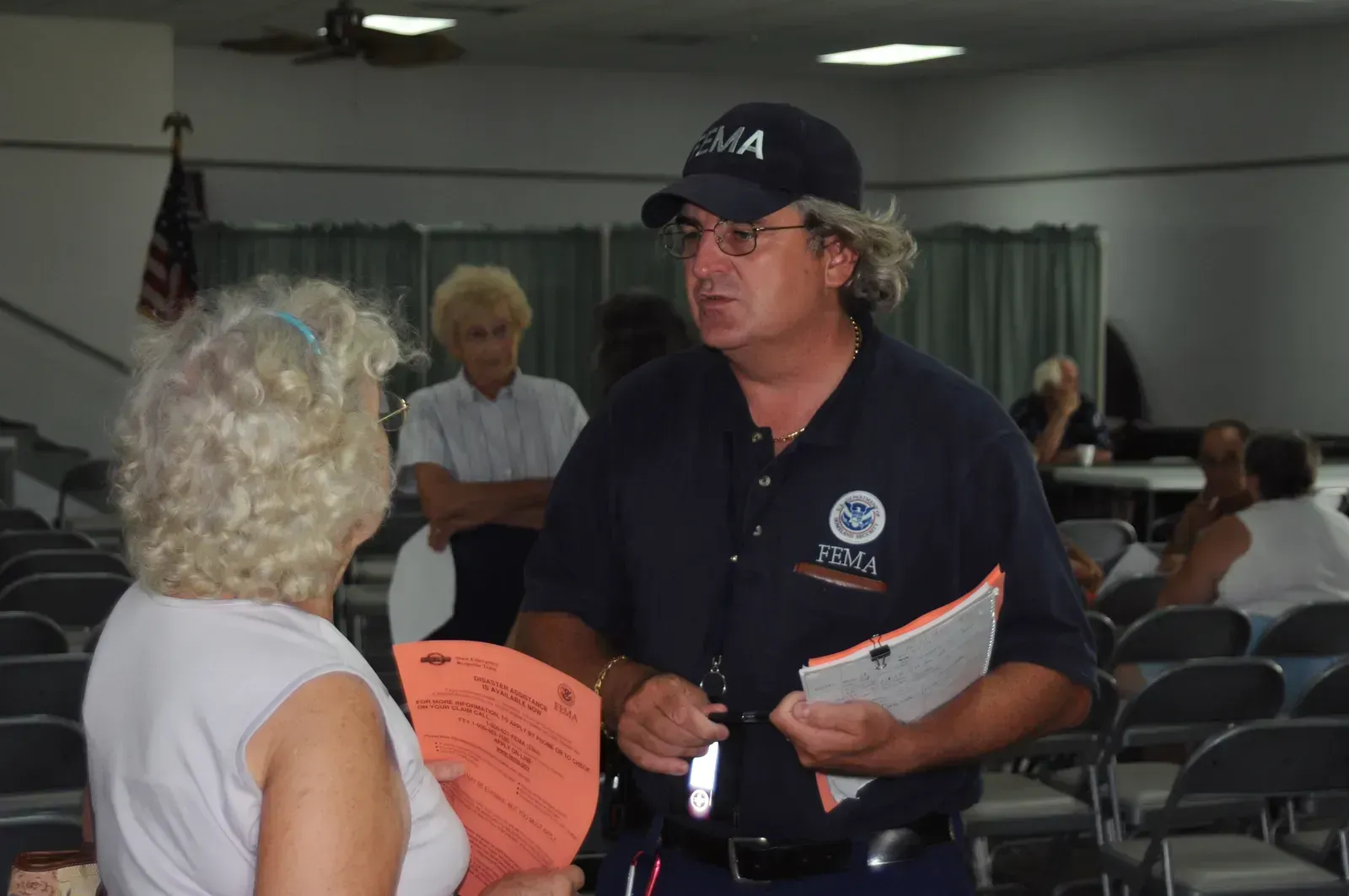
A shelter is an accessible facility set up to provide comfort, food, water, information, and sleeping accommodations to meet the immediate disaster-caused needs of individuals, families, and communities. ICC-500 covers both hurricane and tornado shelters and includes requirements for two types of shelters: community shelters, which are buildings specifically dedicated to providing shelter during a storm, and residential shelters. Community shelters built to this standard are engineered to perform, not improvised.
The ANSI-approved ICC 500 standard, required by many states in the central United States for new public facilities, provides minimum design and construction requirements for storm shelters, providing community refuge from tornadoes, hurricanes, and other natural disasters. Schools like Hilldale Elementary in Oklahoma City have built multi-room safe rooms to protect their student body, and walls constructed to these standards can withstand winds over 250 mph. These are serious structures, but the key limitation is access: you have to already be there when disaster strikes.
#5: Center of a Large, Multi-Story Reinforced Building

Potential fallout shelters near homes, workplaces, and schools include basements, subways, tunnels, or the windowless center area of middle floors in high-rise buildings. The logic here is straightforward. The more building mass between you and the outside, the more radiation, debris, and blast pressure is absorbed before it reaches you.
Remaining in the most protective location, the basement or center of a large building, for the first 24 hours is recommended unless threatened by an immediate hazard such as fire, gas leak, building collapse, or serious injury, or unless informed by authorities that it is safe to leave. In a dense urban environment where underground options are unavailable, the interior core of a large concrete or brick building becomes a credible fallback. It is far from perfect, but it performs meaningfully better than the options below.
#6: Sealed Interior Room (Shelter-in-Place for Chemical or Radiological Threats)
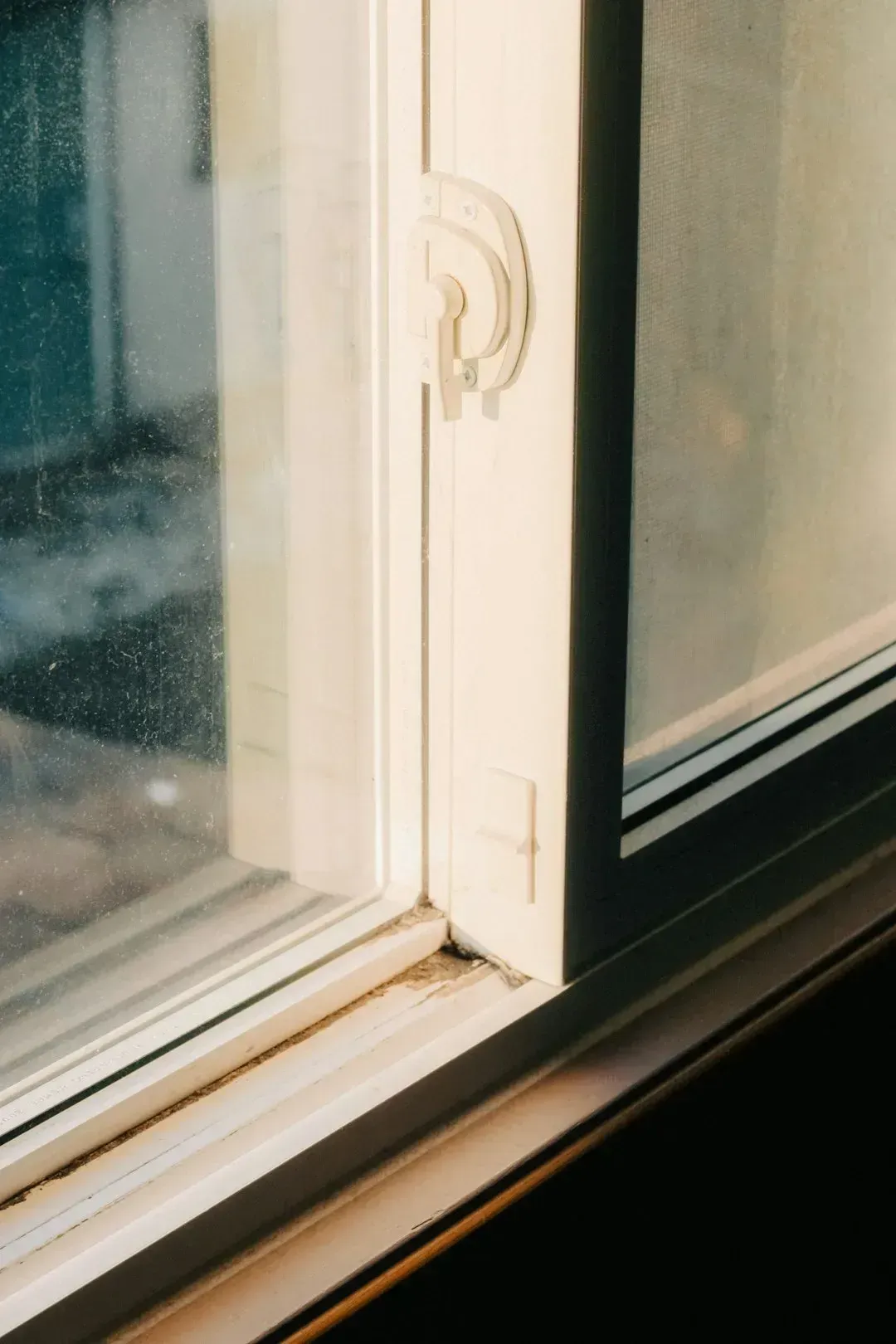
Sealing a room is considered a temporary protective measure to create a barrier between you and potentially contaminated air outside. During a chemical emergency, you may be asked to shelter in place and seal off your space until the worst of the danger has passed. This approach is specifically designed for threats that travel through the air, including toxic gases, biological agents, and low-level radiation plumes, rather than physical forces like wind.
The guidance calls for going into an interior room with few windows if possible and sealing all windows, doors, and air vents with thick plastic sheeting and duct tape. Choose one room in the middle of your home or a room with no windows, and when you move to your shelter, use duct tape and plastic sheeting to seal any doors, windows, or vents in case a chemical or radiation plume is passing over. This strategy buys time. It is not a permanent solution, and authorities stress that rooms should be unsealed once the external plume has passed to avoid CO2 buildup.
#7: Red Cross or Government Mass Care Shelter
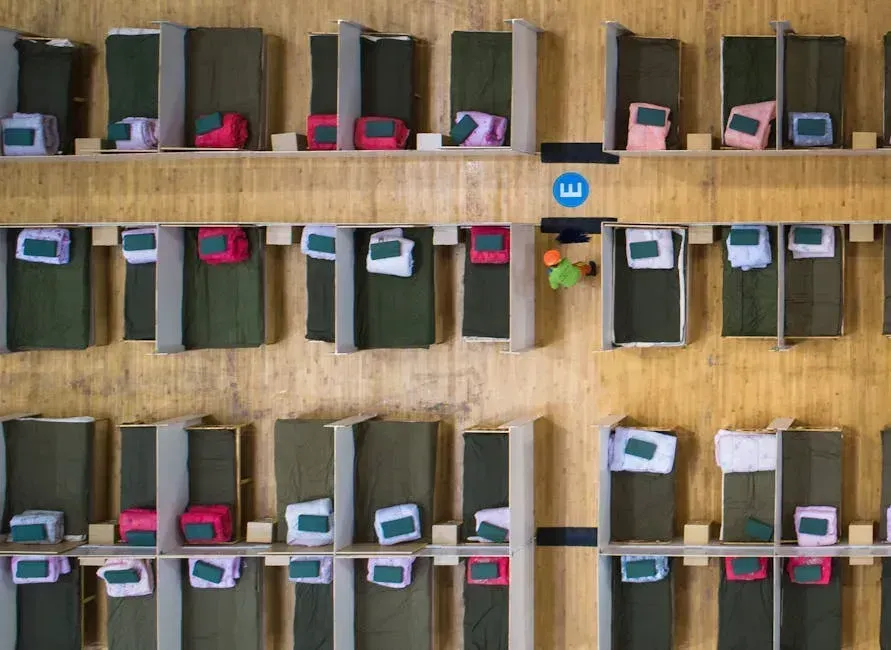
Mass care shelters provide life-sustaining services to disaster survivors and often provide water, food, medicine, and basic sanitary facilities, though you should plan to bring your own emergency supply kit so you have the supplies you need. These facilities provide safe shelter, comfort, and care without regard to personal status or background, ensuring that support is available to all during times of crisis. For people who have been displaced with no other option, this is a genuine lifeline.
Congregate shelters are the most common shelter type set up by the Red Cross and are generally established in large open settings that provide little to no individual privacy in facilities that normally serve other purposes, such as schools, churches, and community centers. Shelters are generally the place of last resort. They protect you from the elements and connect you with services, but they offer no structural advantage over whatever building they happen to occupy. The quality of protection depends entirely on the building itself.
#8: A Vehicle or Open Outdoor Location

The least desirable place to be during a tornado is in a motor vehicle, as cars, buses, and trucks are easily tossed by tornado winds. A vehicle does provide some limited protection from rain, cold, and flying particulates, but it offers essentially nothing against structural wind events, blast pressure, or radiation exposure. A car offers almost no radiation protection, with a protection factor of only around two to three.
If there is no shelter nearby and you are caught outdoors, lying flat in the nearest ditch, ravine, or culvert and shielding your head with your hands is the remaining option. If a vehicle is the only option, try to drive with a seatbelt on to the nearest shelter, and if flying debris is encountered while in a vehicle, staying in the vehicle with the seatbelt on and keeping your head below the windows and covered with your hands is advised. This ranking is last for a reason. Being outdoors or in a car during a serious disaster is a position to escape from, not to remain in.