
Every year, Americans dispose of more than 12 million tons of furniture. A good portion of that ends up in landfills before anyone bothers to ask what it might actually be worth. That’s a costly habit – and antique dealers see the wreckage of it constantly, watching genuinely valuable pieces disappear because someone assumed old meant worthless.
The truth is more complicated. While second-hand furniture depreciates with age and use, an antique item can cost a significant sum of money. The value of an item depends on its age, condition, how many similar pieces were made, the craftsmanship, and whether there are any interesting details in its history. Some of the pieces people toss most casually are exactly the ones dealers would pay real money to take off their hands. Here are ten of them.
The Antique Secretary Desk
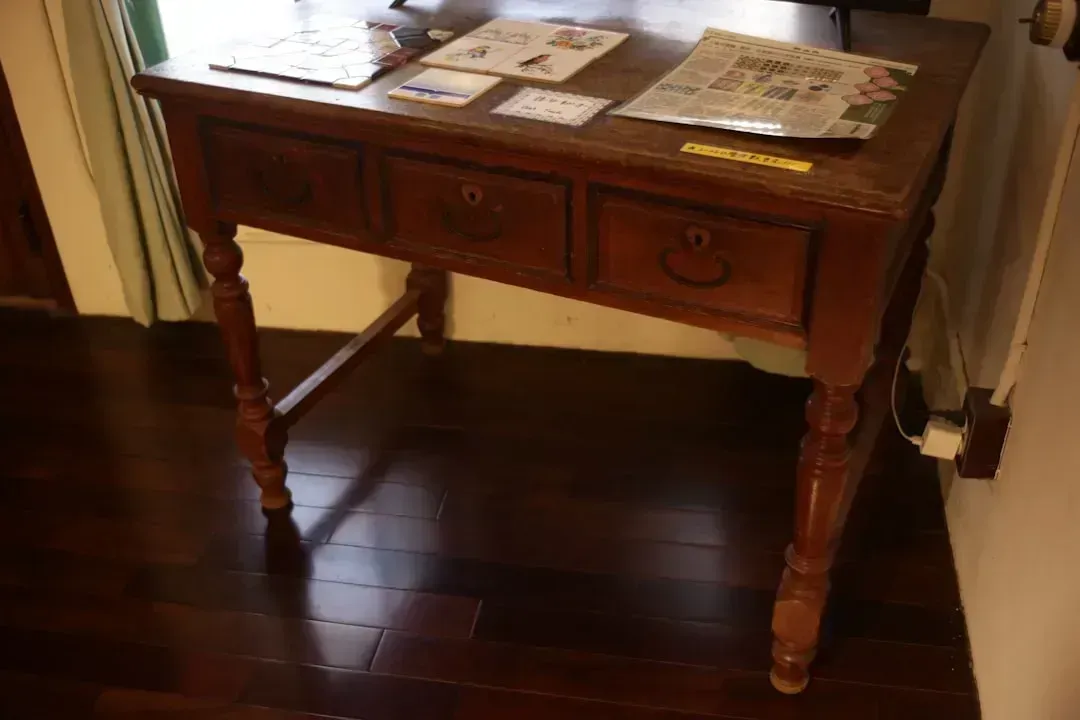
Secretary desks originated in Europe during the 17th century and gained popularity in America throughout the 18th and 19th centuries. The most sought-after antique secretary desks are typically from the Georgian, Victorian, and Edwardian eras, spanning from the early 1700s to the early 1900s. People often discard them because the folding writing surface seems impractical by modern standards, without realizing what’s actually sitting in front of them.
Secretary desks are valuable for their practicality, versatility, and historical significance. They provide ample storage space and a compact work surface, making them ideal for small homes or apartments. Additionally, antique secretary desks are often cherished as family heirlooms or collectible pieces of furniture art. On 1stDibs, the average selling price for antique desks and secretaries is around $4,671, while the highest examples can fetch as much as $275,000.
The Roll-Top Desk
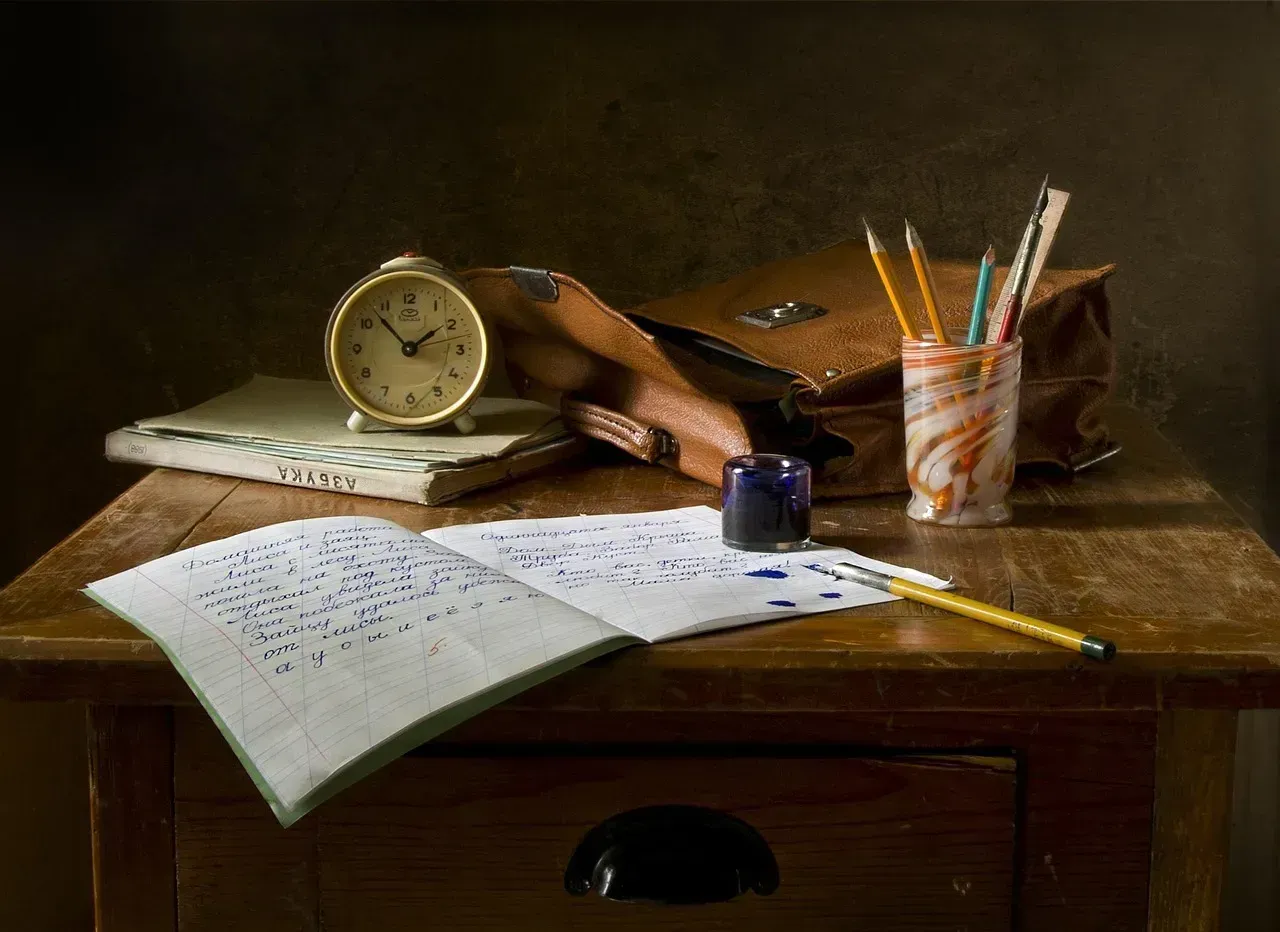
Few pieces of furniture carry as much quiet dignity as the Victorian roll-top desk, yet they get cleared out of studies and garages with alarming regularity. The kind of wood your furniture is made of can give you the best clue on its value. Most furniture items are crafted from native timbers such as beech, elm, yew, and ash. Fruitwoods like apple and cherry are also good indications of an antique item. However, the most highly valued furniture pieces are made of types of woods used in specific eras.
A solid oak or walnut roll-top from the late 1800s, complete with its original tambour mechanism and fitted interior compartments, represents a level of craftsmanship that simply isn’t reproduced today. Perhaps one of the most important factors in a piece’s value is its condition. Antiques in good condition are more sought after and have a higher value. Finding one with its original finish and working lock intact is increasingly rare, which is precisely why dealers search for them.
The Chippendale Mahogany Sofa
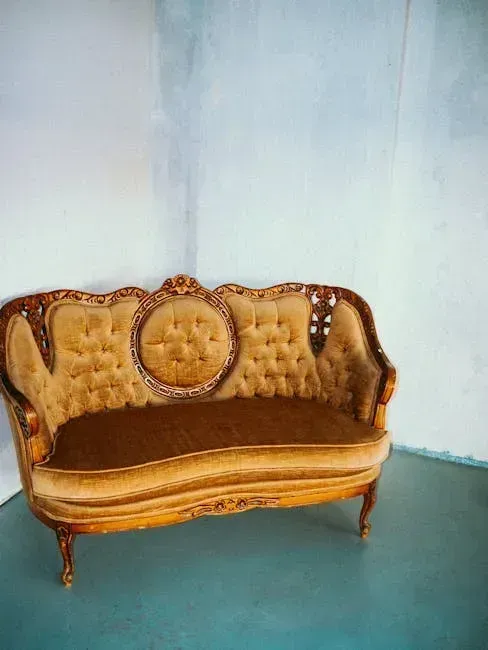
Most people who own one don’t know what they have. A Chippendale mahogany sofa from the late 18th century can sell for an astonishing $28,000 on 1stDibs, praised for its intricate carvings and detailing that include a “serpentine back and floral needlepoint upholstery,” offering a unique glimpse into the fine craftsmanship of the era.
Thomas Chippendale’s influence on 18th-century furniture was enormous, and pieces tied to his style or workshop command serious attention at auction. The Harrington Commode, for example, was a piece of 18th-century English furniture created by Thomas Chippendale. His work is always popular when it comes up at auction, and when this piece went under the hammer at Sotheby’s in 2010 it brought £3,793,250. The lesson for anyone inheriting a carved mahogany sofa: get it appraised before you get rid of it.
The Antique Four-Poster Bed
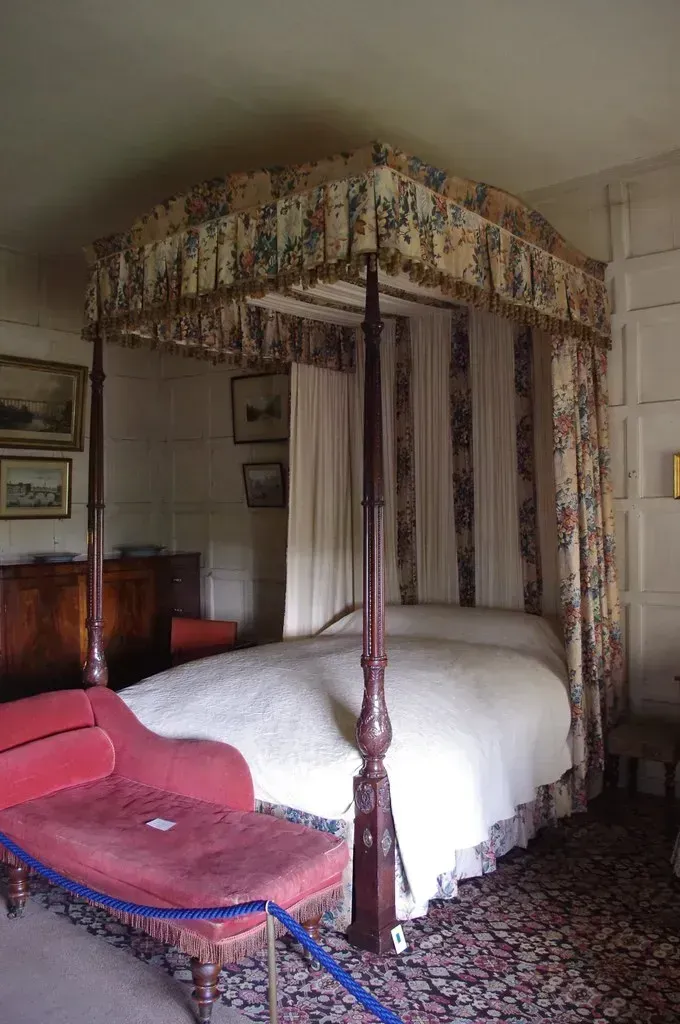
Ornate four-poster beds tend to fall out of fashion, then dramatically back into it. An old four-poster bed, especially one made from mahogany or walnut, commands serious attention from buyers. The market for these elegant pieces is hot right now, and collectors are eager to pay premium prices for authentic vintage examples.
The type of material used can significantly affect the value of your furniture. Solid wood pieces, such as oak, walnut, or mahogany, often value better than furniture made from veneers or particleboard. Additionally, certain types of wood may have become rare or valuable over time. A genuine mahogany four-poster from the early 1800s, with its original carved finials and mortise-and-tenon joints, is not just furniture – it’s a document of skilled hands at work.
The Gustav Stickley Arts and Crafts Chair
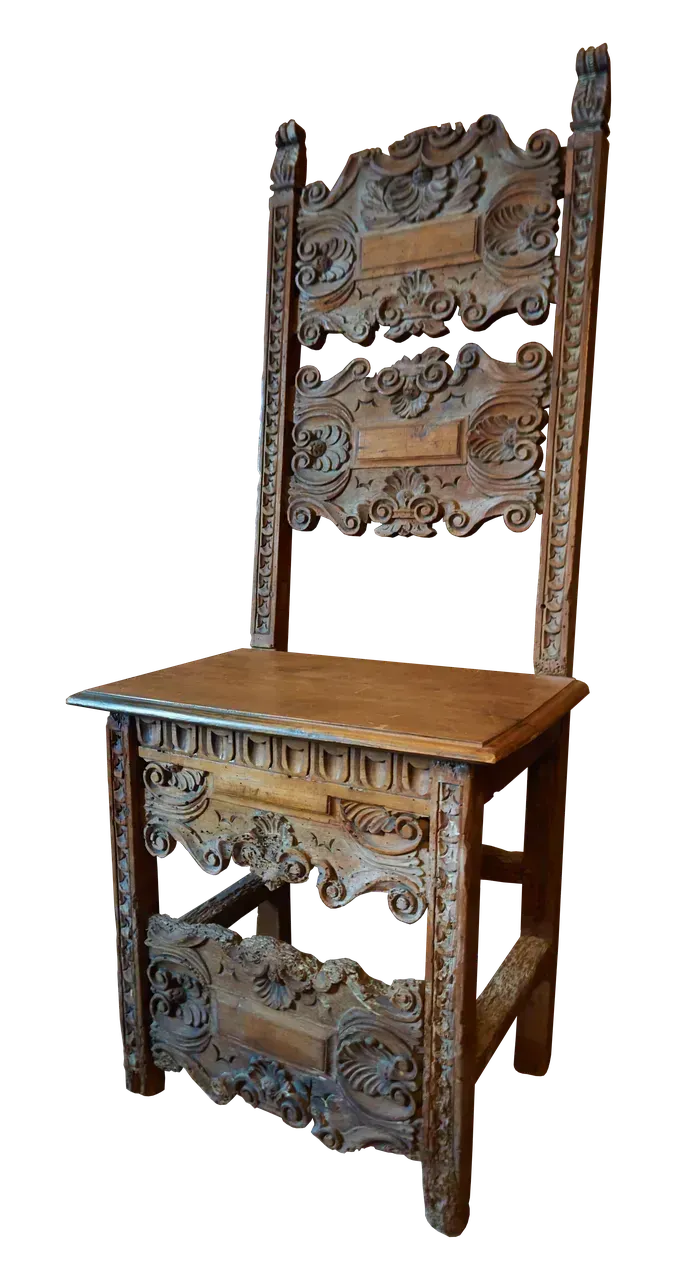
The Arts and Crafts movement, spanning from 1880 to 1920, retained the momentum of the Victorian period’s fine art and furniture design. Craftsmen like influential American Gustav Stickley challenged Victorian furniture’s mass production, creating higher-quality pieces with an impressive level of skilled craftsmanship. Craftsmen during this period took inspiration from the clean lines and designs found in medieval guilds. Arts and Crafts period furniture features straight lines with an emphasis on elongated forms, typically crafted using dark wood and stained oak.
A signed Gustav Stickley rocking chair from the Arts and Crafts movement is listed for nearly $1,500 on 1stDibs. Known for its simplistic style and durability, the piece reflects Stickley’s dedication to functional yet beautiful design. The chair’s clean lines and original finish helped elevate its overall value. Signed examples with original labels or hardware command significantly more, and dealers specifically hunt for them at estate sales.
The Eames Lounge Chair and Ottoman
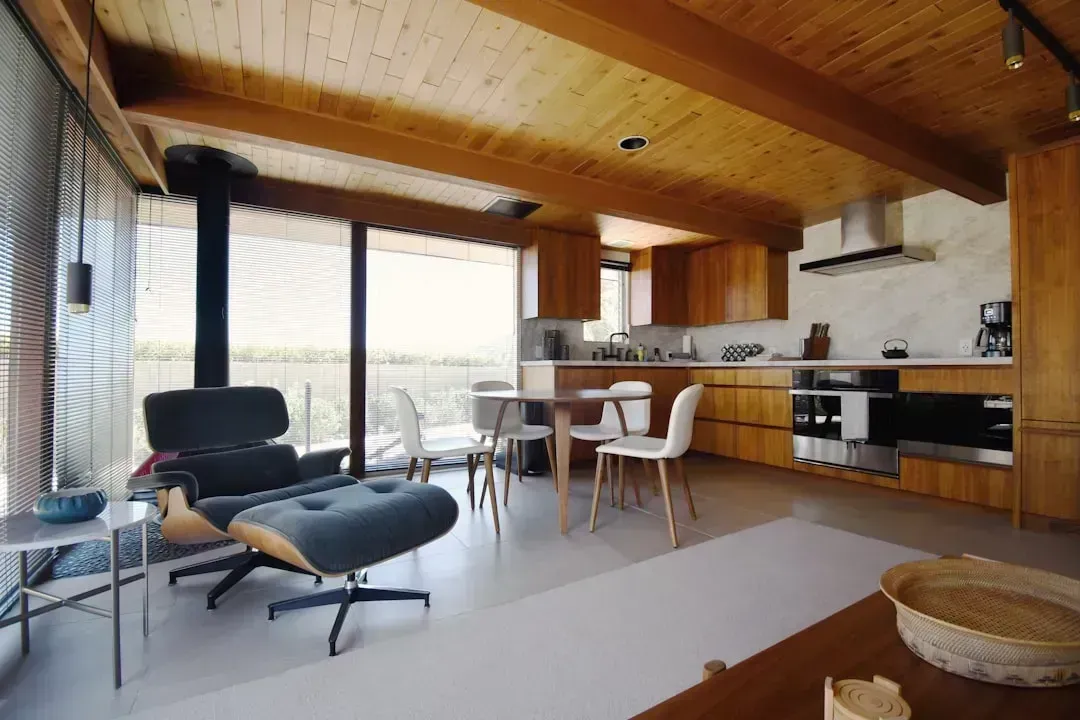
What sets authentic Mid-Century Modern furniture apart is its masterful craftsmanship and innovative use of materials. Pioneering designers like Charles and Ray Eames experimented with molded fiberglass and bent plywood, while Danish masters such as Hans Wegner elevated teak and rosewood to new heights of refinement. The result was furniture that felt entirely new – and pieces that have only appreciated since.
Originally designed in 1956, a luxurious Eames lounge chair and ottoman set sold at auction for $6,500 in 2023. Known for its sleek lines and innovative use of materials, the Eames line has become synonymous with wealth and prestige. Many people toss old lounge chairs without checking for the Herman Miller label tucked beneath the seat. That small detail is the difference between trash and treasure.
The Antique Highboy Chest
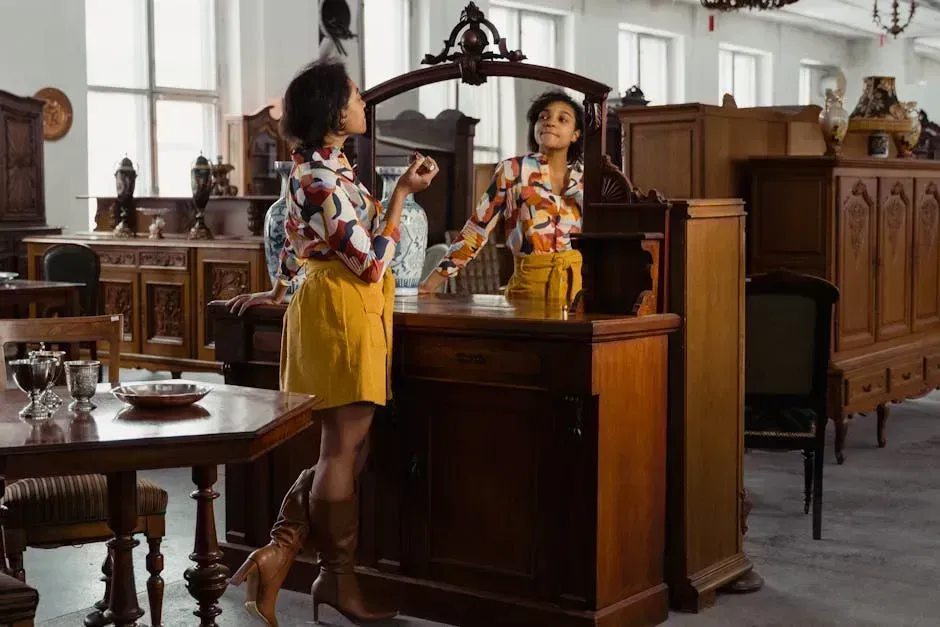
The highboy – a tall chest of drawers set on elongated legs – was one of the defining furniture forms of 18th-century American craftsmanship. The Age of Oak existed between the 16th and 17th centuries. The ages of walnut, mahogany, and satinwood then followed. Knowing what wood your furniture is made of can give you an idea of both age and value. Highboys built during the walnut and mahogany periods are particularly desirable.
Featuring walnut wood, shell-carved drawers, and intricate marquetry, a three-piece mahogany chest from the 1780s is valued at around $2,500. Cherished for their storage capacity and decorative appeal, these traditional tall chests are indeed beautiful. In a previous auction, a Queen Anne side chair made out of maple wood also sold for a staggering $125,000. A well-preserved highboy in its original finish, especially one bearing a maker’s mark, can easily exceed those numbers.
The Victorian Parlor Chair
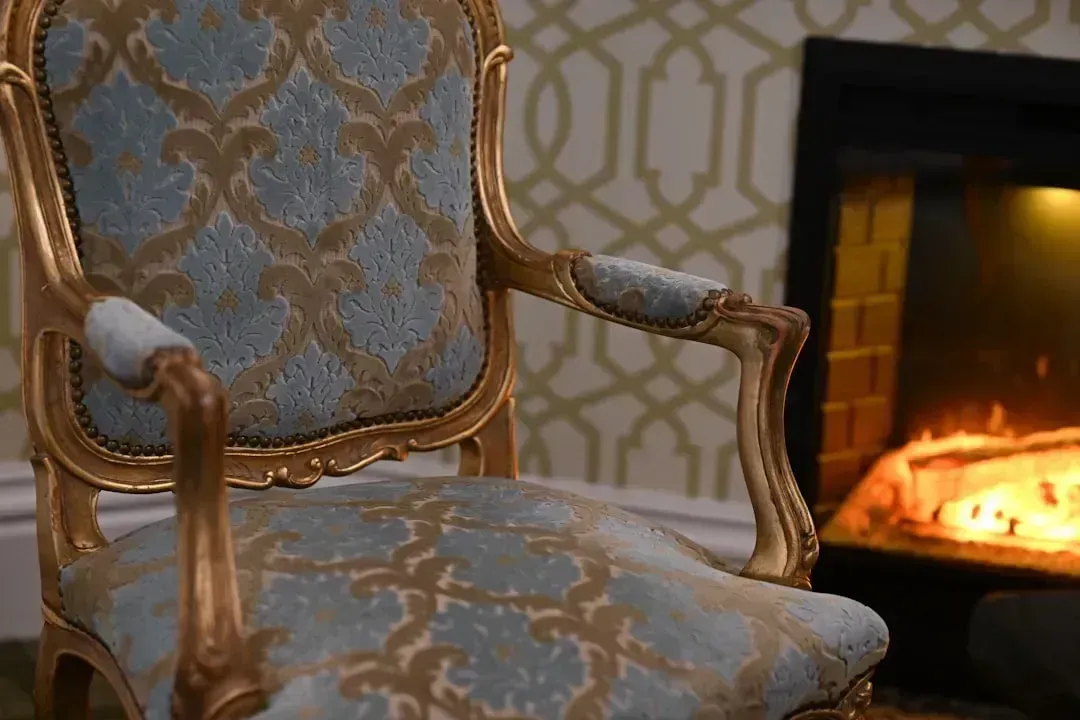
Victorian period furniture is largely decorative and formal. Designs are recognized by their intricate needlepoint and tapestry designs, curved structures and shapes, and rosewood inlays. Craftsmen commonly used valuable woods like black walnut, rosewood, oak, maple, and ash. These chairs often get donated or tossed during home renovations, with owners viewing them as stuffy relics rather than what they actually are – finely built objects.
Hidden among piles of discarded furniture or left on the curb, antique pieces can sometimes be found in surprising places. These items often boast intricate craftsmanship and unique designs, making them highly sought after by collectors and interior enthusiasts. From ornate Victorian chairs to elegant Art Deco cabinets, stumbling upon these abandoned gems can turn a casual stroll into a rewarding treasure hunt. Dealers know this, and they keep a close eye on estate sales where parlor sets are being cleared out.
The Antique Sideboard or Buffet
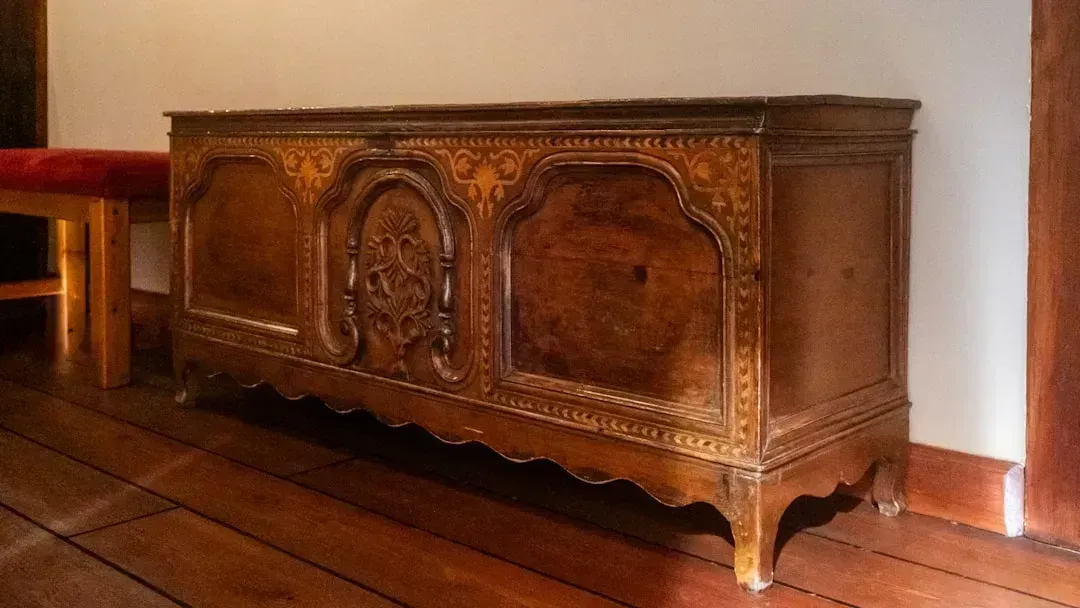
Sideboards took a hard hit when open-plan living became fashionable. Large antique cabinets, bookcases, and china cabinets seem too large for today’s look and often don’t work well with open-concept homes. That shift in taste caused a lot of genuinely valuable pieces to end up at the curb – a regrettable trend that dealers have watched with frustration for over a decade.
Collectors know that design elements and provenance – the historical journey of a collectible item that helps auction houses, museums, and galleries authenticate and value a piece – are what can make old furniture collections quite lucrative. A Federal-period mahogany sideboard with original brass hardware and a documented maker carries tremendous value for the right buyer. High-end antiques and more unique pieces have held their value better than the pieces that are easy to find.
Vintage Rattan and Wicker Furniture from the 1920s–1930s
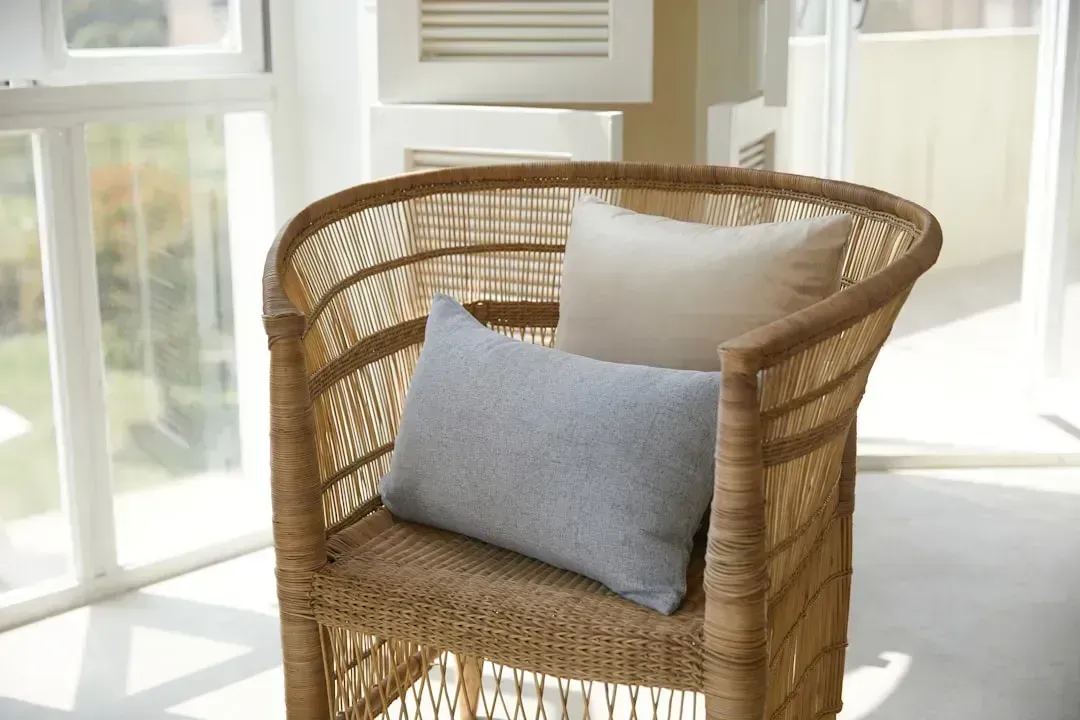
Authentic rattan pieces from the 1920s and 1930s are increasingly sought-after pieces of furniture. Not only is it difficult to find an authentic one, but finding one in good enough quality to sell is a challenge. Rattan can be difficult to keep in good shape, so if you’re one of the lucky few that has a beautiful piece in good condition, a collector might be interested.
The appeal of this category has grown steadily as collectors look beyond hardwood antiques toward more tactile, craft-driven forms. If you try cleaning or repairing your antique furniture without knowing its value, you could end up lowering the piece’s worth. No matter how confident you are about the value of your vintage furniture, it can be difficult to understand the best way to revive the way it looks without devaluing it. This is why it’s a great idea to have a reliable and qualified appraiser or antique dealer advise you on the best way of cleaning, repairing, and restoring your furniture. That last point applies especially to rattan, where well-intentioned cleaning can permanently compromise original patina and structural integrity.
The underlying story across all ten of these pieces is the same: what looks outdated or cumbersome to one generation often turns out to be precisely what collectors, designers, and auction houses are searching for in the next. The older the provenance, and the higher the craftsmanship behind the furniture, the more valuable pieces become. Before anything gets hauled to the curb, it costs nothing to take a photograph, check a maker’s mark, and make one quick call to a local antique dealer. That single step has saved people from some genuinely painful regrets.