
Most people think financial anxiety comes from not having enough money. The truth is more complicated. Research consistently shows that the way people behave around money, the small daily habits they barely notice, can generate just as much stress as an actual shortage of funds. The patterns are quiet, routine, and deeply ingrained, which is exactly what makes them so hard to spot.
A 2024 American Psychological Association report found that nearly two thirds of adults said money is a major source of stress, and nearly half said it negatively impacts their mental health. Experts describe this as a feedback loop: worry about money worsens mental health, and poor mental health makes it harder to manage money effectively. Understanding which specific habits feed that loop is the first step toward breaking it.
1. Avoiding Your Bank Account

According to research from Wealth Enhancement, nearly half of Americans have avoided checking a financial account in the past year because doing so felt too stressful. This habit feels protective in the moment, but it quietly compounds anxiety over time. If checking your balance once caused you distress, your brain learns to avoid it again, creating a habit loop: the trigger is thinking about money, the behavior is finding something else to do, and the result is bills still unpaid.
That paralyzing feeling when you avoid checking your bank account isn’t about laziness or poor self-control. Financial shame triggers a nervous system response that makes your brain prioritize emotional protection over practical action, transforming temporary money stress into destructive long-term patterns. We avoid what feels threatening and chase temporary relief, even when it undermines our goals. Over time, avoidance becomes habit and anxiety deepens.
2. Spending Money to Improve Your Mood

In a WalletHub survey, 61 percent of respondents said they spend money to improve their mood. Retail therapy feels harmless as a one-time thing, but it becomes a reliable pattern quickly. Studies show that the satisfaction from impulse shopping fades fast, often replaced by guilt, clutter, and budget anxiety.
Research indicates that emotional spending, often employed as a coping mechanism, can exacerbate financial difficulties by creating a cycle of temporary gratification followed by regret and increased debt. The emotional math never quite balances. Of respondents who feel stressed, anxious, or sad, 39 percent said they are likely to spend money to feel better, which means the very people most vulnerable to financial anxiety are also the ones most likely to adopt spending habits that make it worse.
3. Never Having an Emergency Fund

More than half of Americans say they feel behind where they should be when it comes to emergency savings. Living without a financial cushion keeps the nervous system in a near-constant state of low-level alert. Every unexpected expense becomes a potential crisis rather than just an inconvenience.
The two most common causes for financial anxiety among survey respondents are standard monthly expenses and unexpected expenses, cited by roughly half of participants each. That’s a worrisome combination. Both predictable and unpredictable expenses being nearly equally daunting highlights how prevalent financial anxiety truly is. Without savings to absorb shocks, even routine bills carry the psychological weight of an emergency.
4. Comparing Your Finances to Others on Social Media
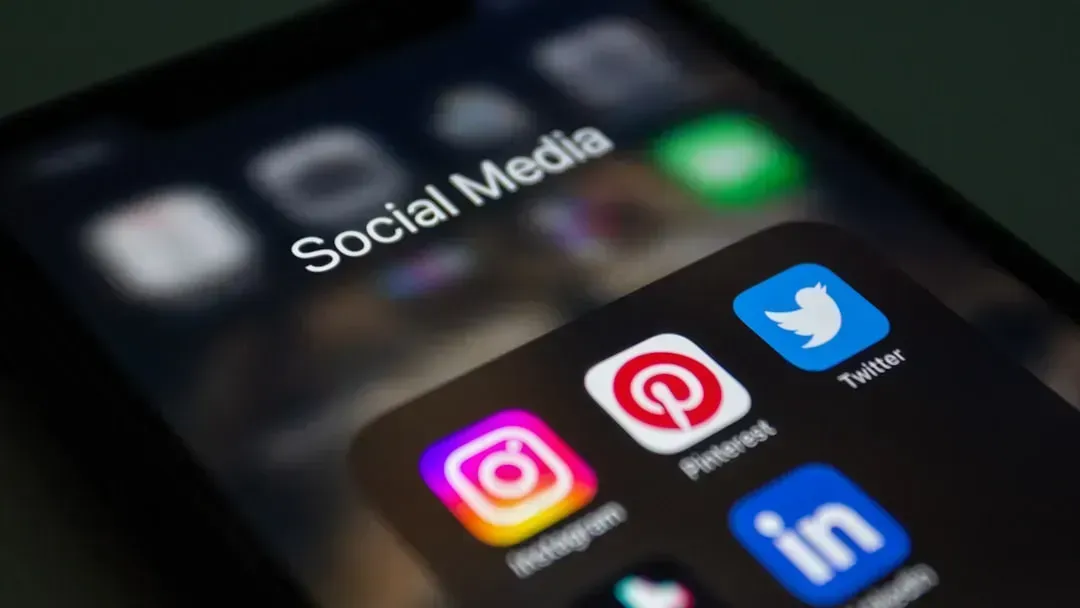
Frequently comparing your lifestyle to other people can lead to unhealthy spending habits, especially in today’s digital era, where people post photos of their lavish trips and designer handbags on Instagram, Facebook, and other social media. What appears online is almost never a full picture. One survey found that people who spend more than three hours a day on social media are significantly more likely to make impulsive financial decisions.
Social factors play a significant role in credit card usage. The influence of peers, coupled with the portrayal of lifestyles on social media, can create an unconscious pressure to spend to keep up with perceived social standards. This phenomenon often leads to spending beyond one’s means, with credit cards facilitating this unsustainable lifestyle. The scroll is quick; the debt that follows is not.
5. Carrying Credit Card Debt Month to Month

Nearly half of credit card holders fall into the “debt revolver” category, carrying debt from month to month, up from roughly two in five in 2021. Revolving credit card debt is uniquely anxiogenic because the balance grows in the background even when you’re not actively spending. The psychological impact of growing debt cannot be understated. It often leads to stress, anxiety, and a sense of hopelessness, especially as the debt seems to grow despite efforts to control it.
There is growing evidence that debt and loans are positively associated with psychological distress, as they increase anxiety, distress, and depression levels in individuals. The relationship isn’t abstract. Nearly 46 percent of those in problem debt also have a mental disorder, and those suffering from mental health issues are 3.5 times more likely to be in problem debt. The two conditions reinforce each other in ways that are genuinely difficult to untangle.
6. Living Without a Budget or Financial Plan

People with money avoidance tendencies tend not to make financial plans. They feel that making a budget will only add pressure and prefer to ignore it. The irony is that having no plan creates far more anxiety than the mild discomfort of sitting down and drafting one. Uncertainty is one of the brain’s most reliable anxiety triggers, and an unexamined financial situation is nothing but uncertainty.
When we think about money, the emotions that often come to mind aren’t excitement from having too much, but rather frustration, anxiety, or even a sense of powerlessness. These feelings can make it harder to exercise self-control and approach financial decisions rationally. A simple monthly budget, even a rough one, transforms vague dread into something manageable and specific.
7. Obsessively Checking Account Balances Multiple Times a Day

Avoiding your finances is one extreme. The other extreme is just as damaging. Obsessively refreshing your banking app throughout the day keeps your attention locked on fluctuating numbers that rarely provide useful information between each check. Research found that 57.4 percent of Millennials think about their financial situation daily, and 40 percent check their bank accounts at least once a day.
You don’t want to get into the habit of checking your bank accounts every day and stressing about your balance because you can’t control that. You can make sure you’re on the right track by looking at your monthly statements instead. Constant monitoring feeds a hypervigilant relationship with money. It may show up as obsessive checking of accounts, avoiding bills entirely, or physical symptoms like a racing heart when financial topics come up. Neither extreme helps.
8. Tying Your Self-Worth to Your Financial Status

In a WalletHub survey, 44 percent of Americans said they believe their financial status defines their self-worth. When money becomes a proxy for personal value, every financial setback feels like a verdict on who you are rather than simply a problem to solve. That kind of framing amplifies anxiety dramatically.
Research shows that the way people feel about their financial situation matters significantly more than their actual bank balance. Experts explain that “money disorders,” meaning the unhealthy financial narratives like constant worrying and chronic stress, can deepen mental health struggles, even for the wealthy. A powerful reframe is to view money as a tool, not a test. Many people equate financial success or failure with personal worth, and restructuring that mindset can be genuinely transformative.
9. Avoiding Conversations About Money With Partners or Family

A majority of Americans who are married or living with a partner say that financial uncertainty has impacted their relationship with their spouse or partner, up significantly from 2023. Avoiding those conversations doesn’t protect the relationship; it just allows financial disconnects to grow quietly in the background. Meanwhile, nearly two thirds of Americans say money worries have kept them up at night.
Most people don’t feel comfortable speaking about the financial stress they experience, even to close friends and family. That silence has real costs. Sharing your worries can normalize the experience, reduce feelings of shame or isolation, and provide an incredible source of support. What often feels like a deeply personal failure is, more often than not, a shared experience that becomes easier with acknowledgment.
10. Having No Retirement Strategy Whatsoever

Nearly half of workers now believe they’ll need at least one million dollars to retire comfortably, up from just over a third in 2024. Yet only about a quarter actually expect to reach that goal. This gap between perceived need and expected reality is a significant and often unexamined driver of background anxiety, particularly for people in their thirties and forties. Vague awareness that you’re unprepared, without any concrete steps to address it, produces a low hum of dread that rarely quiets.
Nearly a quarter of Americans have paused or reassessed their retirement planning due to financial stress, a decision most prevalent among Millennials and Gen X. Stepping back from planning because you’re anxious about the numbers is understandable, but it only widens the gap. More than half of respondents have considered delaying retirement due to insufficient savings. Even a modest, consistent contribution to a retirement account does more than grow money. It signals to your own nervous system that the future is being tended to, and that signal matters more than most people realize.
Financial anxiety is rarely just about the numbers in your account. It lives in the daily habits, the avoidances, the comparisons, and the stories we tell ourselves about what money means. Recognizing these patterns doesn’t solve every problem overnight, but it shifts the relationship with money from one driven by fear to one guided by something closer to clarity.