
Our world has radically transformed in the past few decades. Traditional fears like wild animals or tribal warfare have given way to a whole new spectrum of anxieties that would have been unimaginable to previous generations. These emerging phobias offer a fascinating window into how rapidly evolving technology, environmental changes, and social pressures are reshaping human psychology in unprecedented ways.
Nomophobia: When Your Phone Becomes Your Lifeline

Nomophobia (short for “no mobile phobia”) is the fear of not having a working mobile phone. The data revealed that 28.6% of respondents exhibited severe, 47.7% moderate, and 23.7% mild nomophobia symptoms. The study was run by the organization YouGov, which surveyed over 2,000 mobile phone users and found that about 53% of them experienced anxiety when they lost their phone, ran out of battery, or had no service.
Fear of Missing Out: FOMO and the Social Media Trap

It might contribute to increased stress, anxiety, and even depression due to factors like constant connectivity, social comparison, fear of missing out (FOMO), and decreased real-world interactions. 52.5% of participants reported moderate to extreme fear that others have more rewarding experiences than them, with the median FoMO score being (25.62). Keyword analysis reveals a thematic evolution in nomophobia research, with terms like “fear of missing out” (FoMO), “smartphone addiction,” and “problematic smartphone use” gaining prominence.
Climate Anxiety: The Weight of Environmental Doom
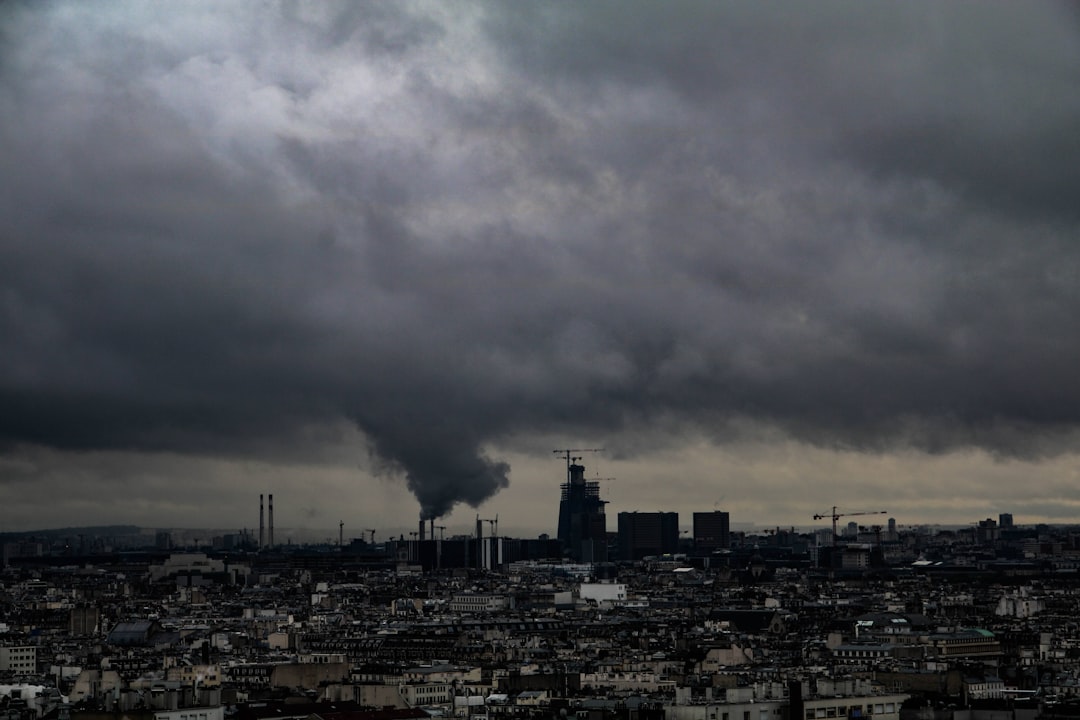
Climate, or eco, anxiety is loosely defined as a “chronic fear of environmental doom,” mental distress or anxiety associated with worsening environment conditions or negative emotions related to climate change. News website Grist reported that Google searches for the term rose 565 percent from 2020 to 2021. In a study by the “British Broadcasting Corporation” (BBC), 75% of young adults from the ages 16 to 25 reported themselves to have intense worry or fear about the future due to climate change. The condition has become especially common among children and young people – in 2021, in some universities, over 70% of students described themselves as suffering from eco-anxiety.
Social Media Comparison Anxiety: The Curated Life Illusion

Social media platforms have revolutionized the way we connect with others, but they’ve also introduced new sources of anxiety. The curated nature of social media feeds can lead to unrealistic comparisons and feelings of inadequacy. Additionally, the fear of missing out (FOMO) on social events or experiences shared online can create a constant sense of unease and dissatisfaction with one’s own life. Based on correlation, multiple regression and path analysis, we found that social comparison was the strongest predictor of FoMO (β = 0.43, p < .001). While social media addiction (β = 0.20, p < .001), loneliness (β = 0.13, p < .01), and perfectionism (β = 0.14, p < .05) also contributed directly to FoMO, these variables also served as mediators in the link between social comparison and FoMO.
Digital Performance Anxiety: The Perfect Online Persona Pressure
Digital Performance Anxiety: This type of anxiety is related to the pressure to maintain a perfect online persona. It’s also becoming increasingly personalized and customizable, with apps and programs that automatically classify images and generate collages and animations, “thereby curating the user’s daily life and special memories,” the authors wrote in their paper. This anxiety emerges from the constant need to present an idealized version of oneself across social platforms, creating psychological pressure to maintain an unrealistic standard of success, happiness, and productivity.
Submechanophobia: Fear of Submerged Man-Made Objects

Submechanophobia represents the fear of partially or fully submerged man-made objects such as shipwrecks, statues, or mechanical equipment underwater. This unusual phobia has gained recognition with the rise of underwater photography and marine exploration content on social media. The fear typically stems from the unsettling juxtaposition of human creations in an alien underwater environment, often evoking feelings of isolation and dread.
Technostress: When Innovation Becomes Overwhelming
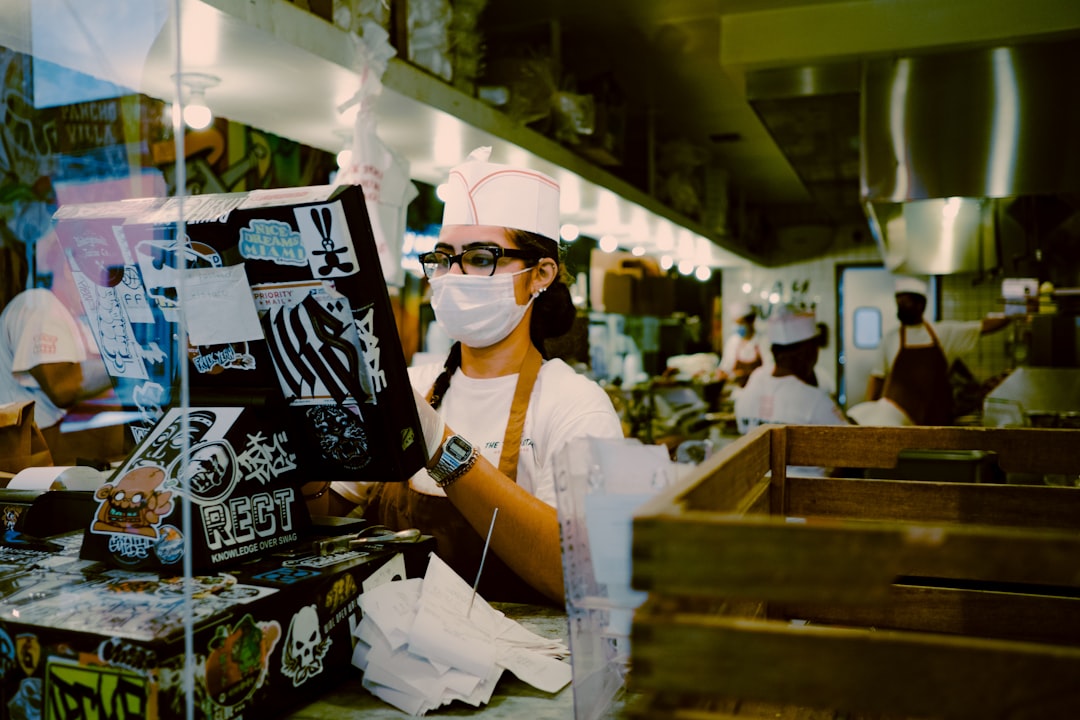
Technostress can be particularly challenging for older workers or those less comfortable with rapid technological change. This condition manifests as anxiety, fatigue, and overwhelm from constant technological updates and the pressure to adapt quickly to new digital systems. The rapid pace of technological evolution creates a persistent feeling of being left behind or inadequate in navigating modern digital demands.
Contamination Anxiety: Beyond Traditional Cleanliness Fears
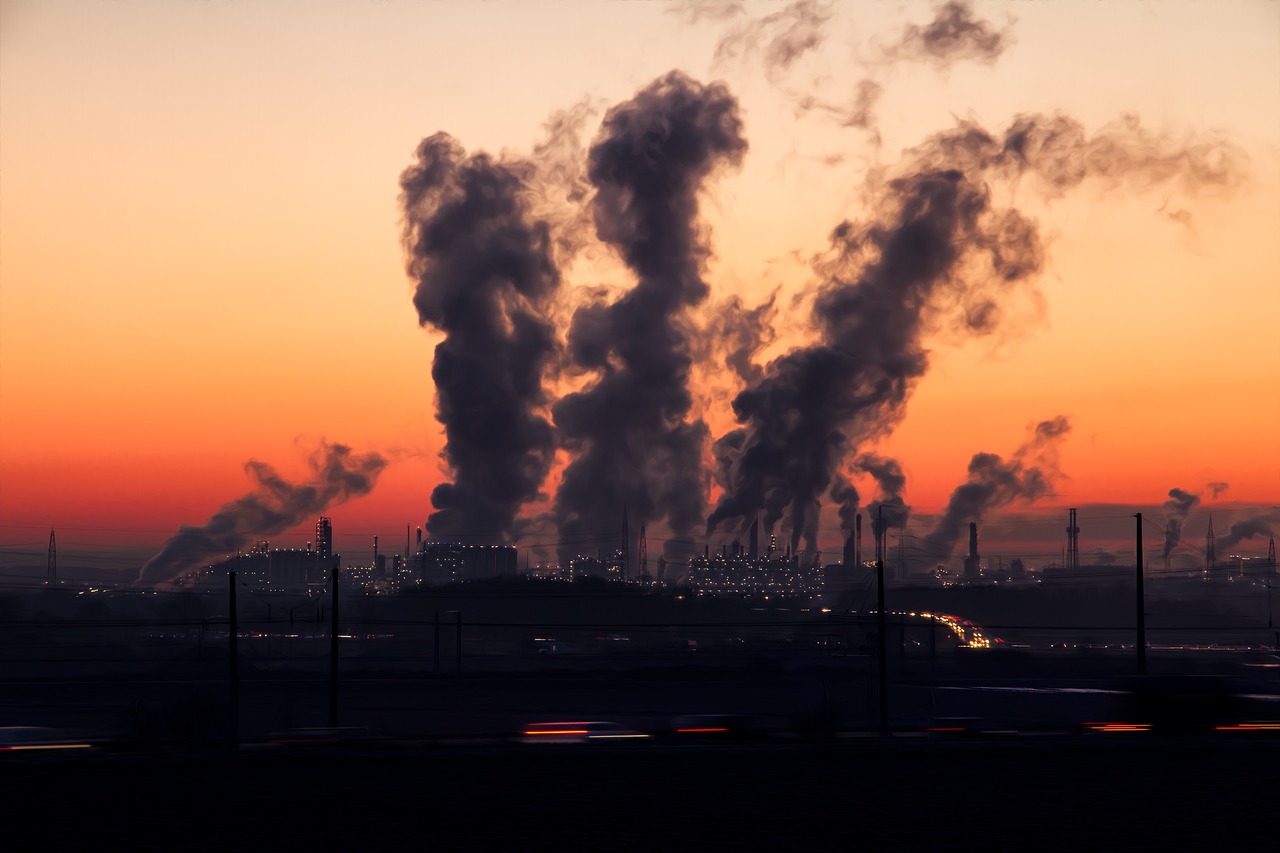
Modern contamination fears have evolved far beyond traditional concerns about dirt or germs. 63% of adults reported feeling anxious about protecting their identity from theft or fraud. Contemporary contamination anxiety encompasses digital security breaches, chemical exposure from processed foods, electromagnetic radiation from devices, and airborne pollutants in urban environments. These fears reflect heightened awareness of invisible threats that permeate modern living.
Biophobia: Disconnection From Nature Creates Fear
Evidence suggests that the incidence of biophobias is high, and possibly growing, in industrialised societies, even though our modern lifestyle entails only limited hazards related to wildlife. For example, while wildlife-related fatalities are extremely rare events (e.g. in the United States; Conover, 2019), animal phobias (zoophobias) have one of the highest lifetime prevalence (3.3%–5.7%) among specific phobias (Eaton et al., 2018; Wardenaar et al., 2017). It has been argued that the rise of biophobias in contemporary industrialised societies may be driven by a progressive disconnection with nature (Beery et al., 2023; Miller, 2005; Zsido et al., 2022), for example as a result of ongoing urbanisation (Fukano & Soga, 2021; Hand et al., 2017) or due to a growing tendency for youth and adults alike to be increasingly sedentary and bound to indoor spaces (Beyer et al., 2018; Guthold et al., 2010).